Understanding prepacked well screen: Why It Matters in Industrial Equipment
Having spent more than a decade in the industrial equipment sector, I can confidently say that prepacked well screens are a subtle yet essential component in the well construction and groundwater monitoring niche. Oddly enough, even seasoned engineers sometimes overlook how selecting the right prepacked well screen can make or break the success of a project.
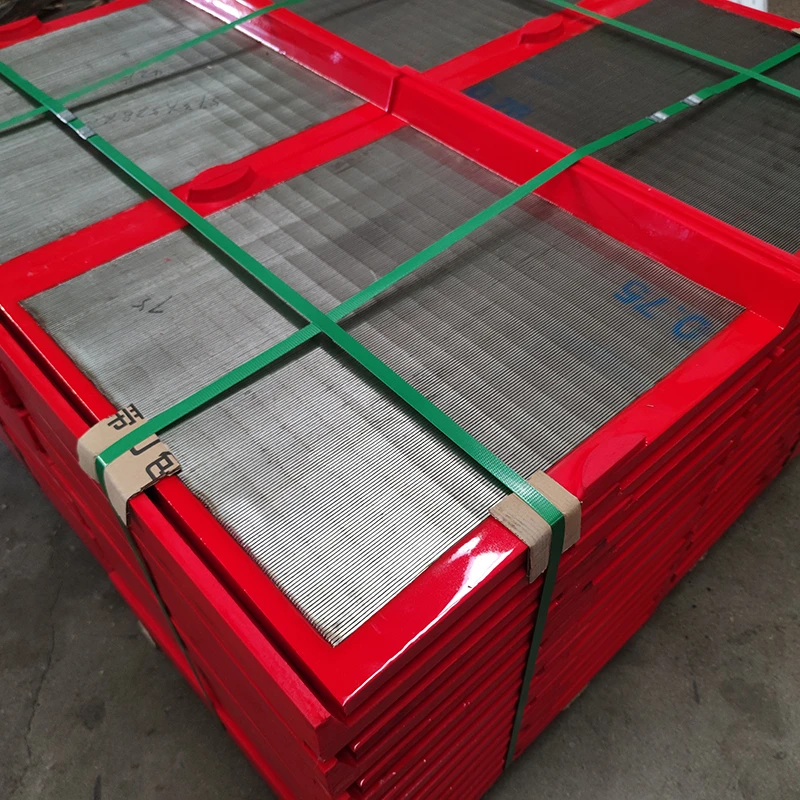
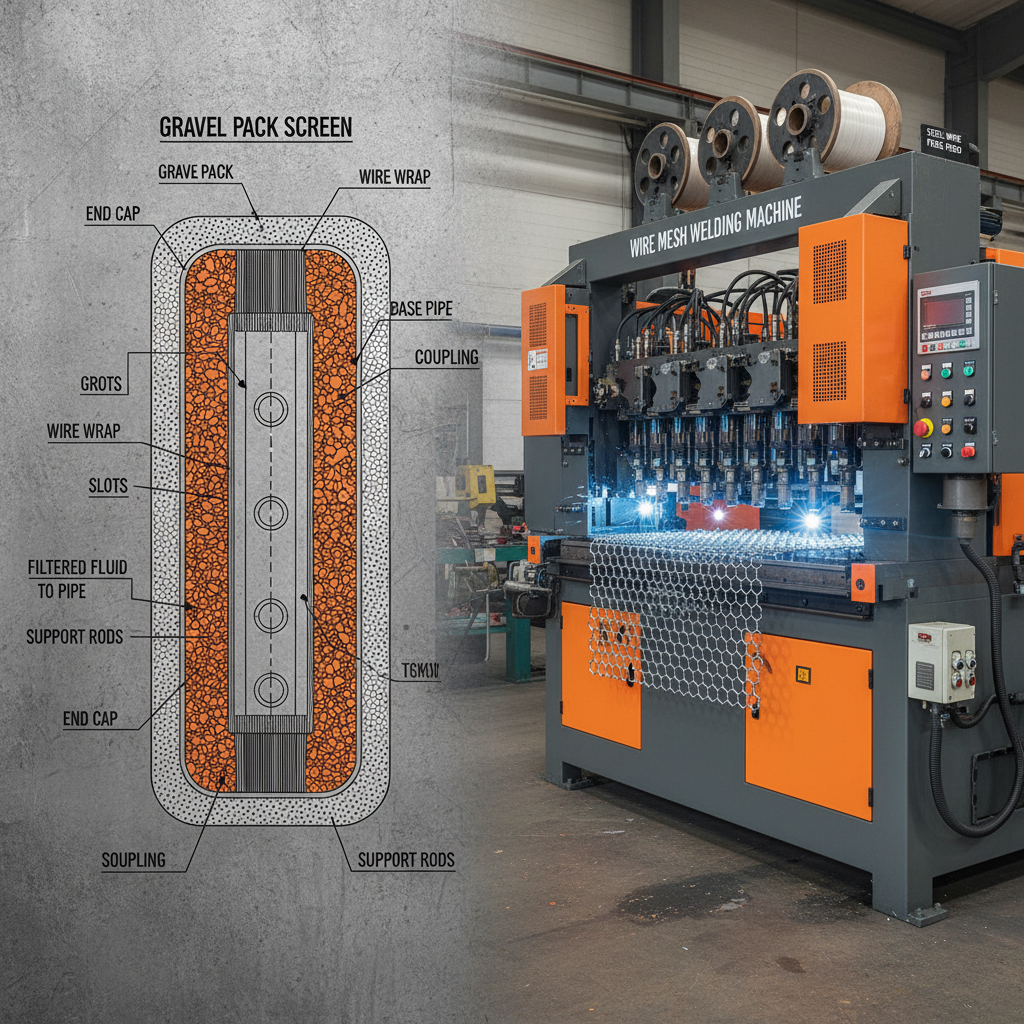
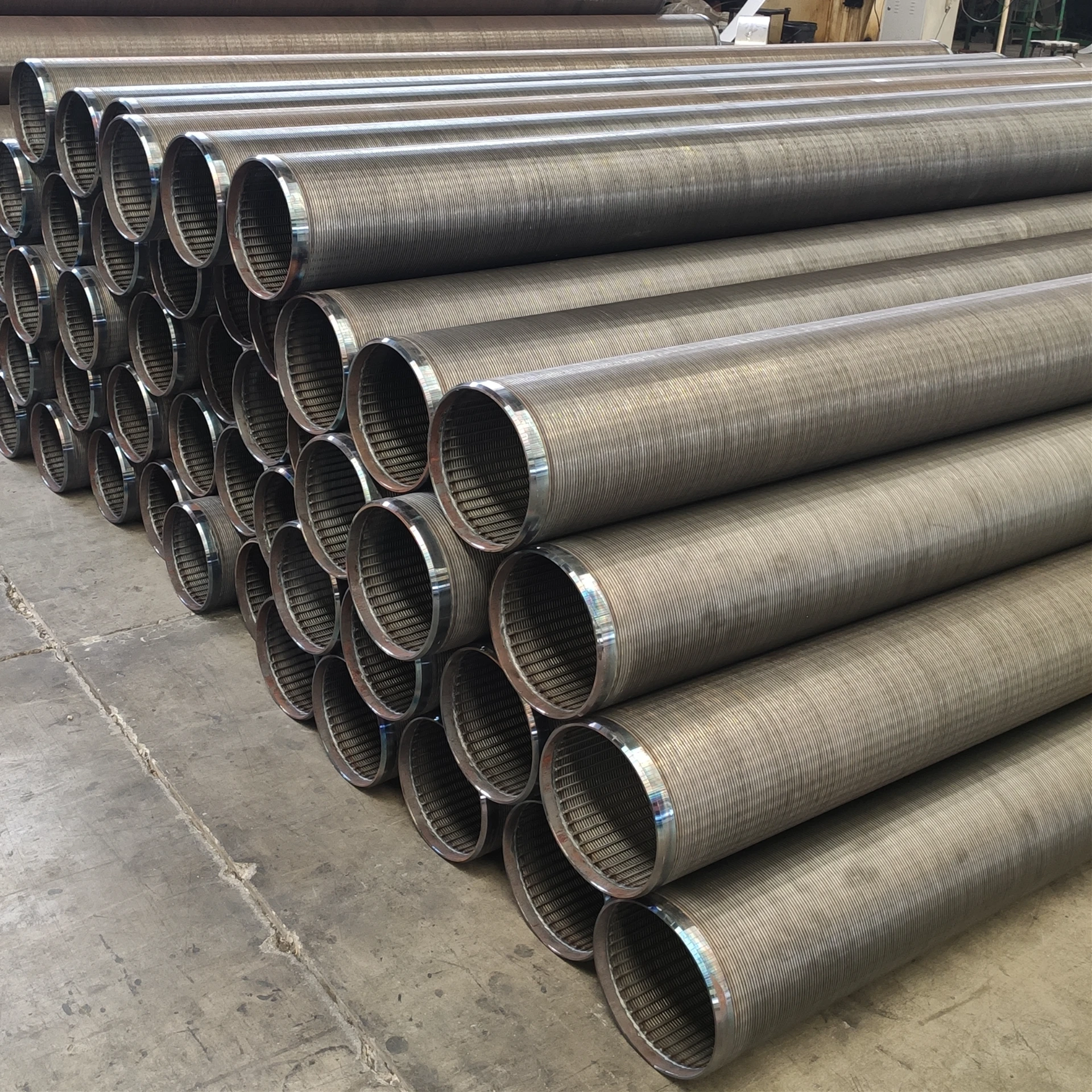
For those new to the term, a prepacked well screen is essentially a filtering device pre-installed with filtered gravel or sand to prevent fine particles from clogging the screen while allowing water flow. The industry has come a long way over the last 20 years, with advances aiming at improving durability, filtration accuracy, and cost-effective installation. I suppose what’s often understated is how much attention goes into material selection and customization — more on that in a bit.
Back when I first saw these screens in action, it felt like witnessing a small miracle of engineering: steel or stainless steel mesh wrapped carefully with a precise filter pack. The goal is simple but nuanced: protect the aquifer, reduce maintenance, and ensure long-lasting performance in often harsh environmental conditions. Many engineers I’ve worked with insist that buying generic screen packs is a false economy, as the wrong specification can cause delays and unexpected expenses down the line.
In real terms, choosing a prepacked well screen means specifying inner screen slot size, pack media grain size, and even the thickness of the filter wraps. Some vendors offer these customizable specs to tailor-fit challenging geological conditions. I recall a project in the southwest U.S. where a custom stainless steel prepacked well screen significantly outperformed a casted alternative, especially in sandy, corrosive environments.
Key product specifications to consider:
| Specification | Typical Range/Values |
|---|---|
| Screen Material | Stainless Steel (304/316), Carbon Steel |
| Slot Size | 0.010" - 0.040" (250 - 1000 microns) |
| Filter Pack Media | Rounded silica sand, gravel (0.5 - 2 mm) |
| Length | Custom, typically 1m - 6m |
| Diameter | 50mm - 150mm |
| Certifications | ISO 9001, ASTM D-28 |
Vendor Comparison: Who’s Leading in Prepacked Well Screens?
| Feature | Mutoscreen | Competitor A | Competitor B |
|---|---|---|---|
| Customization Options | High – various materials & specs | Medium – limited materials | Low – fixed specs only |
| Lead Time | 2 - 4 weeks | 4 - 6 weeks | 6 - 8 weeks |
| Pricing | Competitive | Moderate | Expensive |
| Material Quality | Premium stainless steel available | Carbon steel primarily | Mixed quality |
| Customer Service | Responsive, technical support included | Average | Limited |
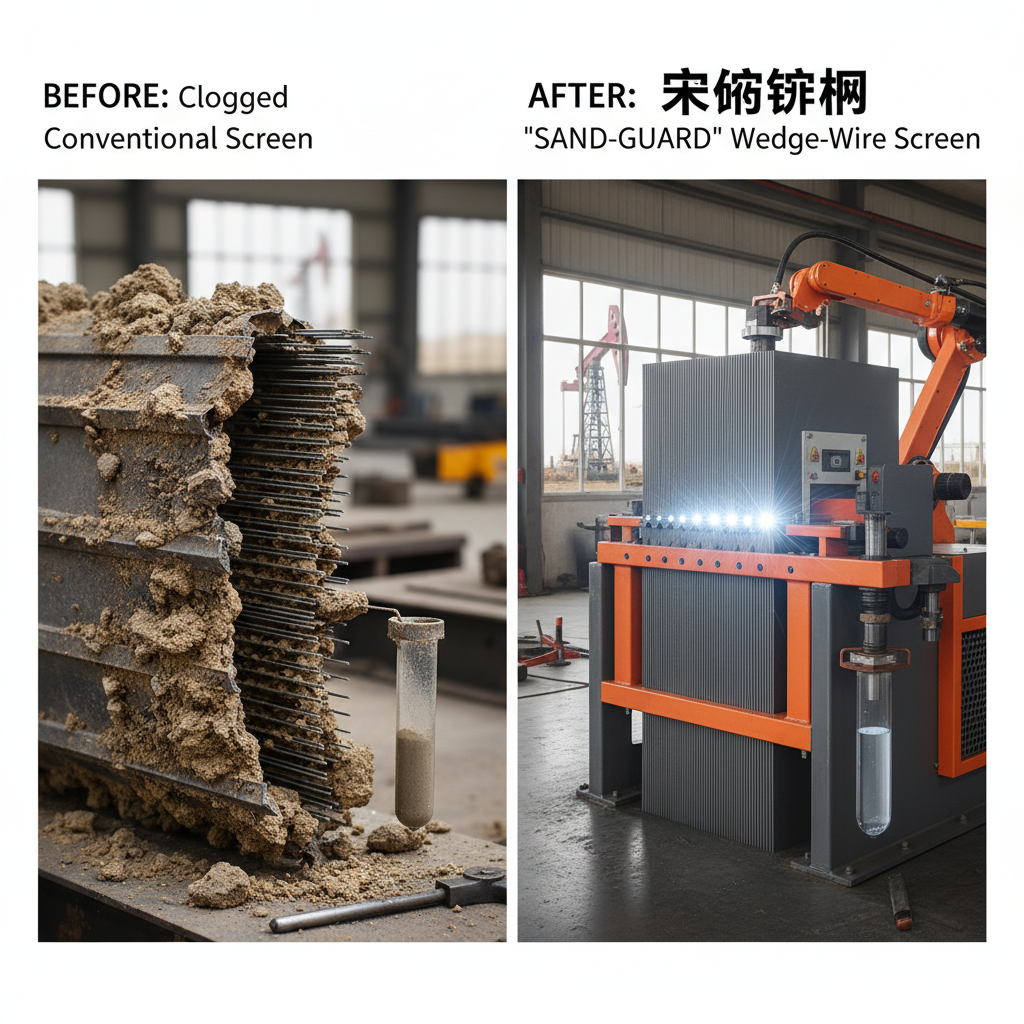
One memorable story comes to mind: a client working on environmental remediation contacted me after struggling with frequent clogging of their traditional well screens. The switch to a customized prepacked well screen made of high-grade stainless steel and using a carefully matched filter sand was a game-changer. Maintenance dipped dramatically, and data quality improved. It’s those real-world details that don’t always show in a spec sheet but mean a lot on-site.
Of course, not all projects need ultra-specialized prepacked screens. Sometimes, standard sizes and media will do fine. But understanding the product’s design and vendor differences – well, that’s half the battle. If you’re involved with groundwater monitoring, oil & gas, or any subsurface fluid extraction or injection, keeping an eye on these specs is well worth the effort.
Lastly, testing and certification often get overlooked. Making sure the product adheres to standards like ASTM or ISO 9001 isn’t just bureaucratic box-checking — it’s about trust, durability, and legal compliance. Manufacturers like Mutoscreen tend to emphasize these, so it’s reassuring when you know your equipment has passed rigorous tests.
So, if you’re in the market for a reliable prepacked well screen, take your time, ask questions, and consider the vendor’s expertise as much as the specs. In my experience, that attention to detail pays off.
A final thought? Sometimes the best innovation is just solid, time-tested engineering combined with quality materials and thoughtful customization.
References:
1. ASTM International standards on well screen filtration
2. ISO 9001 Quality Management Systems guidelines
3. Industry reports on groundwater well performance