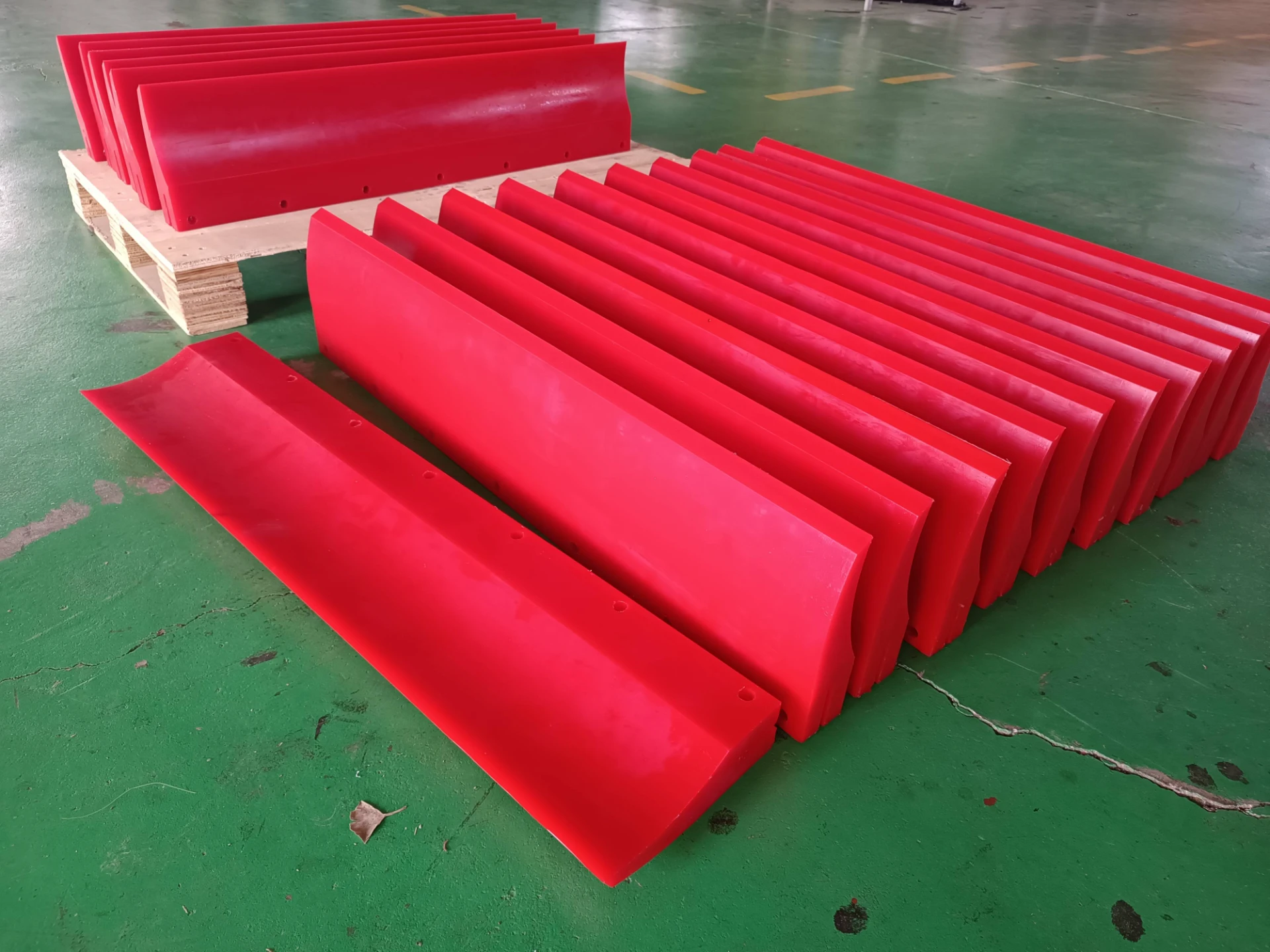
Pressure Arc Sieve: High-Efficiency Wastewater Fine Screens
  • Home
  • News
  • Pressure Arc Sieve: High-Efficiency Wastewater Fine Screens
Sep 23, 2025

Pressure Arc Sieve: High-Efficiency Wastewater Fine Screens


Introduction to Pressure Arc Sieve Technology in Industrial Separation

In a vast array of industrial processes, efficient solid-liquid separation is not merely a preference but a critical requirement for operational efficacy, product quality, and environmental compliance. Among the advanced solutions available, the pressure arc sieve stands out as a highly effective and robust technology. This component, often referred to as a bend screen or utilizing advanced wedge wire panels, leverages a unique design principle to achieve precise and high-capacity separation, particularly in challenging environments such as wastewater fine screen applications. This comprehensive article delves into the intricate details of pressure arc sieve technology, covering its underlying principles, manufacturing excellence, diverse applications, and the tangible advantages it offers B2B decision-makers and engineers.

Our discussion will encompass current industry trends driving the adoption of such systems, the precise technical specifications that define their performance, and a thorough exploration of their application scenarios. We will highlight the technical advantages over conventional methods, provide a framework for vendor comparison, and elaborate on the customization possibilities that cater to specific industrial demands. Furthermore, real-world application case studies will illustrate the practical impact and return on investment facilitated by this technology, ensuring a deep understanding of its value proposition.

Industry Trends in Advanced Solid-Liquid Separation

The landscape of industrial solid-liquid separation is continually evolving, driven by stringent environmental regulations, a global push for resource recovery, and the relentless pursuit of operational efficiency. Key trends include:

  • Enhanced Efficiency and Finer Separation: Industries demand equipment capable of achieving finer separation with higher throughput, minimizing valuable product loss and reducing downstream treatment costs. The pressure arc sieve, with its precise slot openings and self-cleaning capabilities, directly addresses this need.
  • Sustainability and Resource Recovery: There is a growing emphasis on recovering valuable solids from waste streams and minimizing water consumption through effective recycling. Technologies like the pressure arc sieve facilitate this by efficiently separating reusable materials and clarifying water for recirculation.
  • Automation and Reduced Labor Costs: Systems that require minimal manual intervention and maintenance are increasingly favored. The static nature and robust construction of the pressure arc sieve contribute to lower operational expenditure and less downtime.
  • Corrosion Resistance and Durability: Operating in harsh chemical environments, industrial equipment must offer exceptional resistance to corrosion and abrasion, ensuring a long service life and consistent performance. Materials like SS304 and SS316L, common in these applications, meet this demand.

These trends collectively underscore the importance of reliable, high-performance separation technologies. The pressure arc sieve is well-positioned to meet these challenges, offering a blend of efficiency, durability, and cost-effectiveness that aligns with modern industrial objectives.

Technical Specifications and Operating Principles of the Pressure Arc Sieve

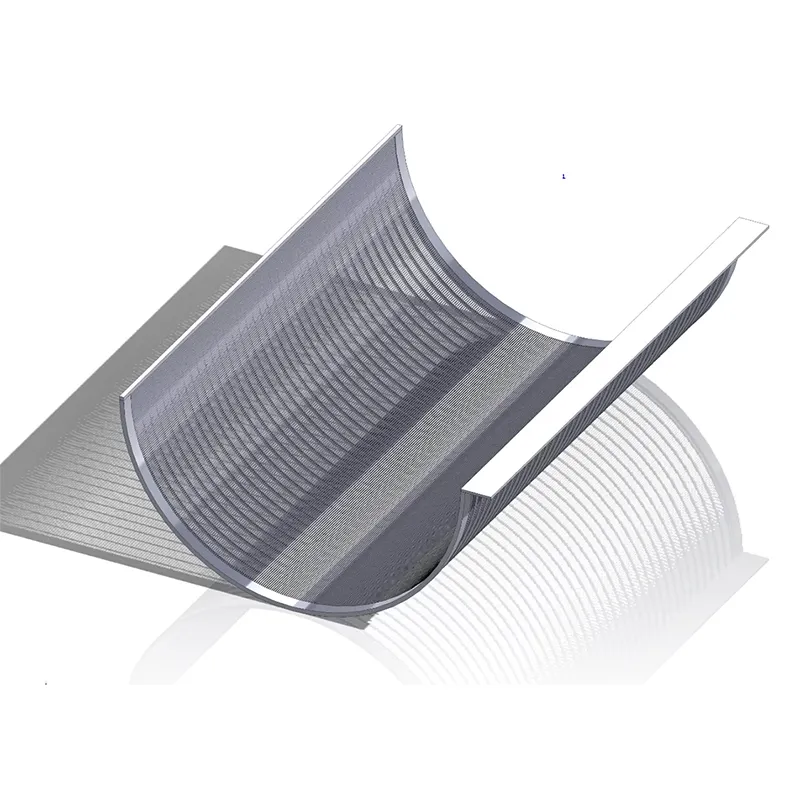
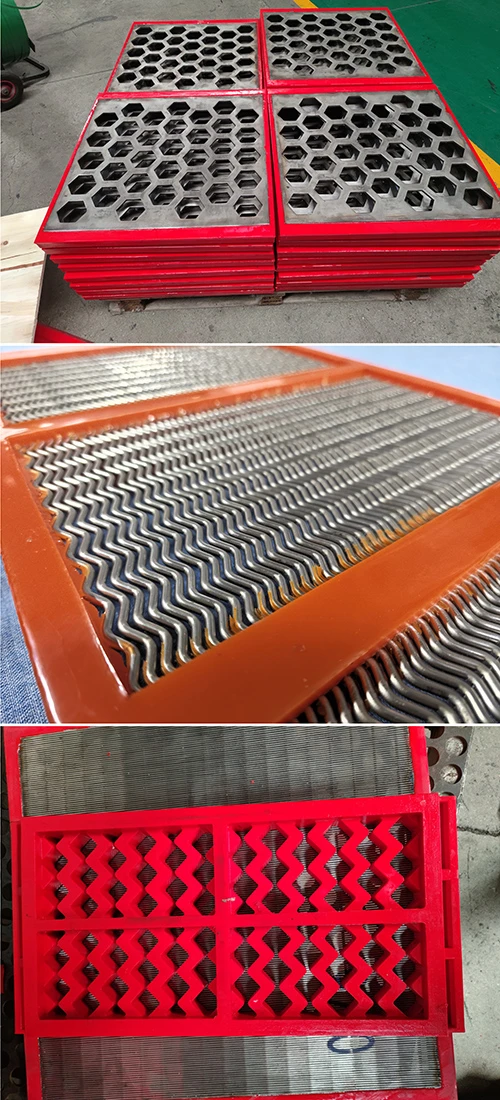
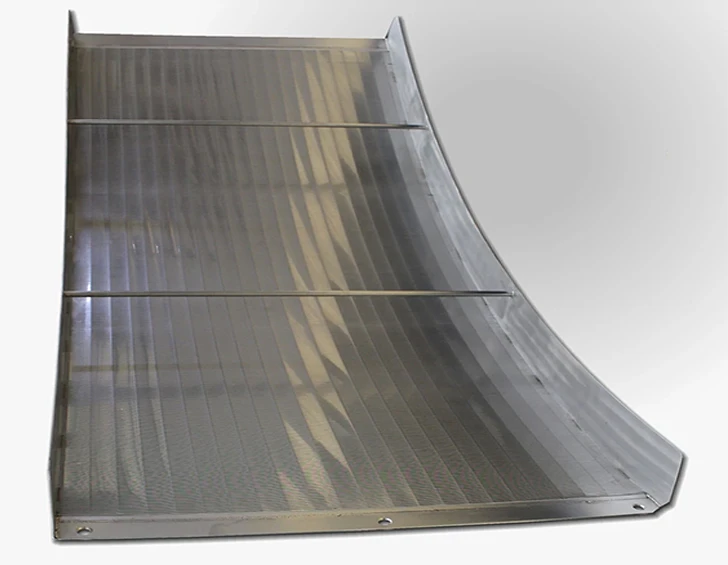
The core of the pressure arc sieve's effectiveness lies in its unique design: a curved screen surface constructed from specialized wedge wire panels. These panels consist of precisely profiled wires welded to support rods, creating V-shaped slots. The arc design facilitates a tangential flow of liquid, which, combined with the Coanda effect, creates a self-cleaning action and efficient separation.

Key Operating Principles:

  • Coanda Effect: As slurry flows over the curved screen, the liquid adheres to the surface due to surface tension and changes direction, passing through the screen slots. Solids, due to their inertia, continue along the trajectory, separating from the liquid.
  • Shear Forces: The rapid change in direction and velocity of the fluid creates shear forces at the screen surface, dislodging solids and preventing blinding or clogging of the slots.
  • Gravity & Pressure: While gravity assists, the pressure from the incoming flow significantly enhances separation efficiency, making it suitable for high-flow applications.

Typical Product Specifications:

Parameter Description Typical Range/Value
Screen Material Commonly Stainless Steel (High corrosion resistance) SS304, SS316L, Duplex Stainless Steel
Slot Opening Size of V-shaped openings for filtration 0.05 mm to 2.0 mm (50 to 2000 microns)
Arc Radius Curvature of the screen surface Typically 600 mm to 1500 mm
Screen Angle Angle of inclination for flow 45°, 60°, 120°, 180°, or customized
Wire Profile Shape of the wedge wire (e.g., triangular, rectangular) V-shape (typical for non-clogging)
Open Area Percentage of open space for fluid passage 10% to 40% (depending on slot size)
Operating Pressure Inlet pressure of the slurry 0.1 MPa to 0.6 MPa (1 to 6 bar)
Pressure Arc Sieve: High-Efficiency Wastewater Fine Screens
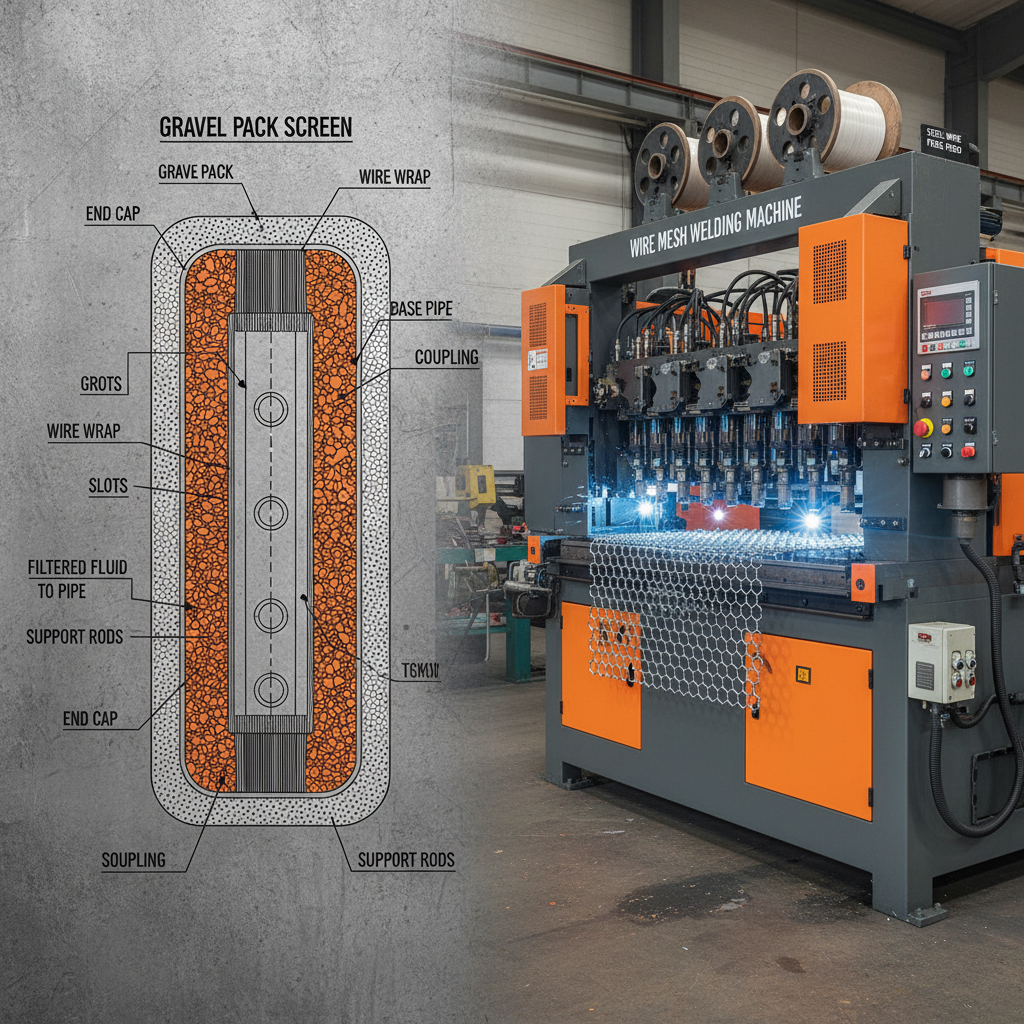
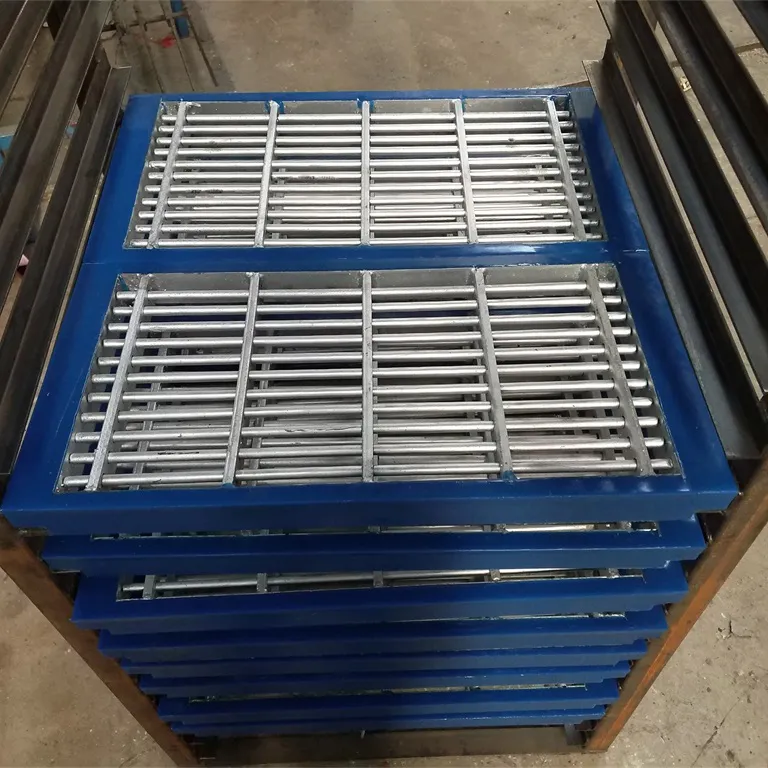
Figure 1: Typical wedge wire panel structure for a pressure arc sieve.

Manufacturing Process Flow of Pressure Arc Sieves

The production of a high-performance pressure arc sieve involves a meticulous process that combines advanced engineering with precision manufacturing techniques. Quality control is paramount at every stage to ensure the final product meets stringent industry standards like ISO 9001 and adheres to material specifications such as ASTM or DIN.

Detailed Process Steps:

  1. Material Selection & Procurement:
    • High-grade stainless steel (SS304, SS316L, or specialized alloys like Duplex Stainless Steel) is chosen based on the intended application's corrosion resistance and strength requirements. These materials are sourced from certified suppliers to ensure traceability and quality.
    • Rigorous incoming material inspection ensures compliance with chemical composition and mechanical properties against international standards (e.g., ASTM A240 for stainless steel plates).
  2. Wire Profiling & Support Rod Preparation:
    • Specialized wires are drawn and cold-formed into precise V-shaped profiles, which are crucial for the non-clogging characteristics of the sieve.
    • Support rods, typically round or rectangular, are cut to length and prepared for welding.
  3. Precision Welding (Wedge Wire Panel Fabrication):
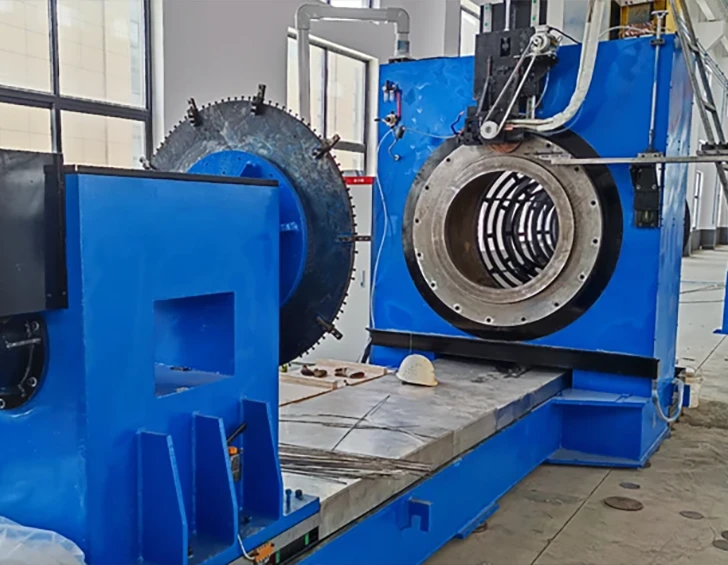
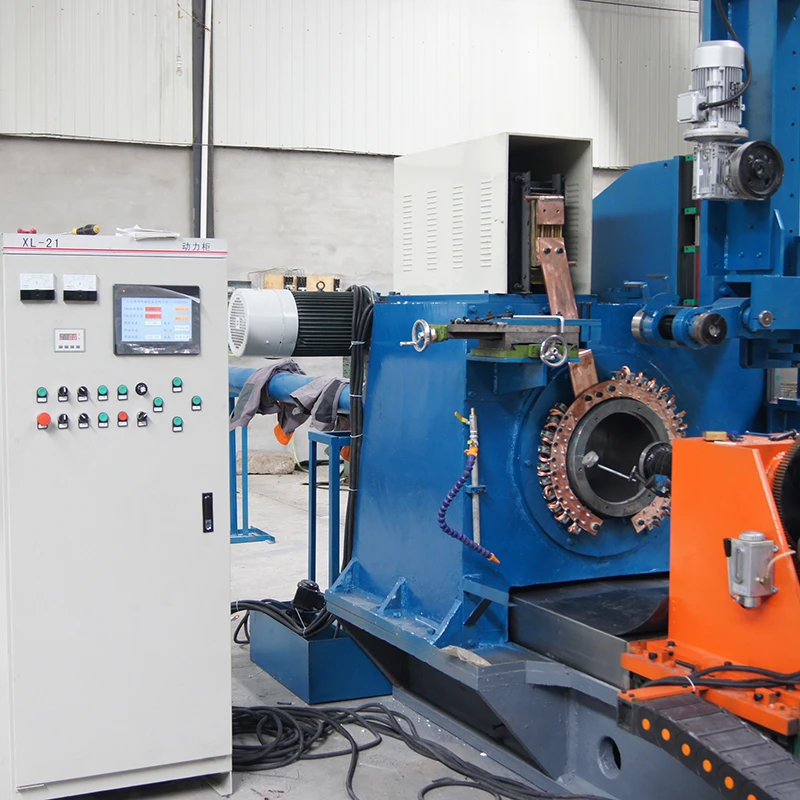
    • The profiled wires are continuously welded onto the support rods at precise intervals using automated resistance welding or TIG welding processes. This ensures uniform slot openings and robust panel integrity.
    • Advanced CNC machinery guarantees accurate slot dimensions, which are critical for the desired separation efficiency.
  4. Arc Bending/Forming:
    • The flat wedge wire panels are then precisely bent into the required arc radius using hydraulic press brakes or roll-forming machines. The bending radius and angle are critical to the performance of the bend screen.
    • Stress relief procedures may be applied depending on material and bending severity.
  5. Frame Fabrication & Assembly:
    • The arc screen is integrated into a robust frame, typically made of the same material, ensuring structural rigidity and ease of installation into existing systems. This involves further welding and fabrication, often adhering to ANSI or custom flange standards.
    • All welds are visually inspected and, where necessary, non-destructive testing (NDT) such as dye penetrant or ultrasonic testing is performed to ensure weld integrity.
  6. Surface Treatment & Finishing:
    • The finished screen undergoes cleaning, degreasing, and passivation to remove contaminants and enhance its corrosion resistance. Electropolishing can be applied for specific applications requiring ultra-smooth surfaces, such as food & beverage or pharmaceutical.
  7. Final Quality Control & Testing:
    • Each pressure arc sieve undergoes comprehensive inspection, including dimensional checks, slot opening verification (using calibrated gauges or optical comparators), weld integrity checks, and surface finish assessment.
    • Pressure testing or flow tests may be conducted on select units to ensure hydraulic performance and structural integrity under operational conditions.
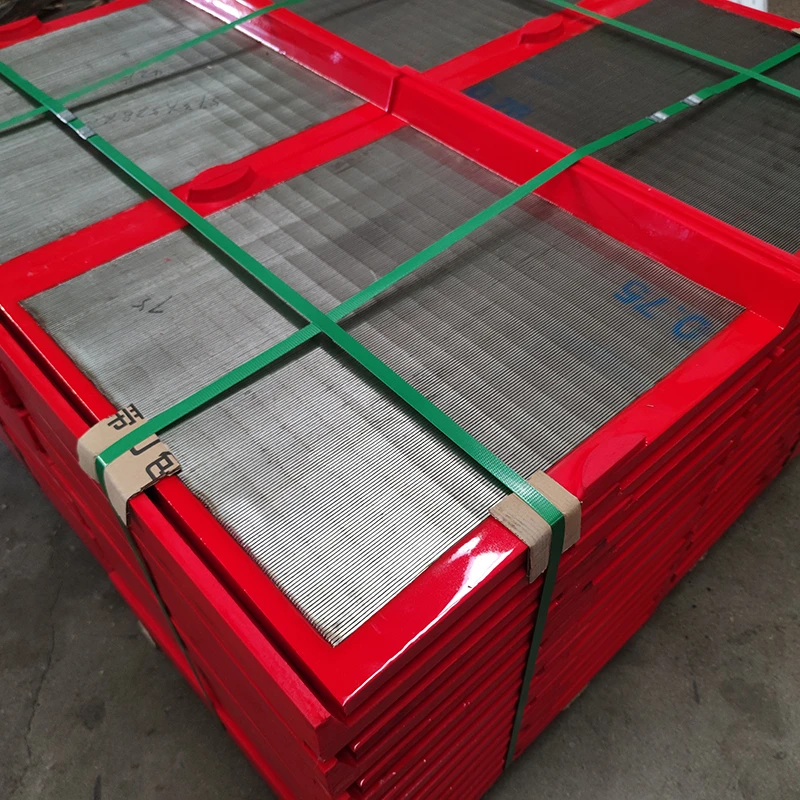
    • All products are packaged securely to prevent damage during transit, with appropriate documentation including material certificates and test reports.

This rigorous process ensures a service life often exceeding 10-15 years under normal operating conditions, making it a highly reliable component for target industries like petrochemicals, metallurgy, and water supply & drainage. The emphasis on precision in manufacturing leads to key advantages such as energy saving through passive separation and superior corrosion resistance due to high-grade materials and finishing.
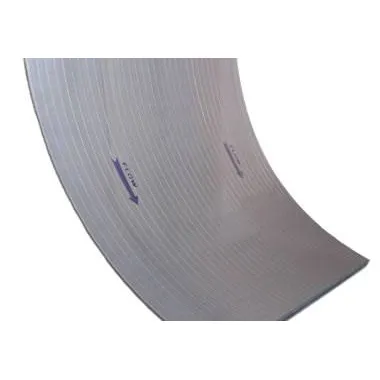
Pressure Arc Sieve: High-Efficiency Wastewater Fine Screens
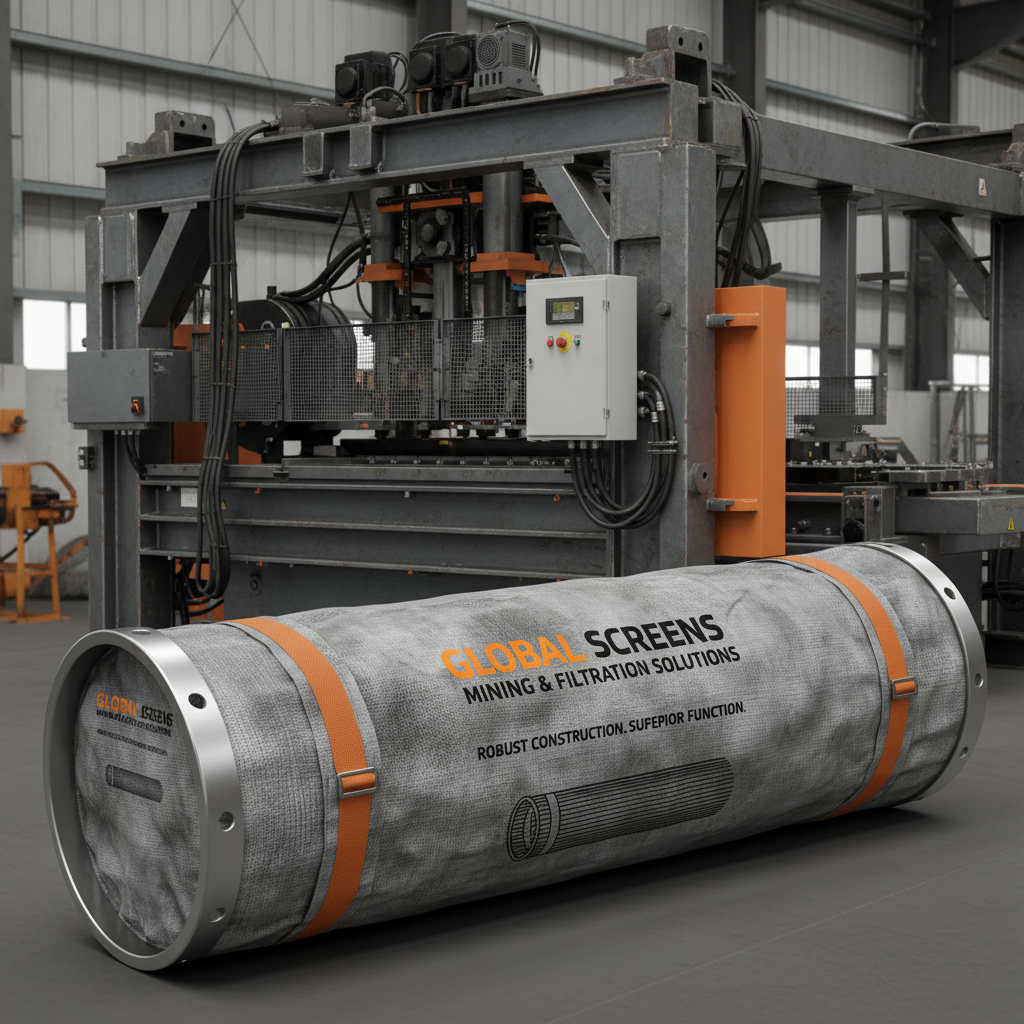
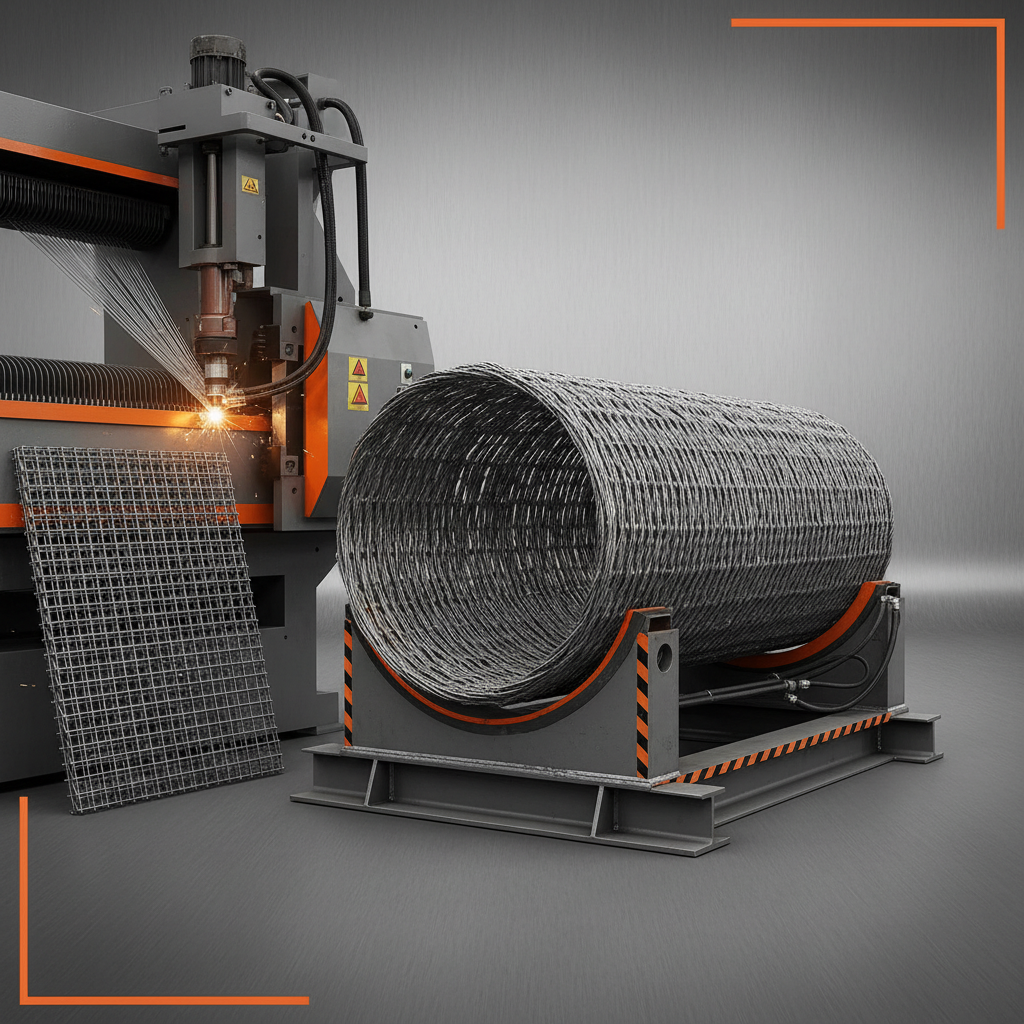
Figure 2: Precision welding of wedge wire panels.

Diverse Application Scenarios of Pressure Arc Sieves

The versatility of the pressure arc sieve makes it indispensable across a broad spectrum of industrial applications where efficient solid-liquid separation is critical. Its robust design and effective operating principles allow it to handle varying fluid properties and solid loads.

Primary Target Industries and Applications:

  • Wastewater Treatment (Industrial & Municipal):
    • Fine Screening: Employed as a wastewater fine screen for removing fibrous materials, grit, and suspended solids from industrial effluents and municipal sewage, protecting downstream equipment like pumps and clarifiers.
    • Sludge Dewatering: Pre-thickening of sludge before further dewatering steps, reducing volume and increasing efficiency of centrifuges or filter presses.
    • Recycled Water Filtration: Clarifying process water for reuse, reducing fresh water consumption.
  • Pulp & Paper Industry:
    • Fiber Recovery: Essential for recovering valuable wood fibers from pulp slurries and process water, improving yield and reducing waste.
    • Stock Thickening: Dewatering pulp stock to achieve desired consistency for subsequent processing steps.
  • Food & Beverage Processing:
    • Fruit & Vegetable Processing: Removing skins, seeds, and pulp from wash water or juices.
    • Sugar Production: Clarification of sugar cane juice or beet liquor, separating bagasse and other impurities.
    • Brewing & Distilling: Spent grain separation from wort, yeast recovery.
  • Mining & Mineral Processing:
    • Dewatering & Classification: Separating fine particles from coarser ones, dewatering slurries containing coal, sand, or various mineral ores.
  • Textile Industry:
    • Dye Wastewater Treatment: Removing suspended solids and fibers from dye house effluents.
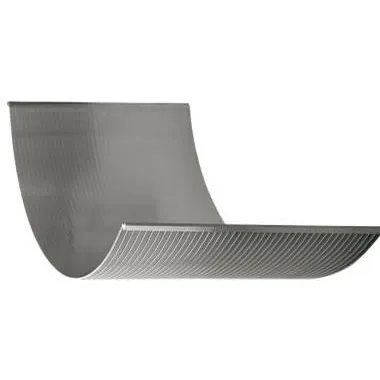
Pressure Arc Sieve: High-Efficiency Wastewater Fine Screens
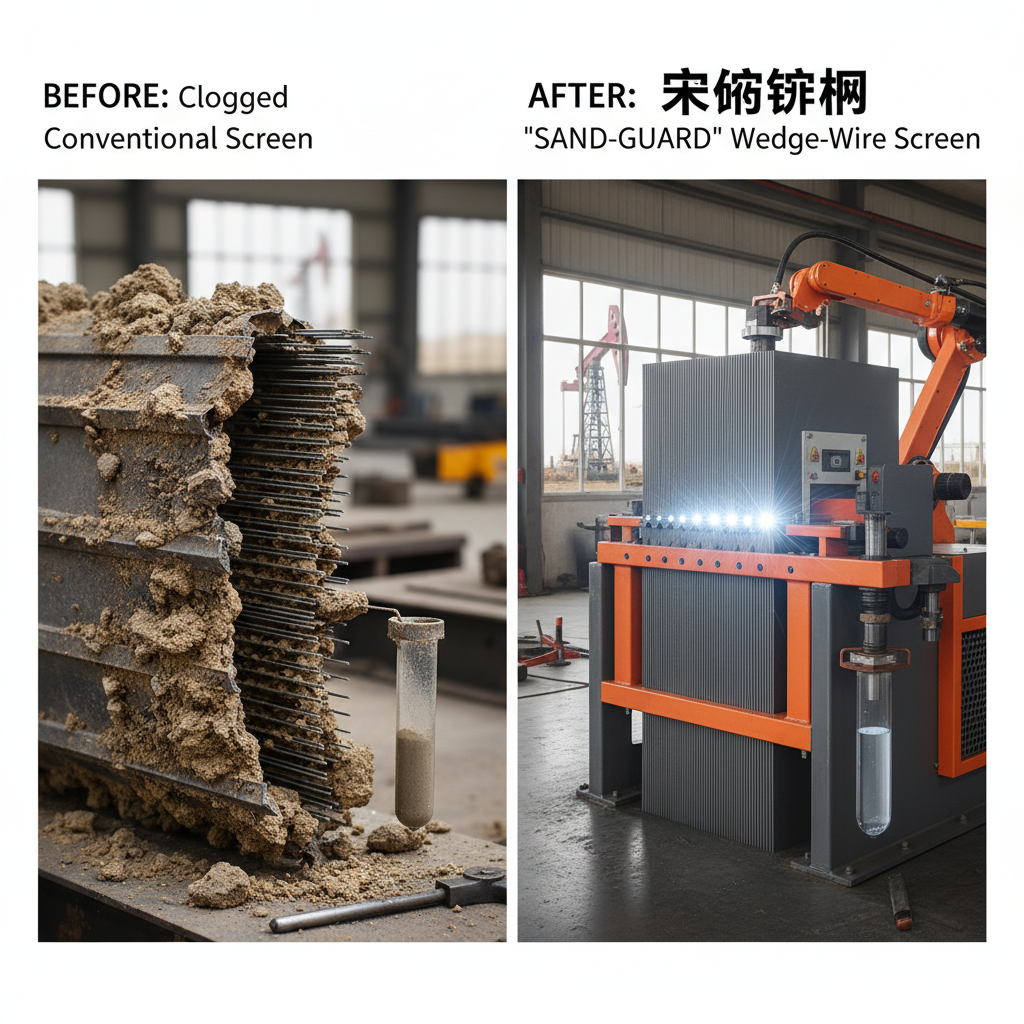
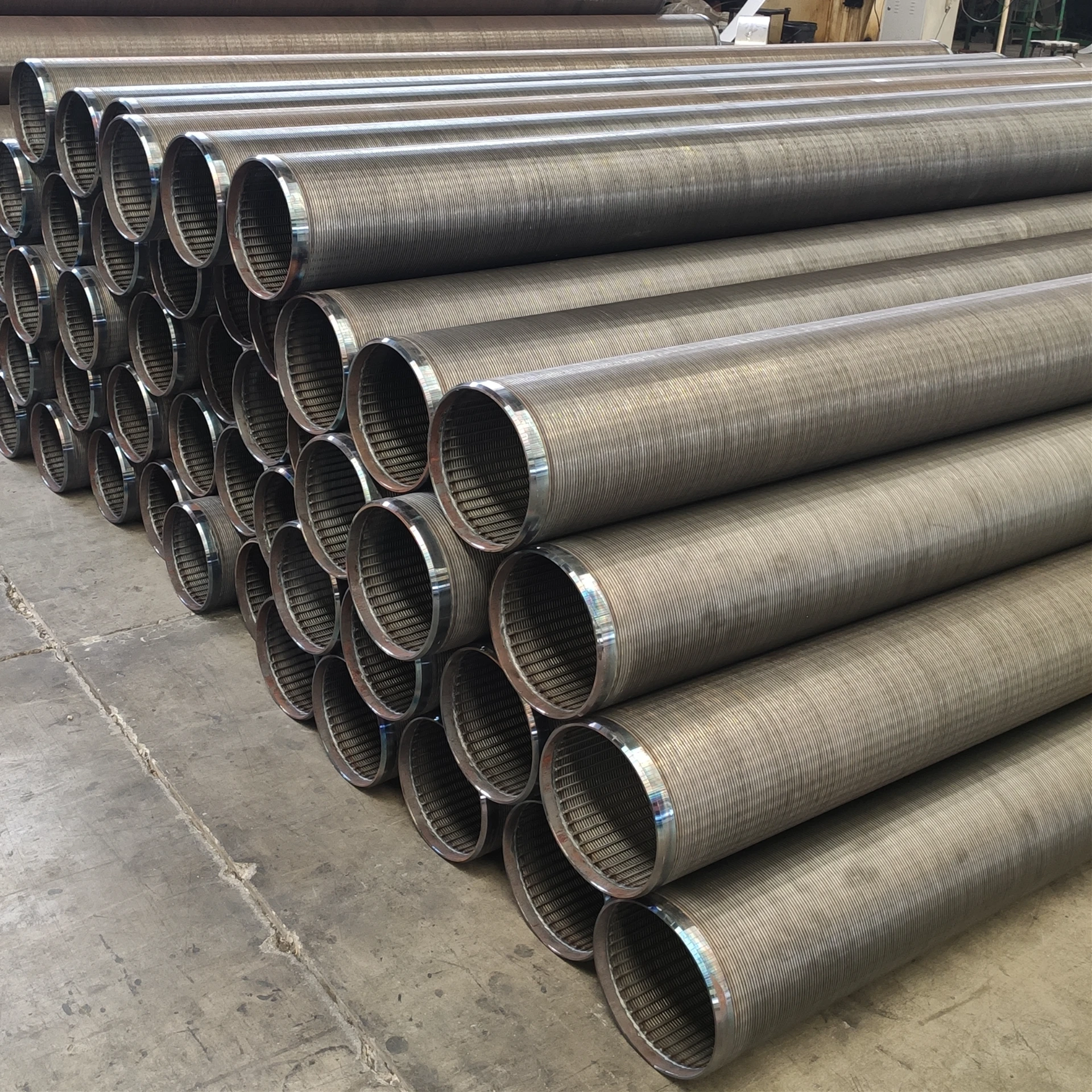
Figure 3: Pressure arc sieve in a typical industrial setup.

Technical Advantages and Benefits

The adoption of pressure arc sieve technology offers significant operational and economic advantages, distinguishing it from conventional filtration methods. These benefits contribute directly to improved plant efficiency, reduced costs, and enhanced environmental performance.

Core Advantages:

  • High Efficiency & Capacity: The curved screen and tangential flow allow for high flow rates and efficient solid-liquid separation, even with relatively small footprints. Separation down to 50 microns is achievable, making it a highly effective wastewater fine screen.
  • Energy Saving (Passive Operation): Unlike mechanical screens or centrifuges, the pressure arc sieve operates entirely without moving parts, relying on gravity and the kinetic energy of the incoming fluid. This translates to zero power consumption, significantly reducing operational costs and carbon footprint.
  • Corrosion Resistance & Durability: Constructed from high-grade stainless steel (SS304, SS316L), these sieves offer excellent resistance to corrosion from aggressive chemicals and abrasion from suspended solids, ensuring a long operational life and minimal maintenance.
  • Non-Clogging Design: The unique V-shaped profile of the wedge wire panels, combined with the tangential flow and Coanda effect, creates a self-cleaning action. Particles larger than the slot opening are retained on the surface and carried away, while smaller particles pass through, greatly minimizing clogging and maximizing uptime.
  • Low Maintenance Requirements: With no moving parts, there are no motors, gears, or bearings to wear out, drastically reducing the need for spare parts and scheduled maintenance. Periodic cleaning (often automated with spray bars) is typically sufficient.
  • Compact Footprint: The efficient design allows for significant treatment capacity within a relatively small space, making it ideal for facilities with limited area.
  • Consistent Performance: The static nature of the screen ensures stable and predictable performance over time, critical for maintaining consistent process quality.

Vendor Comparison and Customized Solutions

Selecting the right vendor for pressure arc sieve technology is crucial for optimizing system performance and ensuring long-term reliability. A comprehensive evaluation should consider not just the initial cost, but also product quality, manufacturing expertise, customization capabilities, and post-sales support.

Key Factors for Vendor Comparison:

Feature Category Leading Vendor Attributes Typical Vendor Attributes
Material Quality & Traceability Uses certified prime materials (SS304/316L/Duplex), full traceability to mill certificates, adheres to ASTM/DIN standards. Uses standard stainless steel, limited traceability, may use generic alloys.
Manufacturing Precision Automated CNC welding, highly uniform slot openings (tolerance ±0.015mm), advanced finishing. ISO 9001 certified. Manual/semi-automated welding, wider slot tolerance, basic finishing. No specific quality certifications cited.
Customization Capability Offers fully customized slot sizes, dimensions, materials, frame designs, and accessory integration based on process data. Engineering support available. Limited customization to standard sizes and angles; only basic material options.
Technical Support & Expertise Dedicated engineering team, process optimization consultation, on-site support, 24/7 technical hotline. Years of industry experience. Basic product information, limited application advice, standard business hours support.
Warranty & After-Sales Extended warranty periods (e.g., 2-5 years), comprehensive spare parts availability, proactive maintenance recommendations. Standard 1-year warranty, limited spare parts, reactive support.

The Value of Customized Solutions:

Every industrial process has unique characteristics – varying flow rates, solid concentrations, particle sizes, temperatures, and chemical compositions. A one-size-fits-all approach rarely yields optimal results. Leading manufacturers understand this and offer extensive customization options for their pressure arc sieve products.

Customization can include:

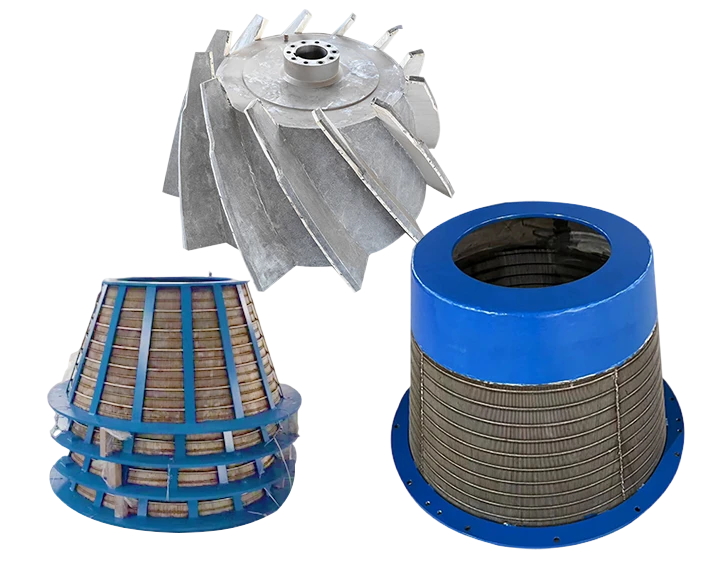
  • Specific Slot Openings: Tailoring the slot size (e.g., from 0.05 mm for fine filtration to 2.0 mm for coarse screening) to precisely match the target particle size for maximum separation efficiency.
  • Material Grades: Selecting specialized alloys (e.g., Hastelloy, Titanium) for highly corrosive or high-temperature applications beyond standard stainless steel.
  • Dimensions & Arc Radius: Adjusting the length, width, and arc curvature of the bend screen to fit specific vessel geometries or desired flow capacities.
  • Frame Design & Mounting: Customizing the supporting frame, inlet/outlet nozzles, and mounting flanges to seamlessly integrate with existing plant infrastructure (e.g., different ANSI or DIN flange standards).
  • Surface Finishes: Electropolishing or other specialized finishes for hygiene-sensitive industries (food, pharma) or to further enhance corrosion resistance.

Engaging with a vendor capable of providing tailored solutions ensures that the pressure arc sieve is perfectly optimized for the specific operational demands, leading to superior performance, longevity, and overall cost-effectiveness. Our company, with years of experience, specializes in such bespoke engineering, backed by extensive client partnerships and certifications.
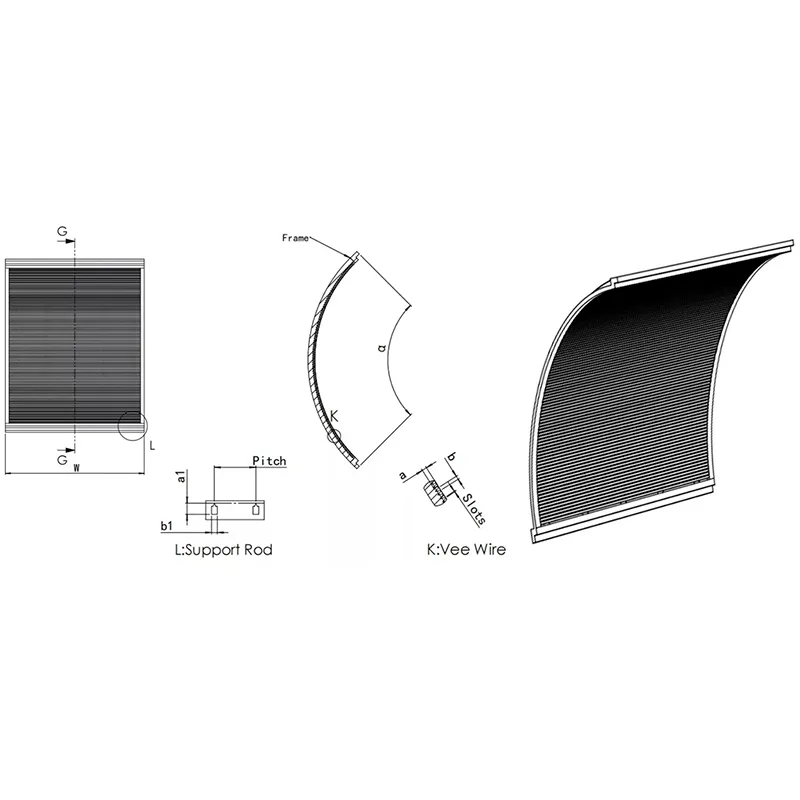
Pressure Arc Sieve: High-Efficiency Wastewater Fine Screens
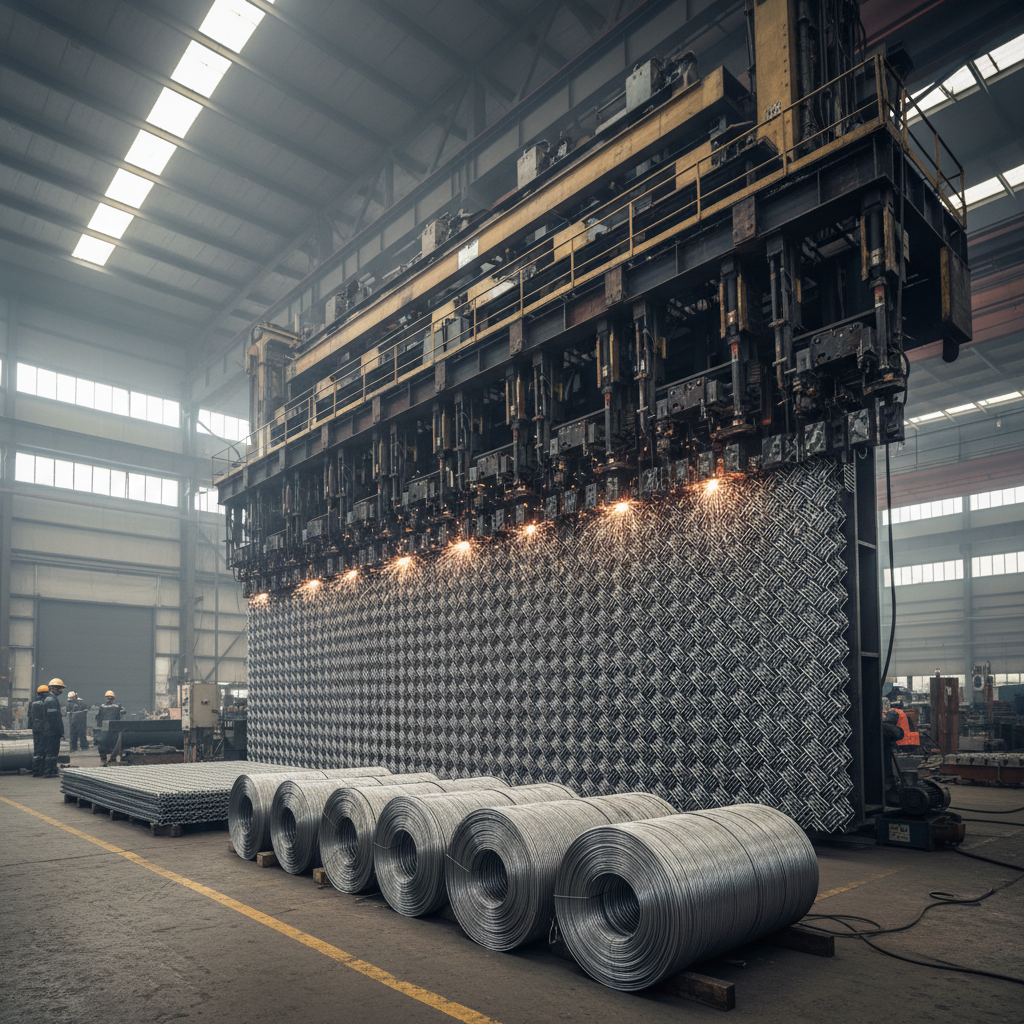
Figure 4: Customizable pressure arc sieve elements.

Application Case Studies and Customer Feedback

Real-world application demonstrates the tangible benefits of pressure arc sieve technology in various challenging industrial environments. Our extensive experience, built over more than two decades in the industry, and partnerships with numerous global clients, attest to the reliability and effectiveness of our solutions.

Case Study 1: Municipal Wastewater Pre-Treatment

Client: Large Municipal Wastewater Treatment Plant in Europe.

Problem: Excessive fibrous material and grit causing frequent clogging and damage to downstream pumps and clarifiers, leading to high maintenance costs and operational disruptions in their primary treatment stage. Existing fine screens were inefficient and prone to blinding.

Solution: Installation of two custom-designed pressure arc sieve units (60-degree angle, 0.5 mm slot size, SS316L material for enhanced corrosion resistance) as a wastewater fine screen system, pre-treating influent flow.

Results:

  • >85% removal of suspended solids larger than 0.5 mm.
  • >60% reduction in pump maintenance and repair costs within the first year.
  • Elimination of screen blinding issues, increasing operational uptime by 15%.
  • Significantly improved downstream clarifier performance due to reduced solids load.

Case Study 2: Pulp Fiber Recovery in a Paper Mill

Client: Major Pulp & Paper Manufacturer in Asia.

Problem: Significant loss of valuable wood fibers in wastewater streams from the pulping process, leading to reduced yield and increased effluent treatment costs.

Solution: Implementation of a custom bend screen, specifically a pressure arc sieve with a 0.25 mm slot opening, to recover fine fibers from the white water loop before discharge.

Results:

  • >90% recovery of fibers, directly increasing overall pulp yield by 2%.
  • Reduction in chemical oxygen demand (COD) in the discharged effluent by 30%.
  • Payback period of less than 18 months due to increased product recovery and reduced environmental surcharges.
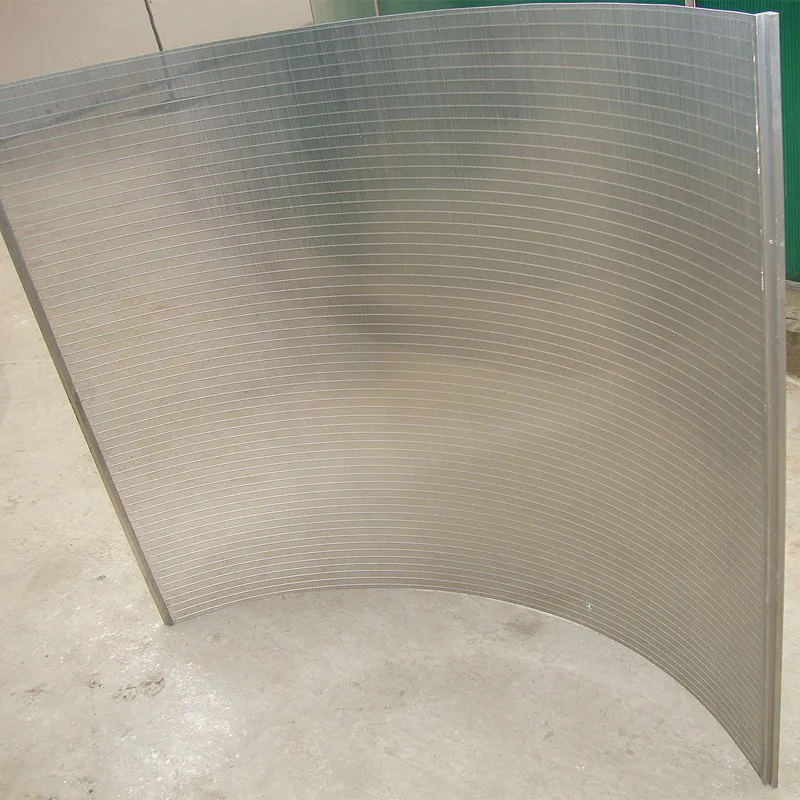
Pressure Arc Sieve: High-Efficiency Wastewater Fine Screens
Figure 5: Pressure arc sieve in a pulp dewatering application.

Ensuring Quality, Trustworthiness, and Support

Our commitment to quality and customer satisfaction is built upon rigorous standards, transparent processes, and unwavering support, aligning perfectly with Google's principles.

Certifications and Authoritative Standards:

All our pressure arc sieve products are manufactured under strict quality management systems, certified to ISO 9001:2015. Our materials and welding procedures conform to international standards such as ASTM, ANSI, and DIN, ensuring material integrity and structural robustness. For specific applications like food processing, our products can meet relevant FDA guidelines.

Lead Time and Fulfillment:

We maintain an optimized manufacturing schedule and robust supply chain to ensure efficient order fulfillment. Typical lead times for standard pressure arc sieve units range from 3-5 weeks, while customized solutions may require 6-8 weeks, depending on complexity. Expedited options are available upon request to meet urgent project deadlines.

Warranty Commitments:

We stand behind the quality of our products with a comprehensive warranty. All our pressure arc sieve units come with a standard 2-year warranty against manufacturing defects, effective from the date of shipment. Extended warranty options are available for specific project requirements, underscoring our confidence in product durability and performance.

Customer Support and After-Sales Service:

Our commitment extends beyond delivery. We offer a full suite of after-sales support services, including:

  • 24/7 Technical Hotline: Access to experienced engineers for immediate troubleshooting and operational guidance.
  • On-Site Technical Assistance: Expert technicians available for installation support, commissioning, and routine maintenance checks.
  • Spare Parts Availability: A readily available inventory of replacement wedge wire panels and components to minimize downtime.
  • Performance Optimization: Consulting services to help clients optimize their separation processes and extend equipment life.

Frequently Asked Questions (FAQ):

Q: What is the typical lifespan of a pressure arc sieve?

A: With proper maintenance and given its robust construction, a pressure arc sieve typically has an operational lifespan of 10-15 years, often longer, even in demanding industrial environments. The choice of material and proper slot sizing for the application significantly impacts longevity.

Q: How does the pressure arc sieve prevent clogging?

A: The V-shaped profile of the wedge wires, combined with the tangential flow and the Coanda effect, creates a self-cleaning action. Particles that are larger than the slot opening only contact the surface at two points and are continuously sheared off and carried away by the flow, preventing them from lodging in the slots.

Q: Can the slot opening be customized for specific applications?

A: Absolutely. Customization of slot openings (ranging from 0.05mm to 2.0mm), material grades, dimensions, and frame designs is a core service we provide. Our engineering team works closely with clients to determine the optimal configuration for their specific process requirements.

Q: Is installation complicated for a bend screen?

A: No. Due to their static nature and robust frame designs, bend screens are relatively simple to install. They can be integrated into existing pipework or structures with minimal modifications. We provide detailed installation guides and can offer on-site supervision or full installation services if required.
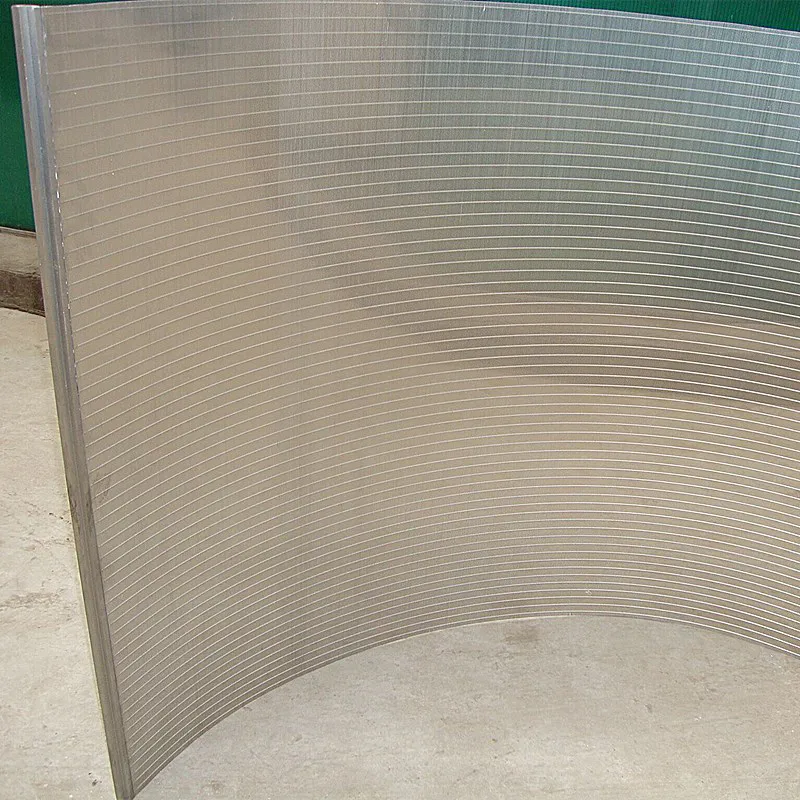
Pressure Arc Sieve: High-Efficiency Wastewater Fine Screens
Figure 6: Quality control inspection of a finished pressure arc sieve.

Conclusion

The pressure arc sieve represents a pinnacle of efficient, durable, and low-maintenance solid-liquid separation technology. Its unique design, leveraging the Coanda effect and precision-engineered wedge wire panels, offers unparalleled advantages in a wide range of industries, from wastewater fine screen applications to pulp and paper fiber recovery. By understanding its technical specifications, meticulous manufacturing process, and diverse application benefits, B2B decision-makers and engineers can confidently integrate this solution into their operations to achieve significant improvements in efficiency, sustainability, and cost-effectiveness. Our commitment to stringent quality control, customized solutions, and robust after-sales support ensures that clients receive not just a product, but a reliable and high-performing separation partner for the long term.

References

  1. International Organization for Standardization (ISO). ISO 9001:2015 - Quality management systems - Requirements.
  2. ASTM International. ASTM A240/A240M - Standard Specification for Chromium and Chromium-Nickel Stainless Steel Plate, Sheet, and Strip for Pressure Vessels and for General Applications.
  3. American National Standards Institute (ANSI). ANSI/AWWA C207 - Steel Pipe Flanges for Waterworks Service - Size 4 In. Through 144 In. (100 mm Through 3,600 mm).
  4. Food and Drug Administration (FDA). Title 21 Code of Federal Regulations (CFR) - Part 177 - Indirect Food Additives: Polymers.
  5. European Committee for Standardization (CEN). EN 10088 - Stainless Steels.
Related News
Pressure Arc Sieve: High-Efficiency Wastewater Fine Screens
  • Home
  • News
  • Pressure Arc Sieve: High-Efficiency Wastewater Fine Screens
Sep 08, 2025

Pressure Arc Sieve: High-Efficiency Wastewater Fine Screens


Introduction to Pressure Arc Sieve Technology in Industrial Separation

In a vast array of industrial processes, efficient solid-liquid separation is not merely a preference but a critical requirement for operational efficacy, product quality, and environmental compliance. Among the advanced solutions available, the pressure arc sieve stands out as a highly effective and robust technology. This component, often referred to as a bend screen or utilizing advanced wedge wire panels, leverages a unique design principle to achieve precise and high-capacity separation, particularly in challenging environments such as wastewater fine screen applications. This comprehensive article delves into the intricate details of pressure arc sieve technology, covering its underlying principles, manufacturing excellence, diverse applications, and the tangible advantages it offers B2B decision-makers and engineers.

Our discussion will encompass current industry trends driving the adoption of such systems, the precise technical specifications that define their performance, and a thorough exploration of their application scenarios. We will highlight the technical advantages over conventional methods, provide a framework for vendor comparison, and elaborate on the customization possibilities that cater to specific industrial demands. Furthermore, real-world application case studies will illustrate the practical impact and return on investment facilitated by this technology, ensuring a deep understanding of its value proposition.

Industry Trends in Advanced Solid-Liquid Separation

The landscape of industrial solid-liquid separation is continually evolving, driven by stringent environmental regulations, a global push for resource recovery, and the relentless pursuit of operational efficiency. Key trends include:

  • Enhanced Efficiency and Finer Separation: Industries demand equipment capable of achieving finer separation with higher throughput, minimizing valuable product loss and reducing downstream treatment costs. The pressure arc sieve, with its precise slot openings and self-cleaning capabilities, directly addresses this need.
  • Sustainability and Resource Recovery: There is a growing emphasis on recovering valuable solids from waste streams and minimizing water consumption through effective recycling. Technologies like the pressure arc sieve facilitate this by efficiently separating reusable materials and clarifying water for recirculation.
  • Automation and Reduced Labor Costs: Systems that require minimal manual intervention and maintenance are increasingly favored. The static nature and robust construction of the pressure arc sieve contribute to lower operational expenditure and less downtime.
  • Corrosion Resistance and Durability: Operating in harsh chemical environments, industrial equipment must offer exceptional resistance to corrosion and abrasion, ensuring a long service life and consistent performance. Materials like SS304 and SS316L, common in these applications, meet this demand.

These trends collectively underscore the importance of reliable, high-performance separation technologies. The pressure arc sieve is well-positioned to meet these challenges, offering a blend of efficiency, durability, and cost-effectiveness that aligns with modern industrial objectives.

Technical Specifications and Operating Principles of the Pressure Arc Sieve

The core of the pressure arc sieve's effectiveness lies in its unique design: a curved screen surface constructed from specialized wedge wire panels. These panels consist of precisely profiled wires welded to support rods, creating V-shaped slots. The arc design facilitates a tangential flow of liquid, which, combined with the Coanda effect, creates a self-cleaning action and efficient separation.

Key Operating Principles:

  • Coanda Effect: As slurry flows over the curved screen, the liquid adheres to the surface due to surface tension and changes direction, passing through the screen slots. Solids, due to their inertia, continue along the trajectory, separating from the liquid.
  • Shear Forces: The rapid change in direction and velocity of the fluid creates shear forces at the screen surface, dislodging solids and preventing blinding or clogging of the slots.
  • Gravity & Pressure: While gravity assists, the pressure from the incoming flow significantly enhances separation efficiency, making it suitable for high-flow applications.

Typical Product Specifications:

Parameter Description Typical Range/Value
Screen Material Commonly Stainless Steel (High corrosion resistance) SS304, SS316L, Duplex Stainless Steel
Slot Opening Size of V-shaped openings for filtration 0.05 mm to 2.0 mm (50 to 2000 microns)
Arc Radius Curvature of the screen surface Typically 600 mm to 1500 mm
Screen Angle Angle of inclination for flow 45°, 60°, 120°, 180°, or customized
Wire Profile Shape of the wedge wire (e.g., triangular, rectangular) V-shape (typical for non-clogging)
Open Area Percentage of open space for fluid passage 10% to 40% (depending on slot size)
Operating Pressure Inlet pressure of the slurry 0.1 MPa to 0.6 MPa (1 to 6 bar)
pressure arc sieve
Figure 1: Typical wedge wire panel structure for a pressure arc sieve.

Manufacturing Process Flow of Pressure Arc Sieves

The production of a high-performance pressure arc sieve involves a meticulous process that combines advanced engineering with precision manufacturing techniques. Quality control is paramount at every stage to ensure the final product meets stringent industry standards like ISO 9001 and adheres to material specifications such as ASTM or DIN.

Detailed Process Steps:

  1. Material Selection & Procurement:
    • High-grade stainless steel (SS304, SS316L, or specialized alloys like Duplex Stainless Steel) is chosen based on the intended application's corrosion resistance and strength requirements. These materials are sourced from certified suppliers to ensure traceability and quality.
    • Rigorous incoming material inspection ensures compliance with chemical composition and mechanical properties against international standards (e.g., ASTM A240 for stainless steel plates).
  2. Wire Profiling & Support Rod Preparation:
    • Specialized wires are drawn and cold-formed into precise V-shaped profiles, which are crucial for the non-clogging characteristics of the sieve.
    • Support rods, typically round or rectangular, are cut to length and prepared for welding.
  3. Precision Welding (Wedge Wire Panel Fabrication):
    • The profiled wires are continuously welded onto the support rods at precise intervals using automated resistance welding or TIG welding processes. This ensures uniform slot openings and robust panel integrity.
    • Advanced CNC machinery guarantees accurate slot dimensions, which are critical for the desired separation efficiency.
  4. Arc Bending/Forming:
    • The flat wedge wire panels are then precisely bent into the required arc radius using hydraulic press brakes or roll-forming machines. The bending radius and angle are critical to the performance of the bend screen.
    • Stress relief procedures may be applied depending on material and bending severity.
  5. Frame Fabrication & Assembly:
    • The arc screen is integrated into a robust frame, typically made of the same material, ensuring structural rigidity and ease of installation into existing systems. This involves further welding and fabrication, often adhering to ANSI or custom flange standards.
    • All welds are visually inspected and, where necessary, non-destructive testing (NDT) such as dye penetrant or ultrasonic testing is performed to ensure weld integrity.
  6. Surface Treatment & Finishing:
    • The finished screen undergoes cleaning, degreasing, and passivation to remove contaminants and enhance its corrosion resistance. Electropolishing can be applied for specific applications requiring ultra-smooth surfaces, such as food & beverage or pharmaceutical.
  7. Final Quality Control & Testing:
    • Each pressure arc sieve undergoes comprehensive inspection, including dimensional checks, slot opening verification (using calibrated gauges or optical comparators), weld integrity checks, and surface finish assessment.
    • Pressure testing or flow tests may be conducted on select units to ensure hydraulic performance and structural integrity under operational conditions.
    • All products are packaged securely to prevent damage during transit, with appropriate documentation including material certificates and test reports.

This rigorous process ensures a service life often exceeding 10-15 years under normal operating conditions, making it a highly reliable component for target industries like petrochemicals, metallurgy, and water supply & drainage. The emphasis on precision in manufacturing leads to key advantages such as energy saving through passive separation and superior corrosion resistance due to high-grade materials and finishing.

pressure arc sieve
Figure 2: Precision welding of wedge wire panels.

Diverse Application Scenarios of Pressure Arc Sieves

The versatility of the pressure arc sieve makes it indispensable across a broad spectrum of industrial applications where efficient solid-liquid separation is critical. Its robust design and effective operating principles allow it to handle varying fluid properties and solid loads.

Primary Target Industries and Applications:

  • Wastewater Treatment (Industrial & Municipal):
    • Fine Screening: Employed as a wastewater fine screen for removing fibrous materials, grit, and suspended solids from industrial effluents and municipal sewage, protecting downstream equipment like pumps and clarifiers.
    • Sludge Dewatering: Pre-thickening of sludge before further dewatering steps, reducing volume and increasing efficiency of centrifuges or filter presses.
    • Recycled Water Filtration: Clarifying process water for reuse, reducing fresh water consumption.
  • Pulp & Paper Industry:
    • Fiber Recovery: Essential for recovering valuable wood fibers from pulp slurries and process water, improving yield and reducing waste.
    • Stock Thickening: Dewatering pulp stock to achieve desired consistency for subsequent processing steps.
  • Food & Beverage Processing:
    • Fruit & Vegetable Processing: Removing skins, seeds, and pulp from wash water or juices.
    • Sugar Production: Clarification of sugar cane juice or beet liquor, separating bagasse and other impurities.
    • Brewing & Distilling: Spent grain separation from wort, yeast recovery.
  • Mining & Mineral Processing:
    • Dewatering & Classification: Separating fine particles from coarser ones, dewatering slurries containing coal, sand, or various mineral ores.
  • Textile Industry:
    • Dye Wastewater Treatment: Removing suspended solids and fibers from dye house effluents.
pressure arc sieve
Figure 3: Pressure arc sieve in a typical industrial setup.

Technical Advantages and Benefits

The adoption of pressure arc sieve technology offers significant operational and economic advantages, distinguishing it from conventional filtration methods. These benefits contribute directly to improved plant efficiency, reduced costs, and enhanced environmental performance.

Core Advantages:

  • High Efficiency & Capacity: The curved screen and tangential flow allow for high flow rates and efficient solid-liquid separation, even with relatively small footprints. Separation down to 50 microns is achievable, making it a highly effective wastewater fine screen.
  • Energy Saving (Passive Operation): Unlike mechanical screens or centrifuges, the pressure arc sieve operates entirely without moving parts, relying on gravity and the kinetic energy of the incoming fluid. This translates to zero power consumption, significantly reducing operational costs and carbon footprint.
  • Corrosion Resistance & Durability: Constructed from high-grade stainless steel (SS304, SS316L), these sieves offer excellent resistance to corrosion from aggressive chemicals and abrasion from suspended solids, ensuring a long operational life and minimal maintenance.
  • Non-Clogging Design: The unique V-shaped profile of the wedge wire panels, combined with the tangential flow and Coanda effect, creates a self-cleaning action. Particles larger than the slot opening are retained on the surface and carried away, while smaller particles pass through, greatly minimizing clogging and maximizing uptime.
  • Low Maintenance Requirements: With no moving parts, there are no motors, gears, or bearings to wear out, drastically reducing the need for spare parts and scheduled maintenance. Periodic cleaning (often automated with spray bars) is typically sufficient.
  • Compact Footprint: The efficient design allows for significant treatment capacity within a relatively small space, making it ideal for facilities with limited area.
  • Consistent Performance: The static nature of the screen ensures stable and predictable performance over time, critical for maintaining consistent process quality.

Vendor Comparison and Customized Solutions

Selecting the right vendor for pressure arc sieve technology is crucial for optimizing system performance and ensuring long-term reliability. A comprehensive evaluation should consider not just the initial cost, but also product quality, manufacturing expertise, customization capabilities, and post-sales support.

Key Factors for Vendor Comparison:

Feature Category Leading Vendor Attributes Typical Vendor Attributes
Material Quality & Traceability Uses certified prime materials (SS304/316L/Duplex), full traceability to mill certificates, adheres to ASTM/DIN standards. Uses standard stainless steel, limited traceability, may use generic alloys.
Manufacturing Precision Automated CNC welding, highly uniform slot openings (tolerance ±0.015mm), advanced finishing. ISO 9001 certified. Manual/semi-automated welding, wider slot tolerance, basic finishing. No specific quality certifications cited.
Customization Capability Offers fully customized slot sizes, dimensions, materials, frame designs, and accessory integration based on process data. Engineering support available. Limited customization to standard sizes and angles; only basic material options.
Technical Support & Expertise Dedicated engineering team, process optimization consultation, on-site support, 24/7 technical hotline. Years of industry experience. Basic product information, limited application advice, standard business hours support.
Warranty & After-Sales Extended warranty periods (e.g., 2-5 years), comprehensive spare parts availability, proactive maintenance recommendations. Standard 1-year warranty, limited spare parts, reactive support.

The Value of Customized Solutions:

Every industrial process has unique characteristics – varying flow rates, solid concentrations, particle sizes, temperatures, and chemical compositions. A one-size-fits-all approach rarely yields optimal results. Leading manufacturers understand this and offer extensive customization options for their pressure arc sieve products.

Customization can include:

  • Specific Slot Openings: Tailoring the slot size (e.g., from 0.05 mm for fine filtration to 2.0 mm for coarse screening) to precisely match the target particle size for maximum separation efficiency.
  • Material Grades: Selecting specialized alloys (e.g., Hastelloy, Titanium) for highly corrosive or high-temperature applications beyond standard stainless steel.
  • Dimensions & Arc Radius: Adjusting the length, width, and arc curvature of the bend screen to fit specific vessel geometries or desired flow capacities.
  • Frame Design & Mounting: Customizing the supporting frame, inlet/outlet nozzles, and mounting flanges to seamlessly integrate with existing plant infrastructure (e.g., different ANSI or DIN flange standards).
  • Surface Finishes: Electropolishing or other specialized finishes for hygiene-sensitive industries (food, pharma) or to further enhance corrosion resistance.

Engaging with a vendor capable of providing tailored solutions ensures that the pressure arc sieve is perfectly optimized for the specific operational demands, leading to superior performance, longevity, and overall cost-effectiveness. Our company, with years of experience, specializes in such bespoke engineering, backed by extensive client partnerships and certifications.

pressure arc sieve
Figure 4: Customizable pressure arc sieve elements.

Application Case Studies and Customer Feedback

Real-world application demonstrates the tangible benefits of pressure arc sieve technology in various challenging industrial environments. Our extensive experience, built over more than two decades in the industry, and partnerships with numerous global clients, attest to the reliability and effectiveness of our solutions.

Case Study 1: Municipal Wastewater Pre-Treatment

Client: Large Municipal Wastewater Treatment Plant in Europe.

Problem: Excessive fibrous material and grit causing frequent clogging and damage to downstream pumps and clarifiers, leading to high maintenance costs and operational disruptions in their primary treatment stage. Existing fine screens were inefficient and prone to blinding.

Solution: Installation of two custom-designed pressure arc sieve units (60-degree angle, 0.5 mm slot size, SS316L material for enhanced corrosion resistance) as a wastewater fine screen system, pre-treating influent flow.

Results:

  • >85% removal of suspended solids larger than 0.5 mm.
  • >60% reduction in pump maintenance and repair costs within the first year.
  • Elimination of screen blinding issues, increasing operational uptime by 15%.
  • Significantly improved downstream clarifier performance due to reduced solids load.

Case Study 2: Pulp Fiber Recovery in a Paper Mill

Client: Major Pulp & Paper Manufacturer in Asia.

Problem: Significant loss of valuable wood fibers in wastewater streams from the pulping process, leading to reduced yield and increased effluent treatment costs.

Solution: Implementation of a custom bend screen, specifically a pressure arc sieve with a 0.25 mm slot opening, to recover fine fibers from the white water loop before discharge.

Results:

  • >90% recovery of fibers, directly increasing overall pulp yield by 2%.
  • Reduction in chemical oxygen demand (COD) in the discharged effluent by 30%.
  • Payback period of less than 18 months due to increased product recovery and reduced environmental surcharges.

pressure arc sieve
Figure 5: Pressure arc sieve in a pulp dewatering application.

Ensuring Quality, Trustworthiness, and Support

Our commitment to quality and customer satisfaction is built upon rigorous standards, transparent processes, and unwavering support, aligning perfectly with Google's principles.

Certifications and Authoritative Standards:

All our pressure arc sieve products are manufactured under strict quality management systems, certified to ISO 9001:2015. Our materials and welding procedures conform to international standards such as ASTM, ANSI, and DIN, ensuring material integrity and structural robustness. For specific applications like food processing, our products can meet relevant FDA guidelines.

Lead Time and Fulfillment:

We maintain an optimized manufacturing schedule and robust supply chain to ensure efficient order fulfillment. Typical lead times for standard pressure arc sieve units range from 3-5 weeks, while customized solutions may require 6-8 weeks, depending on complexity. Expedited options are available upon request to meet urgent project deadlines.

Warranty Commitments:

We stand behind the quality of our products with a comprehensive warranty. All our pressure arc sieve units come with a standard 2-year warranty against manufacturing defects, effective from the date of shipment. Extended warranty options are available for specific project requirements, underscoring our confidence in product durability and performance.

Customer Support and After-Sales Service:

Our commitment extends beyond delivery. We offer a full suite of after-sales support services, including:

  • 24/7 Technical Hotline: Access to experienced engineers for immediate troubleshooting and operational guidance.
  • On-Site Technical Assistance: Expert technicians available for installation support, commissioning, and routine maintenance checks.
  • Spare Parts Availability: A readily available inventory of replacement wedge wire panels and components to minimize downtime.
  • Performance Optimization: Consulting services to help clients optimize their separation processes and extend equipment life.

Frequently Asked Questions (FAQ):

Q: What is the typical lifespan of a pressure arc sieve?

A: With proper maintenance and given its robust construction, a pressure arc sieve typically has an operational lifespan of 10-15 years, often longer, even in demanding industrial environments. The choice of material and proper slot sizing for the application significantly impacts longevity.

Q: How does the pressure arc sieve prevent clogging?

A: The V-shaped profile of the wedge wires, combined with the tangential flow and the Coanda effect, creates a self-cleaning action. Particles that are larger than the slot opening only contact the surface at two points and are continuously sheared off and carried away by the flow, preventing them from lodging in the slots.

Q: Can the slot opening be customized for specific applications?

A: Absolutely. Customization of slot openings (ranging from 0.05mm to 2.0mm), material grades, dimensions, and frame designs is a core service we provide. Our engineering team works closely with clients to determine the optimal configuration for their specific process requirements.

Q: Is installation complicated for a bend screen?

A: No. Due to their static nature and robust frame designs, bend screens are relatively simple to install. They can be integrated into existing pipework or structures with minimal modifications. We provide detailed installation guides and can offer on-site supervision or full installation services if required.

pressure arc sieve
Figure 6: Quality control inspection of a finished pressure arc sieve.

Conclusion

The pressure arc sieve represents a pinnacle of efficient, durable, and low-maintenance solid-liquid separation technology. Its unique design, leveraging the Coanda effect and precision-engineered wedge wire panels, offers unparalleled advantages in a wide range of industries, from wastewater fine screen applications to pulp and paper fiber recovery. By understanding its technical specifications, meticulous manufacturing process, and diverse application benefits, B2B decision-makers and engineers can confidently integrate this solution into their operations to achieve significant improvements in efficiency, sustainability, and cost-effectiveness. Our commitment to stringent quality control, customized solutions, and robust after-sales support ensures that clients receive not just a product, but a reliable and high-performing separation partner for the long term.

References

  1. International Organization for Standardization (ISO). ISO 9001:2015 - Quality management systems - Requirements.
  2. ASTM International. ASTM A240/A240M - Standard Specification for Chromium and Chromium-Nickel Stainless Steel Plate, Sheet, and Strip for Pressure Vessels and for General Applications.
  3. American National Standards Institute (ANSI). ANSI/AWWA C207 - Steel Pipe Flanges for Waterworks Service - Size 4 In. Through 144 In. (100 mm Through 3,600 mm).
  4. Food and Drug Administration (FDA). Title 21 Code of Federal Regulations (CFR) - Part 177 - Indirect Food Additives: Polymers.
  5. European Committee for Standardization (CEN). EN 10088 - Stainless Steels.
Prev:
Next:
Related News

If you are interested in our products, you can choose to leave your information here, and we will be in touch with you shortly.