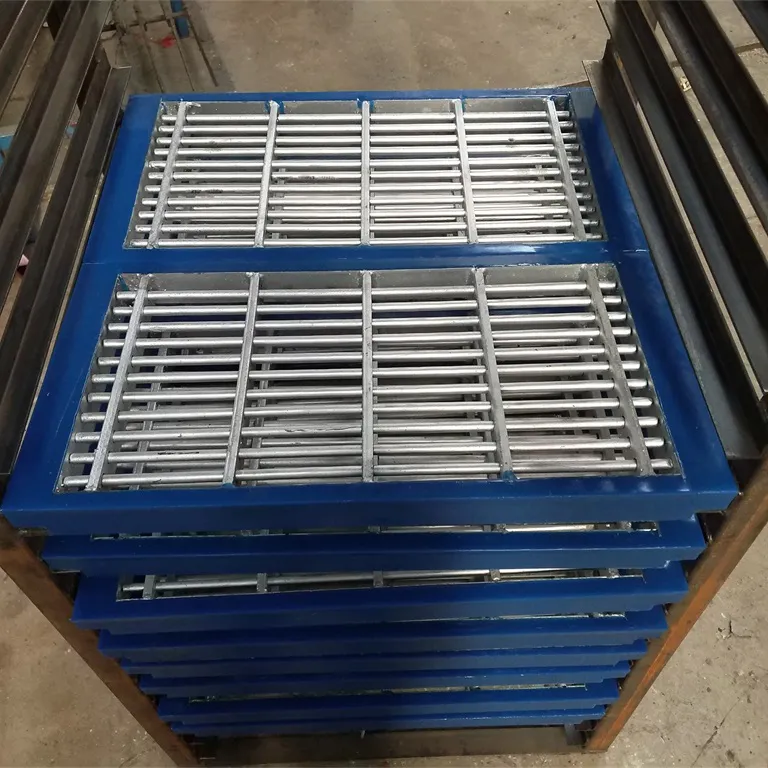
Why Sieve Mining Still Holds a Vital Spot in Modern Mining Operations
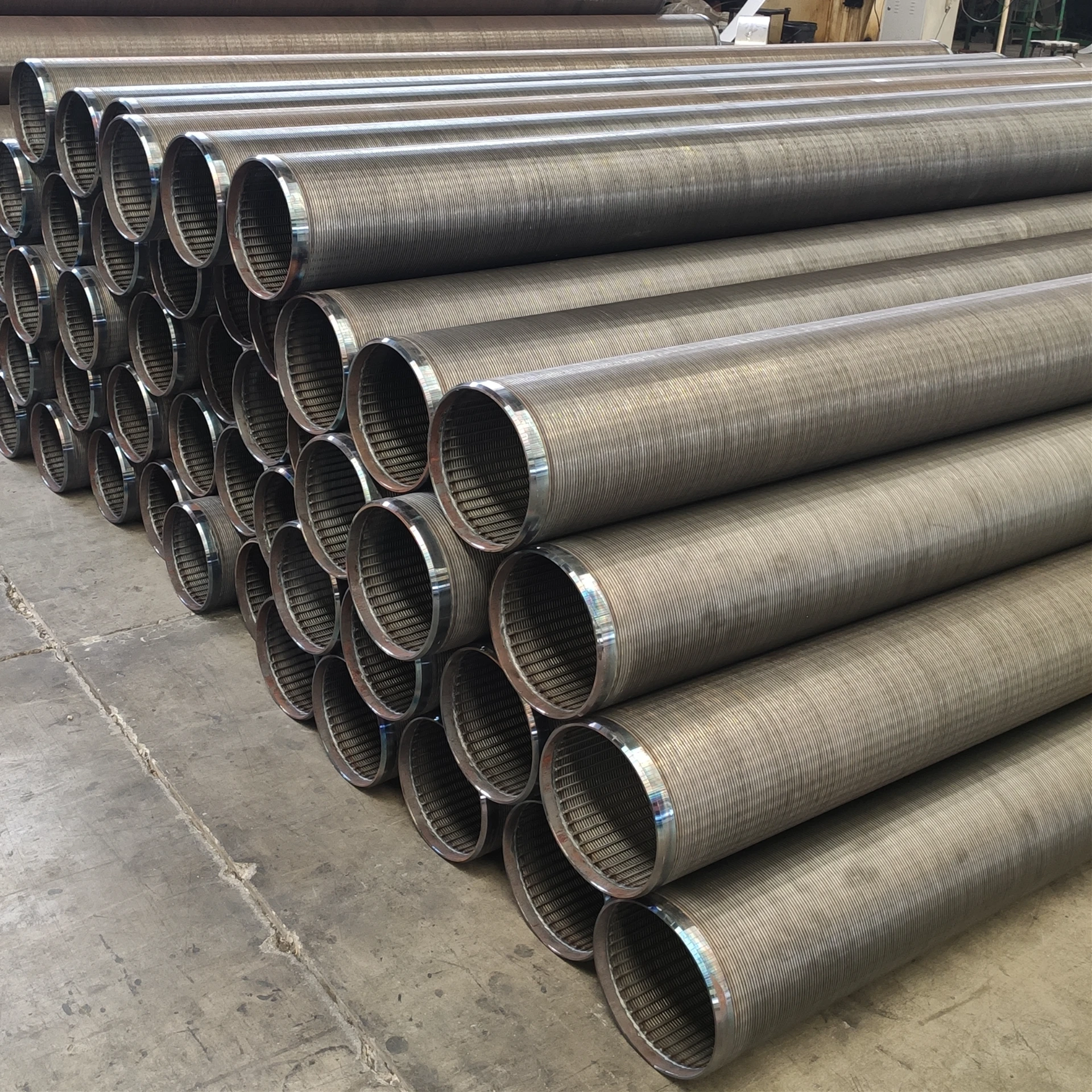
If you’ve spent years, like me, working in industrial equipment—especially around screening and materials sorting—you quickly learn that sieve mining is less about flashy new tech and more about plain, dependable performance. Oddly enough, even with all the shiny digitization sweeping industries, the basics of sieve mining remain remarkably stable. You keep the feed moving, separate the fines, and get the right material size for processing, without too much fuss.
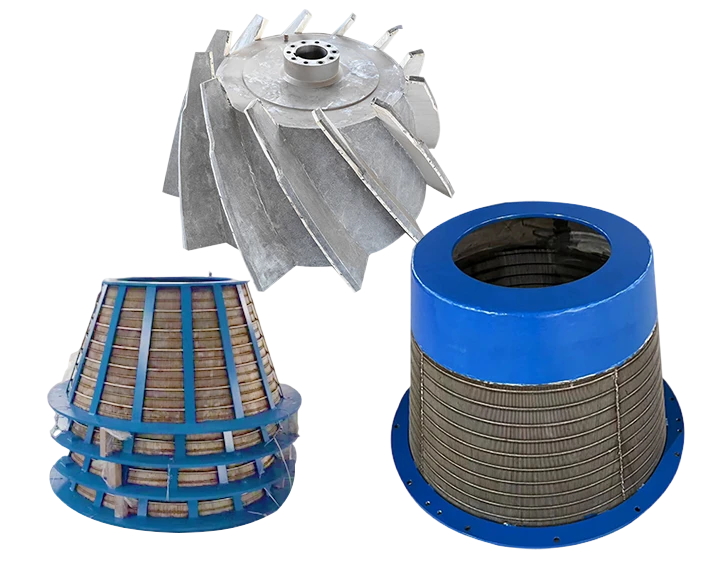
Conveyor belts, vibrating screens, and good old-fashioned sieves remain the backbone. Yes, the innovations have added better steel alloys, finer mesh, and smarter vibrations, but the core principles? They’re nearly the same as decades ago. One thing I always notice is how product design focuses on durability first. I mean, when your equipment is buried in dust, mud, and everything in between, material and build count for everything.
Sieve Mining Equipment: Key Specs That Matter
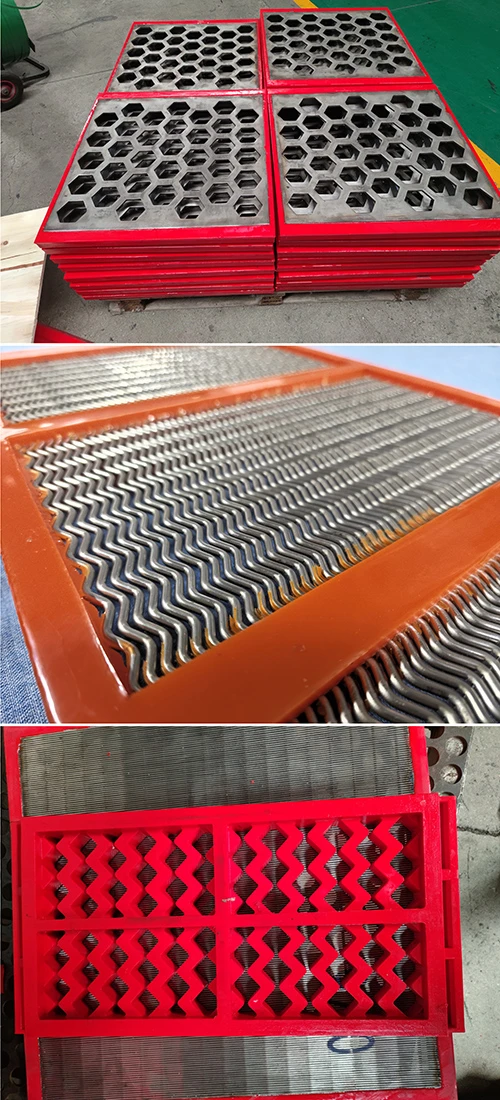
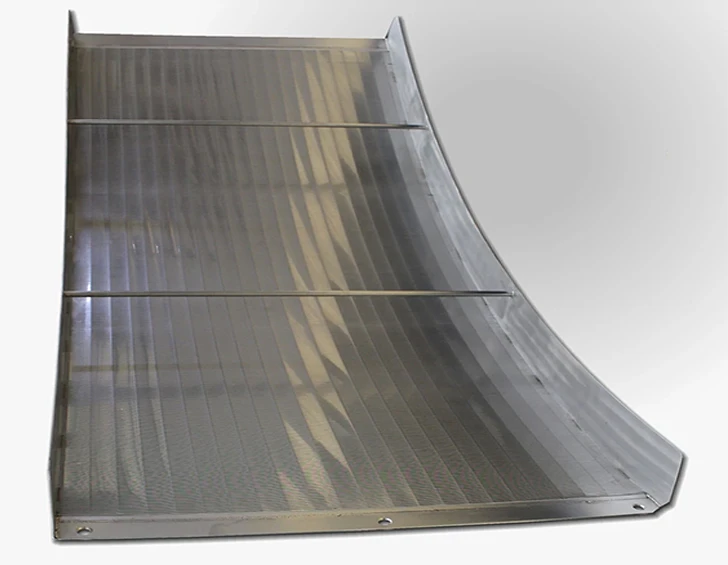
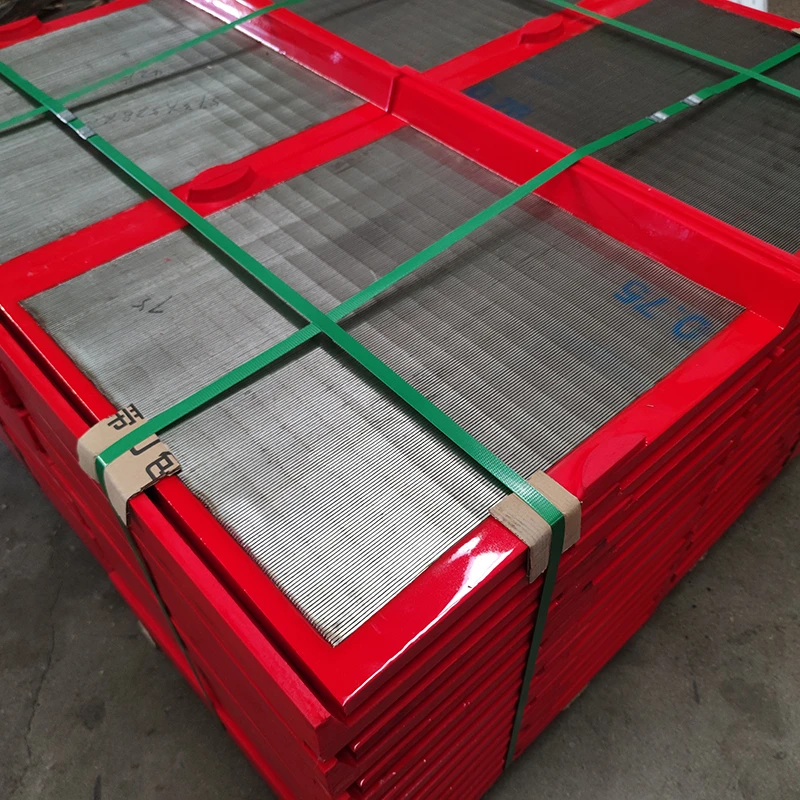
Choosing the right sieve screen system often boils down to a few crucial specs. For instance, mesh size, flow rate capacity, and frame material can make or break your throughput and efficiency. Several engineers I’ve worked with swear by modular designs that can be quickly swapped or maintained on the fly.
Here’s a quick rundown of specs you often see in top-notch sieve screen products, including some I’ve tested myself over the years:
| Specification |
Typical Range |
Why It Matters |
| Mesh Size |
0.5 mm – 20 mm |
Controls particle separation |
| Feed Capacity |
Up to 100 tons/hr |
Affect processing speed and volume |
| Frame Material |
Steel (galvanized or stainless) |
Ensures durability and corrosion resistance |
| Vibration Frequency |
900 – 3600 RPM |
Keeps materials flowing and prevents clogging |
In real terms, when selecting screening equipment, customizing these specs according to the ore type and plant size is often the difference between smooth running and constant breakdowns. I remember one project with particularly abrasive material—where we insisted on stainless frames rather than the usual galvanized. That tweak alone extended run-time between servicing by months.
A Quick Vendor Comparison: Making Sense of the Market
When clients ask me about sourcing screens, the common dilemma is reliability vs. cost vs. support. I’ve worked with many players, from smaller local sellers to big global brands. It turns into a balancing act. Here’s a simple rundown of a few notable vendors, including the folks behind
Mutoscreen, who I’ve seen stand out more over the past few years.
| Vendor |
Product Range |
Customization |
Warranty |
Typical Lead Time |
| Mutoscreen |
Wide (incl. vibrating & static) |
High custom options |
1-3 years |
4-8 weeks |
| ScreenMaster Co. |
Niche static screens |
Low to medium |
1 year |
6-10 weeks |
| GlobalSieves |
Full mining suite |
Medium |
2 years |
8-12 weeks |
I won’t pretend it’s a perfect world—sometimes lead times stretch, or post-purchase service is patchy. But vendors like Mutoscreen get the nod in many circles for balance: solid build, sensible delivery, and decent aftercare.
On the Ground: A Small Customer Story
A couple of years ago, I consulted at a mid-sized aggregate plant that kept battling screen clogging due to the wet, sticky qualities of the ore. Their existing setup was older, just barely adequate. After switching to a heavier duty vibrating screen with a slightly finer mesh from a brand I won’t name here (hint: it was a popular one), they saw immediate improvements—not just in throughput, but in maintenance downtime dropping by nearly 40%.
What stuck with me was how they credited the vendor’s ability to tweak specs fast and send a replacement part on short notice. In a tough business like this, that sort of reliability, frankly, can save a contract.
Wrapping Up: Why It Pays to Pay Attention to Screening
Sieve mining, simple on the surface, carries a quiet sort of magic in how it impacts entire mining operations. Miss the right screen or the right vendor, and your efficiency tanks. Get it right, and it’s almost like the whole plant breathes easier. For anyone hunting new equipment, I suggest spending time understanding your feed material, what wear and tear to expect, and who you want backing you up.
Oh, and if you need a good place to start scanning options, seriously check out
Mutoscreen. Nothing beats seeing a product in the field and hearing from the folks who actually make them.
—
References and personal notes (because I like keeping track):
1. Field notes from five years working across mining and aggregate suppliers
2. Conversations with equipment engineers about mesh customization
3. Observations from site audits and equipment trials across North America
If you want to talk shop or share your own stories about sieve mining, I’m all ears. Sometimes the best lessons come from swapping experiences over a coffee break…