On the Shop Floor with a wedge wire screen welding machine
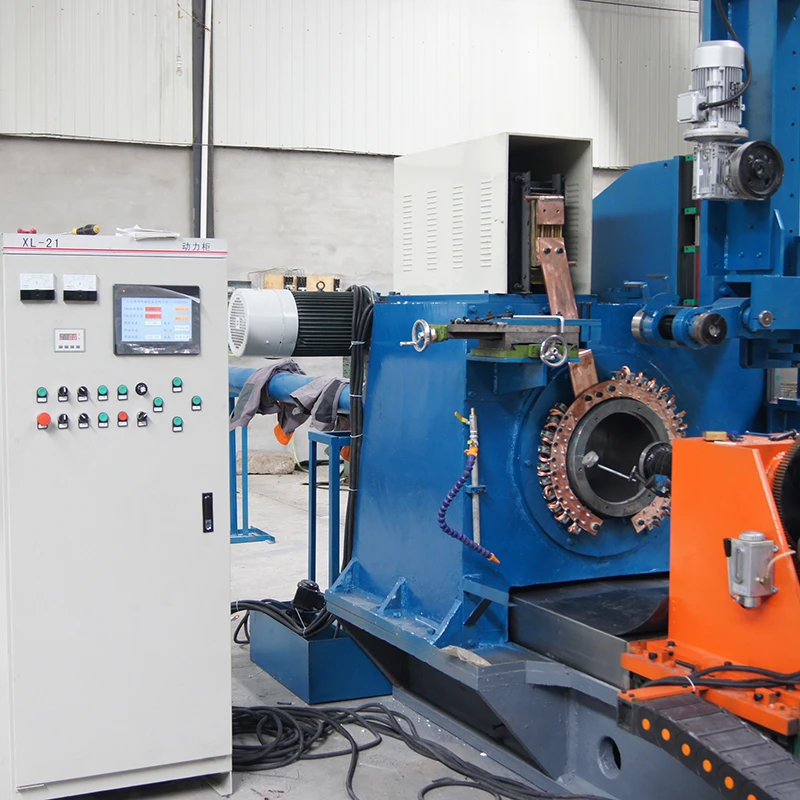
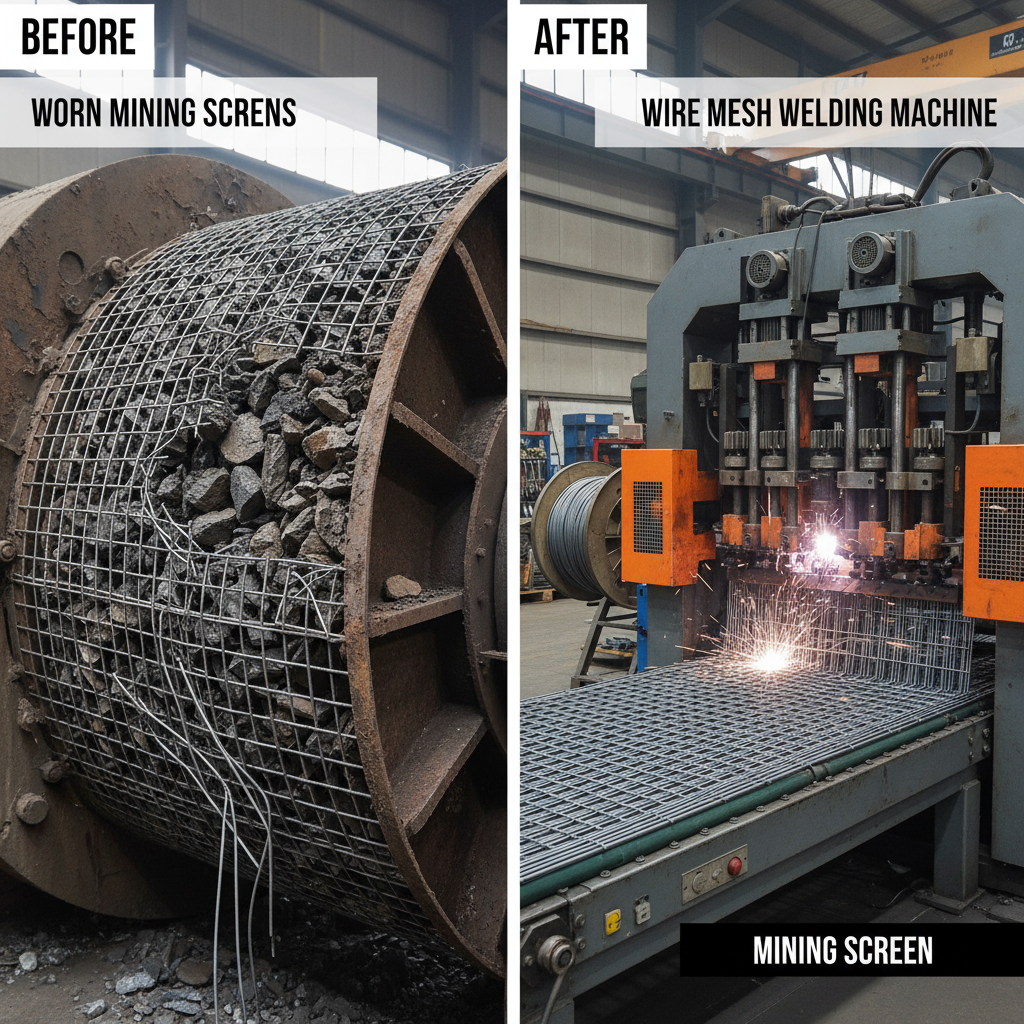
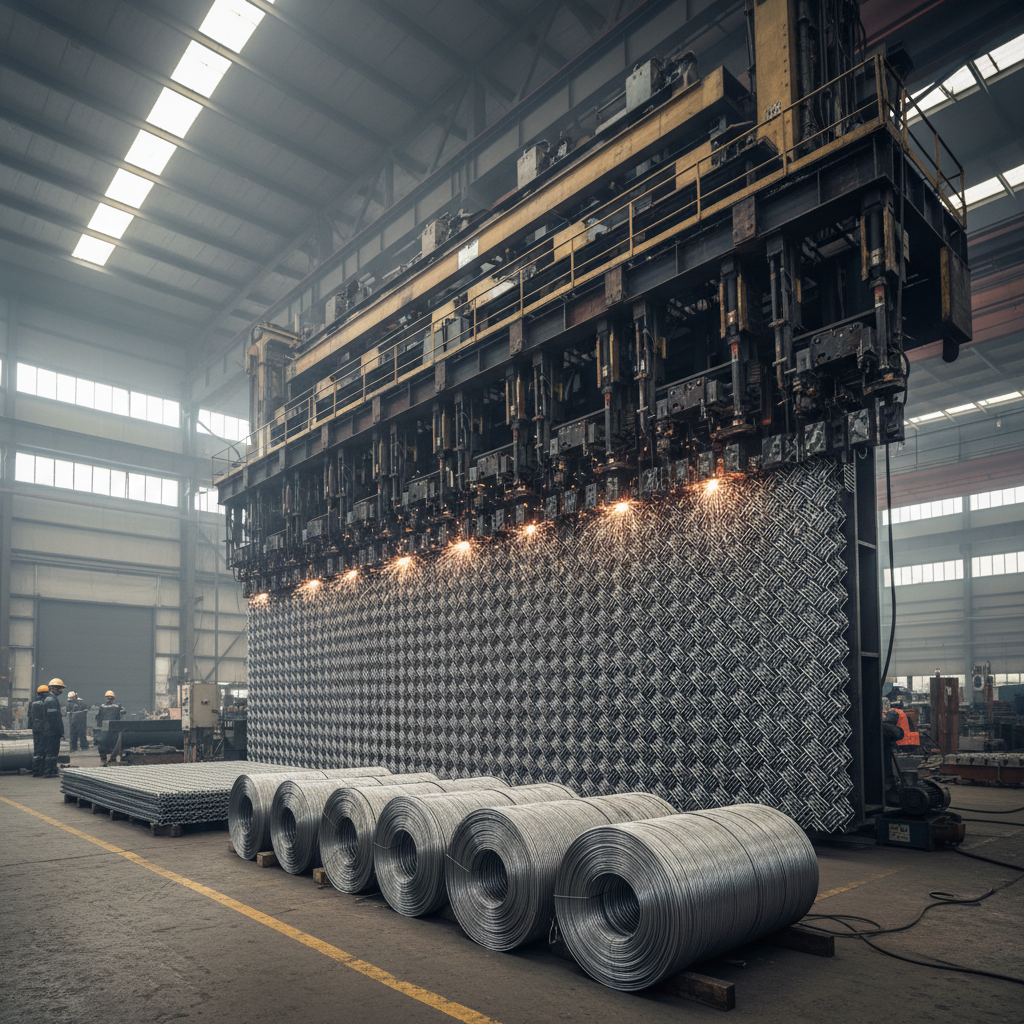
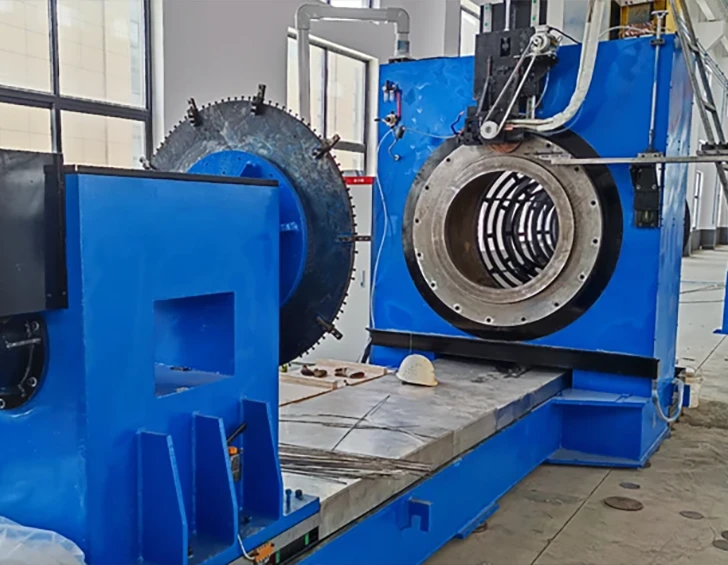
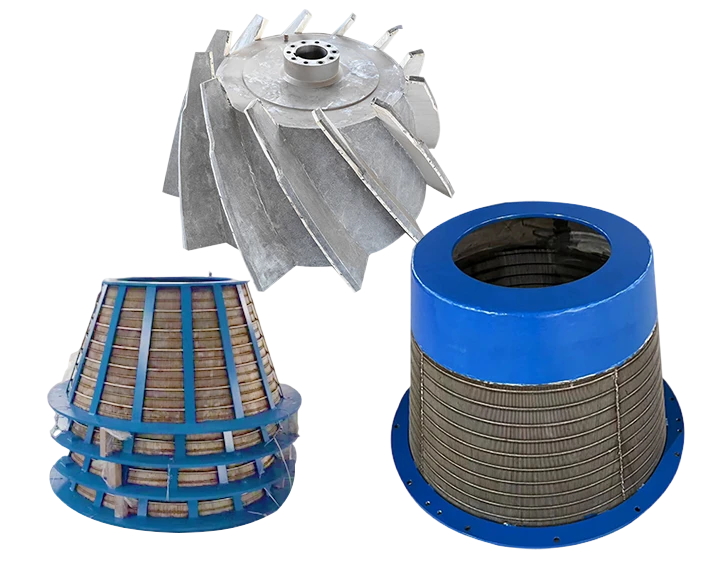
I spent a couple of long afternoons in Anping County—Hehuang Road, to be precise—watching stainless V-wire become precise filtration hardware. It’s noisy, a bit hypnotic, and, to be honest, more technical than it looks. The wedge wire screen welding machine is the quiet hero behind screens for water wells, oil and gas sand control, and even the decidedly less glamorous world of sewage treatment and water purification.
What the machine actually does (and why it matters)
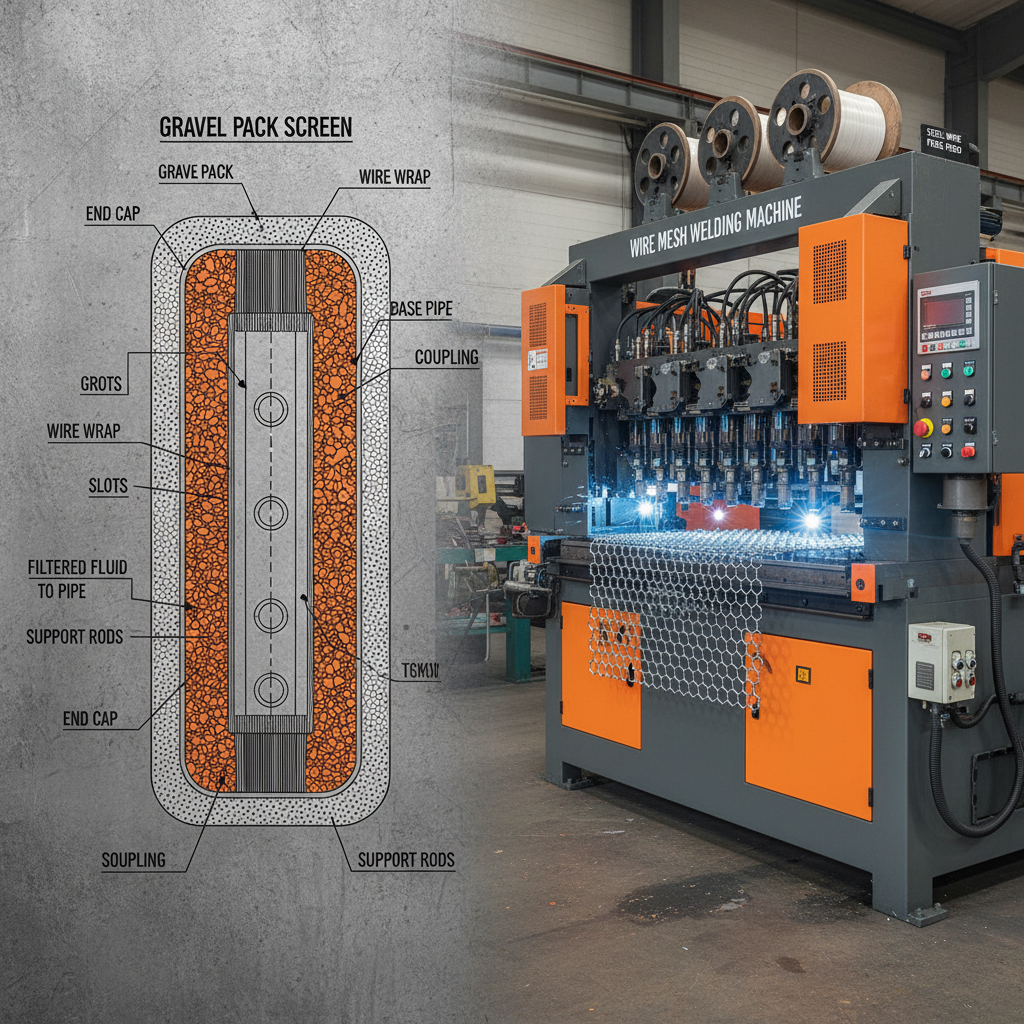
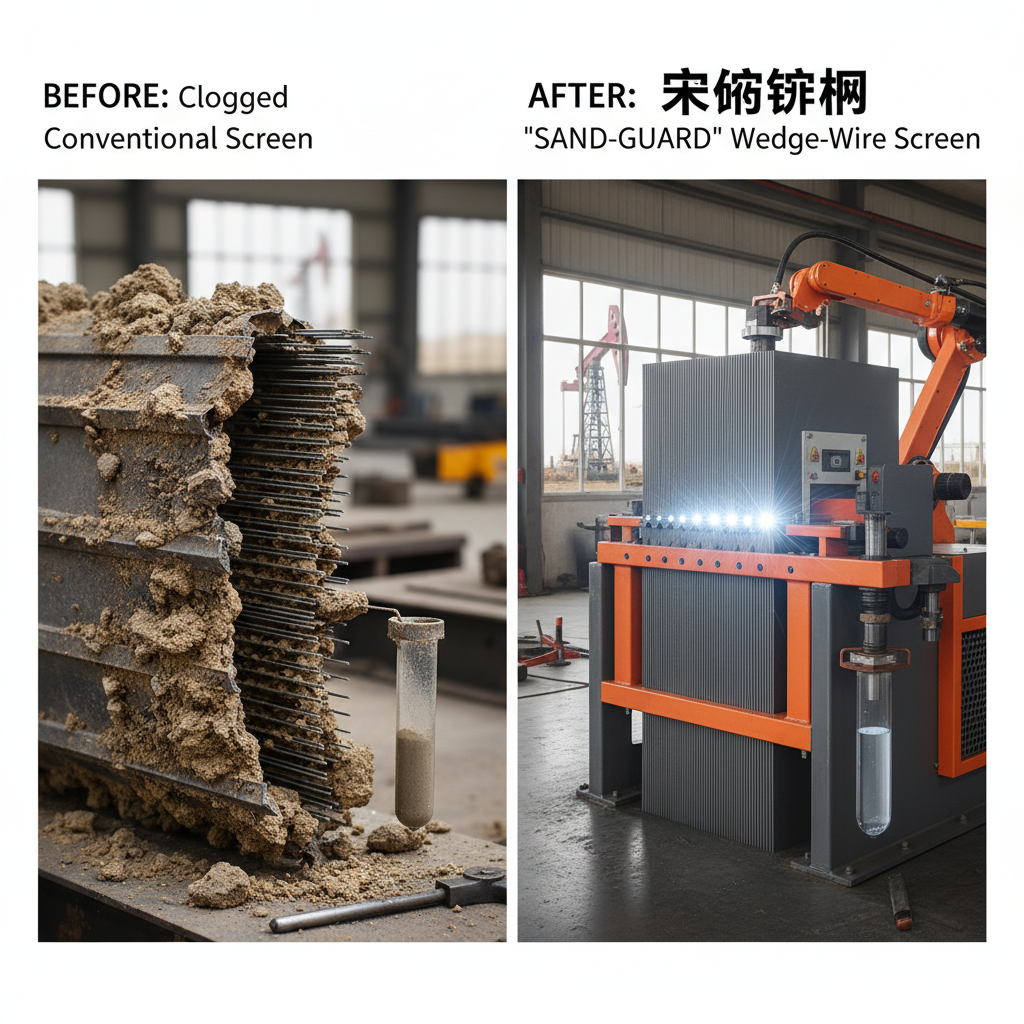
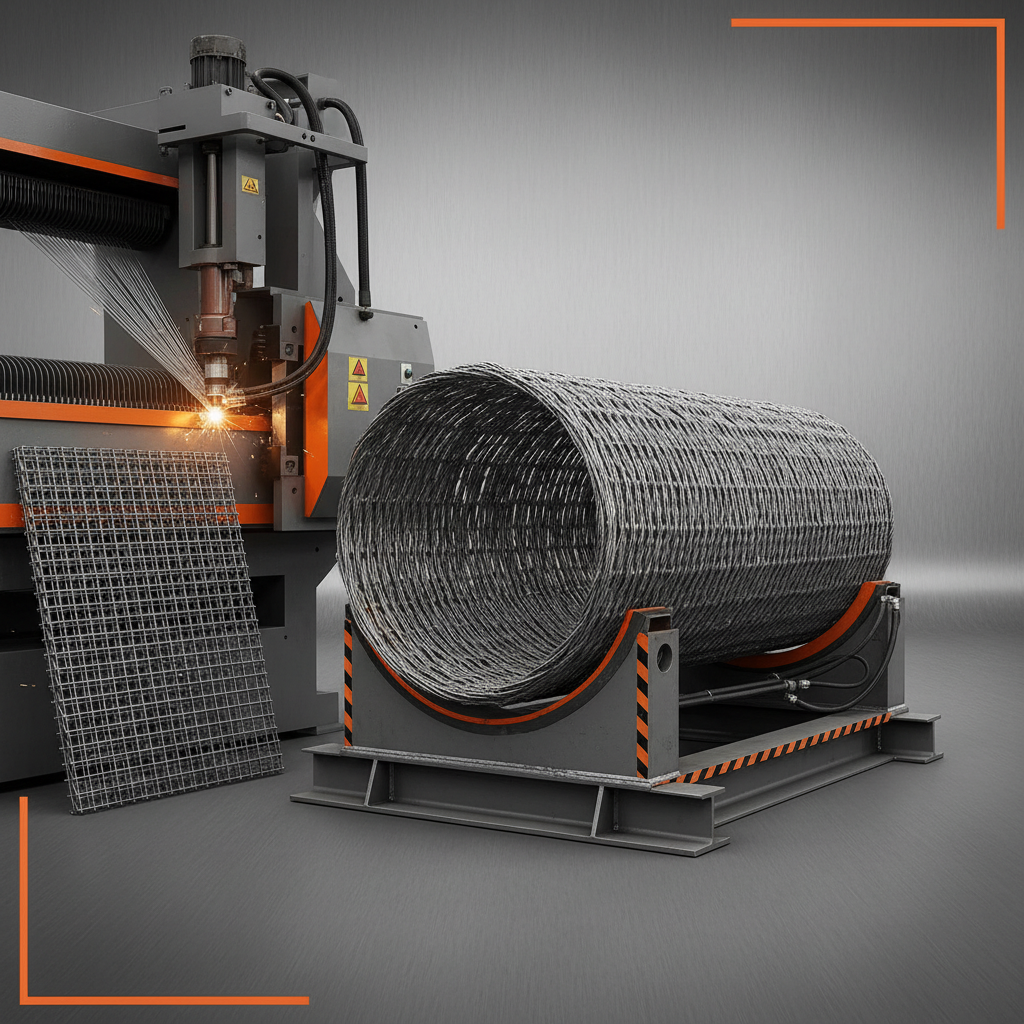
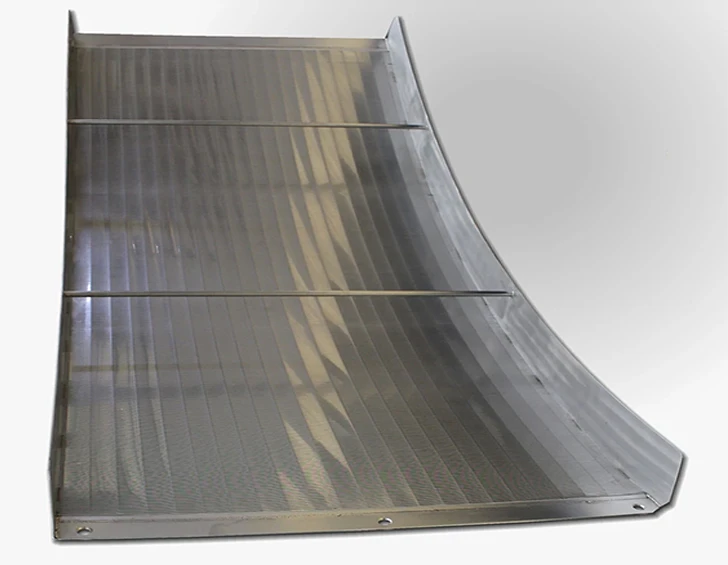
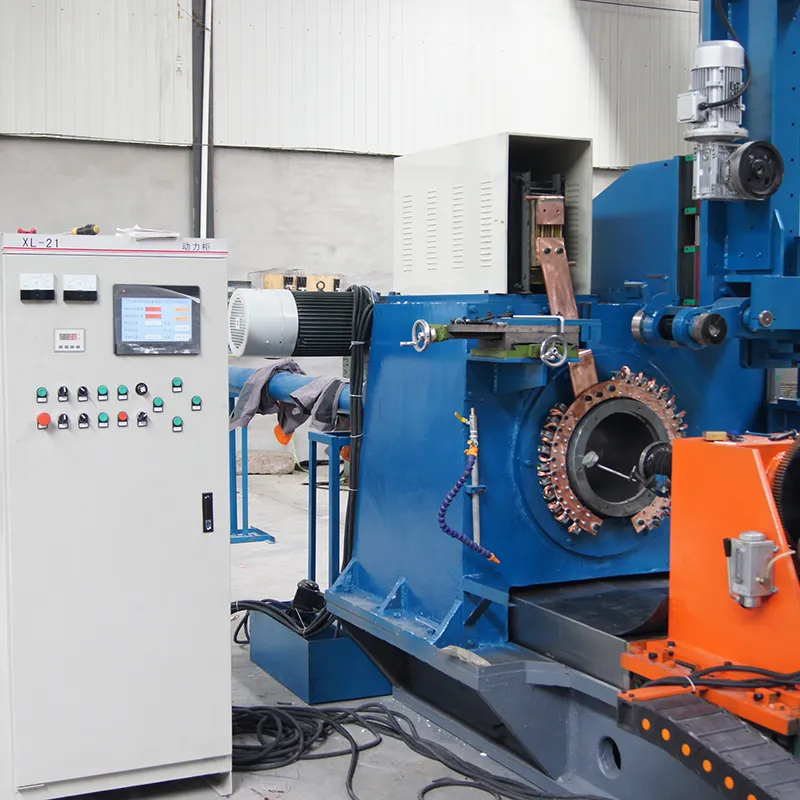
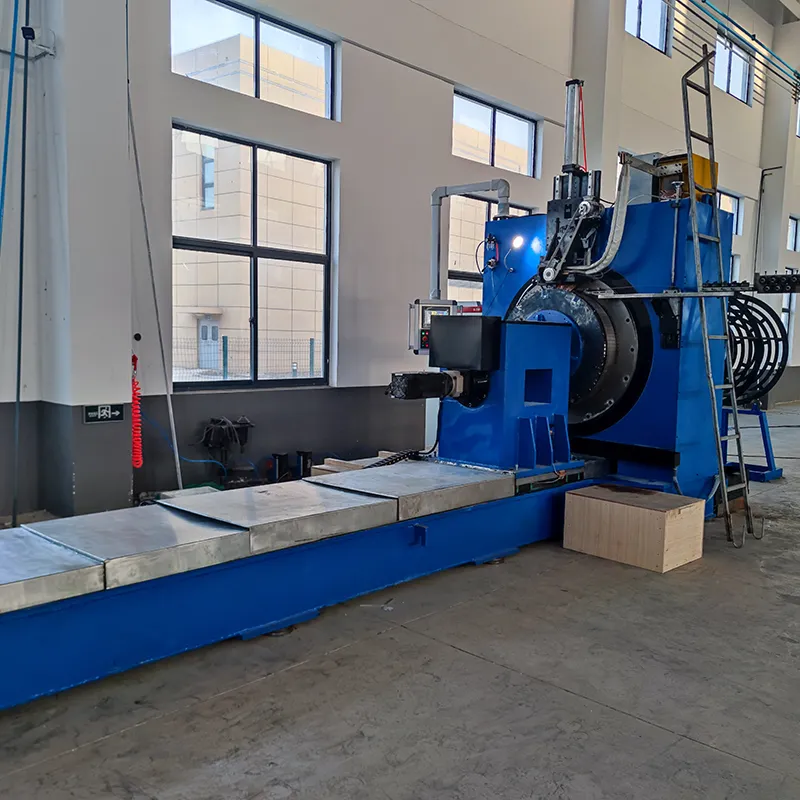
In short, it continuously wraps a triangular (V-shaped) profile wire around support rods and resistance-welds each contact. That weld defines everything—slot accuracy, collapse strength, and ultimately whether the screen survives downhole or in a clarifier tank. Many customers say the consistency is the differentiator: smooth slots reduce plugging, and sturdy fusion points extend service life.
Typical process flow
- Materials: SS 304/316L V-wire and support rods (ASTM A580), sometimes duplex for harsher brines.
- Forming: Profile wire shaped to V-section; rod layout selected by load model.
- Welding: Continuous resistance welding with feedback control; slot set ≈0.05–3.0 mm.
- Heat management: Interpass monitoring to protect temper and avoid distortion.
- Finishing: End-ring welding, straightness correction, grit passivation.
- Testing: Slot gauge check (±0.02–0.05 mm typical), pull-off of fusion points, hydro test (when specified), dye penetrant on critical seams.
Where it’s used
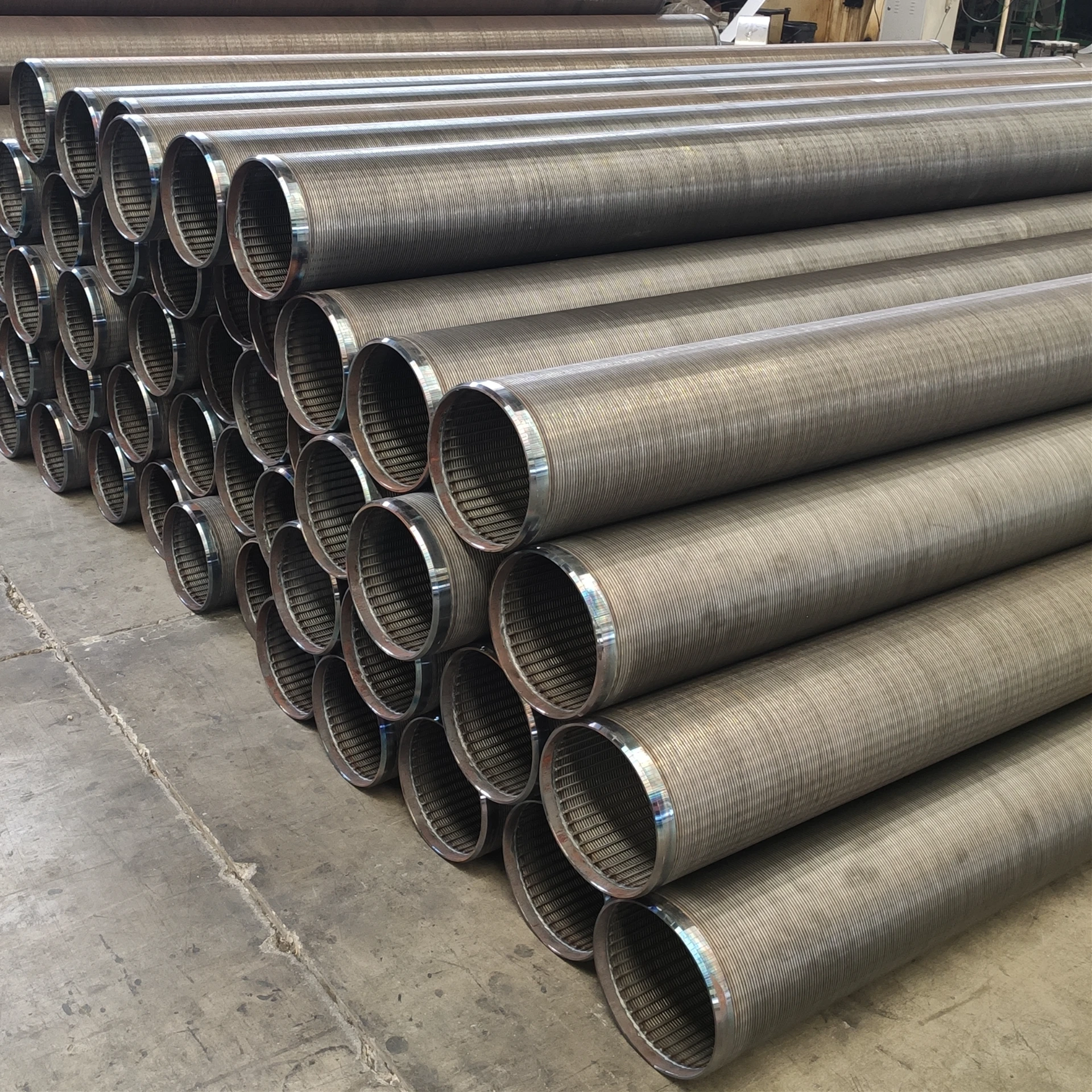
Commonly in water wells and oil wells (SY/T 5182-2008 guidance), plus municipal wastewater, desalination pre-filtration, food/beverage intake protection, and geothermal wells. Service life? Around 8–15 years in typical groundwater; harsher chloride environments may shorten that, but duplex upgrades help. Real-world use may vary—media load and chemical dosing matter.
Product specifications (typical)
| Parameter | Typical Range | Notes |
|---|---|---|
| Slot opening | 0.05–3.0 mm | ±0.02–0.05 mm tolerance |
| Diameter | 25–1000 mm | Custom molds available |
| Length | ≤ 6 m (single) | Longer via coupling |
| Materials | SS304/316L, Duplex | ASTM A580 wire |
| Standards | SY/T5182-2008, ISO 17824 | Sand-control guidance |
Vendor snapshot (informal comparison)
| Vendor | Slot Accuracy | Lead Time | Certs | Notes |
|---|---|---|---|---|
| Muto Screen (Anping) | ±0.02–0.05 mm | 2–4 weeks | ISO 9001 | Custom molds; steady QC |
| Regional Fabricator A | ≈±0.05–0.10 mm | 3–6 weeks | Varies | Cost-effective, limited molds |
| Importer B | Varies by batch | 4–8 weeks | Claimed ISO | Check test data carefully |
Customization and real test data
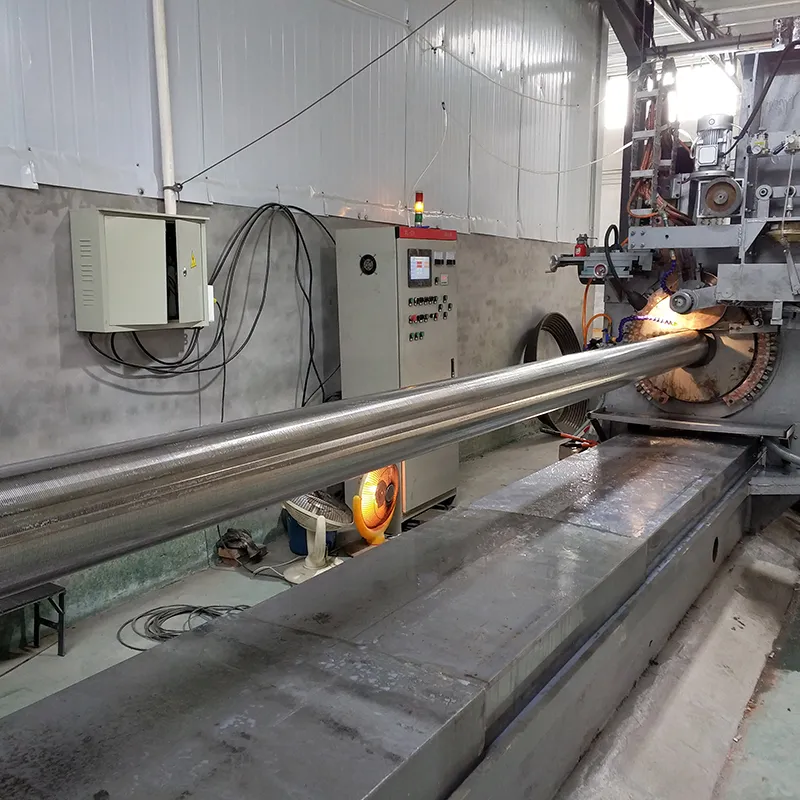
Different molds enable unusual diameters and profiles—handy for retrofits. Recent shop data I saw: slot 0.20 mm target, Cpk > 1.67; weld pull-off > 1200 N on 316L; dye-penetrant acceptance 100% on end-rings; hydro at 1.5× design pressure for 10 min, no visible leak. Customers from groundwater projects reported less screen blinding and easier rehab, which seems plausible given the V-wire geometry.
Quick case note
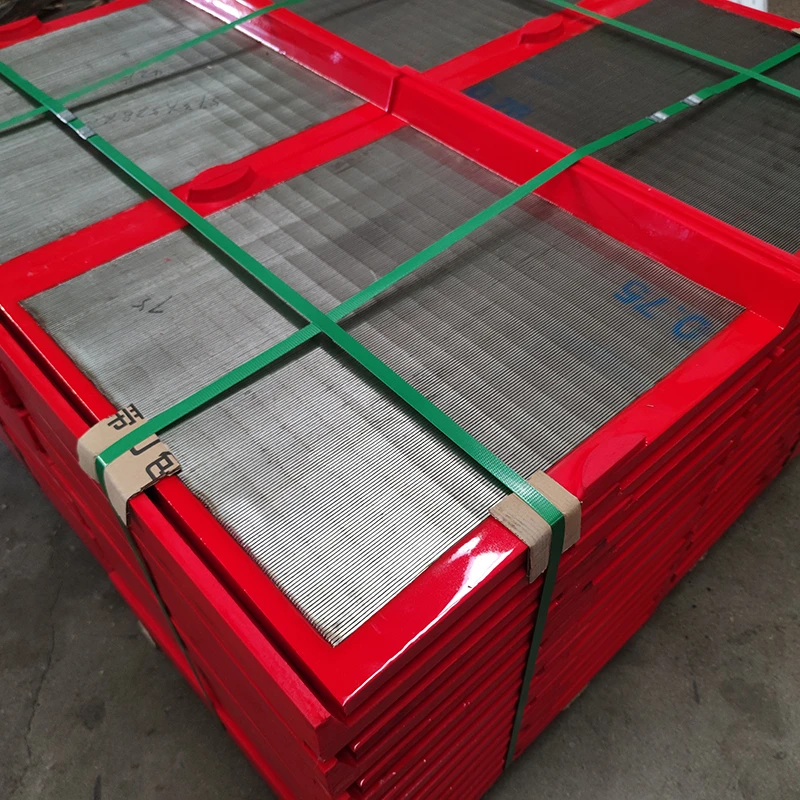
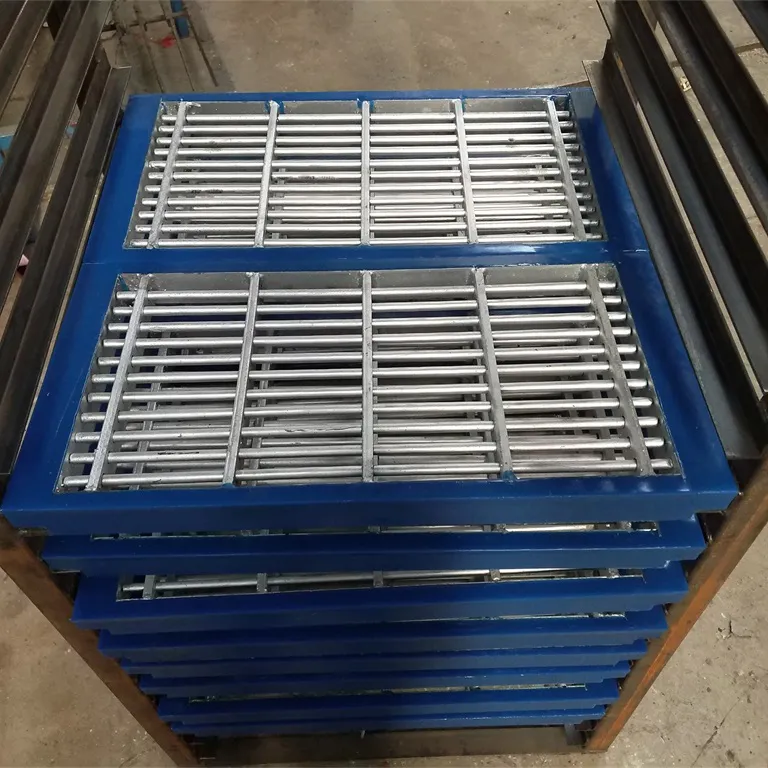
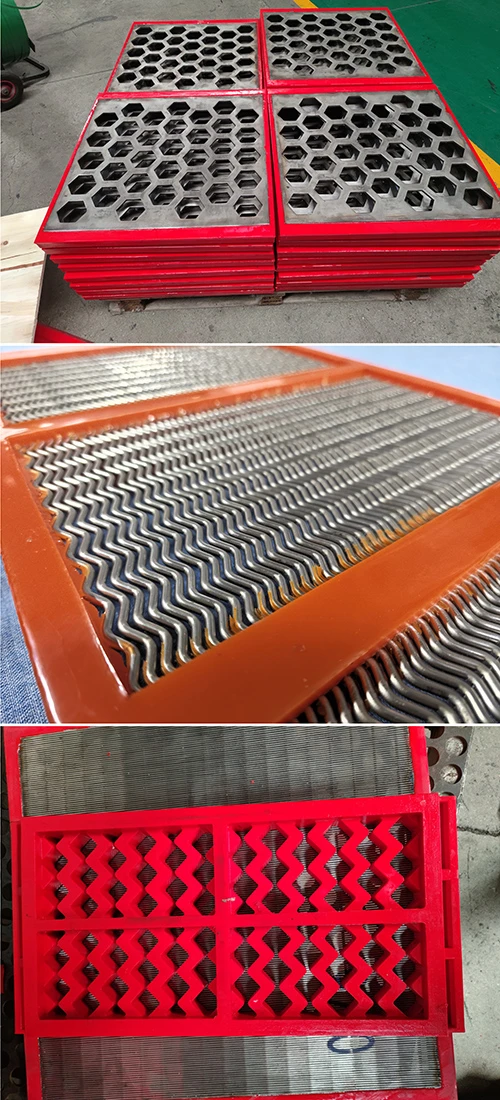
A municipal wastewater upgrade (coarse → fine screening) swapped perforated baskets for V-wire panels produced on a wedge wire screen welding machine. Headloss dropped ≈18% and cleaning intervals doubled. Not flashy, but operators were genuinely happy—said maintenance finally “went boring,” which is the dream.
Origin: Hehuang Road, Anping County, Hengshui, Hebei Province. Standard reference: SY/T5182-2008. If you need drinking-water contact, ask for material traceability and, ideally, documentation aligned with NSF/ANSI 61 expectations.
Certifications and standards to ask for
- ISO 9001 QA system
- Material certs for SS 304/316L (ASTM A580 chemistry)
- Slot gauge report and weld pull-off records
- Conformance to ISO 17824 for sand-control screens where applicable
Authoritative citations
- ISO 17824: Petroleum and natural gas industries — Sand control screens.
- SY/T 5182-2008: Sand control screen for oil and gas wells (Chinese petroleum industry standard).
- ASTM A580/A580M: Standard Specification for Stainless Steel Wire.
- ISO 9001: Quality management systems — Requirements.