What Vibration Plates Do on a Vibrating Screen (And Why Plants Obsess Over Them)
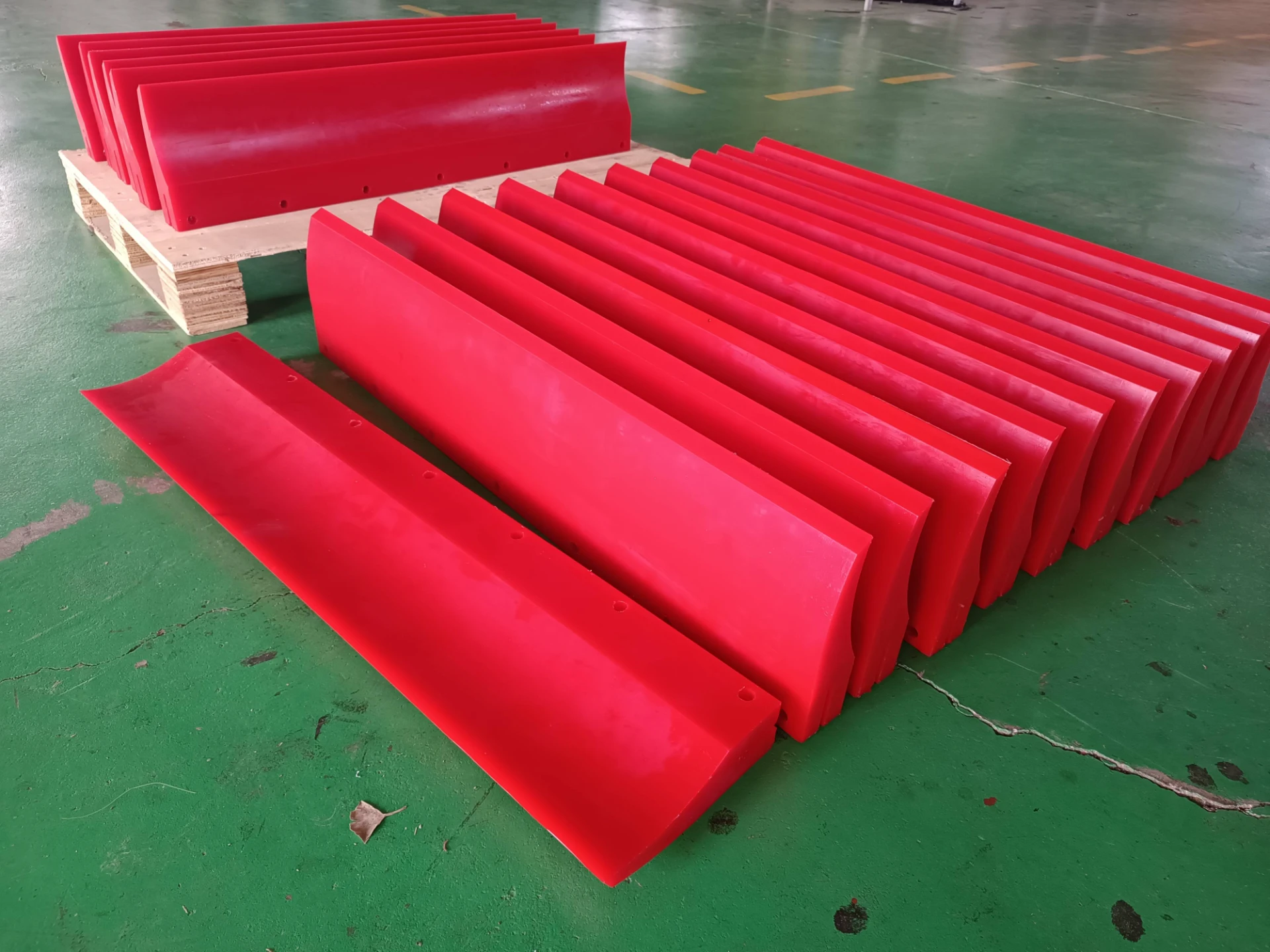
People often ask me, what do vibration plates do for you on an industrial screen deck? Short answer: they clamp, seal, and stabilize the screen media so material doesn’t leak, hotspots don’t form, and the machine stays in tune. Long answer—well, keep reading.
A quick primer from the field
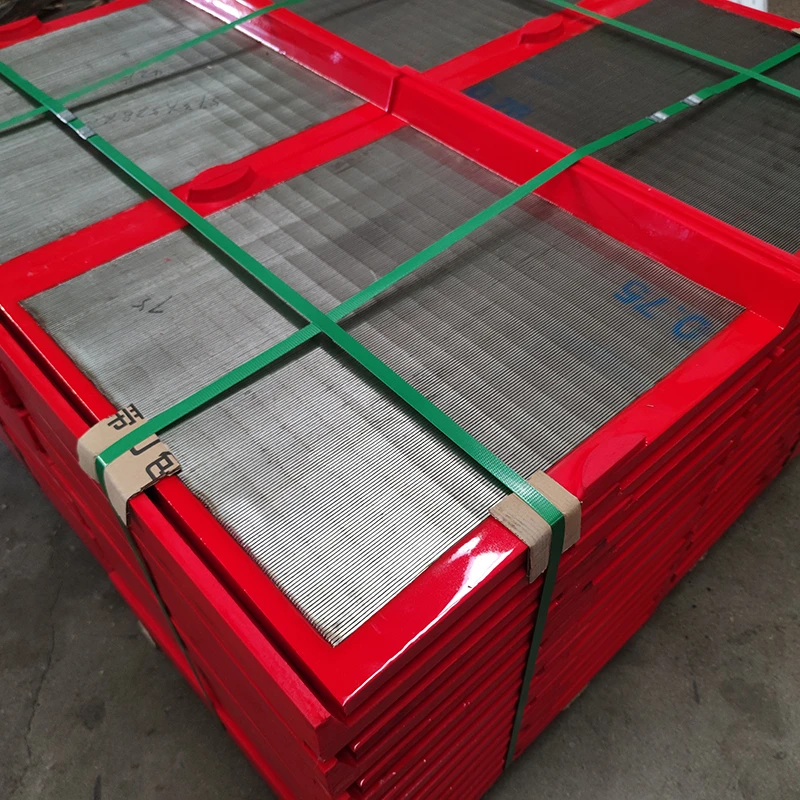
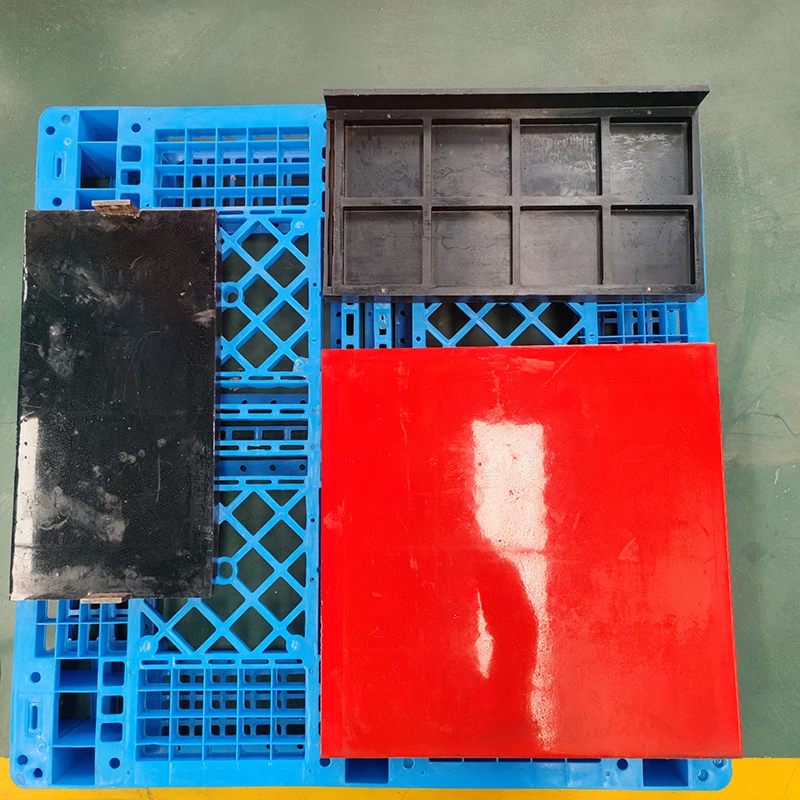
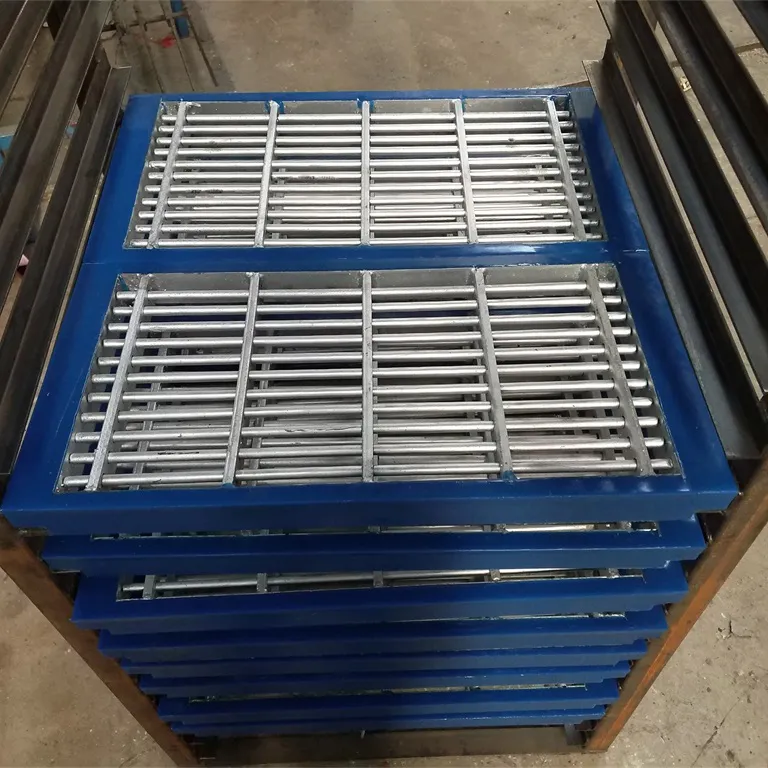
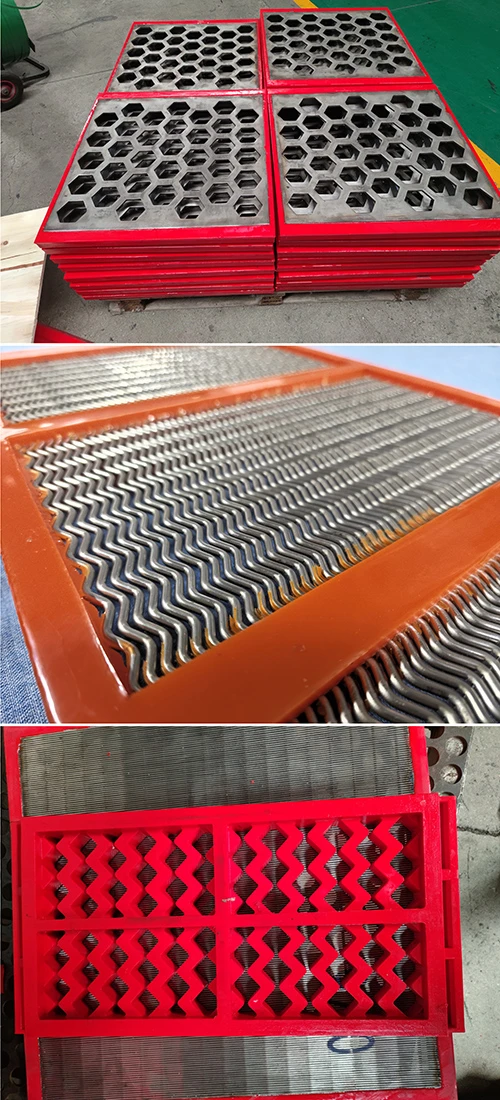
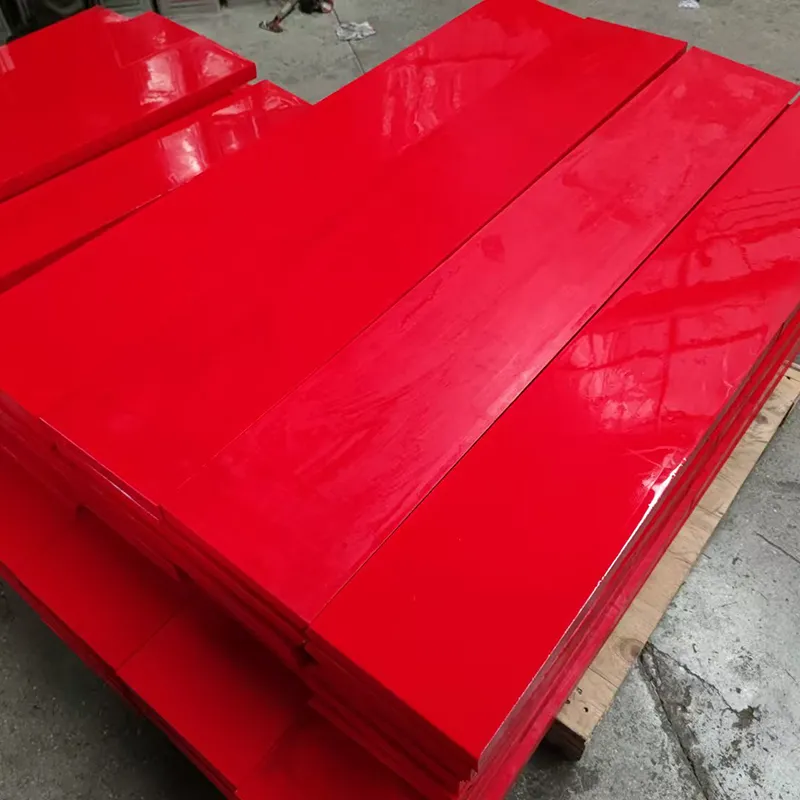
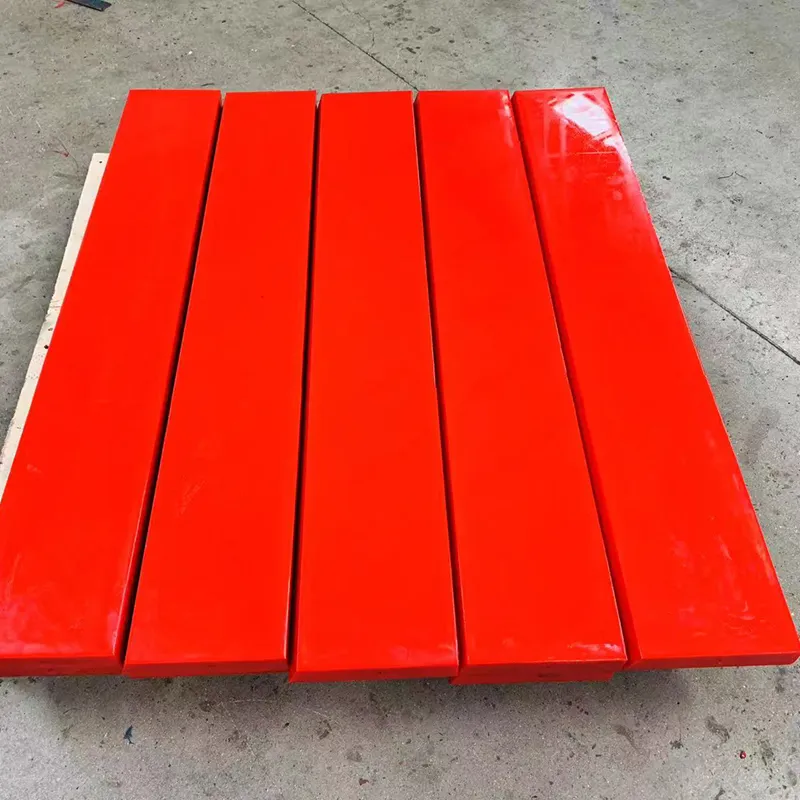
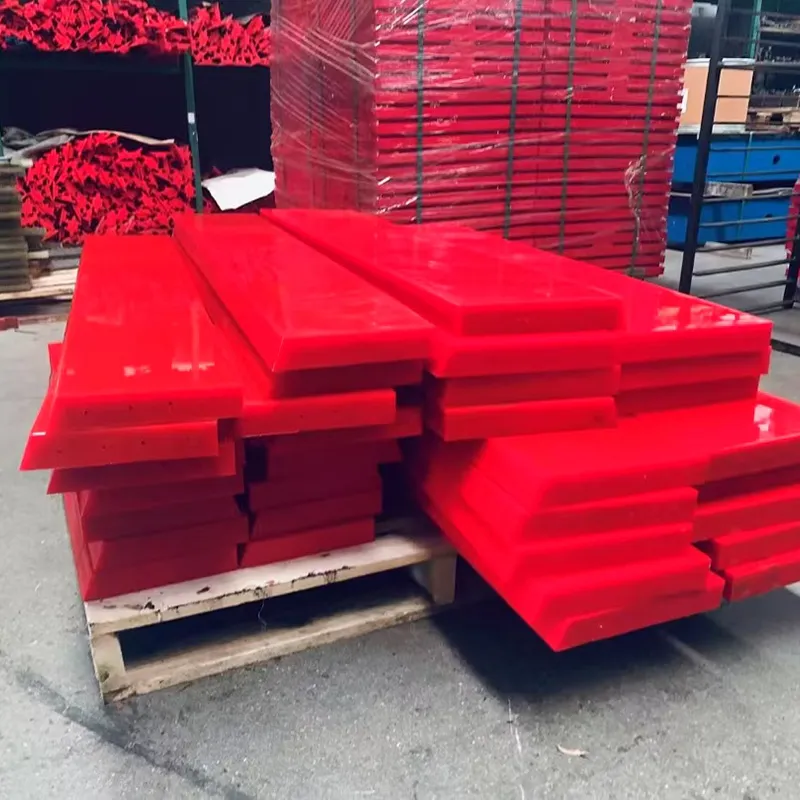
The Vibrating Screen Side Pressure Plate from Hehuang Road, Anping County (yes, that Hebei steel heartland) is the unsung part that holds the screen in place. It applies uniform side pressure, stops bypass fines, and keeps the media flat so stratification actually happens instead of turning into a rattle-fest. In gravel, gold, recycled glass—same story. Without proper plates, you over-tension bolts, blow through media, and chase micro-leaks all week. Been there.
Industry trends you can feel in the pit
- Higher clamp consistency with CNC-machined profiles to reduce edge fretting.
- More stainless (304/316) and 65Mn on abrasive or corrosive duty, sometimes with rubber backing.
- Coatings with verified salt-spray hours; powder at 70–100 μm, hot-dip galvanizing for coastal quarries.
- Faster changeouts via modular plate sets and laser-etched torque guidance.
Key specifications (real-world values)
| Parameter | Spec / Option | Notes |
|---|---|---|
| Material | Q235/Q345, 65Mn, 304/316 SS | Choose by abrasion/corrosion profile |
| Thickness | ≈6–16 mm | Heavier plates for large decks |
| Bolt size | M12–M24 (Class 8.8/10.9) | Typical torque 80–180 N·m (check drawing) |
| Finish | Powder 70–100 μm; HDG | ASTM A123 / ISO 12944 targets |
| Hardness (65Mn) | HRC 38–45 | Wear zones only; avoids brittleness |
| Working temp | -20 to 200 °C | Seal integrity matters above 120 °C |
| Service life | 12–36 months | Real use may vary with media & duty |
How they’re made (and tested)
Materials arrive with EN 10204 3.1 certificates. Then: laser cutting → CNC milling for slot geometry → deburr and form → drilling/slotting → heat treat (if 65Mn) → surface prep (SSPC-SP10 blast) → powder/HDG → final inspection. QC checks include ISO 2768-mK dimensions, flatness ≤0.3% of length, coating thickness (ISO 2178), adhesion ASTM D3359 4B–5B, and salt spray ISO 9227 (240–480 h depending on finish). We also run torque-to-clamp-force correlation—e.g., M16 8.8 at 140 N·m ≈45 kN clamp force under clean, dry threads. Vibration endurance is validated to ISO 10816/20816 guidelines.
Where they’re used
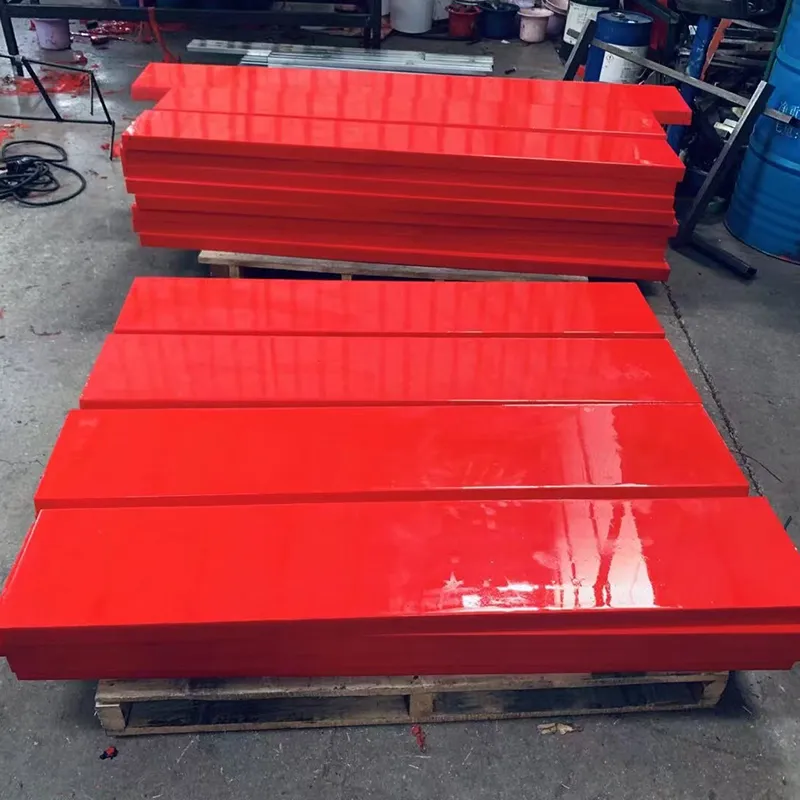
Quarries (granite, limestone), frac sand, coal prep, C&D recycling, fertilizers, even sugar if you go 316 SS. Typical install tip: bring plates up evenly, 10–20 N·m at a time, alternating sides. Over-torque warps media and, ironically, causes leaks—the opposite of what do vibration plates do for you.
Vendor comparison (fast take)
| Vendor | Lead time | Certs | Customization | Notes |
|---|---|---|---|---|
| MUTO Screen (Anping) | ≈10–20 days | ISO 9001 | Logo, radius, bolt pattern, coating | Strong in HSLA and 316 SS |
| Local Fabricator A | 3–6 weeks | Varies | Good on mild steel | Limited salt-spray data |
| Import Brand B | 6–10 weeks | ISO 9001, CE (docs on request) | Broad range | Cost-effective, longer transit |
Case notes (from real plants)
A Queensland basalt quarry switched to 65Mn plates with HDG and reported 38% less downtime and cleaner undersize; ROI in ≈2.5 months. A Midwestern recycling line swapped to 316 SS plates; corrosion stopped, and plate life jumped from 9 to 22 months. One supervisor told me, “We just stopped chasing leaks,” which is basically what do vibration plates do for you in a sentence.
Customization and documentation
Options include anti-wear liners, rubber-backed faces, radius-matched profiles, hot-stamped part IDs, and torque decals. Material traceability, coating reports, and clamp-force test sheets are available on request. Origin: Hehuang Road, Anping County, Hengshui, Hebei Province.
Certifications, standards, and references
- ISO 9001:2015 Quality Management Systems.
- ISO 20816 (formerly 10816) Mechanical vibration — Evaluation of machine vibration.
- ISO 9227:2017 Neutral Salt Spray (NSS) tests; ASTM B117 equivalent guidance.
- ASTM D3359 Coating Adhesion; ISO 2178 Coating Thickness.
- ASTM A123 Hot-Dip Galvanized Coatings; EN 10204 3.1 Material Test Reports.
- ISO 2768 General tolerances for linear and angular dimensions.