A Field Guide to the Jigging Method (and the Screen Plates That Make It Work)
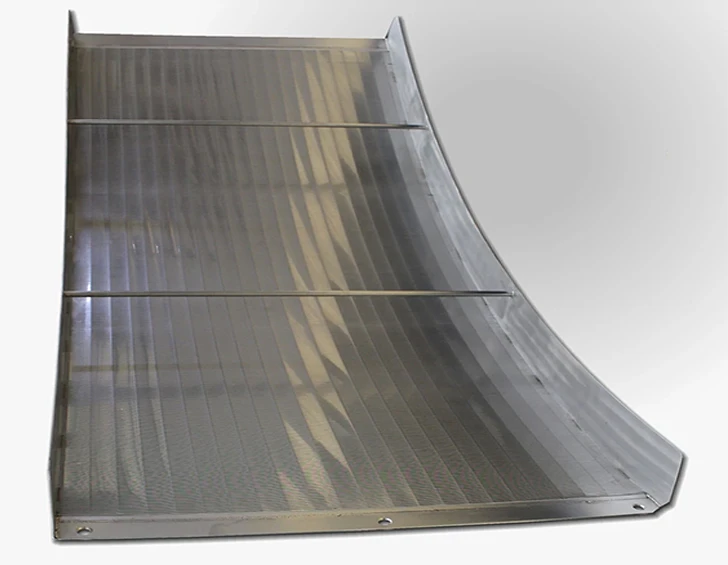
If you’ve ever asked yourself what is jigging method, you’re in good company. I’ve been on mine sites where veterans debate nuances of stroke amplitude like they’re talking espresso grind size. In simple terms: jigging is a gravity-separation technique where pulsating water currents stratify particles by density and size—dense ore drops, lighter gangue floats. The unsung hero? The Jigging Screen Plate—the precision surface that supports the bed and controls cut-size.
How the process actually works (the quick version)
- Feed: typically crushed ore 0–30 mm, pre-screened to narrow fractions.
- Pulsation: diaphragm or piston generates cyclic water flow (≈40–180 cycles/min).
- Stratification: heavier particles migrate downward through the screen bed.
- Discharge: hutch product (concentrate) collected below; tails overflow above.
In practice, operators tune stroke, water flow, and screen aperture. And yes, the screen plate’s open area and wear profile matter more than brochures admit. When folks search what is jigging method, they really want to know: will the screen hold grade across a long shift without plugging?
Jigging Screen Plate — from Anping, Hebei to hard rock sites
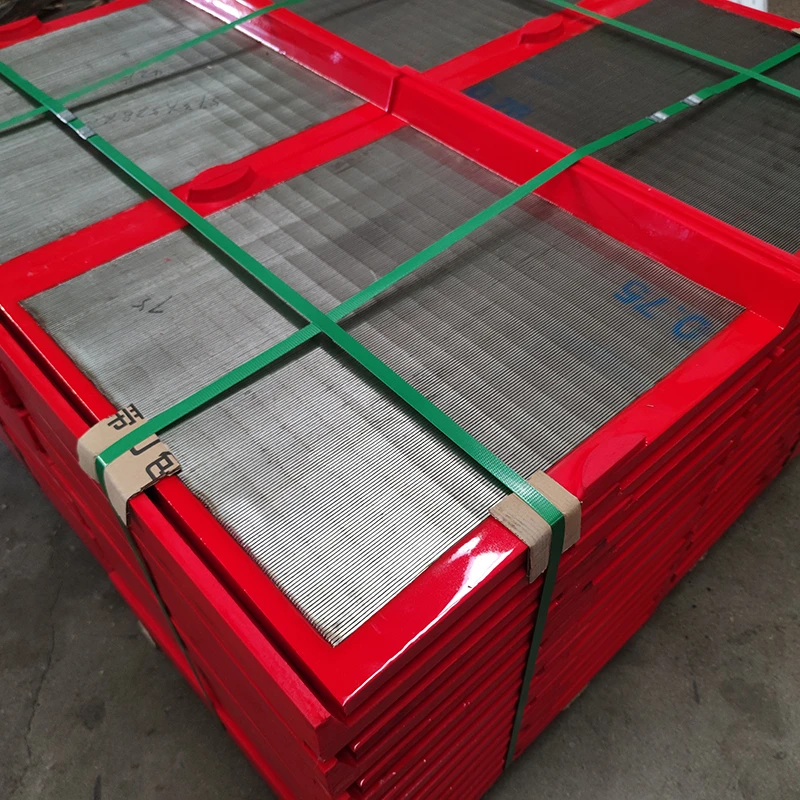
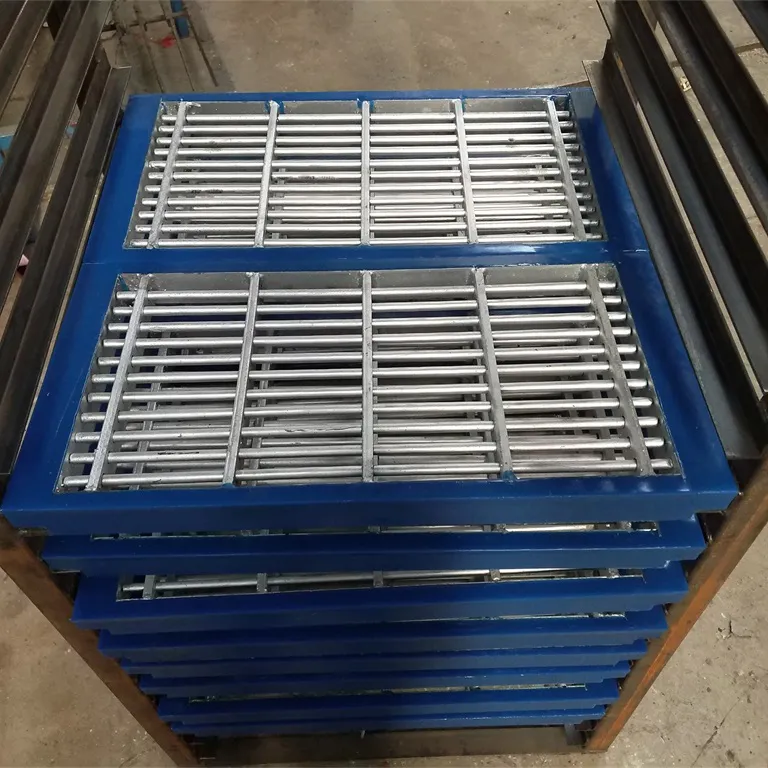
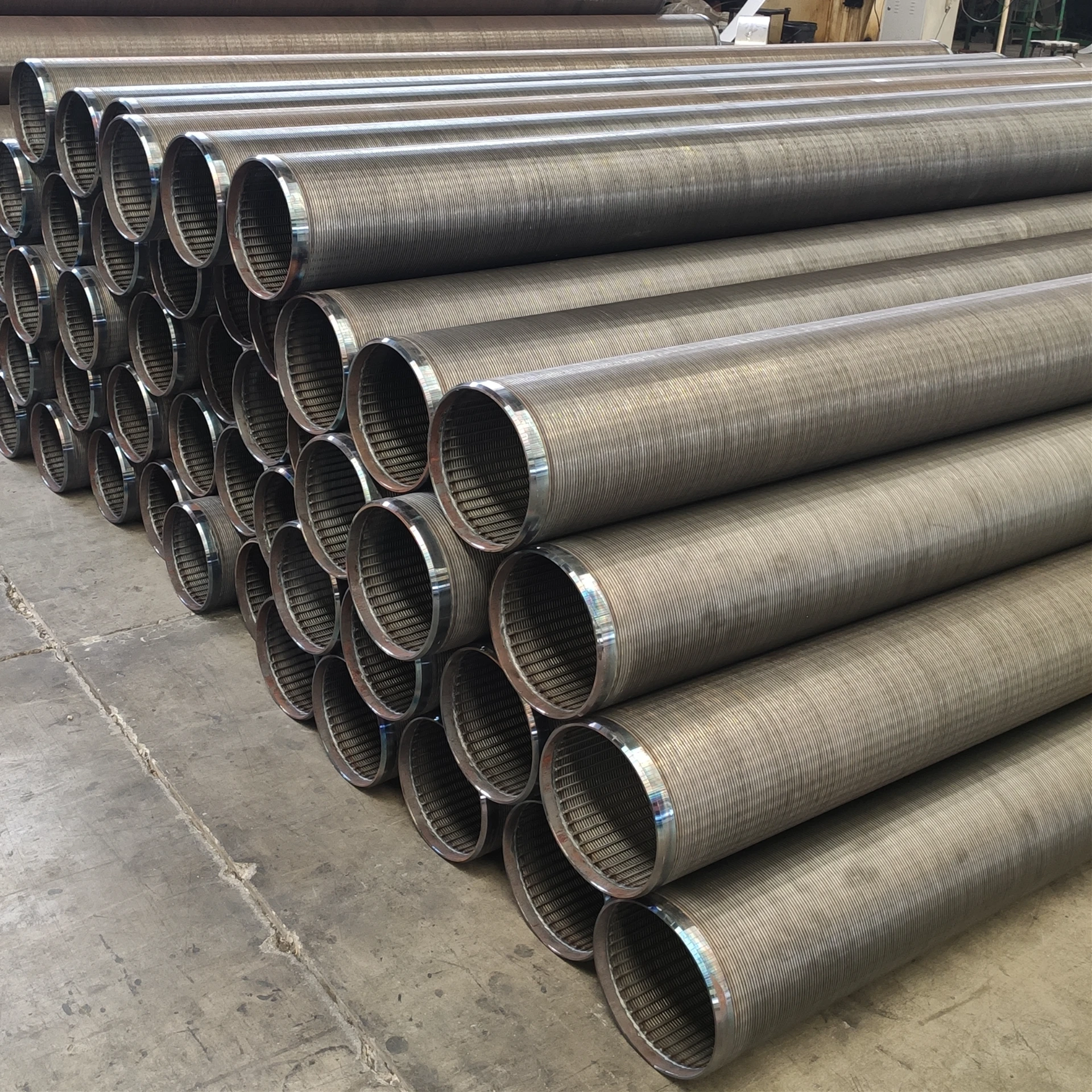
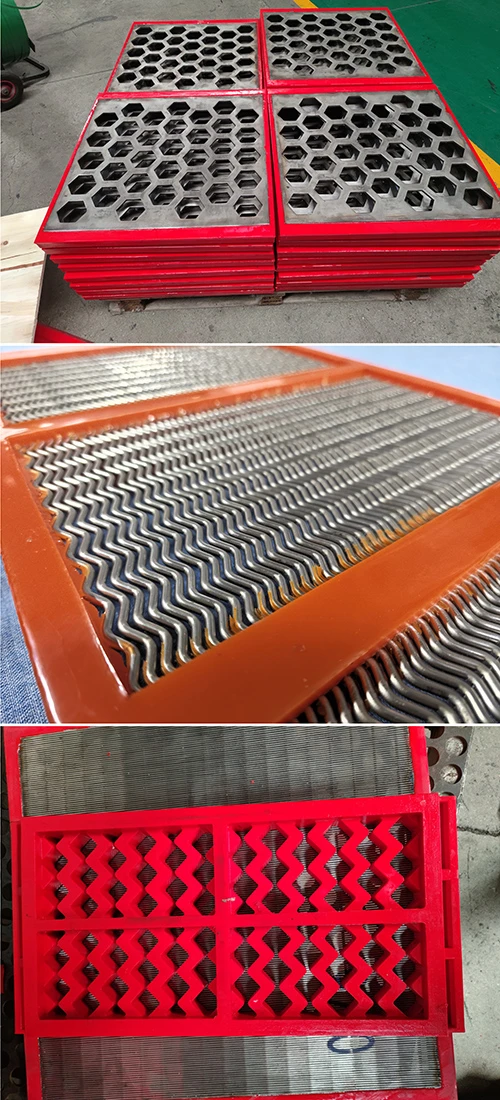
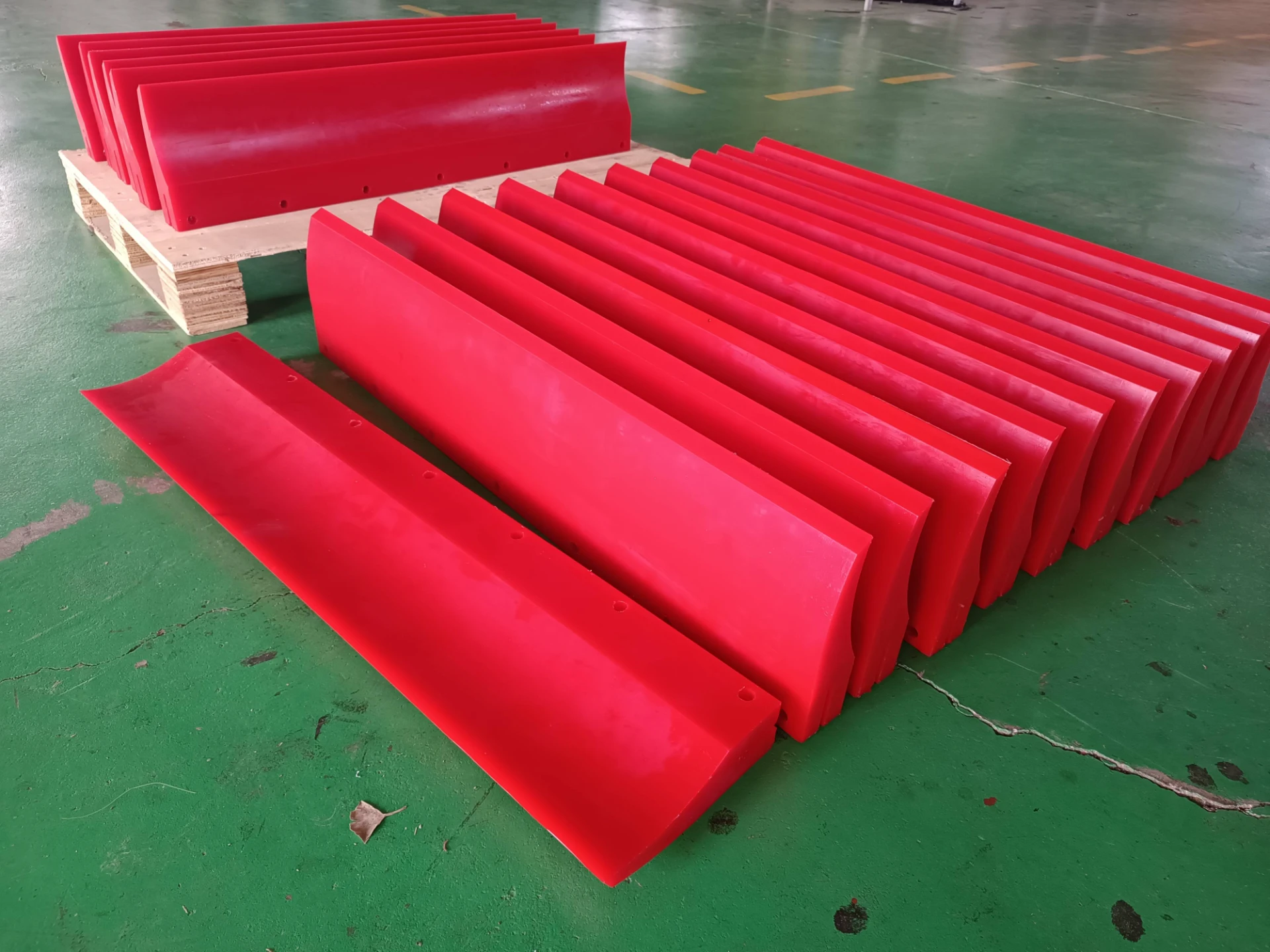
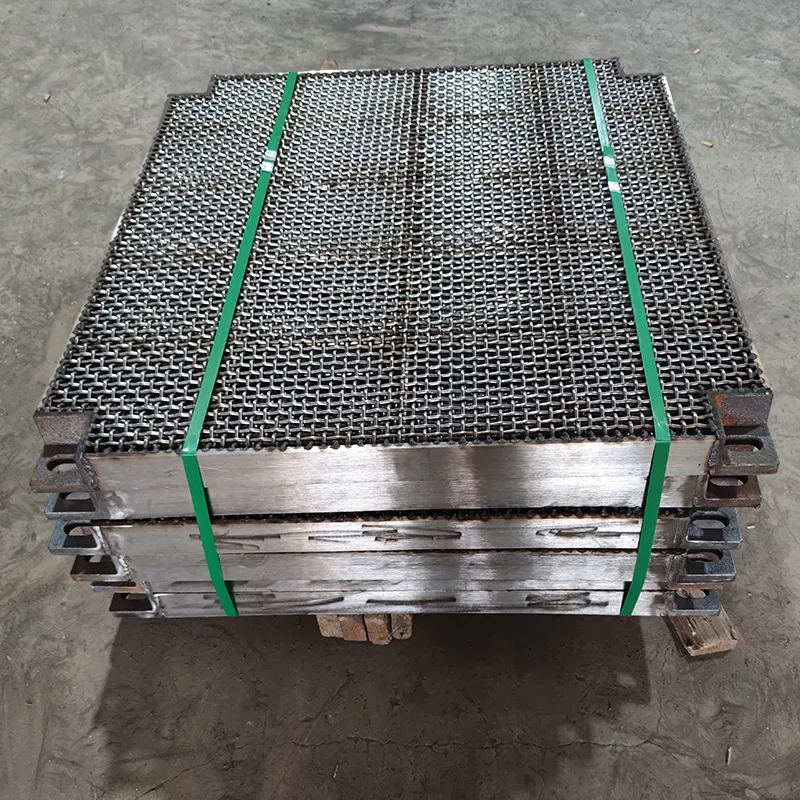
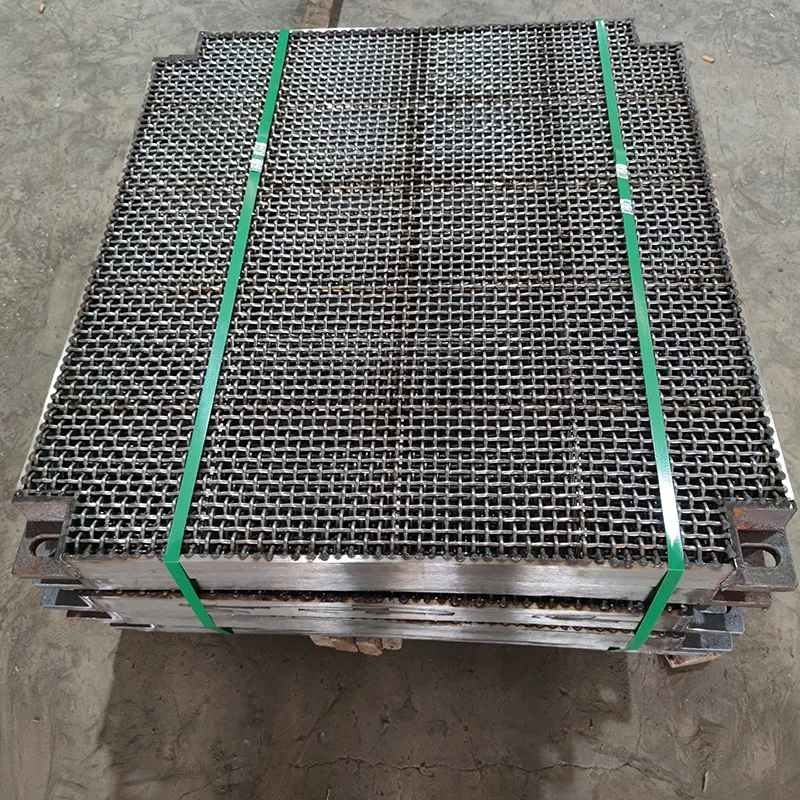
Built in Hehuang Road, Anping County, Hengshui (the wire-mesh heartland), the Jigging Screen Plate—also called a jig screen—comes in alloy steel, stainless, or polyurethane. Many customers say the 65Mn options hit the sweet spot for abrasion; stainless 304/316 wins in corrosive circuits. Honestly, I’ve seen both perform—context matters.
| Spec | Typical Options | Notes (real-world may vary) |
|---|---|---|
| Material | 65Mn, 304/316 SS, Polyurethane | SS for corrosion; PU for noise and anti-plugging |
| Aperture | 2–30 mm (square/rectangular) | Custom patterns available; tolerances per ISO 9044/ASTM E11 |
| Plate Thickness | 6–20 mm | Select for impact energy and bed load |
| Open Area | ≈28–48% | Higher open area improves throughput; watch wear |
| Service Life | ≈6–18 months | Depends on ore abrasiveness (ASTM G65 reference) |
| Certifications | ISO 9001; material certs (EN 10204 3.1) | Stainless per ASTM A240 |
Process control, testing, and data
Quality teams usually verify aperture with go/no-go gauges (ISO 9044) and run wear tests akin to ASTM G65. One recent internal test on 65Mn reported wear loss ≈65 mg/1,000 cycles; 304 SS ≈92 mg, PU ≈40 mg but with lower heat resistance. To be honest, site dust, water chemistry, and slurry density will shift those numbers.
Where it’s used
- Iron, manganese, chrome, and tin ore jigging circuits
- Coal preparation (coarse coal, deshaling)
- Recycling: heavy media alternatives for shredded scrap
If you’re still wondering what is jigging method good for—think density contrast. When SG differences are clear, jigging is fast and energy-light.
Vendor snapshot (what buyers compare)
| Vendor | Materials | Lead Time | Certs | Notes |
|---|---|---|---|---|
| MutoScreen (Anping, Hebei) | 65Mn, 304/316, PU | ≈10–20 days | ISO 9001, EN 10204 | Strong customization; quick tooling |
| Vendor X (EU) | 304/316, Duplex | ≈3–6 weeks | ISO 9001, ISO 14001 | Premium alloys; higher price |
| Vendor Y (Generic) | Carbon steel | ≈2–4 weeks | Basic CoC | Budget; limited tolerances |
Customization and real-world feedback
Custom aperture arrays (staggered, slotted), edge hooks, and reinforcement ribs are common. One coal prep client told me slotted PU screens cut blinding by “about a third” during rainy season—nothing fancy, just pragmatic. That’s the charm of what is jigging method: small tweaks, big yield swings.
Trends
- Hybrid screens: steel substructure with PU wear pads
- Higher open-area designs with anti-pegging geometries
- Data-logging jigs correlating pulsation to grade recovery
Mini case study
Chrome plant, 10–20 mm fraction: swapping to 65Mn, 10 mm square, ≈42% open area. After two weeks, concentrate grade rose from 35% to 38% Cr2O3; water usage down ≈7%. Service life hit 11 months per maintenance logs. Not bad for a screen change.