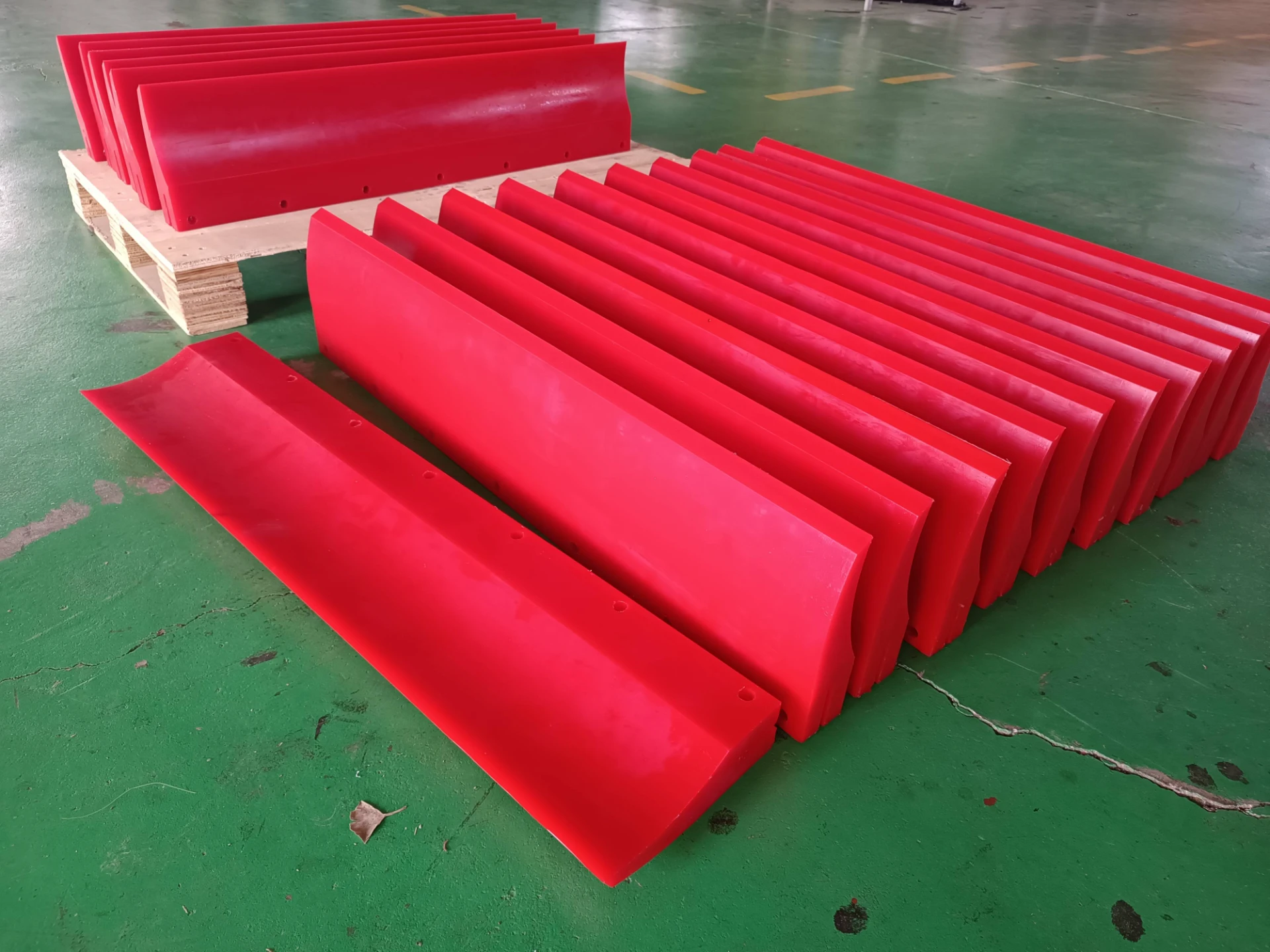
Jigging, screens, and the real story from the plant floor
If you’ve ever asked what is jigging method, here’s the field take: it’s a gravity-separation technique where pulsating water stratifies particles by density and size on a screen plate. In plain English—heavier mineral particles sink, lighter gangue floats, and the screen plate does the precise sorting. Simple principle, lots of nuance.
How jigging really works (short version)
- Feed: typically 0–30 mm ore slurry.
- Pulsation: 40–180 cycles/min; amplitude ≈ 8–20 mm (real-world use may vary).
- Stratification: dense particles migrate downward through the screen apertures; lighter material stays higher.
- Discharge: layers separated into concentrate, middlings, tailings.
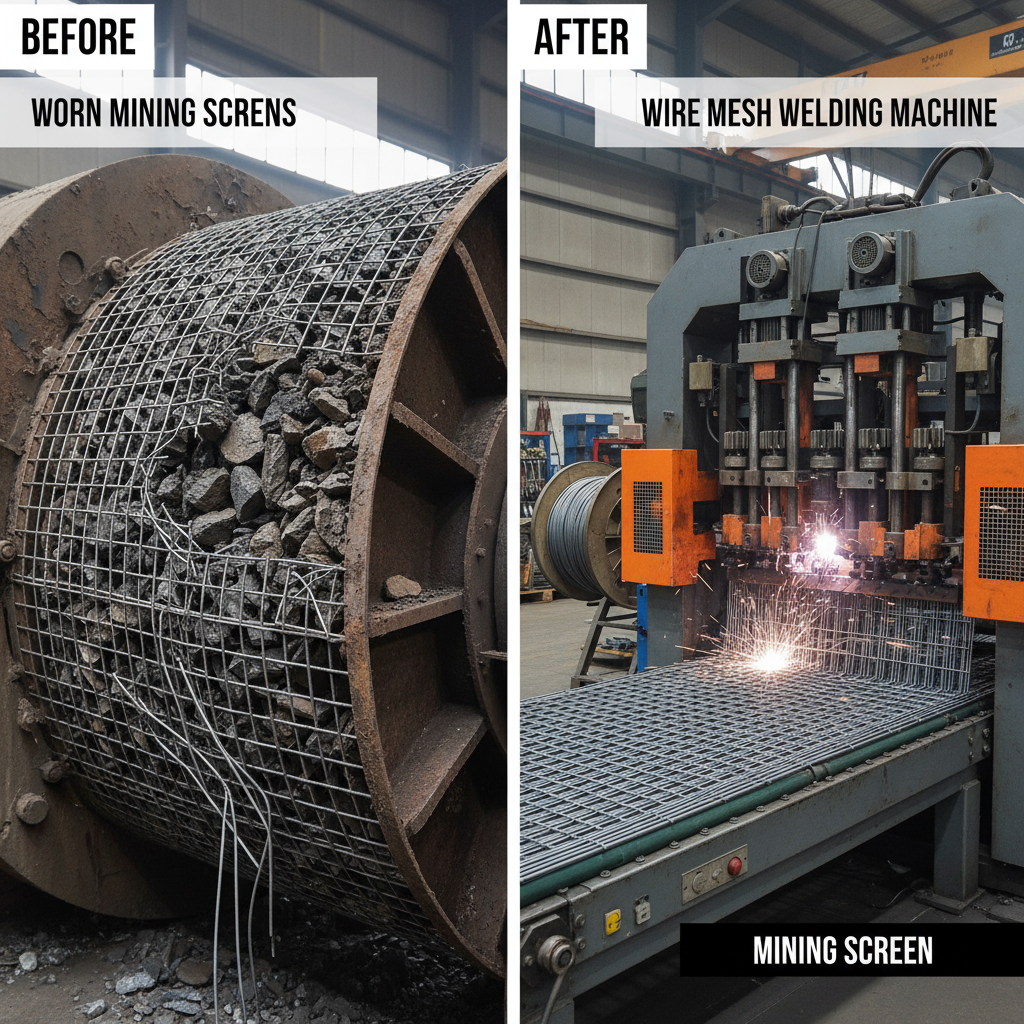
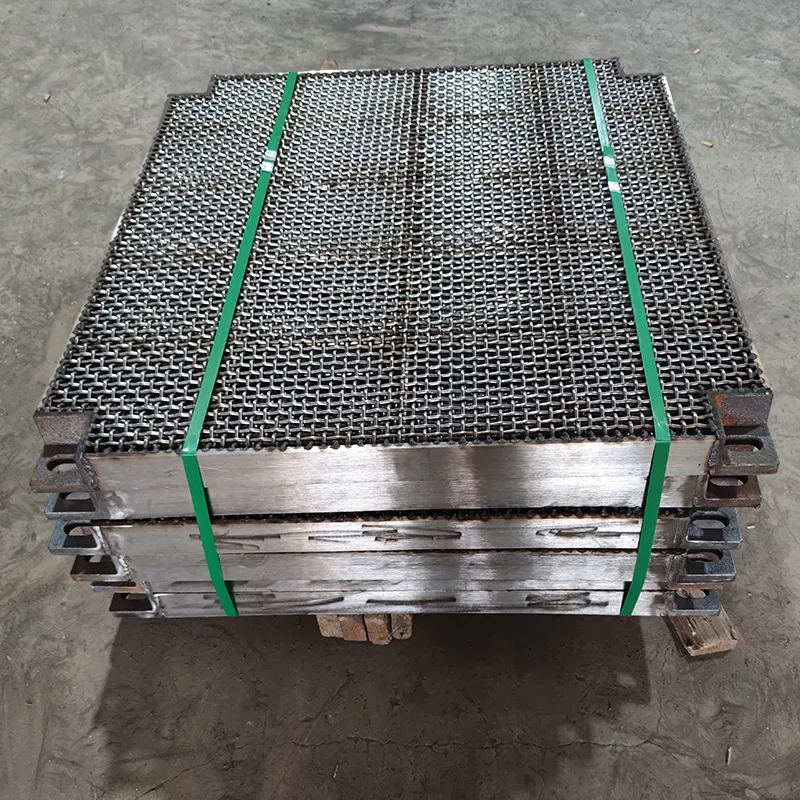
The screen surface is the quiet hero. Without a dimensionally accurate, wear-resistant plate, your jig becomes a very expensive bathtub.
Product spotlight: Jigging Screen Plate
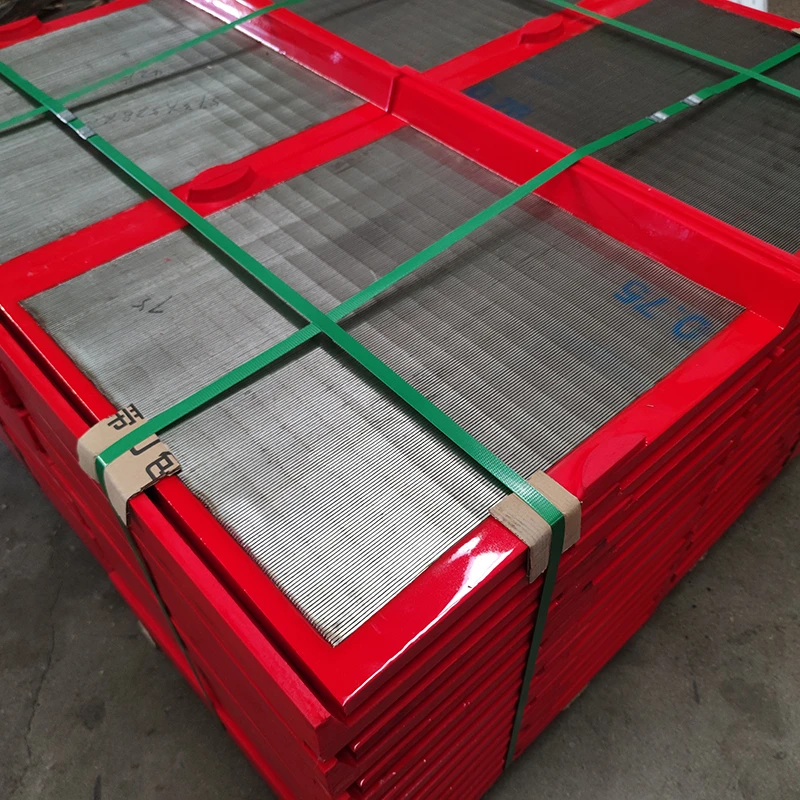
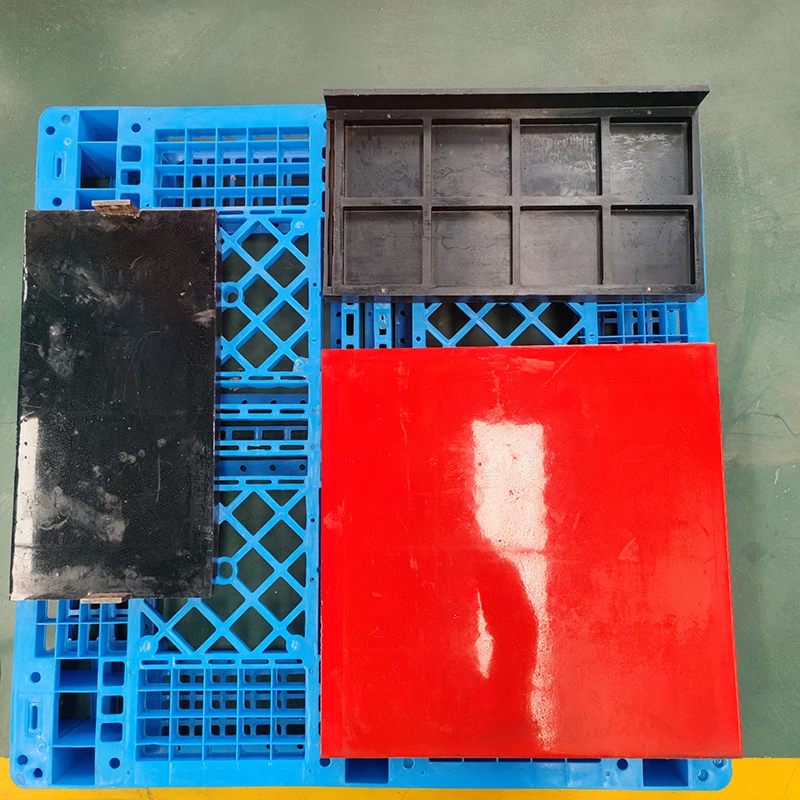
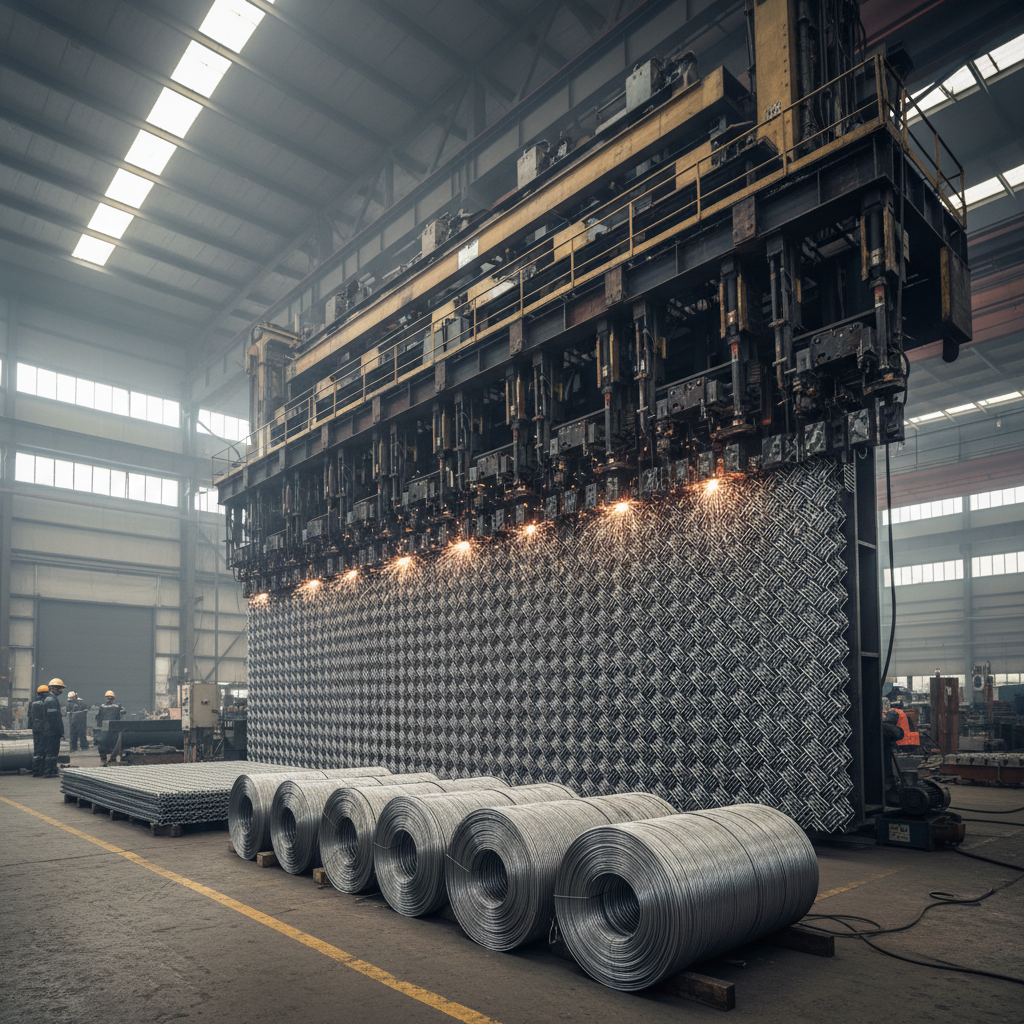
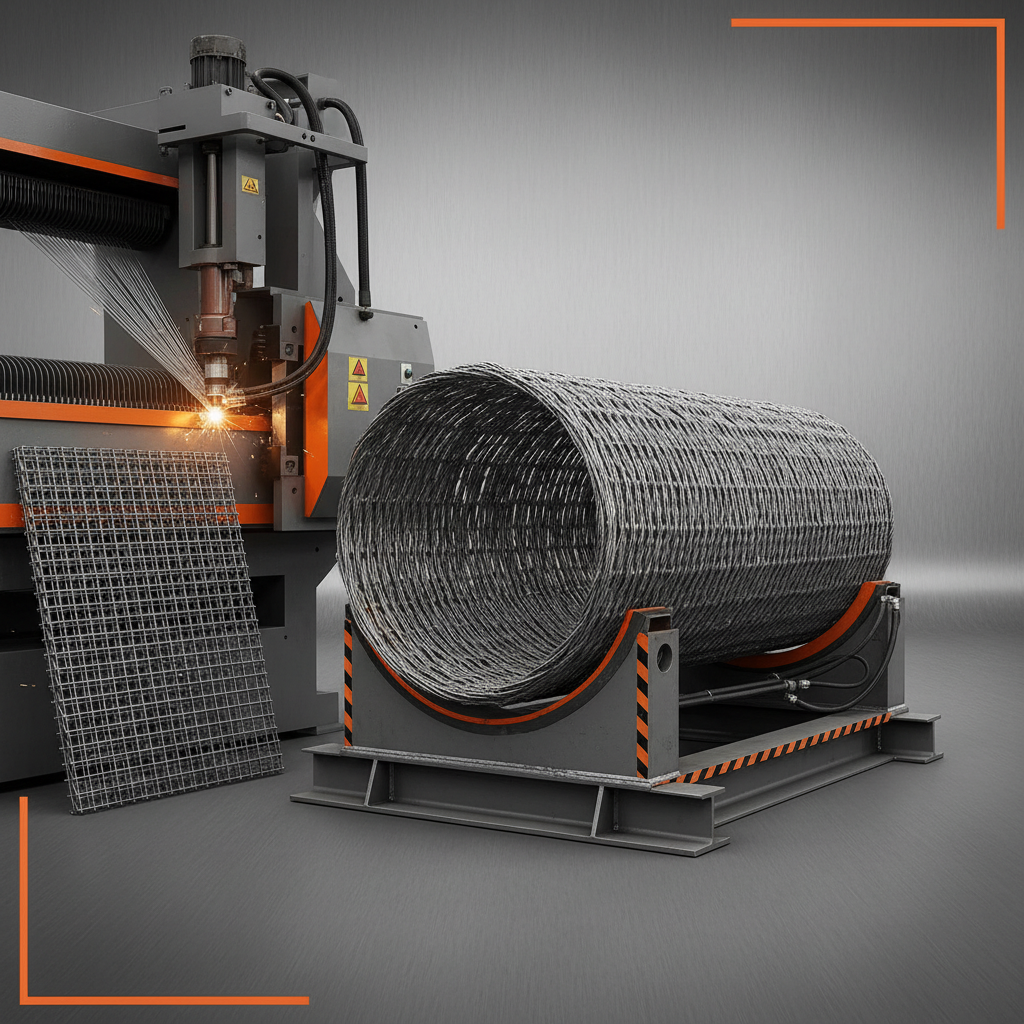
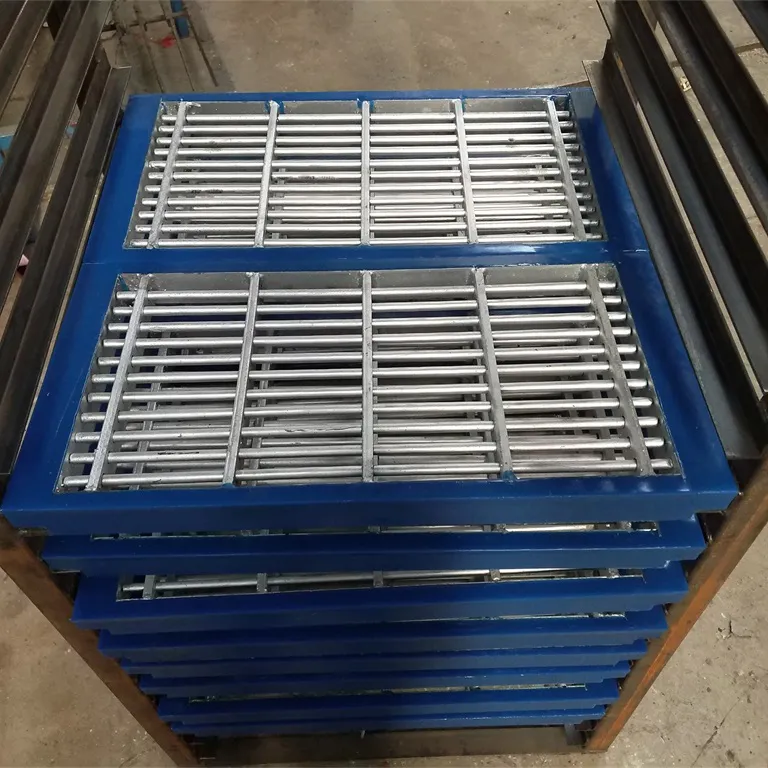
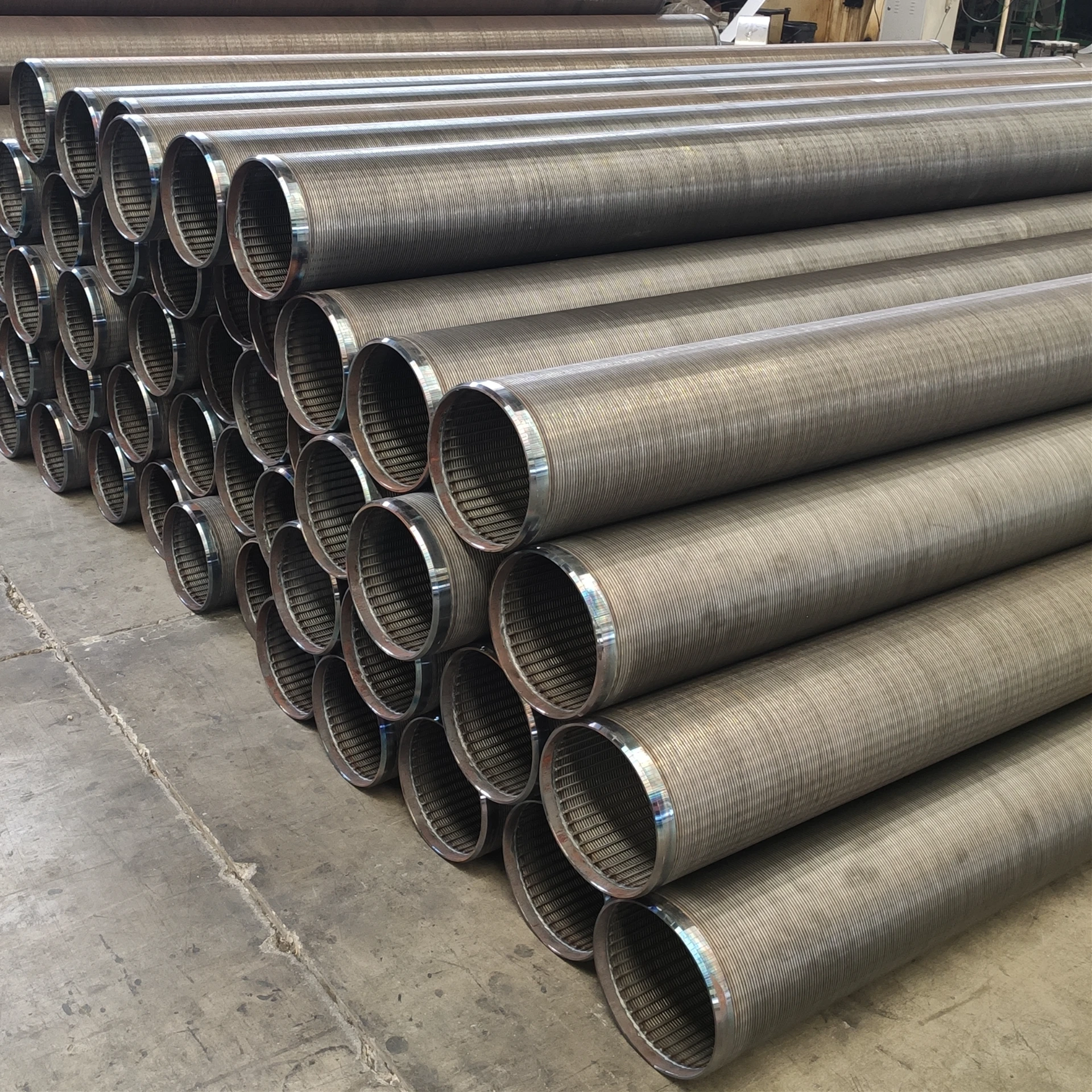
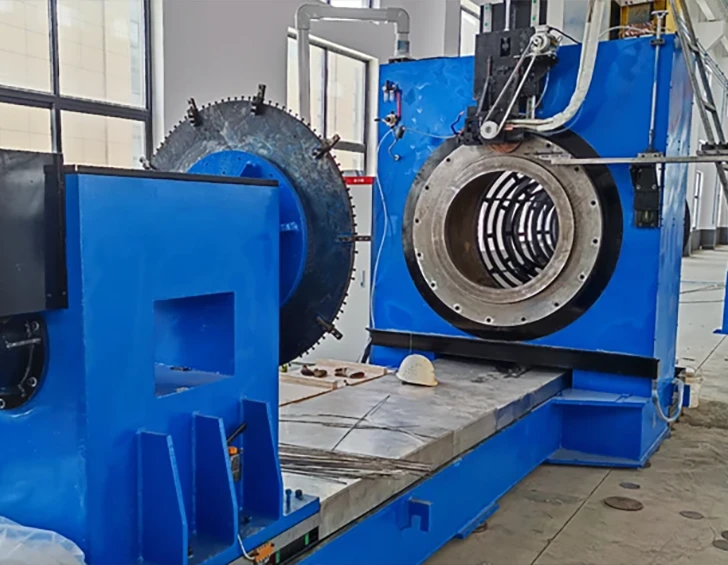
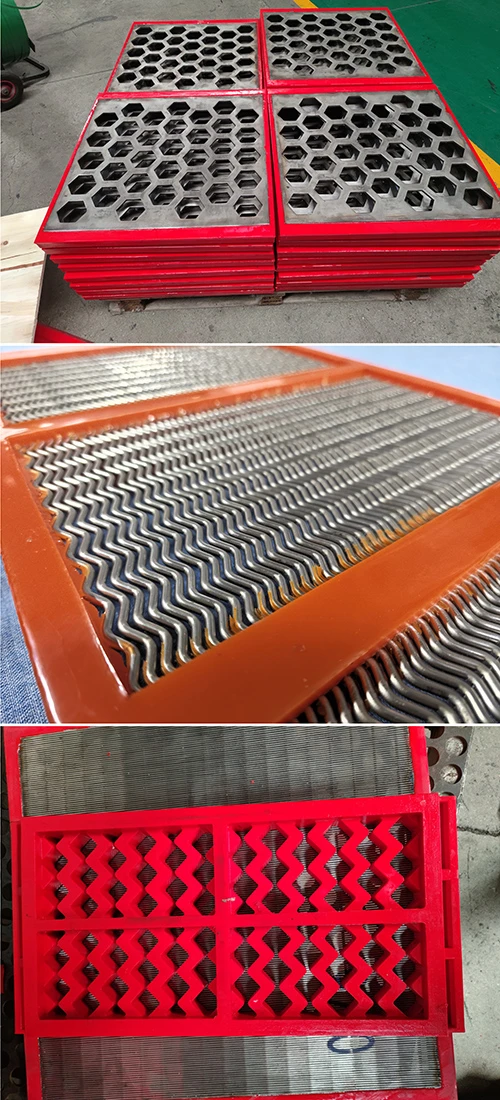
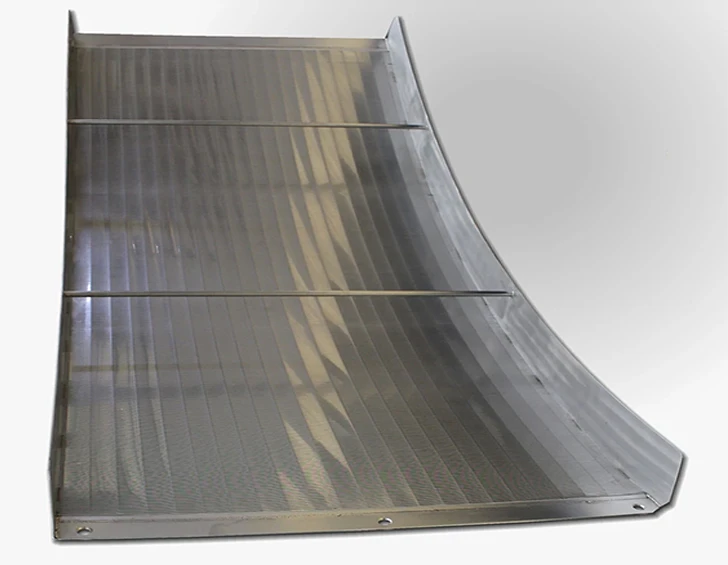
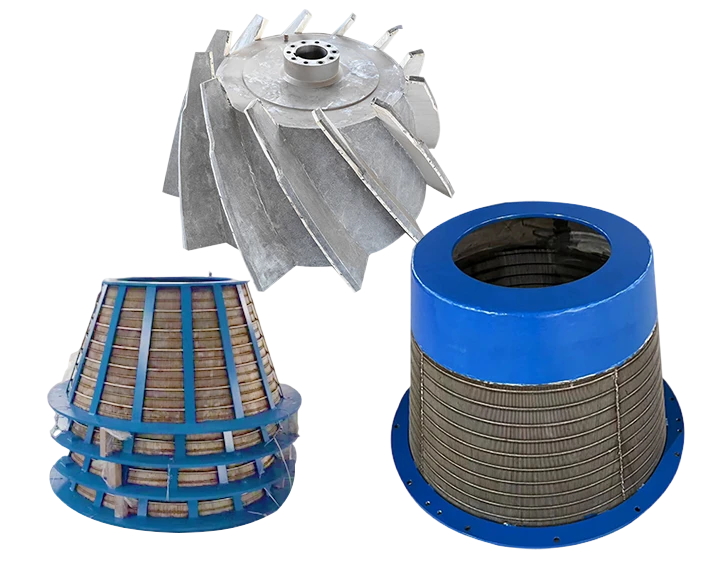
Made on Hehuang Road, Anping County, Hengshui, Hebei, these jigging screen plates are built for diaphragm, piston, and BATAC-style jigs. Materials vary—polyurethane for abrasion damping and open area; stainless (304/316) for corrosion; high-manganese steel for impact. To be honest, selection is 80% of performance.
| Spec | Typical Range | Notes |
|---|---|---|
| Material | PU, SS304/316, Mn65 | Choose per pH, abrasion, temperature |
| Aperture size | 0.5–25 mm | ±0.15 mm tolerance (≈) |
| Open area | 38–55% | Higher OA boosts throughput |
| Hardness (PU) | 90 ±3 Shore A | Balancing cut/tear resistance |
| Service life | 8–24 months | Depends on ore abrasiveness, duty cycle |
| Fixing | Pinned, clamped, modular | Retrofit options available |
Where it’s used and why it matters
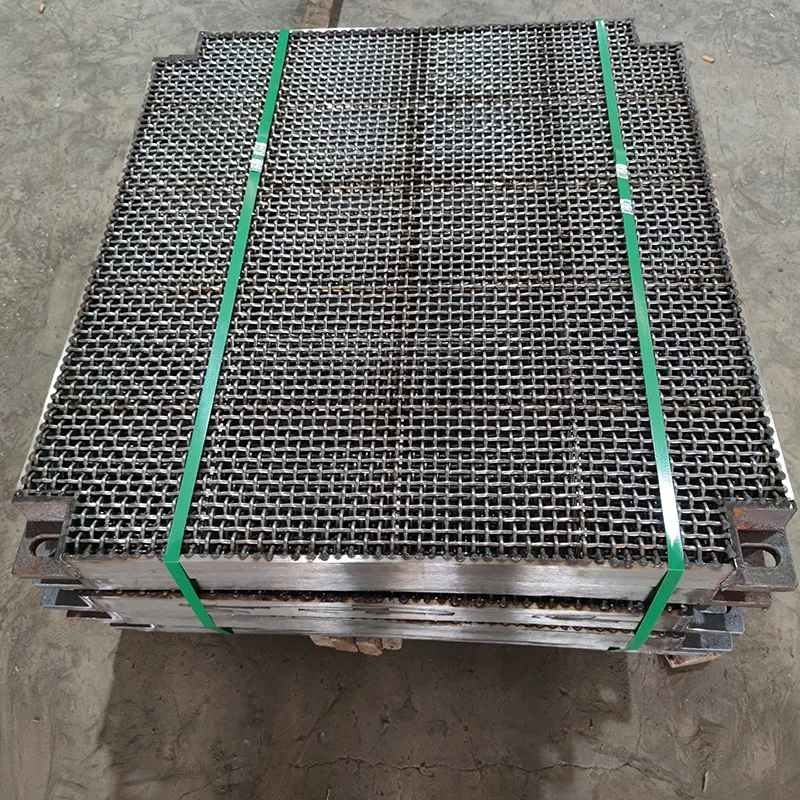
Coal prep, iron ore, manganese, tin, tungsten, rare earth pre-concentrates—anywhere gravity still pays the bills. Many customers say PU plates reduce noise and extend maintenance intervals; stainless shines in acidic circuits. Surprisingly, a small aperture tweak can lift recovery several points.
Testing, data, and standards
- Abrasion: ASTM G65 results show PU volume loss ≈ 180–240 mm³ (Procedure A).
- Corrosion: 240 h ASTM B117 salt spray on SS316 with no red rust.
- Mesh accuracy: Apertures checked per ISO 3310-1 guidelines.
- Quality system: ISO 9001:2015 certified manufacturing.
Vendor snapshot (real-world variables apply)
| Vendor | Material Options | Aperture Tolerance | Lead Time | Certifications |
|---|---|---|---|---|
| MutoScreen (Hebei) | PU / SS304/316 / Mn | ±0.15 mm | 10–20 days | ISO 9001 |
| Vendor A | PU / SS304 | ±0.2 mm | 3–4 weeks | ISO 9001 |
| Vendor B | SS316 / Mn | ±0.25 mm | 2–6 weeks | ISO 9001 |
Case study (condensed)
A West African manganese plant swapped legacy steel grates for PU jigging plates. After a 6-week A/B run, concentrate grade rose 1.8%, jig throughput improved ≈ 9%, and maintenance windows stretched from 4 to 7 weeks. Operators credited tighter aperture control and reduced pegging. It seems small, but the payback was under three months.
Trends and customization
The push is toward energy-efficient gravity circuits and recyclable, modular media. Customization often includes aperture geometry (square/slot), hybrid panels (PU body with SS inserts), and anti-pegging surface textures. If you’re optimizing for what is jigging method recovery, start with feed PSD, SG differential, and jig stroke settings. For maintenance planning in what is jigging method circuits, track wear maps and rotate panels proactively.
References:
1. Wills’ Mineral Processing Technology, Elsevier (8th/9th ed.).
2. ASTM G65-16e1, Standard Test Method for Measuring Abrasion Using the Dry Sand/Rubber Wheel Apparatus.
3. ISO 3310-1:2016, Test sieves — Technical requirements and testing — Part 1: Metal wire cloth.
4. SME Mineral Processing and Extractive Metallurgy Handbook, Society for Mining, Metallurgy & Exploration.