Understanding Bar Screen Sieves: What They Are and Why You Should Care
A bar screen sieve might sound like specialized jargon, but it’s actually a small yet powerful tool that’s quietly making a big difference—worldwide. From wastewater treatment plants to industrial processing facilities, these devices perform the vital task of filtering out large debris, protecting downstream equipment, and improving operational efficiency. If you’ve ever wondered how cities manage their water systems reliably or how certain industries ensure smooth operations without damaging machinery, the bar screen sieve plays a starring role. Their importance is amplified in the context of growing urban populations, environmental sustainability goals, and stricter regulations worldwide. Understanding bar screen sieves means diving into a practical, yet fascinating, aspect of global infrastructure and environmental protection.Global Relevance: Why Bar Screen Sieves Matter More Than Ever
Across the globe, over 80% of wastewater is estimated by the UN to be released without adequate treatment, threatening ecosystems and human health (1). Bar screen sieves act as the first line of defense in many water and industrial treatment systems, capturing large solids before they cause blockages or contamination. Industries as varied as pulp and paper, food processing, and chemical manufacturing depend on such screening technologies to maintain productivity and comply with environmental standards set by agencies like ISO and the EPA. In densely populated urban centers or industrial zones, a reliable bar screen is essential to prevent costly downtime or environmental damage. In short, bar screen sieves address a fundamental challenge: how to efficiently and sustainably separate unwanted material from liquids on a large scale. This gap in filtration technology would otherwise jeopardize infrastructure and public health worldwide.Mini takeaway: Beyond just a metal grate, the bar screen sieve is a pivotal solution to global wastewater management and industrial reliability challenges.
What Is a Bar Screen Sieve?
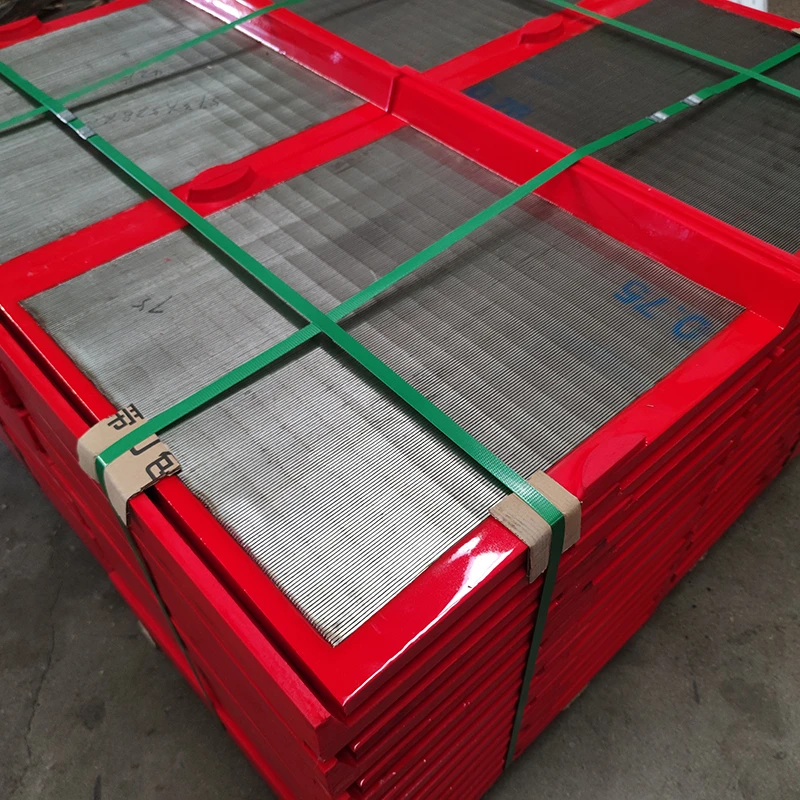
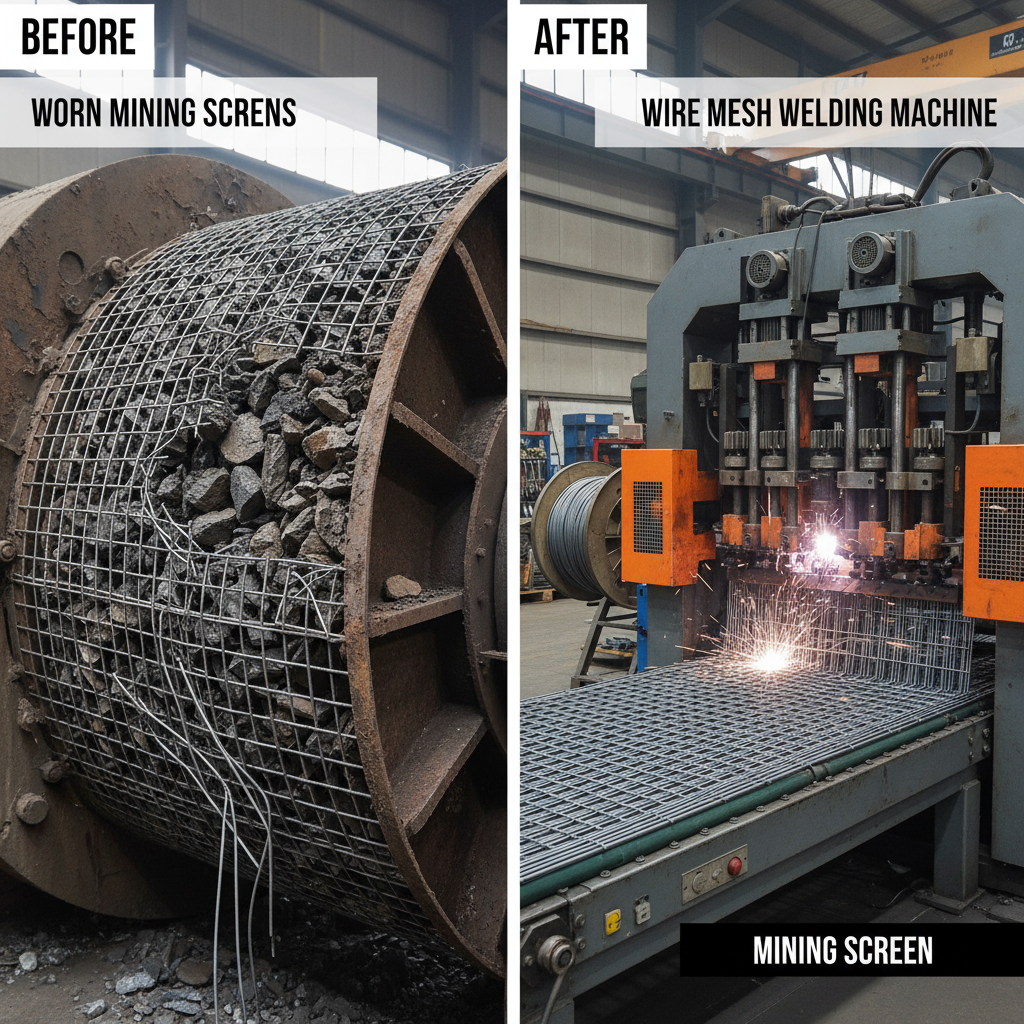
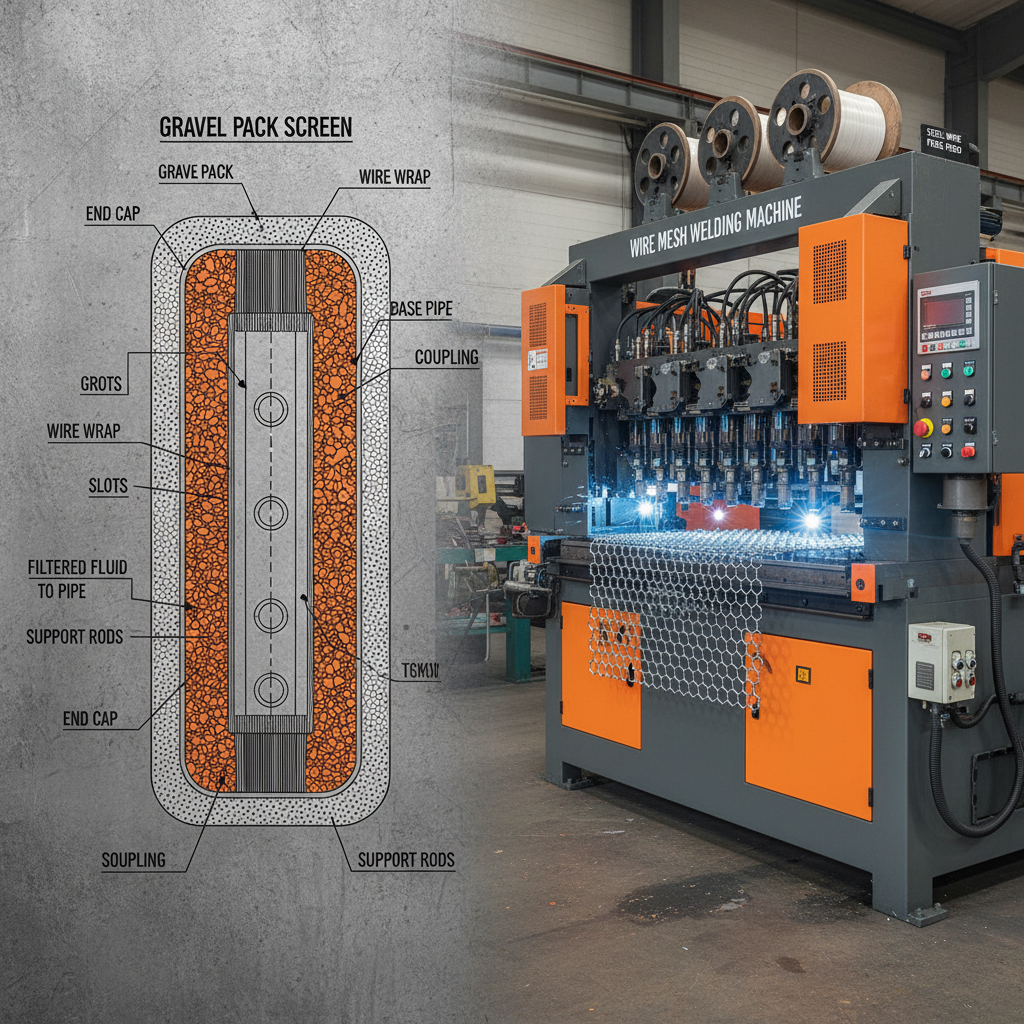
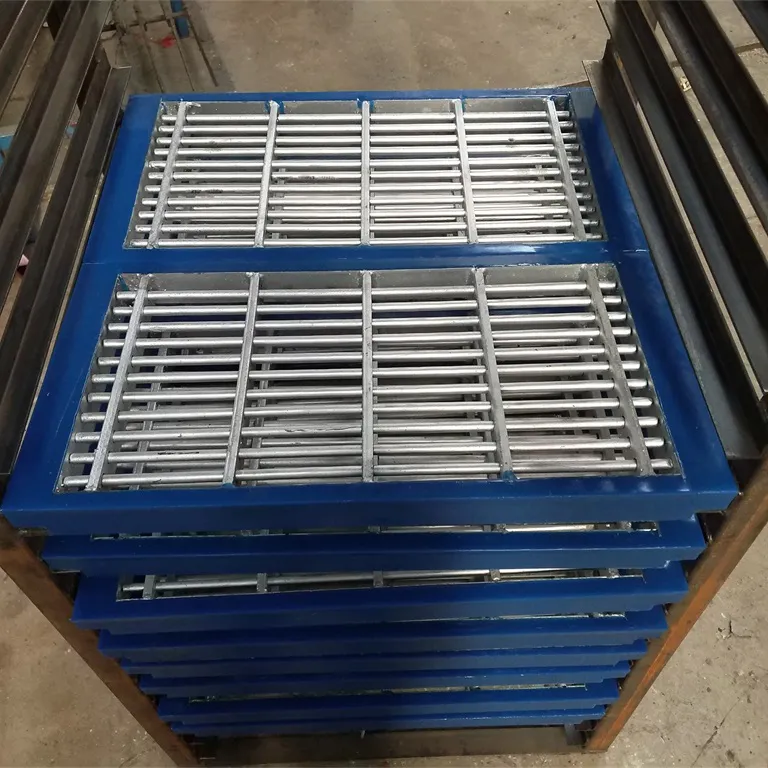
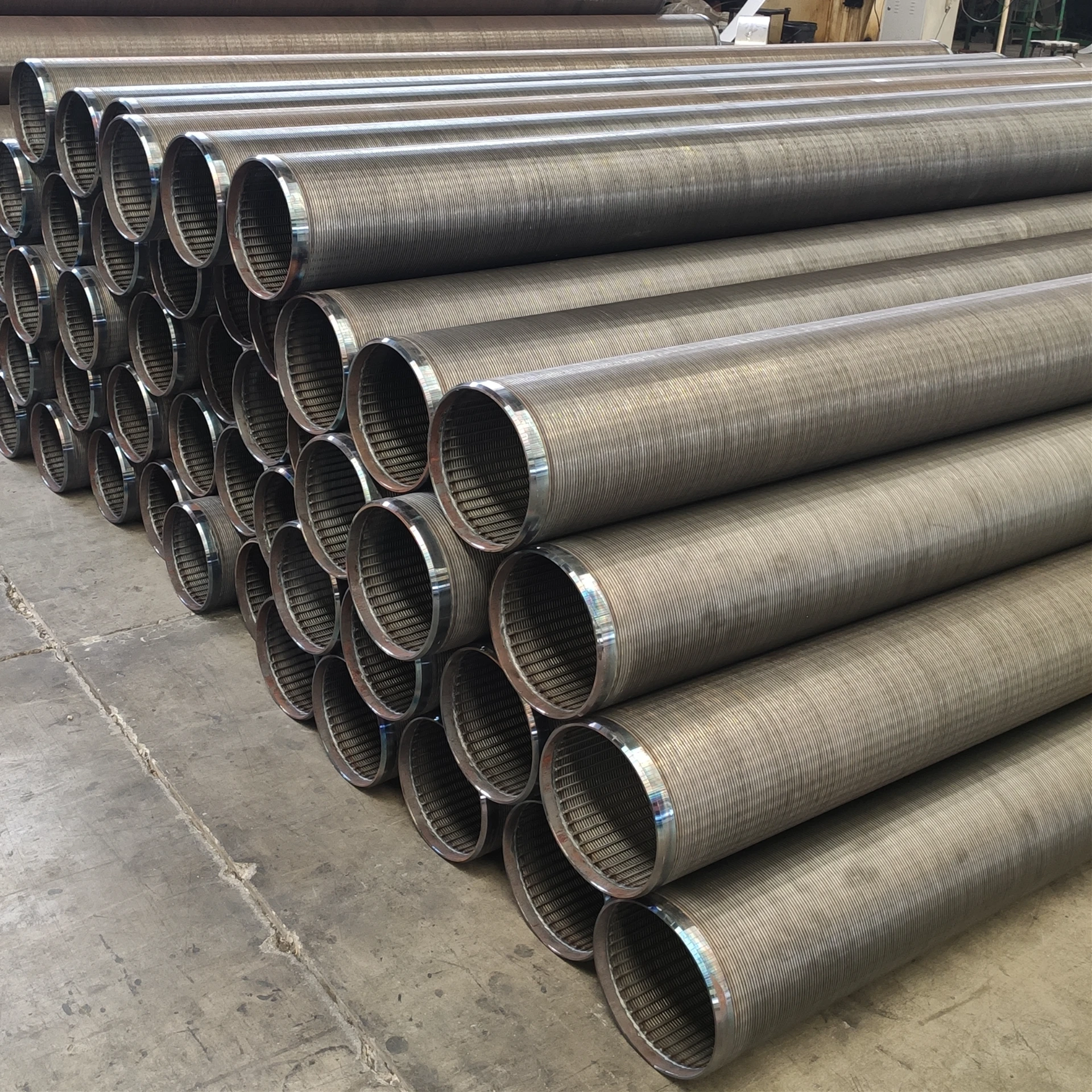
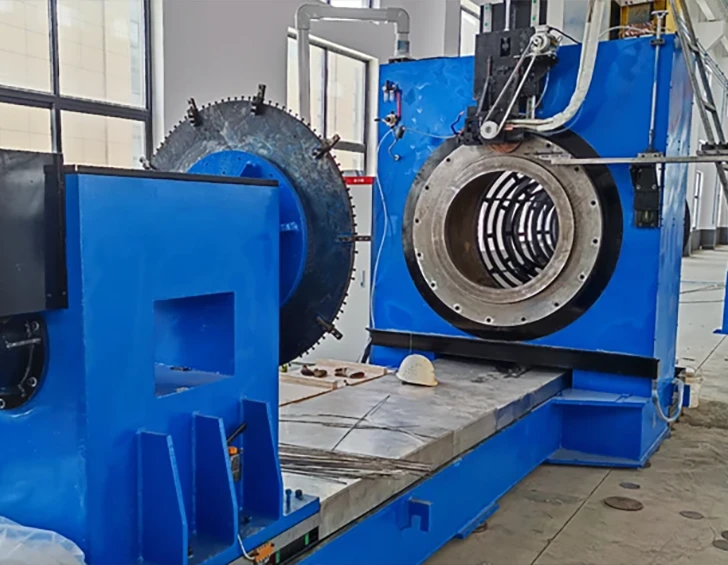
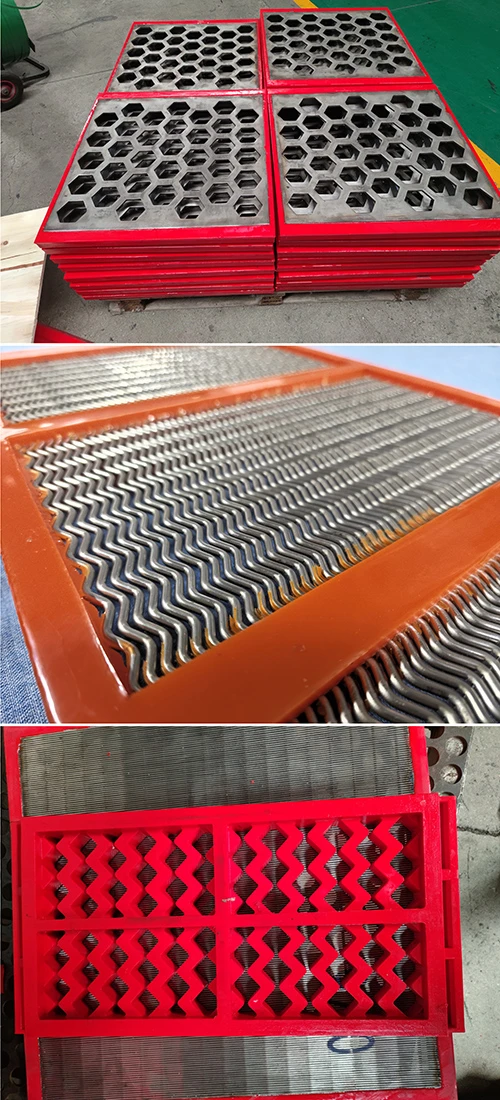
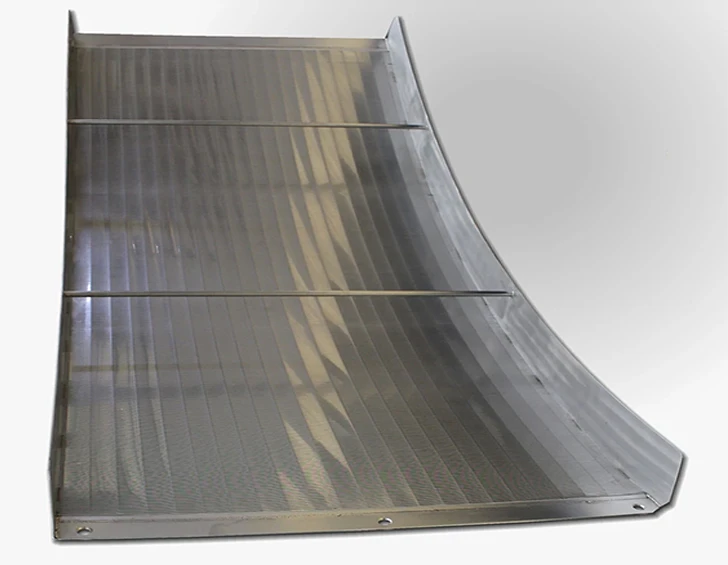
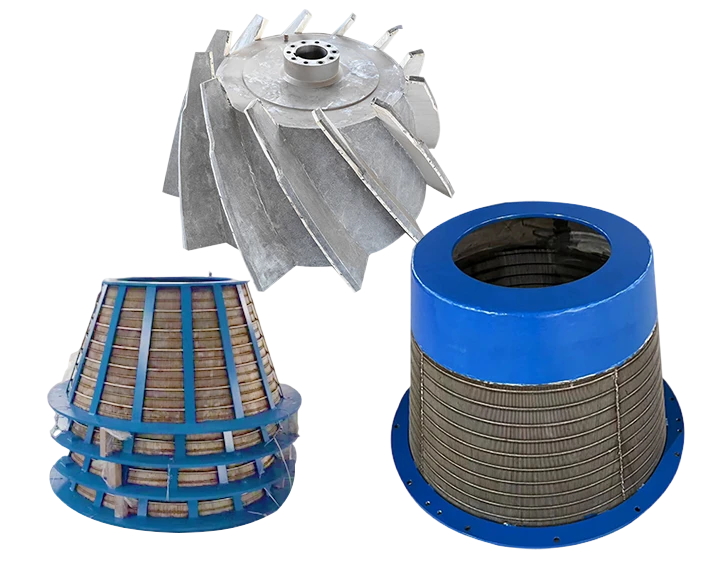
At its core, a bar screen sieve is a filtering device composed of a row (or multiple rows) of parallel bars or rods carefully spaced to capture large debris from flowing liquids. Imagine a protective gate that stops leaves, rags, plastics, and other solids from entering sensitive water treatment or industrial systems. These sieves are usually made of stainless steel or other corrosion-resistant metals, designed to latch onto channels carrying wastewater or process fluids. The “screen” refers to their function as a selective barrier, and the “bars” provide the structural strength needed to withstand heavy flow rates and solid loads. Modern bar screen sieves come in various configurations and can be manually cleaned or mechanized for automated debris removal, integrating seamlessly into treatment workflows. Far from a simple grate, they represent a blend of engineering, materials science, and operational know-how that helps preserve water quality and equipment functionality.Mini takeaway: A bar screen sieve is a critical industrial component that acts as a robust frontline filter to protect complex systems and sustain environmental standards.
Four Core Features of Bar Screen Sieves That Matter
1. Durability and Material Quality
Because these sieves routinely handle abrasive solids and turbulent flows, material choice is everything. Most manufacturers favor stainless steel grades like 304 or 316, which resist corrosion and mechanical wear. Some bars have specialized coatings to extend service life in harsh chemical environments.2. Screening Precision and Slot Size
Slot width varies depending on application — anywhere from 3 mm up to 50 mm or more — balancing capture efficiency against flow restriction. A finer mesh catches smaller particles but can clog sooner and require more maintenance.3. Scalability and Customization
Facilities differ drastically in flow volume and debris characteristics. Vendors offer modular bar screen sieves that can be sized and spaced to fit industrial wastewater plants, municipal systems, or even humanitarian setups like portable water treatment units.4. Ease of Maintenance & Automation
Manual cleaning is still common, but automated raking and debris removal can dramatically reduce labor costs and downtime. Smart sensors now enable remote monitoring and predictive maintenance, raising efficiency and reducing failures.Mini takeaway: Bar screen sieves are more than just metal bars—they’re carefully engineered systems balancing strength, precision, scalability, and ease of upkeep.
Bar Screen Sieves Around the World: Real-Life Applications
Across continents, bar screen sieves serve critical roles:- Europe & North America: In aging municipal water plants, bar screen sieves help meet stringent discharge standards by capturing plastics and organic waste that would otherwise clog secondary filters.
- Asia & Africa: Many emerging cities invest in these sieves to protect often fragile infrastructure and improve water reuse prospects, boosting sanitation and public health.
- Disaster Relief: In post-flood or earthquake scenarios, portable bar screen sieves rapidly deployed by NGOs filter debris-laden water, enabling access to cleaner water supplies.
- Industrial Sectors: The paper and pulp industry uses heavy-duty bar screen sieves to prevent wood chips and fibers from damaging pumps and mixers.
Mini takeaway: The bar screen sieve proves itself a versatile, global tool—at home in advanced treatment plants or remote, resource-limited zones.
Product Specification at a Glance
| Specification | Details |
|---|---|
| Material | Stainless Steel 304/316 |
| Slot Size Range | 3 mm – 50 mm |
| Flow Rate Capacity | Up to 5000 m³/h |
| Cleaning Options | Manual & Automated Raking Systems |
| Installation Types | Fixed channel, portable units, modular setups |
| Service Life | 10–15 years (typical) |
Comparing the Leading Bar Screen Sieve Vendors
| Vendor | Material Quality | Customization | Automation Features | Global Reach |
|---|---|---|---|---|
| Mutoscreen | 316 Stainless Steel | High – Modular Platforms | Advanced sensor-driven raking | Worldwide |
| ScreenTech | 304 Stainless Steel | Medium – Custom slot sizes | Basic motorized rake | Primarily Americas & Europe |
| EcoFilter Solutions | Composite-metal alloys | Medium – Sustainable materials focus | Semi-automated cleaning arms | Asia-Pacific focus |
Advantages & Long-Term Value of Bar Screen Sieves
Frankly, the ability to consistently protect equipment and prevent operational interruptions is huge. It’s not just about keeping pumps or filters from failing; it’s about preserving the integrity of an entire process, saving millions in repairs and downtime. This creates a ripple effect—industries can meet environmental targets, cities can keep clean water flowing, and workers experience safer, more reliable systems. From a sustainability perspective, bar screen sieves reduce the volume of untreated contaminants entering natural water bodies, supporting healthier ecosystems. Emotionally, there’s trust toward water companies and industries that visibly maintain robust screening, reinforcing community well-being and dignity. All in all, investing in quality bar screen sieves is a smart move that pays dividends in reliability, environmental responsibility, and peace of mind.Looking Forward: Trends in Bar Screen Sieve Technology
The future leans heavily into automation and digitalization. Smart bar screen sieves now include IoT sensors for real-time flow and clog detection, triggering cleaning cycles automatically. Materials science is also progressing, with corrosion-resistant composites promising longer lifespans and lighter, easier installation. Sustainability remains a prime driver; manufacturers experiment with environmentally-friendly coatings and designs minimizing water and energy consumption. In some places, modular and portable bar screen sieves support disaster resilience and rapid deployment scenarios, responding to climate change-induced weather events. So, while the concept remains simple, the tech behind bar screen sieves is evolving rapidly to meet tomorrow’s challenges.Common Challenges & Practical Solutions
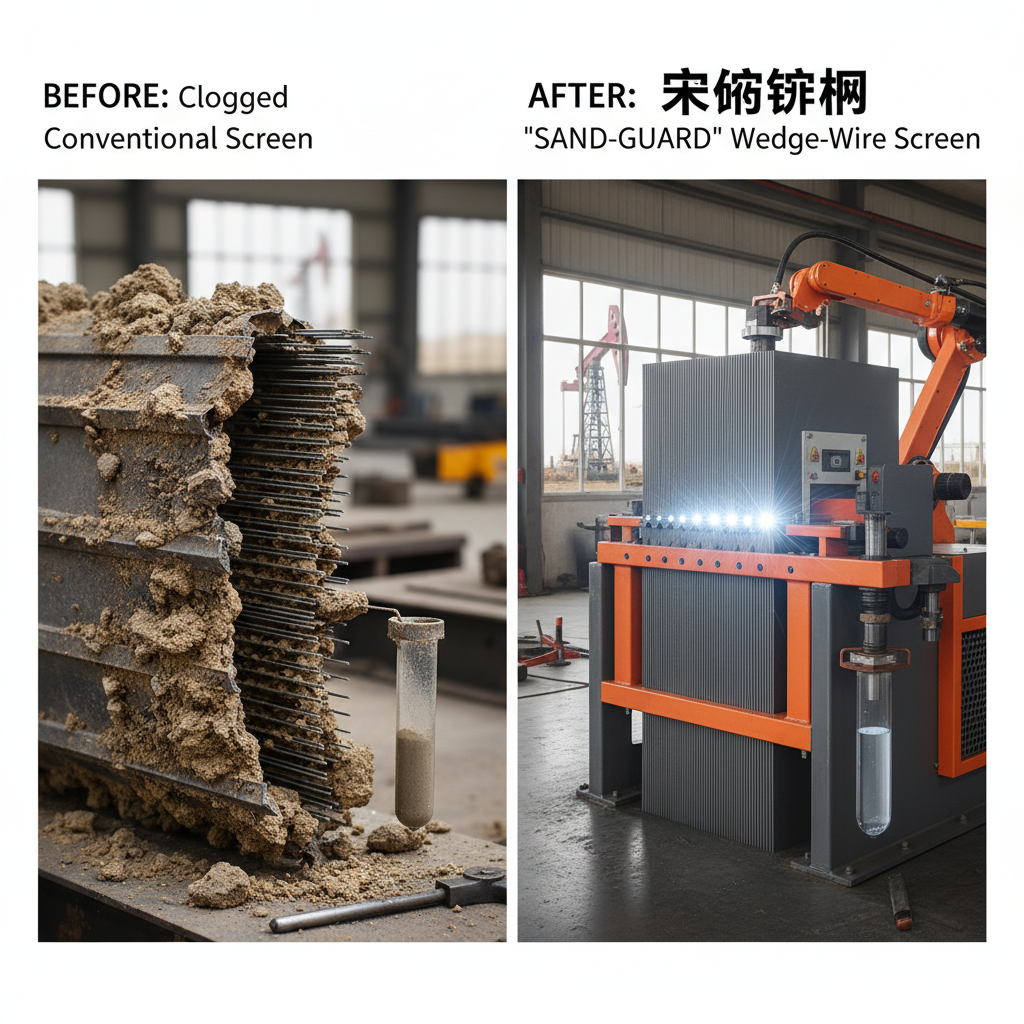
Despite their strengths, bar screen sieves face issues like clogging during peak flows or with fibrous debris, costly maintenance, and wear from abrasive solids. Proper selection of slot widths and automated cleaning reduces many headaches, but some facilities still struggle with manual upkeep. Experts suggest combining bar screen sieves with upstream grit removal and regular inspection schedules. Innovations like flexible bars or self-cleaning coatings are emerging to tackle these pain points, making the technology more adaptable. I suppose it boils down to choosing the right configuration for your specific wastewater profile and not settling for the first “off-the-shelf” option.FAQ: Your Bar Screen Sieve Questions Answered
Q: How often should I inspect and clean a bar screen sieve?A: Inspection frequency depends on flow and debris load, but typically weekly checks and cleaning efforts suffice. Automated raking can reduce this to a few times per month, improving reliability and reducing labor costs. Q: Can bar screen sieves handle greasy or oily wastewater?
A: Generally, bar screen sieves focus on solid removal and may not efficiently separate grease or oils. Additional treatment steps like skimmers or dissolved air flotation are recommended for such contaminants. Q: What’s the typical lifespan of a commercial bar screen sieve?
A: With good material quality and maintenance, expect 10 to 15 years. Harsh environmental conditions or abrasive solids may shorten this span. Q: Are automated cleaning systems cost-effective?
A: Though initial investment is higher, automation reduces manual labor, prevents downtime, and extends component life, often resulting in overall savings within a few years.