Understanding Sieve Bend Screens: Why They Matter Worldwide
At first glance, sieve bend screens may not sound like the headline grabbers of industrial tech — yet their role is quietly enormous in separating materials efficiently. Across industries, from mining to water treatment, their ability to quickly and accurately sort particles helps keep processes smooth, safe, and cost-effective. Globally, as we face increasing demands for clean water, reliable minerals, and environmental sustainability, understanding sieve bend screens isn’t just about tech specs. It’s about smarter resource management and resilience in a changing world.
In other words: these screens are critical cogs in some surprisingly big machines that help billions of people.
Global Importance of Sieve Bend Screens in Industry Today
According to the World Bank and the International Organization for Standardization (ISO), efficient screening technologies improve industrial productivity by up to 30%, contributing significantly to global GDP and environmental goals. Here’s the catch: many industries struggle with outdated or inefficient screening solutions, which raise operational costs and waste precious resources.
Sieve bend screens are increasingly recognized for addressing these challenges. Their curved design optimizes material flow and allows for higher throughput with fewer clogs — a boon in sectors ranging from mineral processing in Africa to wastewater treatment in urban Europe.
It’s no exaggeration: as populations grow and raw materials become scarce, the role of such screening tech is more vital than ever.
What Exactly Are Sieve Bend Screens?
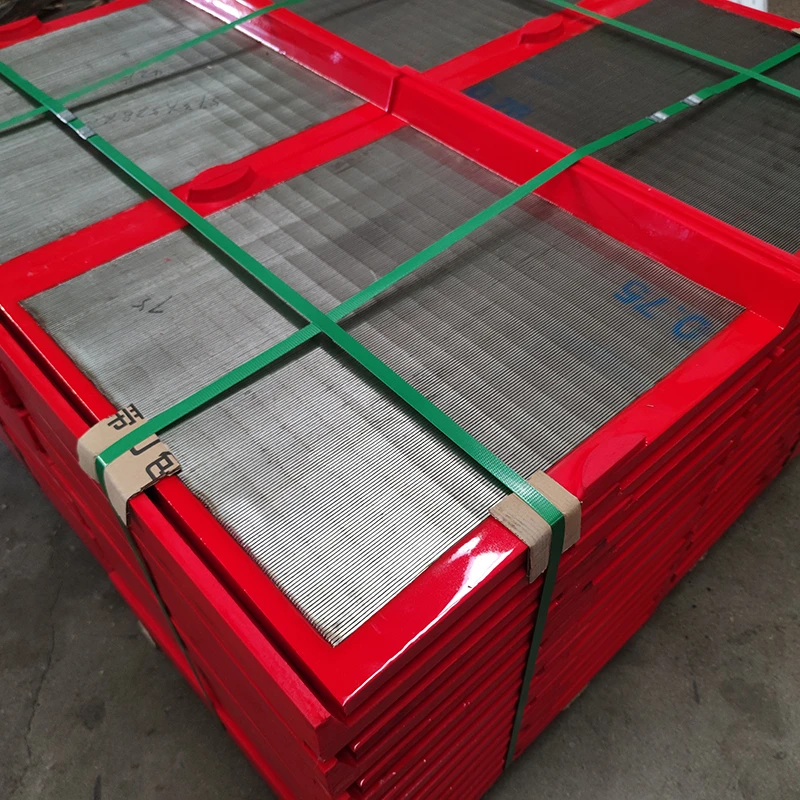
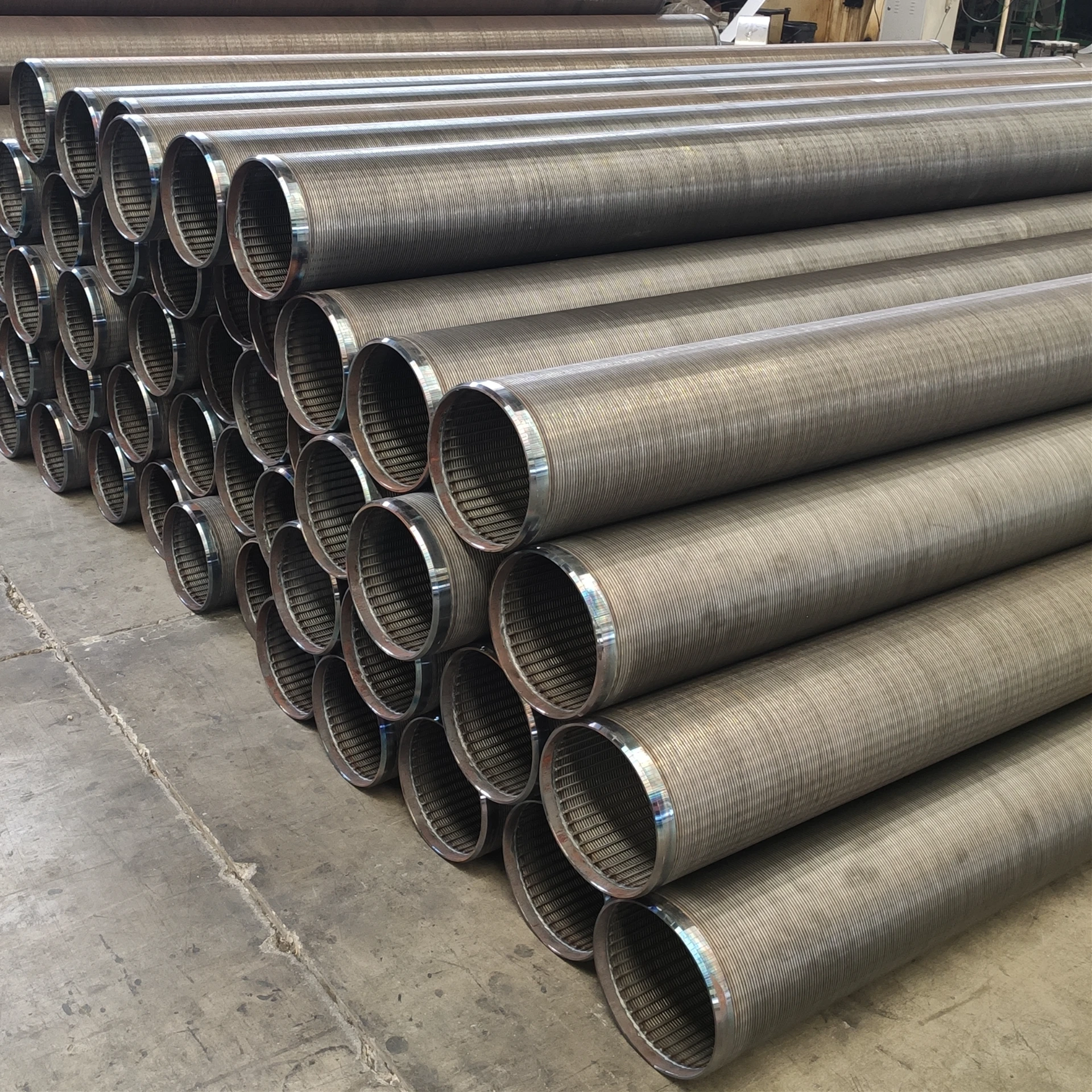
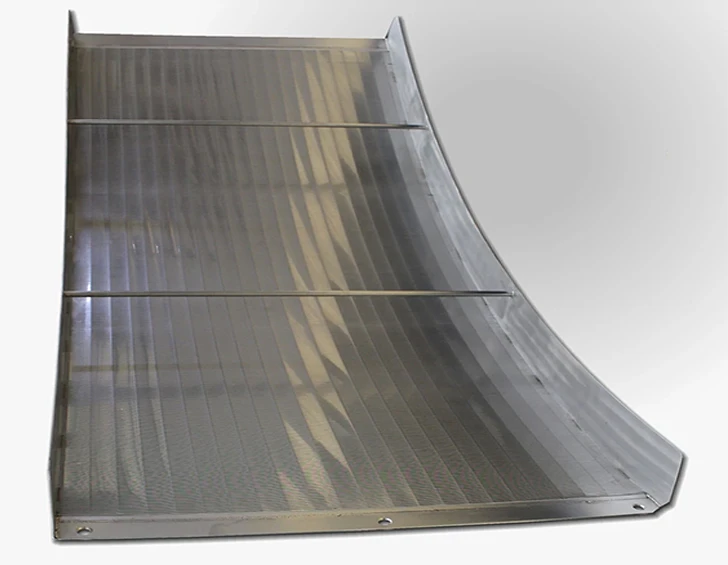
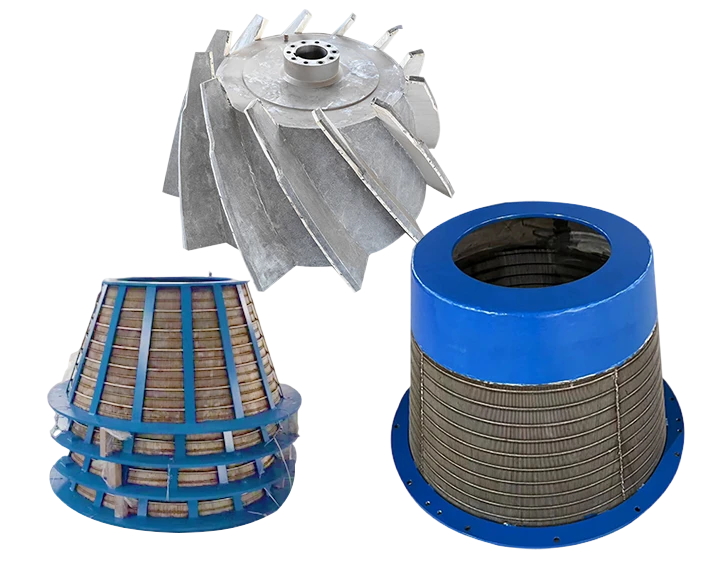
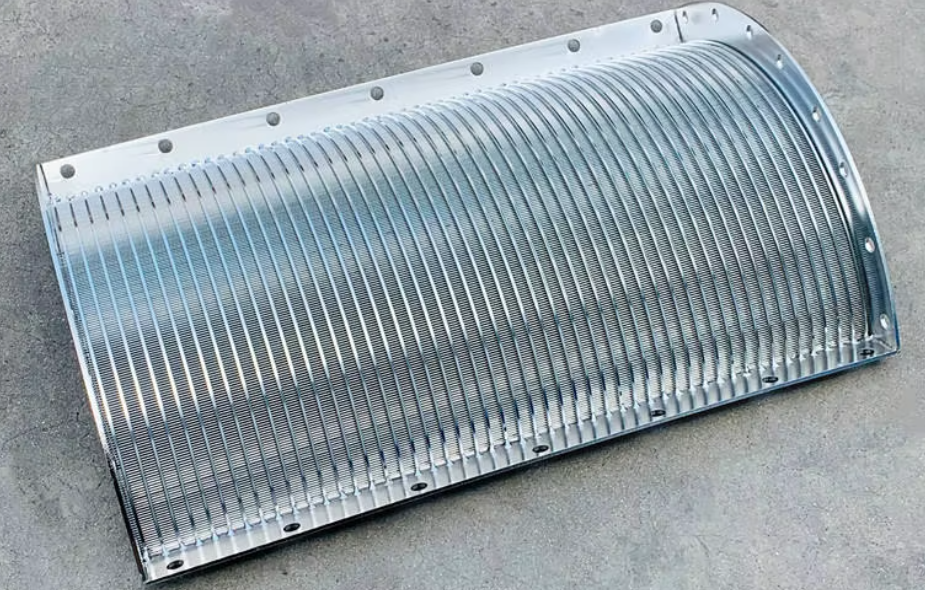
If you’ve ever sorted gravel at a construction site or used a fishing net, you’ve grasped the basic idea behind sieve bend screens. Simply put, they’re curved or bent screens that separate solid materials by size through a combination of gravity, vibration, and angle. Unlike flat screens, the curve improves material flow and reduces buildup.
In modern industry, they separate crushed rocks, ores, or waste solids from liquids — supporting processes that ultimately affect everything from clean water availability to mineral extraction efficiency.
Oddly enough, they also play a quiet part in humanitarian efforts; effective water filtration helps improve health outcomes in disaster zones. So, their impact isn’t just technical but deeply human.
Core Components of Sieve Bend Screens
1. Durability
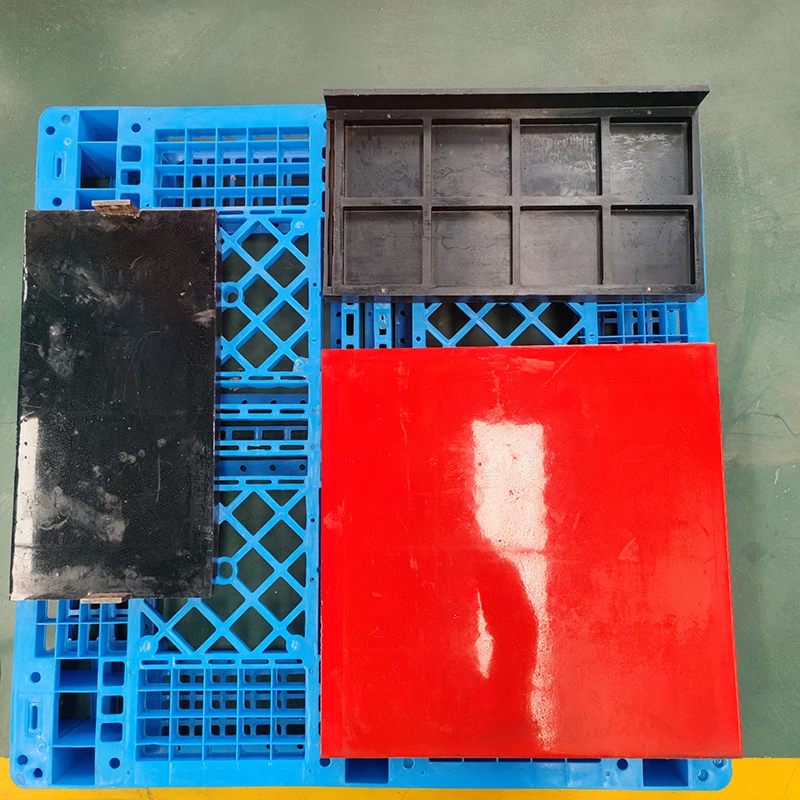
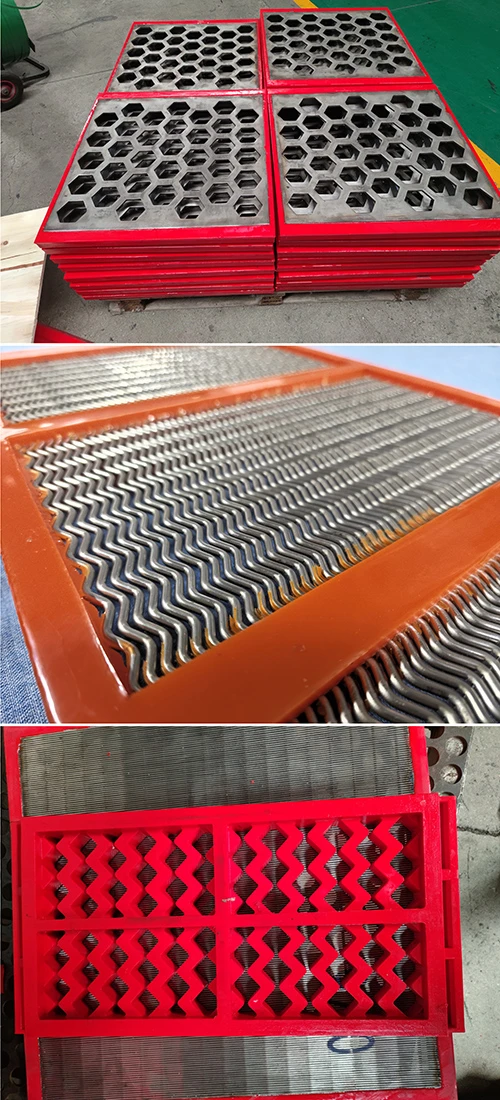
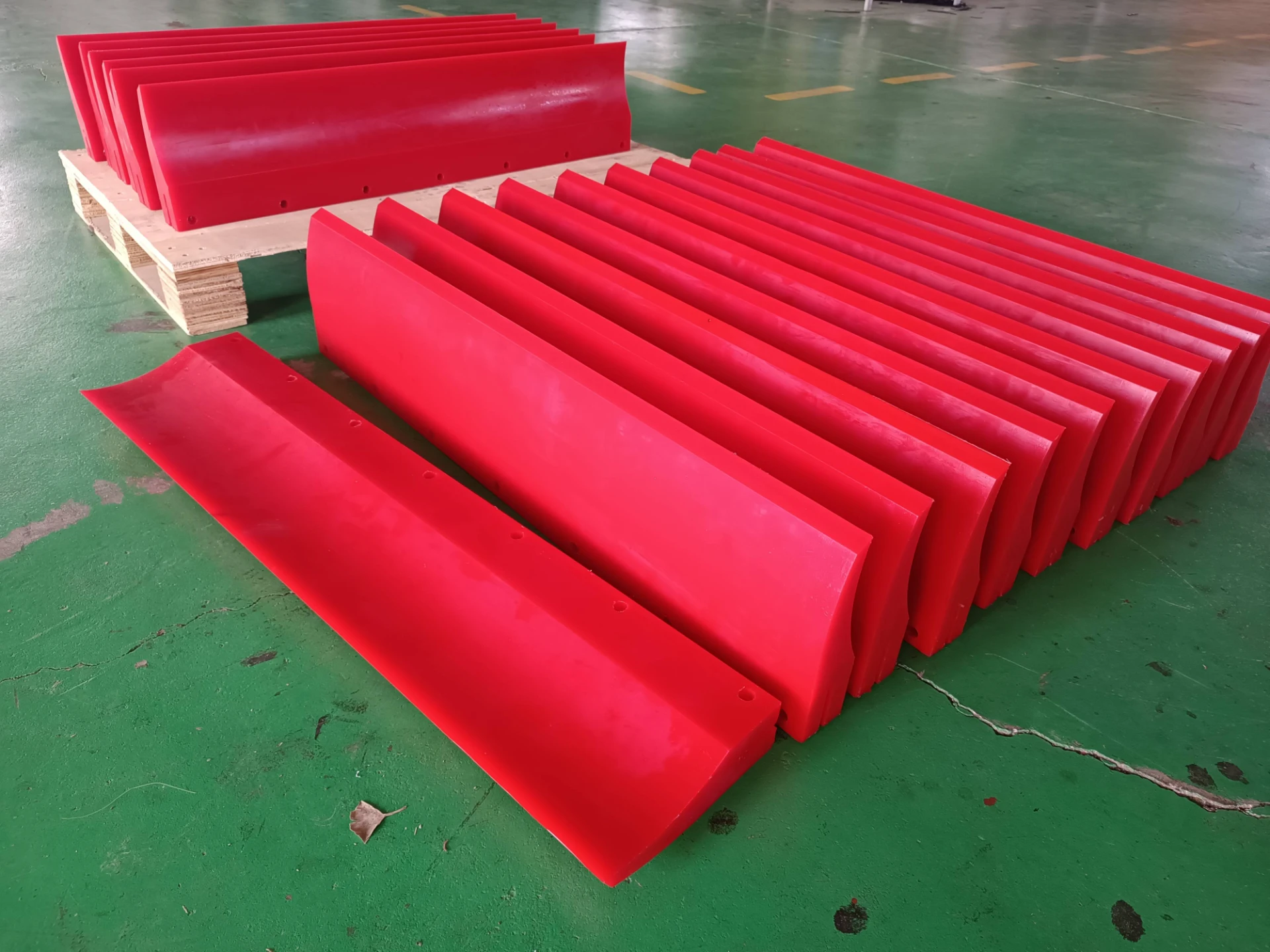
Typically constructed from high-grade stainless steel or polyurethane, sieve bend screens need to withstand constant erosion, abrasion, and corrosion. The longer they last, the less downtime for replacement nuisances — a major plus on remote sites where parts aren’t just down the street.
2. Scalability
Sizes vary from small units for laboratory testing, to massive installations processing hundreds of tons per hour. This scalability makes them versatile across industries — from research firms to large mining operations.
3. Cost Efficiency
While upfront investment is notable, many engineers I've talked to underline how lower power consumption and minimal maintenance costs make sieve bend screens a cost-effective choice long term. Especially in regions where energy costs spike unpredictably.
4. Screening Precision
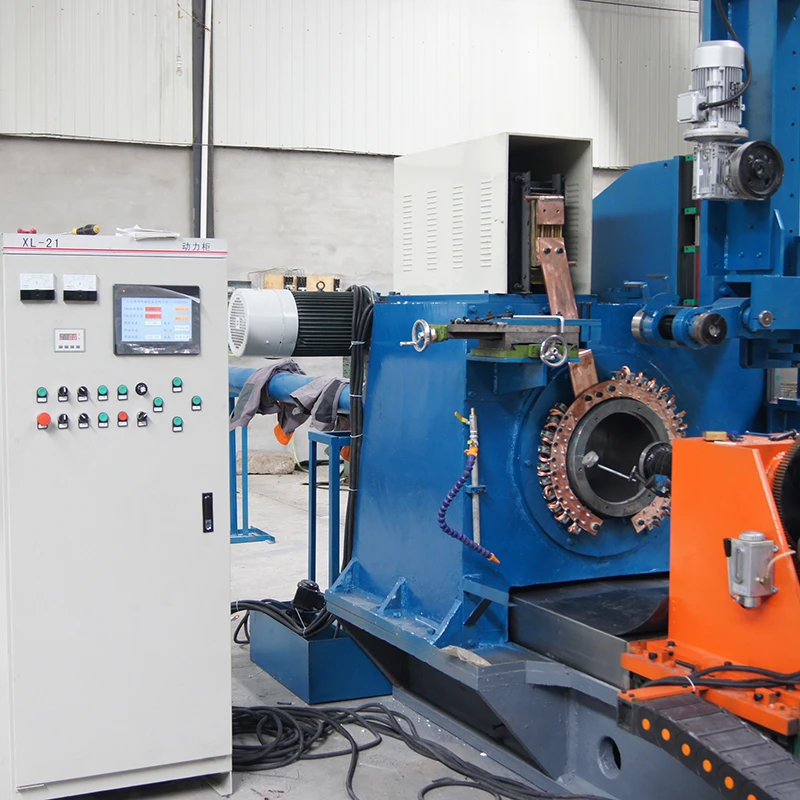
The unique curvature and tension on the wire meshes improve sorting accuracy, ensuring minimal material loss and high purity. This precision matters a lot when you’re talking about valuable minerals or critical filtration.
5. Ease of Maintenance
Modular designs and replaceable panels make maintenance less painful. Frankly, one of the biggest barriers to innovation in industrial equipment is ease of upkeep — so this is huge.
Mini Takeaway:
Sieve bend screens combine smart design and robust materials to create a scalable, precise, and cost-efficient screening solution suitable for many industrial needs.
Where Are Sieve Bend Screens Making an Impact Globally?
From mining operations in South America to wastewater plants in Europe, sieve bend screens are everywhere you least expect but most desperately need. For example:
- Post-Disaster Relief: In flood-hit Southeast Asia, these screens help rapidly filter debris from water so aid agencies can provide safe drinking supplies.
- Remote Industrial Zones: Australian mining sites rely on durable screens for continuous ore sorting amidst harsh climates.
- Urban Wastewater Treatment: European cities use them to efficiently separate sewage solids, improving water quality and reducing environmental impact.
They’ve also been incorporated into circular economy projects, recovering materials to reduce landfill and reuse precious resources.
Global Use Cases Table
| Region | Industry | Application | Benefit |
|---|---|---|---|
| South America | Mining | Ore sorting & material recovery | Higher throughput & metal purity |
| Southeast Asia | Disaster Relief | Water filtration post-flood | Safer drinking water, faster response |
| Europe | Waste Treatment | Effluent screening & solids separation | Improved water quality, compliance |
Why Sieve Bend Screens Offer Long-Term Value
Beyond the immediate operational benefits, these screens contribute to sustainability goals, lower CO2 footprints, and social trust. When a community knows its water isn’t contaminated or its minerals processed responsibly, that’s trust built over time. Plus, efficient screening means less waste, less energy spent — all aligning with global commitments like the UN Sustainable Development Goals (SDGs).
On the emotional side, there’s pride in using technology that works not just for profit but for people — delivering safety, dignity, and innovation hand-in-hand. It’s rare in machinery but quite real here.
Future Trends Shaping Sieve Bend Screens
Looking ahead, expect more automation, smarter materials, and embedded sensors that provide real-time monitoring. Carbon-fiber composites could replace steel in some applications, reducing weight and energy costs. Digital twins allow operators to simulate screening performance and adjust on the fly.
Environmental policies will push manufacturers toward recyclable meshes and bio-based polymers, aligning with circular economy principles. Some researchers are even experimenting with self-cleaning surfaces to further reduce downtime.
Common Challenges & How Experts Overcome Them
Despite all the promise, sieve bend screens do face issues like wear and tear or blockage when handling sticky or wet materials. Luckily, ongoing R&D focuses on abrasion-resistant coatings and flexible screen configurations. Plus, modular designs mean faster repairs — a game-changer in remote sites.
Also, training operators to optimize screen angles and vibration is surprisingly effective. You’d think it’s just about tech, but human expertise remains key.
Comparing Top Sieve Bend Screen Vendors
| Vendor | Material Options | Customizability | Average Lead Time | Notable Features |
|---|---|---|---|---|
| MutoScreen | Stainless Steel, Polyurethane | High (mesh size, curve radius) | 4–6 weeks | Modular panels, quick swap design |
| ScreenTech Global | Alloy Steel | Medium | 6–8 weeks | Heavy-duty for mining industries |
| EcoScreen Solutions | Bio-based polymers | Low to Medium | 8–10 weeks | Green material focus, sustainable builds |
Quick Specs: Typical Sieve Bend Screens
| Parameter | Value | Units |
|---|---|---|
| Screen Area | 2.5–10 | m² |
| Wire Diameter | 0.5–1.2 | mm |
| Curve Radius | 1.0–3.0 | meters |
| Operating Temperature | -20 to 80 | °C |
| Max Throughput | 100–500 | tons/hour |
Frequently Asked Questions About Sieve Bend Screens
Q1: How do sieve bend screens differ from flat screens?
A1: Sieve bend screens feature a curved design that improves material flow, reduces clogging, and increases screening efficiency compared to flat screens. This curvature allows materials to separate more quickly and with less mechanical input, which saves energy and time. It’s especially useful in sorting materials prone to sticking or clumping.
Q2: Can sieve bend screens handle wet and sticky materials?
A2: Yes, they are often designed with mesh materials and tension suited for wet or sticky substances. The curve helps maintain flow and reduce blockage. For very challenging materials, additional coatings or polyurethane screens can be employed to lengthen the service life and performance.
Q3: What maintenance is needed for these screens?
A3: Maintenance typically involves regular tension checks, cleaning to prevent buildup, and timely replacement of damaged panels or meshes. Many modern sieve bend screens use modular elements, making part replacement much faster. Proper operator training ensures optimal operation and extends lifespan.
Q4: Are sieve bend screens customizable?
A4: Absolutely. Different industries have varying needs for mesh sizes, curve radii, and material types. Vendors usually offer customization options to tailor the screens to your specific material properties and throughput goals.
Q5: How quickly can sieve bend screens be shipped globally?
A5: Lead times typically range from 4 to 10 weeks depending on customization, vendor, and shipping logistics. Vendors like MutoScreen often maintain stock or have expedited options to meet urgent industrial requirements.
Conclusion: Why Sieve Bend Screens Are an Investment in the Future
In real terms, sieve bend screens are more than just screens. They’re an elegant blend of engineering, materials science, and practical problem-solving that serve critical global needs — from ensuring safe water after disasters to improving mining output with better efficiency. Their long-term benefits stretch across cost savings, environmental stewardship, and social impact.
If you want to explore the options or learn more, visit our website: sieve bend screens.
Mini Reflection:
It’s fascinating how a simple curve in a screen can ripple out to influence industries, communities, and ecosystems worldwide. Sometimes, solutions aren’t about complexity but precision and resilience.