Understanding the Centrifuge Sieve: An Unsung Industrial Hero
Have you ever wondered what keeps a huge chemical plant, mining operation, or wastewater treatment facility running smoothly? 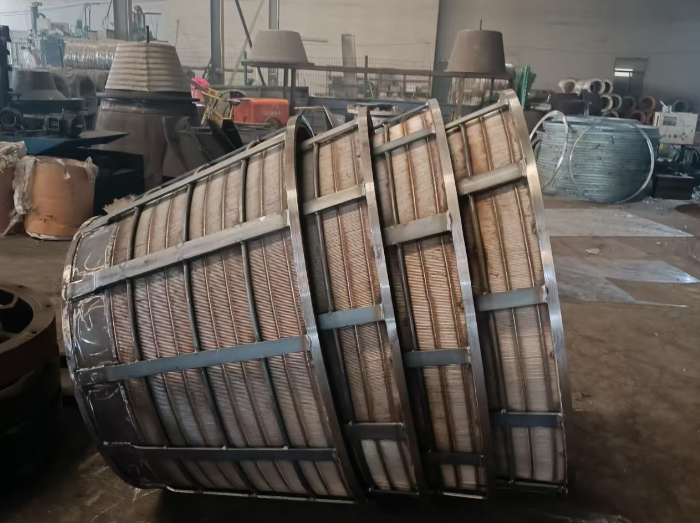
More often than not, it’s thanks to specialized equipment you don’t see — like the centrifuge sieve. These devices play a quietly crucial role globally, ensuring materials are separated efficiently, waste is managed responsibly, and processes remain sustainable. Getting to grips with what a centrifuge sieve does and why it matters is not only fascinating but essential for anyone in industries where separation, filtration, or processing of solids and liquids are daily challenges.
Why Do Centrifuge Sieves Matter Globally?
According to the International Organization for Standardization (ISO) and reports from the United Nations, industrial efficiency and sustainable waste management are critical growth areas worldwide. Centrifuge sieves directly contribute to minimizing waste and maximizing resource recovery, which is a big deal—especially in fast-industrializing nations and regions with strict environmental mandates.
Plus, in terms of operations, these sieves solve the nagging problem of separating solids from liquids in mixtures with speed and precision. Think about the mining sector: valuable minerals need to be separated effectively, or losses skyrocket. Similarly, in food processing or pharmaceuticals, product purity depends heavily on robust filtration. The centrifuge sieve is a nifty answer to these exact challenges.
Mini Takeaway:
- Industrial and environmental stakes make centrifuge sieves vital.
- They improve efficiency, reduce waste, and uphold product quality across sectors.
What Exactly Is a Centrifuge Sieve?
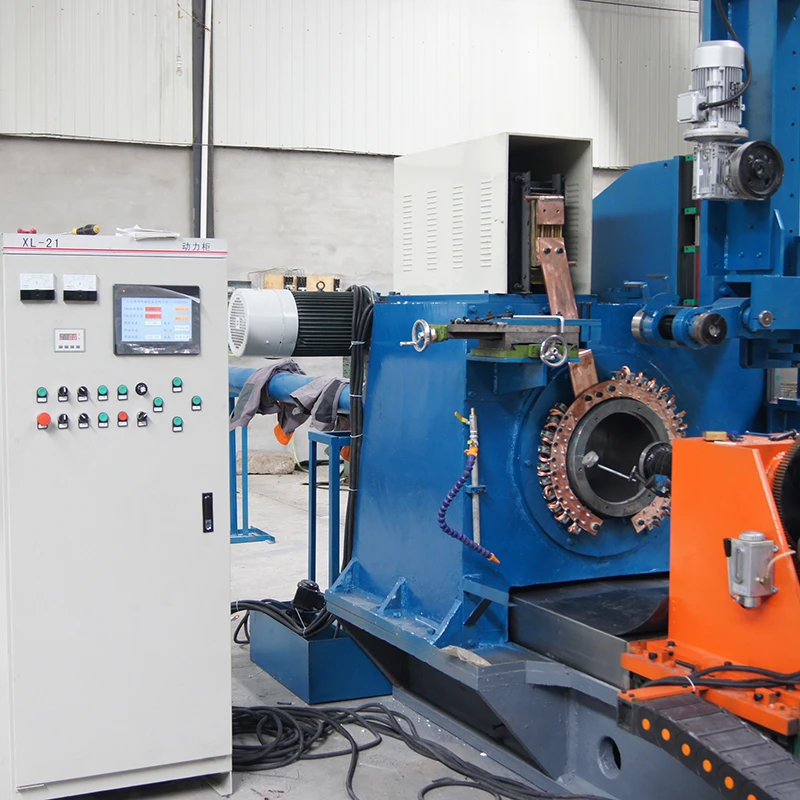
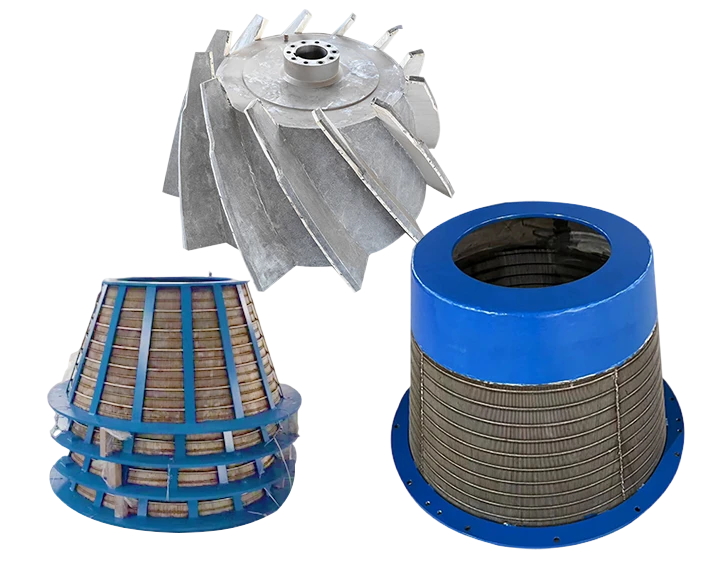
At its core, a centrifuge sieve is a hybrid machine combining two familiar concepts: a centrifuge and a sieve. The centrifuge component spins mixtures at high speeds to separate particles based on density, while the sieve part involves a mesh or perforated surface that filters unwanted solids or debris.
Put simply, it’s a device designed to accelerate the separation of solids from liquids by leveraging both centrifugal force and fine mesh filtering. This combo allows for sharper, quicker extraction than traditional settling or filtering methods alone.
The technology ties into modern industrial needs for precision, speed, and adaptability. Whether extracting precipitates in rural wastewater setups or filtering slurries in chemical plants, centrifuge sieves adapt beautifully to various scales and complexities.
Mini Takeaway:
- Combines centrifugal force and mesh filtration to separate solids/liquids.
- Versatile across industries from agriculture to pharmaceuticals.
Core Components and Key Factors Shaping Centrifuge Sieves
1. Durability and Material Quality
Since these machines often operate in harsh environments—think corrosive chemicals or abrasive mineral slurries—the choice of construction material matters. Stainless steel alloys, specialized polymers, and wear-resistant coatings are common. Durability means less downtime and maintenance, which translates into significant operational savings.
2. Scalability and Throughput
From small lab setups processing liters a day to giant industrial units handling thousands of gallons per hour, scalability is key. Many operators praise centrifuge sieves precisely because they can be customized or scaled modularly.
3. Energy Efficiency
Spinning at several thousand RPMs doesn’t come cheap energy-wise, so the engineering behind these sieves tries to optimize power consumption. Some latest models include variable speed drives or smart auto-shutdowns, reducing unnecessary power waste.
4. Maintenance and Ease of Use
Engineers often joke: a sieve is only as good as how easy it is to clean. Quick access to sieves, self-cleaning features, or automated flushing can save hours a week—and prevent costly operator errors.
5. Filtration Precision
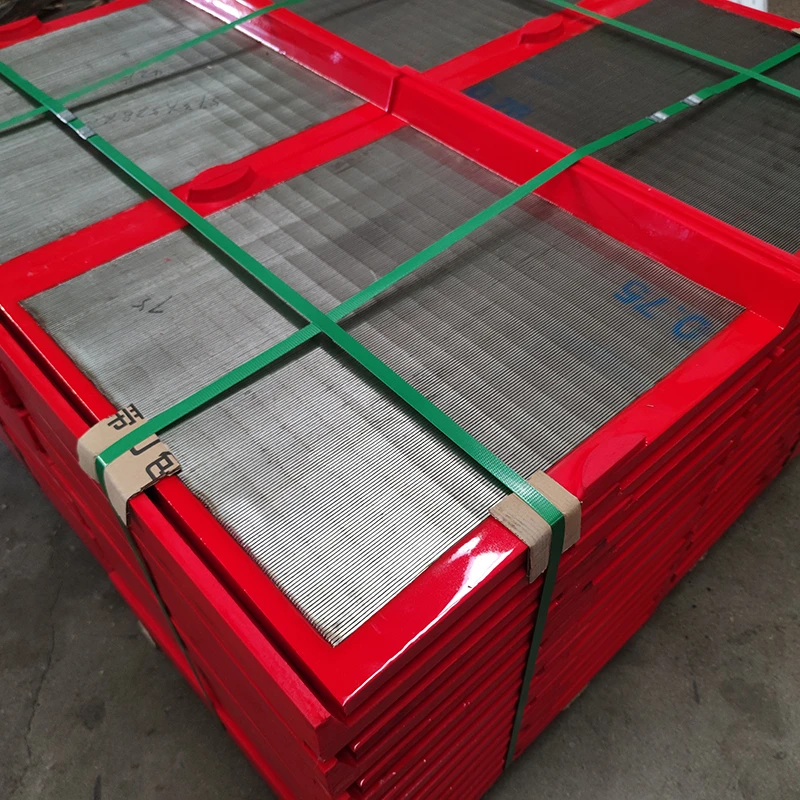
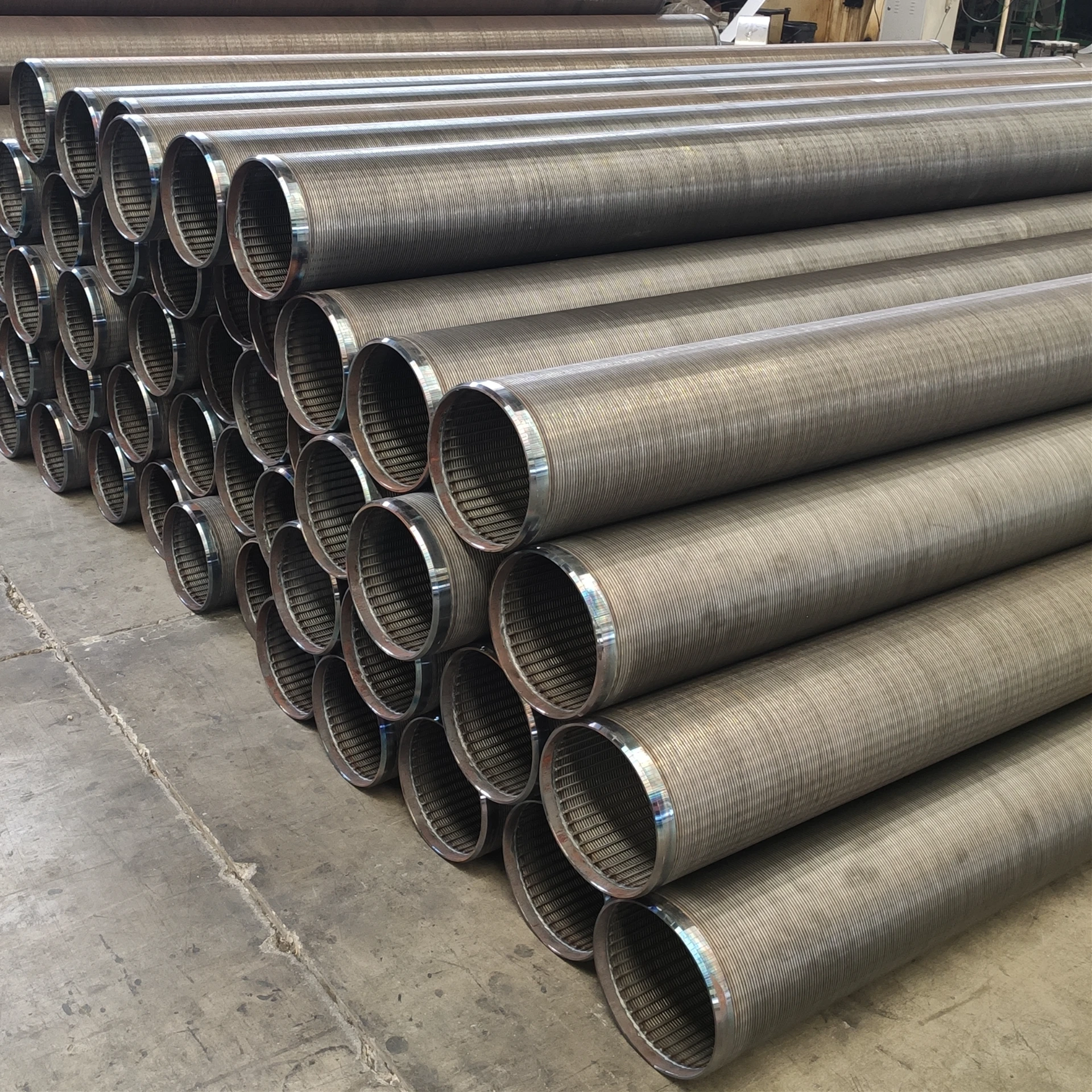
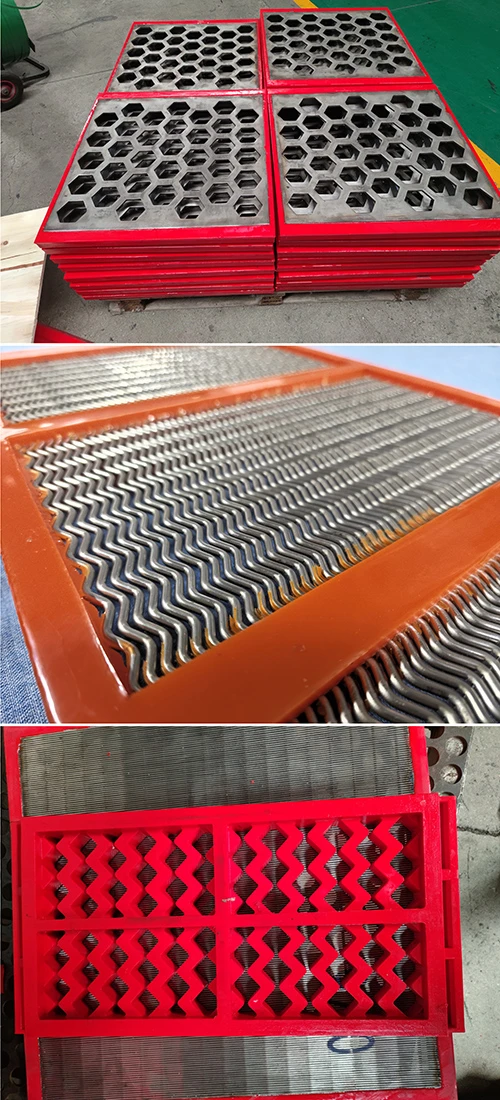
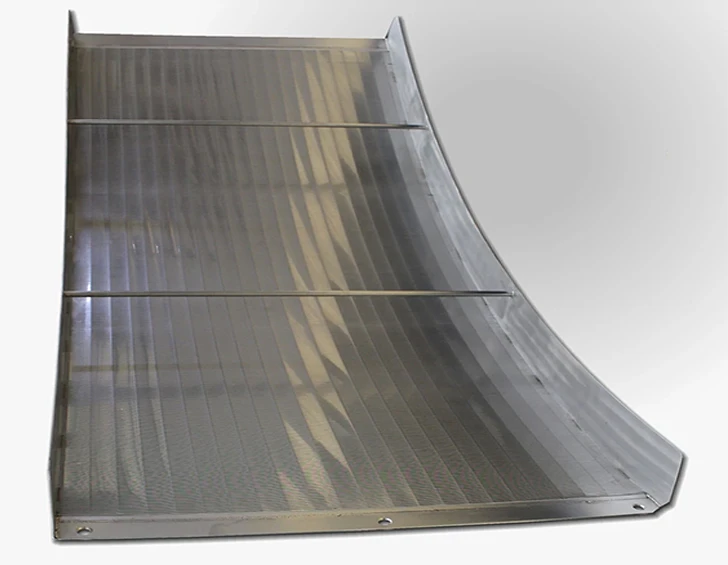
Mesh size and weave pattern are central. Some sieves have interchangeable meshes to accommodate different particle sizes, crucial for diverse applications, such as pharmaceutical powders versus industrial waste sludge.
6. Integration Capability
In modern facilities, centrifuge sieves seldom work alone. Their ability to seamlessly integrate into automated production lines or centrifuge sieve assemblies is a practical must-have for many buyers.
Mini Takeaway:
- Material choice and maintenance ease dictate operational success.
- Energy efficiency and scalability are critical for modern industrial adoption.
Global Applications Highlighting Centrifuge Sieves
From the iron ore mines of Australia to the municipal wastewater plants in Scandinavia, centrifuge sieves are everywhere. In Southeast Asia’s booming aquaculture industry, they are used to remove particulate matter from fish farm water, improving quality sustainably. The oil and gas sector relies on centrifuge sieves for separating drilling fluids and recovered hydrocarbons.
In humanitarian relief efforts, for example, after natural disasters, mobile centrifuge sieve units help purify contaminated water or recover usable materials from debris—something that brings tangible dignity and safety to affected communities.
Remote industrial zones, such as those in Canada’s northern territories, depend on these devices for maintaining equipment longevity by removing abrasive particles from cooling fluids. Across food processing, dairy farms use centrifuge sieves to filter milk and other liquids before packaging, ensuring purity and compliance with health standards.
Mini Takeaway:
- Used globally in industries from mining, agriculture, oil & gas to humanitarian aid.
- Versatile enough to operate in tough remote conditions or controlled industrial settings.
Advantages and Long-Term Value of Investing in Centrifuge Sieves
- Cost Efficiency: Reduced downtime and improved recovery rates directly cut costs.
- Sustainability: Minimizes waste by maximizing reuse of solids/liquids.
- Reliability: Built to last under extreme conditions, providing peace of mind.
- Safety and Trust: Cleaner production lines translate to safer products and higher customer confidence.
- Innovation Edge: Many manufacturers keep updating designs to boost automation and reduce human intervention.
Emotionally, operators often express the “relief” of having a problem solved silently by machines they can trust—especially in critical operations. It’s a subtle but undeniably powerful benefit.
Product Specification Table
| Specification | Typical Range | Notes |
|---|---|---|
| Mesh Opening Size | 20 - 500 microns | Interchangeable meshes available |
| Operating Speed | 1000 - 6000 RPM | Variable frequency drives for control |
| Throughput Capacity | Up to 5000 L/hour | Depends on model and liquid viscosity |
| Material | Stainless Steel 316L | Corrosion and abrasion resistant |
| Power Consumption | 2.5 - 10 kW | Varies by load and speed |
Comparing Leading Centrifuge Sieve Vendors
| Vendor | Strengths | Typical Industries | Lead Time |
|---|---|---|---|
| MutoScreen | Customizable designs, excellent support | Water treatment, food, mining | 4-6 weeks |
| SpinTech Solutions | High RPM capacity, energy efficient | Oil & gas, pharmaceuticals | 6-8 weeks |
| EcoFilter Systems | Sustainable materials, green certifications | Environmental services, food processing | 5-7 weeks |
Emerging Trends and What’s Next for Centrifuge Sieves
The future looks pretty exciting. With the rise of Industry 4.0, digital sensors embedded in centrifuge sieves allow predictive maintenance, monitoring wear and performance remotely. Eco-friendly materials and lower-power designs are gaining momentum, driven by both regulations and operator demand for “green” equipment.
Automation is another big piece — expect more plug-and-play units integrating with AI control systems, reducing human error and optimizing energy use. Oddly enough, tiny tweaks in mesh design made possible by advancements in materials science are pushing filtration precision into new territory... meaning cleaner separation with fewer replacements.
Challenges and Smart Solutions
Of course, nothing is perfect. Common issues include mesh clogging, wear and tear, and the initial capital cost of high-end models. But the good news? Innovative self-cleaning meshes and modular sieve components now make maintenance less of a headache.
Remote operation capability also helps reduce the need for on-site specialists, an important plus for difficult environments. And flexible financing or leasing models can ease the upfront cost burden for smaller operations.
FAQ: Your Questions About Centrifuge Sieves
- Q: How do I choose the right mesh size for my centrifuge sieve?
A: It depends largely on the particle size in your mixture. Generally, smaller mesh openings mean finer filtration but require more frequent cleaning. Consulting with suppliers like centrifuge sieve experts can help tailor mesh selection to your exact application. - Q: Can centrifuge sieves handle corrosive liquids?
A: Absolutely, provided they’re built with corrosion-resistant materials like stainless steel 316L or specialized coatings. Always specify the chemical composition of your liquids upfront to ensure compatibility. - Q: What maintenance should I plan for?
A: Routine inspection of the mesh for clogging or tears, lubrication of bearings, and checking drive belts or motors are standard. Many newer models incorporate self-cleaning functions, drastically reducing manual upkeep. - Q: Are centrifuge sieves energy intensive?
A: They do consume more power than simple static sieves due to the spinning mechanism, but modern variable speed drives and energy-saving designs mitigate costs. It’s about balancing operational needs with efficiency. - Q: How quickly can a custom centrifuge sieve be delivered?
A: Lead times vary but typically range between 4 to 8 weeks depending on specifications and vendor. Planning ahead is advised, especially for complex customizations.
Wrapping It All Up
Frankly, the centrifuge sieve is one of those backstage stars that keeps industries running cleanly, efficiently, and sustainably. Its humble combination of centrifugal force and mesh filtering solves complex industrial headaches—saving money, reducing waste, and often protecting the planet a bit along the way.
For anyone serious about process optimization, environmental responsibility, or operational longevity, investing in a thoughtfully designed centrifuge sieve pays dividends in reliability and peace of mind. Curious to explore options? Visit our website for cutting-edge centrifuge sieve models and expert consultation.