What’s a Dewatering Vibrating Screen and Why Should We Care?
At first blush, the idea of a dewatering vibrating screen might sound niche and technical—like something only a handful of engineers obsess over. But if you think about industries from mining to wastewater management, this equipment plays a surprisingly pivotal role worldwide. Simply put, these machines help separate water from solid materials efficiently, making processes cleaner, faster, and greener. That alone touches on huge global themes: sustainability, resource recovery, and industrial efficiency.
Understanding how these screens work, and why they’re becoming indispensable, offers a glimpse into how subtle engineering tweaks can ripple out with big environmental and economic benefits.
Setting the Stage: Why Dewatering Matters Globally
According to the United Nations, over 2 billion people worldwide lack access to safe sanitation services, and industries increasingly face water scarcity (UN Water). Dewatering vibrating screens address part of this challenge by improving water recovery in various sectors. From mining tailings to municipal sludge, they reduce water pollution and lower operational water input — which matters intensely in water-stressed regions.
Industries such as mining, coal processing, and paper manufacturing generate tons of wet waste. Without effective dewatering, disposal costs skyrocket and contamination risks worsen. The dewatering vibrating screen fills that gap, boosting process efficiency and environmental compliance at the same time.
What Exactly Is a Dewatering Vibrating Screen?
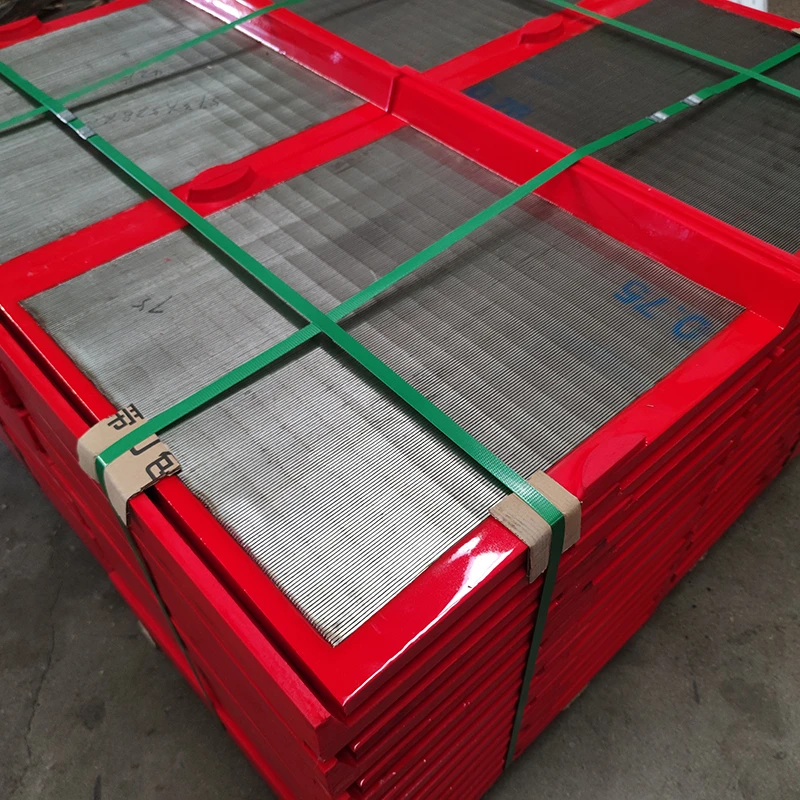
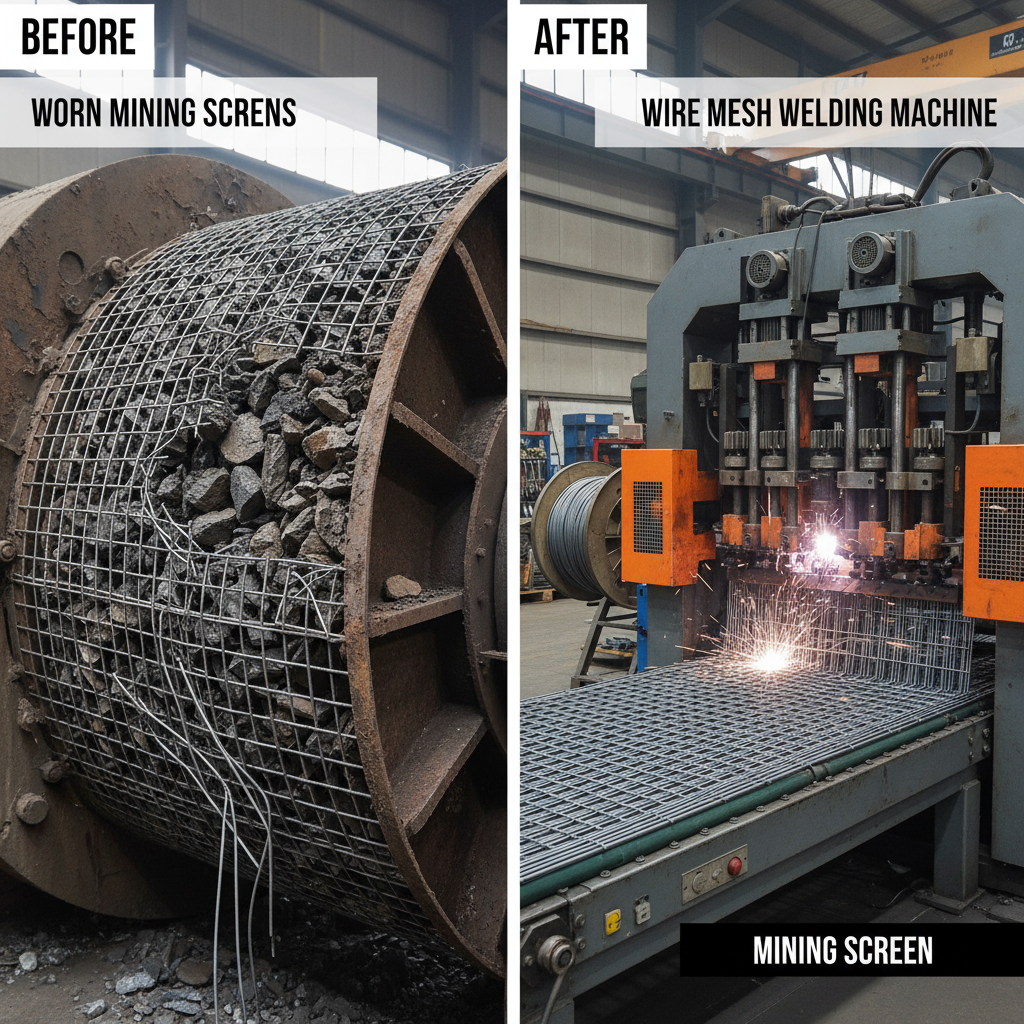
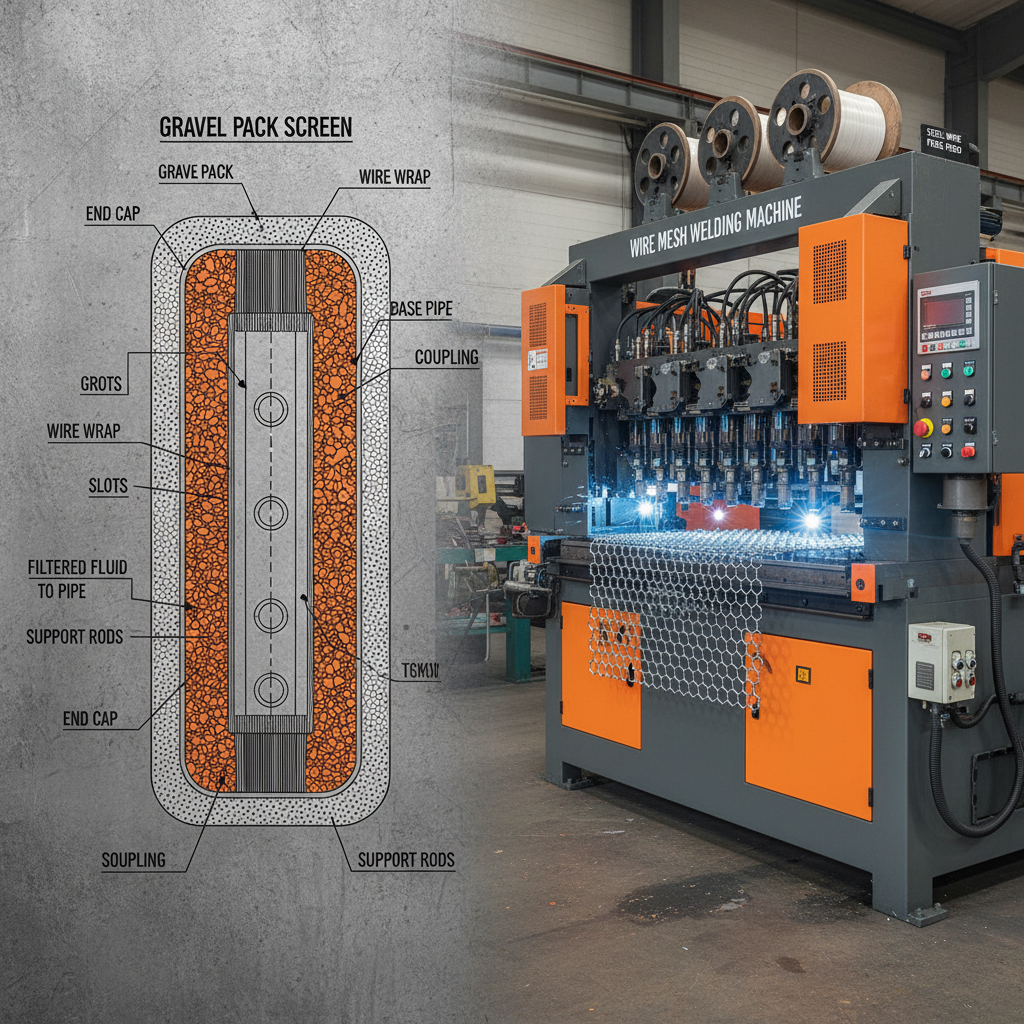
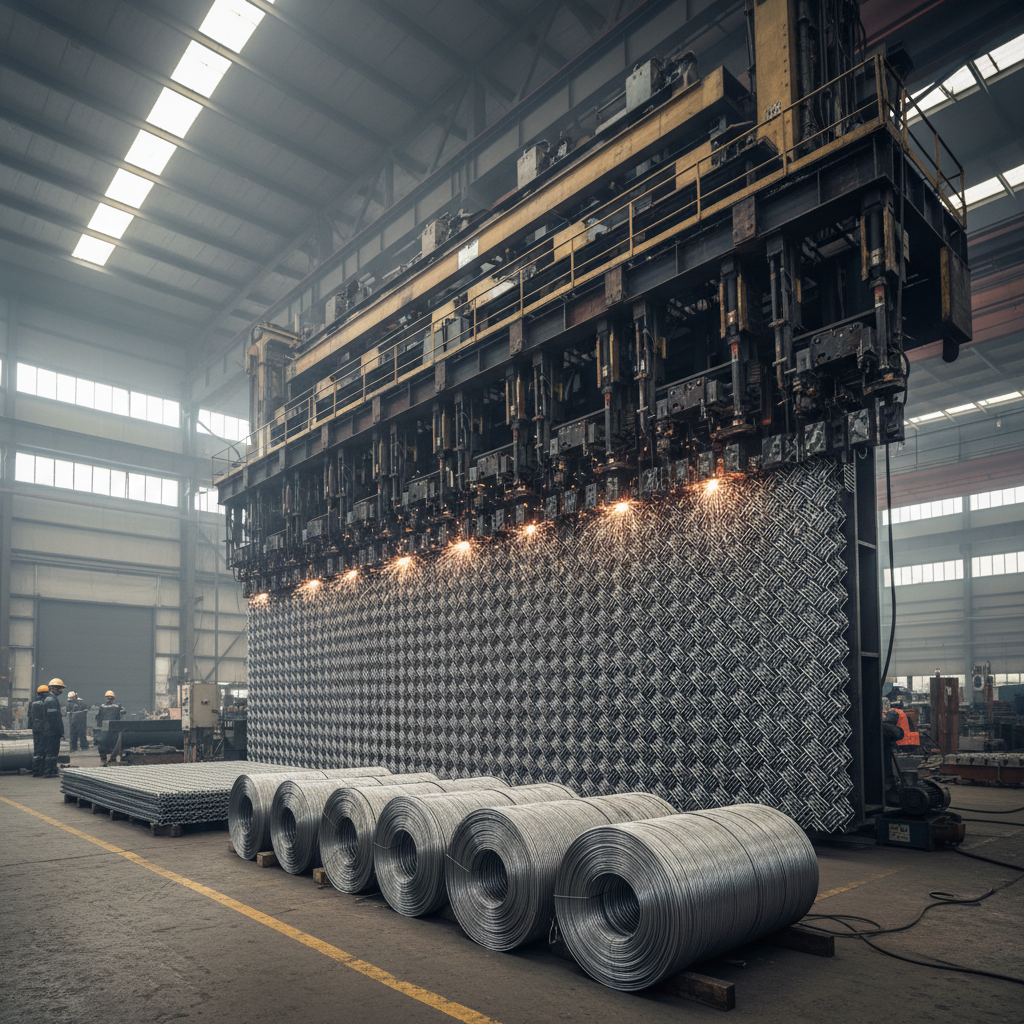
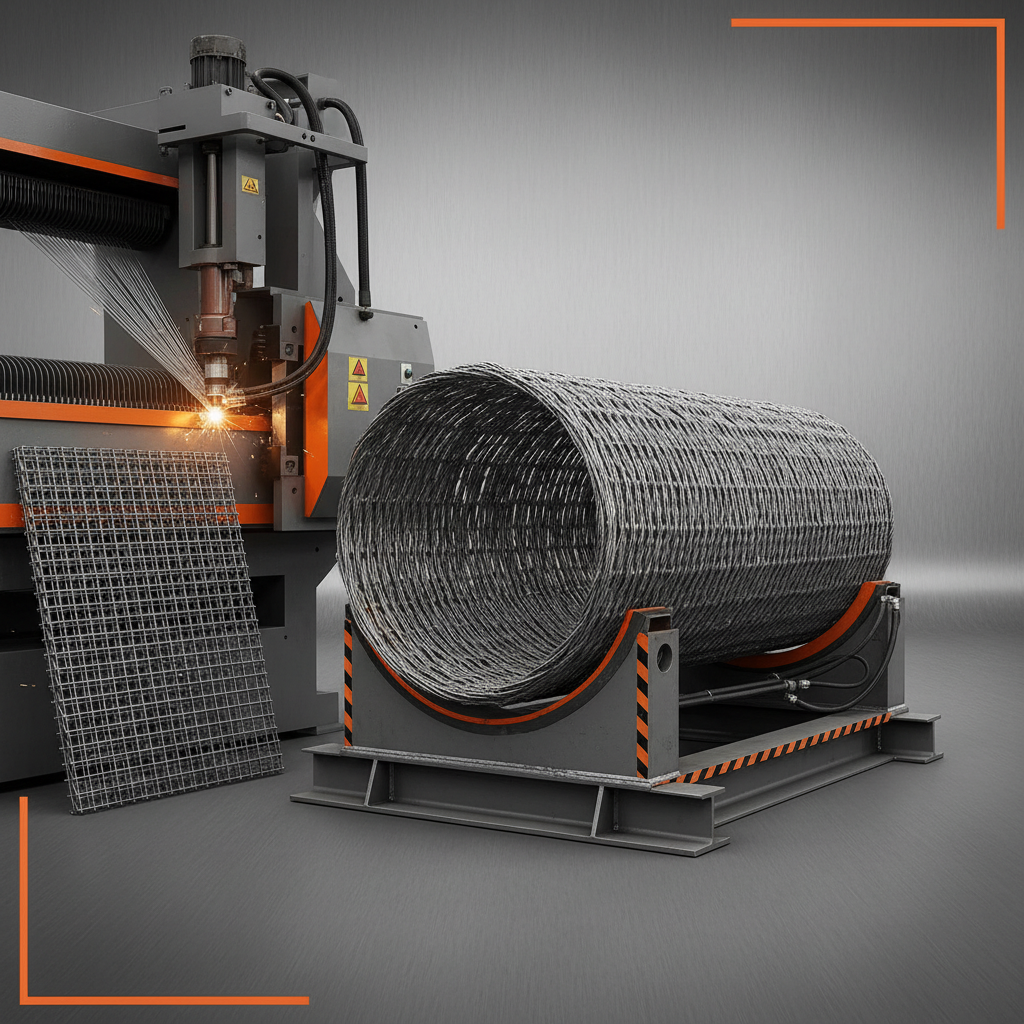
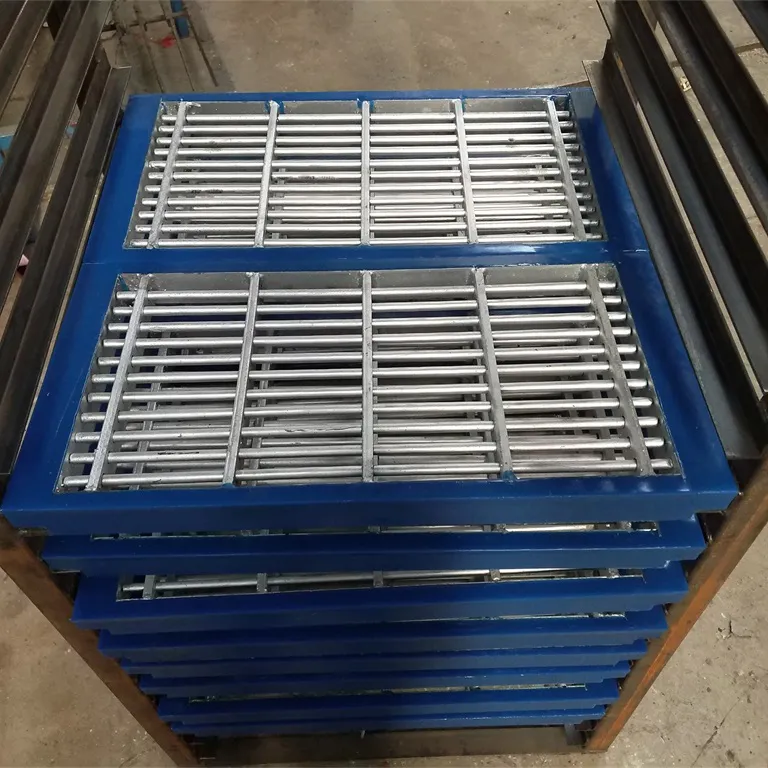
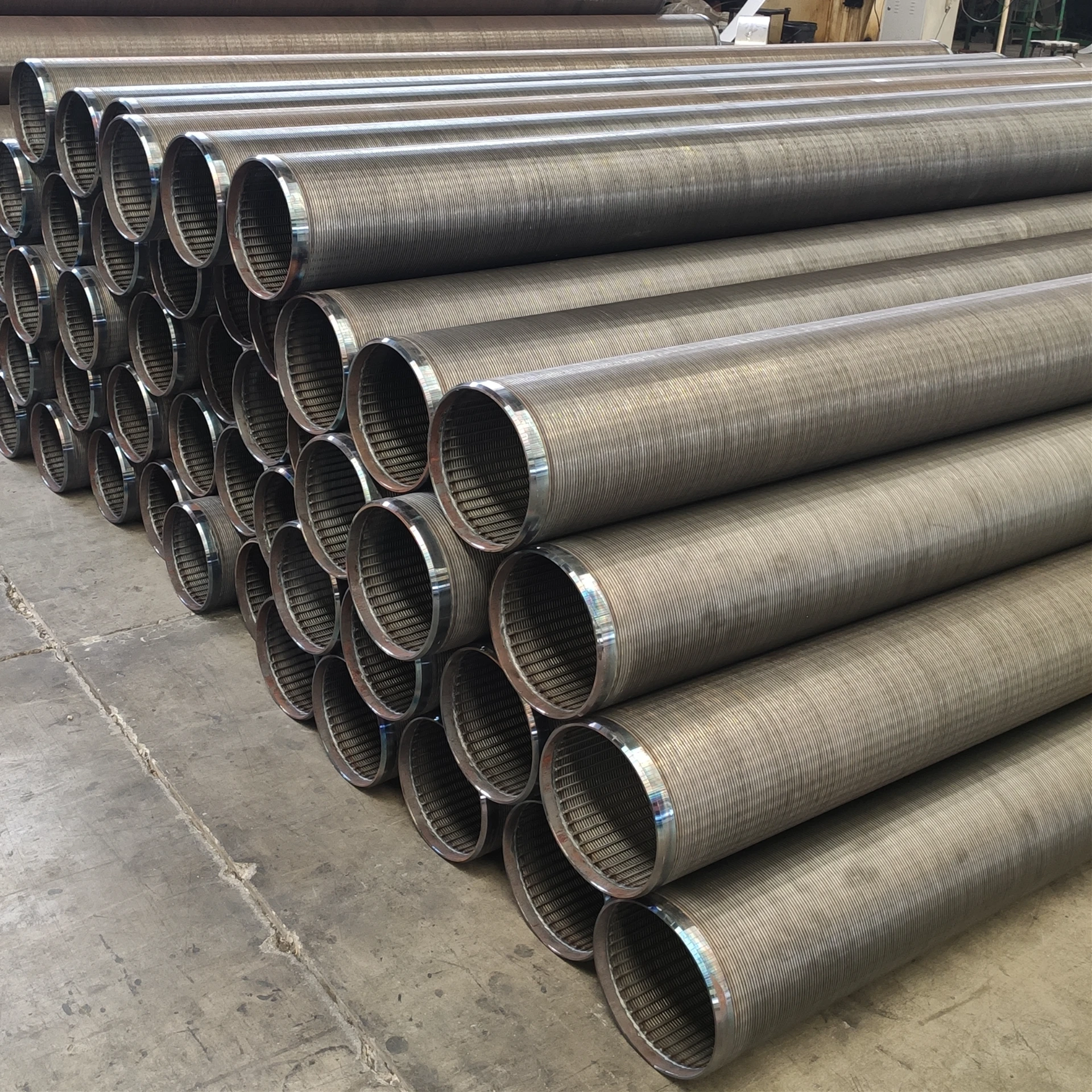
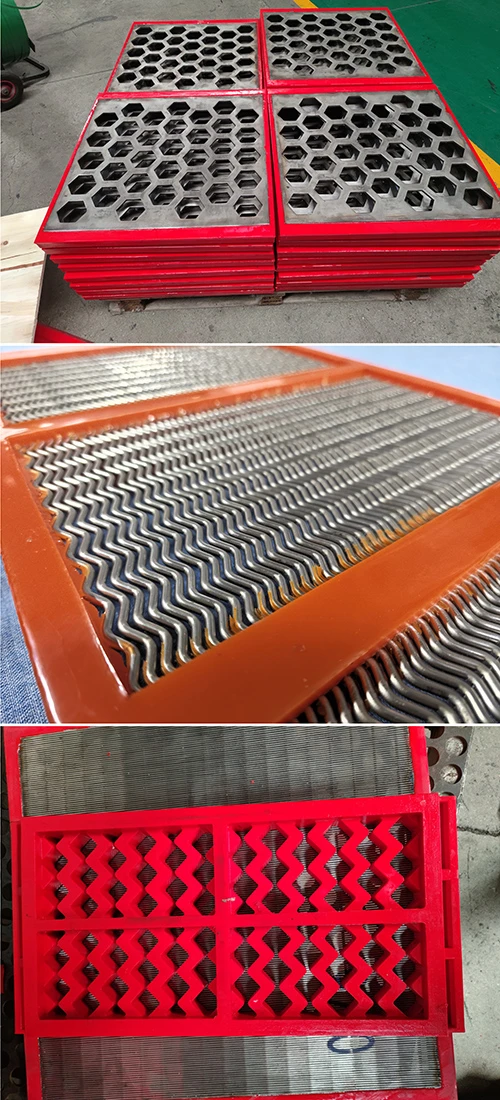
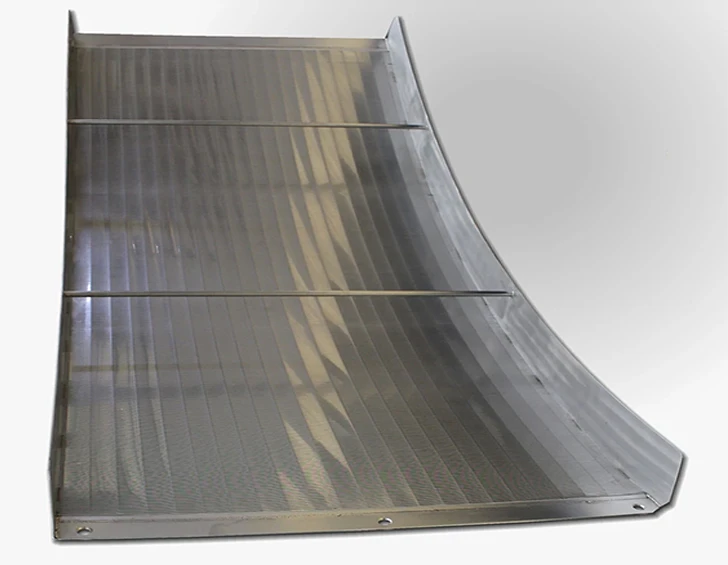
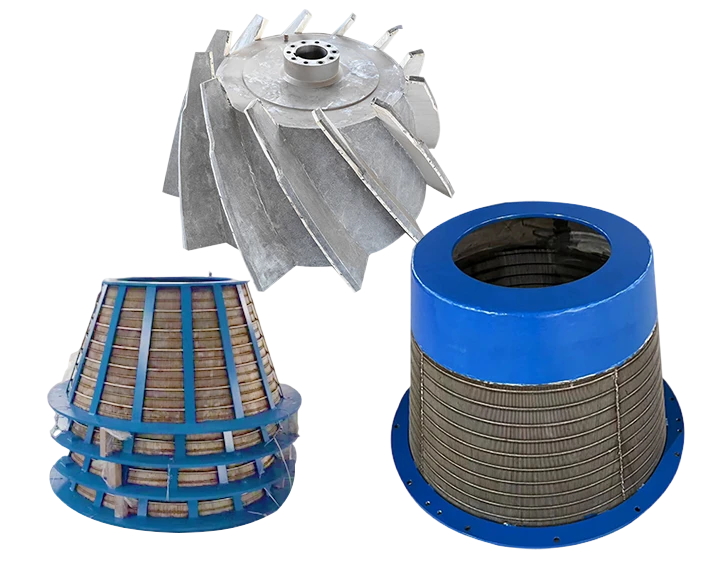
Plainly speaking: it’s a kind of vibrating sieve you pass slurry or wet solids through. The screen shakes to separate liquid from solids — which stay on top and are easier to manage, while water drains through. Often configured with a fine steel mesh or wire cloth, it’s like a heavy-duty, industrial-sized colander on a bouncy mattress.
Its place in modern industry is pretty crucial, especially in sectors dealing with massive volumes of wet materials. By shifting water out early in the process, it cuts drying time, reduces hauling weight, and lowers energy use downstream. And let’s not forget humanitarian efforts — faster cleanup and water reuse can aid disaster zones and remote communities alike.
Core Attributes of Dewatering Vibrating Screens
Durability
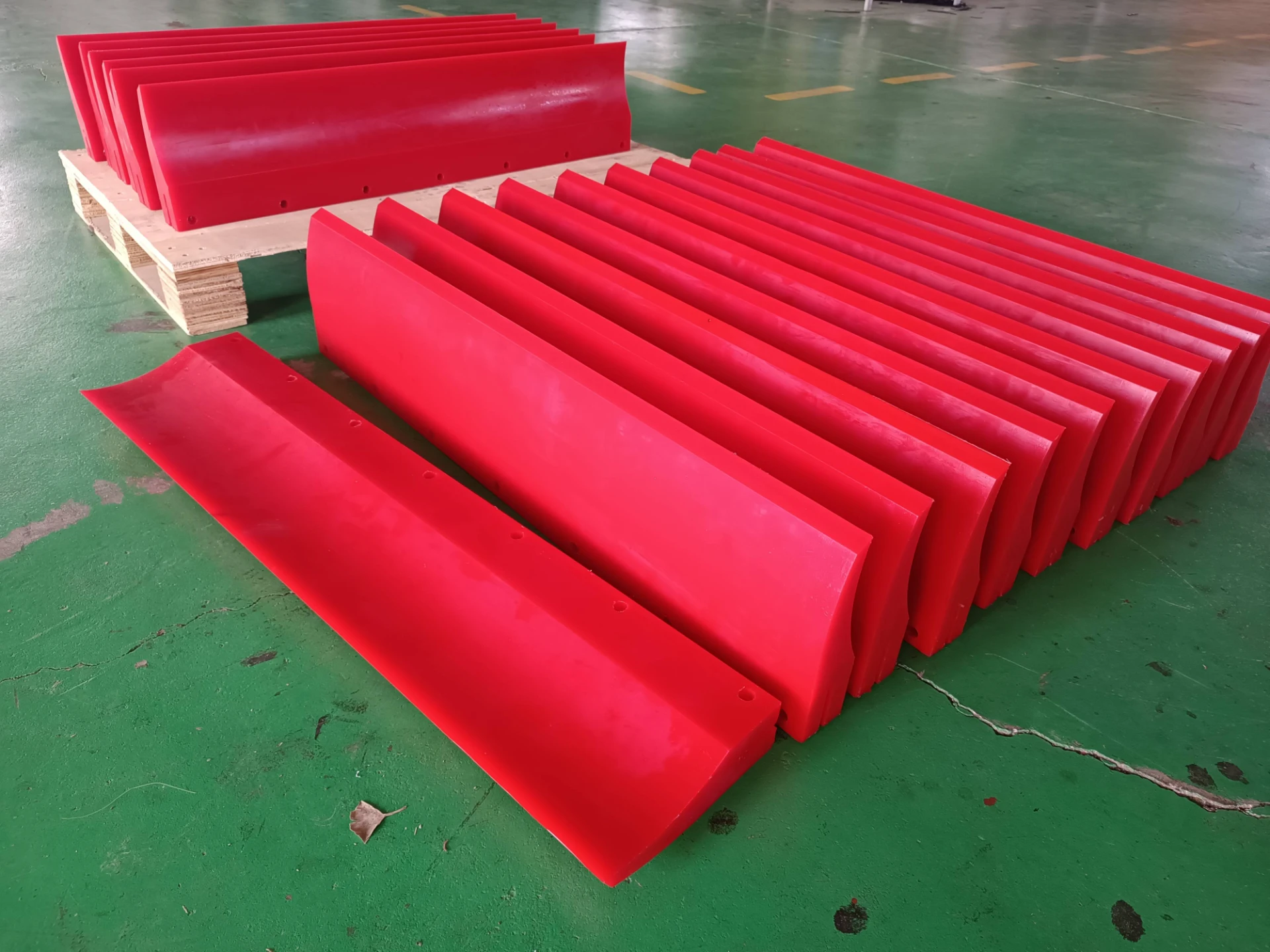
These screens often work in harsh environments — think abrasive tailings or corrosive sludge. So manufacturers focus on rugged materials like stainless steel, high-grade alloys, or even rubber coatings to ensure long service life.
Scalability
Whether it’s a small municipal plant or a sprawling mining operation, these screens come in various sizes and configurations to accommodate different throughput volumes.
Cost Efficiency
Reducing the water content means less weight to transport and dry, often translating to notable cost savings. Plus, less water discharge can mean fewer compliance headaches and fees.
Ease of Maintenance
Quick screen replacement, minimal moving parts, and modular designs make routine upkeep manageable — a big deal for plants running 24/7.
Vibration Technology
Modern units vary their vibration stroke and frequency to optimize water removal depending on the material.
Mini takeaway: A good dewatering vibrating screen balances toughness with smart design to fit diverse site needs.
Where in the World Are These Screens Making a Difference?
Mining giants in Australia and Canada rely on dewatering vibrating screens to handle tailings safely. Municipal plants across Europe use them to treat sewage sludge, turning waste into less problematic solids.
Post-natural disasters in Southeast Asia, mobile dewatering units speed up flood cleanups, helping reduce waterborne diseases.
In remote mining camps in Africa, where water supply is fragile, the screens reduce consumption dramatically — which can be a literal lifeline.
Such diverse use highlights how this tech crosses borders and industries seamlessly.
Advantages and Long-Term Value
- Cost savings: Less material to transport and dry means lower operating costs.
- Environmental impact: Less water discharged helps meet tough pollution standards.
- Reliability: Proven mechanical setups have earned trust across industries.
- Safety & dignity: Cleaner sites mean better conditions for workers and communities.
- Innovation potential: When paired with automation, these screens can boost plant throughput while reducing manual effort.
Oddly enough, it feels like the silent hero in many environmental achievements — not flashy but essential.
Product Specification Table
| Feature | Typical Range | Benefits |
|---|---|---|
| Screen size | 0.6 - 3.0 meters wide | Fits various plant footprints |
| Mesh opening | 0.1 - 5 mm | Customizable for material type |
| Vibration frequency | 900 - 3600 rpm | Optimizes water separation |
| Throughput capacity | Up to 150 m³/h | Handles large industrial loads |
| Power consumption | 3 - 15 kW | Energy efficient operation |
Comparing Leading Dewatering Vibrating Screen Vendors
| Vendor | Durability | Customization | After-sales Support | Pricing |
|---|---|---|---|---|
| MutoScreen | High-grade steel, tested to harsh conditions | Tailored screens & modular options | 24/7 global support, fast spare parts delivery | Competitive mid-range |
| ScreenTech Inc. | Industry-standard stainless steel | Limited custom sizes | Business hours support | Premium pricing |
| EcoDew Tech | Eco-friendly materials with coatings | Highly customizable setups | Local partners for quick service | Budget-conscious |
What the Future Holds for Dewatering Vibrating Screens
Tech trends point towards smarter, greener machines. Expect to see:
- Integration with IoT sensors for real-time performance monitoring
- Materials engineered for even longer life and corrosion resistance
- Hybrid power options, incorporating solar or energy recovery systems to lower carbon footprint
- Adaptive vibration systems that auto-tune to changing feed conditions
It’s a field that embraces innovation quietly but steadily — a slow evolution rather than flashy jumps.
Challenges & How They’re Tackled
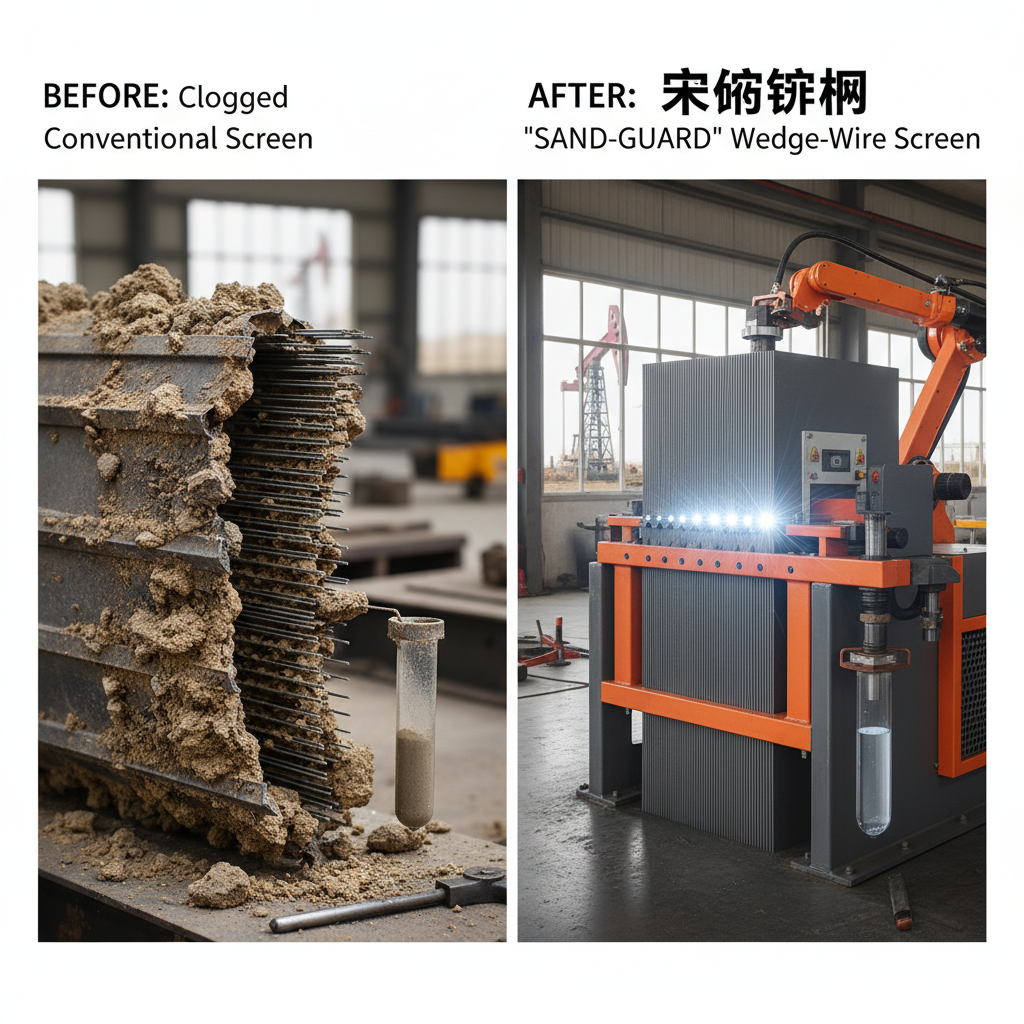
Of course, no piece of equipment is without its quibbles. Some users report screen clogging with sticky materials, which slows throughput. Maintenance can also be tough if spare parts aren’t locally available.
To fight these issues:
- Engineers are designing modular screens for easier cleaning.
- Quick-change screen panels reduce downtime.
- Vendor networks are expanding to offer rapid parts delivery globally.
So while there’s room for improvement, practical solutions are already moving ahead.
FAQ: Your Questions About Dewatering Vibrating Screens
Q1: How does a dewatering vibrating screen differ from other water removal methods?
A1: Unlike filters or settling tanks, vibrating screens use mechanical shaking to separate water quickly from solids. This makes them faster and often more energy-efficient, especially for slurry and sludge with varying particle sizes.
Q2: What industries benefit most from dewatering vibrating screens?
A2: Mining, coal processing, wastewater treatment, food processing, and paper manufacturing are prime users. Each requires tailored screen designs but all benefit from reduced water content and improved material handling.
Q3: Can these screens be used in remote or disaster-prone areas?
A3: Absolutely. Mobile and modular dewatering screens are specifically designed for fast deployment. They help speed cleanup efforts and reduce environmental harm in sensitive zones.
Q4: How often should the screens be maintained or replaced?
A4: Maintenance frequency depends on operational hours and material abrasiveness, but routine inspections every few weeks and screen replacements every 1–3 years is common to ensure optimal performance.
Q5: Are there eco-friendly options available?
A5: Yes, more manufacturers focus on sustainable materials, energy-efficient motors, and recyclability. These make the screens greener from production through end-of-life disposal.
Wrapping It Up: Why Invest in Dewatering Vibrating Screens?
Long term, the benefits aren’t just about equipment. They’re about cleaner water, lower costs, safer workplaces, and smarter resource use that matters across every industry and community touched by wet solids handling.
If you’re involved in wastewater processing, mining, or any operation wrestling with watery waste, it’s worth seeing how a dewatering vibrating screen might boost your process. Innovations continue, and the value just grows.
Curious? Explore more at MutoScreen’s website for detailed models and expert consultation — because sometimes, the right screen can make all the difference.