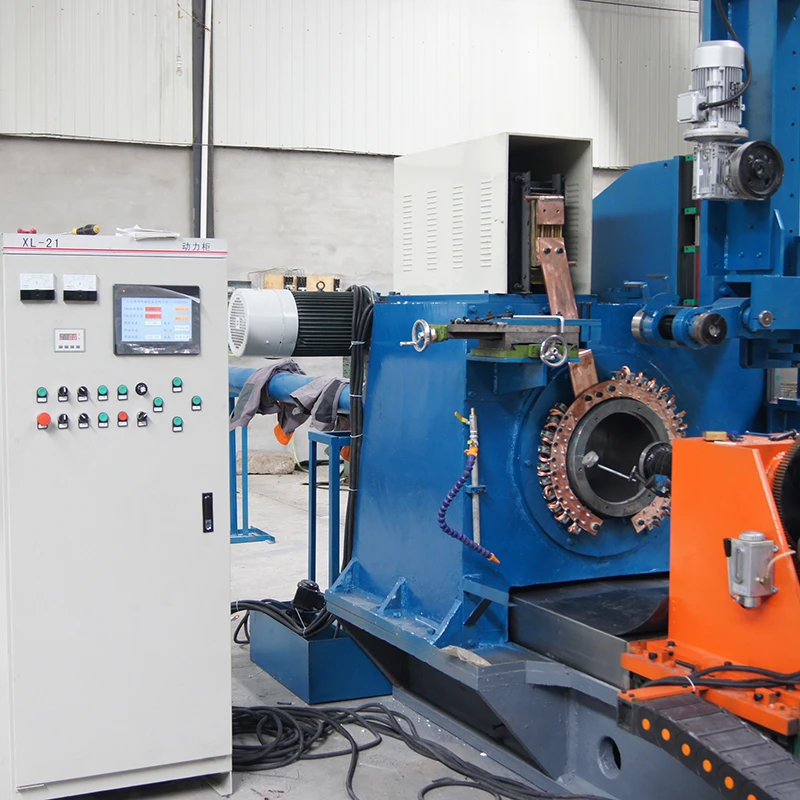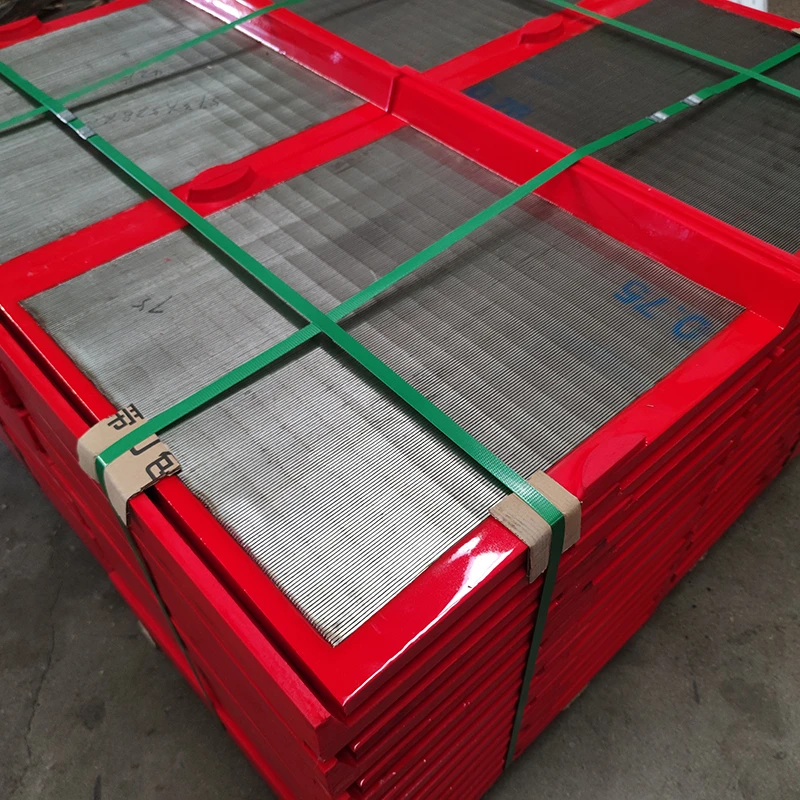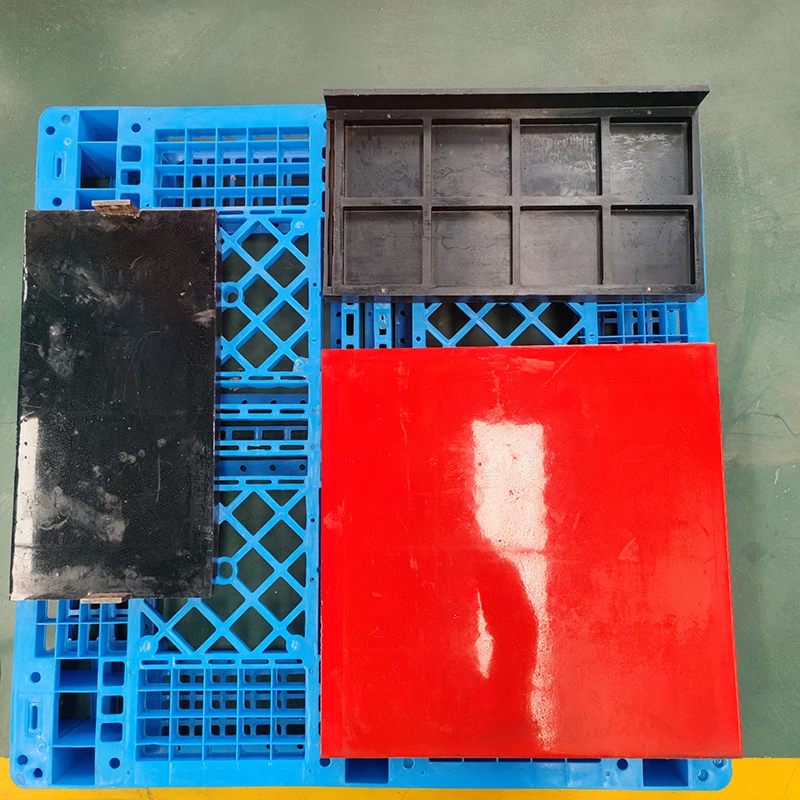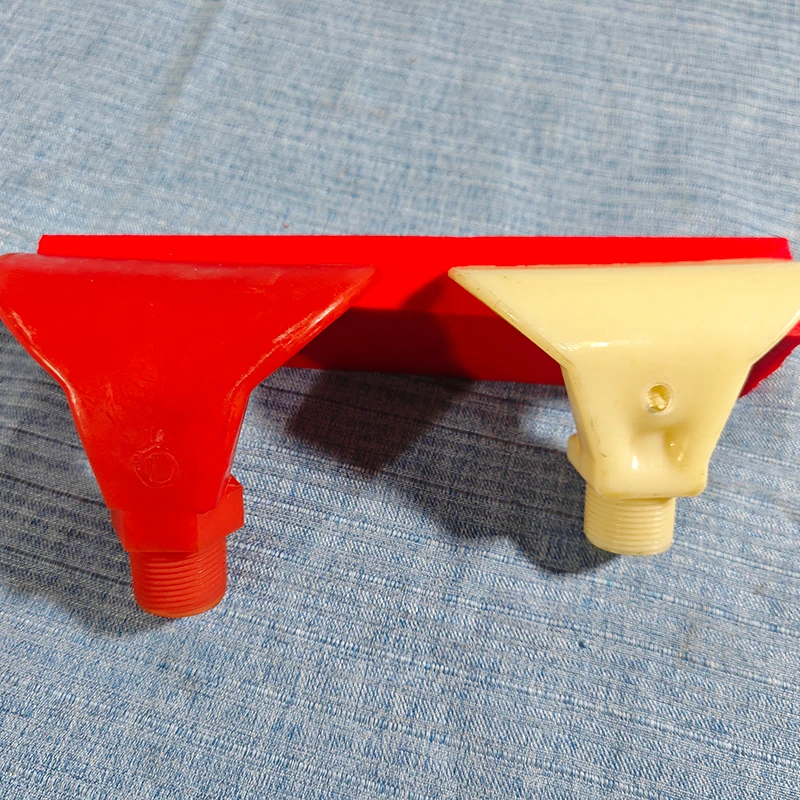
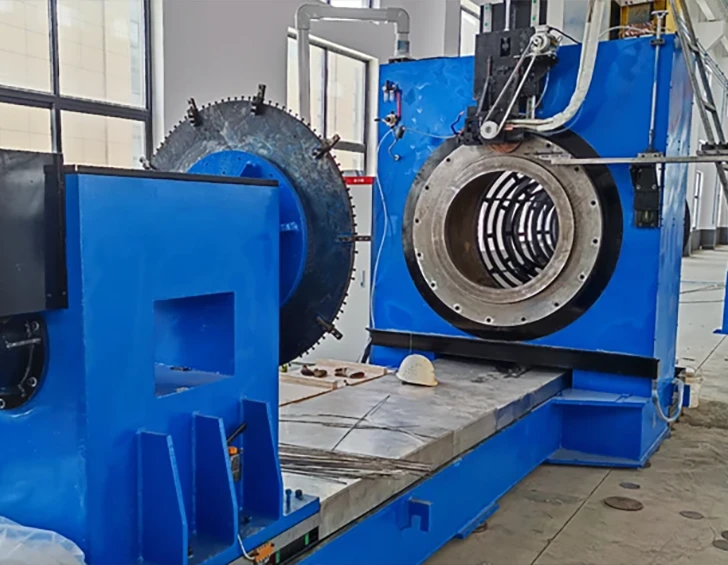
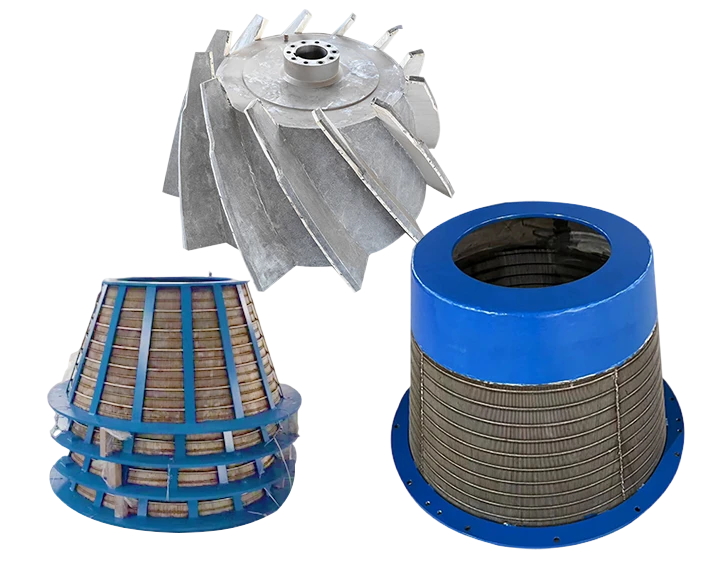
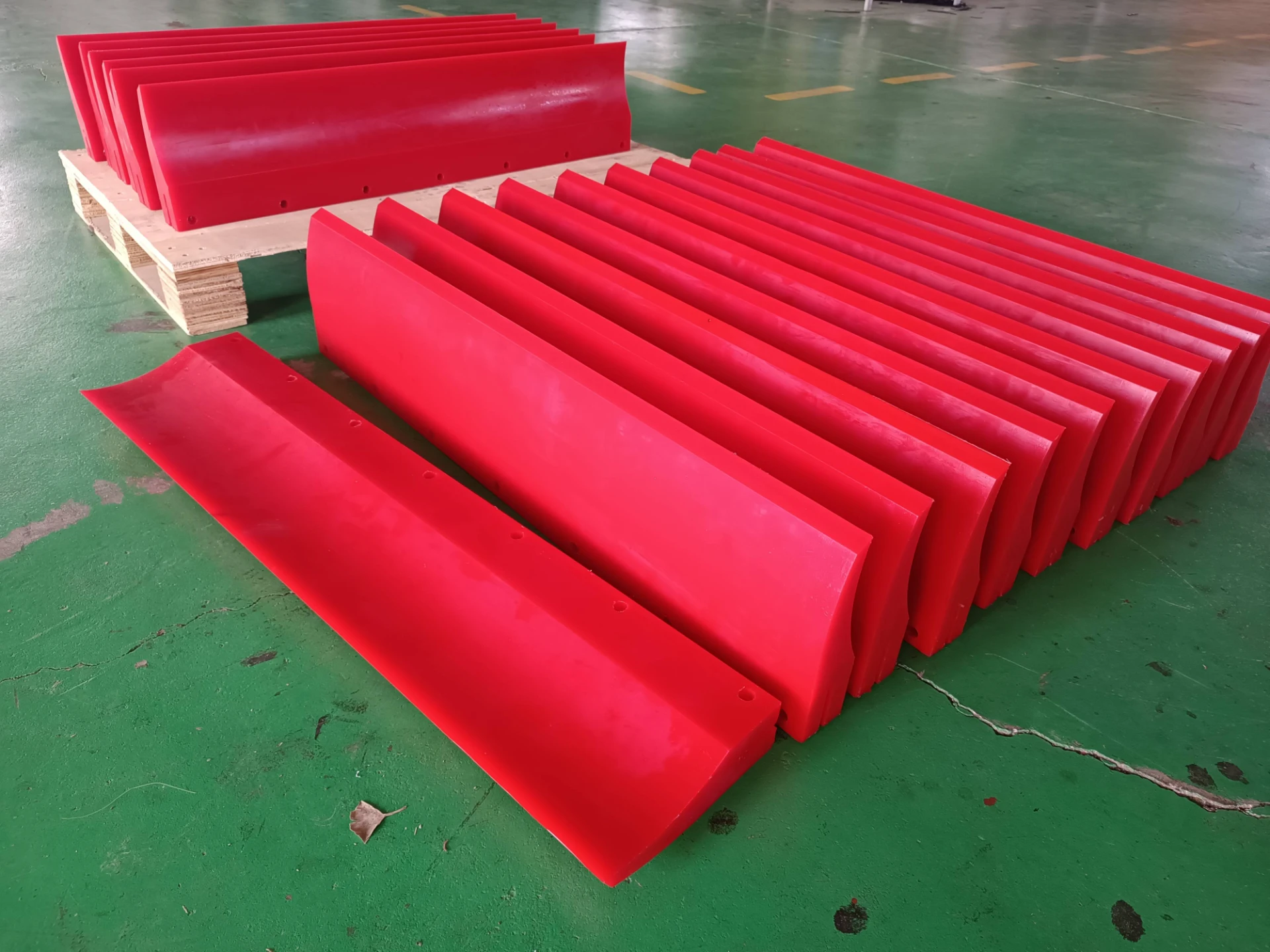
Vibrating Screen Deck: The Heartbeat of Efficient Material Separation
In our interconnected world, the small but mighty vibrating screen deck quietly powers key industries from mining to recycling. Understanding this essential component means unlocking solutions for efficient material sorting, sustainability challenges, and industrial productivity — which matter globally. Plus, with digital transformation and eco-conscious trends on the rise, vibrating screen decks are evolving faster than most realize.
Setting the Scene: Why Vibrating Screen Decks Matter on a Global Scale
The global mining and materials processing market was valued at over USD 200 billion in 2023, with equipment efficiency a top focus for industrial players (World Bank, 2023). Screening processes alone can affect up to 30% of operational costs in quarrying or recycling. This begs the question — how do industries maximize output, minimize downtime, and reduce waste? Enter the vibrating screen deck.
Applications span continents, from remote African mines to European waste management facilities. Yet, many sites still wrestle with inefficient sorting, environmental concerns, or equipment failures caused by poor deck design or maintenance. The vibrating screen deck is pretty much the frontline technology tackling these problems head-on, optimizing throughput and reliability.
What Exactly Is a Vibrating Screen Deck?
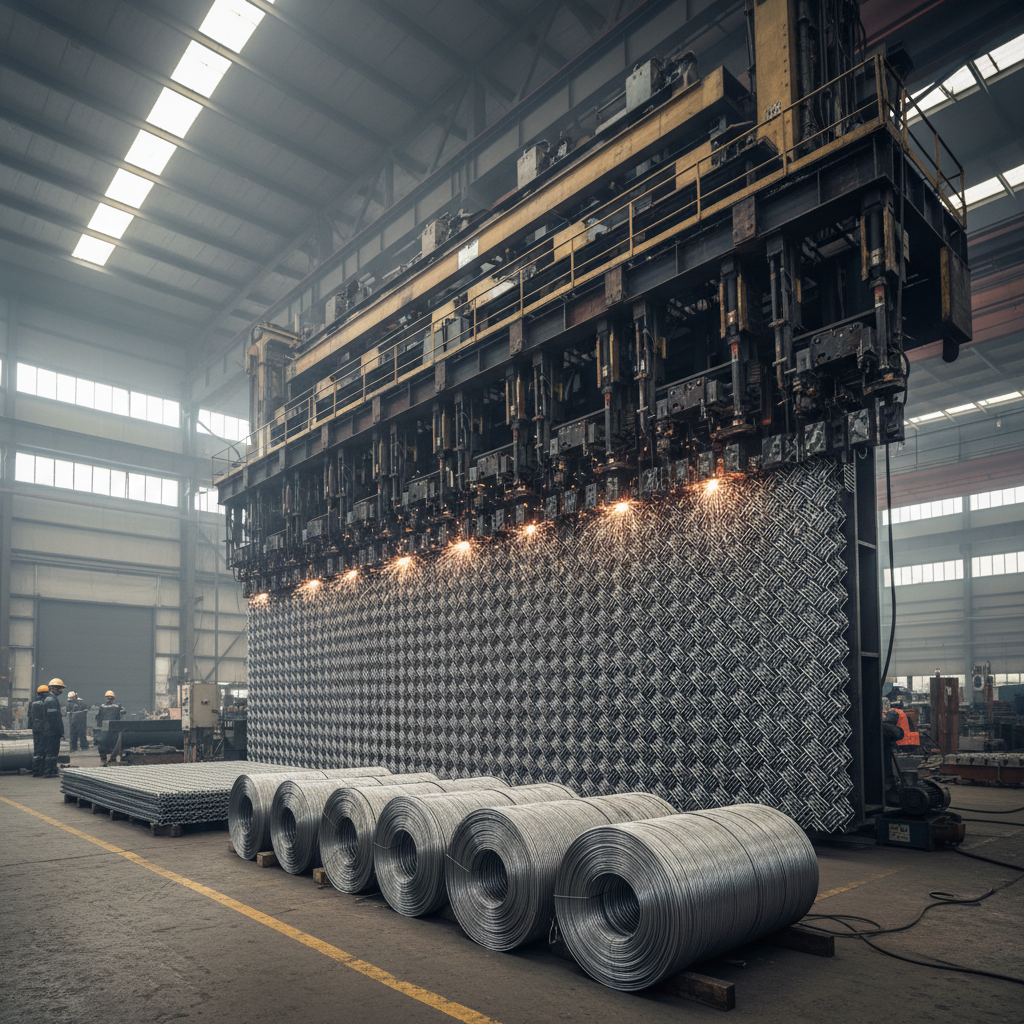
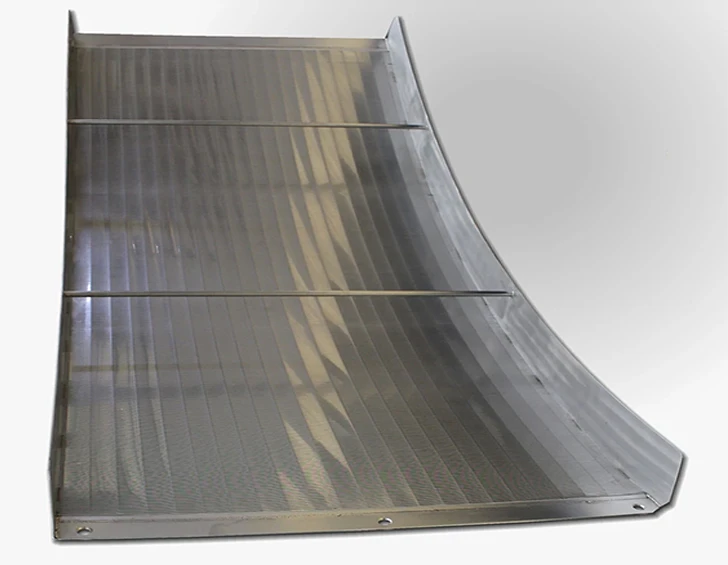
In its simplest form, a vibrating screen deck is a metal or synthetic perforated surface that vibrates to separate materials by size and density. It’s the basis of mechanical screening — you feed material on top, the deck shakes, and the stuff that’s small enough falls through, while larger chunks move onward.
Think of it as a sieve on turbo mode, crucial in modern processing plants to produce quality end-products for construction, agriculture, or even humanitarian infrastructure projects. Without it, a lot of downstream operations would slow to a crawl.
Core Components and Key Factors That Define Vibrating Screen Decks
1. Material & Durability
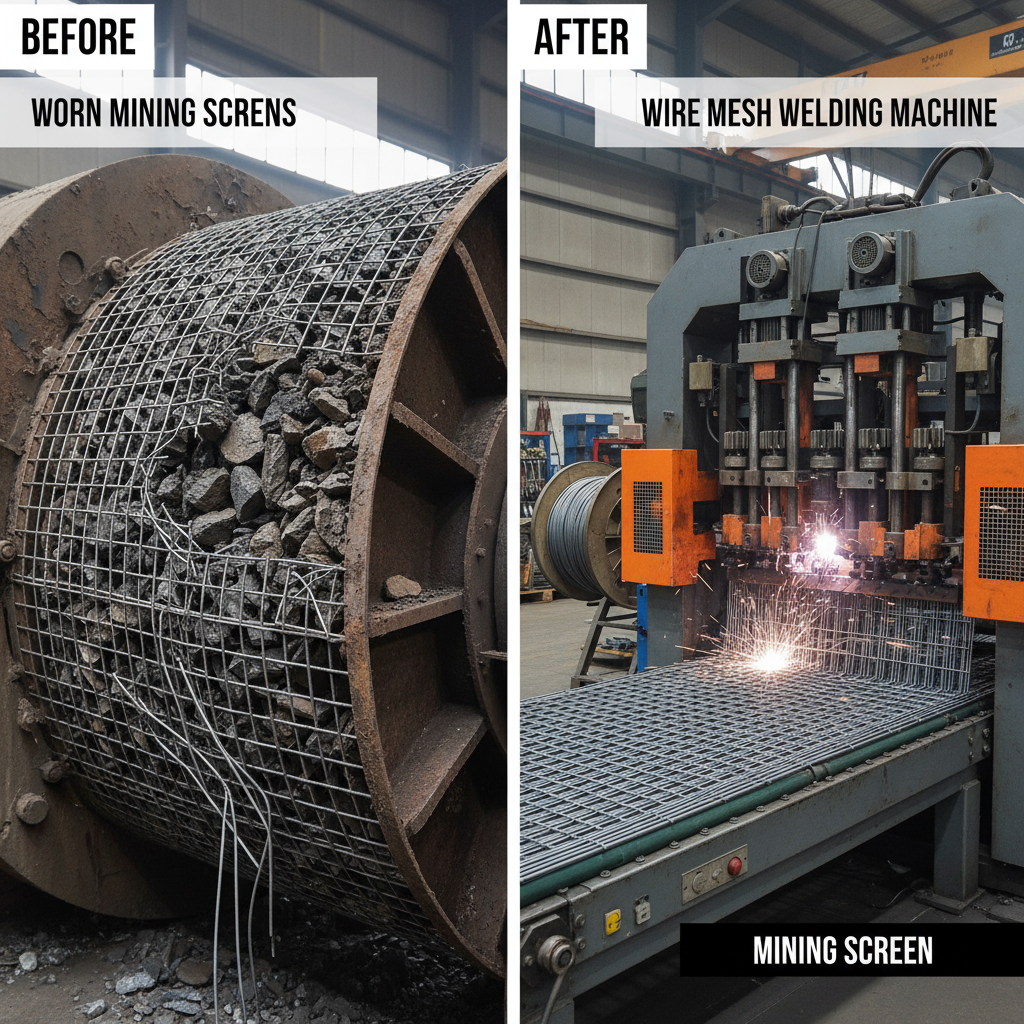
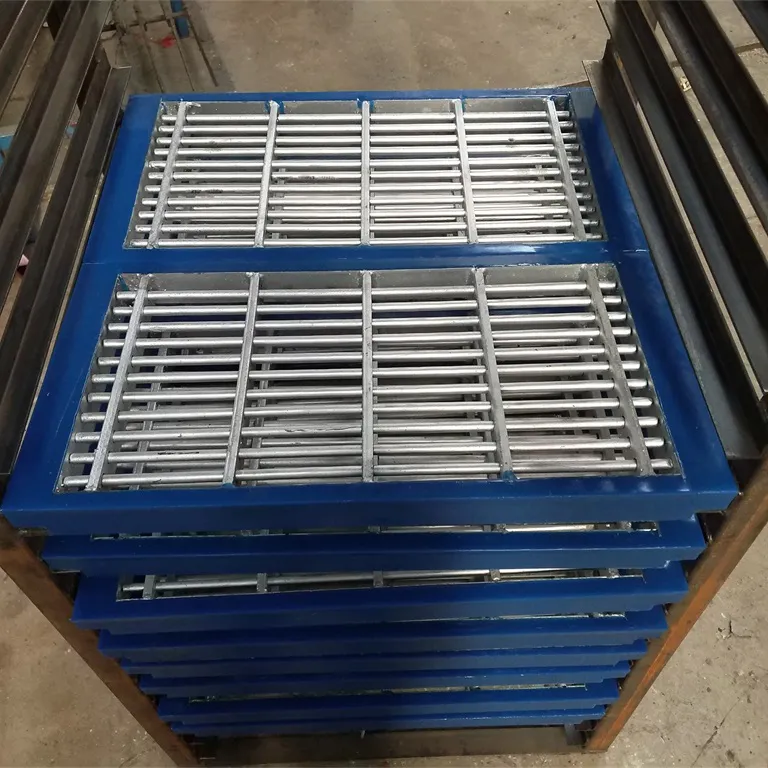
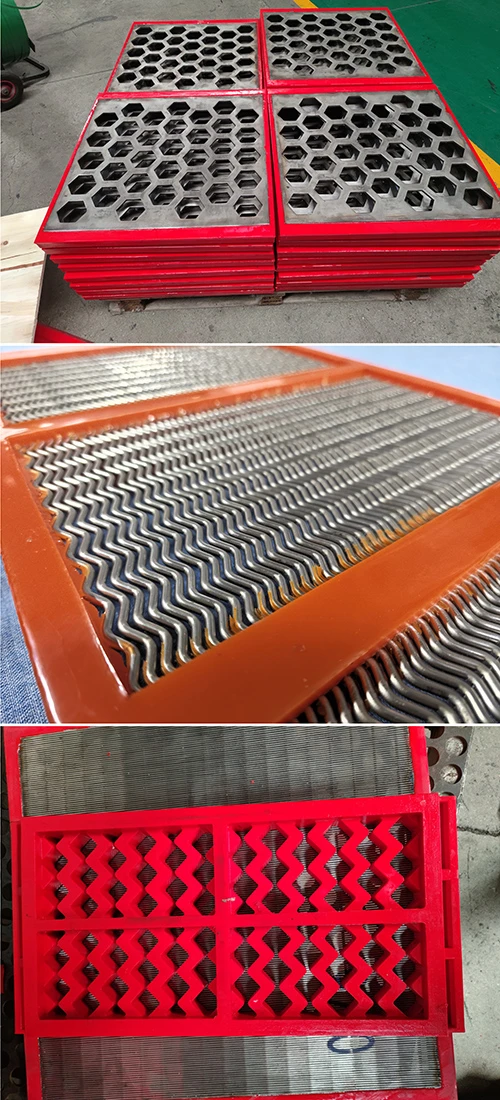
Most decks are crafted from abrasion-resistant steel alloys or polyurethane panels designed to handle constant mechanical stress and corrosive materials. Durability is non-negotiable, especially in harsh environments like mining.
2. Vibrating Mechanism & Frequency
Electromagnetic, unbalanced motors, or pneumatic drives generate vibrations that determine screening efficiency. Variable frequency offers flexibility for different material types or desired outputs — a feature growing in industrial demand.
3. Screen Opening Size & Mesh Type
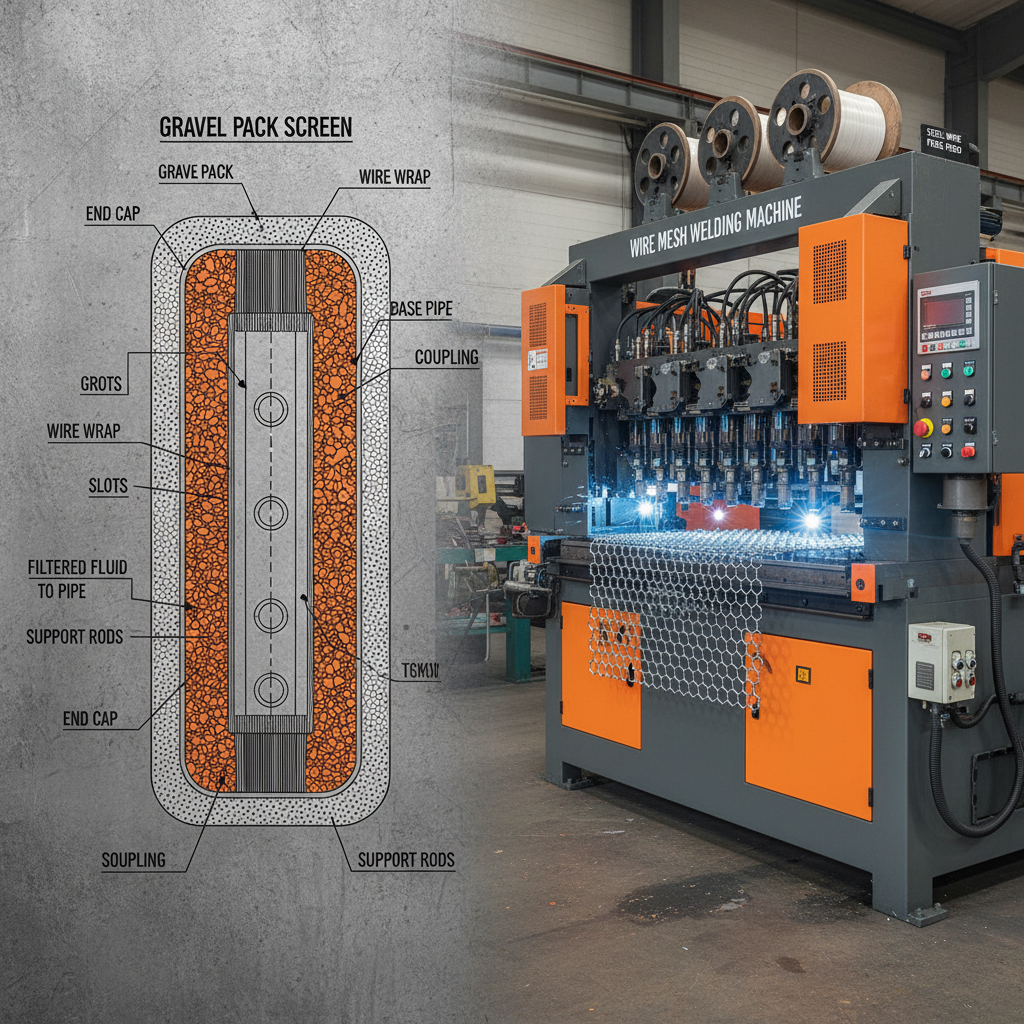
The size and shape of openings influence the granularity of material separation. Different projects require varying aperture sizes, from coarse gravel sorting to fine dust filtration.
4. Scalability and Modularity
Many modern vibrating decks support modular setups, allowing operators to swap or upgrade panels swiftly — a real life-saver during quick-turn maintenance or scaling operations.
5. Noise & Energy Efficiency
Reducing operating noise and energy consumption isn’t just good for regulations but also the operator’s well-being and environmental footprint. Advancements in design and materials have improved both.
Mini takeaway: The vibrating screen deck's performance boils down to balancing ruggedness, adaptability, and precise vibration control — all working quietly yet powerfully under tough industrial conditions.
Worldwide Uses & Real-World Examples of Vibrating Screen Deck Applications
From the massive iron ore mines of Australia to recycling yards in Europe, vibrating screen decks form the backbone of sorting operations. In disaster relief scenarios — say an earthquake-stricken region — mobile screening units with vibration decks help separate rubble for reuse, aiding rapid rebuilding.
Some companies, notably suppliers for the oil sands in Canada, benefit from heavy-duty screens optimized for sticky, viscous materials — a challenge their vibrating deck design helps solve. Meanwhile, Southeast Asian rubber plantations use screens for grading natural latex while reducing contamination.
Spotlight: Vibrating Screen Deck Specifications
| Specification | Standard Range | Notes |
|---|---|---|
| Deck Size | 1.2m × 2.5m to 3m × 6m | Custom sizes available |
| Screen Opening | 0.5mm to 100mm | Varied mesh types (woven, perforated, polyurethane) |
| Vibration Frequency | 500 to 3500 RPM / 15 to 60 Hz | Adjustable per material type |
| Material | High-carbon steel, stainless steel, polyurethane | Abrasion and corrosion resistant |
| Weight | 300 kg to 3,000 kg | Varies widely with size and build |
How Do Vendors Stack Up? A Quick Comparison
| Vendor | Customizability | Build Quality | Lead Time | Typical Users |
|---|---|---|---|---|
| MutoScreen Tech | High (modular decks) | Excellent (abrasion resistant) | 2–4 weeks | Mining, Recycling, Oil Sands |
| EcoScreen Solutions | Medium (standard sizes) | Good | 4–6 weeks | Waste Management, Construction |
| VibraMax Systems | Low (off-the-shelf only) | Fair | 1–3 weeks | Light Industrial, Agriculture |
Advantages and the Long-Term Value of Investing in Vibrating Screen Deck Technology
- Cost and Energy Efficiency: Modern decks reduce energy use, cutting operational costs.
- Improved Product Quality: Precise sorting means better end-product consistency and market value.
- Durability and Longevity: Using abrasion-resistant materials ensures longer lifespan, meaning less downtime.
- Environmental Impact: Efficient screening reduces waste, contributing to greener operations.
- Social Impact: Consistent material processing can support safer infrastructure development and disaster relief.
Personally, hearing feedback from field engineers, it's clear that reliability fosters trust — and that counts more than just specs on paper.
Looking Forward: Trends & Innovations Driving the Future of Vibrating Screen Decks
Digital monitoring and IoT integration now allow operators to predict wear and schedule maintenance before a screen fails — no more costly shutdown surprises. Additionally, green-conscious manufacturers experiment with recycled materials for decks themselves and optimize vibration frequencies to cut energy consumption further.
Automation also plays a role, with adaptive vibration tech optimizing decks in real time based on material flow — something that was pure sci-fi a decade ago.
Challenges & Insights: What Holds Back Vibrating Screen Decks Today?
Despite improvements, certain challenges persist:
- Wear and Tear: Even the toughest decks eventually wear out, especially with abrasive materials.
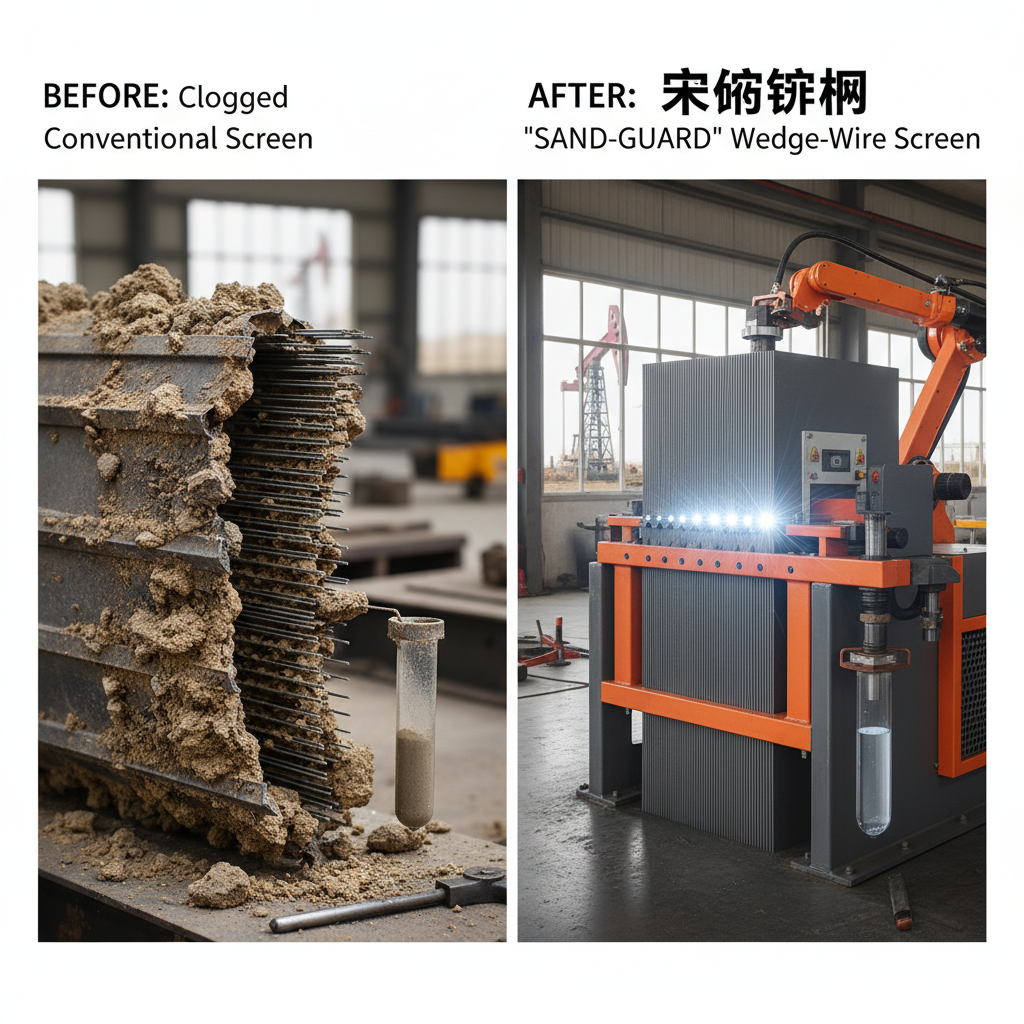
- Material Clogging: Sticky or wet materials can block openings.
- Adaptability: Customizing decks for unique materials can be costly.
Expert teams advise regular inspections, use of polyurethane overlays to reduce wear, and modular designs for quick deck swaps, making maintenance less of a headache. Encouragingly, R&D continues addressing these pain points.
FAQs About Vibrating Screen Decks
Q1: How do I choose the right screen opening size for my project?
A: Consider your material's particle size and desired end-product specification. Consult with vendors to test screen samples if possible. Opening size too small clogs; too large results in poor sorting.
Q2: Can vibrating screen decks handle wet or sticky materials?
A: Yes, but special coatings or polyurethane decks are recommended. Additionally, appropriate vibration settings reduce clogging risk.
Q3: How often should vibrating screen decks be maintained or replaced?
A: Maintenance schedules vary by material and use intensity but inspecting monthly and replacing decks every 1-3 years is common in heavy-duty environments.
Q4: Are modular vibrating screen decks worth the investment?
A: Absolutely. They reduce downtime through quick replacement and can adapt as project needs change, improving overall efficiency.
Q5: How eco-friendly are modern vibrating screen decks?
A: Many use recyclable materials and energy-efficient motors. Their role in reducing waste also contributes to sustainability goals.
Wrapping It Up: Why Vibrating Screen Decks Should Be on Your Radar
Vibrating screen decks might sound like just a piece of metal, but their impact is anything but small. They make industries more productive, help safeguard environments, and even assist in humanitarian efforts globally.
If you’re exploring reliable, cost-effective material processing solutions, I’d recommend taking a closer look at offerings like vibrating screen deck technologies. The combination of durability, modularity, and evolving tech means smarter operations and a better tomorrow for your business.
Curious? Visit MutoScreen today and explore the difference a good vibrating screen deck can make.
References
- World Bank - Mining Sector Overview
- Wikipedia - Vibrating Screen
- ISO Standards on Screening Equipment