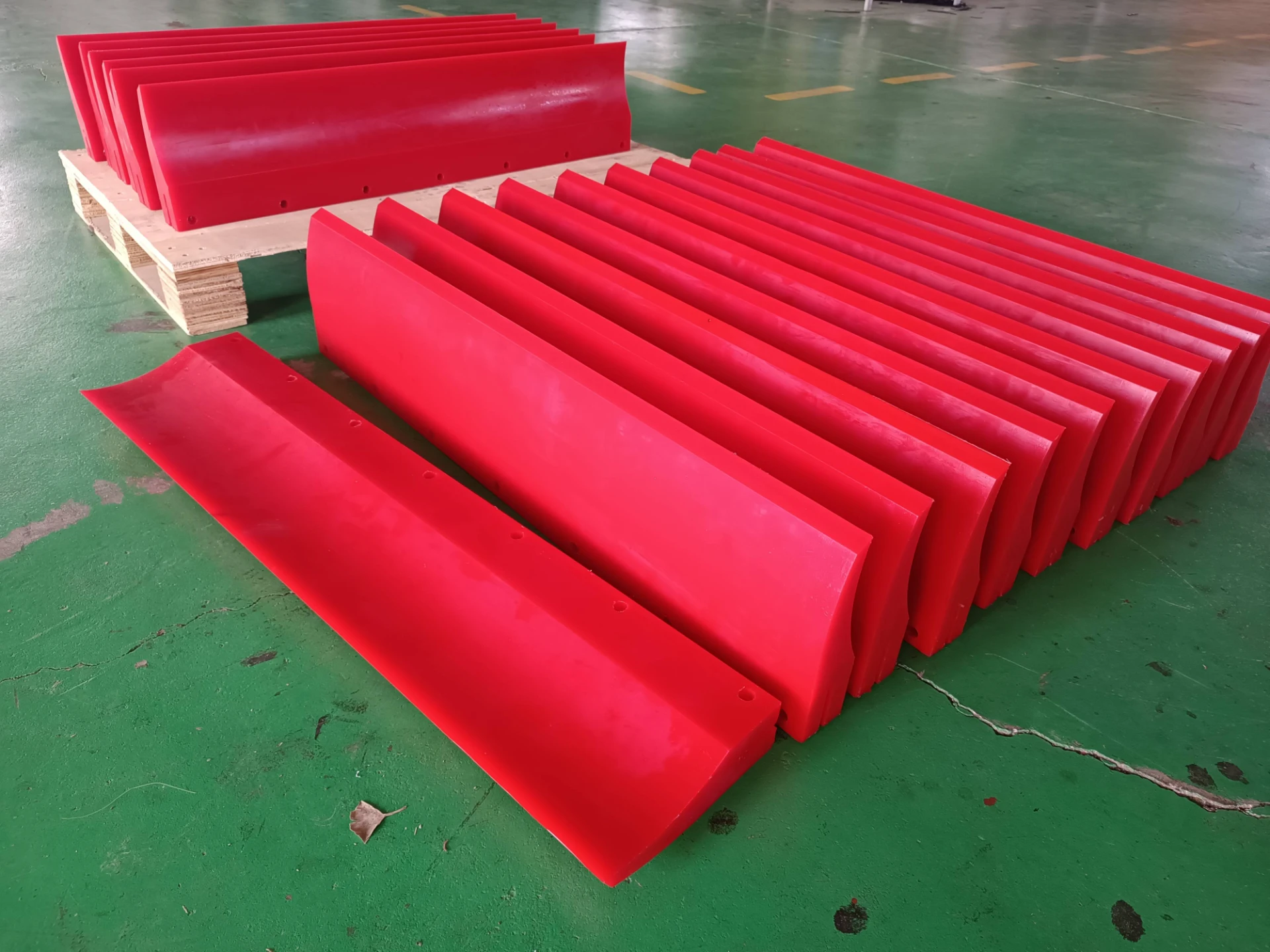
Understanding the Perforated Sheet: Why It Matters in Today’s World
Perforated sheets might sound mundane when you first hear about them, but they’re quietly shaping industries and infrastructure worldwide. Simply put, a perforated sheet is a metal (or sometimes plastic) panel pierced with a pattern of holes — but this little tweak unlocks a bundle of solutions. From ventilation and filtration to noise control and aesthetics, their significance spans across manufacturing, construction, environmental protection, and even humanitarian logistics.
Globally, industries depend on these practical panels more than most people realize. In fact, according to ISO standards, perforated sheets contribute to sustainability by optimizing material use and improving energy efficiency through controlled airflow and light diffusion. So aside from just being “that sheet with holes,” they’re vital in solving complex engineering problems.
Mini takeaway: The perforated sheet is a deceptively simple but invaluable material with wide-ranging benefits from cost savings to sustainability.
The Global Context: Why Perforated Sheets Have Gained Momentum
Take a moment to consider how much of the world’s infrastructure involves controlling environmental elements — air, light, water, sound. Perforated sheets provide this control while maintaining structural integrity. Especially with increasing urbanization, over 55% of the world's population now living in cities 1, the need for efficient materials that are both functional and aesthetically pleasing is pressing.
In industrial zones, like those sprawling across Southeast Asia, Europe, and parts of the US, safety regulations demand materials that support ventilation yet withstand harsh conditions. Meanwhile, in humanitarian efforts, modular shelters often incorporate perforated sheets to improve airflow without compromising durability.
Still, challenges remain. Industries struggle to balance cost and quality, while architects hunt for new materials offering sustainability alongside design freedom.
So What Exactly Is a Perforated Sheet?
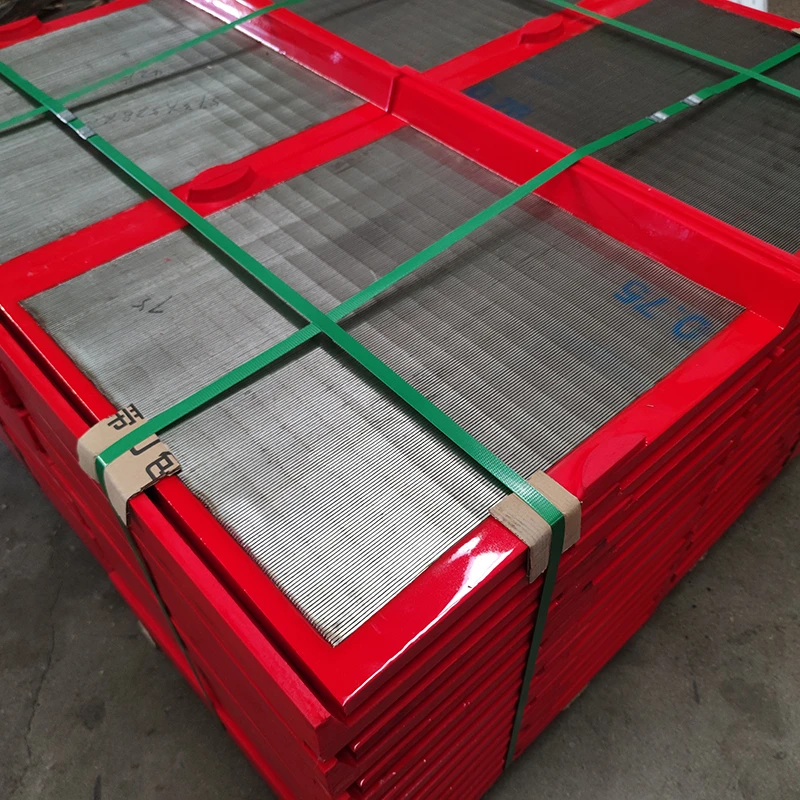
At its core, a perforated sheet is a flat piece of material (metal, plastic, or sometimes composite) punctured uniformly or randomly with holes or slots. Think of it as a sieve or screen, but far sturdier, often ranging from stainless steel to aluminum or thin-gauge steel.
In modern manufacturing, this concept extends beyond just screening. It plays into everything from acoustics (absorbing and diffusing sound) to light filtration and enhancing airflow in HVAC systems.
Key Factors Driving the Value of Perforated Sheets
1. Durability
Perforated sheets are often crafted from metals known for longevity and corrosion resistance, such as galvanized steel or stainless steel. This means they’re well-suited for outdoor and industrial applications where harsh weather or chemical exposure is routine.
2. Customizability
One of the coolest things is how easily perforation patterns can be customized — round holes, slits, decorative shapes — to meet specific engineering or design needs.
3. Cost Efficiency
Since perforation removes material, less raw metal means lower weight and often reduced costs, especially when replacing solid panels with perforated alternatives. Plus, improved airflow or light management can lower energy bills.
4. Versatility
The versatility brings unique possibilities: acoustic panels, safety guards, filtering surfaces, or even façade cladding.
5. Sustainability
The fact that these sheets use less material without compromising strength means less environmental strain in production. Plus, they promote natural ventilation, which can reduce HVAC reliance.
Perforated Sheets Around the Globe: Real-World Uses
Industries and regions benefiting from these materials really underscore their global importance:
- Europe’s Green Building Movement: Many architects incorporate perforated metal façades to reduce energy consumption.
- Asian Manufacturing Hubs: Automated production lines use perforated guards and filters extensively.
- Humanitarian Aid in Disaster Zones: Portable shelters utilize perforated sheets to balance protection and ventilation, important in tropical climates.
- Acoustics & Transport: Airports and train stations worldwide, including the US and Japan, use perforated panels for sound control.
Oddly enough, these sheets also make their way into artistic installations, merging functionality with visual appeal.
How Perforated Sheets Deliver Lasting Value
From a practical view, the benefits are easy to list: decreased material costs, improved system longevity, and maintenance reductions. But emotionally, think about the safety workers feel when protected by well-engineered guards or the comfort passengers appreciate in noise-controlled environments.
Plus, businesses gain a reputation for innovation and social responsibility when using these eco-friendly materials.
Product Specification Table: Typical Perforated Sheet
| Specification | Details |
|---|---|
| Material | Stainless Steel 304/316 |
| Sheet Thickness | 0.5mm to 3mm (typical) |
| Hole Diameter | 1mm to 20mm, round or custom shapes |
| Open Area | 20% to 65% |
| Finish | Powder Coated / Galvanized / Polished |
| Standard Sheet Size | 1000mm x 2000mm / Custom length available |
Vendor Comparison: Choosing the Right Supplier
| Vendor | Product Range | Lead Time | Quality Certifications | Pricing |
|---|---|---|---|---|
| Muto Screen Technologies | Wide (custom patterns and materials) | 2-3 weeks | ISO 9001, ISO 14001 | Competitive |
| Global Metalworks | Standard patterns, metals only | 4-6 weeks | ISO 9001 only | Mid-range |
| EcoMetal Solutions | Focus on recycled materials, limited patterns | 3-5 weeks | ISO 14001 | Premium |
Looking Ahead: Innovations on the Horizon
Technological advances keep pushing perforated sheets beyond their traditional boundaries. For instance, smart perforated materials embedded with sensors are emerging, enabling real-time monitoring of environmental conditions. This is especially exciting in green buildings aiming to optimize air quality and light.
Material science is exploring lightweight composites that maintain durability but reduce carbon footprints even further. Oddly enough, additive manufacturing (3D printing) is starting to impact sheet metal fabrication, allowing highly complex perforation patterns and gradients that were impossible before.
Challenges and How the Industry Is Solving Them
While perforated sheets are versatile, challenges persist. For one, material wastage during perforation and maintaining consistent quality across large batches can be tricky. Plus, customizing complex patterns at scale often drives costs up.
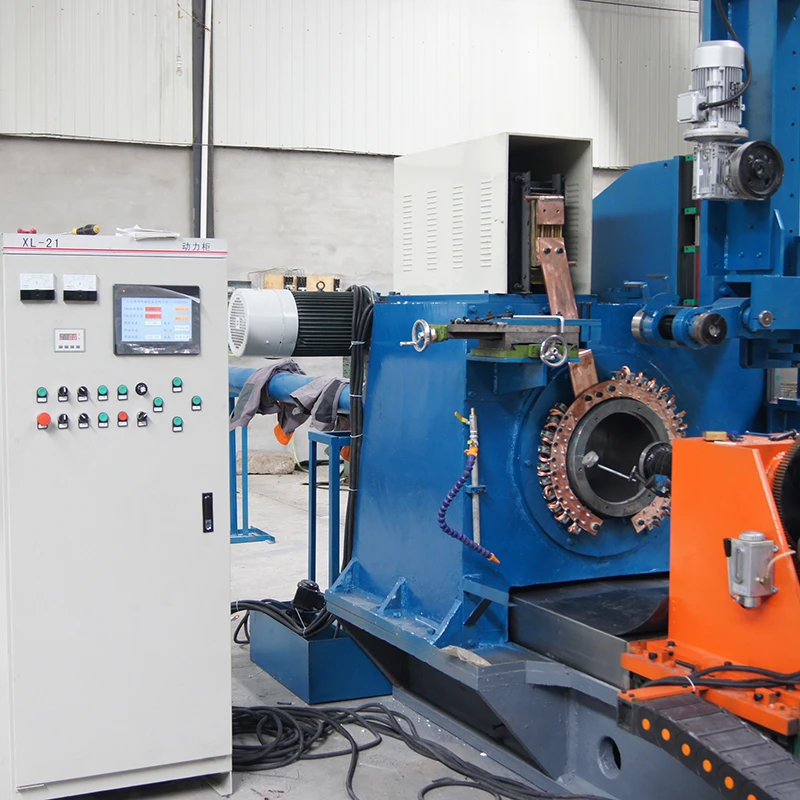
Enter advanced laser cutting technology and computer-controlled punching machines — these innovations reduce waste and improve precision. Some vendors now also recycle scrap pieces more efficiently.
That said, for certain corrosive environments, finding the right material that resists degradation while meeting budget constraints remains a hunt.
Frequently Asked Questions About Perforated Sheet
- Q1: Can perforated sheets be used outdoors in harsh weather?
- A: Absolutely. When made from stainless steel or galvanized material, perforated sheets resist corrosion and stand up to rain, snow, and UV exposure, making them suitable for external cladding and protective guards.
- Q2: How customizable are perforation patterns?
- A: Very customizable. Modern machines can produce round holes, slots, or decorative shapes in various sizes and densities, tailored for airflow, noise control, or aesthetic preferences.
- Q3: Do perforated sheets improve energy efficiency?
- A: Yes, by allowing natural ventilation and daylight while protecting interiors from harsh elements, these sheets can reduce HVAC and lighting energy requirements.
- Q4: Are perforated sheets recyclable?
- A: Most metallic perforated sheets, like steel or aluminum, are fully recyclable, contributing to sustainable building practices and reducing landfill waste.
- Q5: Where can I get custom perforated sheets quickly?
- A: Leading suppliers like Muto Screen Technologies offer tailored solutions with turnaround times as fast as 2-3 weeks depending on order size.
Conclusion: Why Perforated Sheets Are More Than Just Metal With Holes
Reflecting on everything, it’s clear that perforated sheets are quietly indispensable in many modern contexts — from enhancing building efficiency to protecting industrial workers. Their blend of durability, customizability, and sustainability aligns perfectly with today’s industrial and environmental challenges.
If you’re curious about integrating perforated sheets into your next project, or just want to explore stunning design options, don’t hesitate to visit Muto Screen Technologies. They bring expertise, quality, and innovation right to your doorstep.
Final thought: Sometimes the simplest things — like a sheet full of holes — carry the heaviest loads in progress.
References
- United Nations, Urbanization and its impacts
- ISO, Standards on materials and sustainability
- World Bank, Urban development data