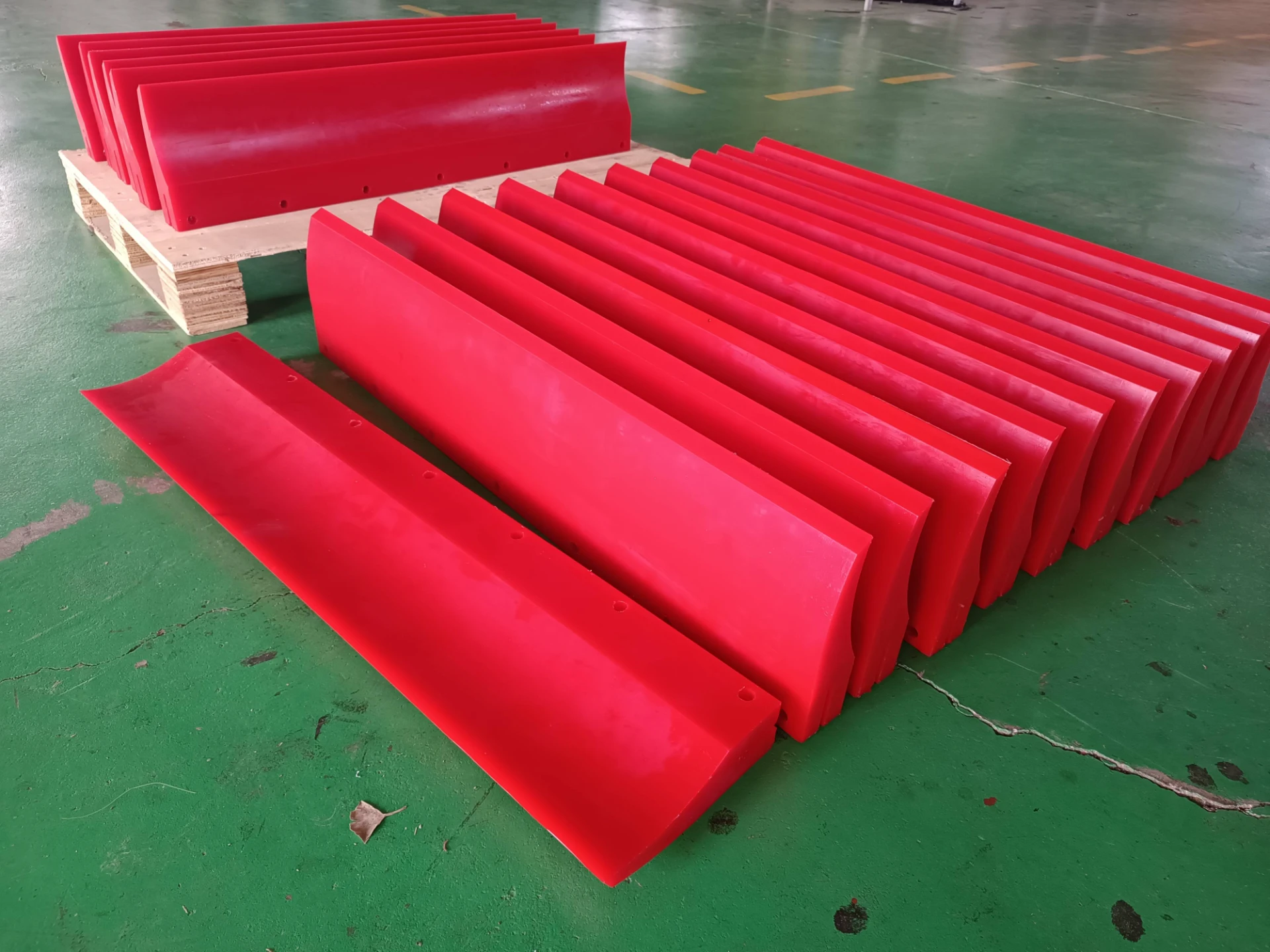
Understanding Sieve Bend Screen Capacity: Why It Matters Today
At first glance, sieve bend screen capacity might sound like a niche industrial term — and, frankly, it is. But it’s also a quietly crucial concept affecting industries worldwide, from mining to wastewater treatment. In essence, a better grasp of sieve bend screen capacity means better material processing, more efficient operations, and even sustainability gains where resources matter most. Whether you’re running a remote quarry or designing a treatment plant, knowing how much throughput your sieve bend screen can handle makes a concrete difference.
Globally, industries depend heavily on mechanical screening. According to the International Organization for Standardization (ISO), properly calibrated screening equipment contributes to significant resource savings and operational efficiency. Yet, many sites still struggle to estimate or optimize their sieve bend screen capacity accurately, leading to bottlenecks or increased wear. Understanding these systems at a technical but approachable level unlocks smarter decisions industry-wide.
The Global Context: Screening Capacity and Its Critical Role
If you zoom out and see mining, aggregate production, and waste management as interconnected components of global industrial infrastructure, sieve bend screen capacity becomes a linchpin. The United Nations Environmental Programme (UNEP) highlights that improving the resource efficiency of extraction and processing is key to meeting climate goals. Here’s where optimizing screen capacity comes in: it directly influences throughput without overburdening equipment, minimizing downtime and energy waste.
For example, in rapidly developing regions across Africa and Asia where construction demand soars, efficient screening keeps projects on schedule — preventing costly delays. But the challenge remains: how do you quantify capacity accurately when feed composition varies unpredictably? It’s one problem that sieve bend screen designers and operators face daily.
What Is Sieve Bend Screen Capacity, Anyway?
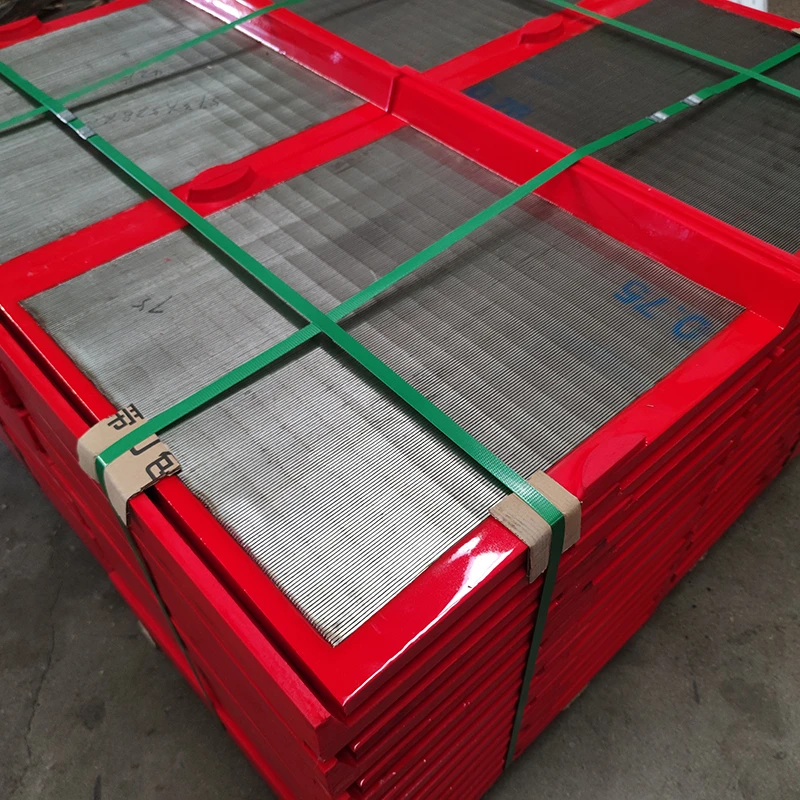
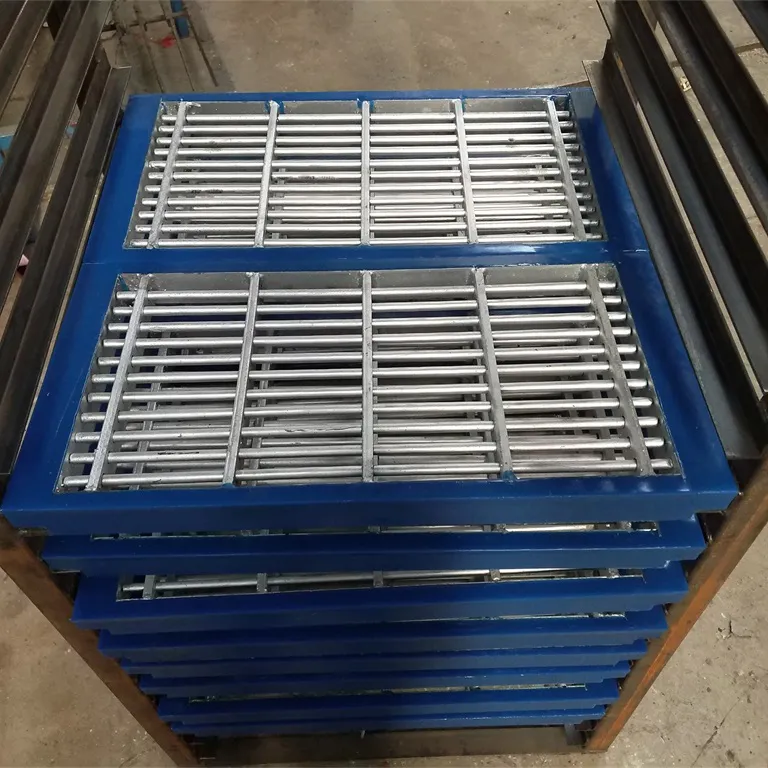
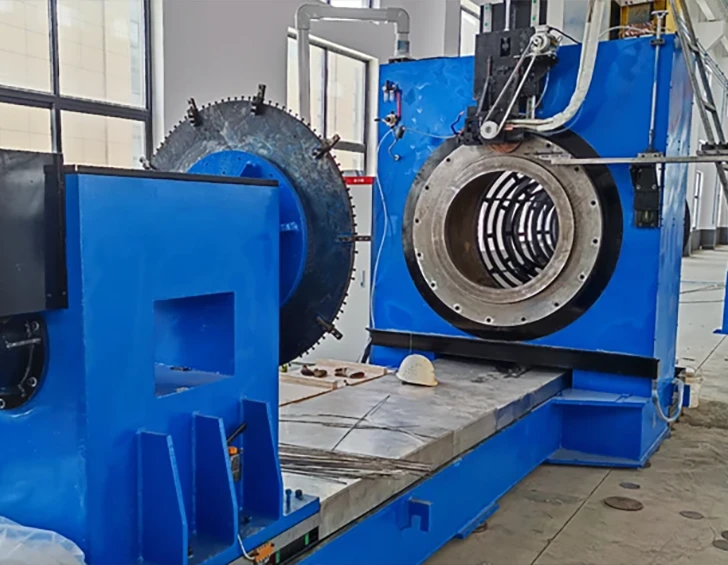
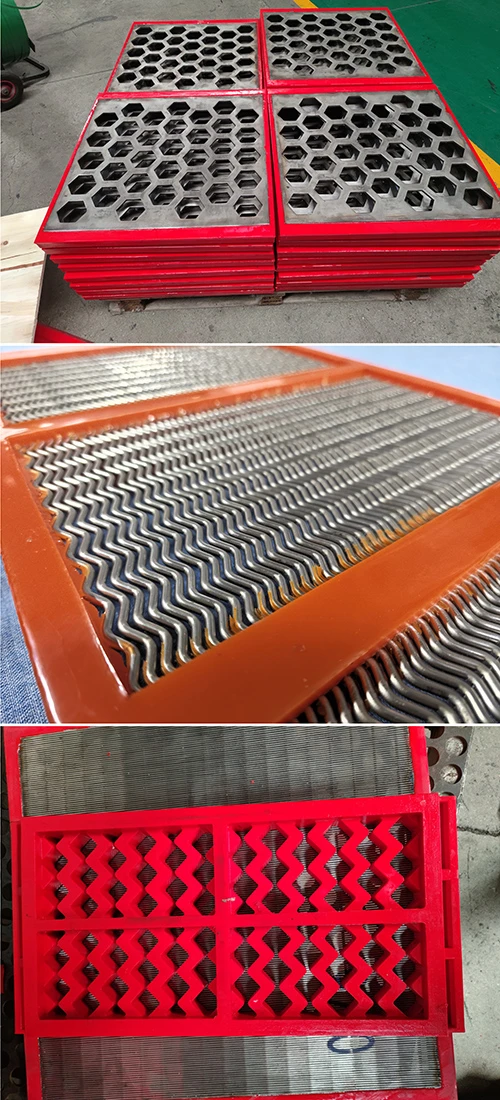
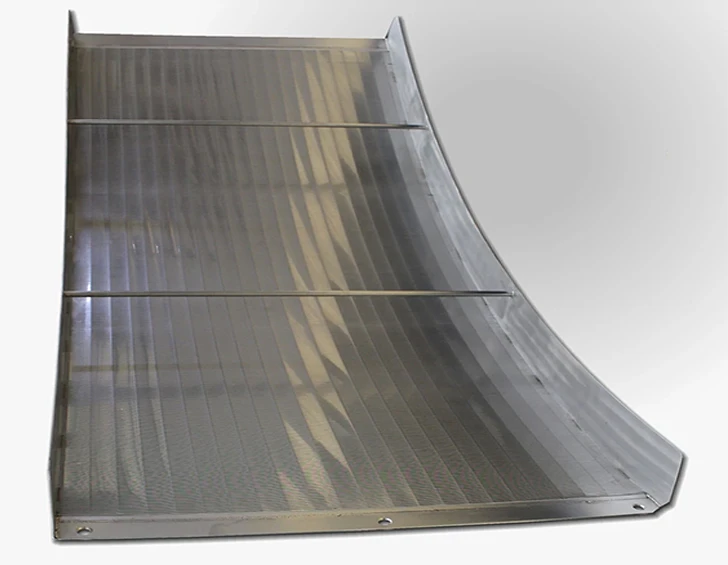
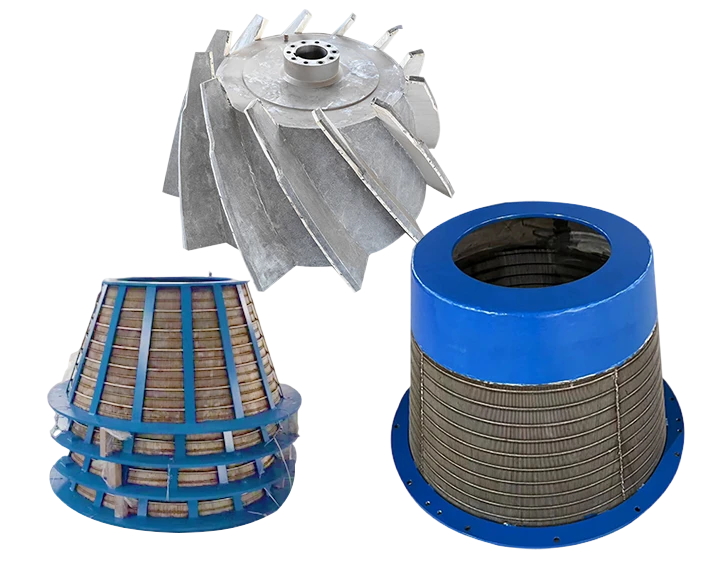
Let’s keep it simple. A sieve bend screen is a type of curved screening mesh used mainly to separate materials by size, typically in the mineral processing and aggregate industries. Screen capacity refers to the volume of material that a specific screen can effectively process in a given time, usually measured in tons per hour (tph). Imagine it as the ‘traffic limit’ for material flow through the screen — exceeding it can foul the mesh and reduce sorting efficiency.
This becomes crucial when materials vary in size or moisture content; the capacity affects how well your system can handle these real-world challenges. Plus, as automated and smart screening solutions gain ground, understanding capacity sets the stage for integrating sensors and predictive maintenance tools.
Key Factors Influencing Sieve Bend Screen Capacity
1. Screen Aperture and Geometry
The size and shape of the sieve openings dictate how much material passes through and at what speed. Oddly enough, a small change in mesh size can drastically alter capacity. A finer aperture means higher sorting precision but lowers throughput volume.
2. Material Characteristics
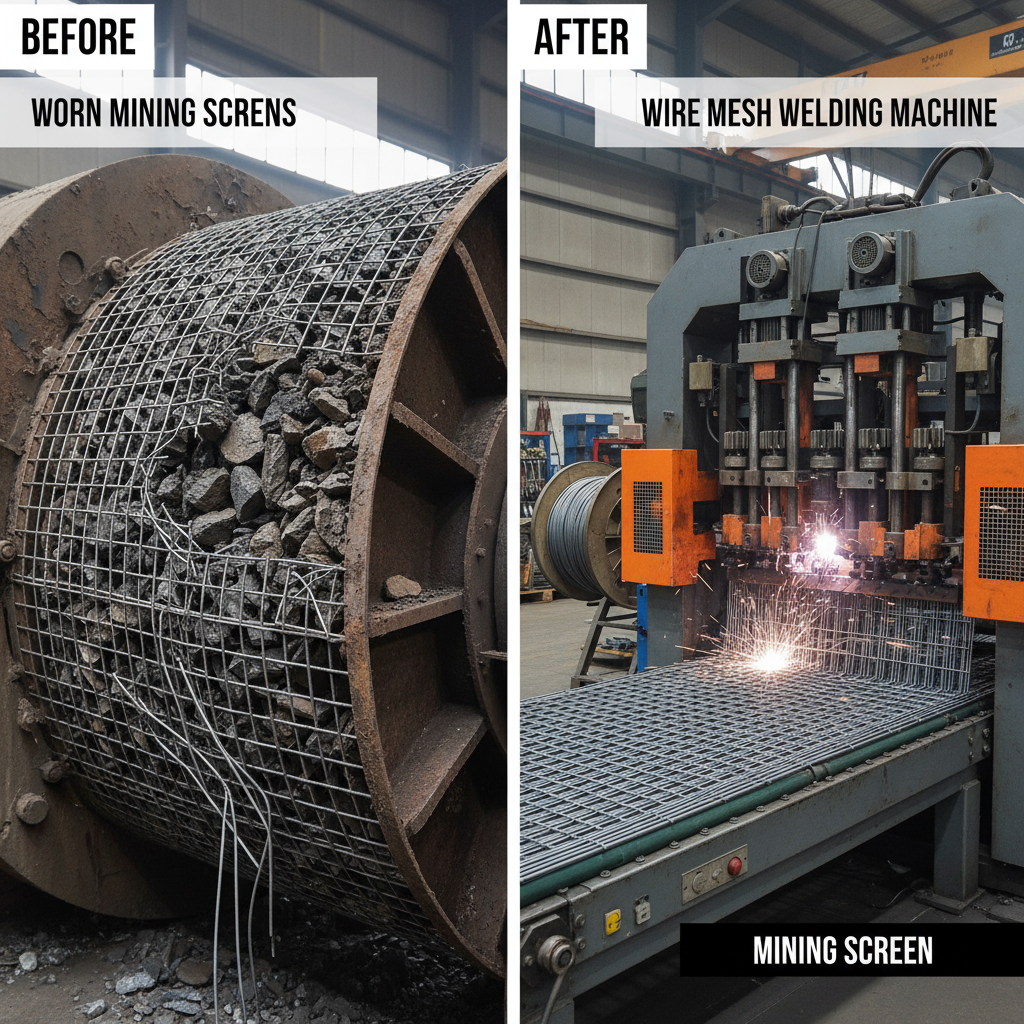
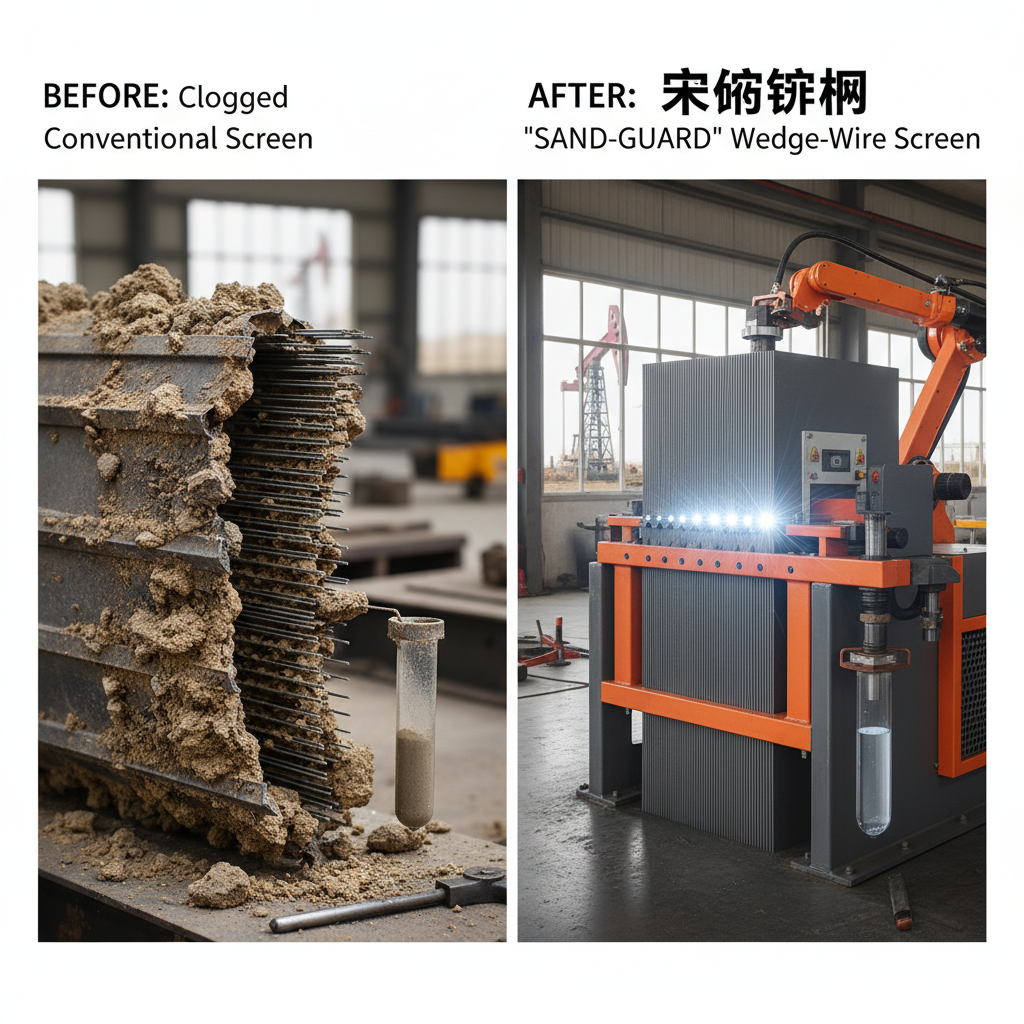
Moisture content, particle size distribution, and abrasiveness impact flow and wear. Wet or sticky materials often clog the screen, reducing effective capacity.
3. Screen Inclination and Curvature
Since the screen is curved, the angle influences how particles flow and separate. Engineers often tweak inclination angles to optimize throughput for particular materials.
4. Feed Rate and Distribution
Even feeding minimizes overload spots, preserving screen integrity and improving screening precision. Unevenly spread feed can choke areas and reduce effective capacity.
5. Screen Tension and Maintenance
A well-maintained tensioning system prevents mesh sagging that lowers capacity and causes material leakage.
Mini takeaway: Tuning these factors together can unlock your screen’s true capacity — it’s rarely about one silver bullet.
Where Do We See Sieve Bend Screen Capacity at Work?
Around the globe, this concept powers everything from giant open-pit mines in Canada to compact recycling plants in Europe. In post-disaster relief, rapid screening of debris ensures quick clearing and recovery, while remote industrial zones in Australia rely on sieve bend screens optimized for low-maintenance, high-volume work.
The versatility is striking. For example, some African mining operations have shifted to low-energy, high-capacity sieve bend systems to reduce fuel costs while maintaining output. And in the wastewater sector, curved screens with carefully calibrated capacity separate solids efficiently yet gently, protecting downstream equipment.
Sieve Bend Screen Capacity Specification Table
| Specification | Typical Value | Notes |
|---|---|---|
| Capacity Range | 5 – 300 tons/hour | Varies by aperture & feed |
| Screen Aperture | 0.3 – 50 mm | Mesh size affects throughput |
| Operating Angle | 20° – 30° | Optimized per material type |
| Power Consumption | 1.5 – 7 kW | Lower at steady feed rates |
| Screen Life | 12 – 36 months | Depends on maintenance |
The Advantages: Why Investing in Sieve Bend Screen Capacity Pays Off
- Cost Efficiency: Maximizing capacity minimizes idle time and workforce costs.
- Reliability: Properly operated screens reduce breakdowns and maintenance headaches.
- Sustainability: Efficient screening reduces energy consumption and waste shuttle.
- Safety & Dignity: In humanitarian contexts, fast debris screening enables safer rebuilding.
- Innovation: High-capacity screens integrate with smart systems for predictive upkeep.
Think of it this way: an optimized sieve bend screen feels like a silent partner in your operation — performing heavy lifting without fanfare but critical all the same.
Comparing Popular Vendors for Sieve Bend Screens
| Vendor | Typical Capacity | Key Strength | Price Range |
|---|---|---|---|
| Mutoscreen | Up to 300 tph | Customizable mesh & digital integration | $$$ |
| Superior Screens Inc. | 150 - 250 tph | Heavy-duty wear resistance | $$ |
| FlexiScreen Solutions | 100 - 200 tph | Rapid mesh change systems | $$ |
Future Trends in Sieve Bend Screen Capacity
Predictive analytics and IoT sensors are quickly becoming the norm, monitoring screen wear and feed rates in real time. There’s also a strong move towards greener materials for meshes and frames to reduce environmental impact — but without sacrificing capacity.
Automation will further optimize feed distribution, solving the age-old problem of uneven loading that cuts capacity. Interestingly, some sectors experiment with modular screens that adjust curvature or mesh size dynamically, adapting to material shifts throughout the day. Kind of like a sieve bend screen that ‘breathes’ with your process.
The Challenges and How to Overcome Them
Like all mechanical systems, sieve bend screens have their Achilles' heels. Wear and tear, clogging from sticky feeds, and overloading remain persistent issues. But many engineers highlight the importance of routine inspections coupled with AI-driven alerts — these smart maintenance systems can extend screen life considerably.
Also, calibration is key. Sometimes operators just push more material through and hope for the best — that’s rarely a winning approach. Expert consultation and vendor support, combined with proper sieve bend screen capacity analysis, can save time, money, and headaches long term.
FAQ: Common Questions About Sieve Bend Screen Capacity
1. How do I calculate the sieve bend screen capacity for a new feed material?
Start with the feed particle size distribution and moisture content. Then factor in the screen aperture, inclination angle, and the manufacturer's nominal capacity range. Pilot testing or vendor simulation tools often help refine estimates before full-scale deployment.
2. Can I improve capacity by simply increasing feed rate?
Not really — overloading a sieve bend screen usually reduces sorting efficiency and increases wear. Instead, focus on evenly distributing feed and optimizing operational parameters like screen angle and tension.
3. What maintenance routines maximize screen capacity?
Regular mesh tension checks, cleaning to avoid clog buildup, and prompt replacement of worn parts keep capacity optimal. Using sensor data from smart screens can also trigger timely interventions.
4. Are there eco-friendly sieve bend screens available?
Yes, vendors increasingly offer screens made from recycled metals and environmentally benign coatings. These reduce lifecycle environmental impact but retain robust capacity.
5. How can I assess if my existing system needs upgrading?
Monitor throughput, screen wear rates, and downtime. If you frequently see clogged screens or uneven feed, or fail to meet processing targets, it might be time to evaluate capacity upgrades or system redesigns.
Conclusion: Why Sieve Bend Screen Capacity Is Worth Your Attention
When it comes to industrial screening, understanding your sieve bend screen capacity unlocks a new level of operational success and sustainability. It’s more than just a number — it’s about harmonizing material flow, equipment longevity, and cost-effectiveness. So the next time you’re weighing equipment choices, or troubleshooting unexpected delays, give this metric a good look.
Dive deeper and explore advanced options — visit our website to learn how optimized sieve bend screen capacity solutions have transformed projects across continents.
References
- ISO 16179:2012 - Mechanical screening standard
- United Nations Environmental Programme (UNEP)
- Wikipedia: Material Screening