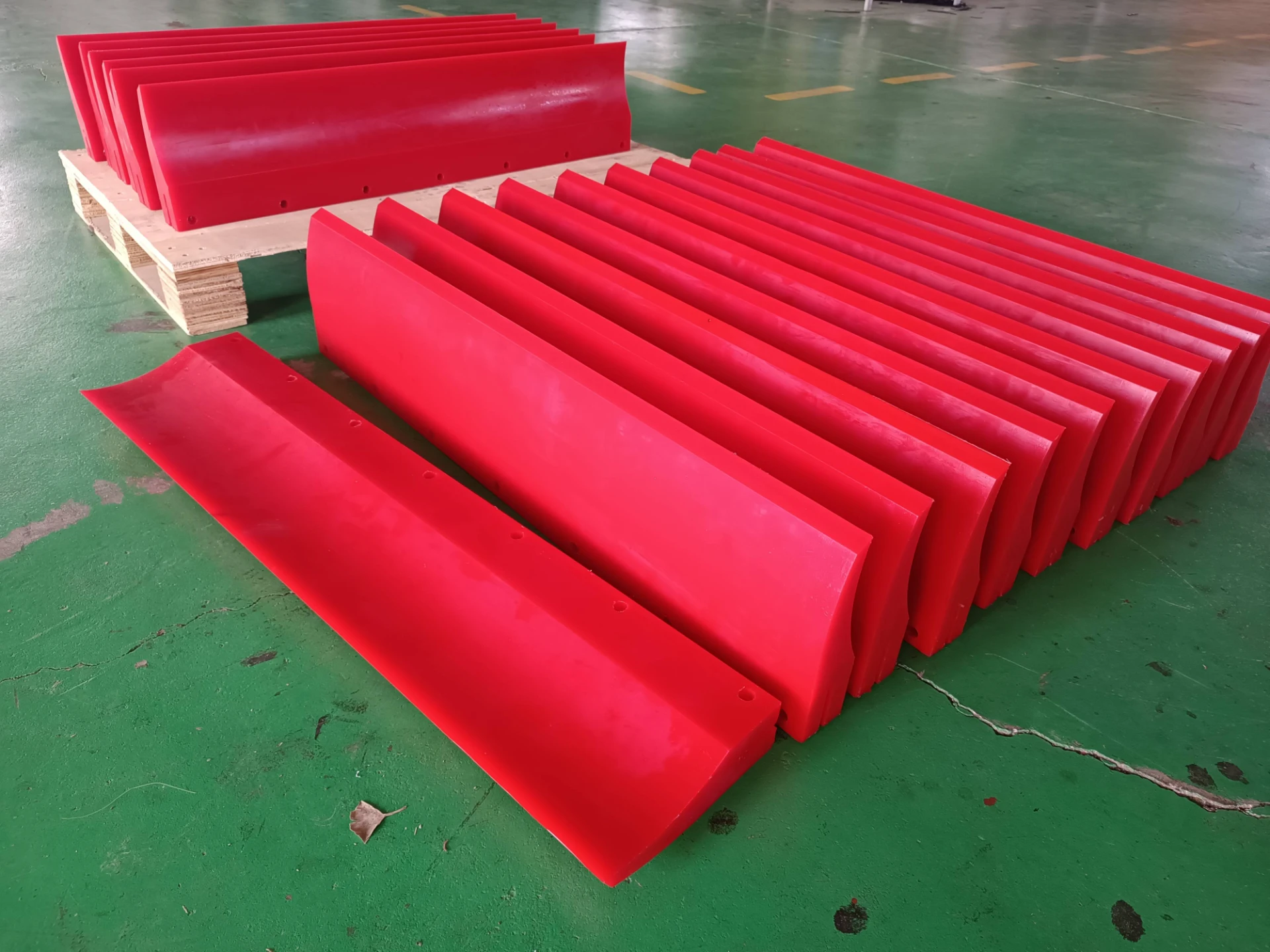
Coanda Screen Buying Guide: Specs, Trends, and Real-World Tips
If you’re hunting for a practical, low-maintenance intake solution, you’ve probably already searched for a coanda screen for sale. I’ve spent a good chunk of my career around hydropower and water projects, and—honestly—the screens that keep working quietly are the ones people remember. This model, made in Hehuang Road, Anping County, Hengshui, Hebei Province, leans on the Coanda effect to shed debris without brushes, sprays, or drama.
What it is (and why it’s trending)
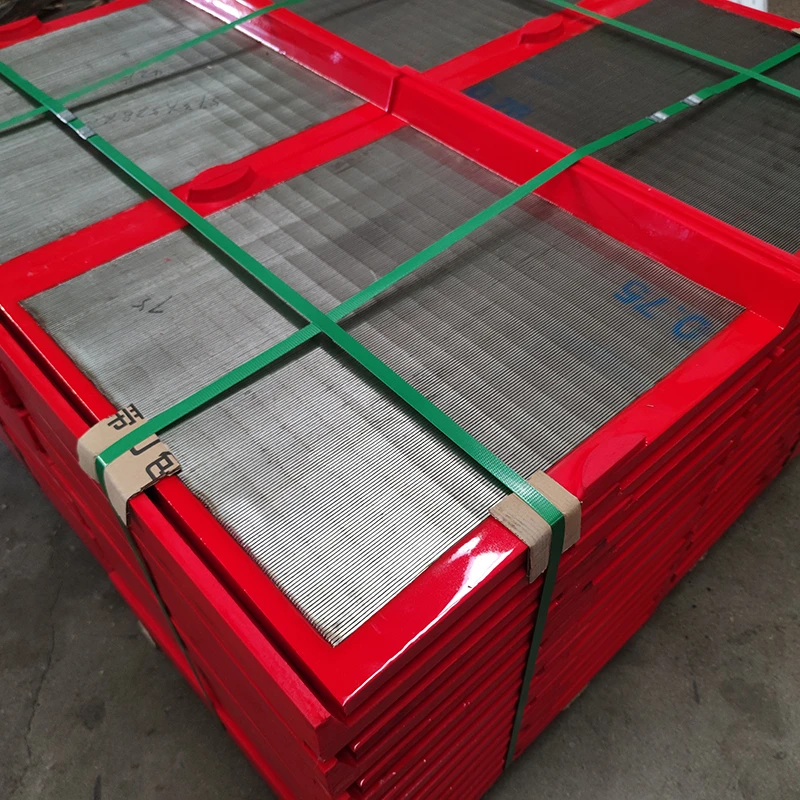
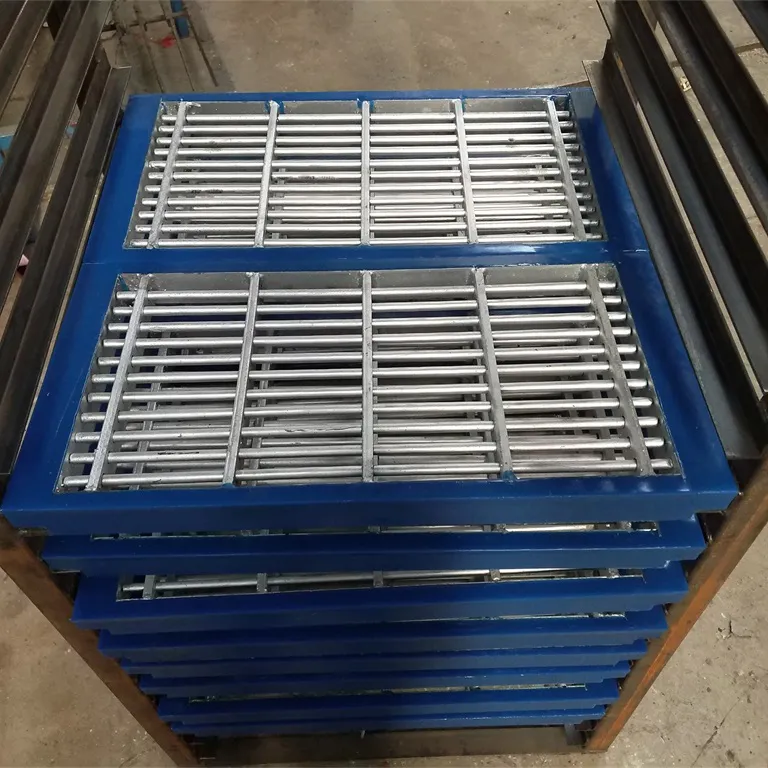
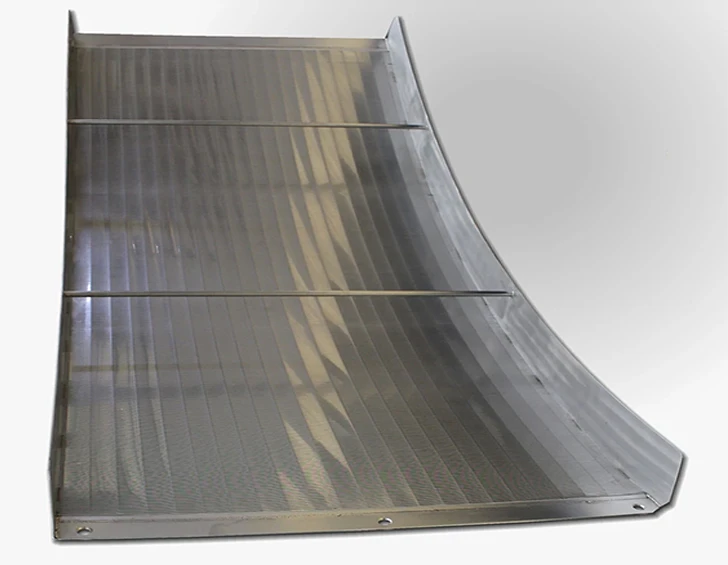
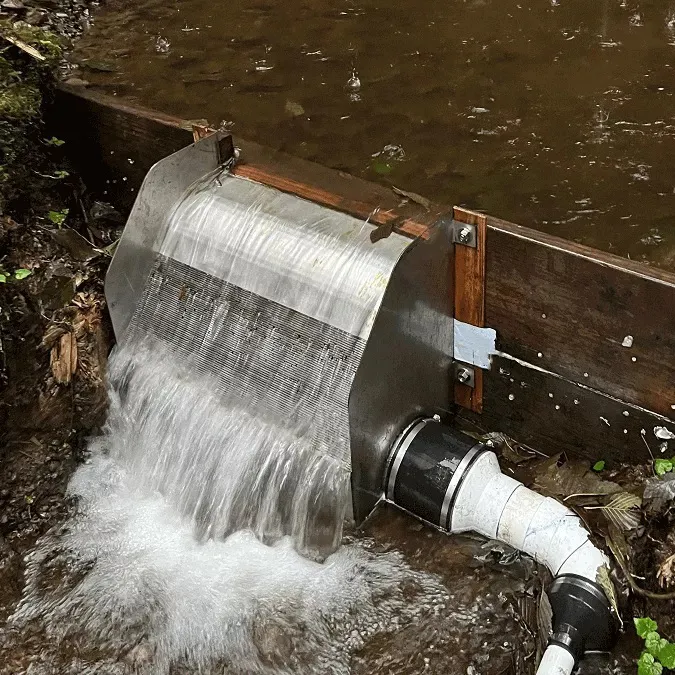
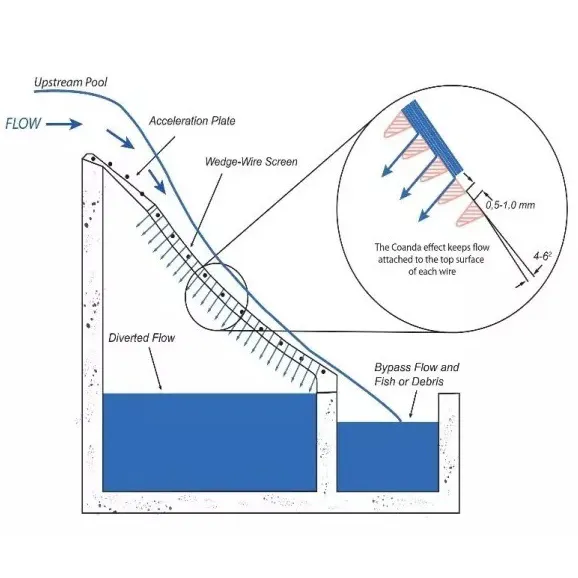
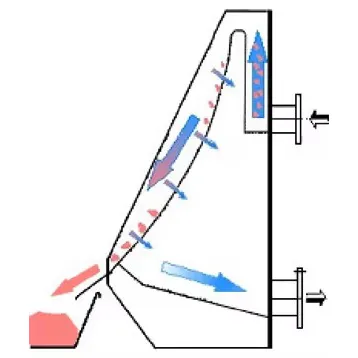
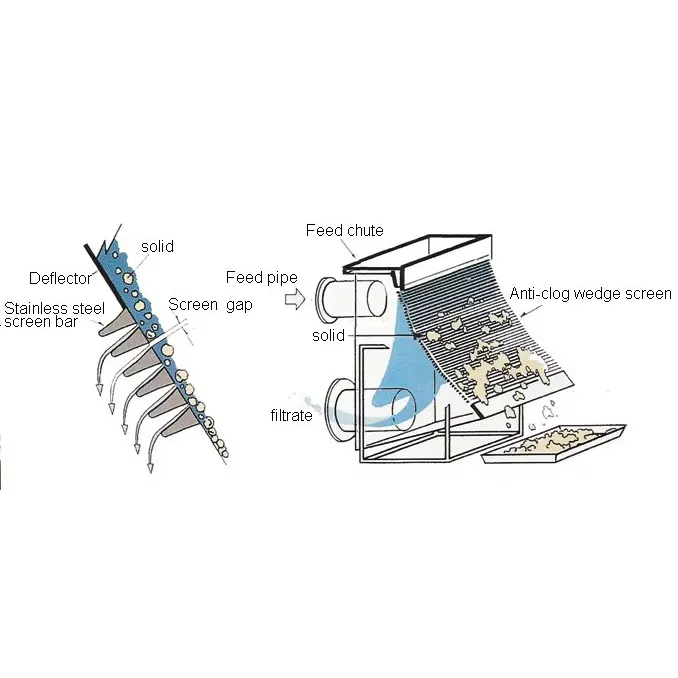
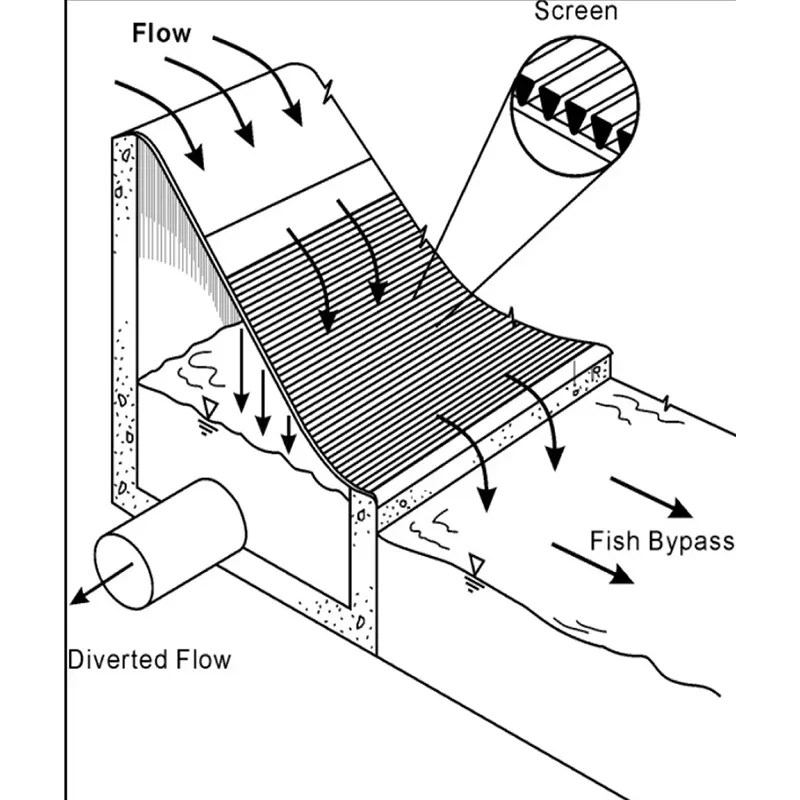
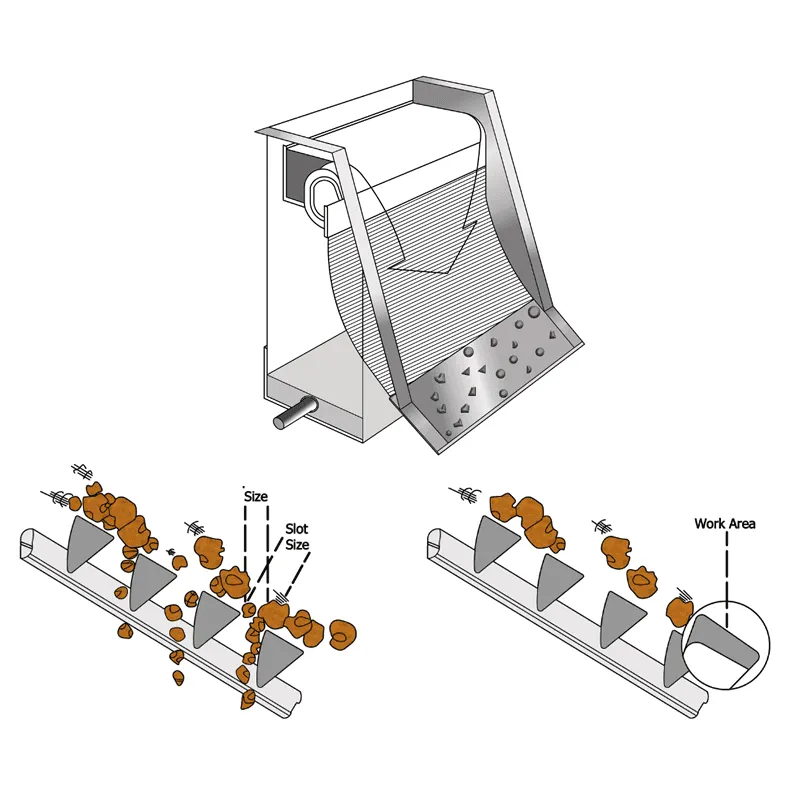
A Coanda Screen is a tilted wedge-wire panel with precise slots that accelerate flow along a curved surface. Water adheres; debris doesn’t—simple physics, surprisingly effective. In fact, the market’s shifting: small hydro upgrades, drought-driven intake retrofits, and fish-friendly designs are in demand. O&M teams want fewer moving parts. This is where coanda screen for sale searches have spiked.
Key Specifications (typical, customizable)
| Parameter | Spec (≈ / range) | Notes |
|---|---|---|
| Material | SS304 / SS316L / Duplex 2205 | ASTM A240 plate; corrosion-critical sites choose 316L or 2205 |
| Slot opening | 0.25–3.0 mm | Fish screens often 0.5–1.0 mm |
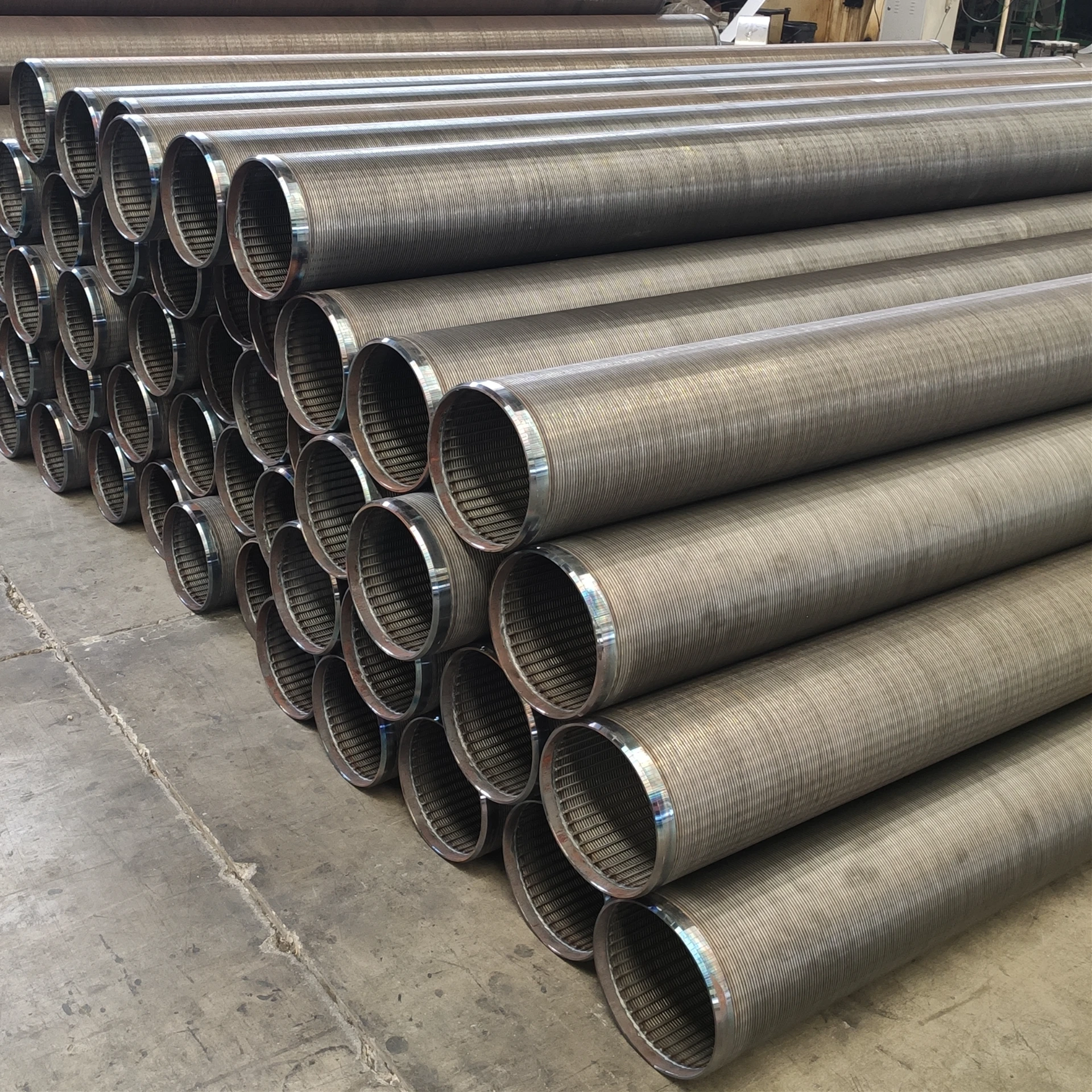
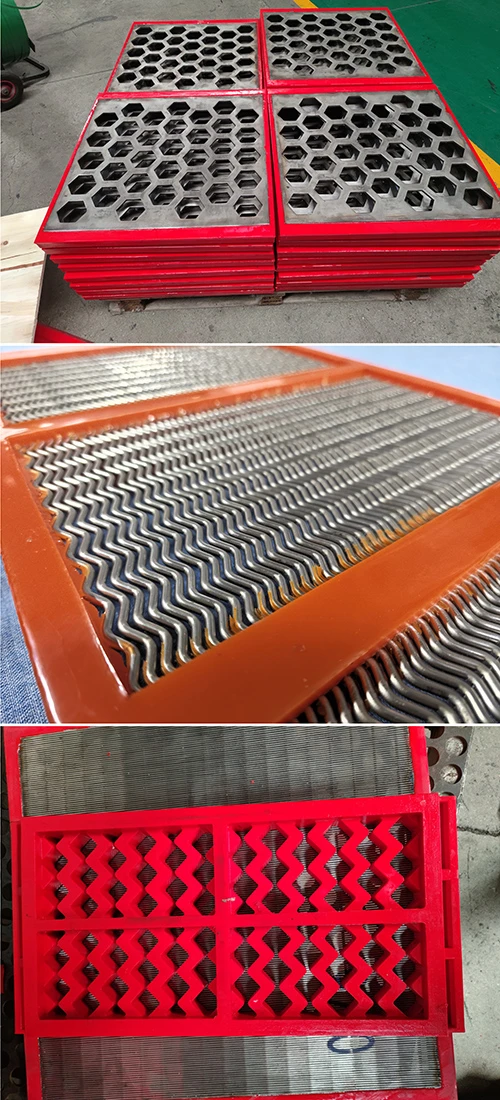
| Profile wire | V-wire 0.75–2.0 mm | Resistance-welded; low headloss |
| Open area | ≈ 60–75% | Real-world use may vary with fouling |
| Angle / curvature | 30–60°; R ≈ 800–1500 mm | Optimized for Coanda adhesion |
| Flow capacity | Up to 250 L/s per panel | Depends on slot and head |
How it’s made: materials, methods, testing
- Materials: SS304/316L or Duplex 2205, per ASTM A240; weld wire per AWS A5.9.
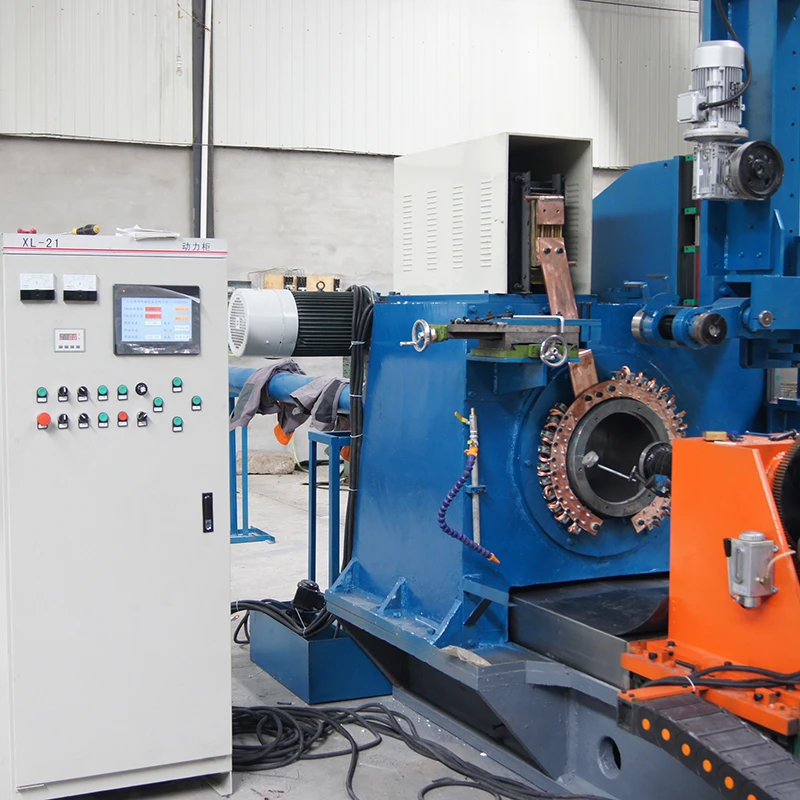
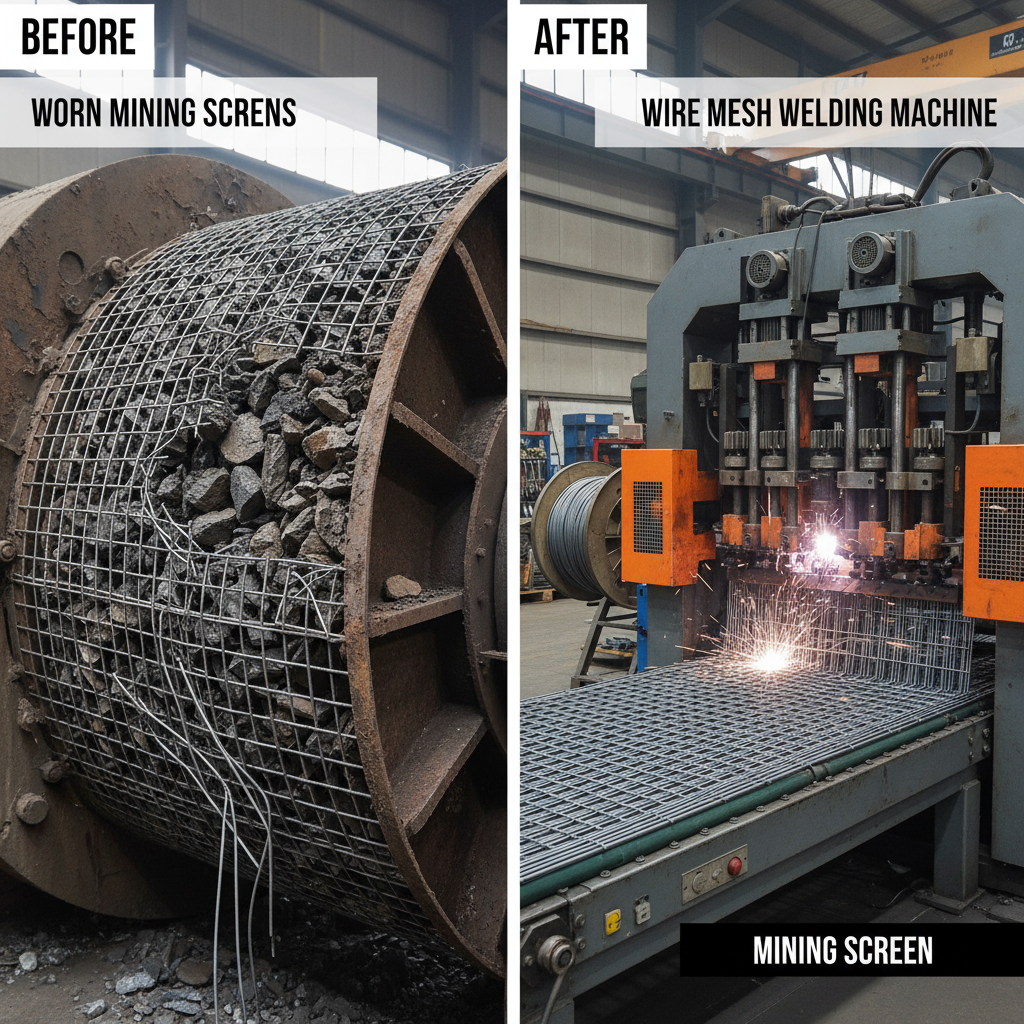
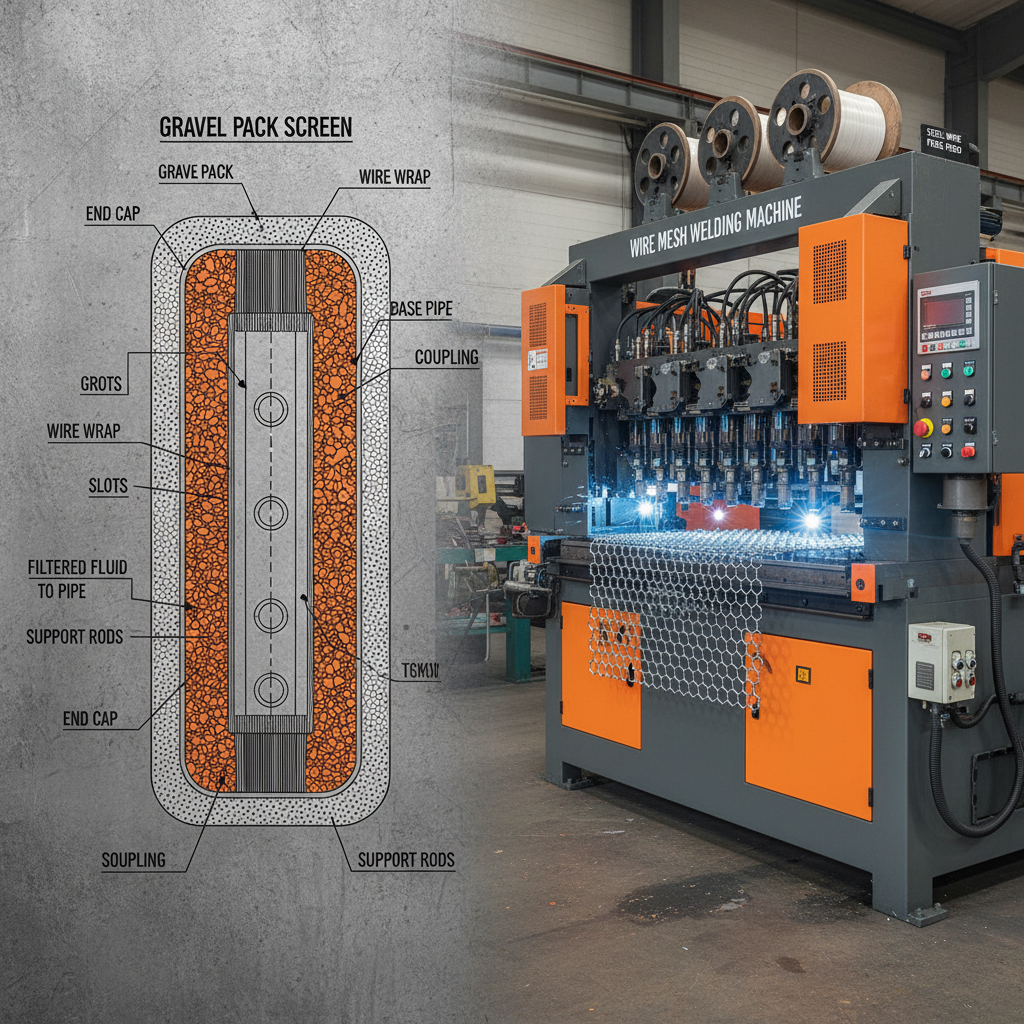
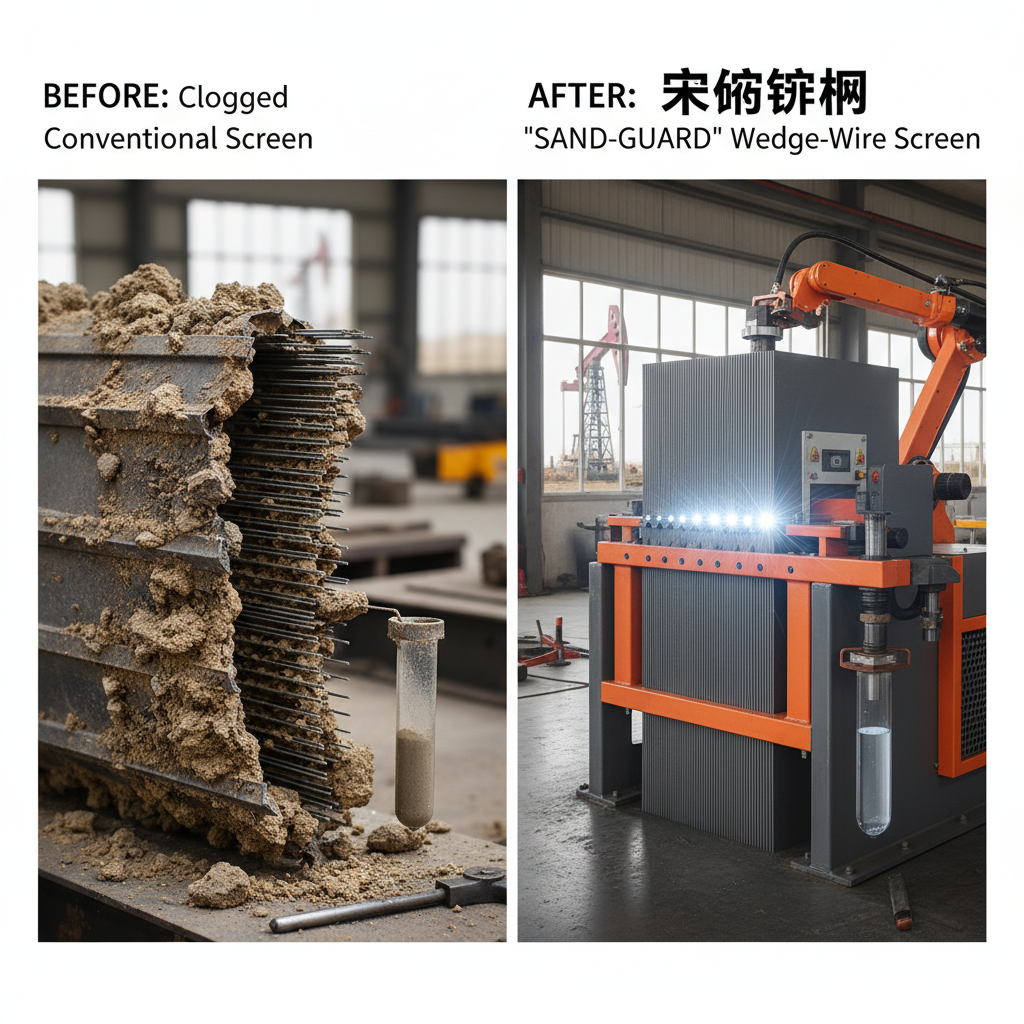
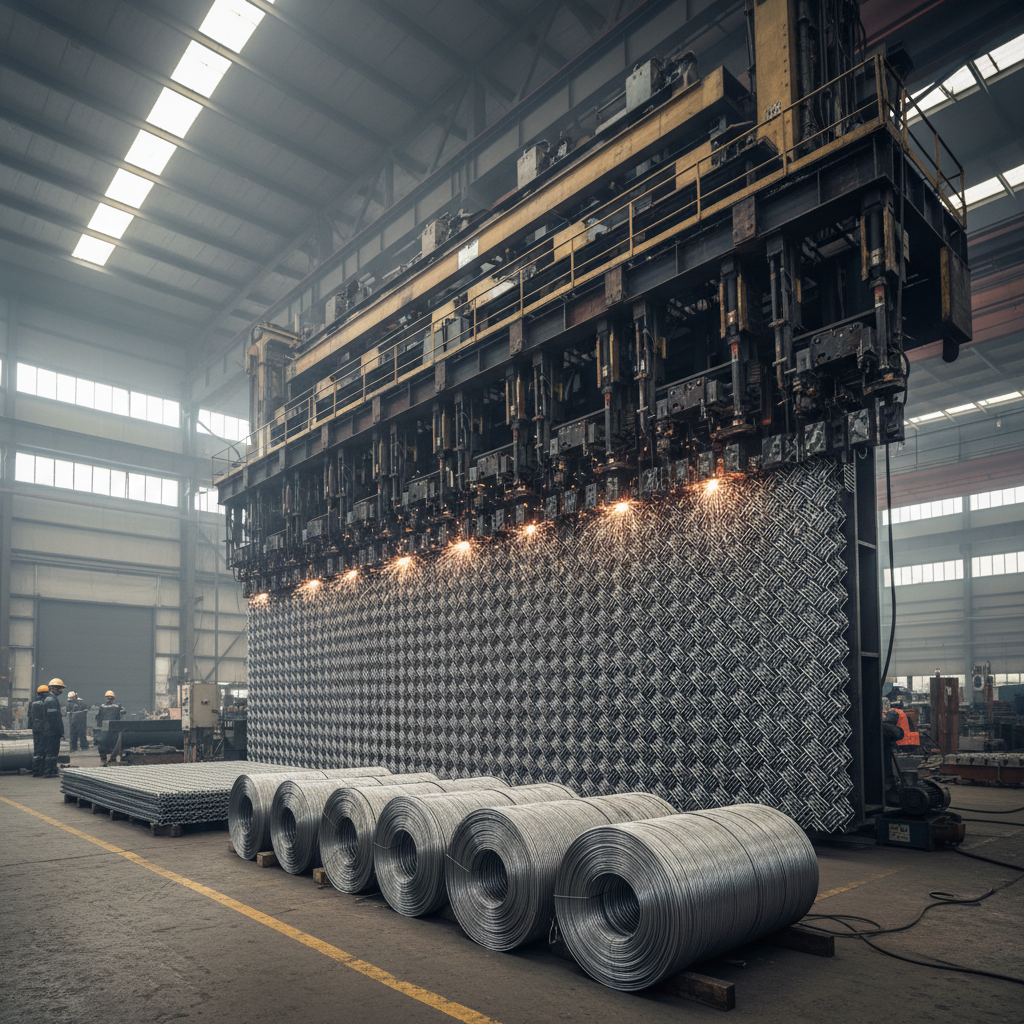
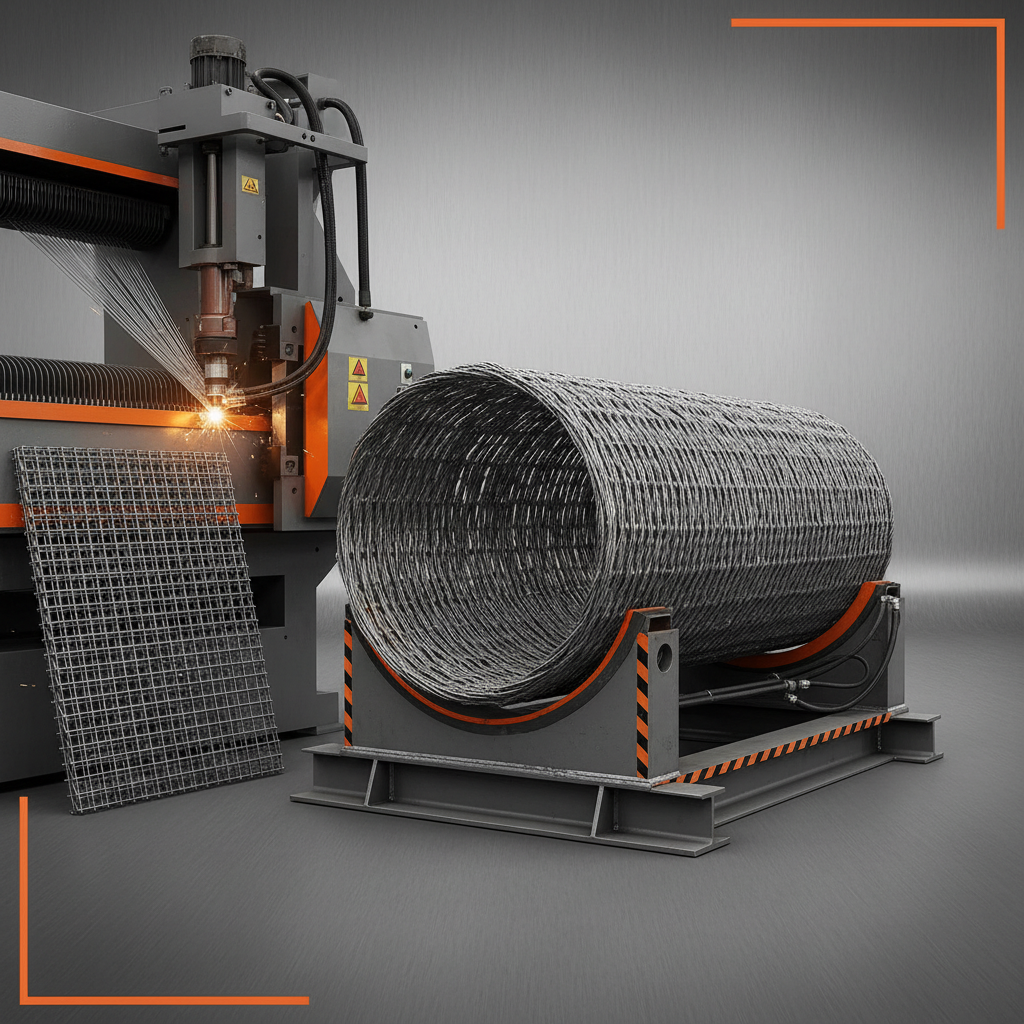
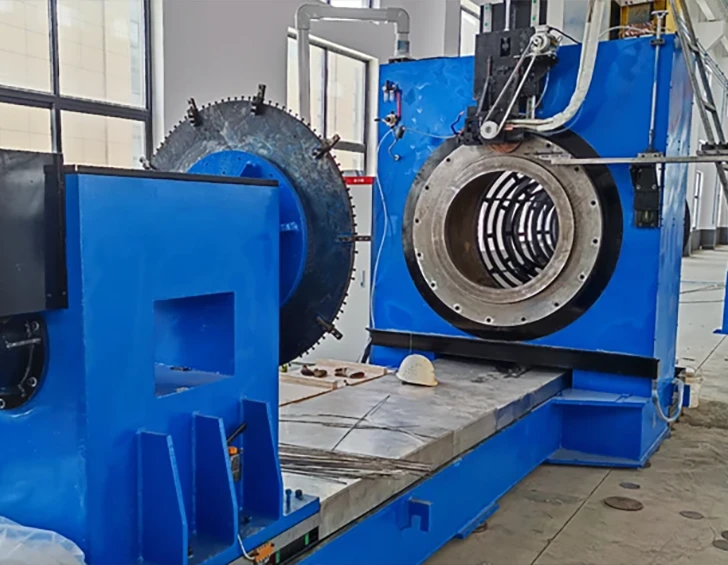
- Manufacture: V-profile wedge wire resistance-welded to support rods; TIG finishing; laser-cut frames.
- QA/Testing: slot gauge verification (±0.03–0.05 mm), dye penetrant on critical welds (ASME V), salt-spray when specified (ASTM B117), hydro/flow test on request.
- Certifications: ISO 9001:2015 plant; material MTRs; optional CE marking for structures.
- Service life: 10–20 years (site-dependent: abrasion, pH, grit).
Where it works best (and what people say)
Use cases: run-of-river hydro, municipal intakes, irrigation canals, aquaculture make-up water, stormwater polishing, and even desal pre-screens. Advantages? No moving parts, self-cleaning hydraulics, low headloss, fish-friendly approach velocities. Many customers say maintenance drops to seasonal inspections. One ops manager told me, “We stopped budgeting for brush kits.” To be honest, that’s the dream.
Vendor snapshot (you’ll want to compare)
| Vendor | Origin | Lead Time | Customization | Certs | Warranty |
|---|---|---|---|---|---|
| MUTO Screen (Coanda Screen) | Hengshui, Hebei | ≈ 3–6 weeks | Slots, radius, frames, coatings | ISO 9001; MTRs | 12–24 months |
| Generic Importer A | Mixed | 4–10 weeks | Limited | Varies | 6–12 months |
| Local Fabricator B | Regional | 2–8 weeks | Good, depends on tooling | ISO optional | 12 months |
Customization and options
Common add-ons: anti-icing heat trace, replaceable leading-edge bars, mounting rails, CIP spray headers for algae seasons, cathodic protection in brackish sites. If you’re evaluating a coanda screen for sale, ask for slot verification reports and flow curves at your head.
Mini case notes
- Mountain micro-hydro (≈180 kW): 0.75 mm slot, SS316L; headloss kept under 6 mm at design flow; fall debris shed without manual cleaning.
- Irrigation canal retrofit: 1.5 mm slot, duplex 2205; grit load ≈ 250 mg/L; post-monsoon inspection showed minimal wear.
Bottom line: if reliability is the brief, a coanda screen for sale with proven weld quality, real test data, and the right slot for your biology and silt is hard to beat.
Authoritative citations
- U.S. Bureau of Reclamation – Coanda-Effect Screen evaluations and fish exclusion guidance.
- ASTM A240/A240M – Standard Specification for Chromium and Chromium-Nickel Stainless Steel Plate, Sheet, and Strip.
- ISO 9001:2015 – Quality management systems requirements for manufacturing.
- ASME Section V – Nondestructive Examination (dye penetrant testing).
- ASTM B117 – Standard Practice for Operating Salt Spray (Fog) Apparatus.