Polyurethane Screens & the humble rail seat: field notes from the deck
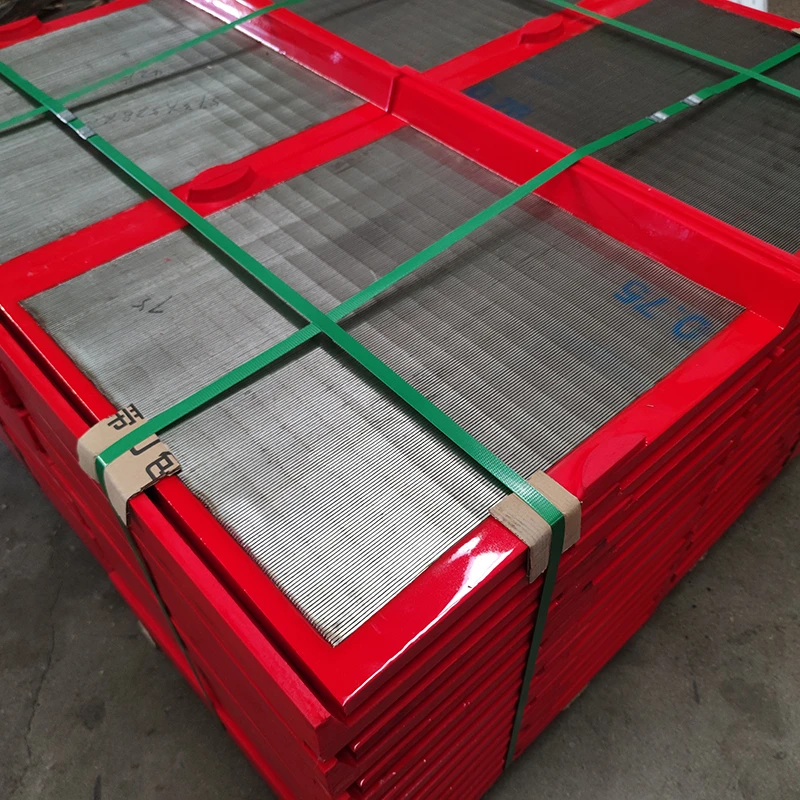
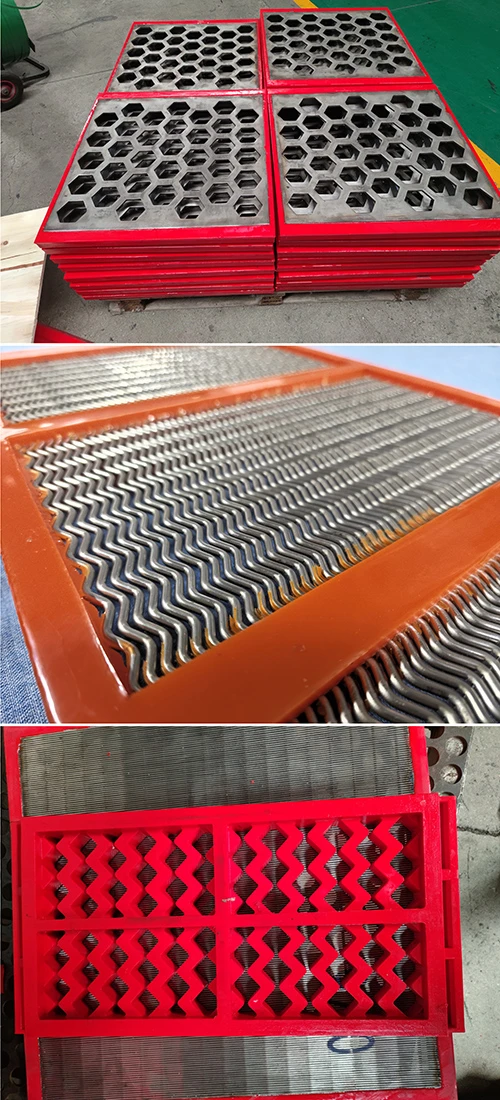
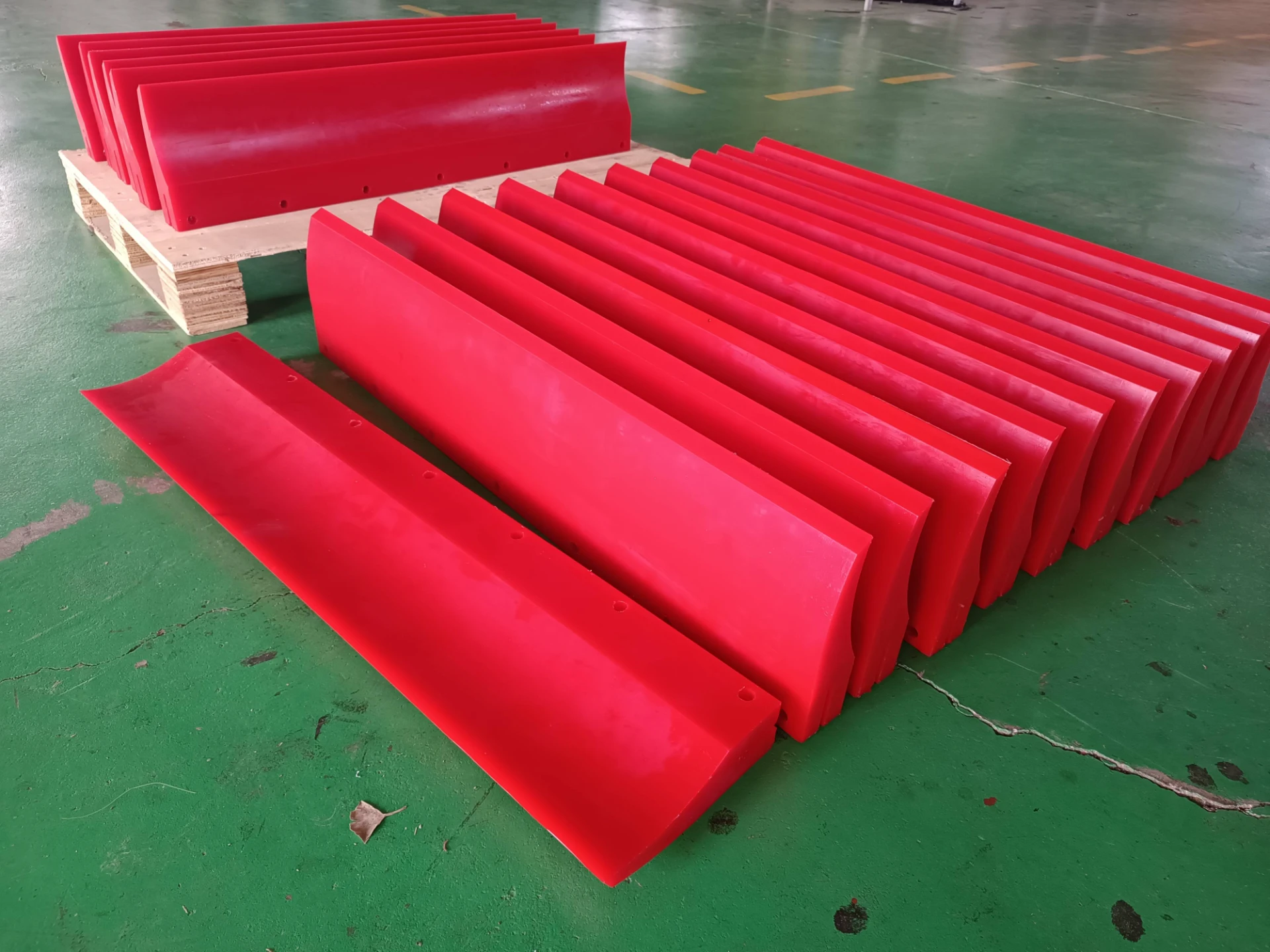
If you’ve worked around screening plants for any length of time, you already know the unsung hero isn’t always the panel—it’s the rail seat that keeps the whole deck honest. That said, let’s start with the media itself. Modern Polyurethane Screens have changed the noise profile, uptime, and even energy draw of vibrating equipment in real plants. And yes, the rail seat is the backbone that stabilizes that performance.
What’s trending on the deck
Plants are moving to modular media, lower-noise polyurethane, and smarter maintenance intervals fed by vibration analytics. The conversation I keep hearing on job sites: “longer wear, less blinding, fewer shutdowns.” Honestly, Polyurethane Screens plus a well-made polyurethane rail seat often deliver exactly that. Sustainability? It’s creeping in—operators ask about recyclable elastomers and FRAS options for underground work.
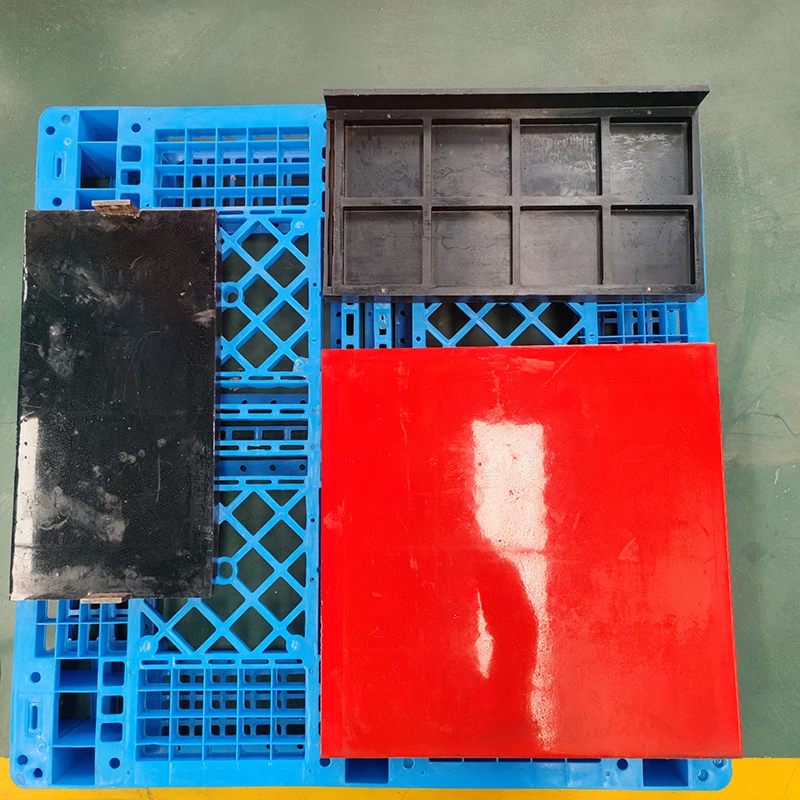
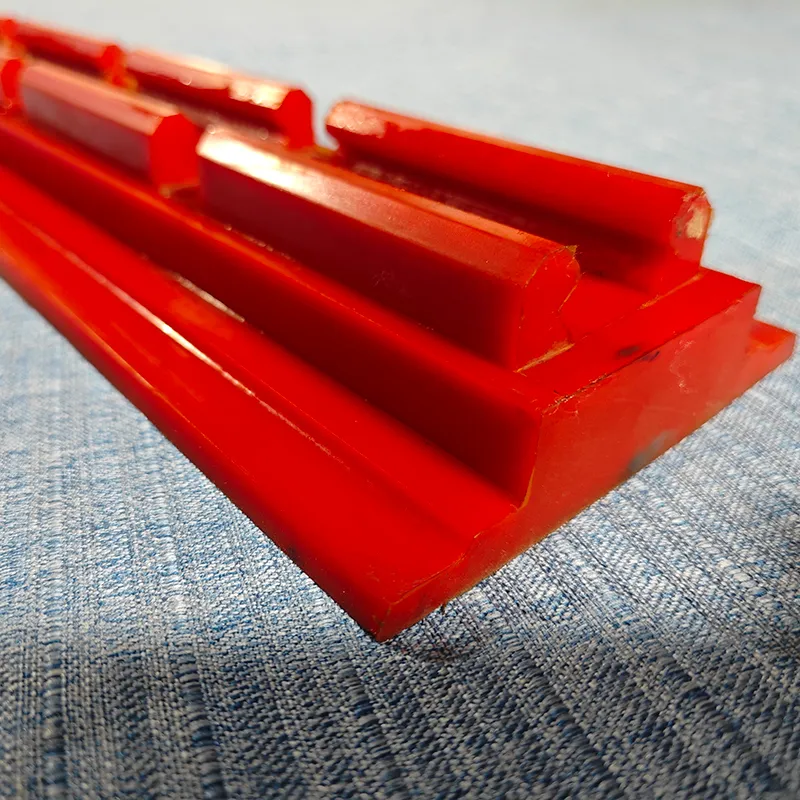
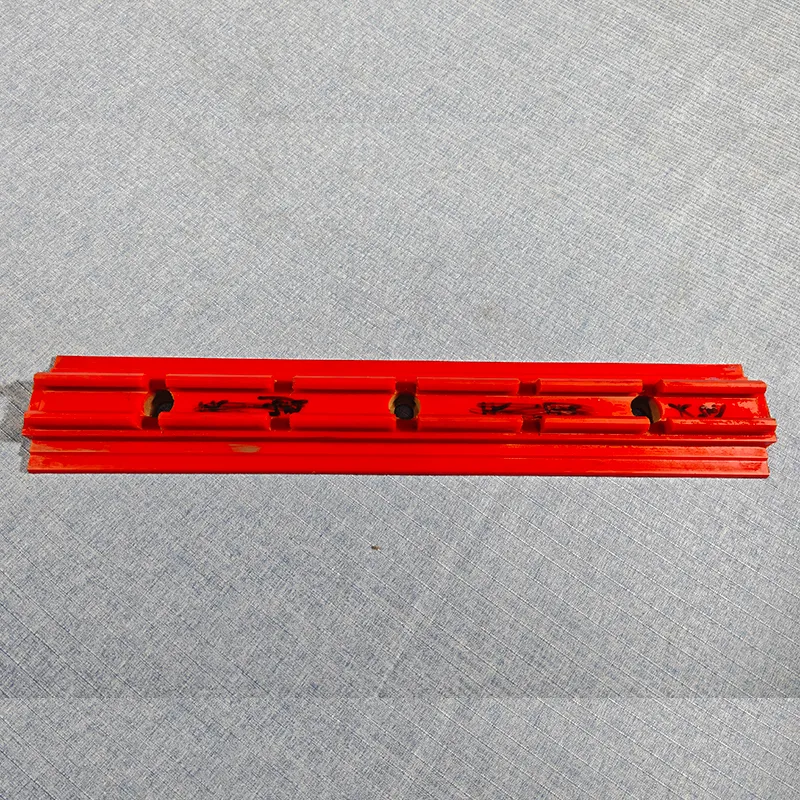
Product focus: Polyurethane Rail Seat for Vibrating Screen
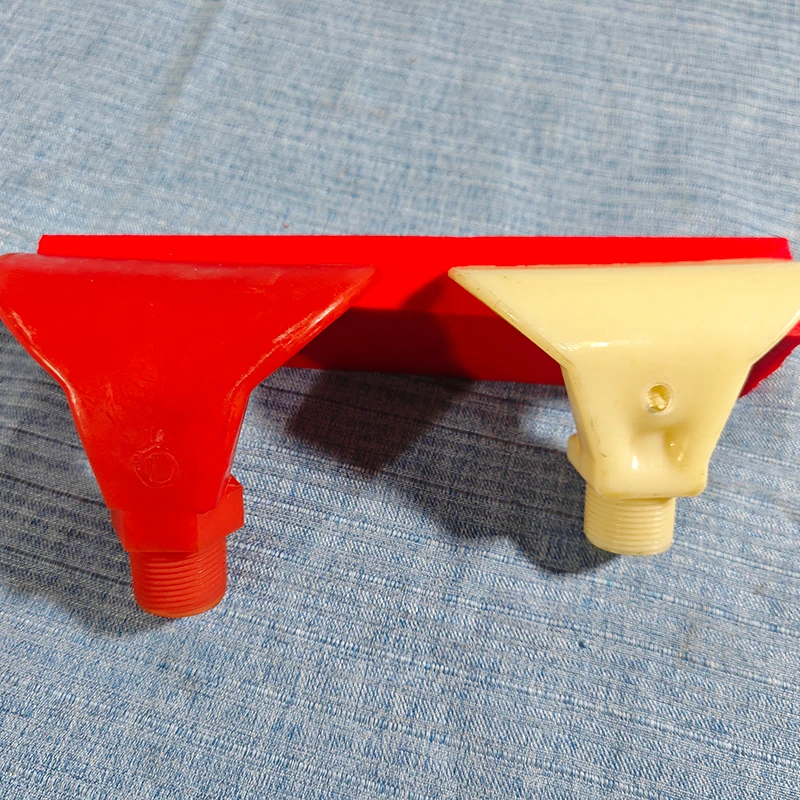
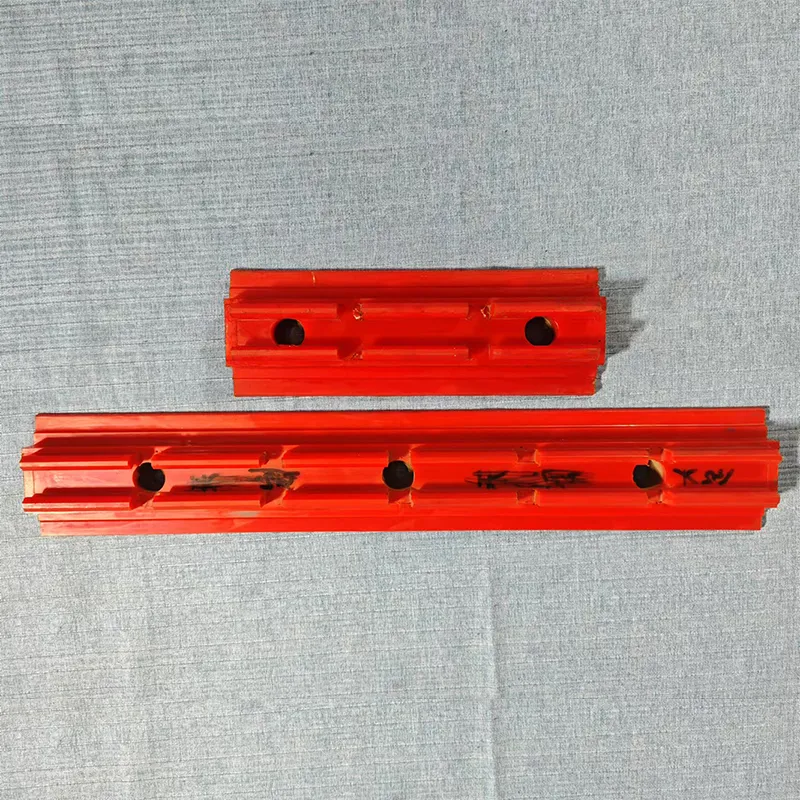
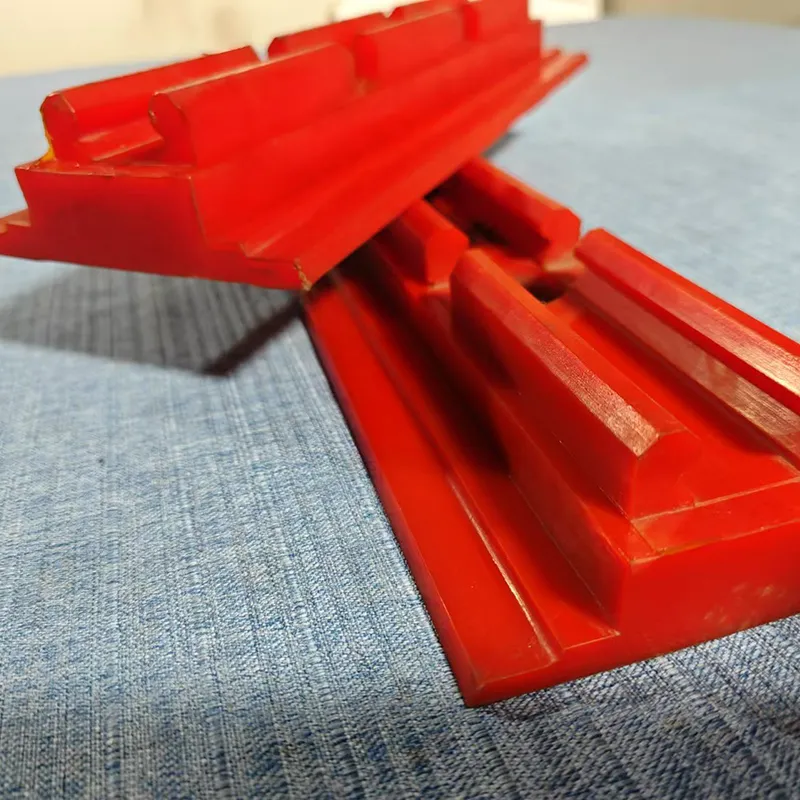
Origin: Hehuang Road, Anping County, Hengshui, Hebei Province. This rail seat supports and fixes the screen frame, damping vibration peaks and keeping panel alignment. In practice, that means fewer cracked stringers and better cut accuracy. Many customers say the first thing they noticed was quieter operation—then a cleaner top deck.
Manufacturing flow, testing, and service life
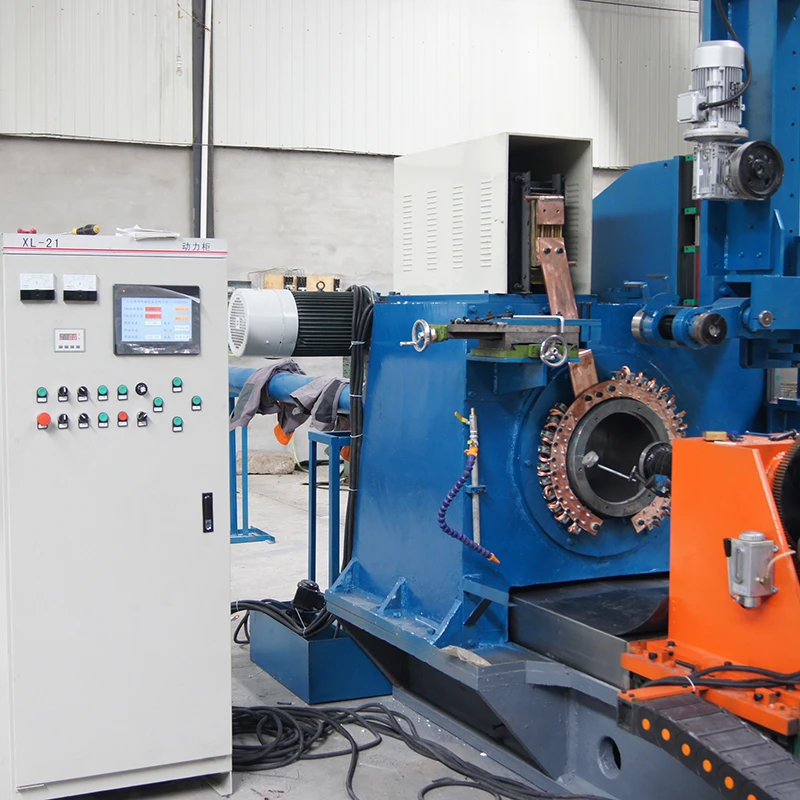
Material is typically hot-cast MDI-based polyurethane elastomer (with wear-optimized curatives) over a treated steel insert or reinforced core. The method: precision mold, controlled cure, then post-cure. Bonding is surface-prepped (grit blast + primer), then adhesion tested. QA includes hardness per ASTM D2240, abrasion per DIN 53516, tensile per ASTM D412, and vibration endurance aligned with ISO 10816 guidelines. Real-world life: ≈ 6–24 months depending on throughput, ore abrasiveness, and deck geometry—coal fines are kind; silica sand is not.
Typical Specifications (rail seat)
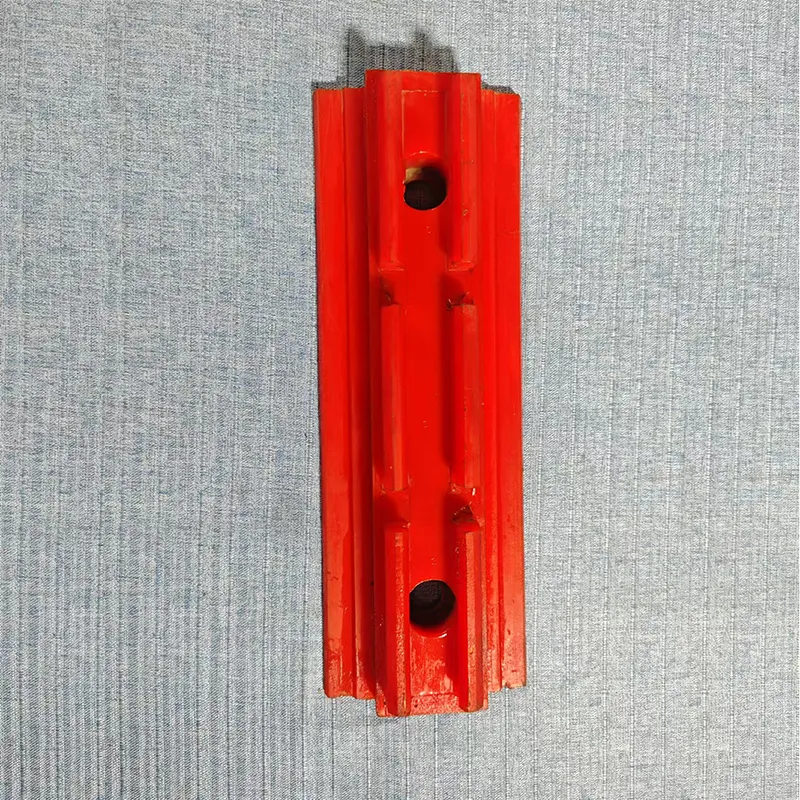
| Parameter | Spec (≈, real-world use may vary) |
|---|---|
| Material | MDI hot-cast polyurethane elastomer, steel-reinforced core |
| Hardness | Shore A 85–95 (ASTM D2240) |
| Abrasion loss | ≤ 80 mm³ (DIN 53516) |
| Tensile strength | ≥ 25 MPa (ASTM D412) |
| Operating temp | -30 to +80 °C (short peaks +90 °C) |
| Color | Orange/Yellow (custom on request) |
| Mounting | Clamp-on or bolt-through; OEM pattern compatible |
Where it fits
Mining (iron ore, copper), quarrying & aggregates, coal prep, sand & gravel, recycling (C&D). Pair with Polyurethane Screens on primary/secondary decks for wet or dry cuts. On high-impact feed, consider a slightly softer durometer to absorb shock; for sharp silica, go harder.
Vendor landscape (quick take)
| Vendor | Lead time | Customization | Certs | After-sales | Price level |
|---|---|---|---|---|---|
| MutoScreen (Hebei) | ≈ 2–4 weeks | High (durometer, geometry, OEM match) | ISO 9001; RoHS/REACH on request | Installation guidance, samples | Mid |
| Global Brand A | 3–6 weeks | Medium–High | ISO 9001/14001 | Global service network | High |
| Regional Fabricator | 1–3 weeks | Medium | Varies | Phone support | Low–Mid |
Customization and field feedback
Options include Shore A 80–95, groove geometry, FRAS compounds, clamp or bolt styles, anti-hydrolysis additives for hot/wet circuits. Customers tell me swap-outs are faster when the rail seat profile matches their legacy deck—seems obvious, but it’s often missed in RFQs.
Mini case files
- Aggregate plant (North China): rail seat + Polyurethane Screens cut downtime by ≈ 28%; deck noise dropped ≈ 4–6 dB(A) vs. worn rubber.
- Coal prep (Southeast Asia): changed to harder durometer; top deck life extended from 7 to 11 months; blinding reduced after switching to tapered apertures.
Quick test note: abrasion wheel, 10 N load, 40 m—sample loss averaged 65–75 mm³ (DIN 53516). Hardness drift after 500 h thermal aging: +1–2 Shore A (ASTM D2240). That’s respectable, to be honest.
If you’re speccing a retrofit from Hehuang Road, Anping County, Hengshui: measure existing rail width, height, bolt pitch, and check your panel locking system. Send photos. It saves everyone a headache and keeps those Polyurethane Screens running the way they should.
References
- ASTM D2240 – Standard Test Method for Rubber Property—Durometer Hardness. https://www.astm.org/d2240
- DIN 53516 – Testing of rubber; determination of abrasion resistance. https://www.din.de
- ISO 10816 – Mechanical vibration—Evaluation of machine vibration. https://www.iso.org/standard/37211.html
- ASTM D412 – Standard Test Methods for Vulcanized Rubber and Thermoplastic Elastomers—Tension. https://www.astm.org/d0412