Wedge Wire Sieve Bend Screen: What Buyers Need to Know in 2025
If you process slurry, pulp, or sticky fines, you’ve probably toyed with a sieve bend screen at some point. In fact, DSM-style curved panels are having a quiet resurgence—driven by water reuse mandates, lower CAPEX versus vibratory setups, and honestly, the sheer simplicity: no motors, no nonsense. I’ve walked lines from Hebei to the Midwest, and the pattern is the same—plants want stable throughput, less blinding, and predictable spares.
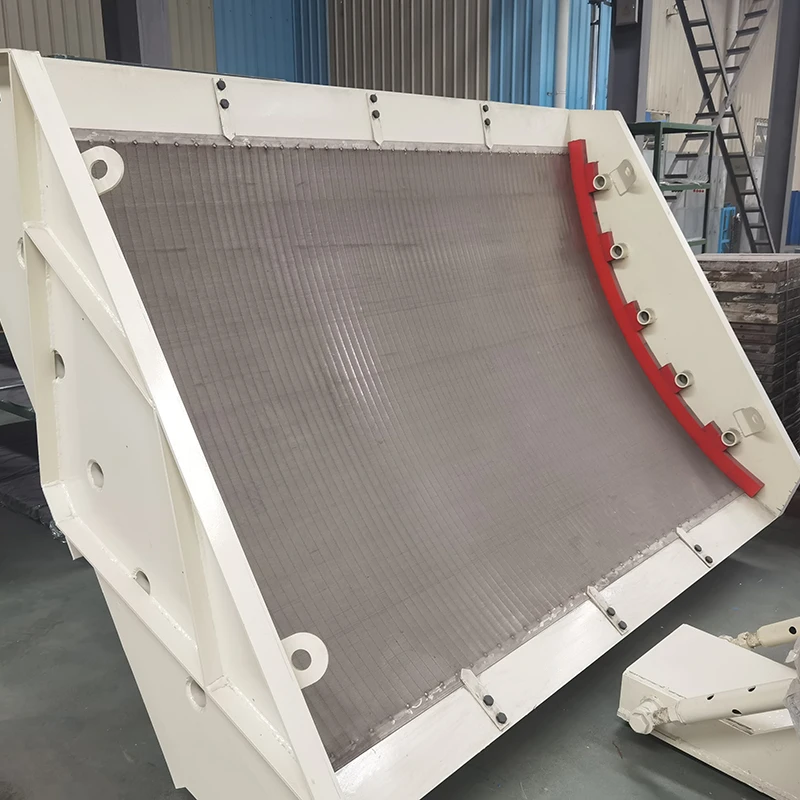
How it’s built (and why it matters)
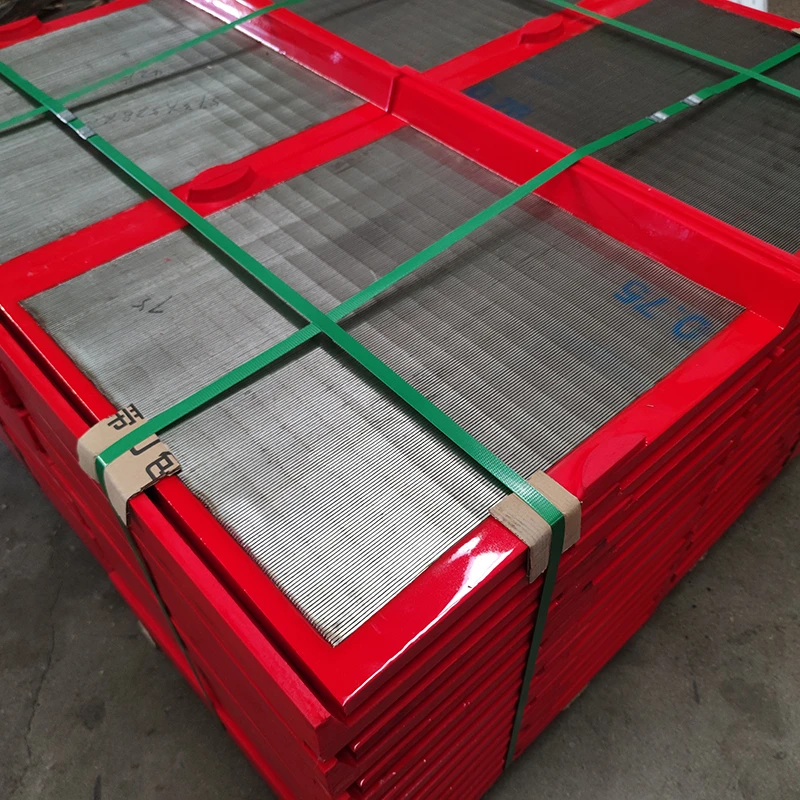
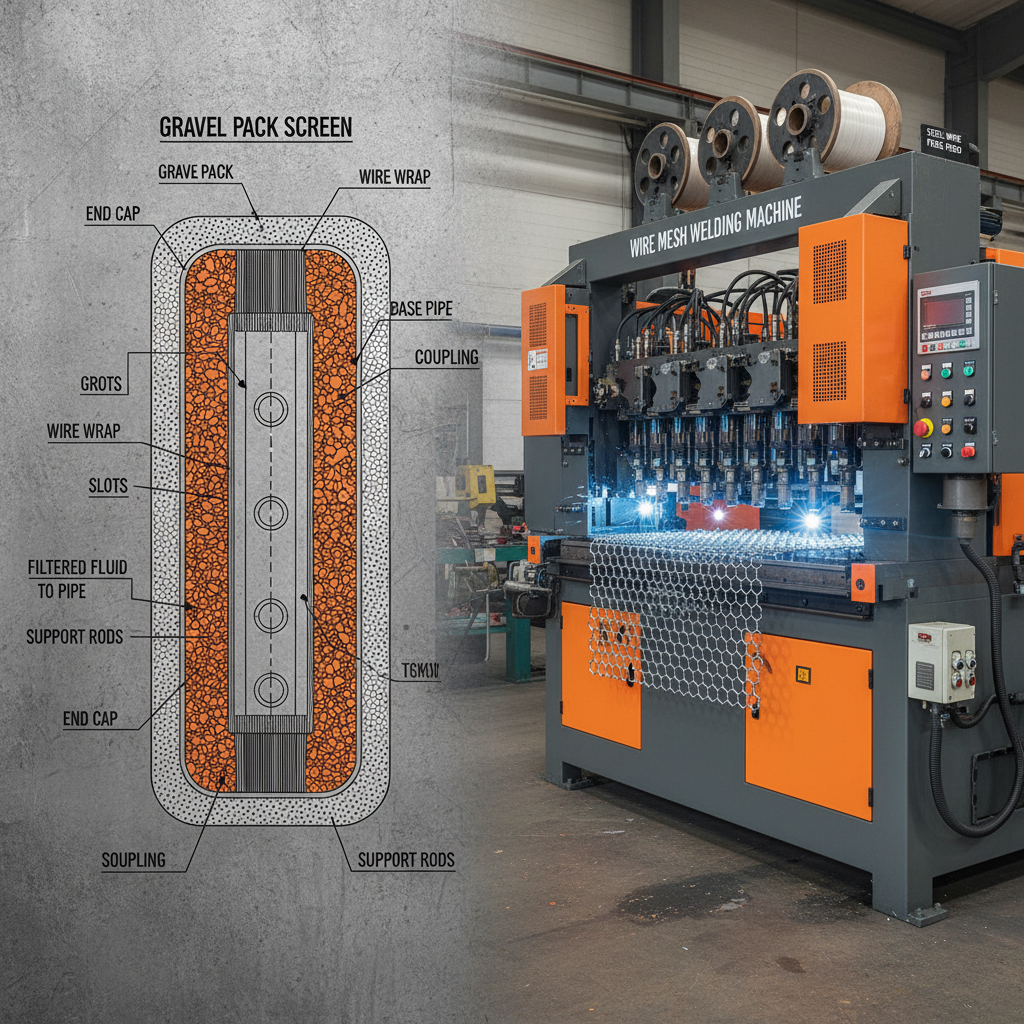
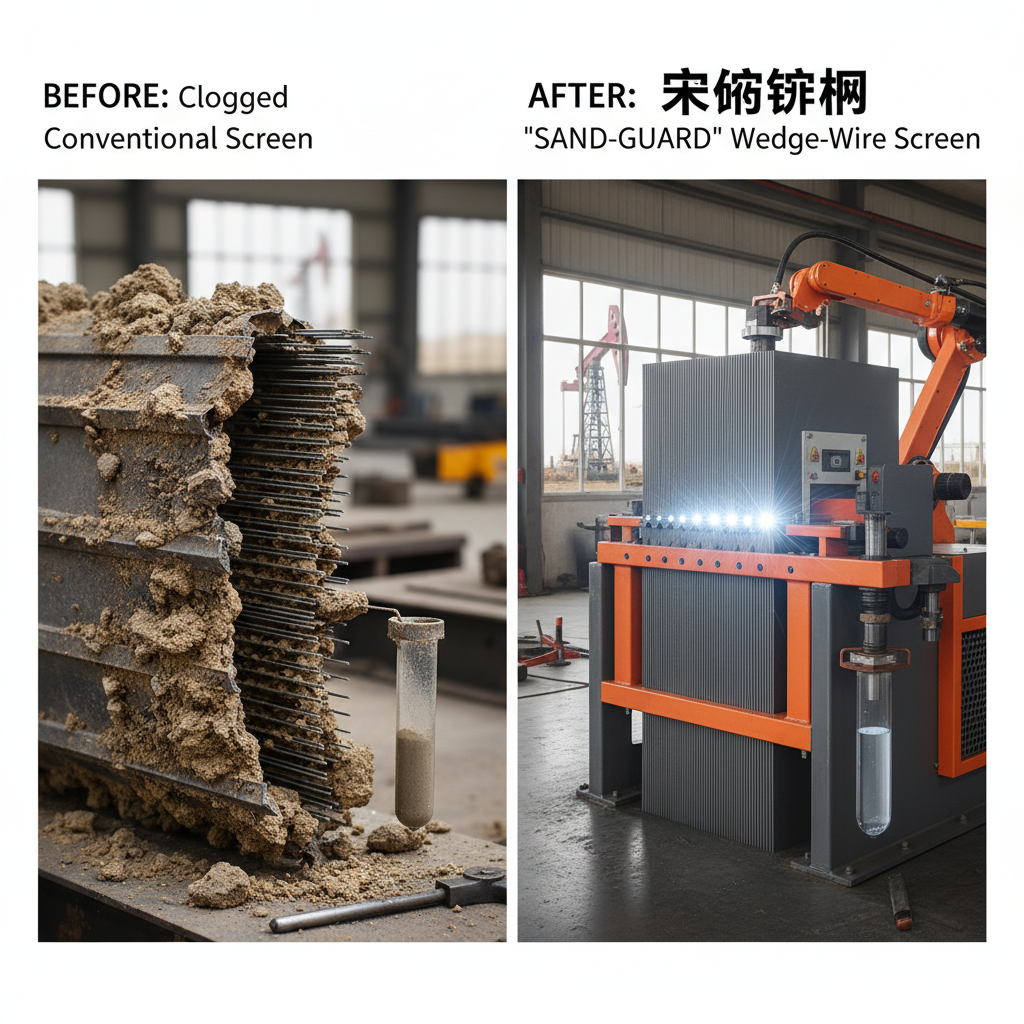
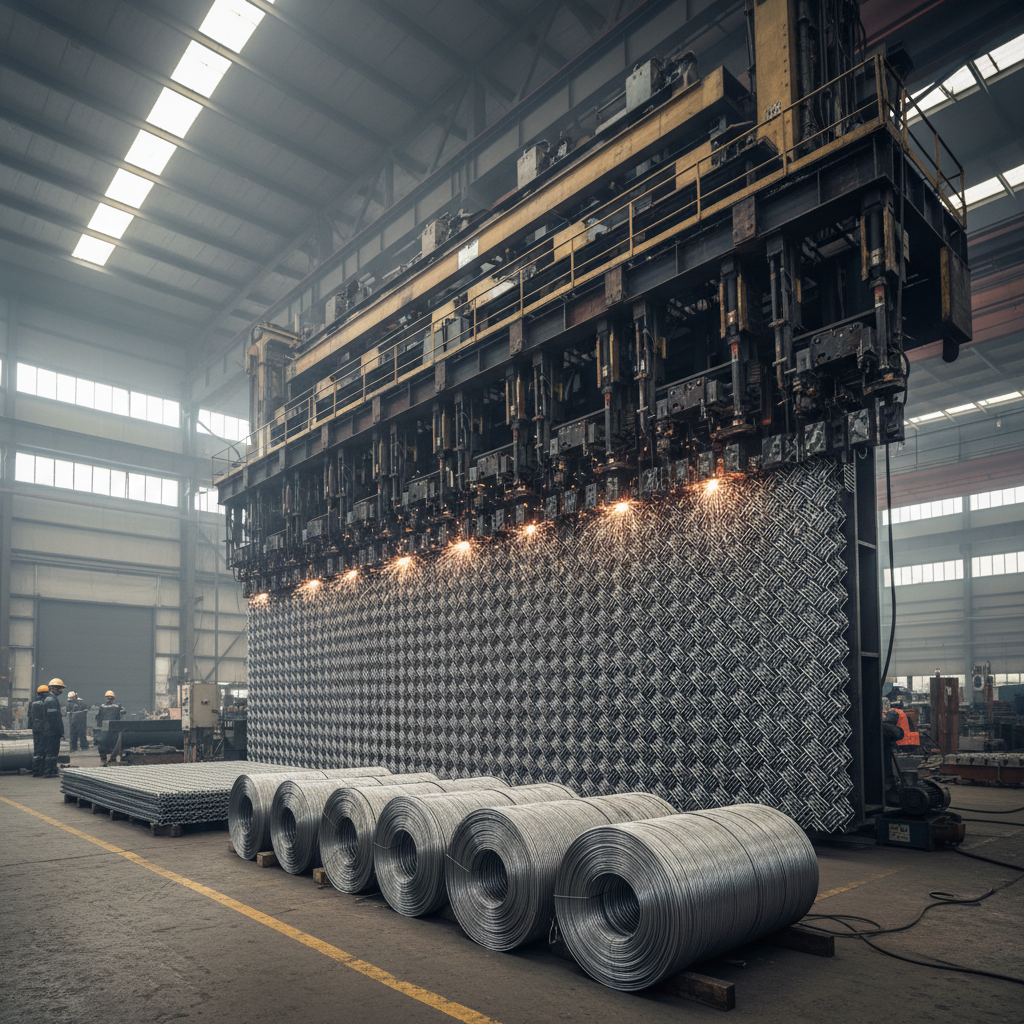
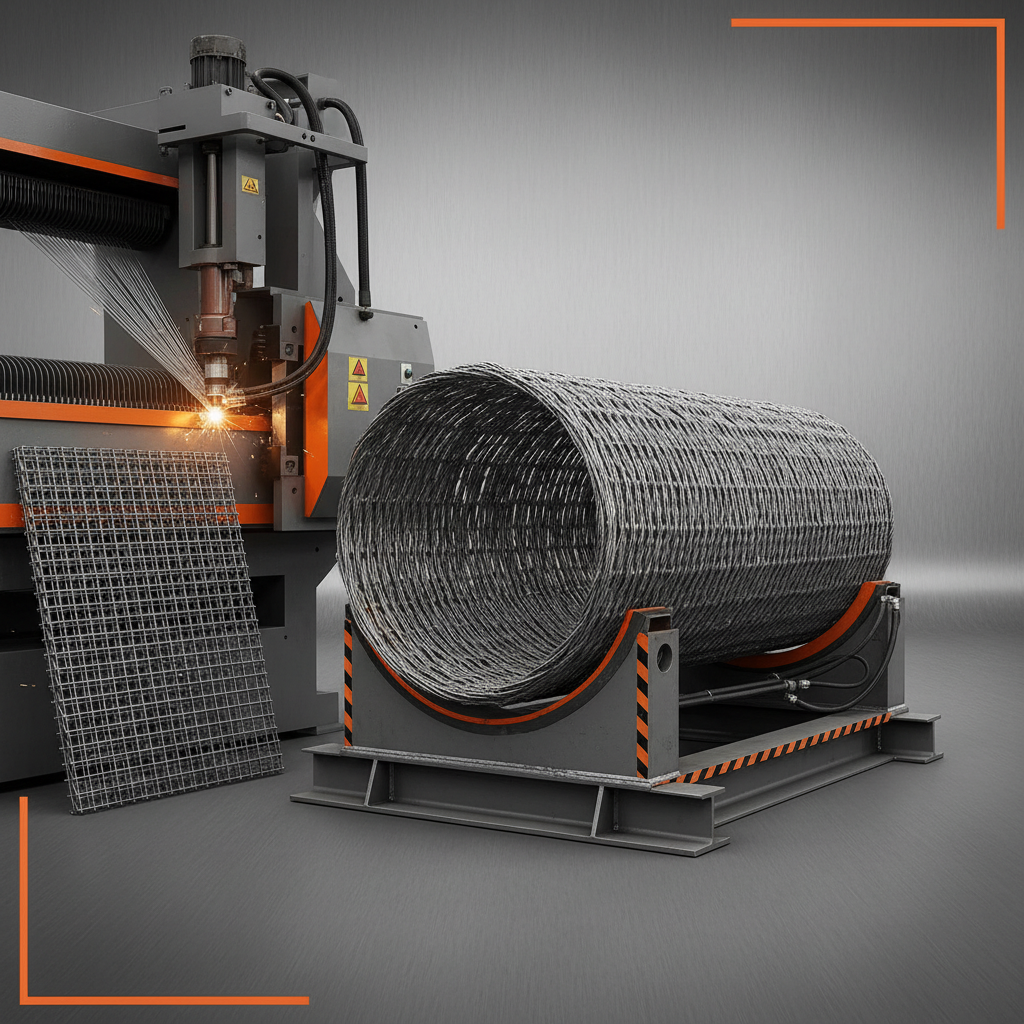
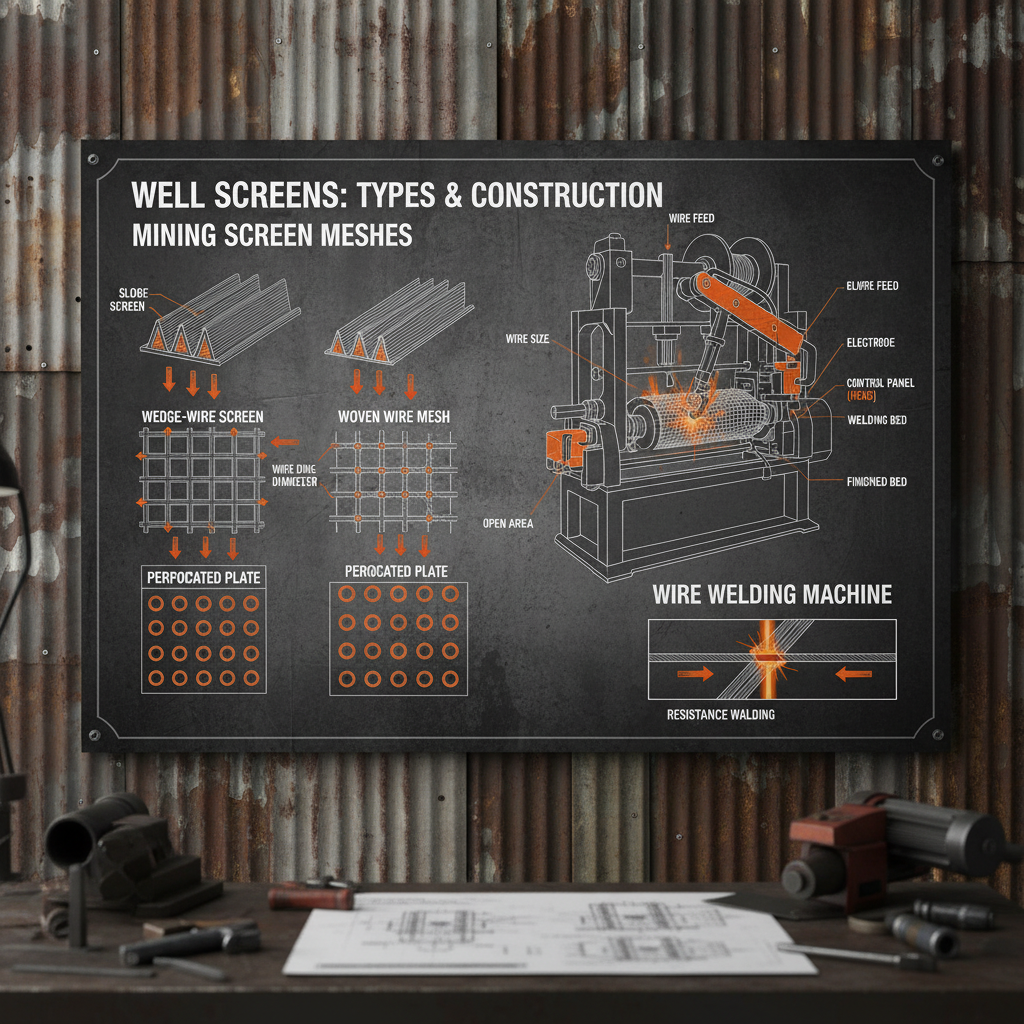
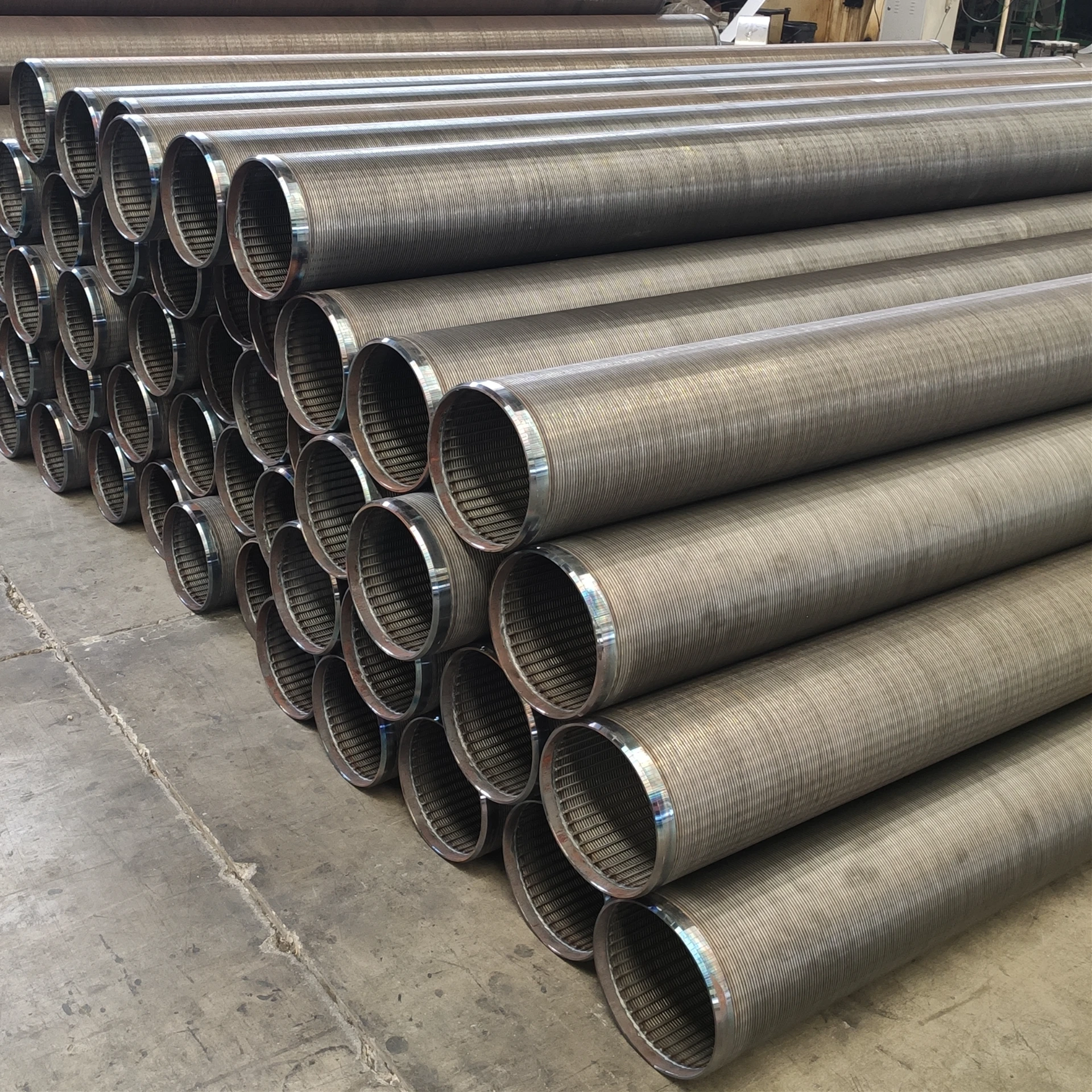
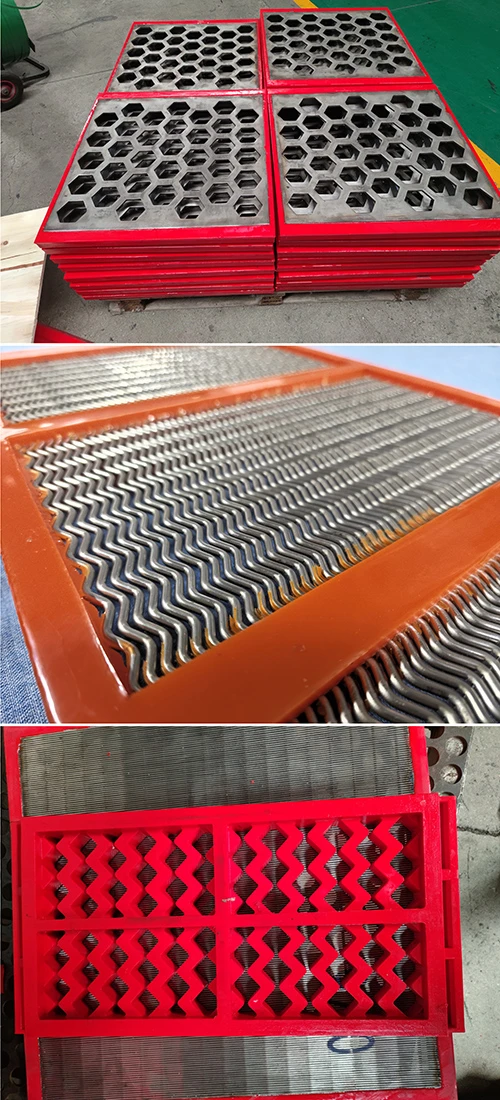
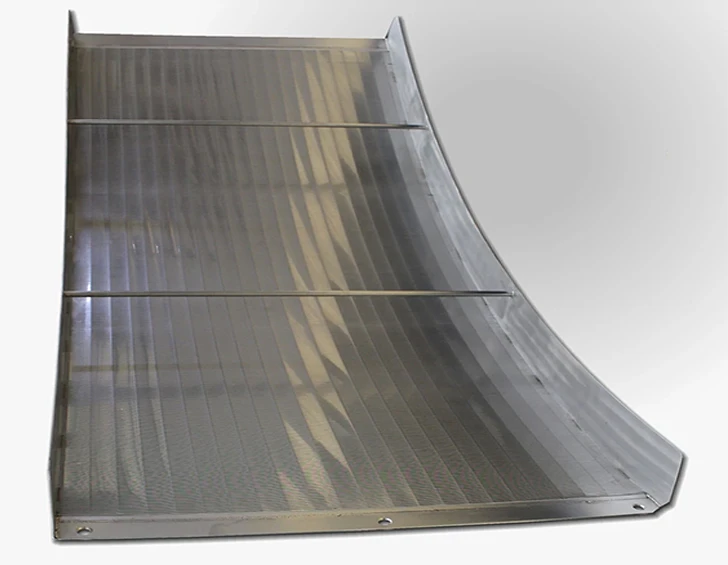
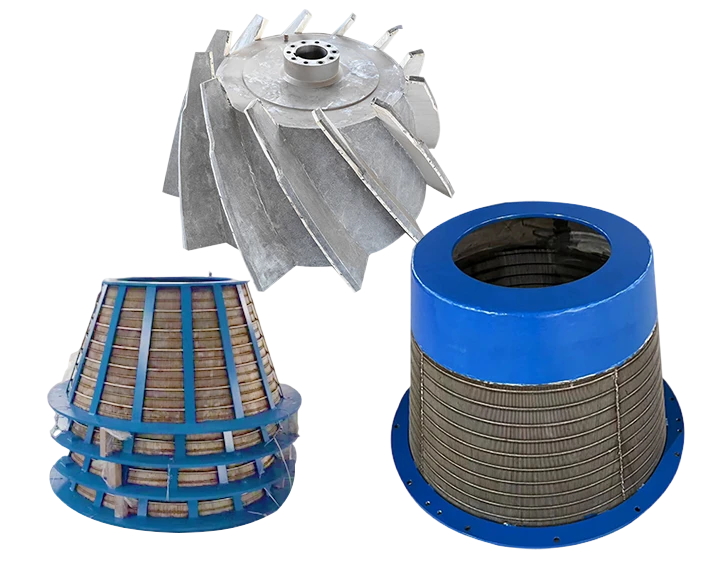
The Wedge Wire Sieve Bend Screen—often called DSM—uses V-shaped (wedge) profiles welded to support rods, then formed into a curve. The V-wire gives a self-cleaning action; solids ride the crest, water accelerates through slots. Typical alloys: 304/316L for general duty; 2205 duplex when chloride stress corrosion is a worry; occasionally 904L for aggressive pulp liquor. Origin note: the unit I’m reviewing here is produced in Hehuang Road, Anping County, Hengshui, Hebei Province—an area that, to be honest, lives and breathes wire screens.
Process flow, materials, and testing
- Materials: 304/316L/2205 stainless; wedge profiles ≈ 1.2–3.0 mm tip width; support rods typically 3×5 mm or round.
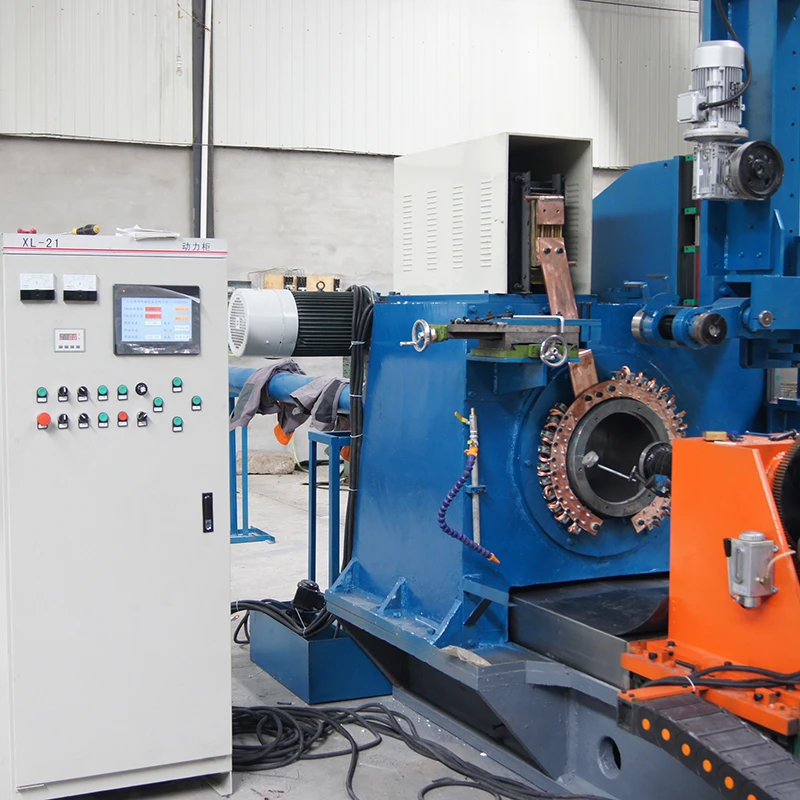
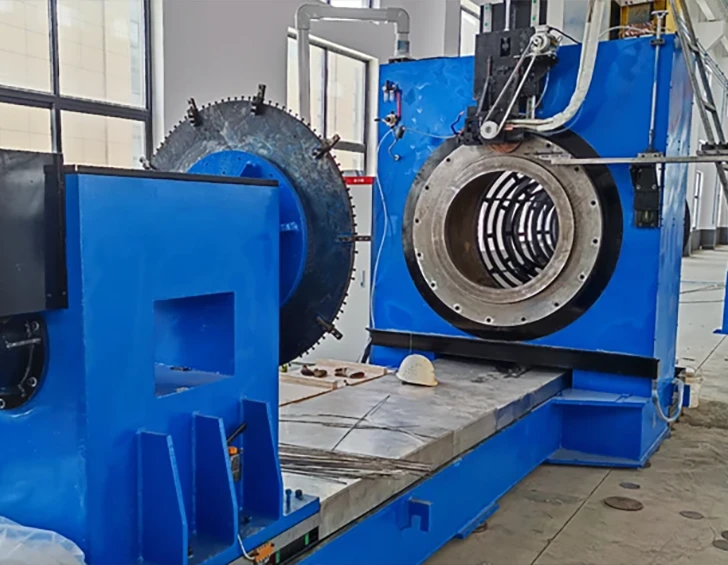
- Methods: resistance or TIG welding; arc forming to 45°, 60°, 90°, or 120°; precision slot grinding/measurement.
- Testing: slot-width gauges (±0.02 mm); flow-pressure drop checks; salt spray/corrosion screening; hardness per ASTM; occasional abrasion checks (lab-scale, real-world use may vary).
- Service life: around 12–36 months in abrasive slurries; longer with proper spray bars and 316L/2205.
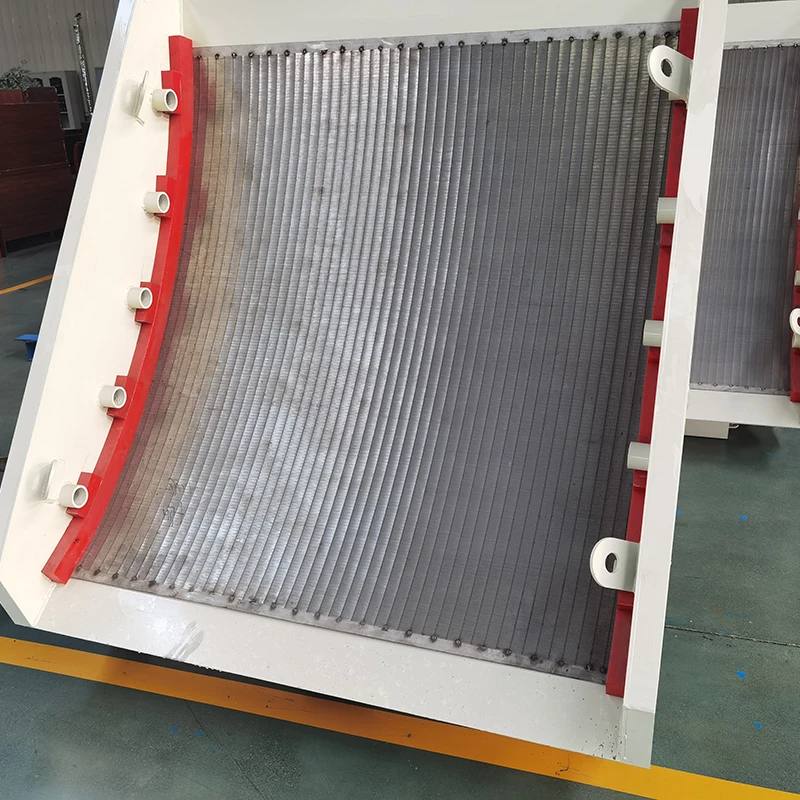
Where sieve bend screen panels shine
- Mining & coal prep: primary dewatering, desliming before cyclones.
- Starch, sugar, and breweries: gentle, predictable separation; spent grain dewatering.
- Pulp & paper: white water recovery; fiber capture.
- Municipal/industrial wastewater: fine screening ahead of DAF or MBR; scum/rag control.
Advantages? High open area (≈60–70%), fewer moving parts, and non-clogging geometry. Many customers say the quietness and low maintenance are surprisingly addictive once the operation team gets used to it.
Key Specifications (typical)
| Slot opening | 0.2–2.0 mm (±0.02 mm) |
| Arc angle / radius | 45°, 60°, 90°, 120° / custom radius |
| Width × length | Up to ≈2000 × 1500 mm (larger on request) |
| Alloys | SS304, SS316L, 2205 duplex (others by request) |
| Throughput | ≈120–250 m³/h per meter width at 0.5 mm slot, 60° arc (real-world use may vary) |
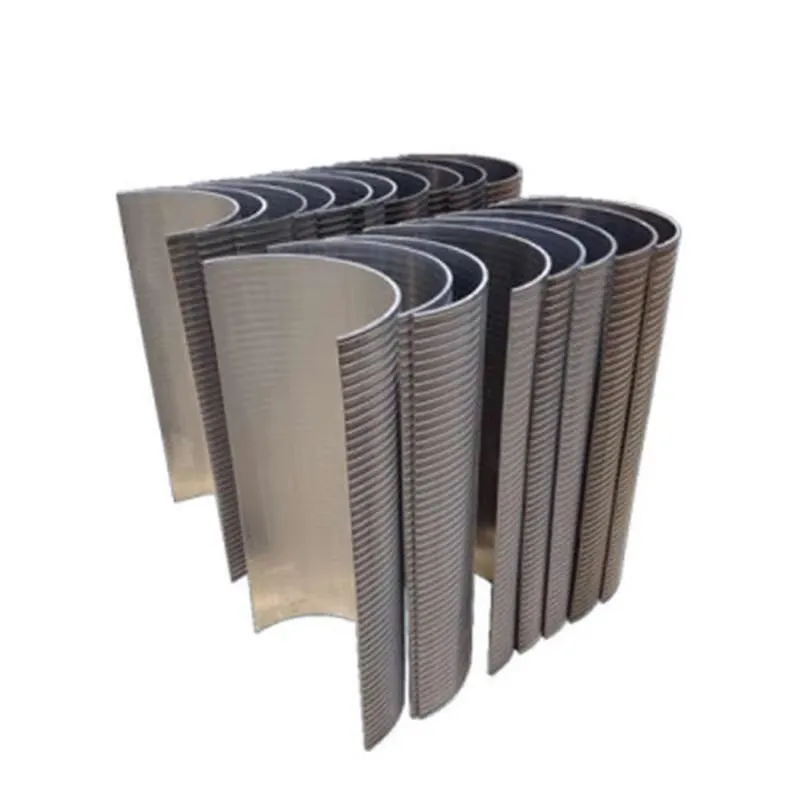
Customization checklist
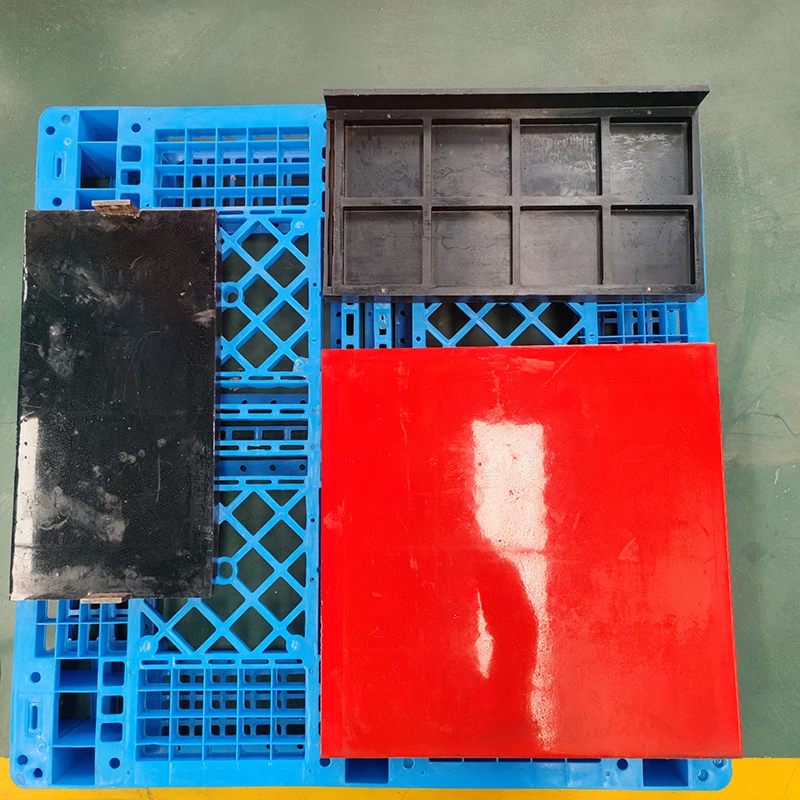
Pick slot size by particle cut (e.g., 0.3–0.5 mm for many starch lines), choose arc angle by footprint and head pressure, and don’t forget spray bars. Frame styles (drop-in, bolted, with flanged launders) save installers a world of pain.
Vendor landscape (quick look)
| Vendor | Materials | Lead time | Certs | Price index | Notes |
|---|---|---|---|---|---|
| MUTO Screen (Anping, China) | 304/316L/2205 | 2–4 weeks | ISO 9001 | $ | Strong customization; fast tooling |
| Johnson Screens | 316L/duplex | 4–8 weeks | ISO 9001, ISO 14001 | $$$ | Global service network |
| Multotec | 304/316 | 3–6 weeks | ISO 9001 | $$ | Mining-focused packages |
Field notes and outcomes
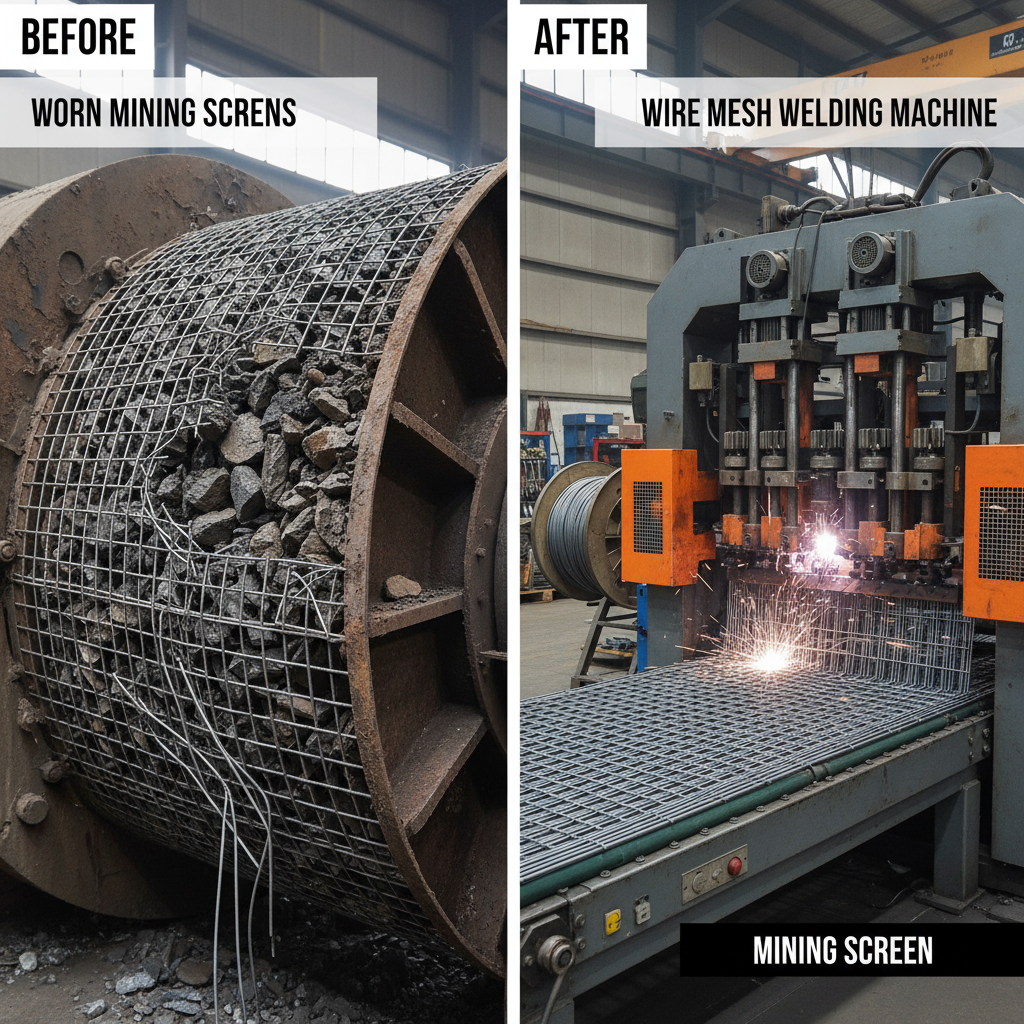
- Coal plant, APAC: swapped worn wire panels for 316L sieve bend screen at 0.5 mm slot; lab tests showed ≈18% better fines recovery; spray bar added reduced blinding by ~30%.
- Brewery, EU: 60° arc, 0.7 mm slot; operators report quieter line, less pump cavitation; maintenance every two weeks instead of daily—small thing, big morale boost.
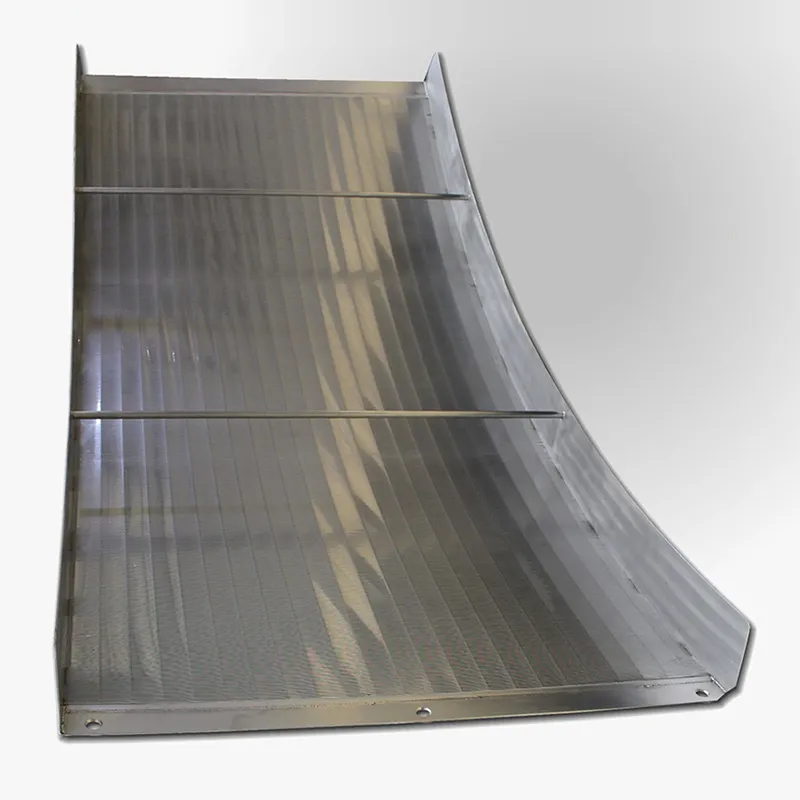
Standards, compliance, and what to ask vendors
Ask for MTRs per ASTM A240/A276, slot verification reports, and corrosion data if running chlorides. For sour gas adjacency (rare, but it happens), check compatibility with NACE MR0175/ISO 15156. Also, confirm ISO 9001 and, if you care about environmental audits, ISO 14001.
Final take
If you need predictable separation with minimal fuss, a modern sieve bend screen is still one of the most cost-effective tools. Slot control and alloy selection make or break performance—get those right, and the rest is boring (in the best way).
References
- ASTM A240/A240M – Standard Specification for Chromium and Chromium-Nickel Stainless Steel Plate, Sheet, and Strip.
- ISO 17824:2009 – Petroleum and natural gas industries — Downhole sand control screens.
- NACE MR0175/ISO 15156 – Petroleum and natural gas industries — Materials for use in H2S-containing environments.
- ASTM G48 – Pitting and crevice corrosion resistance of stainless steels and related alloys.