Understanding Water Well Sand Screen Technology
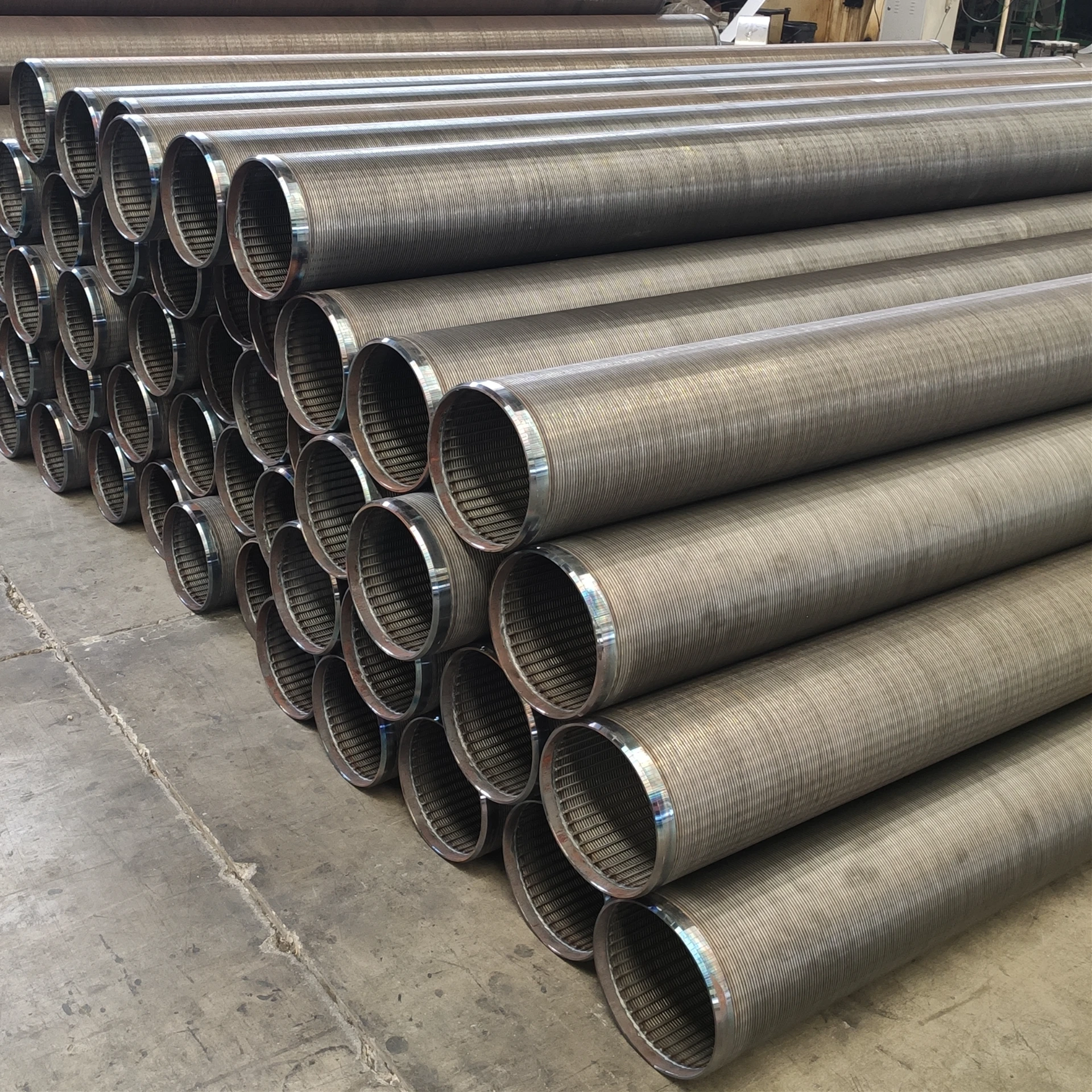
When drilling a water well, ensuring the longevity and efficiency of your investment is paramount. A key component in this process is the water well sand screen. This critical filter prevents sand and other particulate matter from entering the well, safeguarding your pump and preserving water quality. This article will delve into the world of water well sand screens, exploring their function, types, materials, and crucial selection considerations. We’ll provide an in-depth look to help you make the best choice for your specific needs.
The Core Function of a Water Well Sand Screen
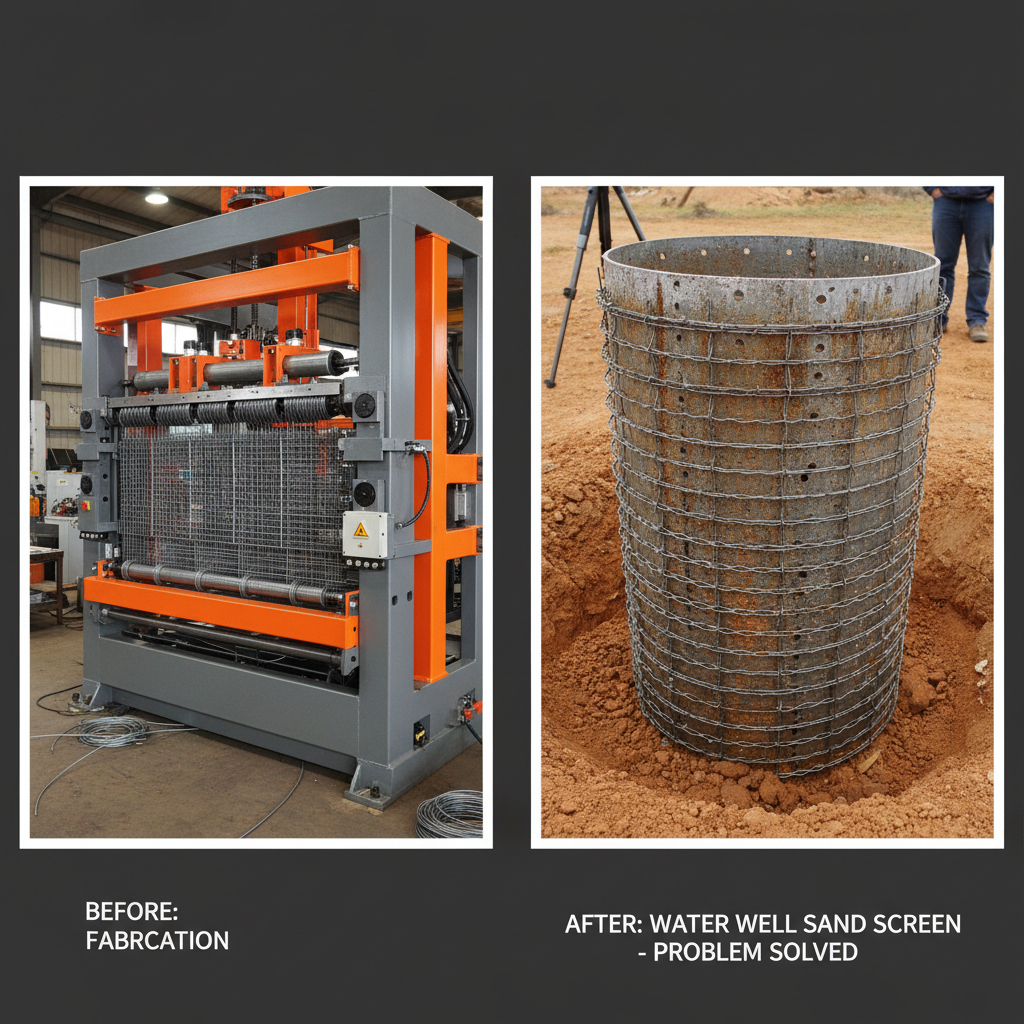
The primary function of a water well sand screen is to act as a filtration barrier. During well development and operation, fine sand and silt particles can be drawn into the wellbore. Without a screen, these particles can cause significant problems, including pump wear and failure, reduced well yield, and compromised water quality. The screen allows water to flow freely while effectively retaining these unwanted materials. Properly designed and installed screens are essential for maximizing the efficiency and lifespan of your water well system.
Key Benefits: Prevent pump wear, maintain well yield, ensure water quality, and prolong the life of your well system.
Types of Water Well Sand Screens: A Comparative Analysis
Several types of water well sand screens are available, each with its strengths and weaknesses. The most common include Johnson screens (V-wire screens), continuous slot screens, and perforated pipe. Each design offers different flow characteristics, filtration efficiency, and cost-effectiveness. The selection depends on the specific geological conditions of the well, the type of formation, and the desired water quality. Understanding the nuances of each type is crucial for making an informed decision.
Screen Type Comparison:
• Johnson Screens: High flow rate, self-cleaning, durable.
• Continuous Slot Screens: Excellent filtration, suitable for fine sand.
• Perforated Pipe: Most economical, limited filtration capabilities.
Materials Used in Water Well Sand Screen Construction
The material used to construct a water well sand screen significantly impacts its durability and resistance to corrosion. Common materials include stainless steel (304, 316L), carbon steel, and sometimes plastics. Stainless steel, particularly 316L, is the preferred choice for most applications due to its superior corrosion resistance, making it suitable for a wide range of water chemistries. Carbon steel screens are more affordable but require protective coatings to prevent rust and degradation. Material selection is dependent on the well’s water quality and geological environment.
Selecting the Right Sand Screen for Your Well
Choosing the appropriate water well sand screen requires careful consideration of several factors. These include the well’s diameter, the size and type of formation sand, the water flow rate, and the water chemistry. Consulting with a qualified well drilling professional or a sand screen manufacturer like Muto Screen can help ensure you select a screen that will deliver optimal performance and longevity. Accurate assessment and proper installation are key to a successful well.
Product Specifications: Muto Screen Water Well Sand Screens
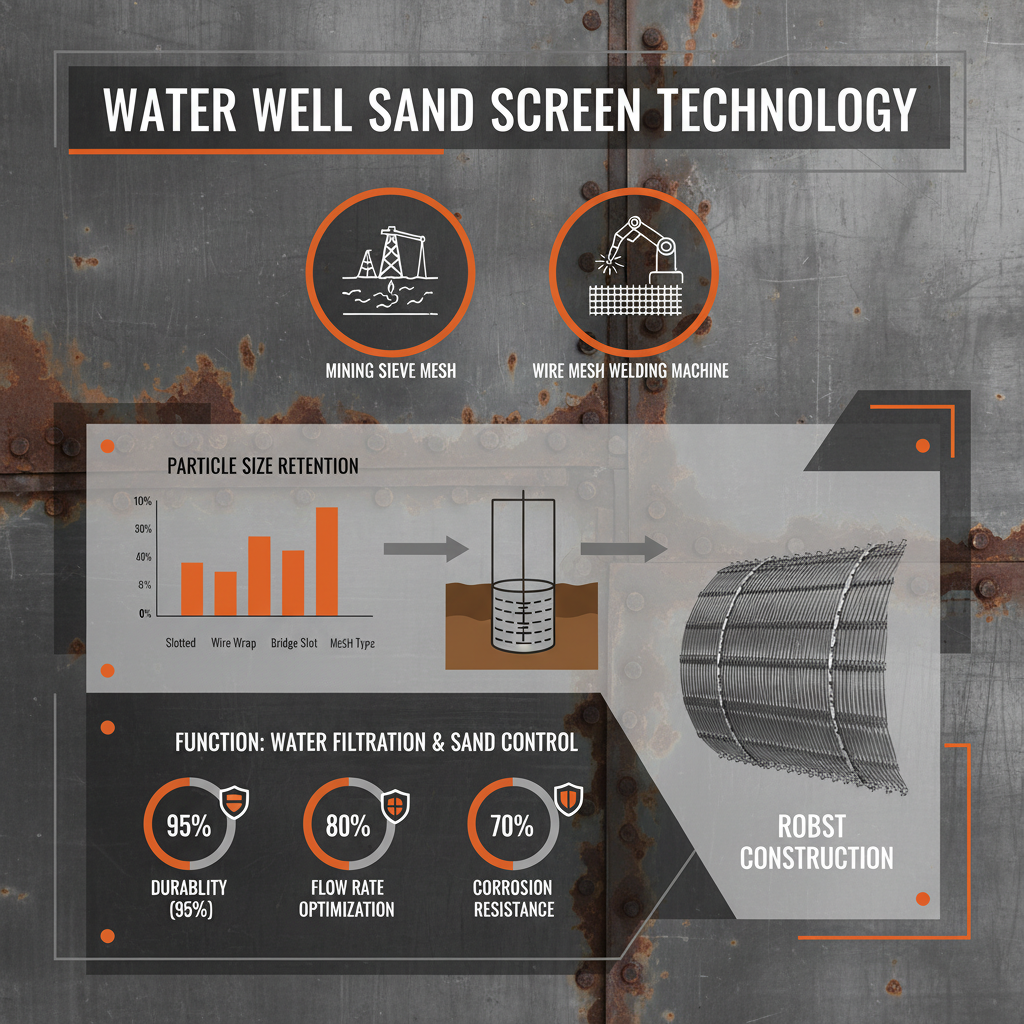
Muto Screen offers a comprehensive range of water well sand screens designed to meet diverse application requirements. Below are some key specifications:
Conclusion: Protecting Your Water Well Investment
Investing in a high-quality water well sand screen is a crucial step in ensuring the long-term performance and reliability of your water well system. By carefully considering your specific needs and choosing a reputable manufacturer like Muto Screen, you can protect your investment and enjoy a consistent supply of clean, safe water. Don't compromise on quality - prioritize a sand screen that will deliver lasting value.
Frequently Asked Questions (FAQs)
What is the typical lifespan of a water well sand screen?
The lifespan of a water well sand screen varies depending on factors like water quality, sediment load, and the material used. Generally, a well-maintained stainless steel screen can last 20-30 years or even longer. However, regular inspections are essential to identify any signs of wear, corrosion, or clogging. If the screen becomes significantly clogged or damaged, it should be replaced to maintain optimal well performance. Consider annual inspections by a qualified professional.
How do I know if my sand screen is clogged?
Signs of a clogged sand screen include a reduced well yield (lower pumping rate), increased pumping energy consumption, and a decrease in water quality (increased turbidity). You may also notice sand or sediment in the water. A pressure test can help determine if the screen is restricted. If you suspect clogging, it's best to consult with a well professional for diagnosis and potential cleaning or replacement.
Can a sand screen be cleaned, or does it always need to be replaced?
In some cases, a sand screen can be cleaned using specialized well cleaning techniques. These techniques involve surging and backwashing to dislodge accumulated sediment. However, severely clogged or damaged screens may require replacement. The decision to clean or replace depends on the extent of the clogging and the overall condition of the screen. A professional well service company can assess the situation and recommend the best course of action.
What is the importance of selecting the correct slot size for the sand screen?
Selecting the correct slot size is critical for preventing sand from entering the well while maximizing water flow. The slot size should be slightly smaller than the effective grain size of the formation sand. If the slots are too large, sand will pass through and cause pump wear and reduced well yield. If the slots are too small, they can become easily clogged. A professional well geologist can help determine the optimal slot size for your specific well conditions.