Comprehensive Guide to Understanding Different Types of Well Screens for Optimal Performance
Types of Well Screens: A Comprehensive Guide
Well screens are critical components in water well construction, serving as a filtering barrier against sand, gravel, and other debris. Choosing the right type of well screen is essential for optimal well performance and longevity. This guide will explore the various types of well screens available, their applications, and considerations for selecting the best option for your needs. Understanding these differences will ensure efficient water extraction and prevent costly well rehabilitation.
Understanding the Function of Well Screens
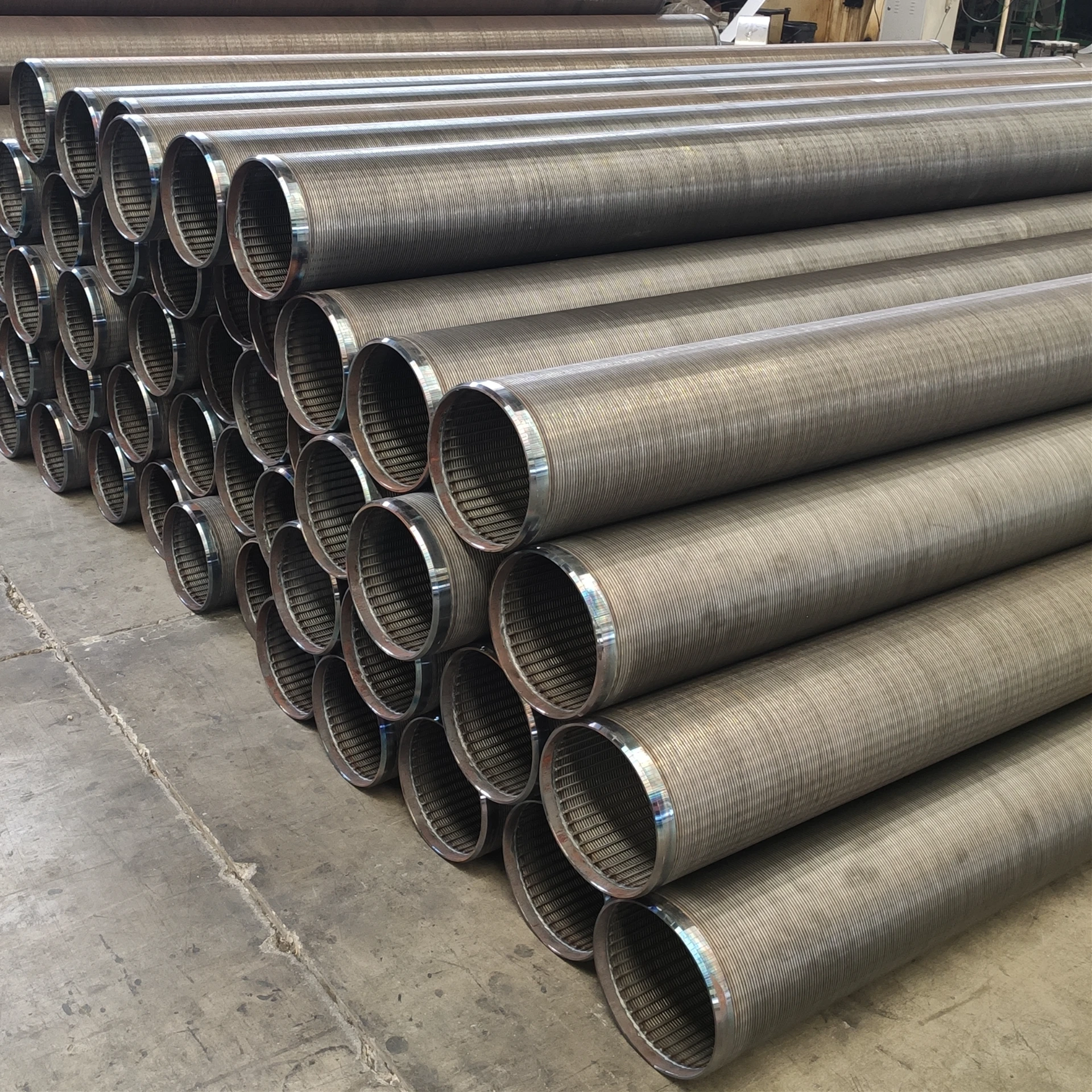
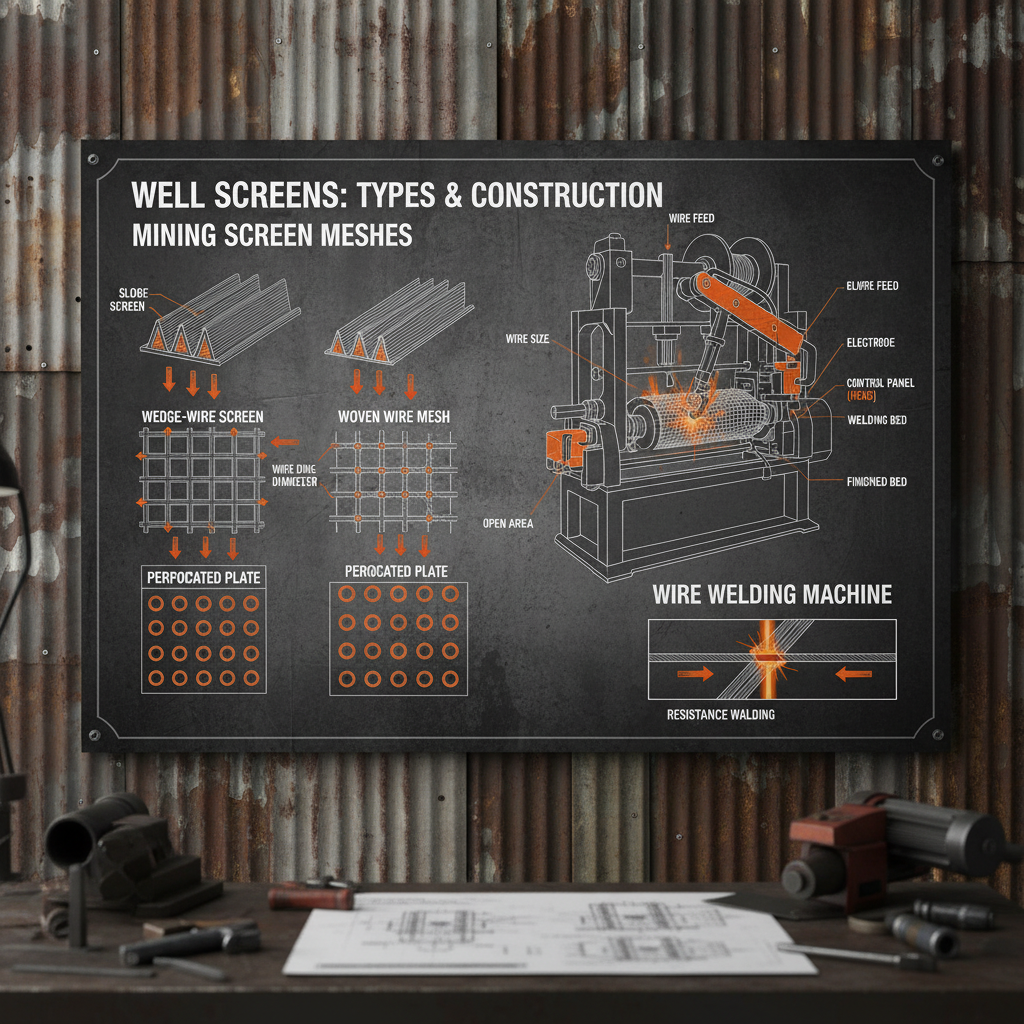
Well screens are designed to allow water to enter the well while preventing the influx of formation materials. They are typically cylindrical structures with a series of openings (slots or perforations) that control the size of particles entering the well. Properly selected screens improve water quality, reduce pump wear, and maintain well yield. The selection process depends on several factors, including the aquifer’s grain size distribution, well depth, and desired water production rate. Effective well screen design is crucial for sustainable groundwater management.
Key Considerations: Aquifer grain size, well depth, desired water production rate, and local geological conditions all influence well screen selection.
Types of Well Screens: A Detailed Overview
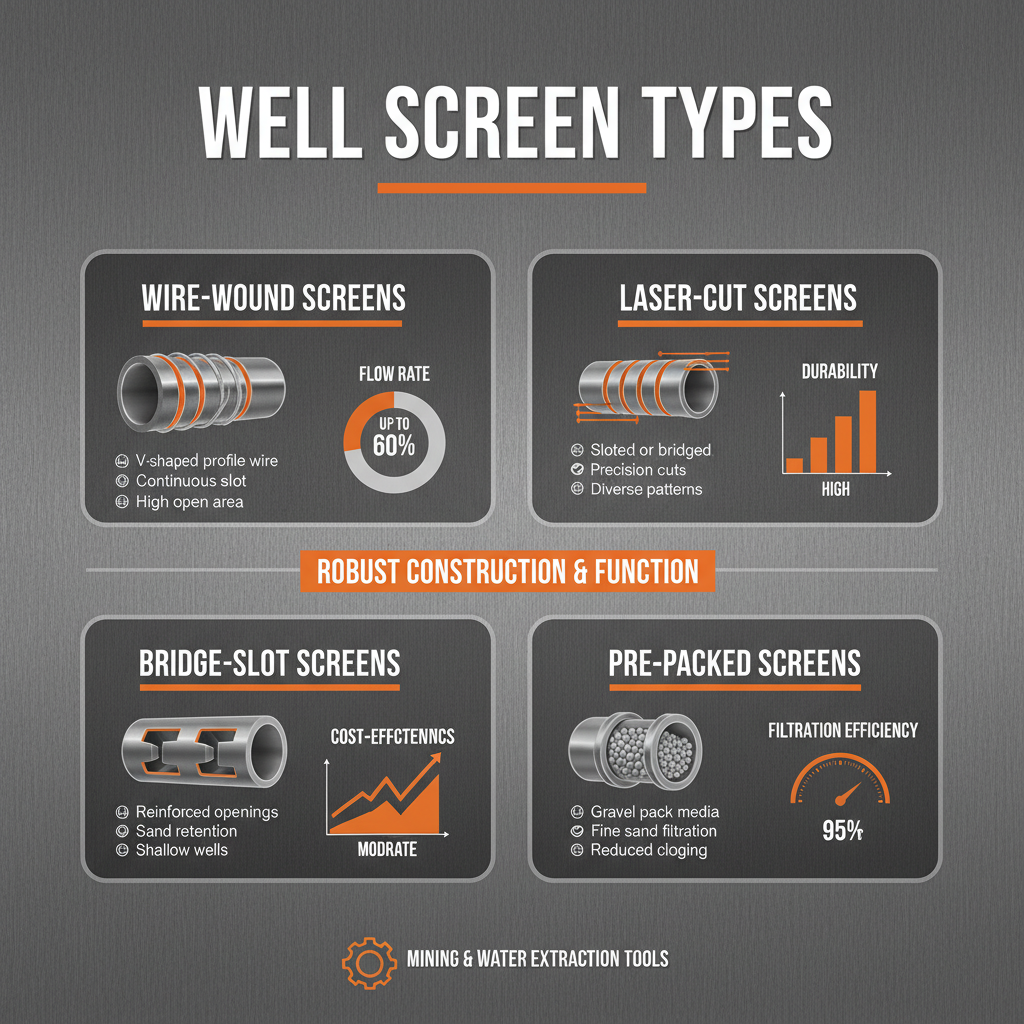
Several types of well screens are commonly used, each with unique characteristics and applications. The most prevalent types include Johnson screens, bridge slot screens, and perforated pipe screens. Each design impacts flow rate, efficiency, and resistance to clogging. Selecting the correct type is crucial to minimizing well maintenance and maximizing water production. This section provides an in-depth look at each screen type and their best-suited applications.
Common Well Screen Types:
• Johnson Screens: Known for their V-shaped profiles and high open area.
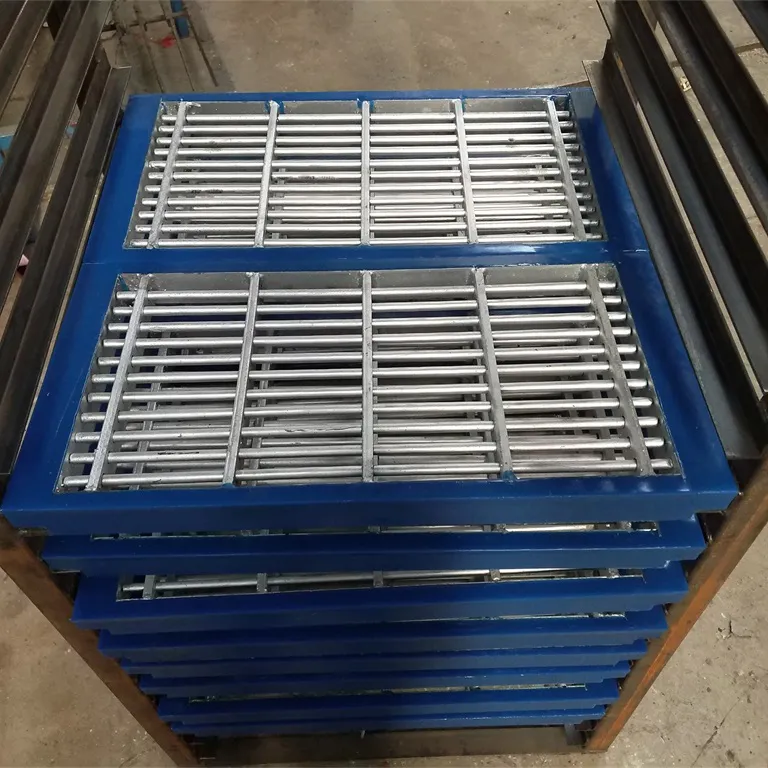
• Bridge Slot Screens: Feature continuous slot openings for excellent strength and uniformity.
• Perforated Pipe Screens: A cost-effective option, suitable for coarser formations.
Comparing Key Well Screen Types
Understanding the differences between these screen types is critical for informed decision-making. The table below highlights the key characteristics of each, helping to determine the best fit for specific well conditions. Factors like open area, slot size, and structural strength influence performance and longevity. We also provide links to our high-quality well screens for further exploration.
Factors Influencing Well Screen Selection
Beyond the screen type, several factors influence the optimal selection. Aquifer characteristics, including grain size and permeability, dictate the appropriate slot size. Well depth and anticipated pumping rates influence the required screen length and diameter. Corrosion potential and water chemistry also play a role in material selection (stainless steel is commonly used for its durability). Proper screen selection minimizes maintenance and ensures long-term well productivity. Consider consulting with a groundwater professional for guidance.
Conclusion: Choosing the Right Well Screen for Success
Ensuring Optimal Well Performance with the Right Screen
Selecting the appropriate well screen is paramount for efficient and sustainable water extraction. By carefully considering the aquifer characteristics, well depth, and desired water production rate, you can choose a screen that minimizes clogging, maximizes yield, and extends the lifespan of your well. Don't hesitate to consult with experts to ensure the best possible outcome for your project.
Frequently Asked Questions (FAQs)
What is the importance of slot size in well screen selection?
Slot size is crucial because it directly controls the amount of formation material that can enter the well. If the slot size is too large, excessive sand and gravel can enter, leading to pump wear and reduced well efficiency. If it's too small, it can become easily clogged, restricting water flow. The ideal slot size is typically determined by performing a grain size analysis of the aquifer material. A general rule of thumb is to select a slot size that retains at least 85% of the formation grains.
How do I determine the appropriate well screen length?
The well screen length depends on the thickness of the aquifer and the anticipated water level drawdown. The screen should cover the entire water-bearing zone to maximize water intake. A minimum of 5 feet of screen within the aquifer is generally recommended. Consider the potential for seasonal water level fluctuations and ensure the screen extends beyond the lowest expected water level. Overlap with the casing, both above and below, is also important for structural integrity.
What materials are commonly used for well screens?
Stainless steel (304 or 316) is the most common material due to its corrosion resistance and durability. Carbon steel is a more economical option, but it's susceptible to corrosion and is typically used with protective coatings. PVC is sometimes used for shallower wells with minimal corrosion concerns. The choice of material depends on the water chemistry, soil conditions, and budget.