Centrifuge separation, explained by someone who’s actually stood next to one
People ask me all the time: how does a centrifuge separate materials? Short answer: spin, density, and timing. Long answer: keep reading—because in mining and mineral processing, the nuances matter, and so does the gear you choose.
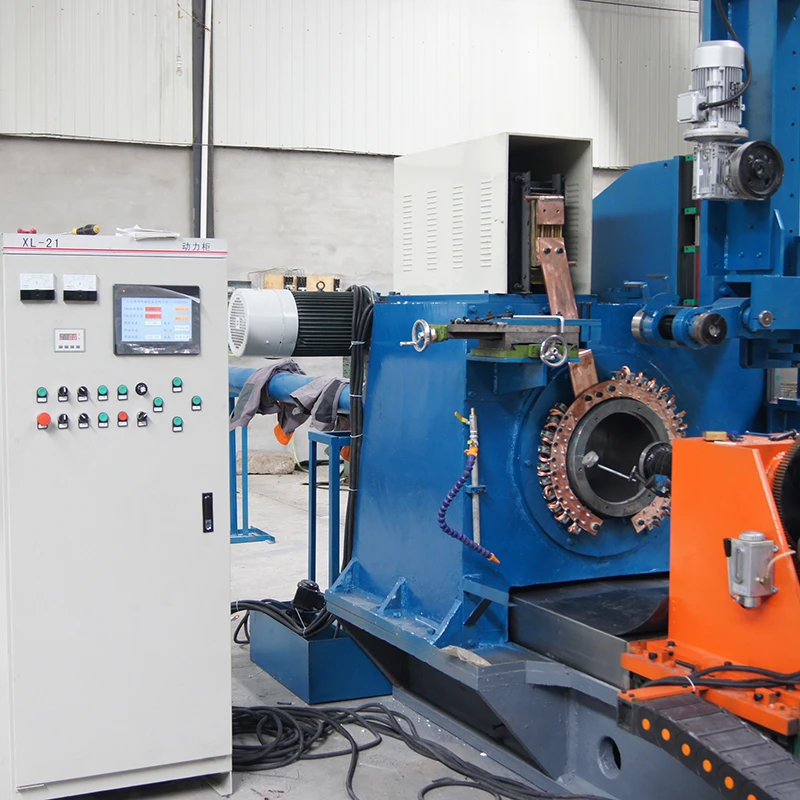
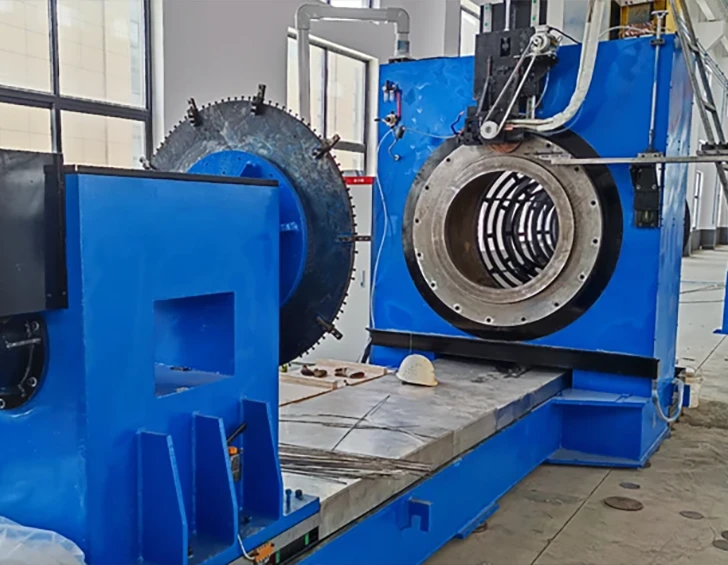
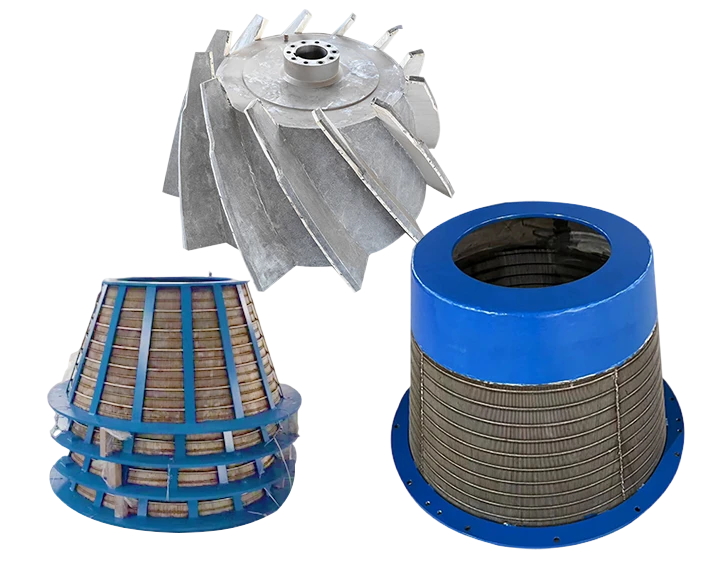
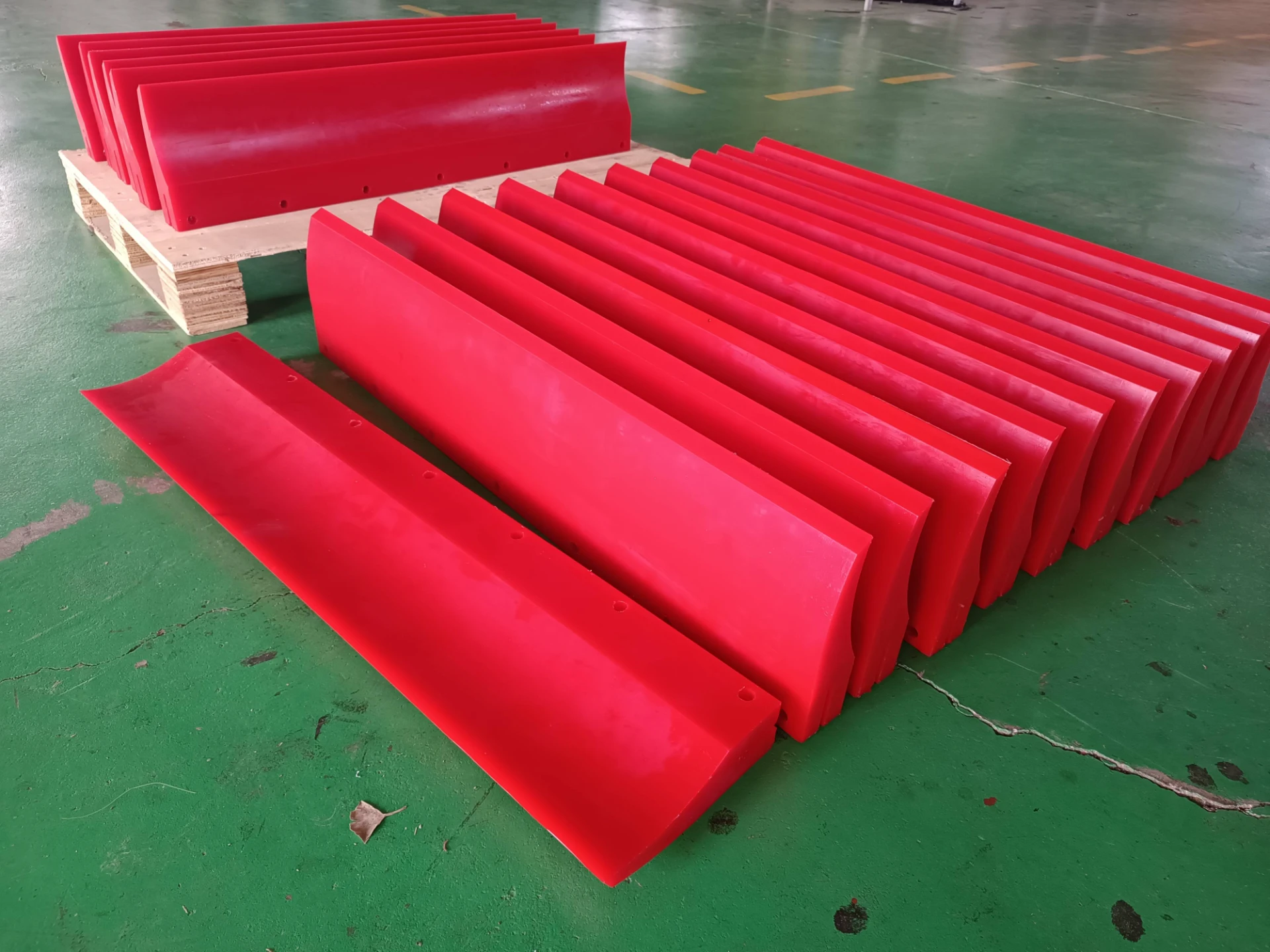
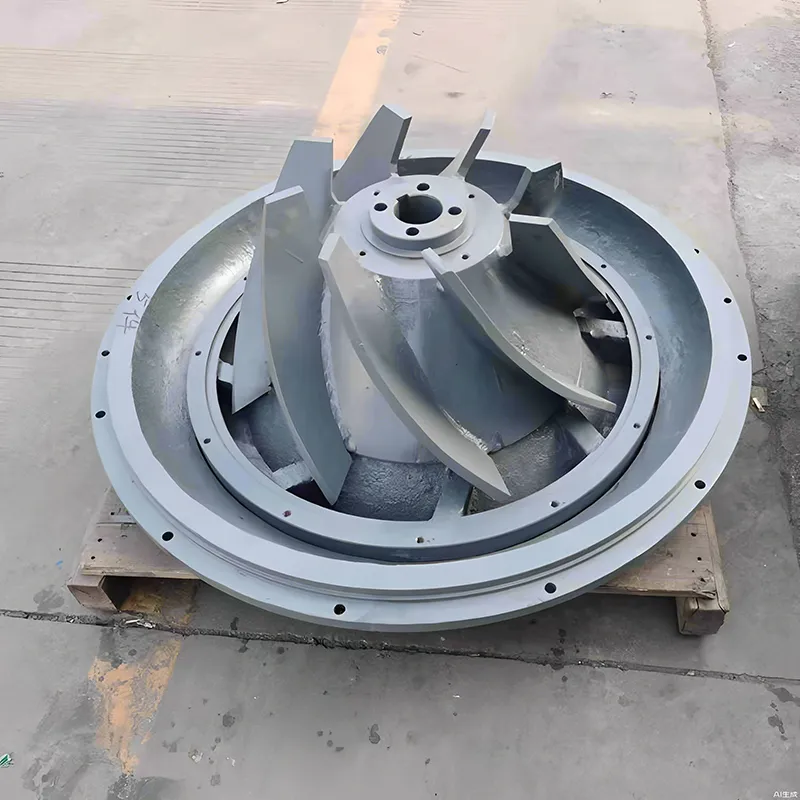
At the heart of it, a rotating bowl generates high g-force, pushing denser solids outward into a cake while lighter liquid phases migrate inward and exit through ports. A scraper mechanism—like on the Scraper Centrifuge Unloader from Hehuang Road, Anping County, Hengshui—then cleans the bowl wall, maintaining throughput without manual intervention. Simple in theory, surprisingly elegant in practice.
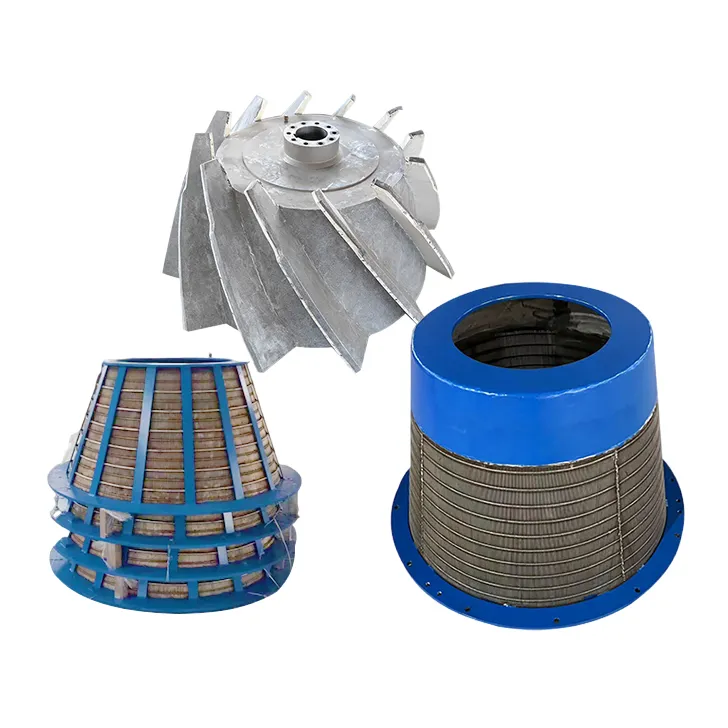
So, how does a centrifuge separate materials? The quick, real-world version
- Feed: Slurry enters at controlled pressure/flow.
- Acceleration: The bowl’s ω²·r creates g-force; denser particles migrate outward.
- Cake control: Sensors (vibration, torque) infer cake thickness.
- Scrape & discharge: Blades remove the cake; solids drop to chute; filtrate exits continuously.
- Repeat: In batch/semicontinuous cycles tuned for particle size distribution and viscosity.
In fact, modern units are edging toward smarter operation—IIoT sensors, predictive maintenance, and wear liners that last longer in abrasive ores. Energy is a talking point too: variable-frequency drives (VFDs) and improved hydraulics shave real kWh off the bill.
Product snapshot: Scraper Centrifuge Unloader
Also called a centrifugal scraper unloader, it’s built for mining/minerals to automatically remove the material buildup from the inner bowl. Origin: Hehuang Road, Anping County, Hengshui, Hebei Province. Many customers say the main win is fewer stoppages for cleaning—no small thing on night shift.
| Spec (typical) | Value (≈, real-world may vary) |
|---|---|
| Bowl diameter | 400–1,000 mm |
| Max relative g | Up to 2,500 g |
| Throughput | 5–60 m³/h (slurry-dependent) |
| Materials of construction | SS316L; wear liners; Hastelloy optional |
| Scraper | Mechanical blade set, adjustable angle |
| Service life (wear parts) | ≈8,000–12,000 h (abrasion-dependent) |
| Compliance (typical) | ISO 21940 balancing; IEC 60204-1 electrical |
Applications and methods
- Mining/minerals: iron ore fines, coal prep, tailings dewatering
- Salt and potash, sand washing, metal hydroxide precipitates
- Chemicals: crystallization mother liquor recovery
Process note: choose cut size (d50) by tuning rotational speed, feed solids, and residence time. For sticky cakes, blade angle and surface finish matter more than brochures admit.
Trends, testing, and standards
We’re seeing thicker wear liners, smarter vibration analytics, and cleaner CIP loops. Typical QA includes rotor balance per ISO 21940, electrical safety per IEC 60204-1, and materials traceability (e.g., ASTM A240 for SS316L). Performance tests often mirror ASTM D1796/D4007-style centrifuge separation checks for moisture/sediment, adapted to mineral slurries.
Vendor comparison (field-notes, summarized)
| Vendor | Strengths | Watch-outs |
|---|---|---|
| Muto Screen (Scraper Centrifuge Unloader) | Robust scraper; customization; quick blade swaps | Lead time varies with custom alloys |
| Vendor X (generic) | Aggressive pricing; basic automation | Limited wear options; service coverage patchy |
| Legacy Y | Proven in tailings; global parts | Higher energy use on older drives |
Customization and real feedback
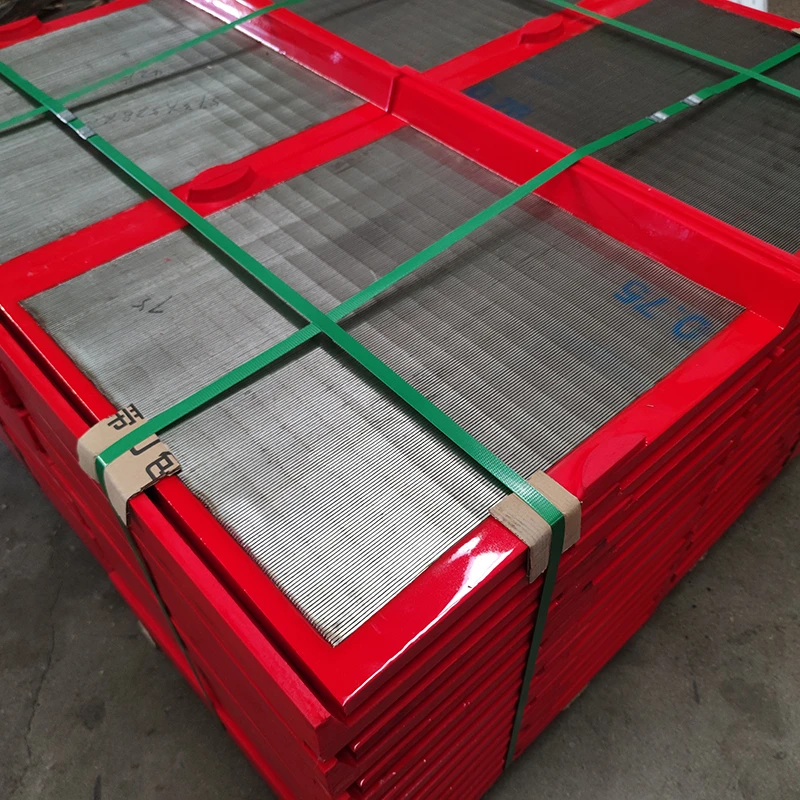
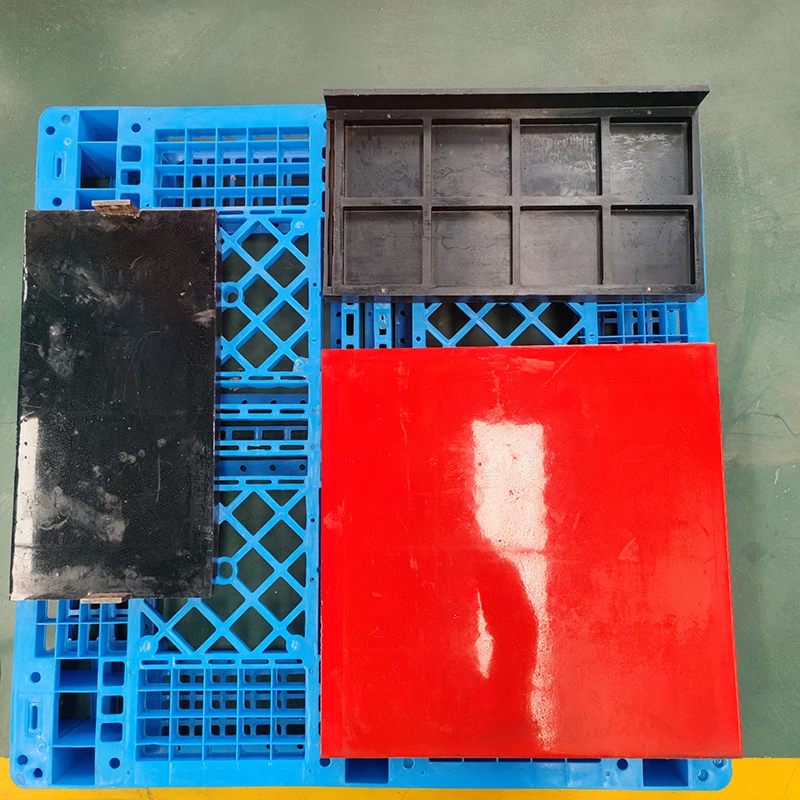
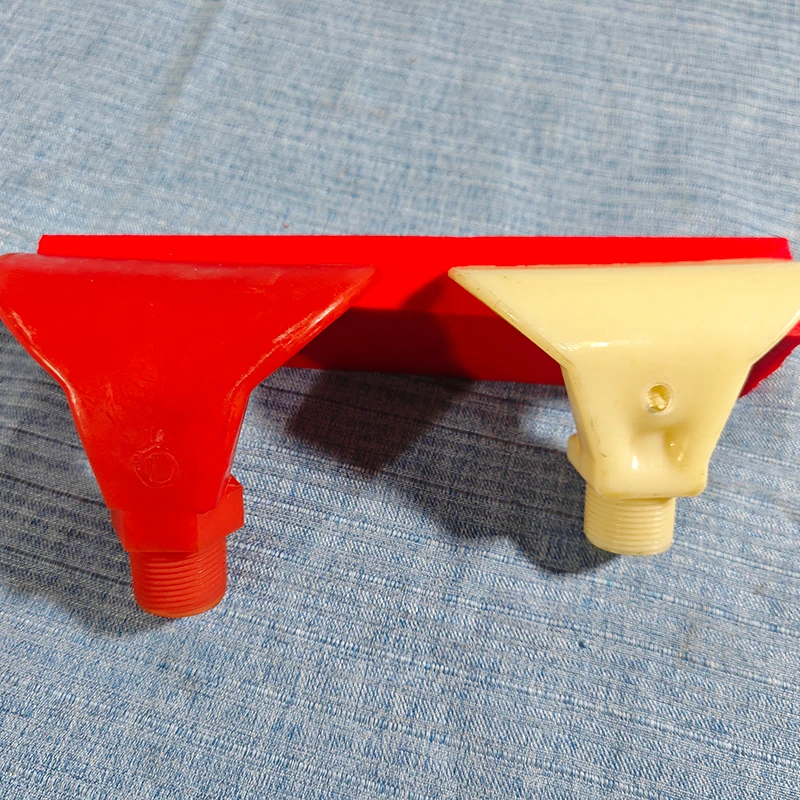
Options usually include bowl size, scraper blade material (polyurethane, tungsten-carbide tipped), ATEX/IECEx motor packages, and CIP spray patterns. In our interviews, operators reported ≈18–25% fewer cleaning stoppages after switching to scraper unloaders, with moisture reduction in dewatered cake by 1–3% (ore-dependent). To be honest, the cake consistency drives most of the satisfaction.
Case note
Hebei iron ore site: after upgrading to a scraper unloader, uptime improved ≈18%, liner changes extended to two quarters, and power draw dropped ≈7% via VFD tuning. Not a miracle—just steady, engineered gains.
How does a centrifuge separate materials in your plant? If the answer includes abrasive fines, fluctuating PSDs, and tight water balance, a scraper unloader is worth a look.
- ISO 21940 (Balance quality requirements for rotors)
- IEC 60204-1 (Safety of machinery—Electrical equipment of machines)
- ASTM D1796 (Water and sediment in fuel oils by centrifuge)
- ASTM D4007 (Water and sediment in crude oil by centrifuge)
- EU Machinery Directive 2006/42/EC; ISO 12100 (Safety of machinery—Risk assessment)