Coarse Screening in Water Treatment: Essential First Step for Sustainable Water Management
Why Coarse Screening in Water Treatment Really Matters
Coarse screening in water treatment might sound like a niche technical step, but it’s truly foundational to how we protect water sources worldwide. Whether in bustling cities or remote villages, screening the biggest waste out before it clogs pipes or harms aquatic ecosystems is a practical must-have. Understanding its impact reveals benefits beyond just mechanical filtration: improved system longevity, reduced operational costs, and, frankly, more sustainable water management.
Globally, as water scarcity and pollution increase, coarse screening becomes a frontline defense. It’s a bit like the first line of a fortress, stopping the largest invaders — rags, plastics, large debris — so downstream processes run smoothly. And considering that over 2 billion people lack safely managed drinking water [1], improving initial treatment steps can ripple into massive social and environmental gains.
Global Context: Facing the Water Treatment Challenge Head-On
Across continents, governments and industries wrestle with daunting water treatment challenges. The World Bank estimates billions invested annually in water infrastructure, yet many systems fail prematurely due to clogging and debris damage [2]. Coarse screening directly tackles this by removing large solids early on, reducing wear and operational disruptions.
In developing countries, coarse screening is often the difference between a plant that works and one that simply overloads. In industrial contexts — chemical manufacturing, food processing, pulp & paper — it prevents costly downtime. Interestingly, the International Organization for Standardization (ISO) has established grading criteria for screening systems to aid consistency and performance [3].
As climate change worsens storm runoff and urban water pressures rise, the volume and type of debris are only getting more complex. So, screening equipment must adapt too — an unsung but crucial frontline player in future water resilience strategies.
What Exactly Is Coarse Screening in Water Treatment?
In simple terms, coarse screening is the process of physically removing larger particulate matter from raw water before it enters more sensitive treatment stages. Think of it as a physical filter with openings wide enough to catch leaves, plastics, rags, sticks, and other debris — the “low-hanging fruit” of contamination.
This mechanical barrier typically sits near the very front of a treatment plant or stormwater system, intercepting the crud that would otherwise tangle pumps and clog membranes. It’s an elegant, old-school principle that’s survived the digital era — and a key step for modern industry and humanitarian water supply projects.
For example, during emergencies where clean water is scarce, rapid coarse screening often enables quick setup of improvised treatment stations, protecting downstream processes and ensuring safer drinking water.
Key Components and What Makes Good Screening Equipment
1. Durability
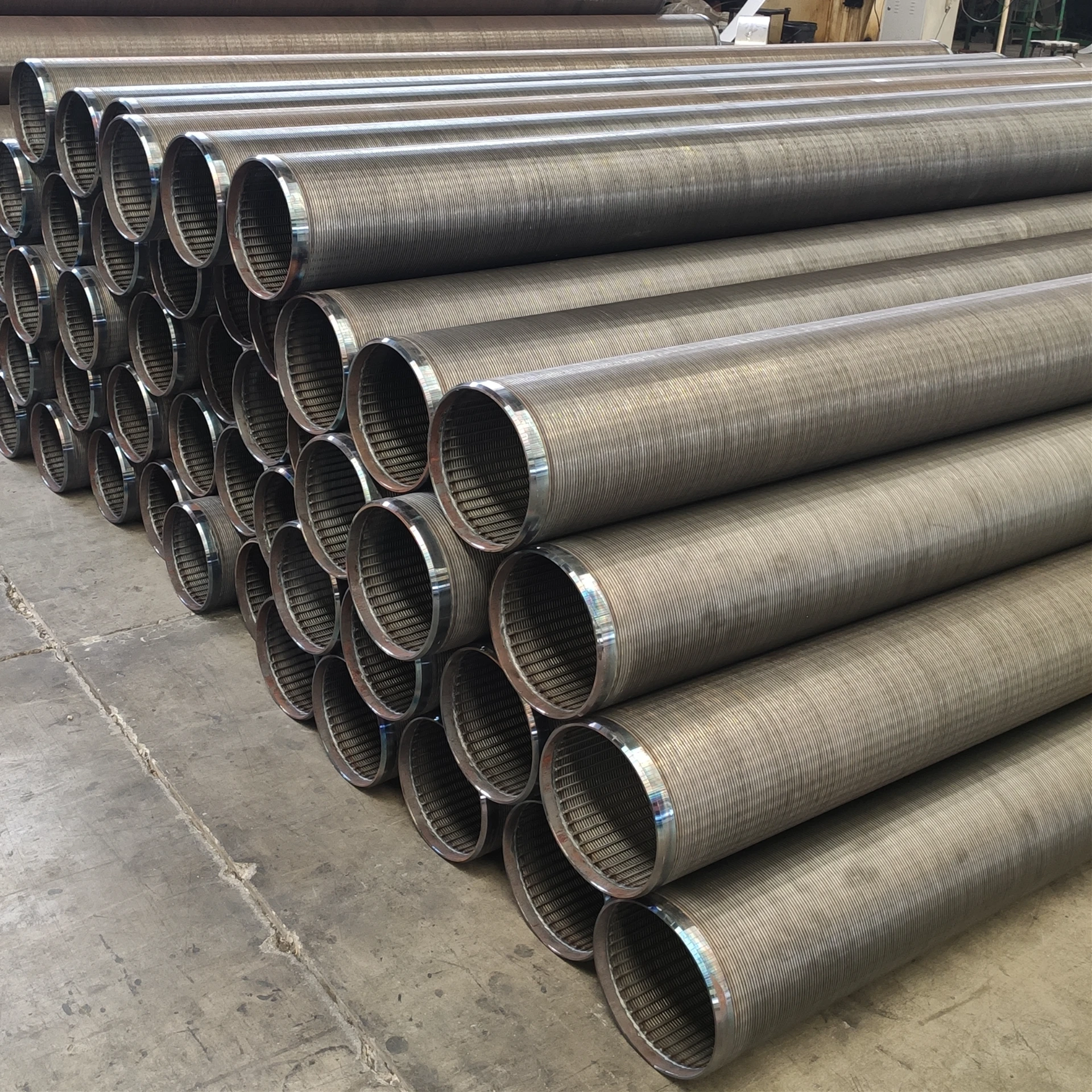
Screening equipment must withstand harsh conditions — abrasive materials, UV exposure, variable water flows. Stainless steel and robust composite materials are common for their corrosion resistance and longevity. After all, this is often the first contact with raw, sometimes nasty water.
2. Scalability
From small rural plants to massive urban facilities, screening solutions need to flex in size and capacity without huge redesigns. Modular designs that allow easy capacity upgrades or replacements feel like they’re going to be standard moving forward.
3. Efficiency of Debris Removal
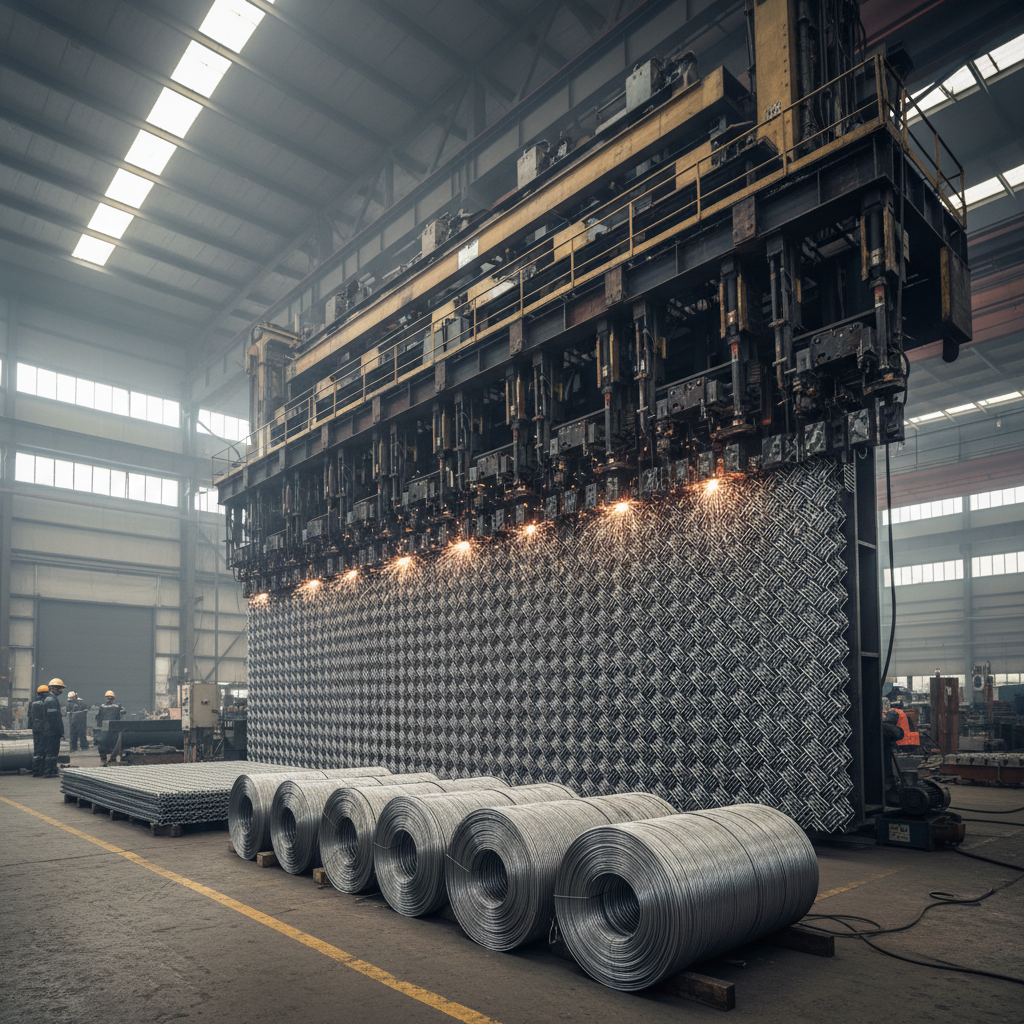
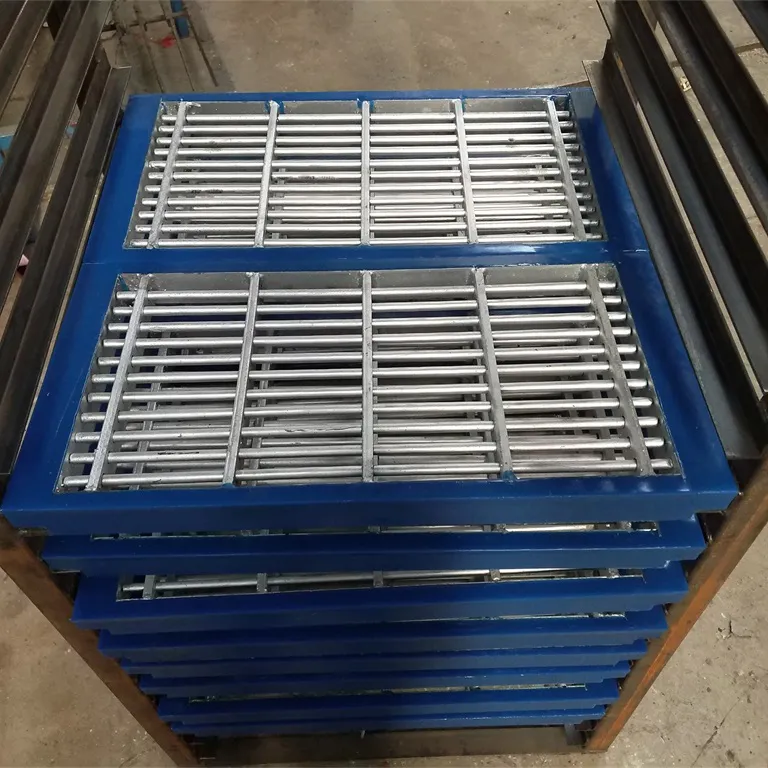
Coarse screens utilize bar spacing usually between 6 and 25 mm — balancing debris capture against unwanted clogging. Automatic rakes or brushes typically keep the screens clean; otherwise, the process grinds to a halt. Many engineers say the advancement of automation here significantly reduces labor costs.
4. Energy Consumption
With sustainability on everyone’s mind, screening machines that minimize electricity use — or integrate with renewable inputs — get extra points. Low power consumption paired with maximum throughput is a practical goal.
5. Ease of Maintenance
Systems that allow quick access and simple cleaning without needing specialist tools are favored — especially in remote or disaster-affected areas.
| Specification | Typical Range / Example |
|---|---|
| Bar Spacing | 6 - 25 mm |
| Material | Stainless Steel, Composite Alloys |
| Flow Capacity | Up to 5000 m³/h (modular systems) |
| Cleaning Mechanism | Automatic rakes / brushes / manual |
| Power Usage | 0.5 - 5 kW |
Where Is Coarse Screening Actually Used?
From major metropolitan waterworks in Europe and the US to small-scale setups across Africa and Asia, coarse screening equipment plays a starring role. Here are some real-world vibes:
- Urban municipal facilities: Cities like Chicago rely on coarse screens to protect pumps and filters from storm runoff debris that increases dramatically after rain.
- Industrial wastewater plants: Paper mills often use heavy-duty coarse screens to remove wood chips and fibrous waste before further chemical treatment.
- Disaster relief operations: In areas struck by hurricanes or floods, rapid deployment coarse screens help NGOs set up temporary water treatment fast, ensuring safer water distribution.
- Remote rural sites: Many remote towns in South America employ simple coarse screening as the first treatment step to keep fragile water systems up and running.
Interestingly, integrating coarse screening in water treatment with local repair teams creates a virtuous circle of technology transfer and empowerment — something water NGOs increasingly prioritize.
Advantages & Long-Term Impact of Coarse Screening
Once debris is removed early, the entire water treatment chain operates more reliably and cost-effectively:
- Cost savings: Less wear on pumps and pipes means longer lifespan and fewer surprises.
- Environmental sustainability: Preventing large debris from entering treatment processes reduces chemical and energy demands downstream.
- Social benefits: Safer water resources promote public health and dignity, especially where clean water is scarce.
- Trust and innovation: Reliable, modern screening tech helps utilities build public confidence and meet stricter environmental standards.
Some operators tell me that the peace of mind — knowing the system is “catching the boulders” before headache city — is intangible but priceless in run-of-the-mill busy plant life.
The Next Frontier: Innovations & Emerging Trends
The future is bright — and, I suppose, a little high-tech. Automation via AI and IoT sensors is making screening smarter, adjusting cleaning cycles based on debris load rather than fixed timers. Integration of solar power keeps energy use low, especially in off-grid areas.
Novel materials like advanced polymers and composites improve durability without weight, while 3D printing experimentation allows rapid prototyping of custom screens fit for unusual site constraints. Policies advocating circular economy principles push made-in-recycled materials for screen frames and parts too.
Digital transformation isn’t just buzzwords here — it actually feels like it’s reshaping how operators monitor and maintain screening systems worldwide.
What Makes a Good Screening Vendor? A Quick Comparison
| Feature | Vendor A | Vendor B | Vendor C |
|---|---|---|---|
| Bar Spacing Options | 5–20 mm | 8–25 mm | 6–18 mm |
| Automatic Cleaning | Yes (hydraulic rakes) | Optional (manual standard) | Yes (electric brushes) |
| Material Quality | 316 Stainless Steel | Aluminum Alloy | Composite Polymer |
| Energy Efficiency | Low (solar integration) | Medium | Low |
| After-Sales Support | Global network | Regional | Online resources only |
Common Questions About Coarse Screening in Water Treatment
- What size debris does coarse screening usually remove?
- Coarse screens typically filter out particles larger than 6 mm up to around 25 mm, such as leaves, sticks, plastics, and rags. This range efficiently blocks the largest clogging materials before fine filtration stages.
- How often should coarse screens be cleaned?
- Cleaning frequency depends on debris load and system design. Automated rakes clean continuously based on sensors, while manual systems might require daily or more frequent checks especially during rainy seasons or high flow events.
- Can coarse screening be used in decentralized or small-scale water treatment?
- Absolutely. Modular, compact coarse screens are widely used in small communities and rural facilities to provide effective primary filtration, protecting smaller pumps and treatment units from damage.
- Is coarse screening energy intensive?
- Modern coarse screening systems are designed to be energy-efficient, often consuming less than 5 kW. Solar-powered units increasingly support off-grid applications.
- What maintenance challenges are typical?
- Common issues include mechanical wear, blockages if cleaning malfunctions, and corrosion. Choosing quality materials and ensuring routine inspection reduces these risks.
Wrapping Things Up: Why You Should Care About Coarse Screening
At first glance, coarse screening might seem like a small cog in the immense water treatment machine. Yet, in real terms, it’s a vital guardian of system health, operational efficiency, and public well-being. It’s also a smart investment that supports sustainable water management globally — from mega cities to remote villages.
Interested in learning more or upgrading your water treatment systems? Visit our website for comprehensive solutions: https://www.mutoscreen.com
Stay curious – water’s future depends on the seemingly little things we do today.