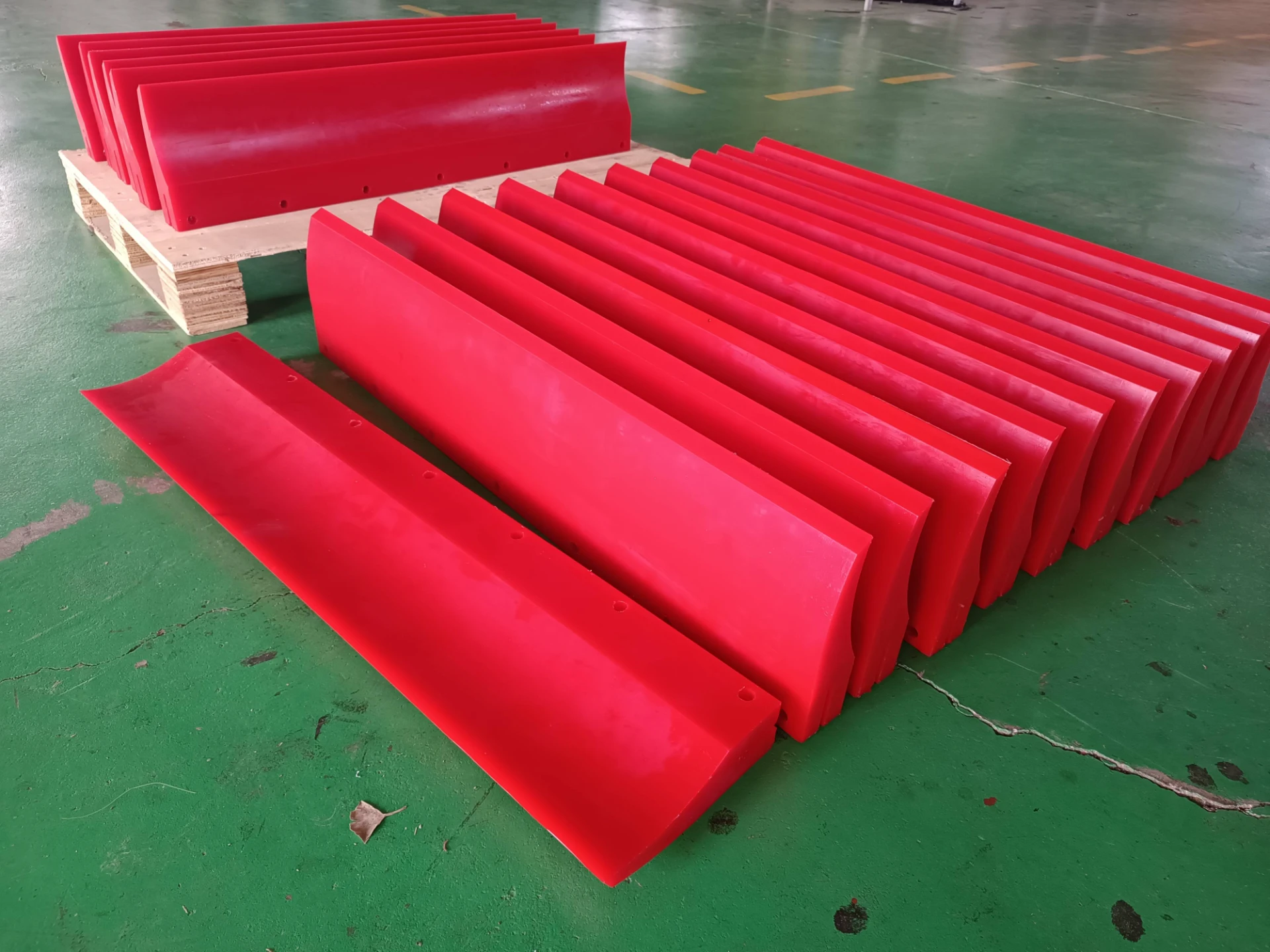
Understanding the Role of the Coarse Bar Screen in Modern Industry
In a world that increasingly depends on efficient waste management and water treatment, the coarse bar screen plays a subtler yet critical role. These often overlooked devices are frontline heroes, separating larger debris from wastewater streams to protect pumps, pipes, and subsequent treatment stages. Globally, their importance extends to safeguarding environmental health, improving operational reliability, and reducing costly maintenance. For anyone working with industrial water systems, municipal plants, or environmental infrastructure, understanding these screens isn’t just helpful — it’s essential.
Global Context: Why Coarse Bar Screens Matter Today
Environmental sustainability and urbanization trends worldwide have created massive pressure on water treatment and industrial processing facilities. According to the United Nations, by 2050, nearly 68% of the global population will live in urban areas, massively increasing wastewater volumes.
The challenge is clear: untreated solids clog pipes, damage equipment, and increase operational costs. That’s where coarse bar screens come in. Roughly speaking, these are early-stage filtration barriers designed to quickly remove large solids like branches, rags, or plastic debris — the kind of stuff that can easily cripple a treatment system.
Industries from municipal wastewater to pulp and paper rely on them. And with regulations tightening around effluent quality and infrastructure resiliency, the efficiency and durability of these screens directly impact environmental compliance and cost control.
Mini Takeaway:
- Urban growth drives increased water treatment needs.
- Coarse bar screens help manage large debris, protecting downstream processes and the environment.
What Exactly is a Coarse Bar Screen?
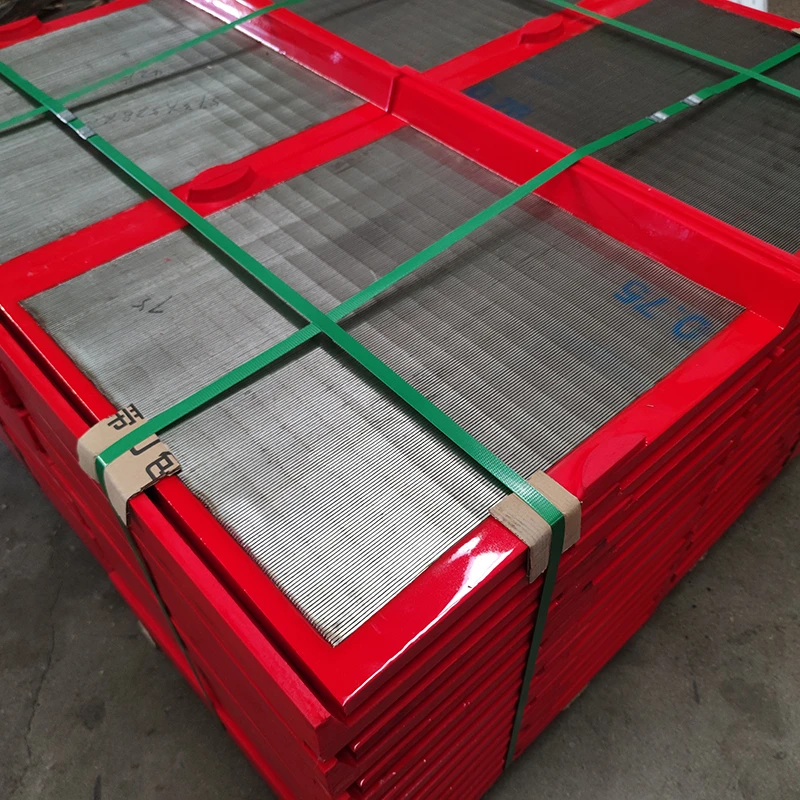
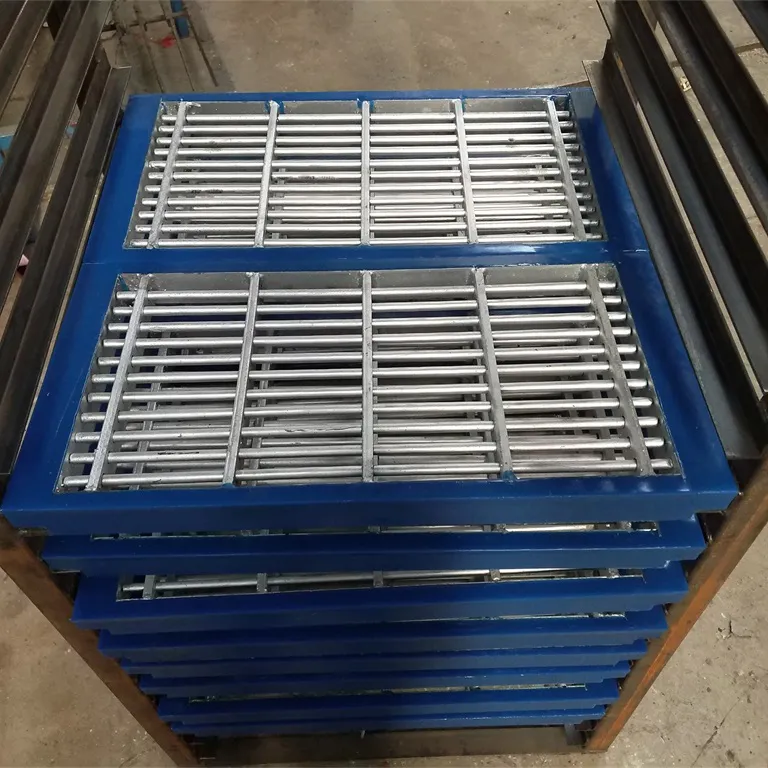
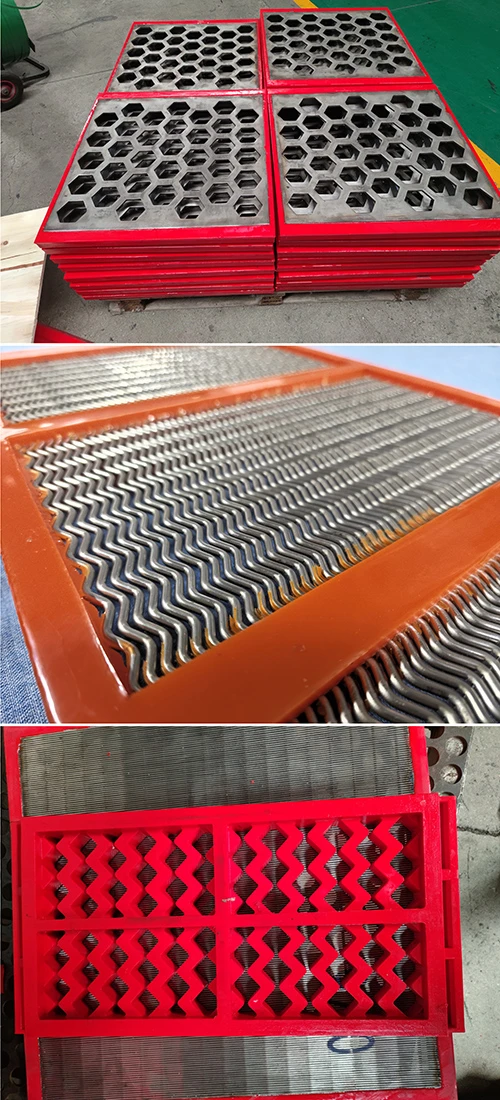
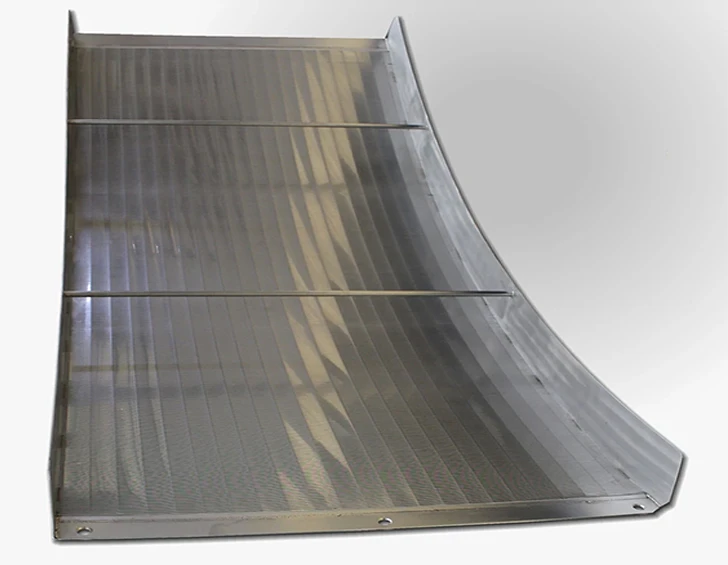
Simply put, a coarse bar screen is a mechanical grate or slotted metal screen that removes large solids from flowing wastewater or industrial fluids. These screens typically have wider spacing—often between 20 to 100 millimeters—allowing water through while blocking bigger objects.
Think of them as the “bouncers” at the entrance of water treatment plants, ensuring only “clean” contents move forward. Installed at preliminary treatment stages, they’re critical for preventing damage to pumps, valves, and deeper treatment machinery, which could otherwise succumb to wear or clogging.
Beyond industry, they sometimes appear in humanitarian water projects, where reliable screening is vital for safe water reuse or sanitation facilities.
Mini Takeaway:
- Coarse bar screens separate large debris early on.
- They prevent operational failures and costly repairs.
Key Components and Features of Coarse Bar Screens
1. Durability and Material Quality
Most coarse bar screens are built from stainless steel or carbon steel with corrosion-resistant coatings. Durability is key—these devices face abrasive debris, chemical exposure, and varying flow conditions. In saltwater or chemical industries, corrosion resistance can make or break lifespan.
2. Bar Spacing and Screen Design
The width between bars determines what materials get caught. Wider gaps enable handling large debris without plugging, while closer spacing catches smaller solids but risks clogging faster. Some screens have a V-shaped or raking design to improve self-cleaning.
3. Cleaning Mechanisms
Many screens feature automatic rakes or brushes to remove trapped solids continuously. This reduces manual intervention and downtime, making processes more efficient — especially important in high-volume facilities.
4. Scalability and Flow Capacity
Depending on plant size and flow volume, screens come in various sizes and throughput capacities. Some are custom-designed to fit specific needs, supporting flows from a few liters per second to thousands.
5. Cost Efficiency
While upfront investment varies by design and size, the long-term savings from fewer repairs, easier maintenance, and environmental compliance tend to justify costs quickly.
Mini Takeaway:
- Material choice affects lifespan and resistance.
- Design features balance debris capture and cleaning frequency.
- Proper sizing is essential for optimal performance and cost-effectiveness.
Real-World Applications Around the Globe
The ubiquity of coarse bar screens is striking—from industrial plants in Germany treating municipal sewage, to paper mills in Canada managing fiber waste, to food processing facilities in Brazil handling organic solids. I often hear from operators that these screens are their unsung reliability anchors.
In post-disaster relief situations, mobile water treatment units employ coarse bar screens to remove debris, enabling quick provision of relatively safe water. Remote mining operations also rely on them to protect expensive pumps from sediment and embedded rocks.
Regions with aging infrastructure — think many European cities — upgrade coarse bar screens to automatics to boost reliability without expanding footprint. Even in developing countries, NGOs have started investing in rugged, low-tech coarse screens to enable better sanitation.
Mini Takeaway:
- Coarse bar screens serve many industries: municipal, mining, food processing, disaster relief.
- Adapted designs fit local infrastructure and conditions.
How Coarse Bar Screens Deliver Long-Term Value
The immediate benefit is obvious—less risk of equipment failure. But it goes deeper. Cost reductions in maintenance and unexpected downtime improve budget predictability. Environmental benefits accrue as blocked debris isn’t flushed downstream, reducing pollution risks.
Operationally, workers feel safer with automated screening, avoiding manual cleaning in dangerous conditions. The sense of “trust” that these devices inspire makes plant operators willingly recommend specs to colleagues. It’s a mix of emotional relief and hard economic sense.
Product Specification Table
| Feature | Typical Value | Notes |
|---|---|---|
| Bar Spacing | 20–80 mm | Depends on debris size expected |
| Material | Stainless Steel (304 or 316) | Corrosion-resistant types preferred |
| Flow Rate Capacity | Up to 5000 m³/h | Custom sizes available |
| Cleaning Type | Manual or Automatic Rakes | Auto reduces labor costs |
| Installation Angle | 45-90° | Affects efficiency and flow |
Comparing Popular Vendors of Coarse Bar Screens
| Vendor | Material Quality | Cleaning Options | Customization | Typical Price Range |
|---|---|---|---|---|
| MutoScreen | High-grade SS 316 | Auto rakes + manual | Fully customizable | $$$ |
| EcoScreen Systems | SS 304 / coated steel | Manual only | Standard sizes | $$ |
| FlowGuard Tech | Carbon steel with coating | Auto rakes optional | Limited customization | $ |
The Bright Future of Coarse Bar Screens
Looking ahead, innovation in coarse bar screens focuses on smart automation and sustainability. IoT integration allows remote monitoring of screen clogging and operational status — reducing unexpected shutdowns. Materials are evolving too; composites and advanced alloys aim to handle harsher environments with less weight.
Moreover, rising environmental standards encourage greener designs with recyclable materials and low-energy operation. I suspect the day isn’t far when AI-driven bar screens adjust their rake speed on the fly, based on debris load predictions.
Challenges and Practical Solutions
Of course, nothing’s perfect. A common complaint is clogging, especially when unexpected viscous solids arrive. Some sites have struggled with manually intensive cleaning schedules. Still, automated systems and optimized bar spacing mitigate this. Proper initial design and regular maintenance remain keys — the old “fit it right the first time” principle applies.
In developing regions, cost and technical know-how can limit adoption. Here, modular, simple coarse bar screens tailored for local materials make sense. Training programs and local manufacturing are gaining ground, breaking barriers.
FAQs About Coarse Bar Screens
- How often should the cleaning mechanism on a coarse bar screen be serviced?
- Service intervals depend on debris composition and flow rates, but typically, automatic rakes require monthly inspections, while manual systems need daily checks during heavy use.
- Can coarse bar screens be retrofitted into existing water treatment plants?
- Yes, many screens are designed for retrofit with adaptable frames and sizes, although site-specific measurements are crucial to ensure proper fit and flow capacity.
- What materials do coarse bar screens usually resist best?
- Stainless steel variants excel in resisting corrosion, abrasion, and chemical attack, especially grades 316 and higher, making them suited for harsh industrial or coastal environments.
- Are automatic cleaning systems energy-intensive?
- Not really. Modern auto-rakes are designed to minimize power consumption, often drawing power only during rake operations, making them quite energy efficient.
- Is customization important when selecting a coarse bar screen?
- Definitely. Because waste composition and flow conditions vary greatly, customizing bar spacing, screen size, and cleaning methods ensures operational reliability and cost-efficiency.
In Conclusion: Coarse Bar Screens Are Quiet Champions
When you think about the complexity of water treatment and industrial fluid management, the humble coarse bar screen quietly keeps the system’s heart beating smoothly. They bring immediate savings, environmental impact, and operational assurance — the trifecta most engineers dream about.
If your project involves solid-liquid separation or wastewater treatment, investing time in understanding and selecting the right coarse bar screen will pay dividends long term. For more detailed info and tailored solutions, visit our website: https://www.mutoscreen.com.
Final Mini Takeaway:
- Coarse bar screens protect equipment and environment alike.
- Smart designs and materials boost reliability and reduce labor.
- The future points to automation, sustainability, and smarter monitoring.