Getting to Know the Coarse Screen in Wastewater Treatment: Why It Matters
If you’ve ever wondered what happens to all the debris and larger particles in wastewater before it’s purified and safely returned to nature or reused, the answer often lies with a simple but crucial piece of equipment called the coarse screen. This component might not have the glamour of high-tech filters or advanced chemical treatments, but it’s arguably one of the unsung heroes in global sanitation and water conservation efforts. As populations grow, industries expand, and the strain on water resources intensifies worldwide, understanding how coarse screens in wastewater treatment work — and why they’re essential — becomes more than academic interest. To frame it briefly, a coarse screen acts like a giant sieve at the front of a treatment plant, removing large solids such as rags, sticks, plastics, and trash before the wastewater moves on to finer stages of purification. Without this initial barrier, downstream pumps and machinery would clog, maintenance costs would skyrocket, and treatment efficiency would tank. This is not just engineering jargon; it touches on public health, ecosystem preservation, and the dignity of communities dependent on reliable municipal sanitation—turning a small piece of metalwork into a global keystone. ---The Big Picture: Coarse Screen in Wastewater Treatment and Its Global Significance
Looking at the bigger picture: around 80% of the world’s wastewater is discharged untreated into the environment, according to UN Water reports [1]. This figure particularly affects low- and middle-income countries struggling to deploy sufficiently robust infrastructure to filter out harmful substances. Industrial areas add complicated waste that requires careful handling, including large solids that coarse screens are designed to trap. Wastewater treatment plants relying on effective coarse screening can reduce the spread of waterborne diseases, protect aquatic life, and prevent costly equipment failures. Given the United Nations’ Sustainable Development Goal 6 (Clean Water and Sanitation), technologies like coarse screens are vital for improving access to clean water worldwide. Yet, many plants suffer from outdated screens — or none at all — leading to operational inefficiencies and environmental harm. That’s the fundamental challenge: equipping treatment facilities with reliable coarse screening solutions that adapt to different scales, contaminants, and environments, from megacities in Asia to remote industrial outposts in Africa. Mini takeaway: Without effective coarse screening, wastewater treatment systems stumble early, setting problems cascading downstream—it's the first line of defense, and a surprisingly tricky one. ---What Exactly Is a Coarse Screen in Wastewater Treatment?
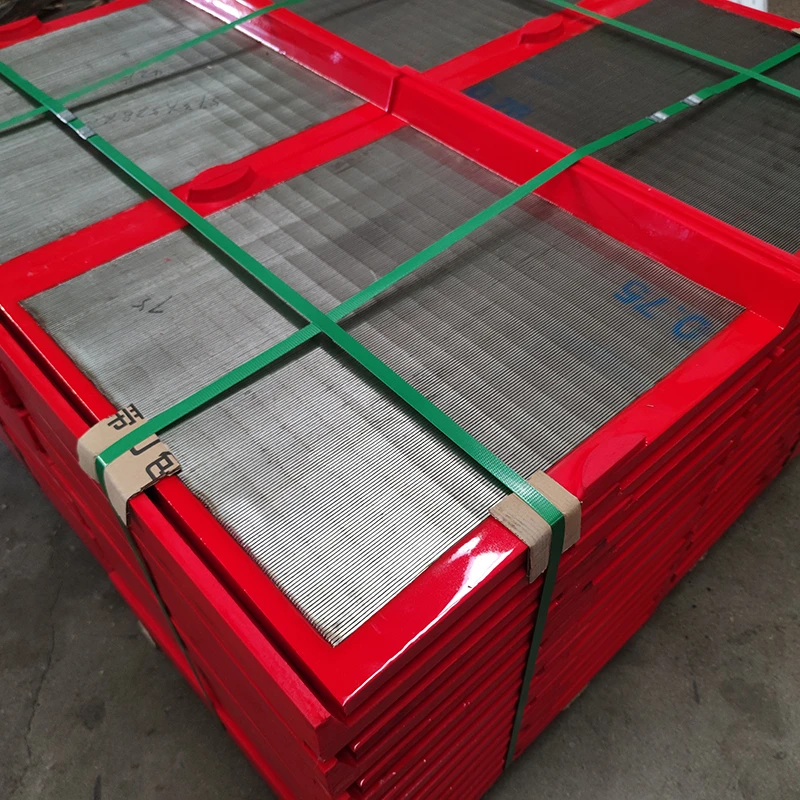
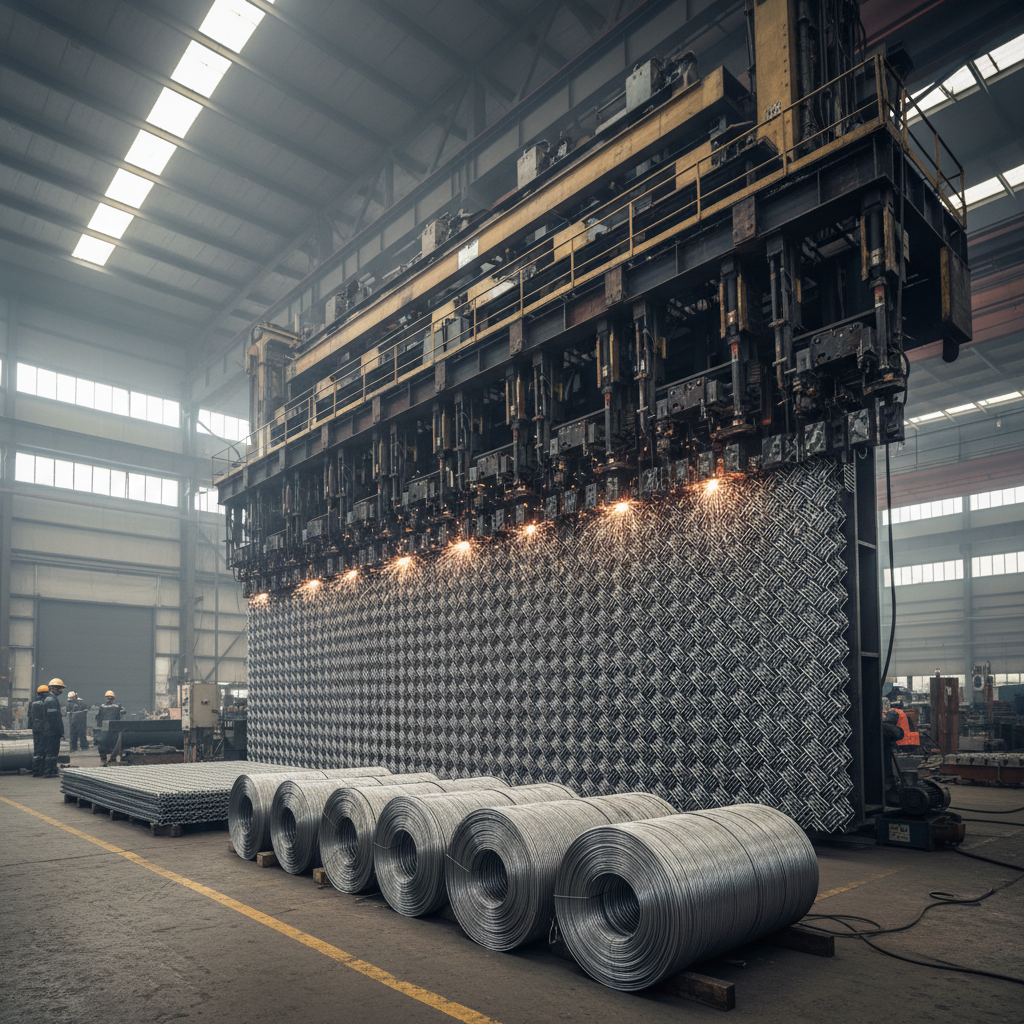
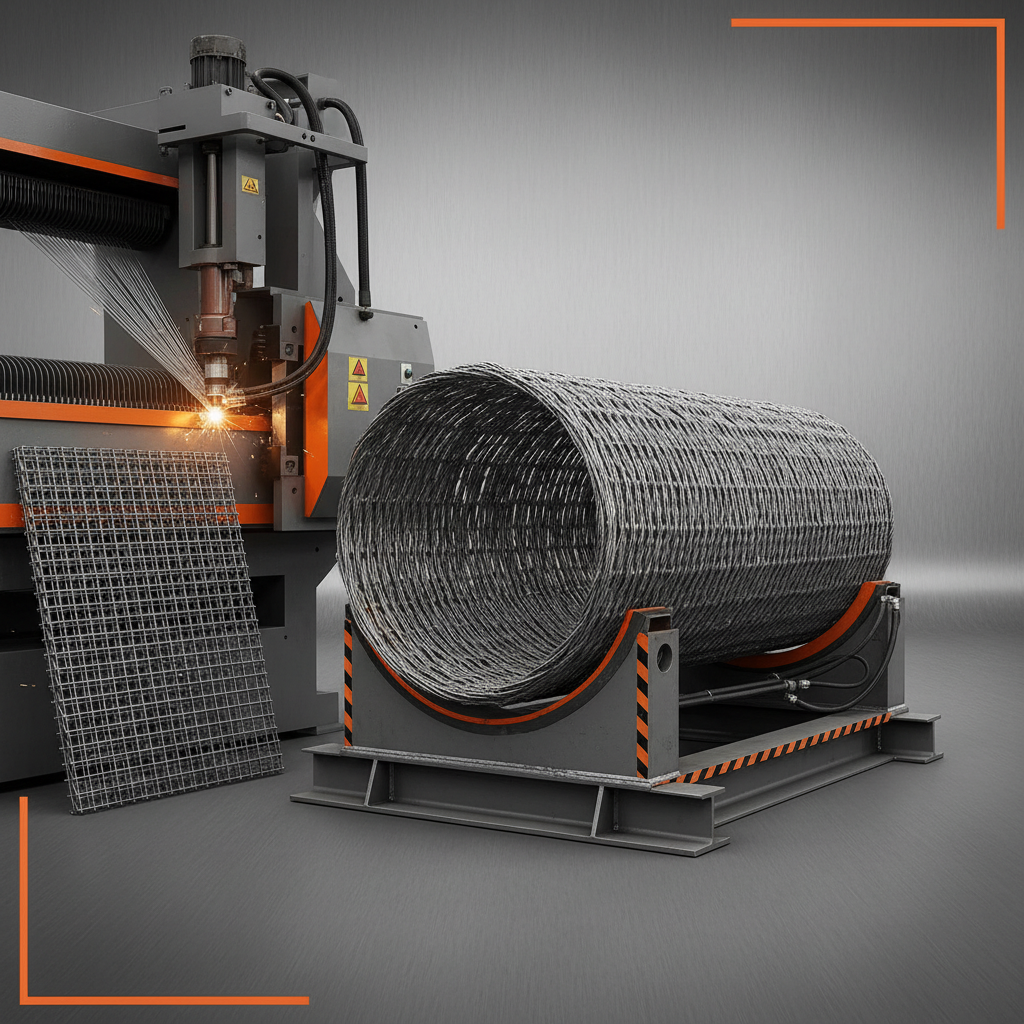
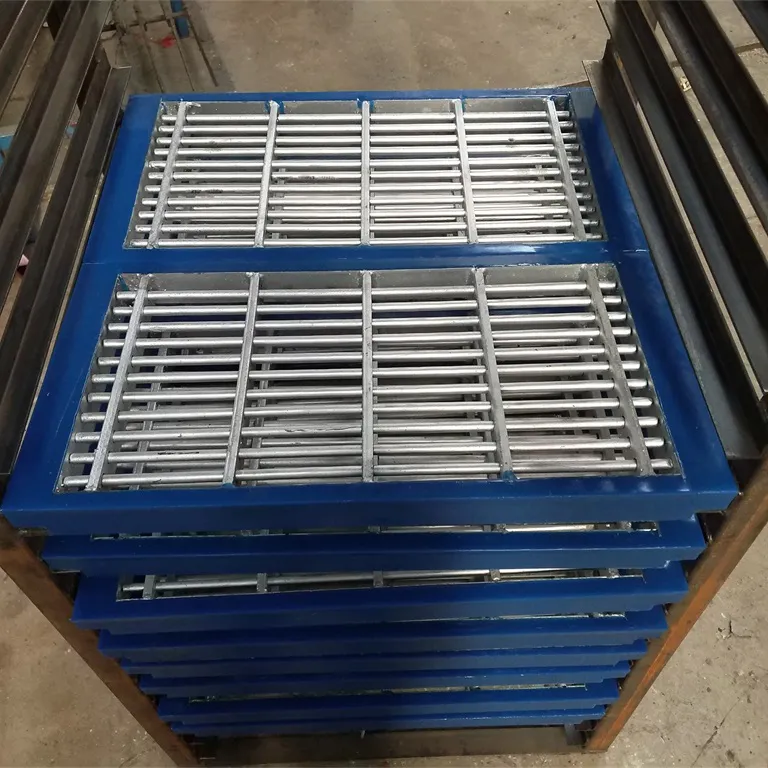
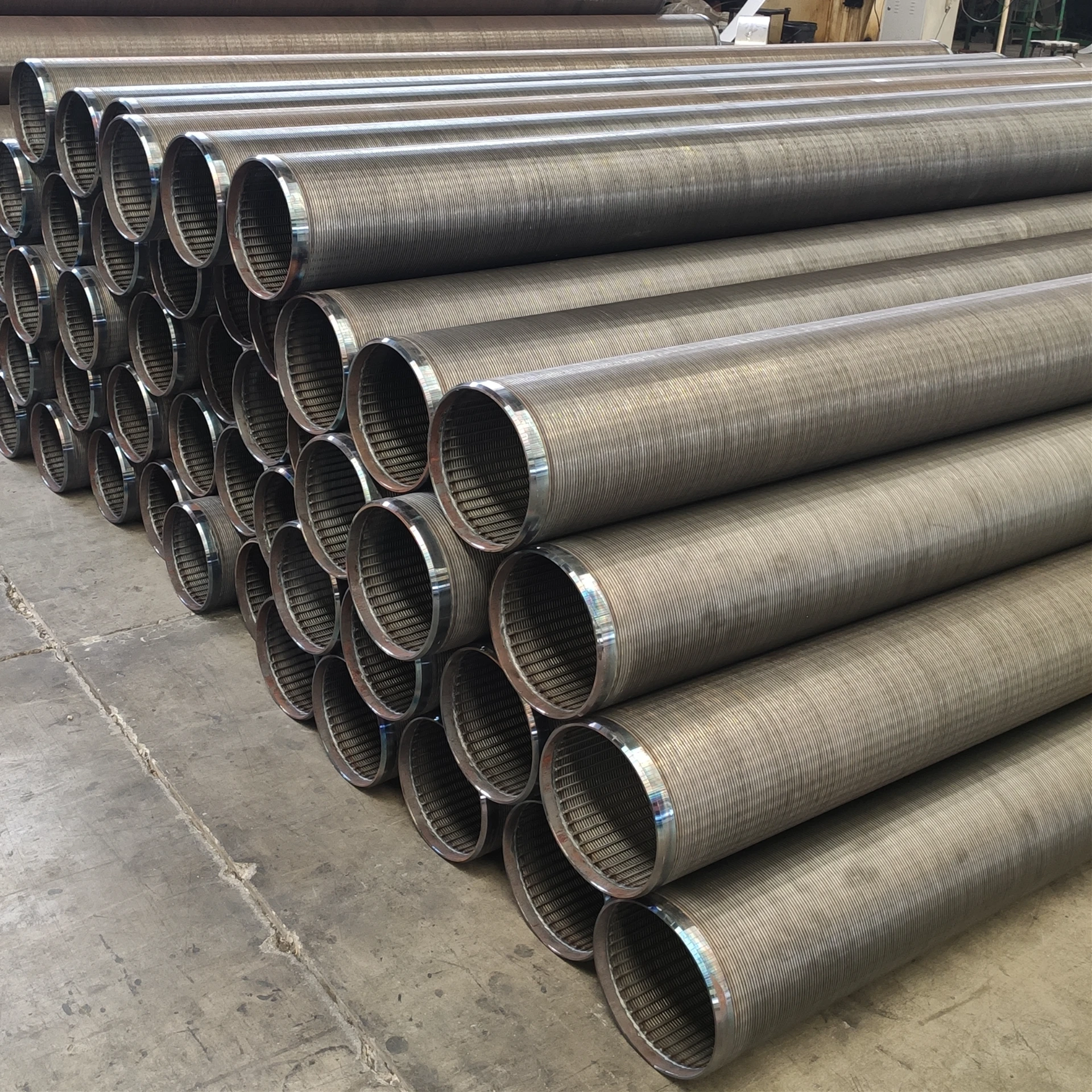
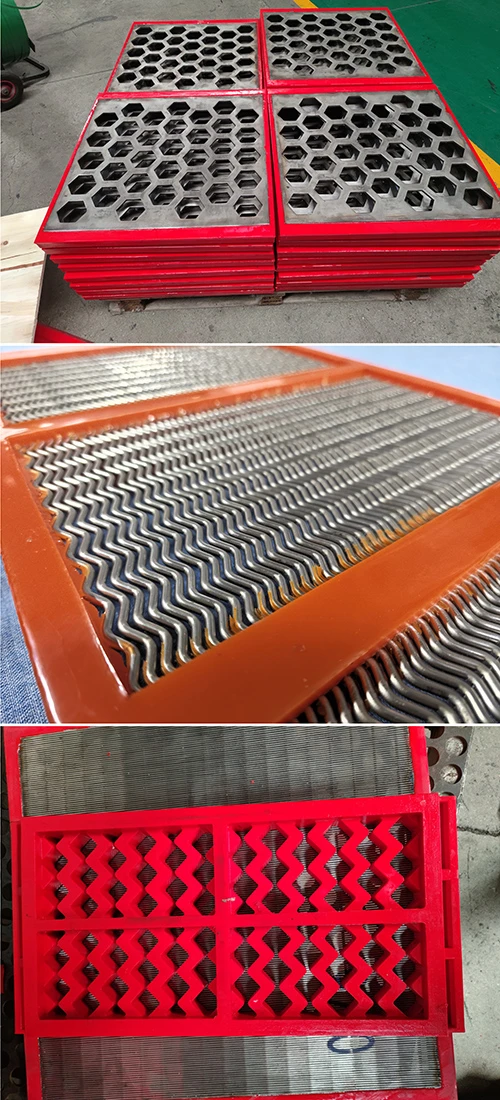
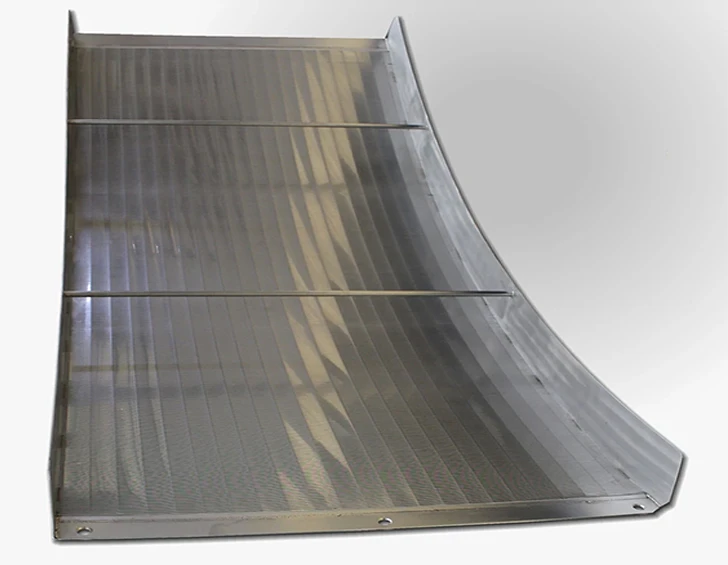
At its simplest, a coarse screen refers to a stationary or mechanically driven grate or mesh with relatively large openings—often between 6 mm and 75 mm. Its job is straightforward: catch and hold onto bigger solids traveling in the wastewater stream, while letting the water itself pass through with minimal resistance. Think of it like the big cousin of fine screens or micro-strainers, which handle smaller particles later in the process. Coarse screens often feature bars or perforated plates that might be flat or inclined. They’re installed right at the intake point of treatment works or pumping stations, preventing “foreign objects” that could gum up pumps, disrupt chemical treatment, or damage fragile downstream filters. In humanitarian or industrial setups—say water treatment in recently disaster-affected areas or in extractive industries—these screens form part of an indispensable toolkit. They help maintain system stability and allow for continuous operation, which is the difference between safe water flow and blockages that could cause public health crises. ---Core Components and Key Factors Affecting Coarse Screening
Durability & Material Quality
Wastewater can be pretty unforgiving—high abrasion, variable pH levels, corrosive agents, and abrasive grit challenge any exposed metal or plastic. Most coarse screens are made from stainless steel or specially coated metals to survive this harsh environment without frequent replacement. Sometimes, polymers with reinforced fibers are used for lighter-duty or temporary setups.Scalability & Design Variants
Not all treatment plants are the same. Municipal systems may use large, mechanically cleaned screens with rakes pulling trapped solids upwards, while smaller plants rely on fixed manual screens. There’s adaptability to flow rate, particle size, and maintenance ability. Some units are designed for compact spaces; others are made to handle very high volumes continuously.Cost Efficiency & Maintenance
One of the reasons coarse screens remain an evergreen technology is their relatively low maintenance cost compared to other filtration steps. Still, cost-efficiency varies dramatically depending on design choices. For example, automated raking systems reduce manual labor but can increase upfront investment and complexity.Environmental Impact
Screens reduce the load on chemicals used downstream and prevent large debris from entering fragile ecosystems. Sustainable manufacturing practices and materials recycling contribute to the green credentials of modern screening technology—significant when considering lifecycle carbon footprints. Mini takeaway: The best coarse screen isn’t necessarily the fanciest. Balancing durability, cost, and ecological footprint tailored to a plant’s needs is where the art and science collide. ---Global Applications of Coarse Screens: How and Where They Are Used
Across the globe, coarse screens appear in widely varied environments: - Urban wastewater treatment plants in Europe and North America use mechanical coarse screens capable of handling flows of hundreds of millions of liters per day. - Remote mining operations in South America and Australia deploy screens to filter out debris and sediment before water is treated or reused onsite, maintaining equipment function. - Post-disaster relief operations in Asia and Africa often rely on mobile water treatment units with portable coarse screens to quickly restart safe water supply. - Food processing industries worldwide integrate coarse screens to intercept large organic waste, thus avoiding clogged pipelines and expensive downtime. In all these cases, customized coarse screening solutions prevail, addressing local water characteristics and operational demands. The diversity of applications has motivated suppliers to innovate continuously. ---Sample Product Specifications of a Typical Mechanical Coarse Screen
| Specification | Typical Range / Value |
|---|---|
| Opening size | 10 to 50 mm (bars or mesh) |
| Material | Stainless steel (304/316) or coated carbon steel |
| Flow capacity | Up to 5000 m³/hr |
| Cleaning method | Manual rake or automated mechanical raking |
| Lifespan | 10-15 years (depends on maintenance) |
Why Using a Coarse Screen Is Worth It in the Long Run
Cost savings, reliability, and sustainability are the big three when selling coarse screens. By removing bulky solids early, plants see reduced pump repair bills and avoid costly process failures. This improves uptime and ensures consistent treatment quality. Socially, reliable wastewater systems build trust and improve community health, a mixture of logic and emotion that engineers and policy makers respect deeply. Plus, as water stress becomes a global concern, screens contribute indirectly by enabling water recycling schemes and reducing freshwater withdrawals. Environmental benefits aren’t just downstream; sustainable manufacturing and end-of-life recycling make the screen an eco-responsible choice in many cases. ---Innovations & Future Trends in Coarse Screen Technology
The wastewater treatment sector is far from static. The future promises: - Smart, sensor-driven screen cleaning to reduce wasted energy and maintenance trips. - Materials with advanced coatings or composites resistant to biofouling and corrosion. - Energy recovery systems coupled with mechanical screens, for example, low-head turbines integrated into screening units. - Modular, mobile units for fast deployment in emergencies or remote areas. - Compliance with stricter environmental and safety standards, pushing designs to be both more robust and low-impact. Automation and digital monitoring will really transform how plants use coarse screens as part of an overall “smart treatment” approach. ---Common Challenges & Their Ingenious Fixes
One challenge is screen clogging due to unexpected trash or high flows during storms. Engineers tackle this with wider bar spacing or varying cleaning cycles depending on flow rate. Another issue is corrosion, mitigated by combining materials or applying advanced coatings. In some places, lack of skilled maintenance personnel delays repairs; here, remote monitoring or community training programs help. Customizable designs that suit specific wastewater characteristics also improve performance and reduce operational hiccups. ---FAQs: Common Questions About Coarse Screen in Wastewater Treatment
Q: How often should a coarse screen be cleaned to work effectively?A: Cleaning frequency depends on flow and debris load but typically ranges from manual cleaning daily to automated cleaning cycles every few hours. Sensors can optimize timing to prevent clogging while saving energy. Q: Can coarse screens handle industrial wastewater with large solid waste?
A: Yes, many robust coarse screens are designed specifically for industrial flows. Material choice and design adaptations cater to more abrasive or corrosive environments common in industry. Q: What's the difference between a coarse screen and a fine screen?
A: Coarse screens have wider openings (usually >6 mm) catching larger solids, while fine screens filter smaller particles, protecting downstream treatment stages like activated sludge or membrane filtration. Q: Are coarse screens environmentally friendly?
A: Generally, yes. They enable better wastewater treatment, preventing pollution. Modern screens manufactured with recyclable materials and energy-efficient designs further boost their environmental profile. ---
Wrapping Up: The Enduring Value of Coarse Screens in Wastewater Treatment
Hopefully, you’ve caught how fundamental a role the coarse screen plays — quietly robust and essential to every wastewater treatment process globally. From urban megaplants to temporary relief sites, the ability to intercept large solids early saves money, reduces environmental harm, and protects health. It’s a solution as simple as a sieve yet with vast ripple effects. If your project or facility could benefit from tailored coarse screening technology, or if you want to dive deeper, visit our website: https://www.mutoscreen.com. ---Vendor Comparison: Popular Coarse Screen Manufacturers
| Vendor | Screen Type | Typical Flow Capacity | Key Features | Price Range |
|---|---|---|---|---|
| MutoScreen | Mechanical Raking Coarse Screen | Up to 5000 m³/hr | Automated cleaning, corrosion resistant, smart sensors option | $$$ |
| EcoScreen Technologies | Fixed Bar Screen | Up to 2000 m³/hr | Low maintenance, simple design, affordable | $-$$ |
| CleanFlow Systems | Inclined Bar Screen | Up to 4000 m³/hr | Energy efficient, modular, customizable | $$ |