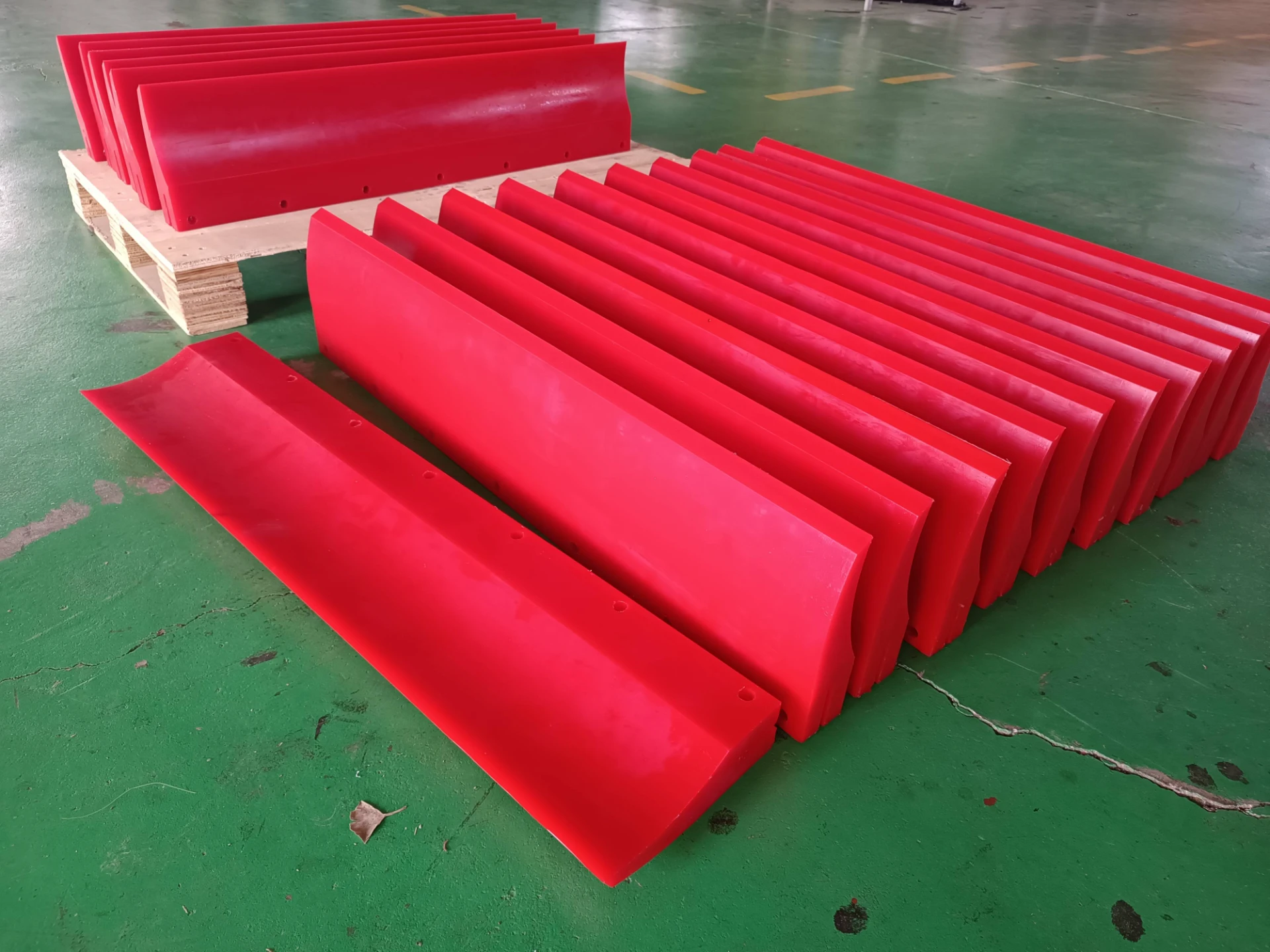
Understanding Coarse Screen Size: Why It Matters in Today’s Industry
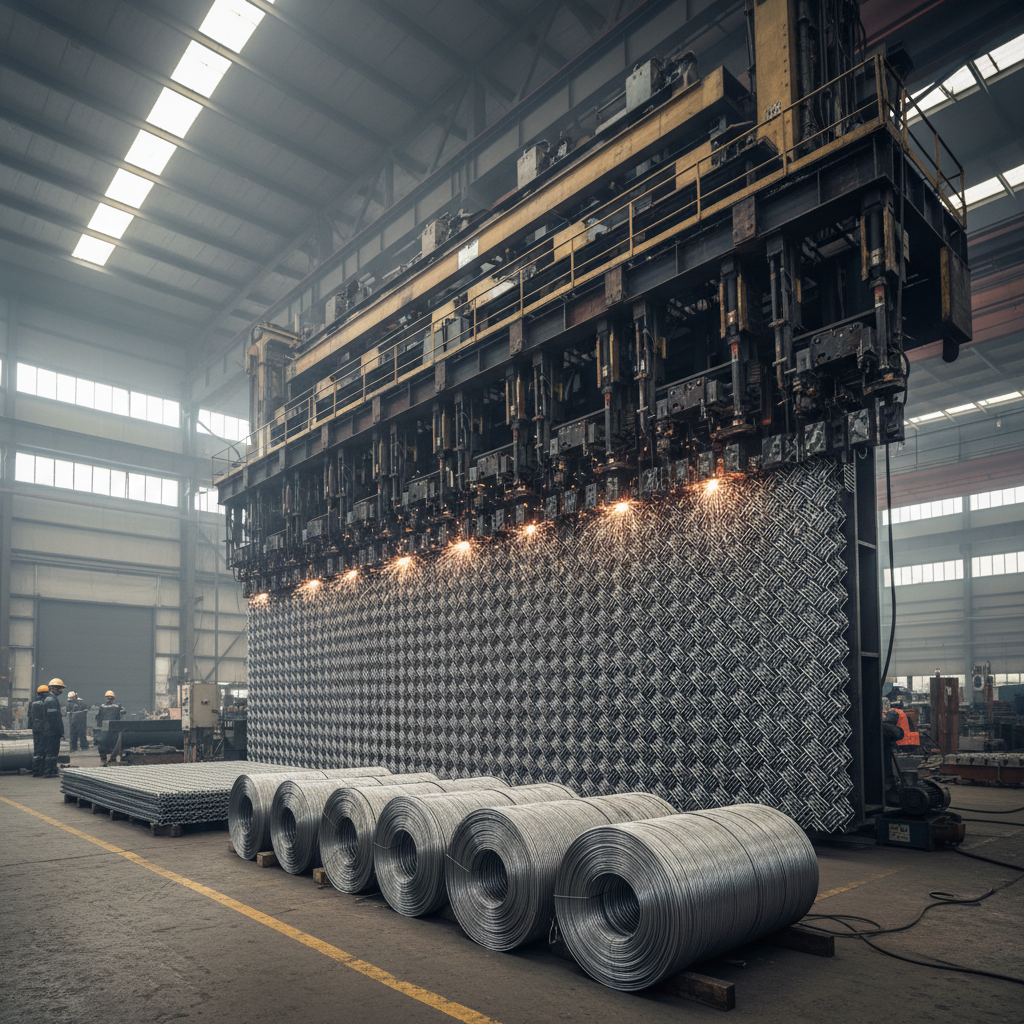
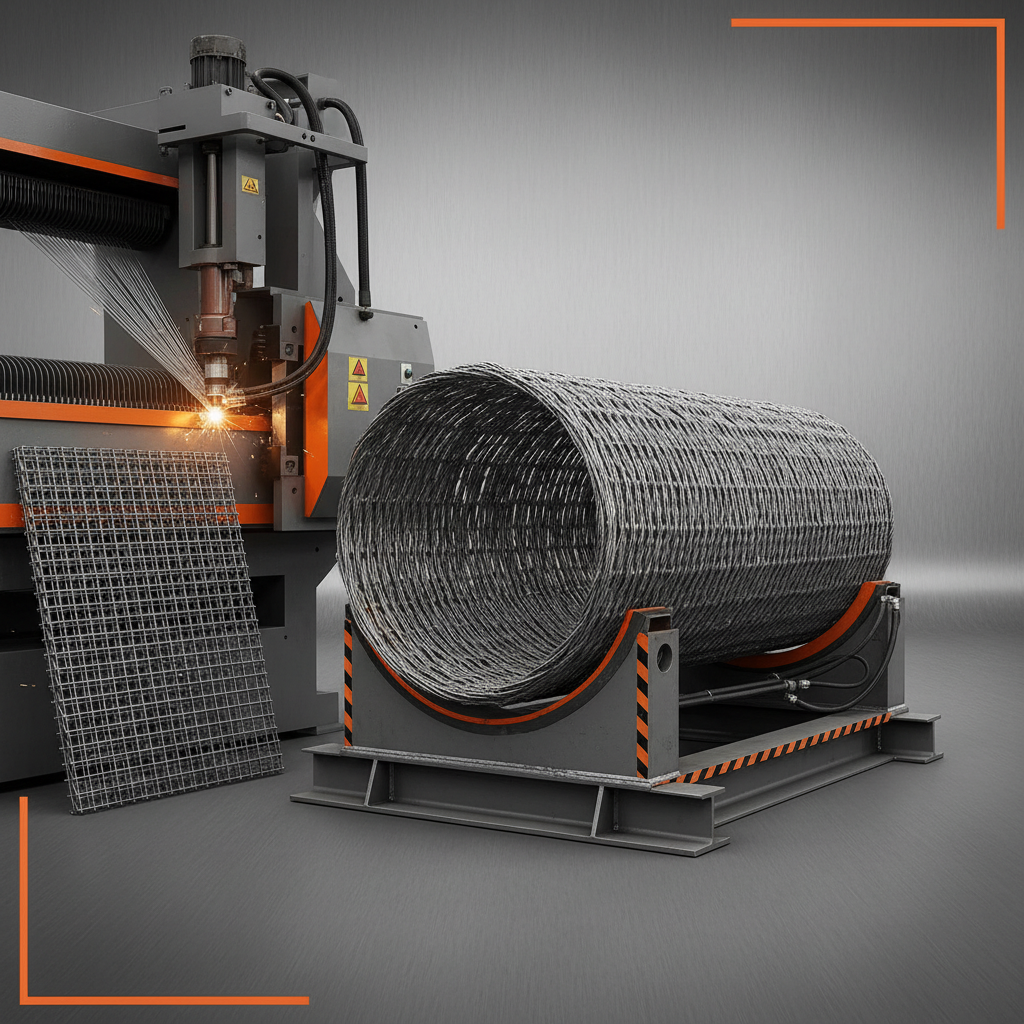
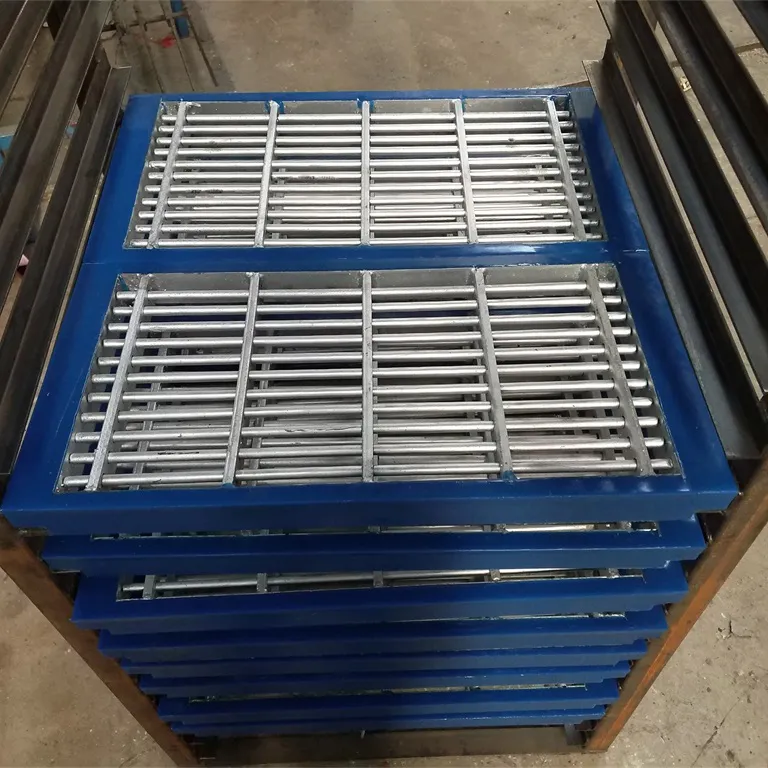
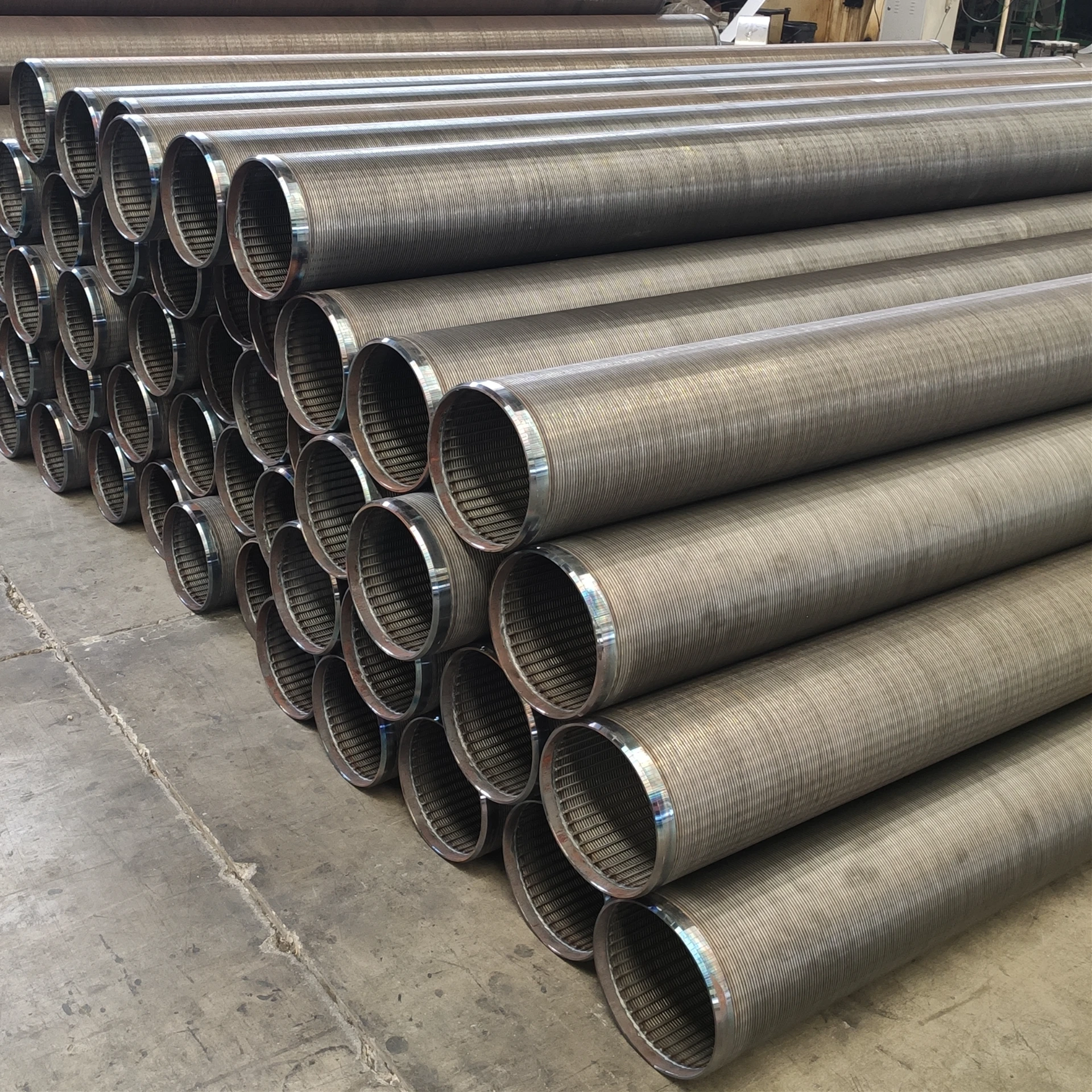
At first glance, the term coarse screen size may sound like jargon reserved for engineers or industrial technicians, but it actually plays a crucial role across multiple sectors worldwide. Simply put, coarse screen size refers to the mesh opening dimensions of screening equipment used primarily for sorting and separating materials – think gravel, aggregates, recycling waste, or even certain agricultural products. Why should you care? Well, selecting the right coarse screen size not only optimizes production efficiency but also lowers operational costs and supports sustainable resource management on a global scale.
Understanding coarse screen size better can impact everything from construction timelines to disaster relief logistics, making it a surprisingly universal concern.
The Global Impact of Coarse Screen Size in Industry
When you think about global infrastructure growth—road building, housing projects in emerging economies, or even rapid waste recycling efforts—screening equipment is often at the core. According to ISO standards on screening methods and quality control, correct screen sizing ensures material consistency that meets international quality benchmarks.
World Bank data illustrates that with increasing urbanization, demand for processed aggregates is expected to rise by around 30% in developing regions over the next decade. A coarse screen’s role? To separate out oversized debris or unwanted materials, enabling smoother downstream processing. The challenge this addresses is twofold: minimizing waste and avoiding machinery breakdowns caused by incorrect material feed, which can halt entire projects.
Industry leaders report that without optimal screen sizing, projects encounter costly delays and increased environmental impact from over-processing. So, it turns out, something as 'small' as mesh size has major ripple effects.
What Exactly Is Coarse Screen Size?
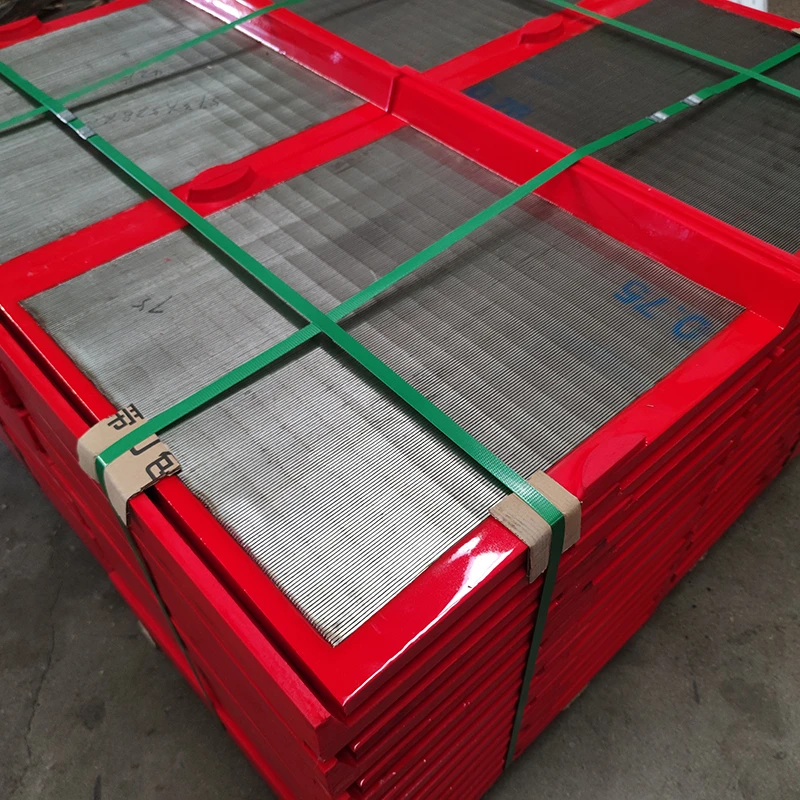
In the simplest terms, coarse screen size is the measured dimension of the openings in a screening mesh or panel that allow materials below that threshold to pass through. It’s the coarse classification in a sorting process — typically covering screen openings from several millimeters up to a few centimeters.
This measurement determines how “coarse” or “fine” the screening output is, affecting product purity and material gradation. Coarse screens generally filter out large clumps or debris, feeding only the desired fractions forward for processing.
For instance, in recycling plants, coarse screens remove large fragments like wires or plastics before finer sorting stages. In agricultural grain cleaning, coarse screens eliminate rocks or sticks, safeguarding the equipment downstream.
Crucial Factors That Define Effective Coarse Screen Size
Durability
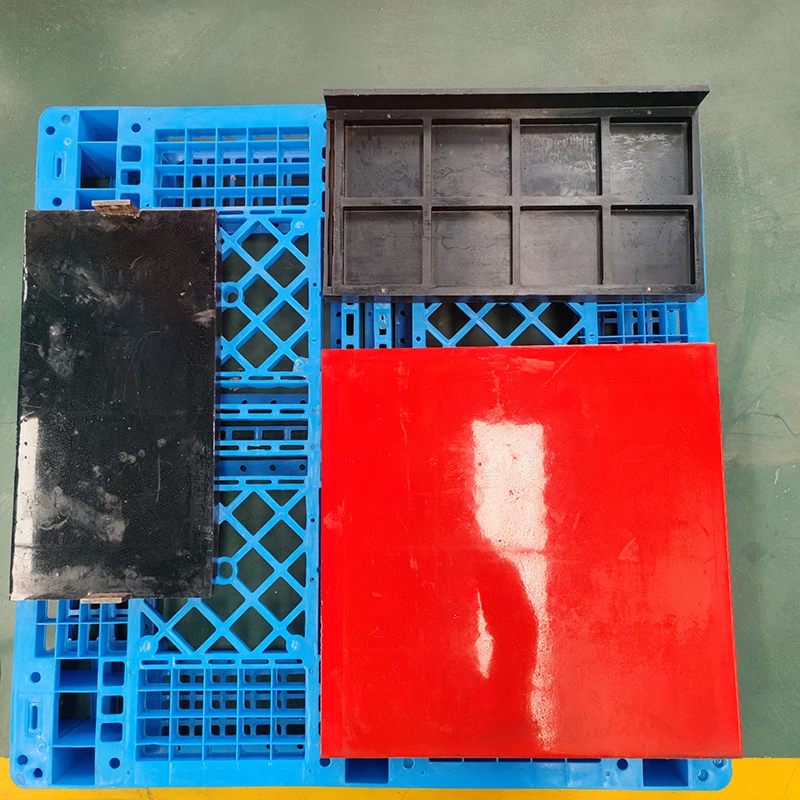
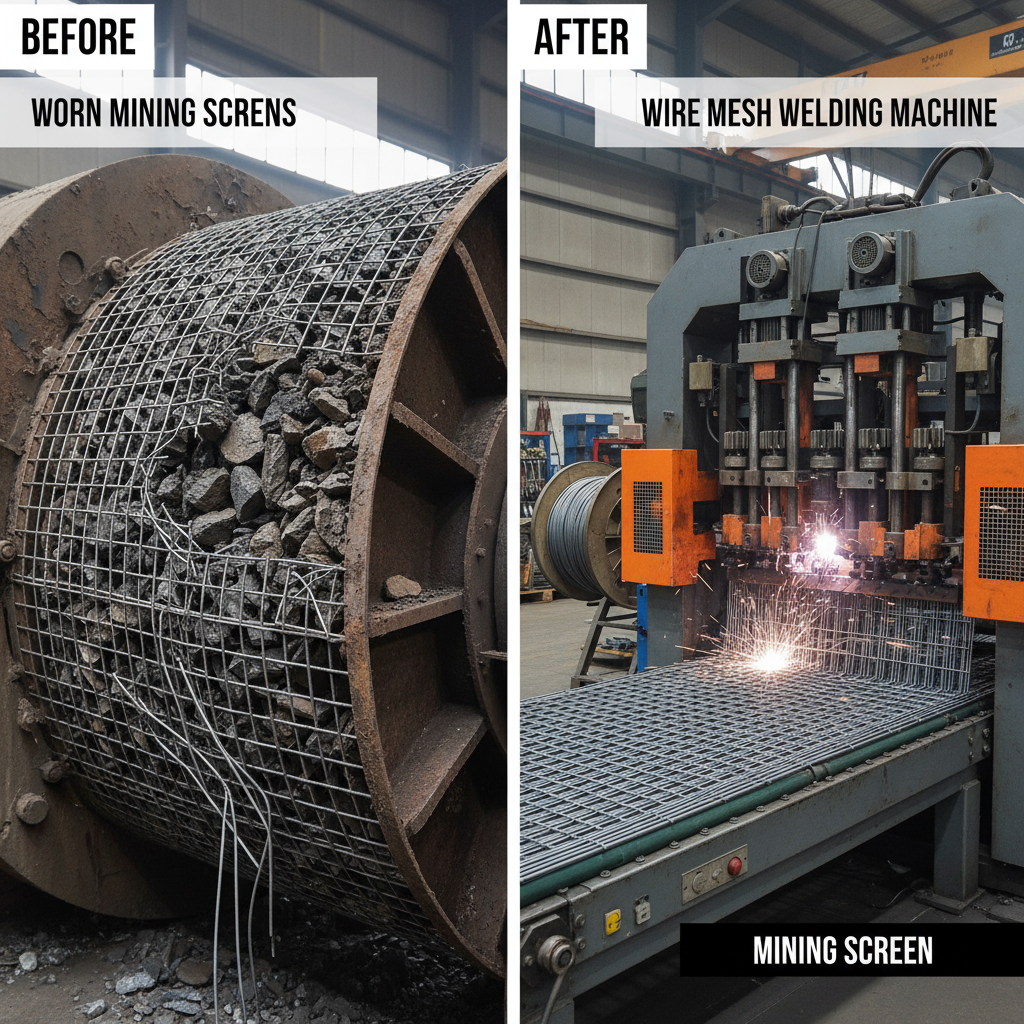
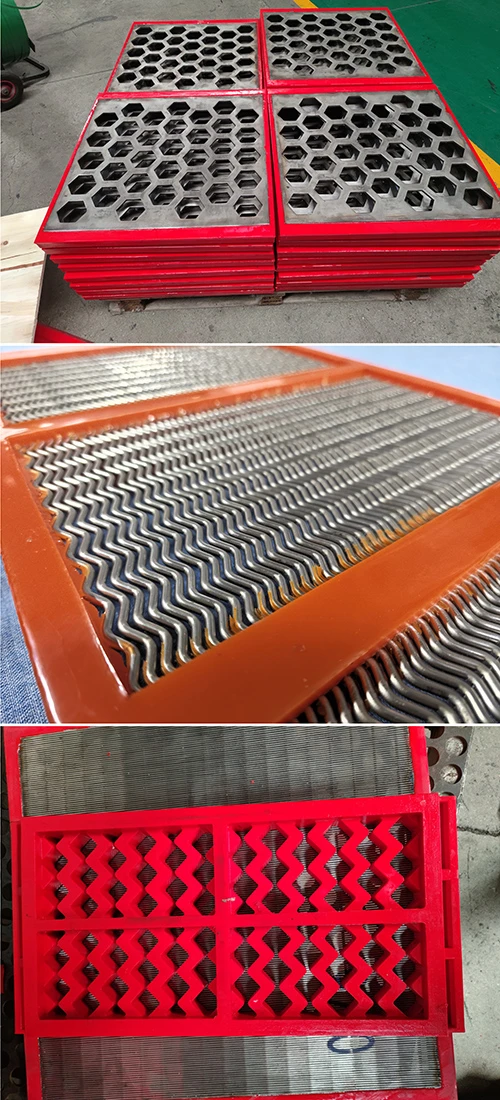
Coarse screens often work under harsh conditions — abrasive particles, heavy loads, and continuous vibration. Materials like high-carbon steel or polyurethane mesh increase wear resistance, extending screen life and minimizing machine downtime.
Scalability and Customization
Whether you’re dealing with small waste sorting stations or massive mining operations, the ability to customize screen size — and even the screen frame — matters. Many companies offer modular designs that adapt to evolving processing needs, which frankly is a lifesaver when production volume fluctuates.
Cost Efficiency
The balance between screen precision and price is delicate. Oversized coarse screens might permit unwanted material through, increasing rework costs, while too fine a screen can reduce throughput speed. Understanding the ideal coarse screen size tailored to your feedstock can yield significant savings.
Ease of Maintenance
User-friendly screen panels that are quick to swap without specialized tools add tremendous value in high-turnover environments — think remote mining camps or disaster sites where skilled labor may be scarce.
Compatibility
The screen size must perfectly match the rest of your plant’s equipment — conveyors, crushers, or separators — ensuring smooth integration and flawless material flow.
Mini Takeaway:
In short, durability, adaptability, cost, maintenance, and compatibility make up the core pillars in choosing the correct coarse screen size—each influencing your operation’s efficiency and longevity.
Where Coarse Screen Size Makes a Real Difference Worldwide
You’re probably wondering — where exactly is this concept applied most? It turns out to be everywhere, literally.
- Post-Disaster Relief Operations: Rapid debris removal requires screens with bigger openings to quickly separate large rubble from usable materials, enabling swift rebuilding.
- Mining and Quarrying: Coarse screens sort extracted rock by size before crushing, helping preserve machinery and improve output quality.
- Agriculture: Cleaning bulk grains or pulses to remove foreign material—something that affects food safety and export standards.
- Waste Management and Recycling: Sorting large plastics, metals, and paper before fine shredding or chemical recycling.
- Construction: Screening aggregates and sand sizes to comply with engineering specifications.
And it’s not just limited to these. Many NGOs and humanitarian groups rely on mobile screening units with thoughtfully engineered coarse screen sizes during refugee support or rebuilding camps.
Product Specification Table
| Specification | Typical Range | Notes |
|---|---|---|
| Screen Opening Size | 6 mm – 50 mm | Adjustable by mesh type |
| Screen Material | Steel, Polyurethane, Rubber | Depends on wear requirements |
| Panel Size | 1 m² – 5 m² | Custom sizes available |
| Installation Type | Bolted or Quick-fit clamp | Ease of replacement varies |
| Typical Lifespan | 6 – 18 months | Depends on abrasive load |
How Vendors Compare on Coarse Screen Solutions
| Vendor | Material Options | Customization Level | Lead Time | Warranty |
|---|---|---|---|---|
| ScreenTech Pro | Steel/polyurethane blend | High (Modular frames) | 4 weeks | 12 months |
| GravelMaster Inc. | Carbon steel only | Medium (Limited sizes) | 6 weeks | 18 months |
| EcoScreen Solutions | Recycled rubber/polyurethane | High (Eco-oriented) | 5 weeks | 24 months |
Advantages That Keep Coarse Screen Size Central to Operations
From cutting costs to improving sustainability, the right coarse screen selection offers multiple tangible benefits:
- Cost savings: less downtime, less reprocessing, and extended equipment life.
- Environmental impact: ensures efficient use of raw materials, cutting waste.
- Safety and dignity: especially in humanitarian setups, reliable screening means cleaner construction material and safer shelters.
- Trust and innovation: companies that master coarse screen sizing often pioneer faster, greener processes.
Looking Ahead: Future Trends in Coarse Screen Size Technology
As digitization creeps into every industrial nook, expect to see:
- Smart screens equipped with sensors that monitor wear and efficiency in real-time.
- Advanced composites offering lighter but more durable screens.
- Automation in adjusting mesh sizes mid-operation to adapt to varying feed materials automatically.
- Sustainability focus pushing for recyclable materials and energy-efficient manufacturing.
Challenges & Innovative Solutions in Practice
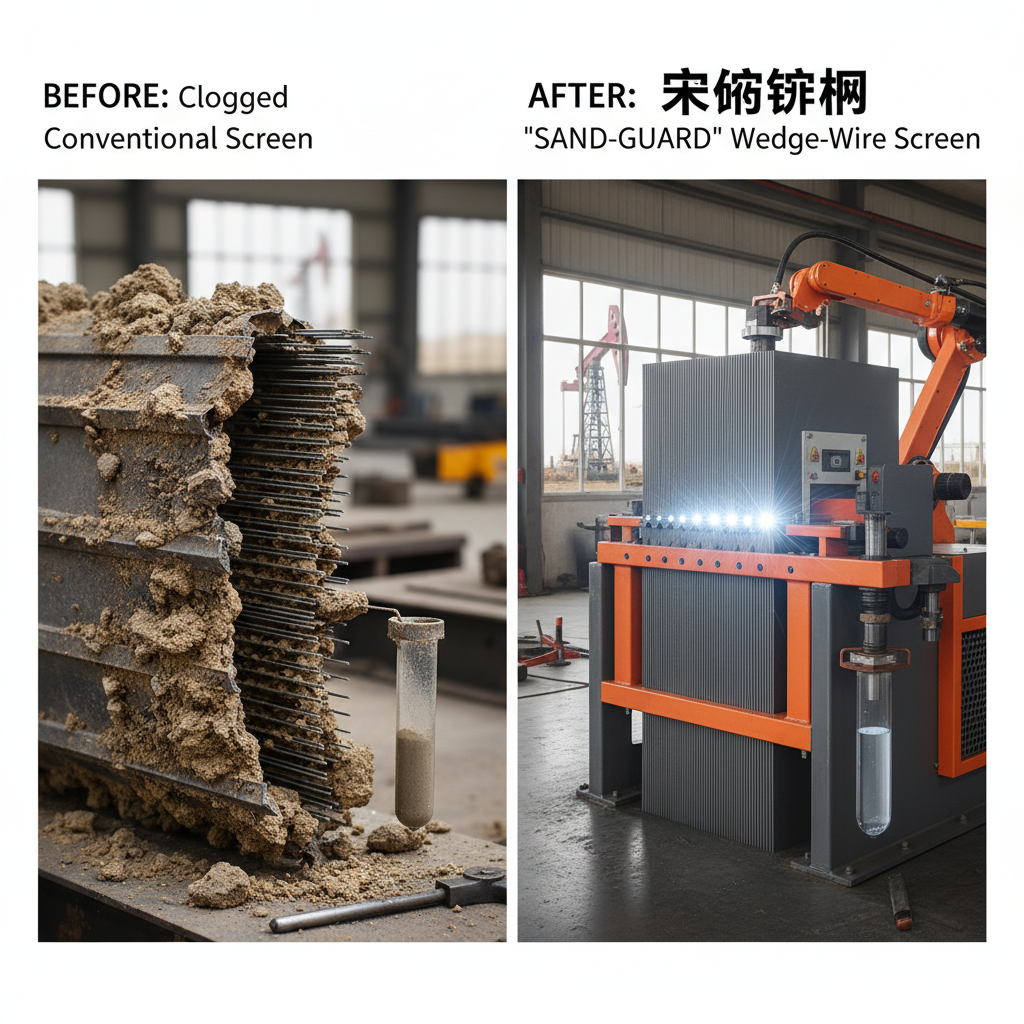
Despite the strengths of coarse screens, issues remain — such as mesh clogging, inconsistent wear, or high upfront costs. Many engineers say ongoing R&D in self-cleaning surfaces and modular upgrade kits addresses these concerns effectively. Plus, companies investing in thorough testing and consultation often avoid costly missteps.
If your operation faces such difficulties, exploring vendors that offer tailored technical support alongside their products can be a game changer.
FAQ: Your Top Questions About Coarse Screen Size
- What factors should I consider when choosing a coarse screen size?
- Consider the material type, particle size distribution, throughput speed, and your operation’s wear tolerance. Matching screen size to feedstock prevents clogs and maintains consistency.
- How often should coarse screens be replaced or maintained?
- Depends on usage but generally every 6–18 months under heavy abrasive load. Regular inspections help spot wear before failures occur.
- Are coarse screens customizable for unique industrial needs?
- Yes, many providers offer custom mesh patterns, materials, and frame sizes to fit your specific application requirements.
- Can screenings be adjusted once a coarse screen is installed?
- Some high-end systems feature adjustable mesh or interchangeable panels for operational flexibility. Otherwise, replacement is typical.
- Where can I find more technical details about coarse screen standards?
- ISO 21814 and ASTM E11 include standards for sieve and screen testing that guide coarse screen manufacturing and use.
Wrapping Up: Why Coarse Screen Size Is Worth Your Attention
It might seem like a tiny facet of a larger industrial landscape, but coarse screen size holds outsized importance. Picking the right size means smoother operations, less downtime, and an environmentally smarter process. Whether in booming construction hotspots or remote recycling facilities, this measurement shapes success.
Want to explore ideal coarse screen sizes tailored for your needs? Visit our website to learn more about custom screening solutions designed to maximize efficiency and sustainability.