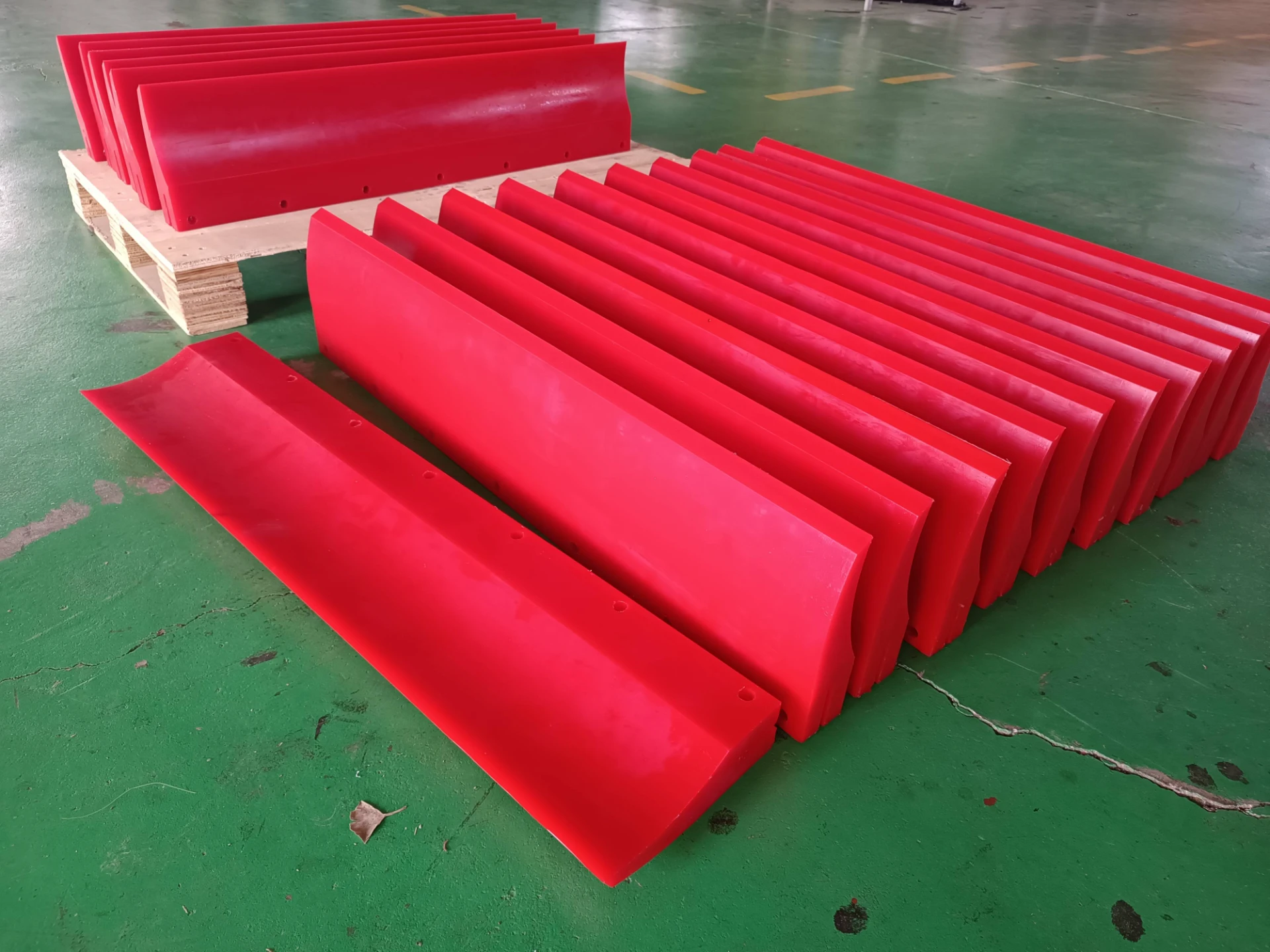
Mechanical Coarse Bar Screen: Durable Screening Solutions for Wastewater & Industrial Use
Understanding Mechanical Coarse Bar Screens: Why They Matter Globally
If you’ve ever wondered how industries worldwide keep debris from clogging crucial water systems or machinery, then the mechanical coarse bar screen has probably quietly done its job without much fanfare. This humble piece of equipment is vital for separating large solids from wastewater or process liquids — a first and essential step in many treatment and manufacturing plants. As water scarcity and environmental regulations tighten globally, understanding mechanical coarse bar screens is more relevant than ever.
On a broader scale, this technology supports sustainable water management, protects infrastructure, and even helps in humanitarian relief where clean water is a lifeline. It’s not just about preventing clogs; it’s about ensuring safe, efficient, and cost-effective systems that industries and communities rely on every day.
The Global Context: Why Mechanical Coarse Bar Screens Are a Growing Priority
Worldwide, water treatment and industrial processing face mounting challenges. According to the United Nations, nearly 80% of wastewater globally is discharged untreated, leading to significant environmental and health risks. That’s a massive problem — and it’s precisely where technologies like the mechanical coarse bar screen come in.
The World Bank estimates that water-related infrastructure investments will top trillions of dollars in the coming decades, emphasizing the urgency for reliable, scalable solutions. Mechanical coarse bar screens are an early line of defense, ensuring that solids don’t gum up expensive downstream equipment or pollute water bodies.
Urbanization, expanding industries, and climate change-induced water stress put even more pressure on wastewater facilities worldwide to operate smoothly and reliably. Simply put, if a treatment plant can’t keep debris out efficiently, the whole process risks failure. So mechanical coarse bar screens, though often unseen, are critical — almost like unsung heroes of water and industrial safety.
What Exactly Is a Mechanical Coarse Bar Screen?
Breaking it down in simple terms, a mechanical coarse bar screen is a piece of equipment designed to remove large solids, like sticks, plastic debris, and rags, from wastewater or industrial fluids. It acts kind of like a comb, capturing all the chunky stuff before the water progresses further into treatment or manufacturing processes.
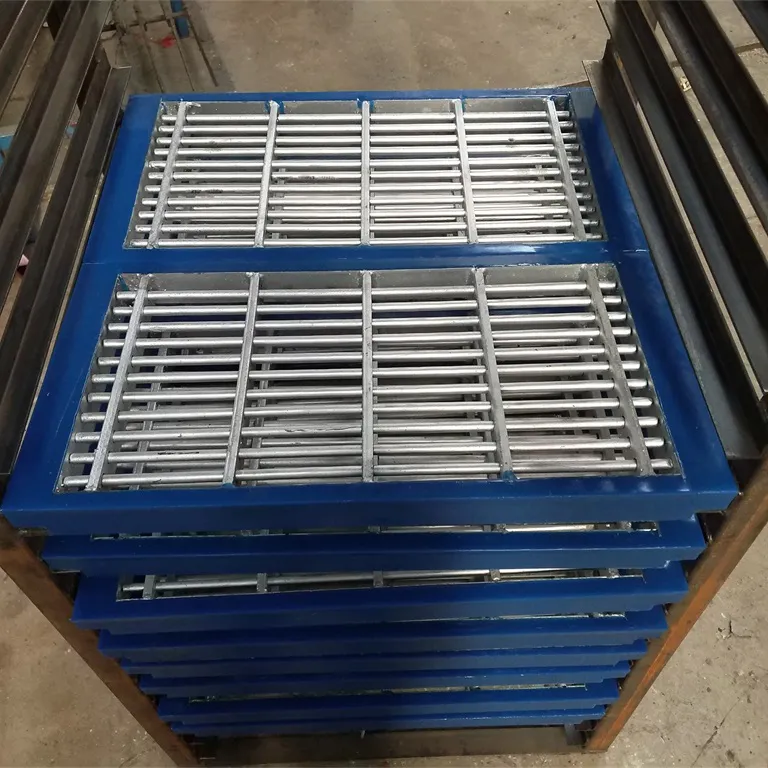
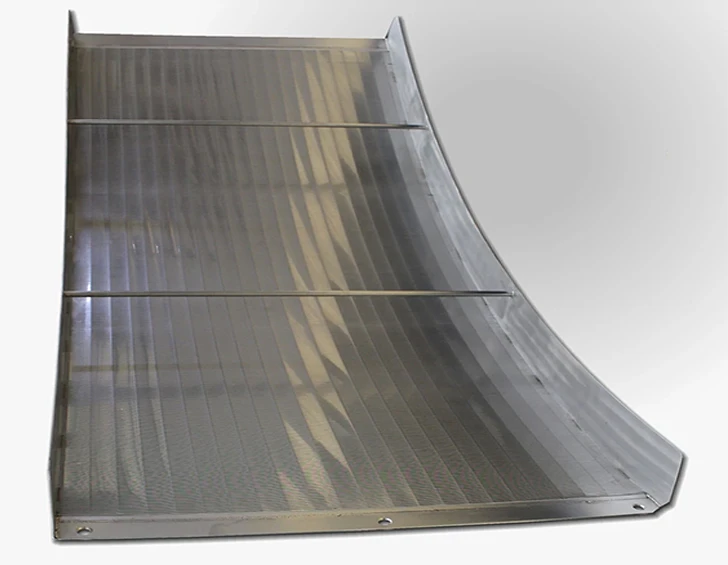
Unlike fine screens that sift out tiny particles, coarse bar screens handle bigger material. They usually consist of a sturdy frame holding several bars spaced evenly apart, and a mechanical device—often a rake or chain system—that continuously cleans off the collected waste automatically. Many municipal wastewater plants, paper mills, and food processors rely on these screens as their first line of defense.
From a humanitarian viewpoint, ensuring clean water is a foundational need. Mechanical coarse bar screens help prevent blockages that can cause sanitation failures, disease outbreaks, or costly emergency repairs in areas grappling with infrastructure challenges.
Core Components That Make Mechanical Coarse Bar Screens Work
1. Durability
One thing many operators stress is durability — these screens spend years submerged in tough, corrosive conditions. Stainless steel or specially coated steels are often used for the bars and frames to resist rust and mechanical wear. It’s not just about lasting long but also withstanding unexpected debris loads without damage.
2. Scalability & Size
These units come in various sizes, suitable for anything from small community plants to massive industrial complexes. The ability to scale up or down makes mechanical coarse bar screens adaptable globally, from remote villages to megacities.
3. Efficiency of Cleaning Mechanisms
Mechanical cleaning can use rakes, chains, or scrapers—all designed to keep the bars clear constantly to maintain flow rates. The cleaning frequency and mechanism design hugely impact how well the screen performs without manual intervention.
4. Energy Consumption & Cost Efficiency
Power requirements can vary, but many newer designs aim to minimize energy use. After all, continuous mechanical operation adds up. An efficient design helps keep operating costs in check, especially crucial for less-resourced areas.
5. Ease of Maintenance and Installation
Operators often appreciate designs that allow quick access for repairs or parts replacement. Because downtime means disrupted flow and possible environmental hazards, good design considers straightforward installation and maintenance.
Real-World Applications: Where Mechanical Coarse Bar Screens Shine
These screens are everywhere—from bustling wastewater treatment plants in Europe to remote industrial zones in Southeast Asia. For instance, in post-disaster relief scenarios, quickly deployed treatment setups use mechanical coarse bar screen units to prevent debris from clogging pumps, enabling faster recovery and preventing secondary contamination.
Paper mills rely heavily on these screens to catch wood chips and other raw material residue before the pulping process, protecting delicate downstream machinery. In urban wastewater systems, municipal plants use these screens as their first filtration step to protect costly biological treatment equipment.
Interestingly, coastal industries often deploy specialized versions resistant to saltwater corrosion, demonstrating how designs adapt to local environments globally.
Tangible Benefits of Mechanical Coarse Bar Screens
- Cost Savings: Reduces damage and maintenance costs on pumps and pipes.
- Environmental Sustainability: Helps improve effluent quality by removing large debris early.
- Reliability: Automated cleaning reduces need for manual labor and downtime.
- Safety and Dignity: Prevents overflow and spill incidents, fundamental for safe sanitation.
On an emotional level, knowing that treatment systems won’t falter under heavy debris load or storm conditions gives operators peace of mind. On the logical side, it often feels like a simple upfront investment that pays dividends in system longevity.
Product Specification: Typical Mechanical Coarse Bar Screen
| Specification | Typical Value | Remarks |
|---|---|---|
| Bar Spacing | 20-100 mm | Adjustable based on debris size |
| Width | 0.5 – 3 meters | Customized per flow capacity |
| Cleaning Mechanism | Rack and chain | Auto operation, frequency varies |
| Material | Stainless steel (AISI 304/316) | Corrosion resistant |
| Power Consumption | 0.5 – 2 kW | Depends on size and cleaning interval |
Comparing Leading Vendors of Mechanical Coarse Bar Screens
| Vendor | Strengths | Limitations | Typical Industries |
|---|---|---|---|
| MutoScreen | Robust build, energy efficient, modular design | Premium price point | Municipal, industrial, disaster relief |
| ClearFlow | Custom sizing, automated monitoring | Longer lead time for custom units | Paper mills, food & beverage |
| EcoScreen Solutions | Sustainably sourced materials, retrofit capabilities | Smaller product range | Small plants, wastewater treatment |
Looking Ahead: Trends Shaping Mechanical Coarse Bar Screens
Innovation in this sector is quietly humming along. Many manufacturers invest in automation — digital sensors now monitor debris loads, allowing predictive maintenance that prevents breakdowns before they happen. I’ve noticed, too, a move towards greener materials and manufacturing processes aligned with global sustainability goals.
Then there’s energy — powering these screens with solar or more efficient motors helps reduce operational carbon footprints. As water management strategies become smarter globally, integration with IoT (Internet of Things) platforms enables better data-driven decisions at scale. It feels like these relatively simple machines are stepping into the digital age without losing their rugged charm.
The Challenges and How Industry Pros Tackle Them
One honest admission: these screens aren’t perfect. Blockages happening during extreme debris surges, corrosion in unusually harsh environments, or difficulty sourcing replacement parts in remote regions can trip operators up. Engineers often solve these issues by customizing bar spacing, using novel coatings, or incorporating backup manual cleaning systems.
Training for local staff is another often overlooked factor. While the machinery itself is robust, knowing how to maintain and troubleshoot can make or break uptime. Some manufacturers, including our recommended providers, offer training and 24/7 support, which is invaluable especially for communities new to this technology.
FAQ: Practical Questions on Mechanical Coarse Bar Screens
- Q: How often should the mechanical coarse bar screen be cleaned?
A: Most systems feature automatic cleaning cycles which run frequently enough to prevent buildup, often every few minutes to hours depending on flow and debris load. Manual inspection is recommended monthly. - Q: Can mechanical coarse bar screens handle large seasonal debris surges?
A: Yes, but bar spacing and cleaning frequency might need adjustment. Some units come with adaptive cleaning algorithms to handle variable loads. - Q: Are these screens suitable for harsh saline environments?
A: Absolutely, provided the bars and moving parts use corrosion-resistant materials like AISI 316 stainless steel or special coatings. - Q: What is the expected lifespan of a mechanical coarse bar screen?
A: With proper maintenance, 10+ years is common, though some units last much longer depending on conditions. - Q: Can these systems be integrated with existing wastewater infrastructure?
A: Yes, they are designed to retrofit into a variety of plant configurations with minimal disruption.
Wrapping Up: Why Mechanical Coarse Bar Screens Still Matter Tomorrow
Mechanical coarse bar screens may not make headlines, but they quietly keep our water clean and industries running. They blend rugged engineering with clever automation, catering to a broad spectrum of needs worldwide. Whether cutting costs, improving sustainability, or safeguarding communities, their role is crucial and only grows more so in our water-stressed age.
If your facility or project could benefit from reliable, efficient debris screening, don’t hesitate to visit our website and explore options that match your needs.
1. United Nations World Water Development Report, UNESCO, 2023
2. World Bank: Water Infrastructure Investment Outlook, 2024
3. ISO Standard 5667-13: Water quality – Sampling guidelines