What Exactly is a Vibrating Screen Sieve — and Why Does It Matter So Much?
You’ve probably come across a vibrating screen sieve without even realizing it. Whether in mining operations sifting ore from dust or factories sorting granules for packaging, it's a deceptively simple piece of equipment that quietly keeps the wheels of industry turning. Globally, these sieves help streamline manufacturing processes, reduce waste, and improve product quality — benefits that ripple from big industrial hubs all the way to small-scale operations in emerging markets. Understanding these essential machines can unlock insights into efficiency, scalability, and even sustainability, which makes knowing about vibrating screen sieves quite handy, if you ask me.
Global Context: Why Vibrating Screen Sieves Are a Worldwide Workhorse
If global manufacturing had a backbone, vibrating screen sieves would be along the spine, no doubt about it. According to ISO standards, the demand for high-precision screening in sectors like mining, pharmaceuticals, and food processing has been growing steadily—with billions of tons of material being screened worldwide each year. The World Bank has highlighted that manufacturing competitiveness especially in Asia and Africa leans heavily on efficient material processing—often meaning these sieves. Unfortunately, inconsistent product quality and equipment failure remain big bottlenecks. That’s where robust vibrating screen sieves come in as a sort of unsung hero for process reliability and scalability.
Mini takeaway:
- Vibrating screen sieves play a crucial role in industrial quality control worldwide.
- They tackle a major bottleneck: separating useful product from unwanted material efficiently.
Defining the Vibrating Screen Sieve in Plain Terms
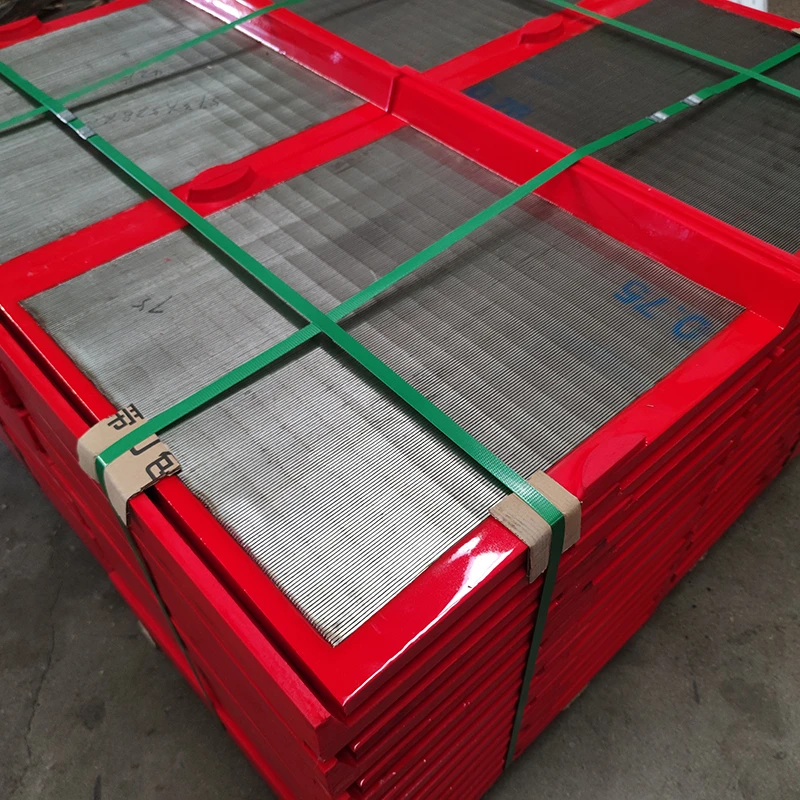
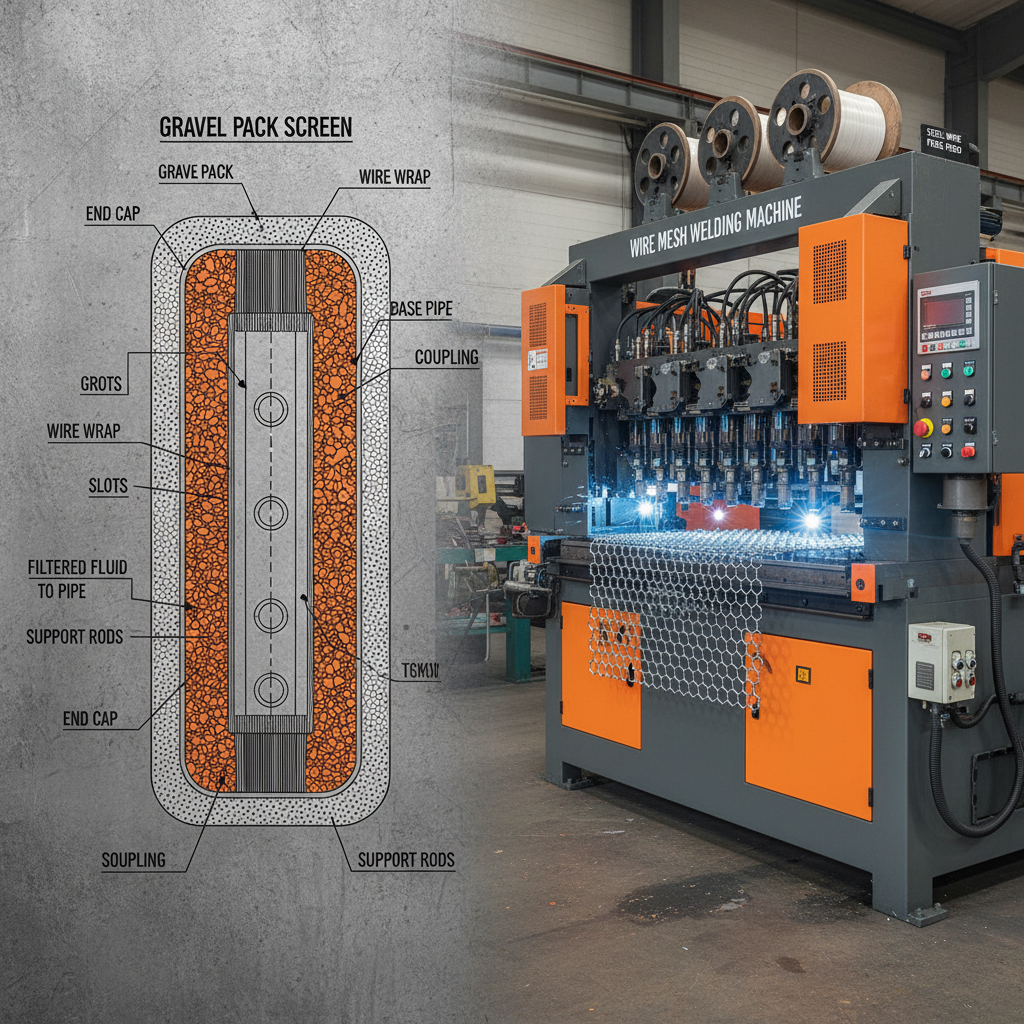
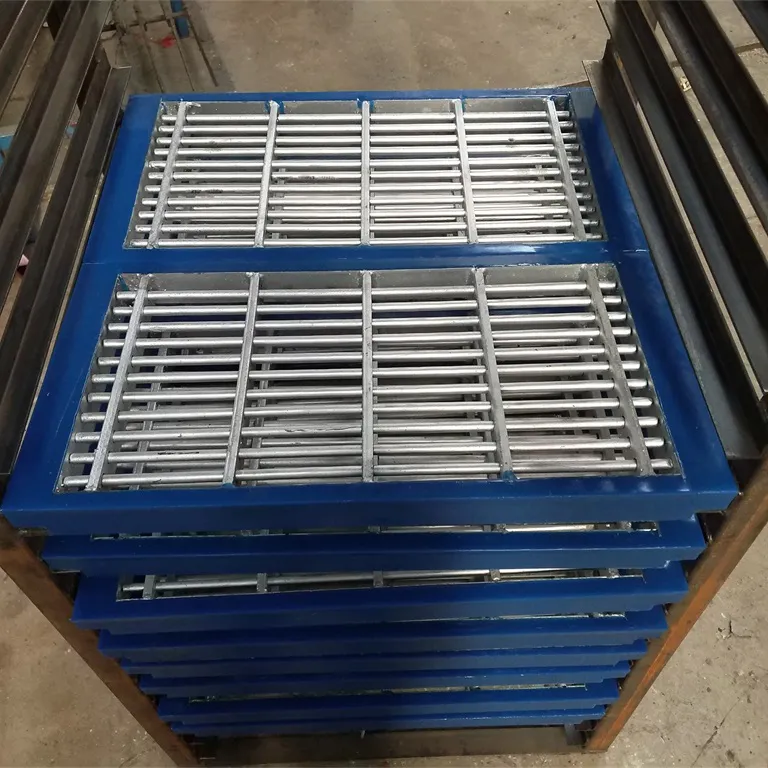
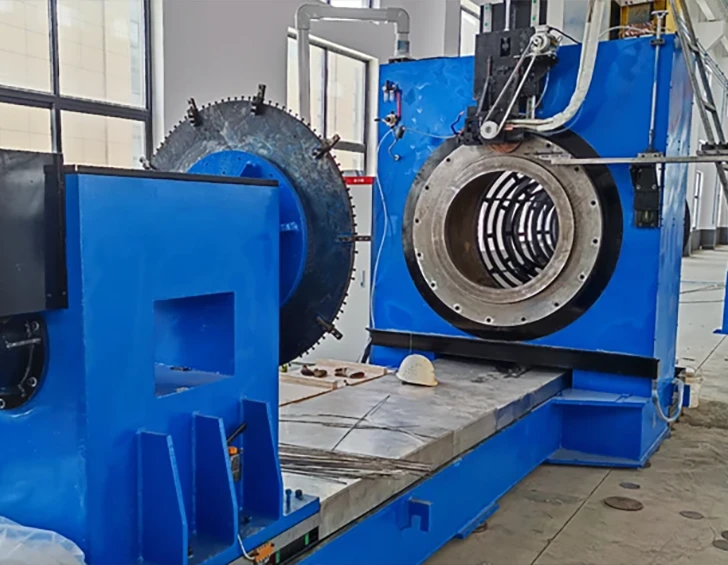
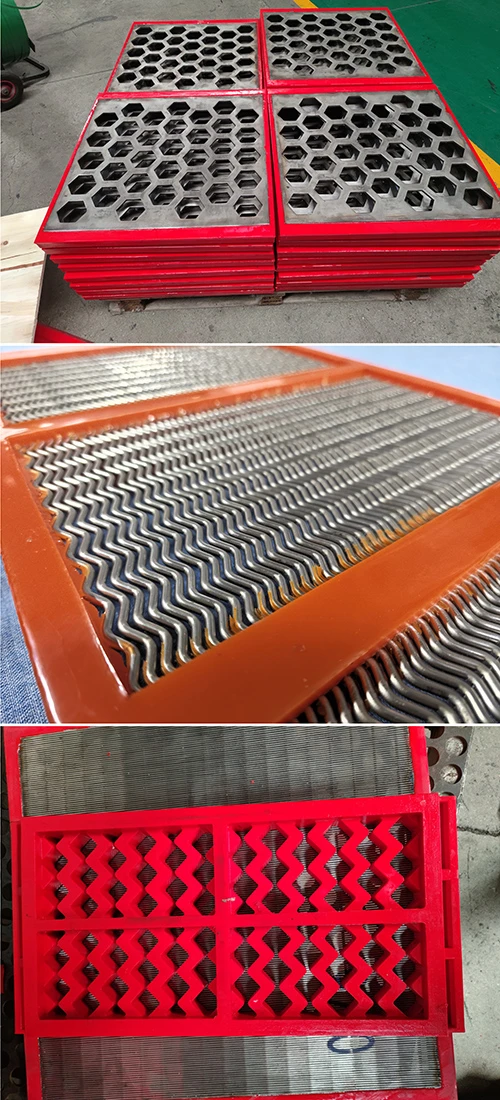
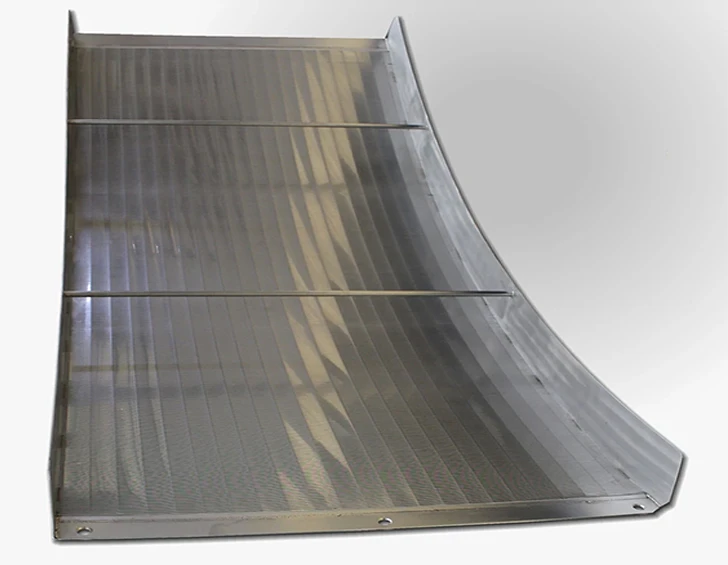
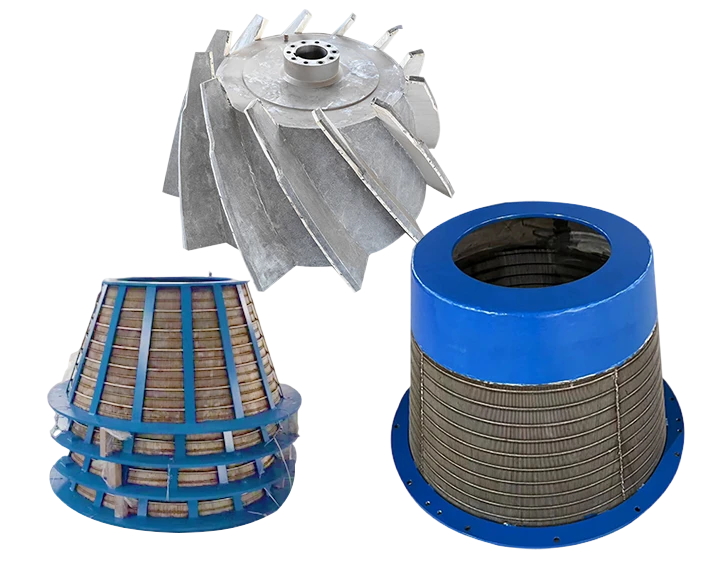
So, what is a vibrating screen sieve exactly? At its core, it’s a mechanical device that separates particles based on size. Imagine a flat or curved surface covered with a mesh. When the screen vibrates, smaller particles fall through the holes, and larger ones slide off — all without manual sorting. This might sound simple, but the devil is in the details: vibration frequency, screen angle, mesh size, and material all must be fine-tuned for effective sorting. In industries ranging from food production to construction, using vibrating sieves can mitigate risks like contamination, waste, or inconsistent product quality—which frankly makes them vital tools in many humanitarian supply chains too.
Core Factors That Make or Break Vibrating Screen Sieves
1. Durability
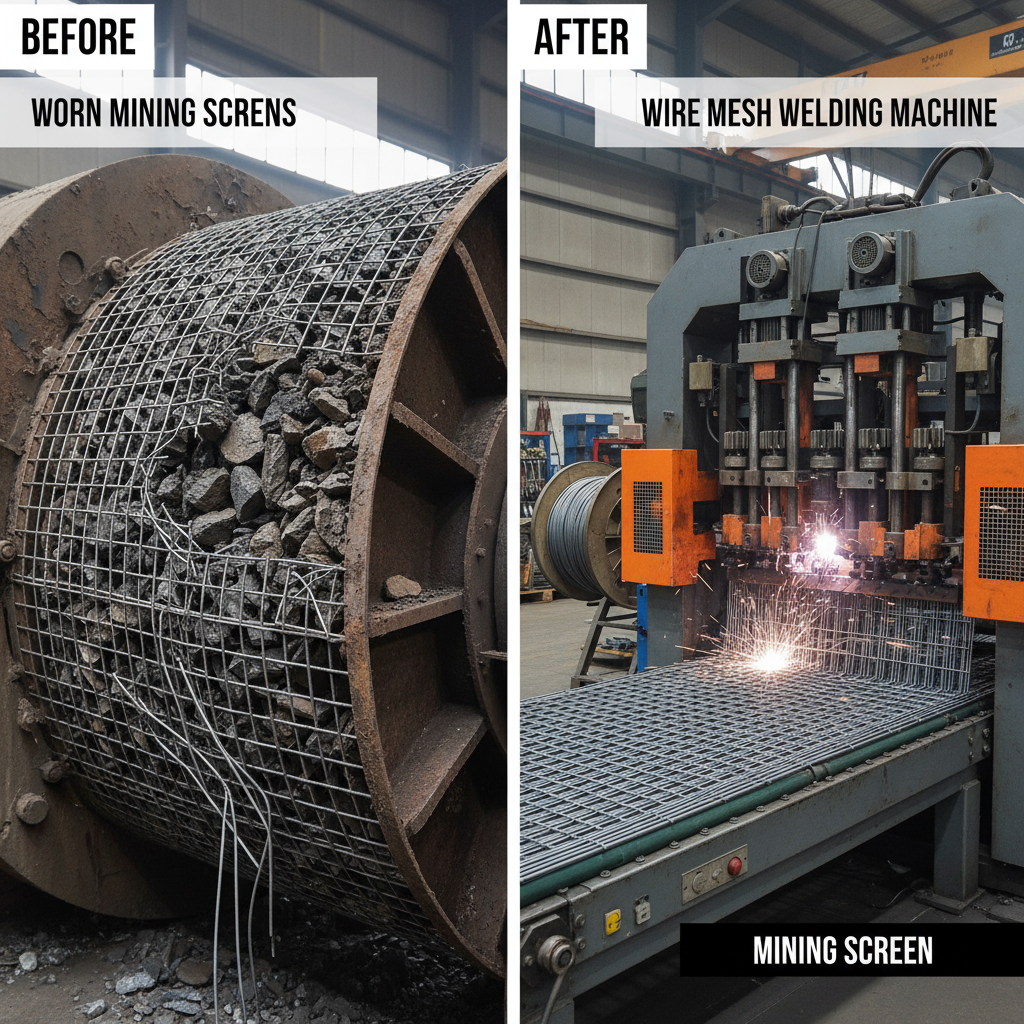
These devices often face abrasive materials and harsh environments, especially in mining or construction. Using high-grade steel mesh and vibration-resistant frames can mean the difference between a maintenance headache and smooth operation for years.
2. Scalability
Whether you’re screening a few dozen kilos a day or several tons, vibrating screen sieves come in sizes ranging from handheld models to massive industrial setups. This flexibility lets industries upscale or downscale their operations without major equipment swaps.
3. Cost Efficiency
Energy consumption and downtime have an immediate impact on bottom lines. Efficient motors combined with optimized vibration patterns minimize power use while maximizing throughput, making some sieves quite economical over time.
4. Precision & Versatility
Modern vibrating sieves allow for different mesh sizes, variable vibration speeds, and adjustable angles. This lets operators target exact particle size ranges, essential when product specifications are tight or contamination controls strict.
5. Easy Maintenance
Quick-screen-change designs and accessible components reduce operational delays. In industries where downtime costs are sky-high, this convenience tip is highly valued.
Mini takeaway:
- Durability ensures operational continuity in tough conditions.
- Adjustability and scalability meet diverse industry needs.
- Efficient design cuts costs and downtime.
Real-World Applications: Where Vibrating Screen Sieves Make a Difference
They’re everywhere. Mining companies in Australia use vibrating screen sieves to separate precious ore from tailings. In food processing plants in Europe, they sift flour and spices to guarantee product purity. On the humanitarian side, NGOs employ these sieves to clean raw materials for water filters or to sort recycling waste in developing countries—significantly improving sustainability efforts.
Take West Africa, for example, where local mining operations use vibrating screens to improve gold recovery rates, boosting local economies. Meanwhile, in post-disaster zones, these sieves help separate debris and recyclable materials, enabling cleaner reconstruction efforts. So you see, their utility extends well beyond conventional factory floors.
Product Specification Table: Typical Vibrating Screen Sieve Model
| Feature | Description |
|---|---|
| Dimensions | 600 x 1200 mm (standard size) |
| Material | Stainless steel / high-carbon steel mesh |
| Motor Power | 0.75 kW |
| Vibration Frequency | 900 - 1400 RPM, adjustable |
| Mesh Sizes | 0.5 mm to 10 mm, customizable |
| Weight | Approx. 75 kg |
A Quick Look at Popular Vendors: How They Stack Up
| Vendor | Customization | Global Reach | After-sales Support | Average Price (USD) |
|---|---|---|---|---|
| MutoScreen Inc. | High (mesh sizes, motor power) | Worldwide, 30+ countries | 24/7 customer service | $2,200 - $3,000 |
| VibraTech Solutions | Medium (limited configurations) | North America, Europe | Business hours only | $1,800 - $2,500 |
| ScreenPro Manufacturing | Low (standard models only) | Asia-Pacific focused | Limited contact options | $1,500 - $2,000 |
Advantages and Long-Term Benefits of Using Vibrating Screen Sieves
First off, there’s obvious cost savings—less product waste, fewer manual labor hours. But on a deeper level, these sieves embody sustainability ideals by reducing resource waste and enabling cleaner production lines. I often hear plant managers say that reliability is priceless, especially in sectors where downtime costs thousands per hour. Vibrating screen sieves also promote workplace safety by automating potentially risky manual sorting jobs, which affects not only efficiency but employee wellbeing. And honestly, it’s nice to have a product you can trust day in and day out—that kind of peace of mind is underrated.
What’s Next: Future Trends Shaping Vibrating Screen Sieves
As we look to the future, the blend of digital and mechanical tech is pretty exciting. Think IoT-enabled vibrating screen sieves that monitor screening efficiency in real time or self-cleaning screens that minimize downtime. Plus, manufacturers are experimenting with lightweight, corrosion-resistant materials to extend lifecycle and reduce environmental footprints. There’s also a clear push toward energy-efficient motors and smart vibration controllers, syncing with broader trends in industrial automation and green manufacturing. It’s a fast-moving space, with sustainable practices and data-driven control systems steering the evolution.
Challenges We Still Face — And How to Get Around Them
Of course, not everything is rosy. Vibration noise and mechanical wear can cause headaches, especially in sensitive environments. Sometimes field maintenance is tricky—finding replacement parts or properly training technicians. However, innovation is addressing these. Modular designs simplify repairs; silent coupling technologies help reduce noise; and online training programs are becoming standard. Plus, choosing a reputable vendor—like one with strong after-sales service—makes all the difference.
FAQ: Common Questions About Vibrating Screen Sieves
Q: How do I choose the right mesh size for my vibrating screen sieve?
A: The choice depends largely on the particle size you want to separate. Typically, smaller mesh sizes allow finer separation but reduce throughput speed. It’s best to assess your product specs and consult with vendors to balance precision with efficiency.
Q: Are vibrating screen sieves energy-intensive?
A: It varies by model, but modern sieves often feature efficient motors designed to minimize energy use. Selecting the correct vibration frequency and motor power helps optimize energy consumption over time.
Q: Can vibrating screen sieves handle wet or sticky materials?
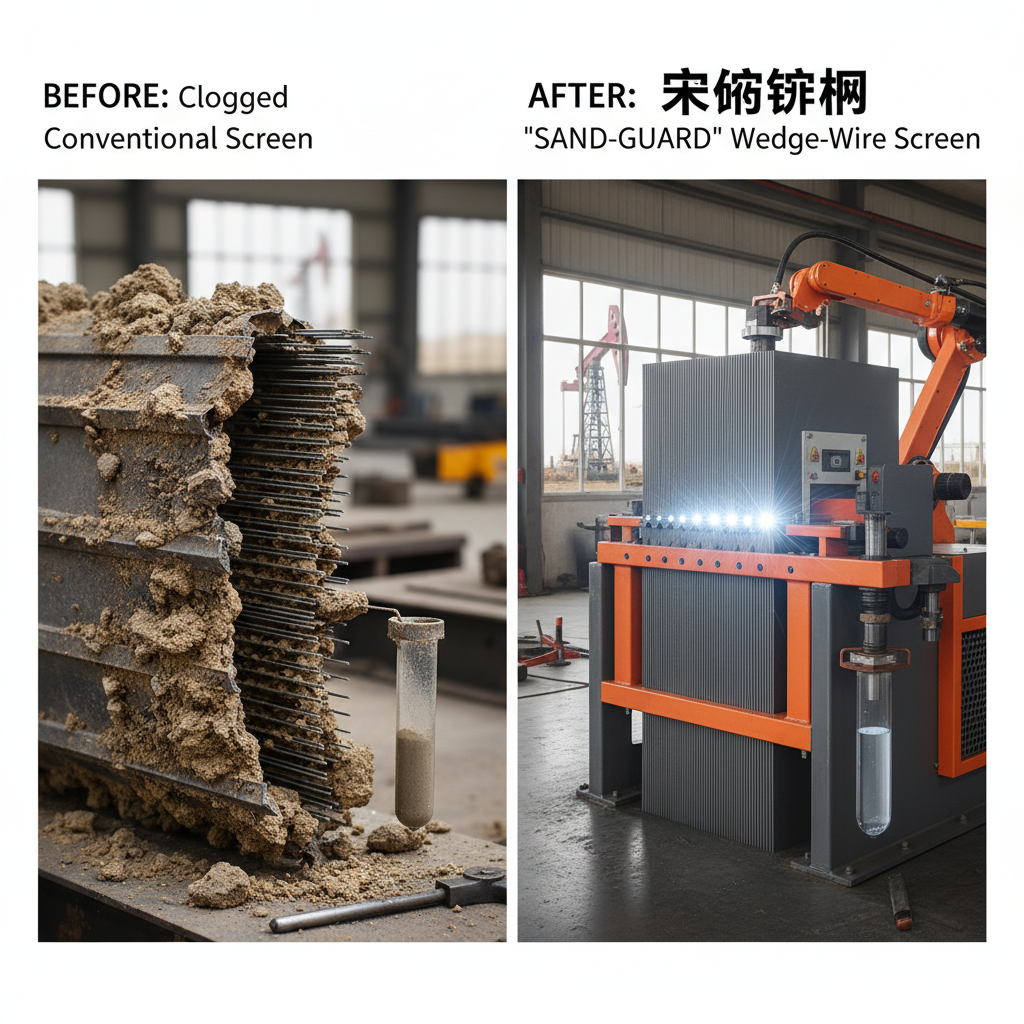
A: Yes, though they require specialized mesh and often an adjustable vibration pattern to prevent clogging. Some models include self-cleaning features to manage sticky substances better.
Q: What maintenance routines keep vibrating screen sieves in top shape?
A: Regular inspections of mesh integrity, motor performance, and vibration mechanisms are key. Cleaning after shifts and prompt replacement of worn parts will extend service life.
Wrapping Up: Why Vibrating Screen Sieves Deserve Your Attention
Honestly, as simple as they seem, vibrating screen sieves pack a hefty punch in driving industrial efficiency, sustainability, and safety across multiple sectors worldwide. Whether you manage a mining operation, food processing plant, or an NGO working in remote areas, having the right sieve can make a solid difference. For those ready to dive deeper, vibrating screen sieve solutions from MutoScreen Inc. might just offer that winning edge.