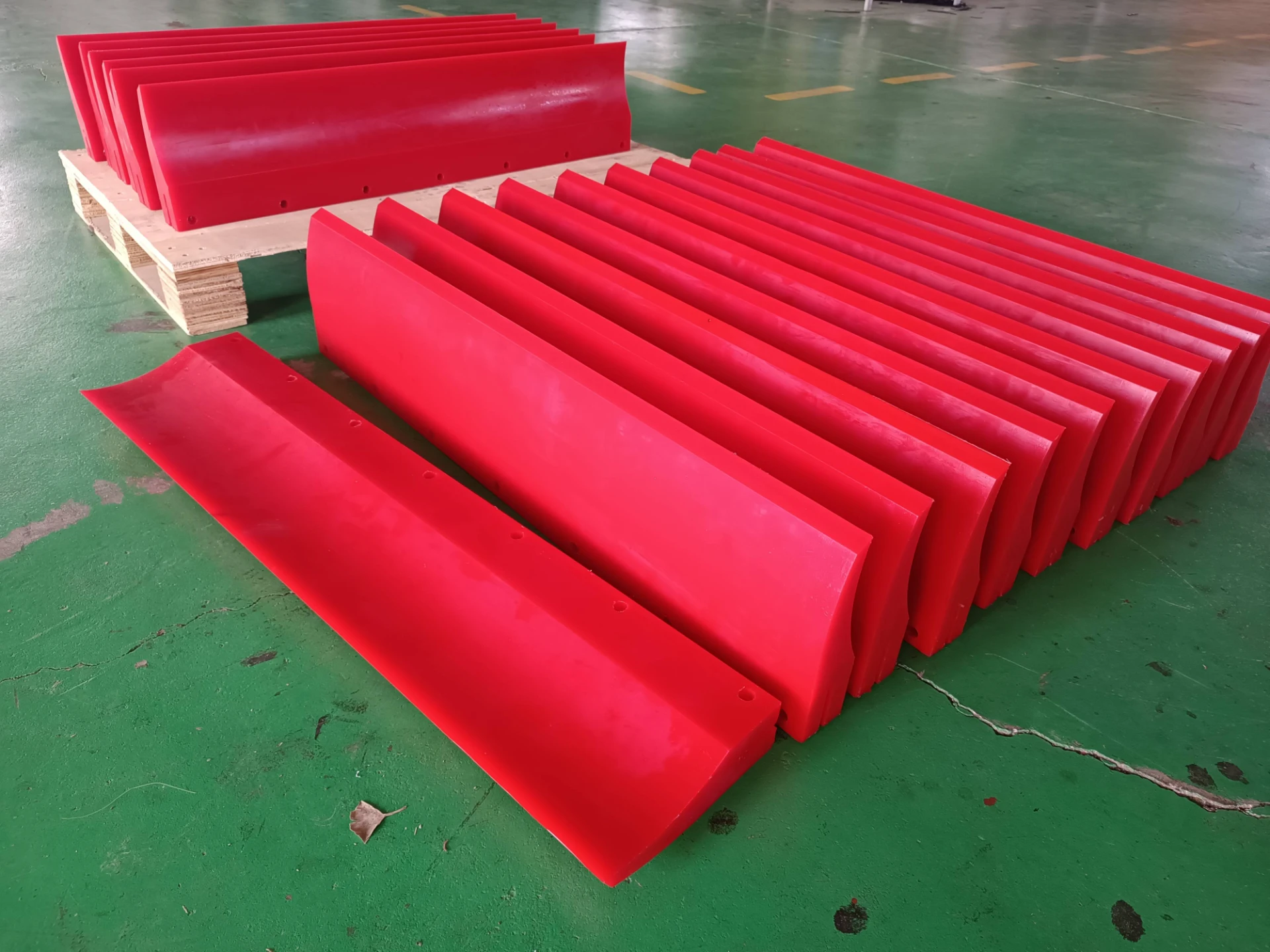
Why Screening Media Matters in Today’s World
Screening media — a term that might sound a bit technical or niche — actually sits at the heart of some of the most important industrial and humanitarian applications worldwide. Think of it as the silent gatekeeper: filtering, sorting, or protecting materials or people, depending on context. Whether it’s water treatment, mining operations, construction safety, or relief efforts, having the right screening media can make or break an operation’s success. Globally, with populations climbing and industries expanding, efficiently managing resources and safety through effective screening solutions isn’t just a perk — it’s a must. For example, the World Bank cites that industrial waste management and clean water are rising concerns across Asia and Africa where screening screens ensure clean outputs and reduced contamination. So, understanding screening media ties into economic, environmental, and social welfare in surprisingly tangible ways. Mini takeaway: Screening media might be invisible in the background, but it shapes safety, sustainability, and efficiency on a global scale.A Worldwide Perspective—The Growing Need for Screening Media
Look around the world through the lens of industry or disaster response and you’ll notice something: the demand for accurate, durable, and scalable screening media is soaring. According to ISO standards and UN environment reports, one of the fastest growing segments is in water purification and waste sorting, where screening media helps separate pollutants from water streams to comply with stricter environmental laws. At the same time, mining operations in South America and Australia lean heavily on high-quality screening media to separate valuable ores from waste rock. Without them, process efficiency plummets and environmental risks climb exponentially. Oddly enough, a common thread links these industries: both are grappling with the need to reduce waste and increase safety measures while staying cost-efficient and scalable. Screening media, in essence, serves as both a technological and environmental checkpoint. Mini takeaway: Screening media is crucial to tackling global challenges like clean water, sustainable mining, and waste management.What Exactly Is Screening Media?
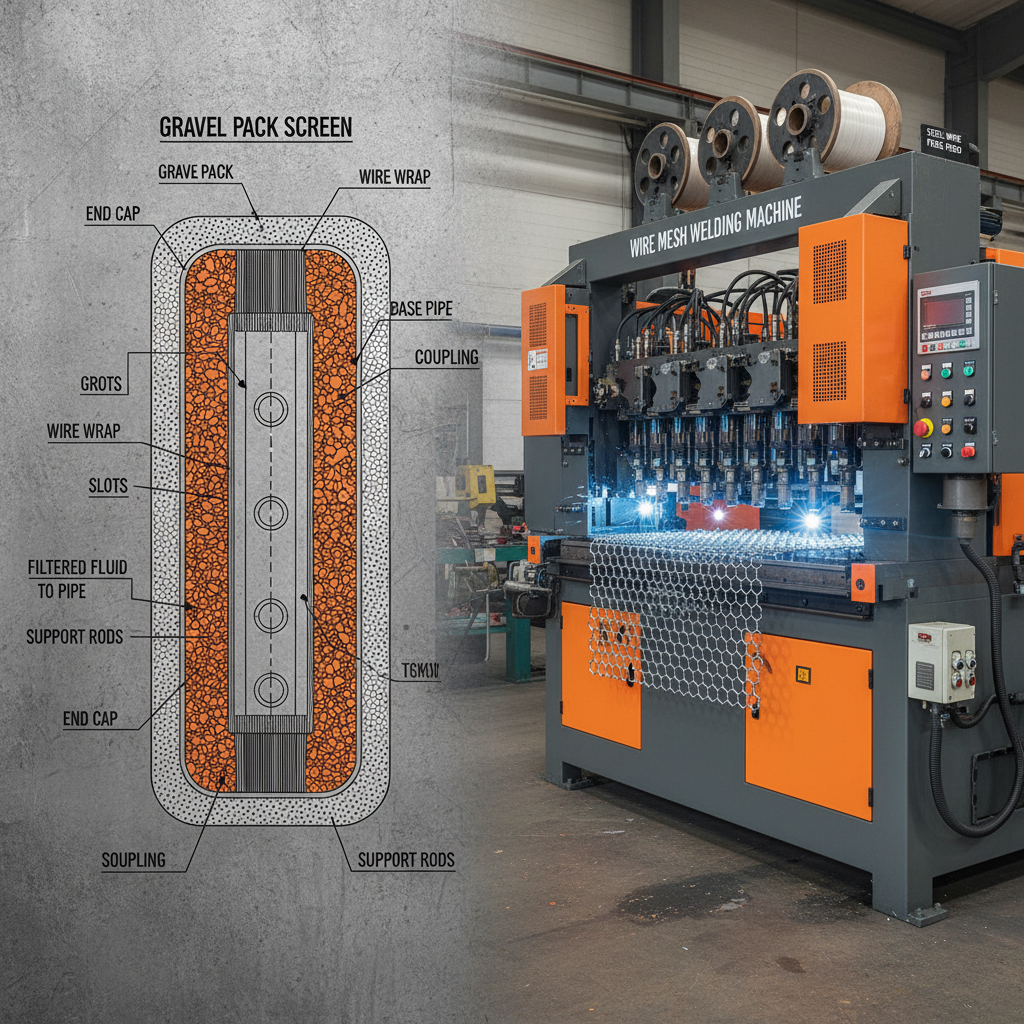
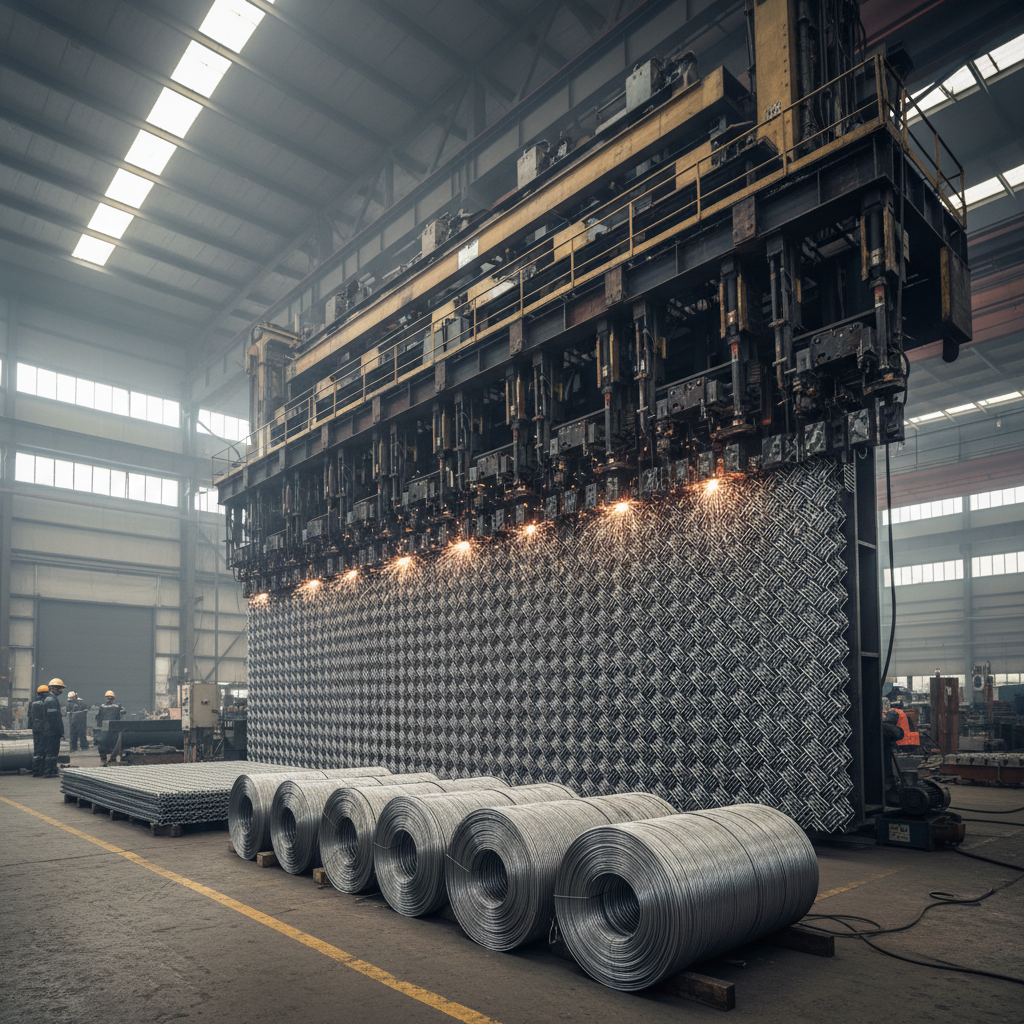
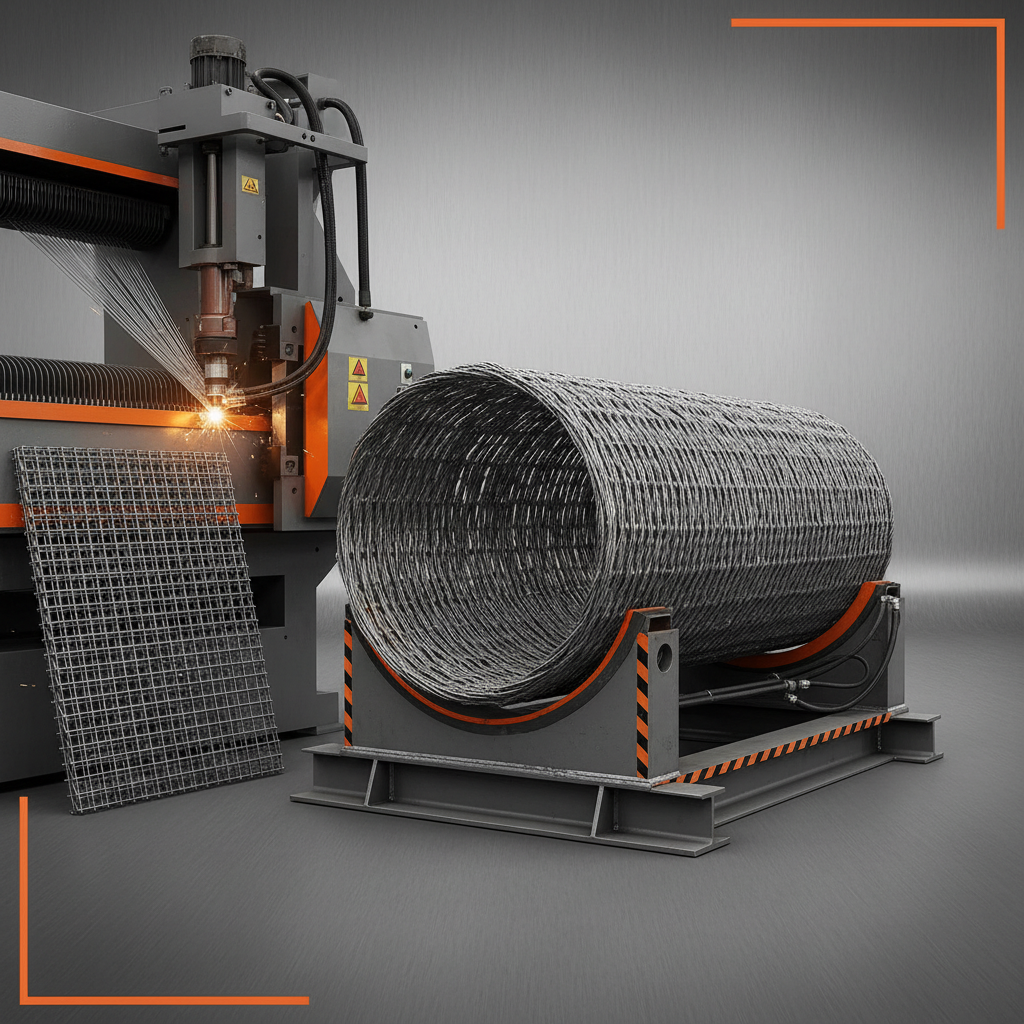
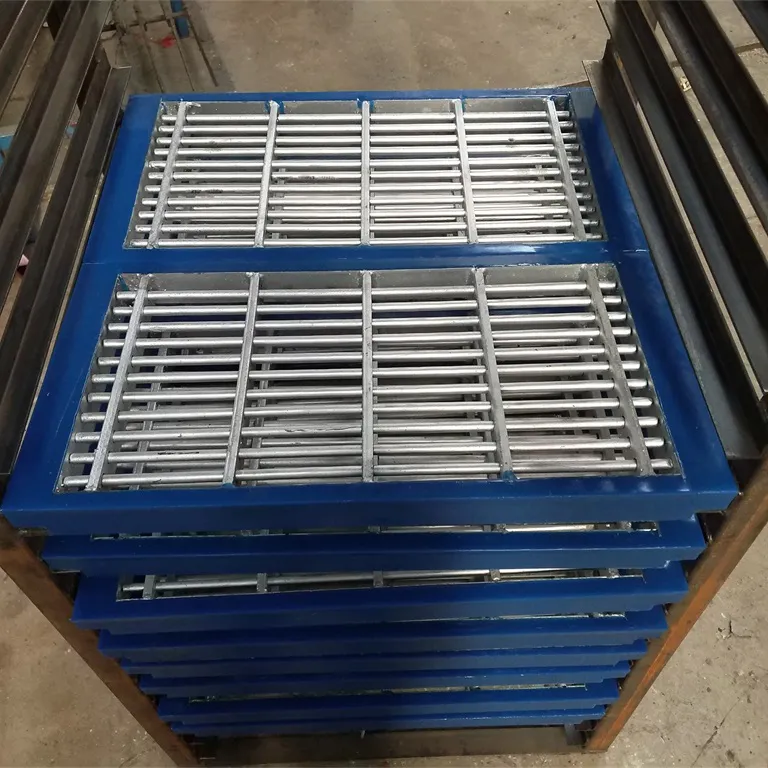
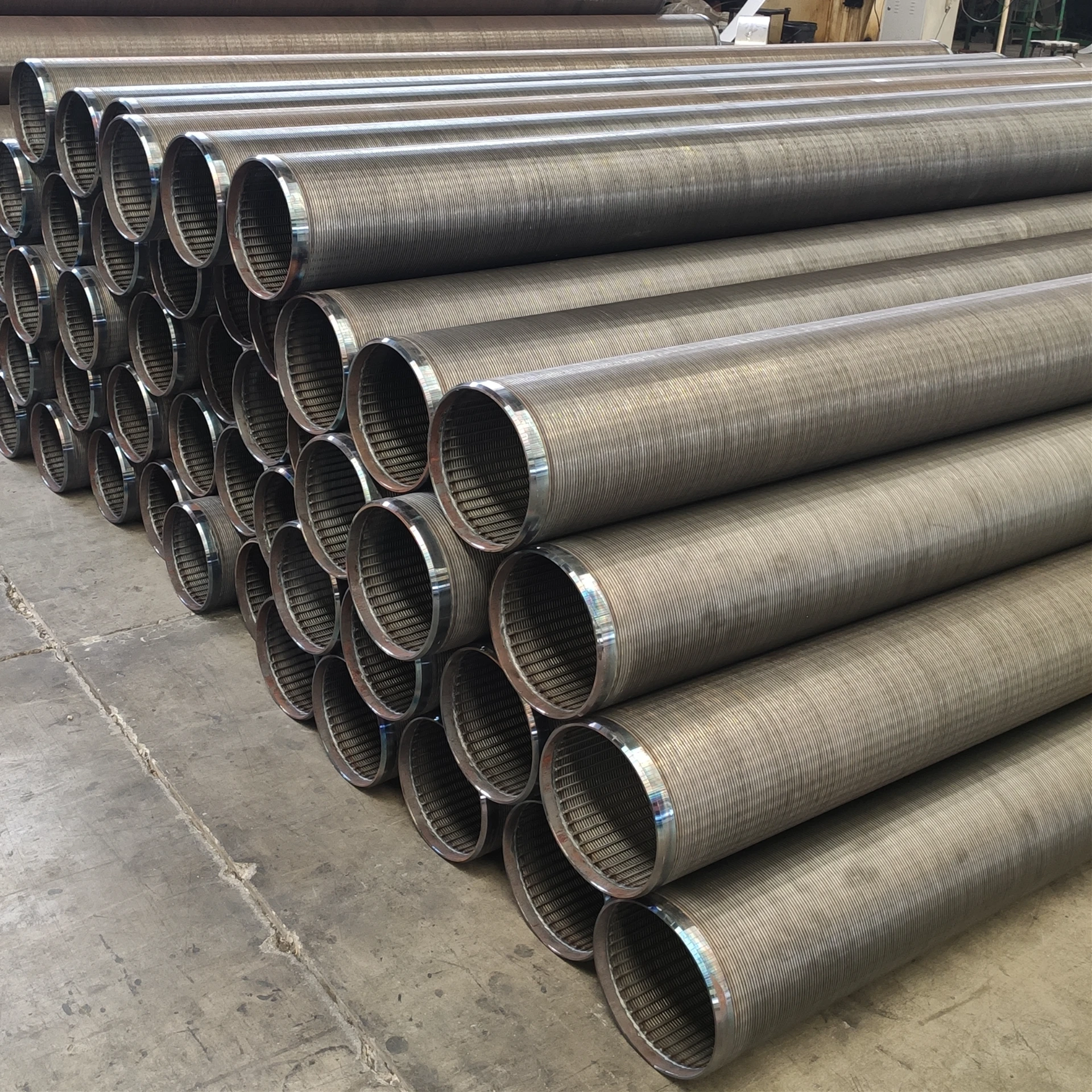
Simply put, screening media is any physical barrier or device used to separate materials by size, type, or quality. Think mesh screens, perforated plates, or even advanced polymer sheets designed to filter solids, liquids, or gases. In more modern applications, screening media can be synthetic or natural materials designed for robustness and precision. These screens might be metal wire mesh used in mining, geotextiles employed under roads, or specialized membranes treating wastewater. Underneath that technical definition lies a link to humanitarian needs as well: in emergency shelters or relief setups, screening media can include tools like mosquito nets or partitions designed to protect vulnerable populations without creating waste or environmental hazards. Mini takeaway: Screening media is a versatile and essential tool bridging industries and humanitarian aid through simple but effective physical separation.Core Components that Make Screening Media Work
Durability
Screening media must endure harsh environments — whether acidic mine runoff or the abrasive flow of sediments in industrial recycling. Materials like stainless steel or high-grade polymers allow media to survive years, sometimes decades, without significant wear.Scalability
Solutions need to grow or shrink with demand. Modular screen panels or roll-out geotextiles that can cover vast areas quickly make the difference between a project remaining viable or collapsing under logistics challenges.Cost Efficiency
It’s no hyperbole to say that cost drives selection often more than anything else. Screening media balances material costs, lifespan, and maintenance needs to offer an ROI that works for multi-million-dollar operations or small-scale relief projects.Precision and Selectivity
Different industries require different levels of precision—a mining operation requires screens that can sort fine ores, whereas water treatment demands materials that block microscopic contaminants. The right media achieves this through pore size, shape, or chemical treatment.Environmental Sustainability
Increasingly, screening media is designed to be reusable, recyclable, or biodegradable, responding to global pressure to reduce industrial footprints. Mini takeaway: Four or five key qualities—strength, scalability, cost, precision, and sustainability—make or break screening media performance.How Screening Media Is Actually Used Across the Globe
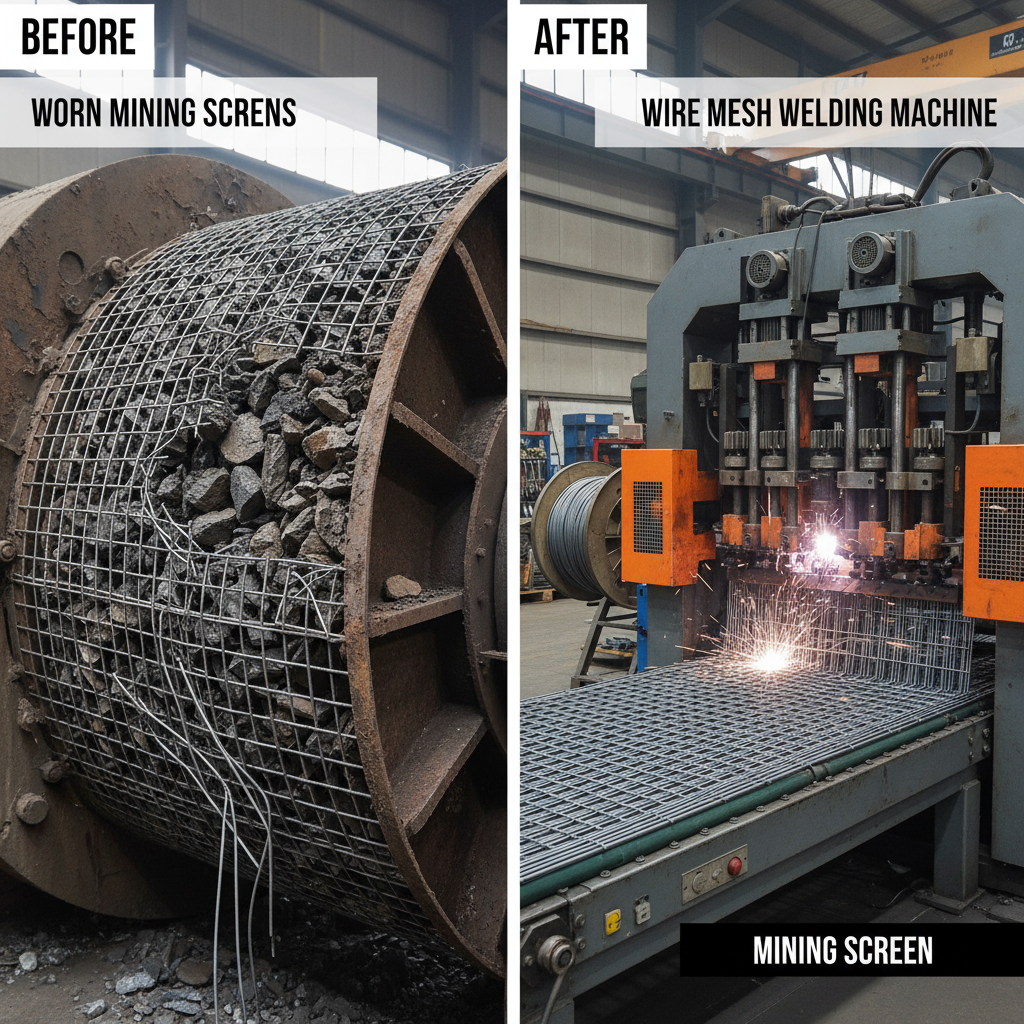
Globally, the applications run from mining to disaster relief to environmental protection: - Mining operations in Chile and Australia rely on high-tensile wire mesh screening media to separate precious ores with minimal waste. - Municipal water treatment plants in Europe and North America employ polymer membranes to screen out pollutants, meeting ISO wastewater standards. - Humanitarian NGOs in regions prone to malaria deploy mosquito nettings made from lightweight, durable screening materials to protect at-risk populations. - Construction projects across Asia use geotextile screening media beneath roads to stabilize soil and prevent costly subsidence. In post-disaster relief scenarios, screening media might quickly create partitions or barriers—helping preserve dignity and sanitation without bulky, slow builds. Mini takeaway: Screening media adapts to vastly different conditions but always plays a crucial role in efficiency and safety.The Long-Term Benefits of Using the Right Screening Media
Choosing high-quality screening media brings tangible benefits on several fronts: - Cost savings from reduced maintenance and fewer replacements mean budget stays balanced. - Sustainability ties into less waste and lowered environmental hazards, critical as corporations commit to greener operations. - Social impact is significant too — safer, more reliable screening means protecting workers and communities. - Trust and innovation come hand in hand: clients tend to stick with providers who deliver reliable, cutting-edge materials. Emotionally, knowing your operation supports safety and sustainability feels like the right thing to do — but it’s also smart business.Looking Ahead: Future Trends in Screening Media
Technology keeps pushing boundaries: - Nano-engineered membranes promise even finer filtration with less energy use. - Smart screening media embedded with sensors can monitor wear or clogging in real-time. - Biodegradable options using novel bio-polymers reduce environmental impact further. - Automation in installation speeds up deployment on large projects, cutting labor costs. Such advances hint a future where screening media isn’t just passive but an active partner in managing resources and safety.Common Issues—and How Engineers Tackle Them
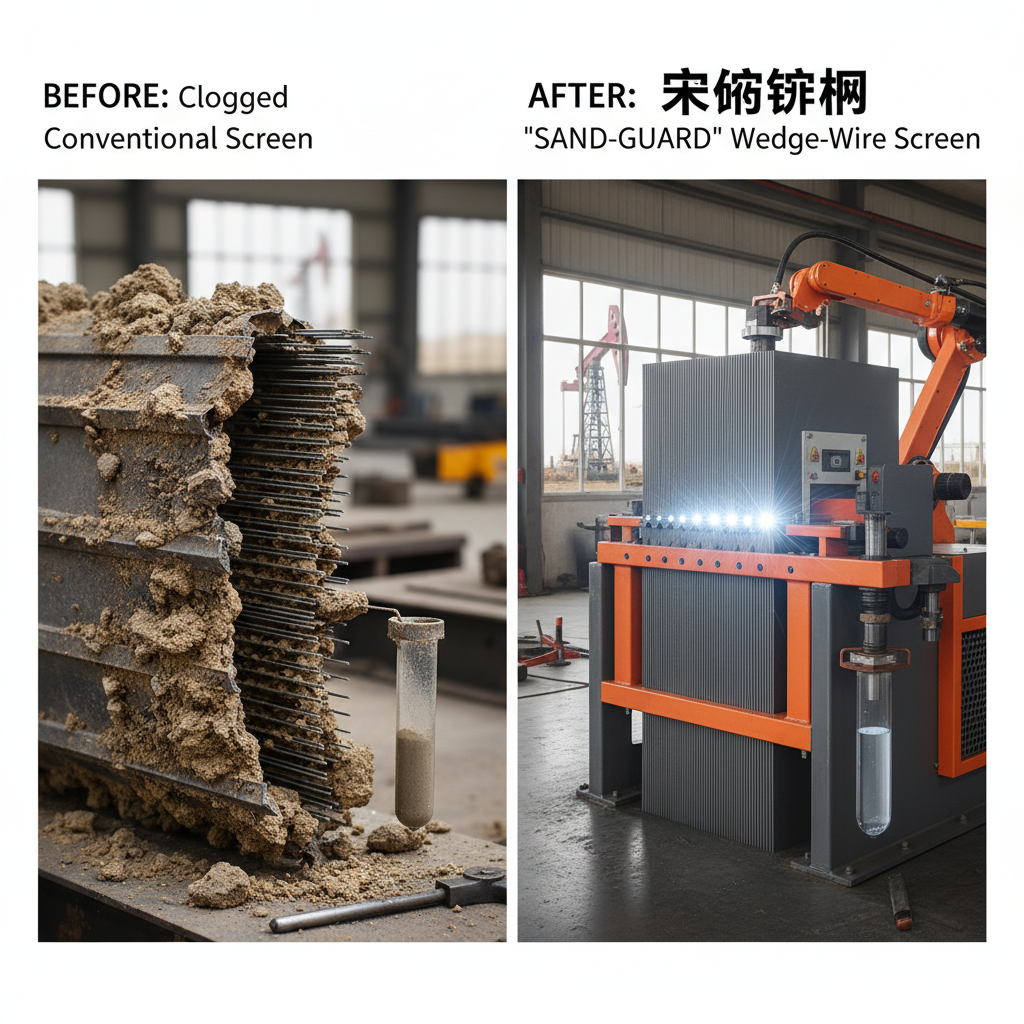
Of course, no technology is perfect. Key challenges include: - Clogging and fouling, especially in wastewater treatment — solved by self-cleaning coatings or mechanical vibrators. - Wear and tear in heavy-use zones — addressed through tougher alloys or polymer blends. - Logistical delays in scaling up screening for emergency use — countered by modular, lightweight designs. Many experts say balancing cost with performance is a constant tension, but ongoing R&D is narrowing that gap year by year.Frequently Asked Questions about Screening Media
Q: What types of industries benefit most from specialized screening media?
A: Industries like mining, wastewater treatment, agriculture, and construction see major benefits due to their reliance on sorting materials and ensuring environmental compliance.
Q: How long does typical screening media last in harsh environments?
A: Durability varies widely. Metal mesh in mining might last 5-10 years under heavy wear, while polymer membranes in water treatment often require replacement every 3-5 years depending on usage.
Q: Are eco-friendly screening media cost-effective compared to traditional options?
A: Initially, green options can be pricier, but reduced disposal costs and longer lifespans often balance this out, especially with increasing environmental regulation.
Q: Can these screening media solutions be shipped and used quickly in emergency situations?
A: Yes. Many vendors offer lightweight modular systems designed for rapid deployment, ideal for disaster zones or temporary industrial setbacks.
Quick Specifications of a Typical Screening Media Product
| Specification | Details |
|---|---|
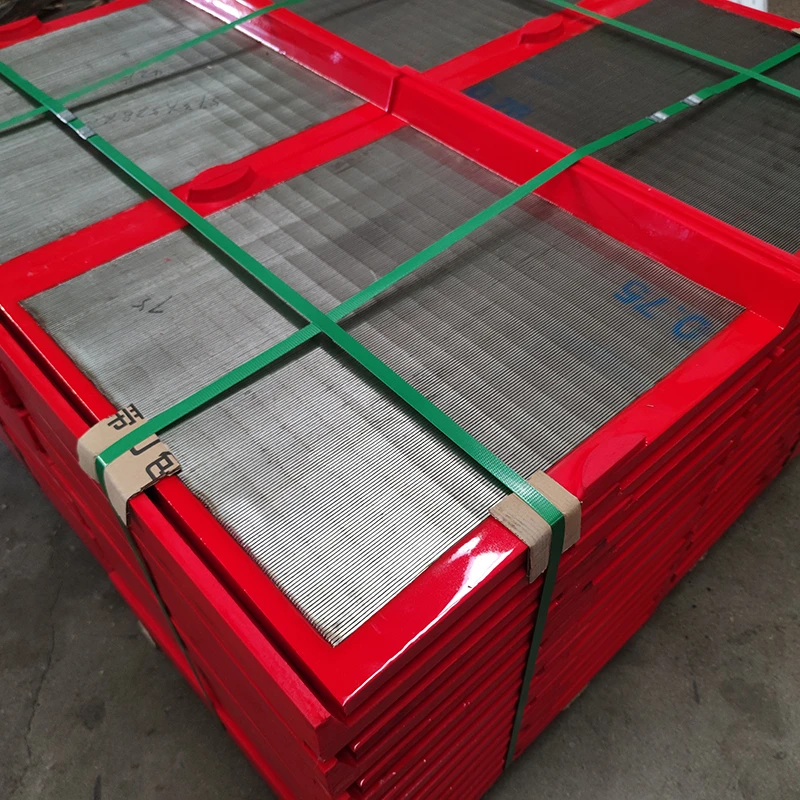
| Material | Stainless Steel Wire Mesh |
| Mesh Size | 2 mm aperture (varies by application) |
| Thickness | 0.5 mm |
| Tensile Strength | > 500 N/mm² |
| Operating Temperature | -20°C to 400°C |
| Typical Lifespan | 5-10 years depending on use |
Comparing Leading Screening Media Providers
| Vendor | Material Options | Customization | Typical Lead Time | Sustainability Features |
|---|---|---|---|---|
| Alpha Screens Ltd. | Steel, Polymers | High, bespoke orders | 4-6 weeks | Recyclable materials used |
| GreenFilter Corp. | Bio-polymers, Screens | Medium | 6-8 weeks | Fully biodegradable options |
| MutoScreen Solutions | Steel, Composite Mesh | High, modular systems | 2-4 weeks | Energy-efficient manufacturing |