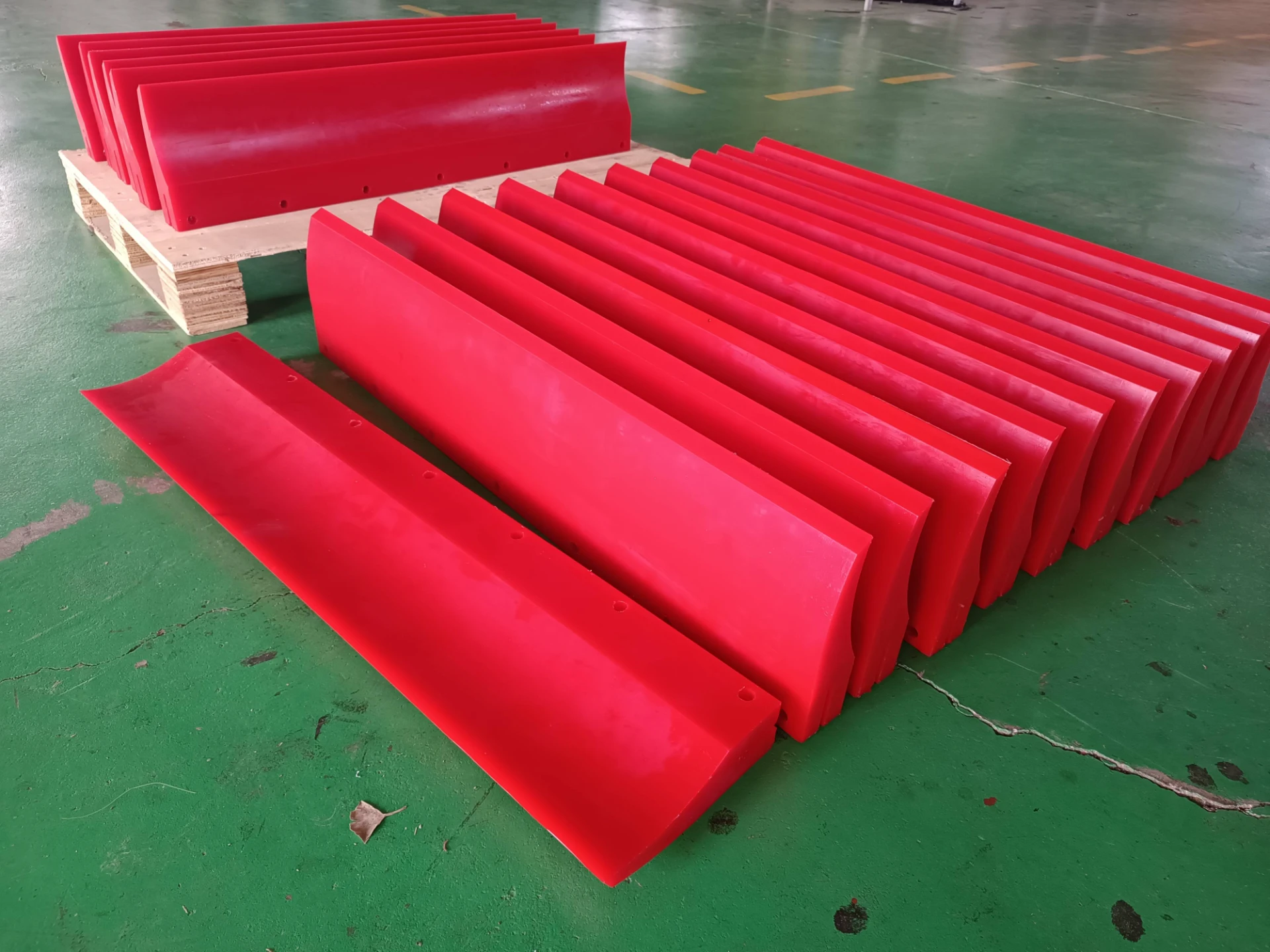
Understanding DSM Screens: Why They Matter in a Changing World
DSM screens — if you haven’t come across the term before, it’s worth getting cozy with it now. These specialized screens serve as essential components in various industries and humanitarian aid scenarios, bridging technology, efficiency, and durability. Globally, we’re moving towards smarter, more resilient solutions, and dsm screens stand right at that crossroads.
From disaster relief operations to complex industrial applications, knowing what DSM screens are and how they function can unlock better decision-making and investment strategies — whether you’re a project manager, an engineer, or a nonprofit worker coordinating logistics in challenging environments.
A Global Look: The Growing Importance of DSM Screens
The demand for dsm screens isn’t just a niche industrial trend; it reflects larger global shifts. According to the United Nations Humanitarian Data Exchange, over 270 million people needed emergency assistance in 2023 alone, many of whom rely on shelter and resource protection solutions that include DSM screen technology. On the industrial side, ISO standards have recently emphasized durability and modularity for equipment and infrastructure, fields where DSM screens play a critical role.
But what problem do DSM screens address? Well, they tackle the challenge of providing rapid, scalable, and reliable screening or partitioning solutions under diverse, often harsh, conditions — from remote mining sites in Africa to wildfire zones in Australia. It’s a problem that’s only growing as the call for flexibility and sustainability intensifies worldwide.
What are DSM Screens? A Straightforward Definition
Put simply, dsm screens are modular screen systems designed for durability, scalability, and adaptability. They can be physical barriers, filtering mechanisms, or partition panels built to withstand environmental stresses — depending on the industry. The “DSM” acronym often stands for Durable, Scalable, Modular, highlighting the key design philosophy behind these products.
They connect closely with modern needs — think of humanitarian shelter setups, industrial plant partitions, or even high-tech filtration components. DSM screens are versatile; they can separate spaces quickly, filter airborne particulates, or provide protection from environmental hazards — all while maintaining portability and ease of installation.
Breaking Down the Core Components of DSM Screens
Durability: Standing Up to Tough Conditions
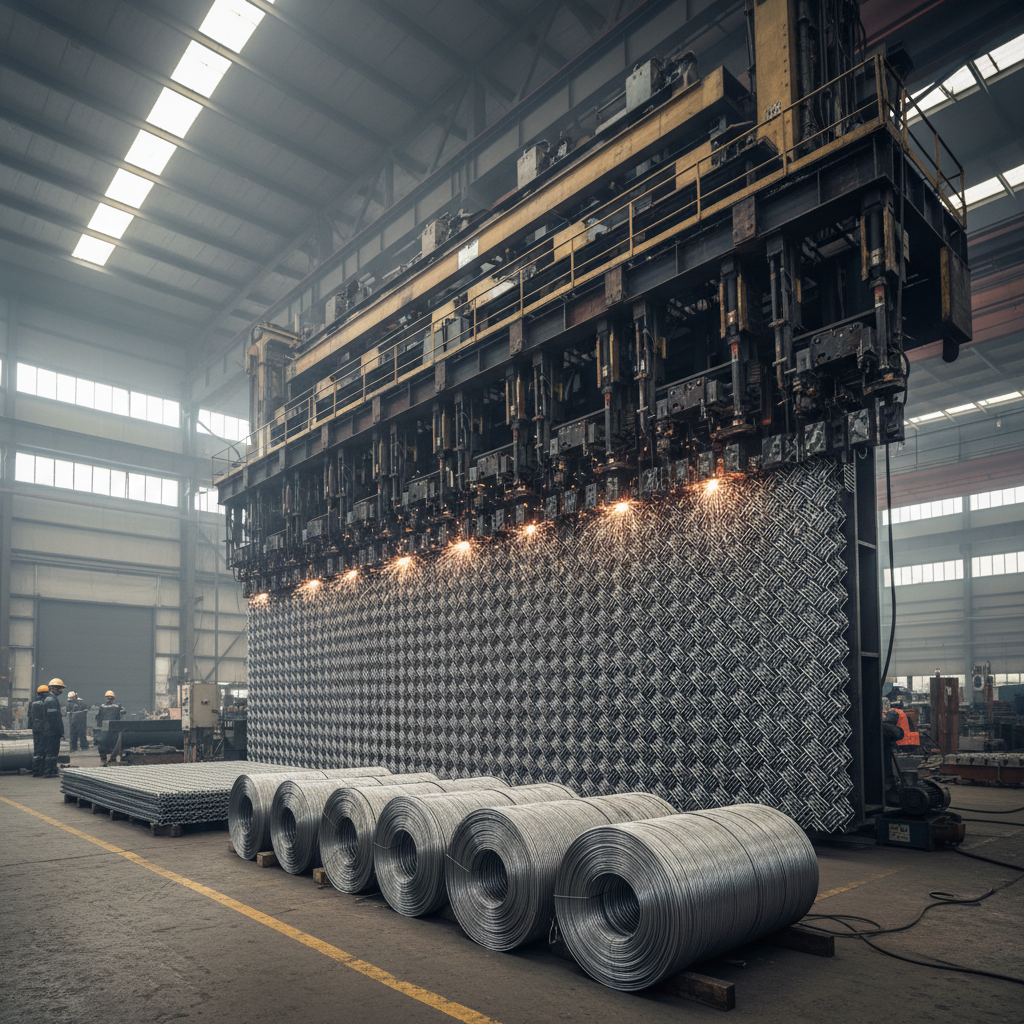
Whether it’s salt spray corrosion in coastal regions or extreme deserts sun, DSM screens are crafted to last. Many manufacturers use galvanized steel, reinforced polymers, or composite materials to ensure a lifespan stretching over years even in hostile environments.
Scalability: Adaptable to Any Project Size
The modular aspect means DSM screens can be scaled up or down — add panels, remove them, or reconfigure without tearing down the whole setup. This is a big deal for industries where site conditions change frequently, like mining or disaster relief.
Cost Efficiency: Long-Term Savings Matter
A well-designed DSM screen system reduces maintenance and replacement costs. The upfront investment typically pays off through longevity and reduced downtime. It’s one of those cases where “you get what you pay for” holds true, but the balance between quality and cost is crucial.
Easy Deployment: Time is Often Critical
Quick setup and dismantling make DSM screens a favorite in emergency scenarios. Many products are designed for tool-less assembly or with simple locking mechanisms that don’t require specialist labor.
Environmental Sustainability
Increasingly, manufacturers incorporate recycled materials or design for recyclability. This trend appeals to companies and organizations that have sustainability goals aligned with ESG (Environmental, Social, Governance) standards.
Customization: Meeting Unique Demands
DSM screens come in various finishes, sizes, colors, and functionalities, allowing them to adapt to niche requirements — whether you need UV resistance, sound dampening, or a particular aesthetic for corporate installations.
DSM Screens in Action: Real-World Applications Across Continents
It’s always fascinating to see how abstract concepts translate into practical impact. DSM screens are found all over:
- Post-Disaster Relief: In places like Haiti or the Philippines after typhoons, DSM screens help erect temporary shelters and sanitation partitions swiftly, ensuring dignity and privacy for displaced families.
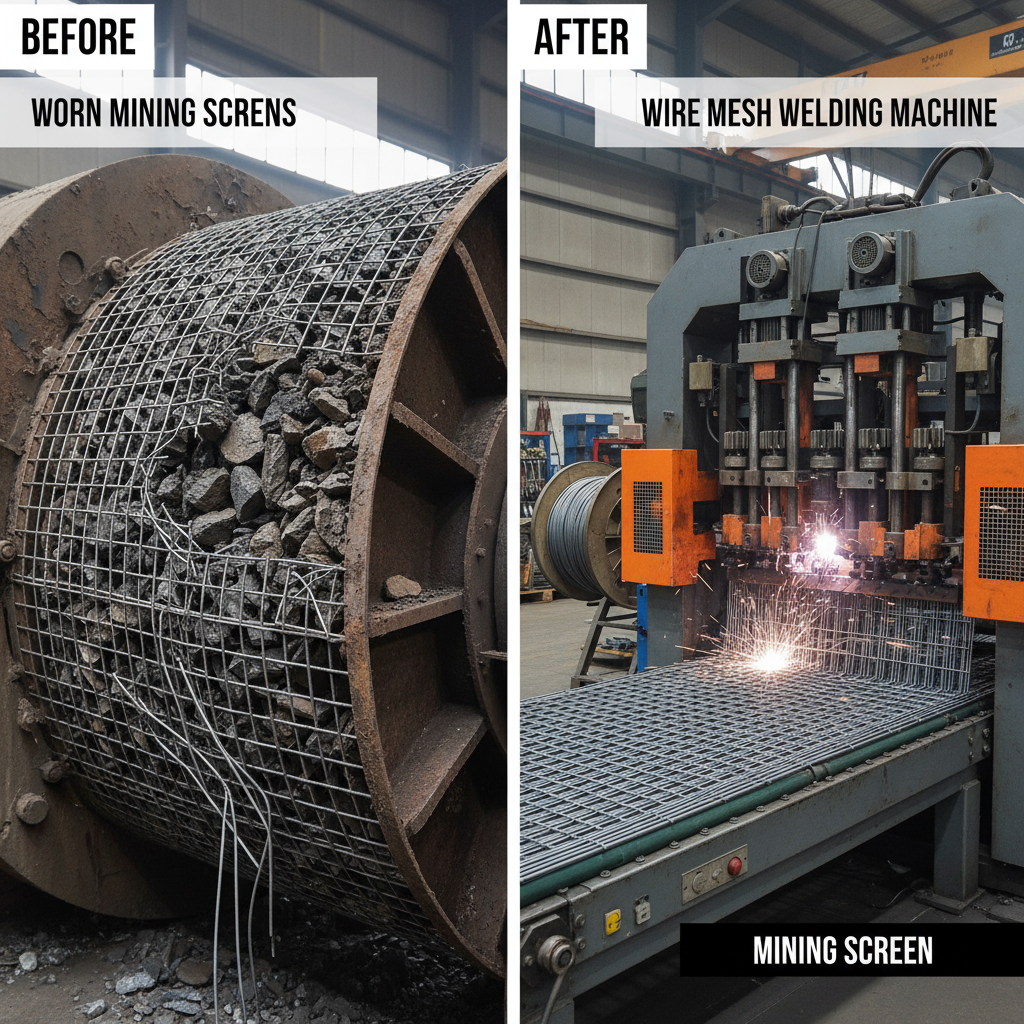
- Remote Industrial Operations: Mining companies in Canada and Australia rely on DSM screens to create controlled environments for equipment and personnel, protecting against dust and debris.
- Agricultural Sector: In parts of South America, farmers use DSM screens as protective windbreaks and insect barriers for crops, improving yields in unpredictable climates.
- Construction Sites: Urban projects in Europe and Asia often require modular screening to control dust and noise pollution, and DSM screens fit nicely into these regulatory needs.
These examples show that adaptability isn’t just a feature; it’s a lifeline.
Mini Takeaway
DSM screens are versatile, adaptable solutions that meet the pressing need for durable, scalable, and quick-deployment barriers or partitions in diverse global contexts.
A Snapshot Comparison of Popular DSM Screens
| Specification | Product A | Product B | Product C |
|---|---|---|---|
| Material | Galvanized Steel | Reinforced Polymer | Composite Alloy |
| Weight per Panel | 15 kg | 9 kg | 12 kg |
| Dimensions (HxW) | 2m x 1m | 1.8m x 1.2m | 2m x 1.1m |
| UV Resistance | High | Medium | High |
| Max Load Capacity | 200 kg | 150 kg | 180 kg |
| Assembly Time (per panel) | 5 minutes | 7 minutes | 6 minutes |
Long-Term Advantages of DSM Screens
Beyond the specs, it’s worth pondering what these screens really bring to the table. Tangibly, the cost savings over repeated use and the environmental durability cut down replacement waste and excessive spending. But there’s also an emotional side: for many displaced families or workers in hazardous zones, DSM screens offer a sense of safety and a semblance of normalcy.
Many organizations talk about "trust in infrastructure," and I’ve noticed that once a reliable modular screening system is in place, it boosts morale and promotes cooperation. It’s a reminder that innovation isn’t just about shiny new gadgets — sometimes it’s about simple, thoughtful things that endure.
Innovations and What’s Next for DSM Screens
We’re seeing exciting trends shaping DSM screen development. For instance, the integration of solar-powered lighting or IoT sensors embedded in panels is no longer sci-fi. Manufacturers are exploring biodegradable composites to reduce environmental impact. Automation in assembly — robots or drones helping set up large screening farms — is another intriguing frontier.
With global pressure mounting for sustainability and digital transformation, DSM screens will have to be not just durable but smart and eco-friendly too.
Common Hurdles and Smart Fixes
No product is exempt from challenges. DSM screens can sometimes face issues like transportation logistics due to panel size or insufficient customization options for very unique environments. But many vendors respond with modular packaging solutions and offer tailored customization services.
Another bottleneck is training personnel for deployment, especially in emergency contexts. Training videos, remote support, and simplified designs help address this hurdle.
Vendor Comparison Table: Key Players in DSM Screens
| Vendor | Product Range | Lead Time | Customization | Sustainability Focus |
|---|---|---|---|---|
| ScreenTech Pro | Wide (Standard + Custom) | 3-4 weeks | High (Full Tailoring) | Recycled Materials Used |
| ModuSafe | Medium (Primarily Standard) | 2 weeks | Medium (Basic Options) | Some Biodegradable Components |
| EcoBarrier Systems | Narrow (Eco-focused range) | 4-6 weeks | Low (Set Models) | High (100% Recyclable Materials) |
FAQ: Common Questions About DSM Screens
What makes dsm screens better than traditional barriers?
The modularity and durability of DSM screens allow for faster deployment, easier transportation, and longer lifespan compared to traditional barriers like concrete or wood. They also typically require less maintenance and can be customized for specific environments, boosting their effectiveness.
How long can DSM screens last in disaster-prone areas?
With proper materials like galvanized steel or UV-resistant composites, DSM screens often last 5 to 10 years even under harsh conditions. The modular design means damaged panels can be swapped out quickly without replacing the entire system.
Are DSM screens eco-friendly and cost-effective?
Many vendors now incorporate recycled or recyclable materials, making DSM screens an environmentally responsible choice. The upfront cost might be higher than simple barriers, but the long-term savings on maintenance and replacement balance the scales favorably.
How can NGOs or companies import these solutions internationally?
Most major DSM screen suppliers offer global shipping and comply with international export regulations. NGOs often partner directly with manufacturers for tailored shipments and technical support to ensure smooth on-the-ground deployment.
Can DSM screens be combined with other technologies like sensors or solar panels?
Yes! Some advanced DSM screen models integrate smart sensors for environmental monitoring or solar-powered lights for nighttime visibility, enhancing functionality.
Wrapping Up: Why DSM Screens Are Here to Stay
DSM screens represent more than just physical barriers; they stand for resilience, adaptability, and thoughtful engineering tuned to today’s global challenges. Their ability to adapt to industries ranging from humanitarian relief to heavy industry makes them invaluable tools — ones that save money, time, and sometimes, quite literally, lives.
Want to dive deeper or explore how specific DSM screen systems can help your project? Visit https://www.mutoscreen.com and see how these remarkable solutions are shaping the future.