Understanding Screens for Mining: Why They Matter Globally
If you’ve ever glanced at a mining operation—or even heard about the logistics of extracting minerals—you’ve brushed up against the often overlooked but absolutely vital role of screens for mining. These aren’t just simple sieves; they’re engineering marvels designed to separate valuable ores from waste with precision, speed, and durability. Globally, with mining output climbing year after year (the International Council on Mining and Metals reports mineral demand is expected to double by 2050), the efficiency and reliability of these screening solutions play a pivotal role in sustainable resource management.
Why bother understanding these screens? For one, they reduce waste, increase productivity, and streamline processing costs. More importantly, they’re integral in protecting the environment by helping reduce energy usage and minimizing material loss—clearly a win-win for industry and the planet alike.
Introduction: Screens for Mining in the Global Industrial Landscape
Mining remains a cornerstone of industrial development, contributing trillions annually to the global economy. But it's no secret the process is resource-intensive and often hazardous. As per the United Nations Environment Programme (UNEP), inefficient mineral processing can lead to excessive waste, environmental degradation, and energy overconsumption. This is where modern screening technologies come in.
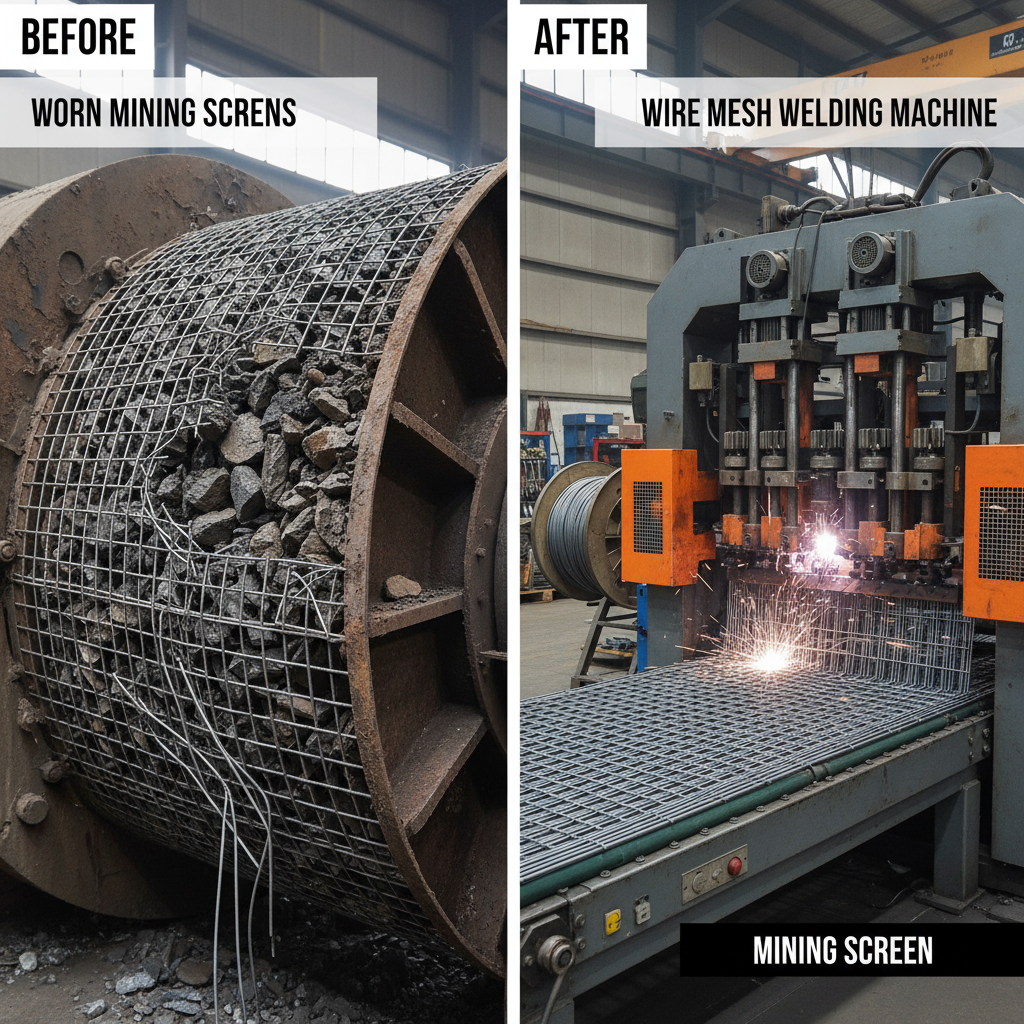
Screens for mining have evolved from basic wire mesh setups to complex, multi-layered vibratory and rotary units capable of handling tons of material every hour. The challenge? Sorting particles ranging from a few microns to several inches, all while operating in unpredictable environments like freezing winters or scorching deserts. Finding the right screens is akin to finding the “Goldilocks zone” of mining equipment—too coarse, and you lose precious minerals; too fine, and throughput suffers, smashing profitability.
What Are Screens for Mining?
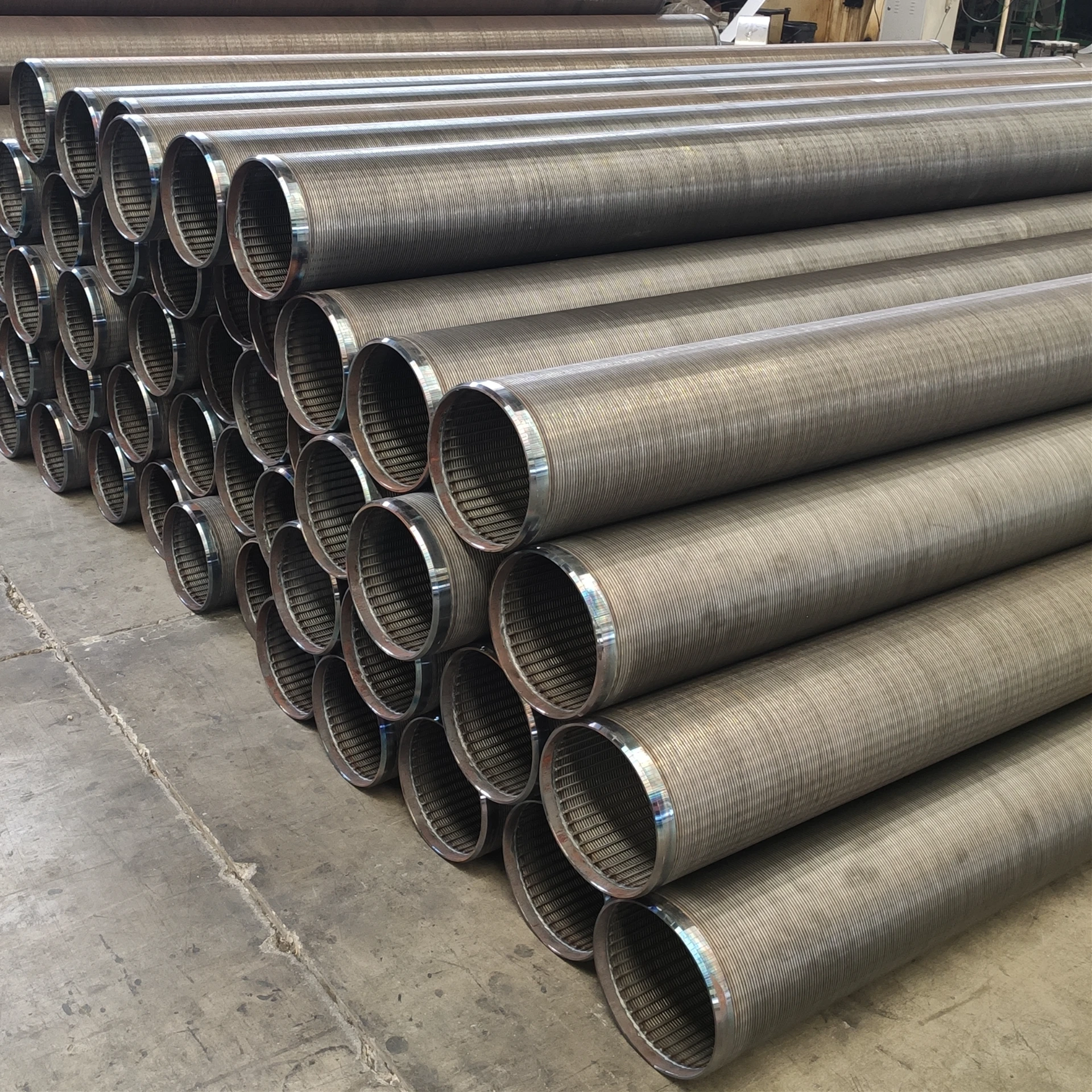
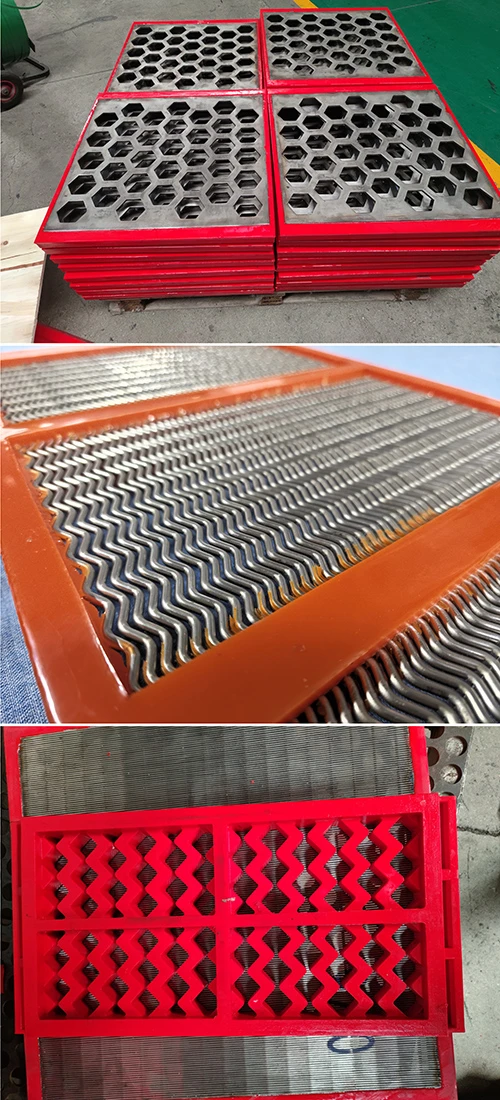
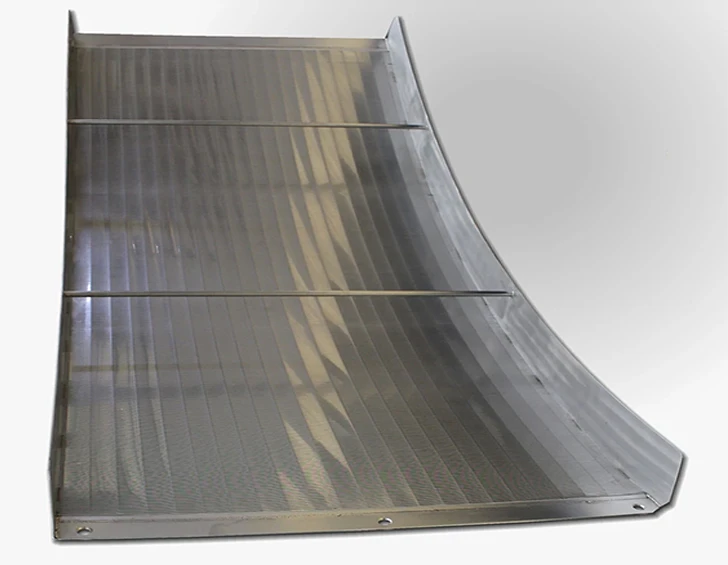
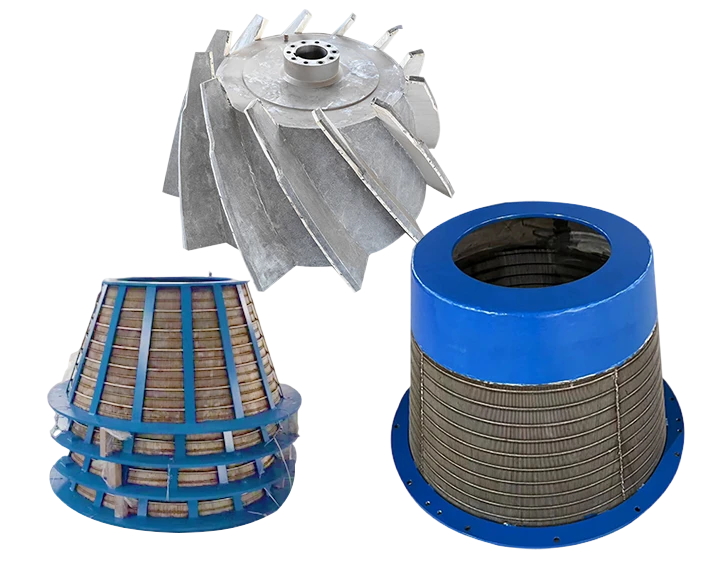
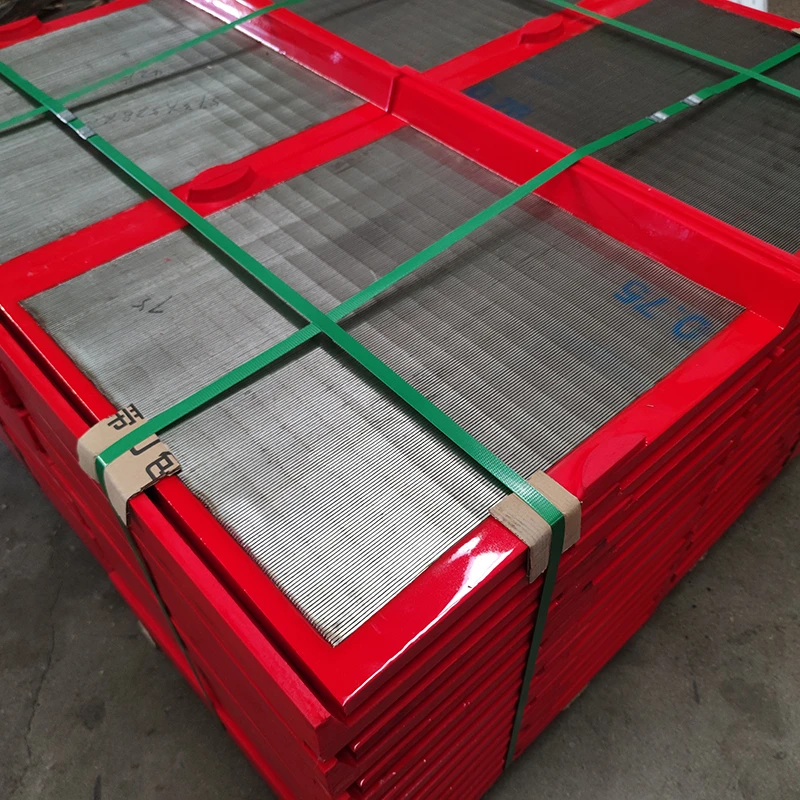
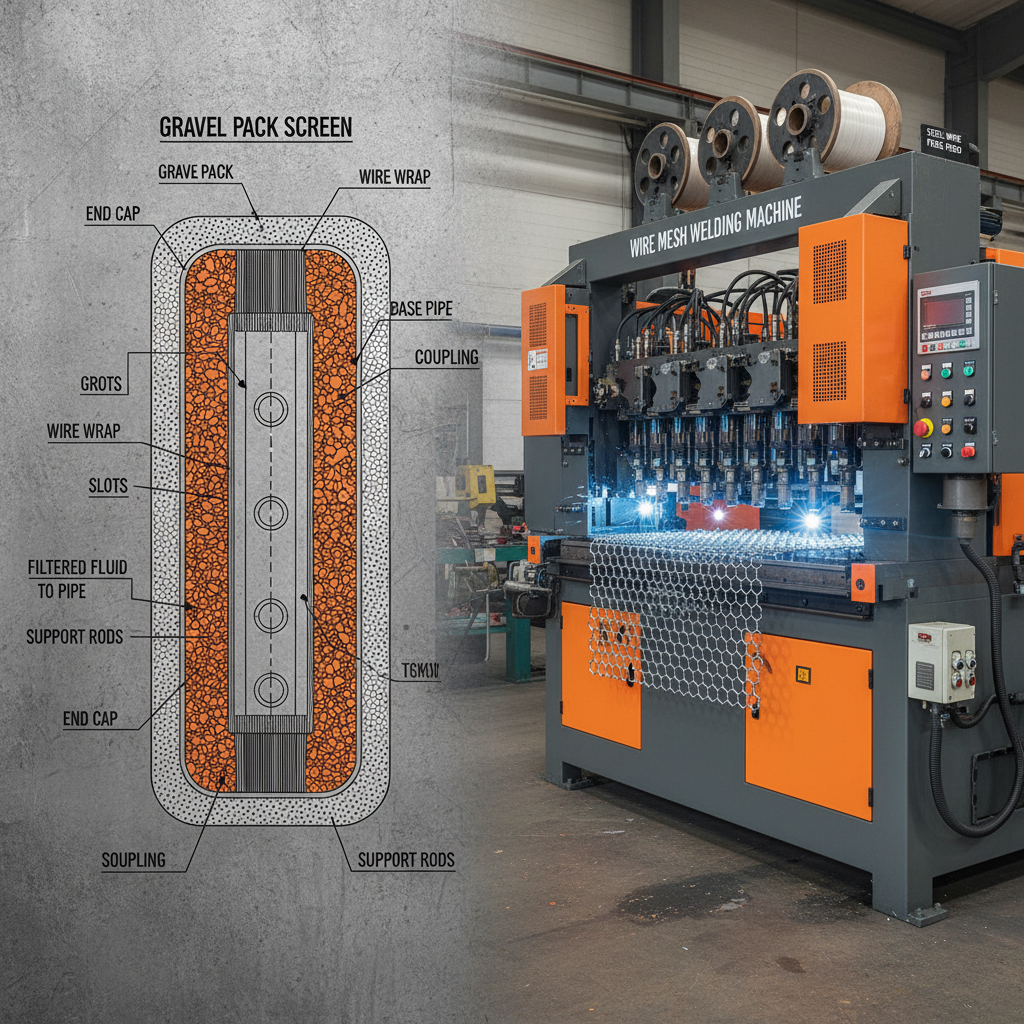
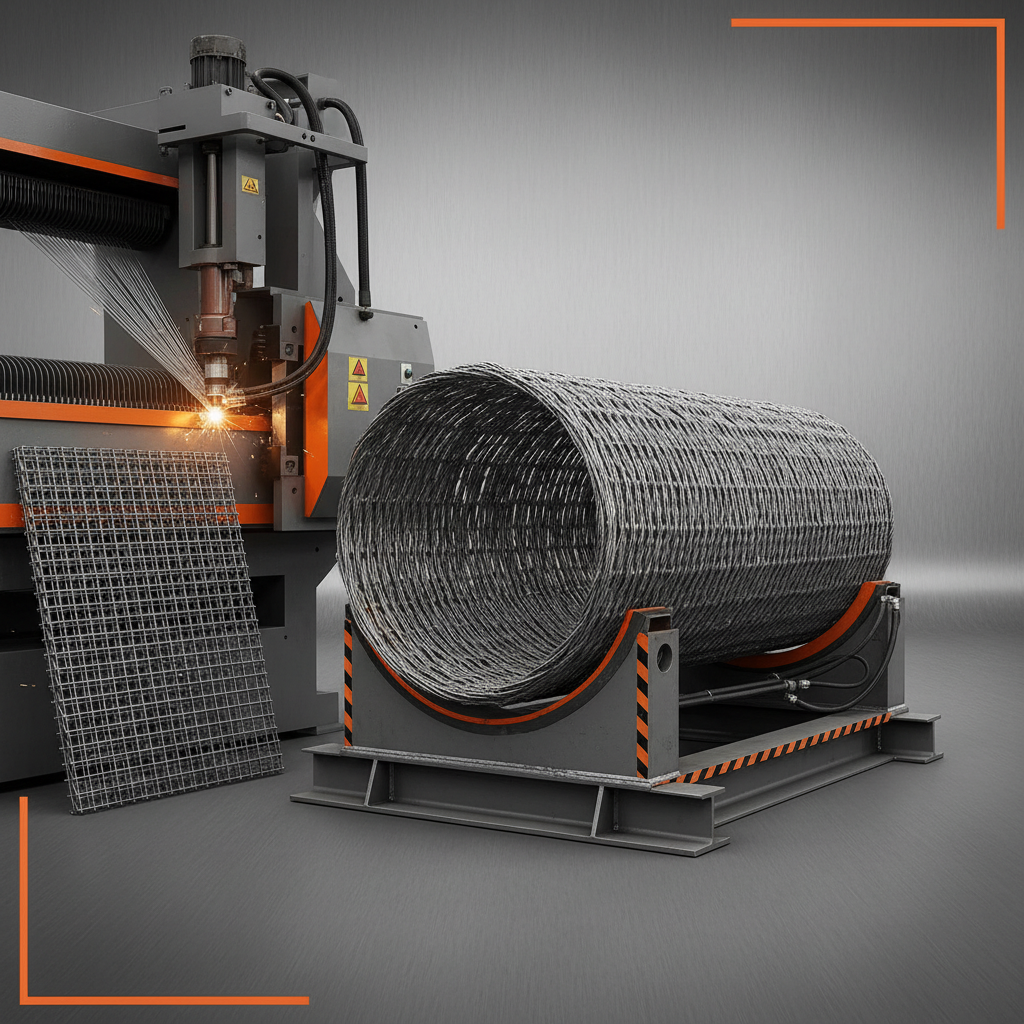
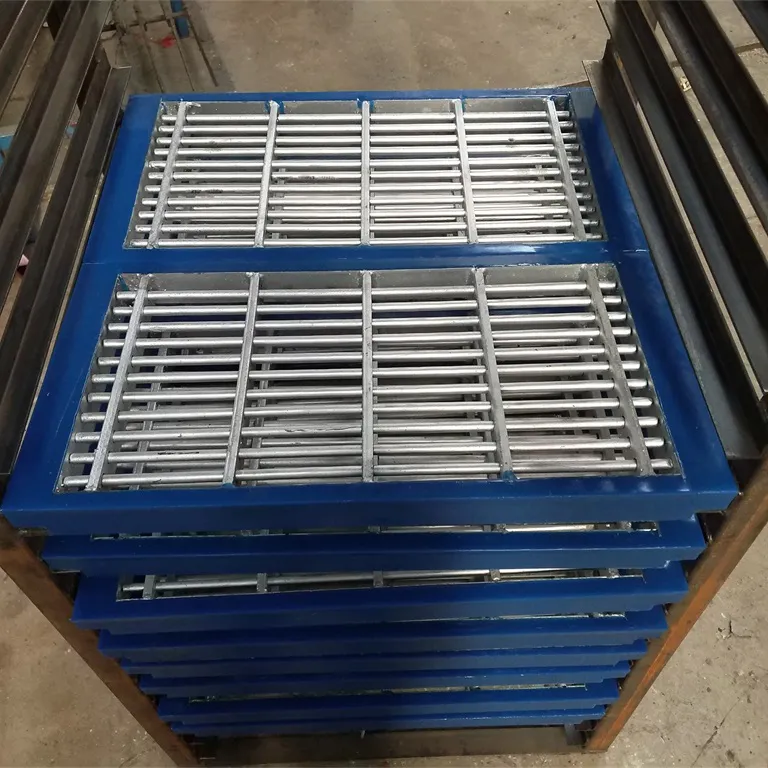
Simply put, screens in mining are devices that separate raw mined materials into graded sizes, which is crucial before further processing. They’re typically made up of mesh panels or perforated plates mounted onto a frame that vibrates or rotates. This vibration helps move the material along and separate particles according to size.
Why this matters beyond industry jargon: separating materials effectively means fewer impurities, better ore grading, and a cleaner product. And in humanitarian or environmental settings—like rehabilitating mining sites or extracting minerals for green tech—effective screening can be a behind-the-scenes hero.
Core Components of Effective Screens for Mining
1. Durability
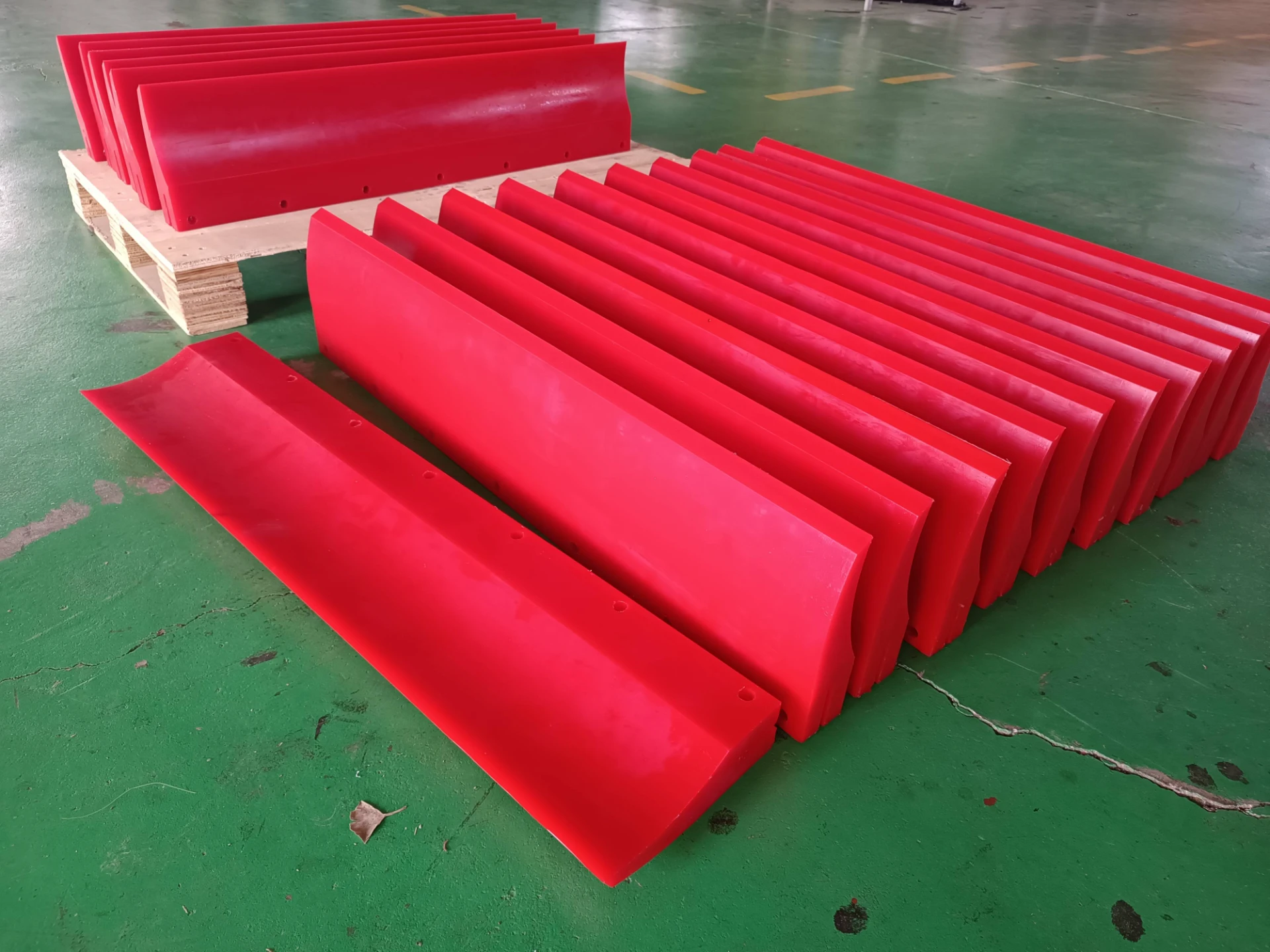
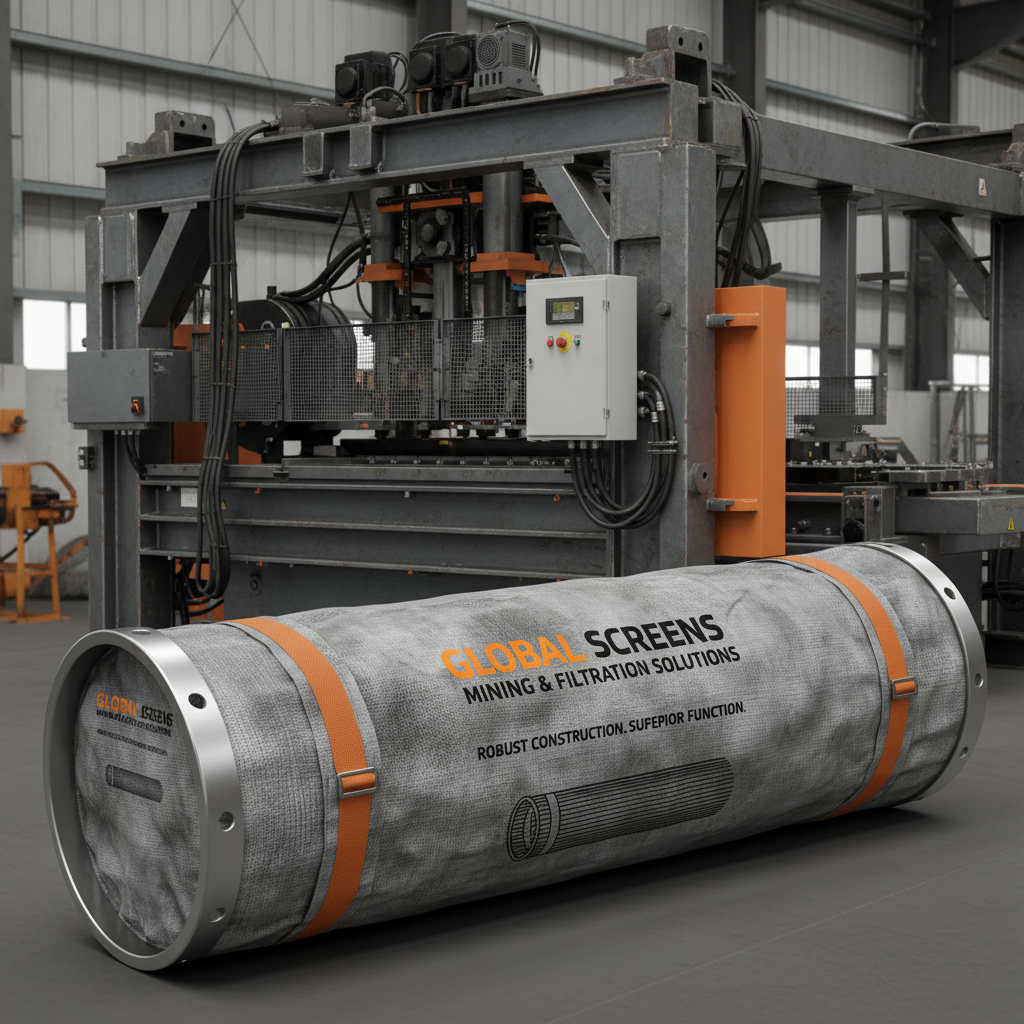
Mining conditions can be brutal—rocks will slam, dust will fill the air, and machinery runs almost non-stop. Screens are made from wear-resistant metals (like manganese steel) or high-grade polyurethane that last longer under these punishing demands.
2. Scalability
Whether it’s a small surface mine or a vast underground operation, the screens need to fit the scale. Modular designs allow miners to adjust their screening systems based on output needs without major overhauls.
3. Screening Accuracy
The better separation you get, the less reprocessing is needed. Modern screens utilize fine meshes and adjustable vibration frequencies to target specific particle sizes.
4. Cost Efficiency
Installation, operation, and maintenance costs add up fast. High-quality screens reduce downtime and energy use, saving money in the long haul.
5. Ease of Maintenance
Field engineers especially appreciate screens that allow quick mesh replacements or simple access. Downtime in mining translates directly to lost production hours.
Mini Takeaway:
Durable, scalable, accurate, cost-effective, and easy-to-maintain screens form the backbone of modern mining operations. They’re a surprisingly complex piece of engineering that demands constant innovation.
Real-World Applications and Industry Examples
Mining isn’t monolithic, so neither are the screens used. In South Africa’s platinum mines, fine particle separation is critical to recover scarce metals, demanding ultra-fine vibratory screens. Meanwhile, in Canada’s massive open-pit gold mines, scalability and durability are key, leading companies to opt for large rotary screens with heavy-duty frames.
Even beyond metal mining, specialized screens help in coal processing plants in Australia—helping reduce harmful dust emissions—and in phosphate mines in Morocco, improving fertilizer raw material quality.
Interestingly, non-traditional fields like disaster recovery or infrastructure demolition increasingly use “screens for mining” analogs to separate reusable materials, showing how adaptable these technologies have become. For a deeper dive into industrial screening solutions, check out
screens for mining providers specializing in tailored configurations.
Specification Table: Typical Screens for Mining Product
| Feature |
Description |
Typical Value / Range |
| Screen Type |
Vibratory, Rotary, Trommel |
Vibratory most common |
| Screen Mesh Size |
Opening size of the screen mesh |
100 microns to 50 mm |
| Throughput Capacity |
Material volume handled/hr |
1 to 200+ tons/hr |
| Material |
Screen surface material |
Manganese Steel / Polyurethane |
| Vibration Frequency |
Speed of vibration cycles |
600–1200 RPM (varies by model) |
| Operating Environment |
Suitable terrains and climates |
Extreme temperatures, dusty, wet |
Comparing Leading Vendors in Screens for Mining
| Vendor |
Product Range |
Specialty |
Price Range |
Global Service Network |
| Muto Screens |
Vibratory & Rotary |
Customizable for mining scopes |
Mid to High |
Extensive (Africa, Asia, Americas) |
| Titan Industrial |
Heavy-duty Trommels |
High-capacity open-pit mines |
High |
Global, limited in remote zones |
| EcoScreen Solutions |
Eco-friendly polyurethane screens |
Low-impact, reduced energy use |
Mid |
Strong in Europe & Asia |
Long-Term Benefits of Screens for Mining
The best screens for mining don’t just offer short-term gains like higher throughput; they drive long-term sustainability and cost savings. Reliable screening decreases ore losses, which means companies get more out of each ton mined, ultimately reducing pressure on natural reserves.
Plus, smoother operations cut down on machinery wear and tear, maintenance costs, and—frankly—stress on workers. You know those endless stories about breakdowns deep underground and endless downtime? Top-notch screens translate to fewer of those nightmares.
From a social perspective, efficient resource extraction brings jobs, better infrastructures, and community development—while environmentally, it supports greener mining practices by minimizing waste and energy consumption.
What’s Next? Innovations and Future Trends in Mining Screen Technologies
Smart screens, anyone? With digital transformation sweeping through the mining sector, expect to see sensors embedded in screens for real-time monitoring of wear, throughput, and vibration patterns. Predictive maintenance could become routine, saving millions in unexpected downtime.
Material science innovations also promise lighter, more durable screen media that resist abrasion longer, lowering replacement frequency and resource use. There’s growing interest, too, in green-friendly polyurethane screens that are recyclable or biodegradable.
Automation paired with AI-driven screening optimization might sound a little sci-fi but is slowly becoming reality. Imagine screens that adjust vibration and mesh size on the fly, optimizing efficiency based on ore type and moisture content.
Challenges and How the Industry is Tackling Them
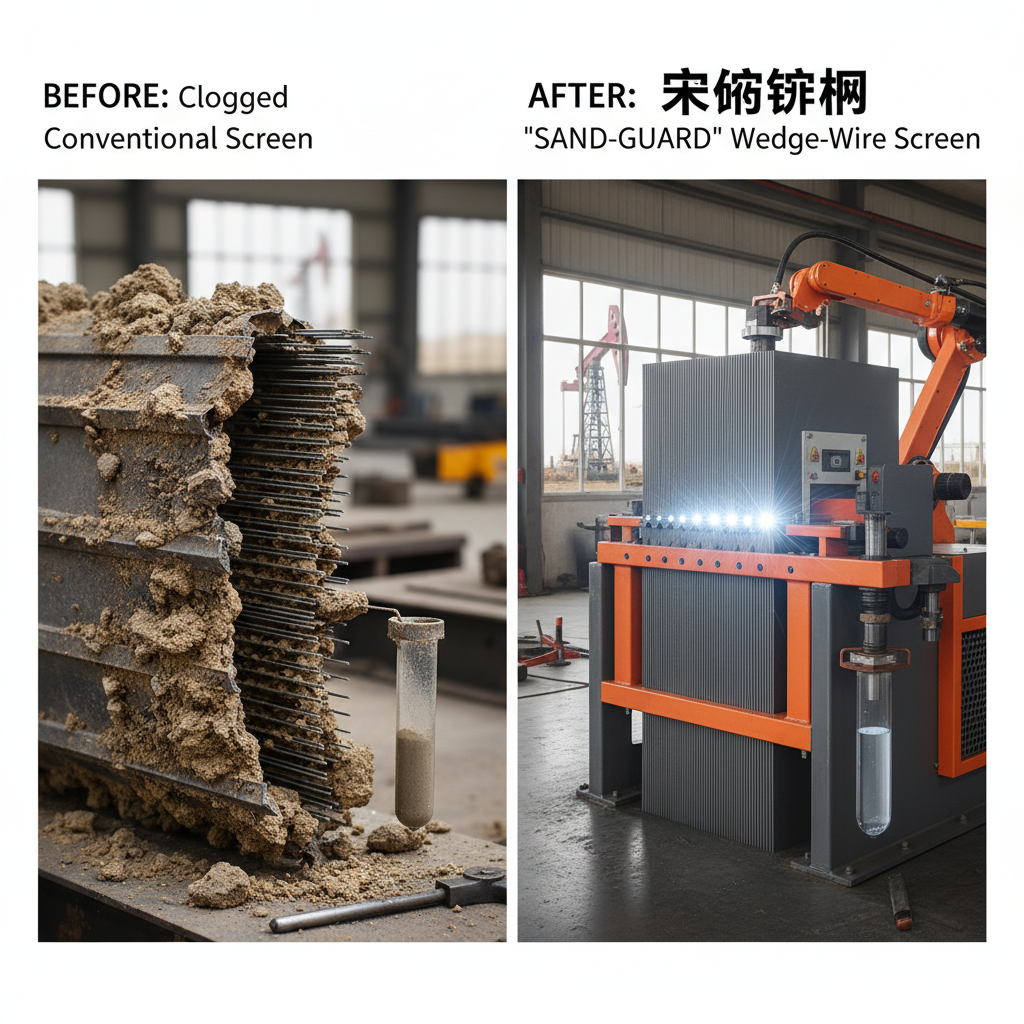
That said, no tech is perfect. Common challenges include mesh clogging from sticky clays, high abrasion rates in hard rock mining, and difficulty maintaining consistent separation in varying feed conditions.
Solutions come from multi-layer screens, self-cleaning meshes, and modular designs where operators can swap parts rapidly. Also, ongoing R&D into anti-blinding coatings helps keep screens running longer between maintenance.
Operators swear by regular monitoring regimes and supplier partnerships offering quick field support—for example, Muto Screens provides worldwide on-site assistance, minimizing operational downtime in remote locations.
FAQ: Frequently Asked Questions About Screens for Mining
- Q1: How do I choose the right screen mesh size for my mining operation?
- A: Start by understanding your desired particle size distribution. Generally, screen mesh sizes range from 100 microns for fine mineral separation to 50 mm or more in coarse materials. Consider the specific ore type and moisture content, and consult your equipment supplier for tailored recommendations based on your throughput needs.
- Q2: Can mining screens handle abrasive minerals without frequent replacements?
- A: Yes, but the key is selecting screens made from high-wear materials like manganese steel or polyurethane, designed specifically for abrasion resistance. Some newer screens also use anti-abrasion coatings to extend lifespan significantly compared to traditional wire meshes.
- Q3: What maintenance is typically required for vibratory mining screens?
- A: Routine checks include inspecting mesh integrity, vibration motors, and mounting hardware. Mesh panels often require regular cleaning or replacement depending on material hardness and abrasiveness. Many operators schedule preventative maintenance every few weeks to avoid unexpected downtime.
- Q4: Are modular screen systems better for fluctuating output in mining?
- A: Modular screens provide flexibility to adjust capacity by adding or removing screen decks or changing mesh sizes quickly. This adaptability makes them ideal for mining operations with variable ore grades or seasonal production shifts.
- Q5: How environmentally sustainable are modern mining screens?
- A: Advances in material science and energy-efficient designs have improved sustainability. For instance, polyurethane screens reduce noise and energy consumption, and some vendors recycle screen media. Coupled with precise screening that reduces rework, these contribute significantly to eco-friendlier mining.
Final Thoughts: Elevating Mining Efficiency with the Right Screens
To sum it all up, screens for mining might sound like just another piece of industrial kit, but they’re the unsung heroes of mineral extraction. Their design and choice can make or break efficiency, costs, and sustainability efforts in the mining industry. If you’re scaling operations or looking to modernize, it pays to invest time and research into finding screens that fit your exact needs.
If you want to explore practical, reliable solutions, do visit
screens for mining experts. As mining ventures grow larger and more complex, these technologies will only become more critical.
— Just a quick reflection: in my years covering mining tech, I’ve seen how a simple mesh swap or new vibration system can flip a site from costly downtime to smooth operations. It’s the nuance beneath the noise—always a bit fascinating.
References & Further Reading
- International Council on Mining and Metals (ICMM)
- United Nations Environment Programme (UNEP)
- Screen (material) - Wikipedia