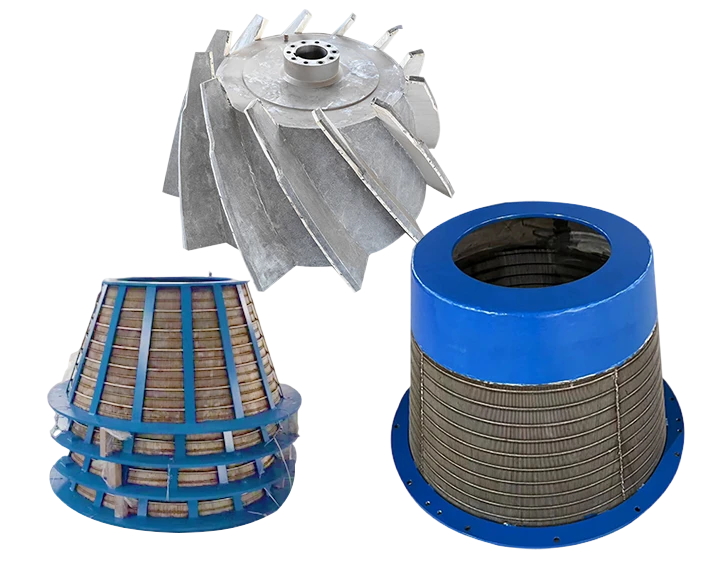
Mining Screens: The Unsung Heroes of Material Processing
When you hear “mining screens,” you might first think of giant machines churning through rocks somewhere remote. But these screens — essentially heavy-duty sieves — quietly power the entire mining and mineral-sorting process worldwide. They determine which materials get through, which get left behind, and ultimately affect efficiency, safety, and environmental impact. In a world where demand for minerals is steadily rising, understanding mining screens isn't just a niche concern; it's vital for industries that fuel modern life.
Why Mining Screens Matter on a Global Scale
Mining isn’t just digging holes and hauling ore. The mining screens involved play a critical role in optimizing material flow, reducing energy consumption, and improving output quality. According to the International Organization for Standardization (ISO), efficient screening processes can improve production yields by up to 30%. With 56 million people employed worldwide in the mining sector (World Bank, 2022), the ripple effects of these devices are huge — affecting everything from construction and technology to clean energy supply chains.
However, a big challenge persists: as ores get more complex and environmental regulations tighten, mining operations struggle to balance yield, cost, and ecological responsibility. Here’s where advanced screens make all the difference — they are that fine line separating success from costly inefficiency.
Mining Screens: What Are They and How Do They Work?
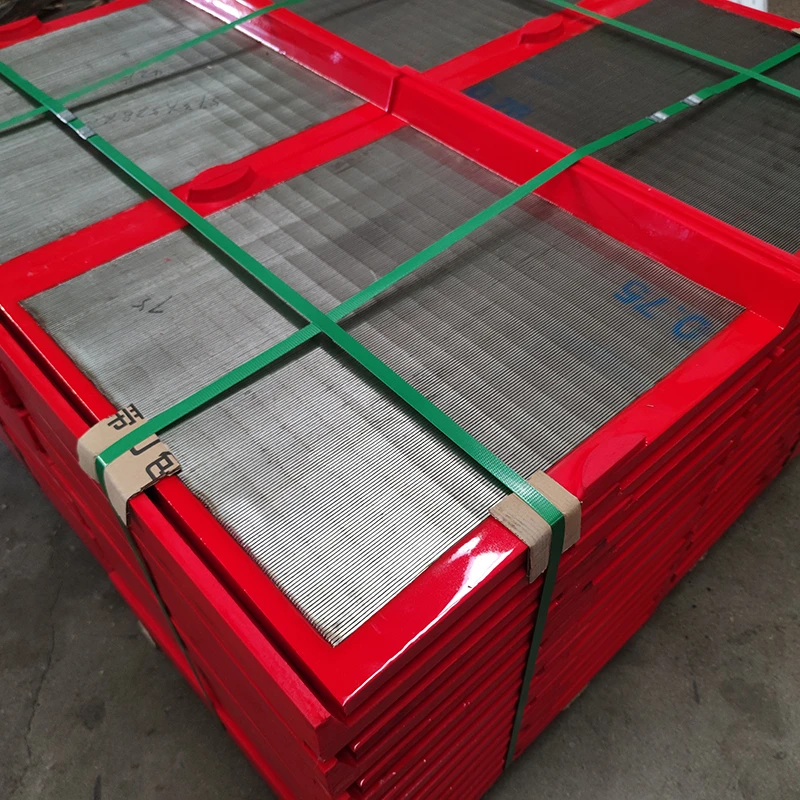
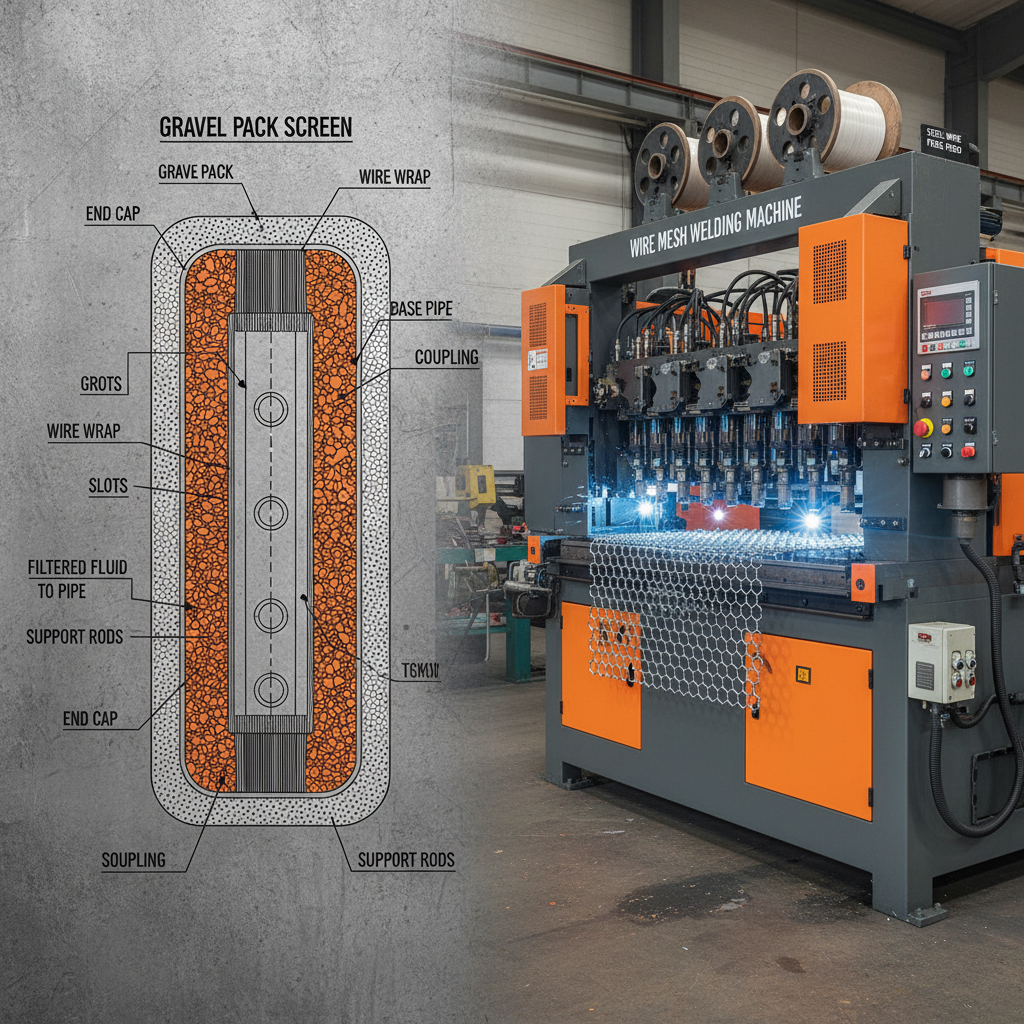
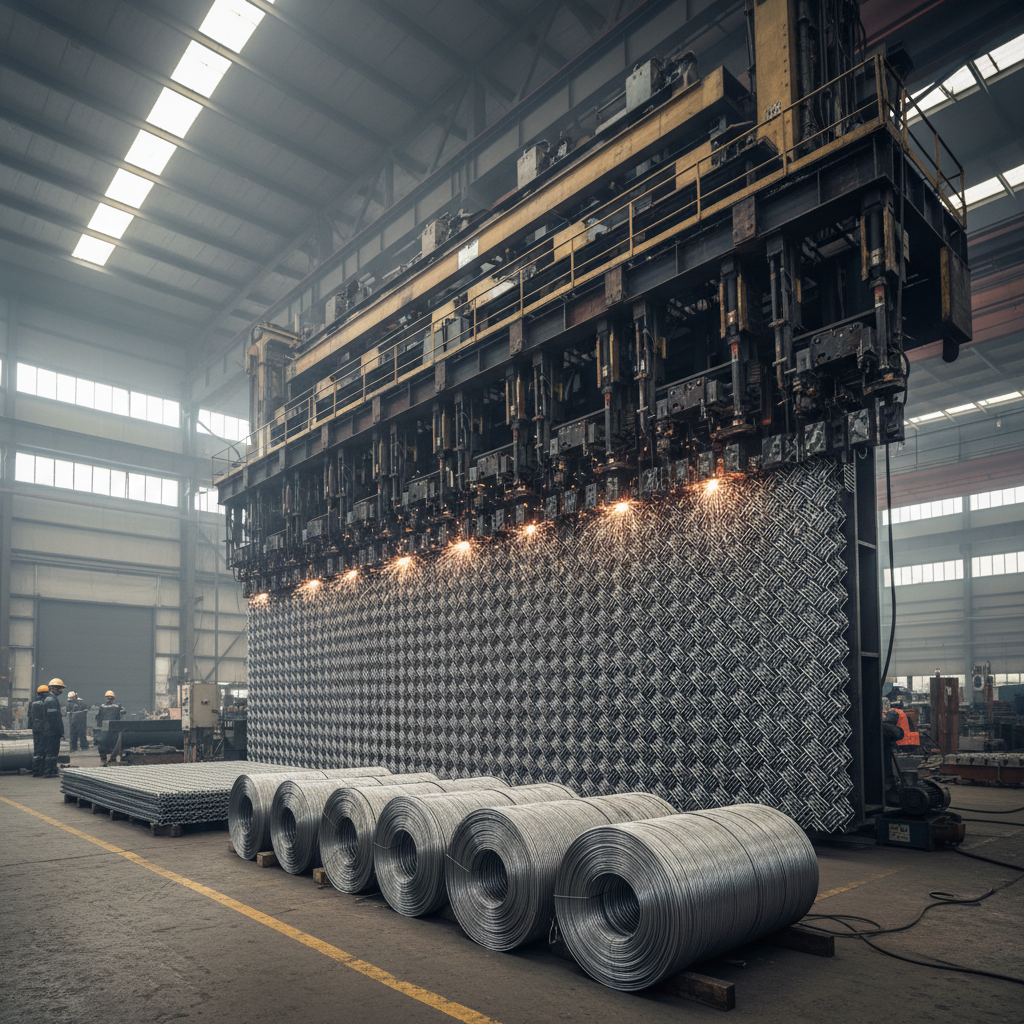
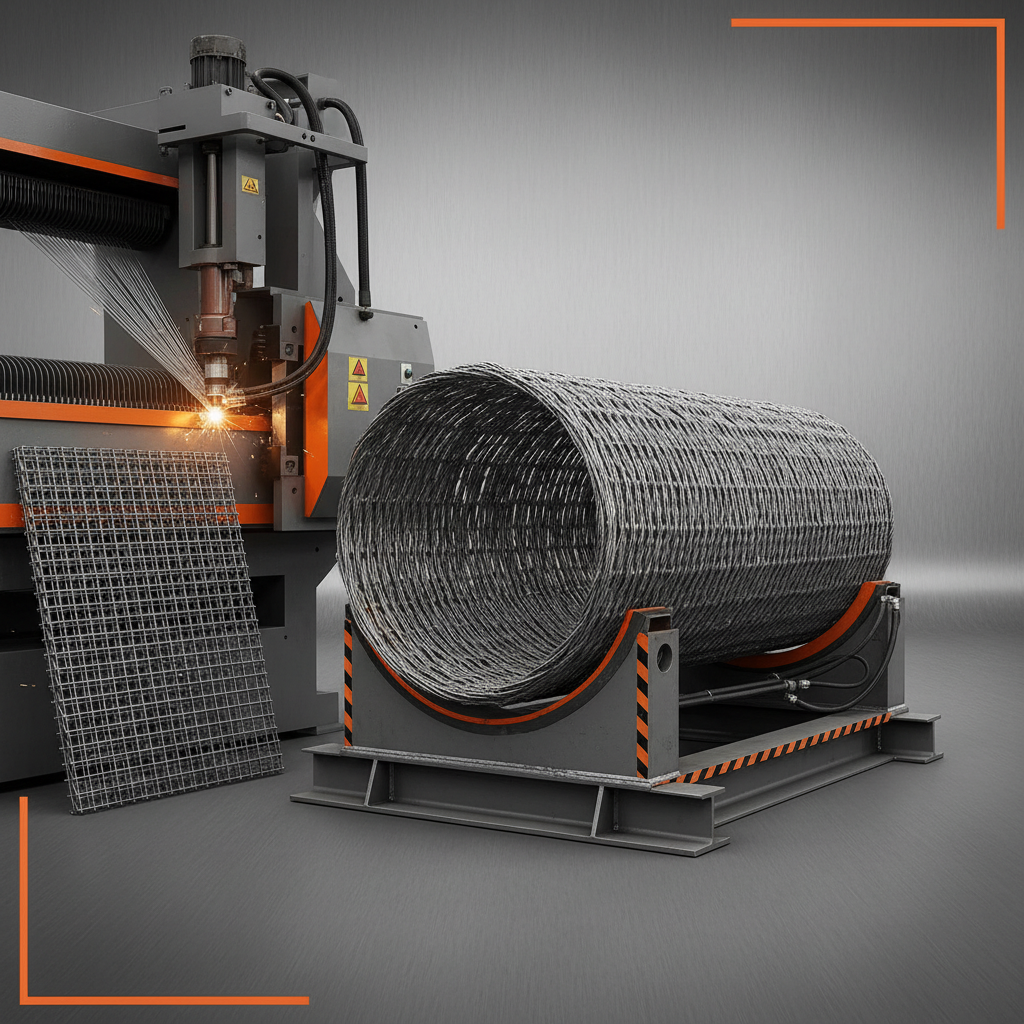
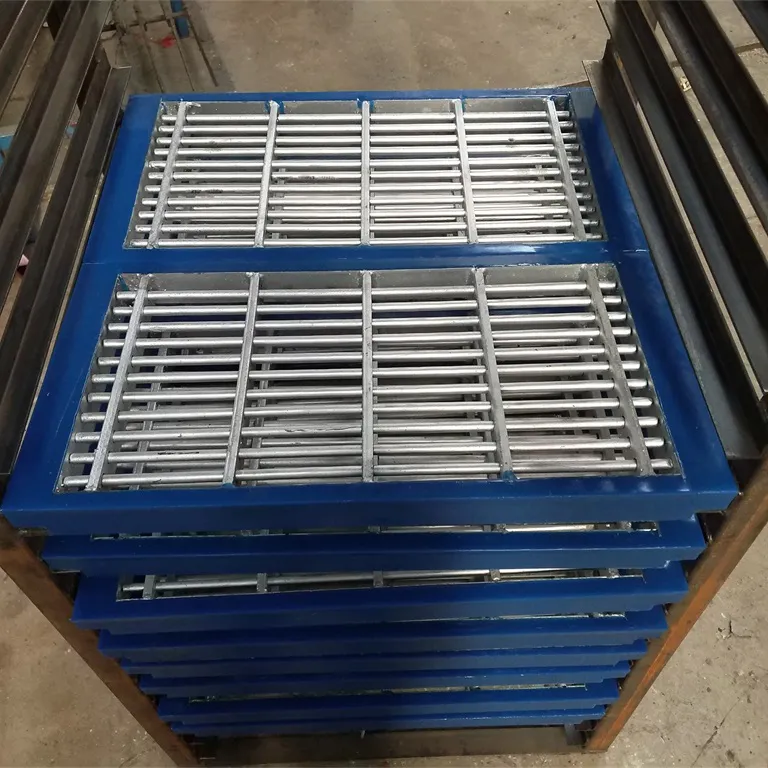
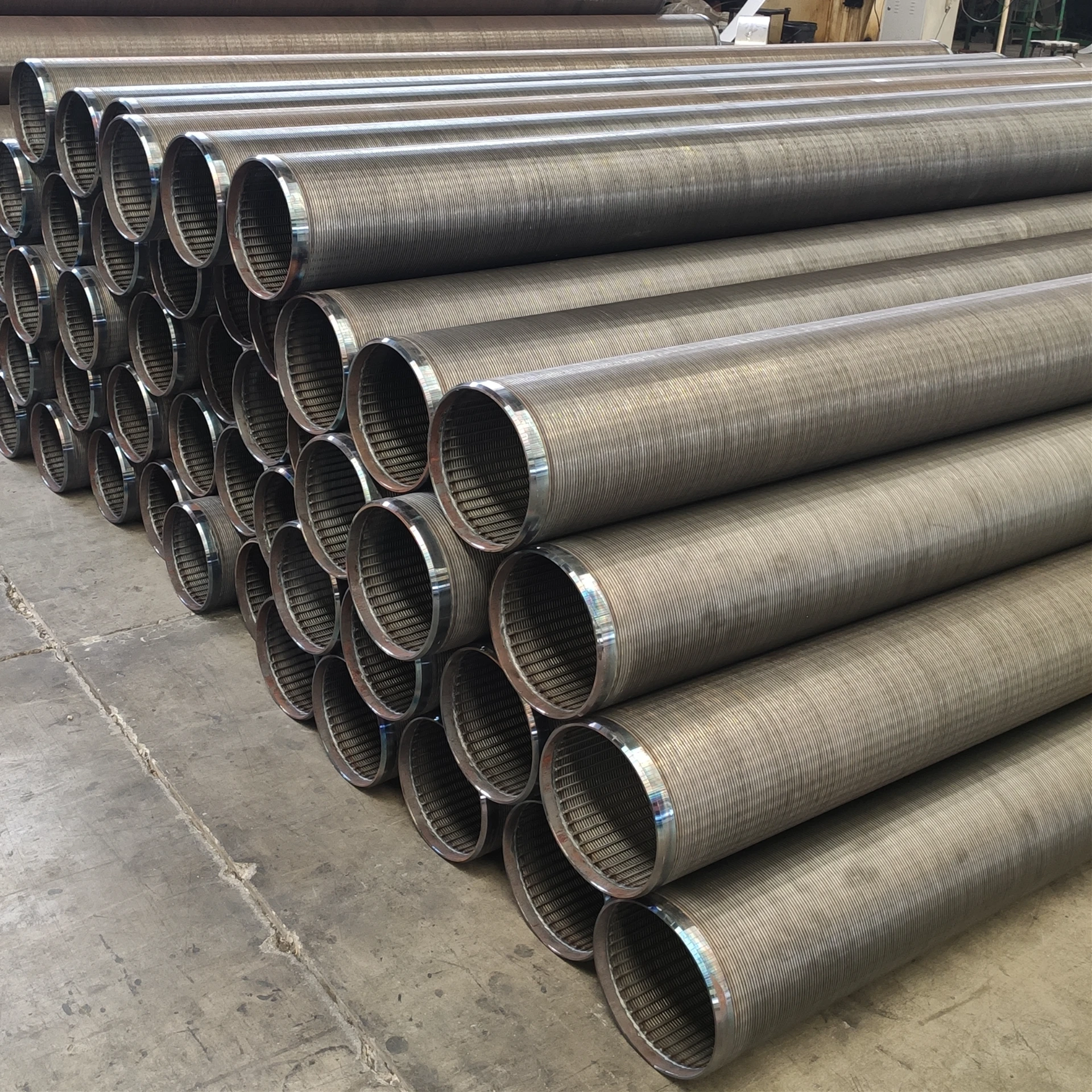
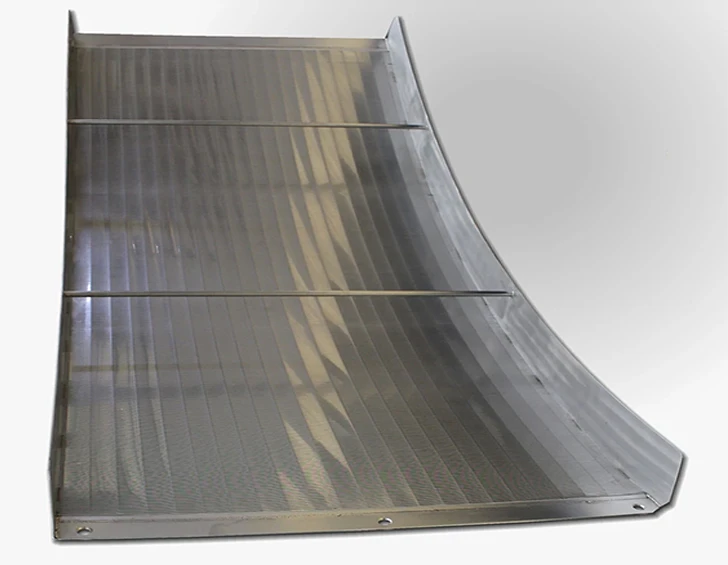
In plain terms, mining screens are robust mesh systems designed to separate particles by size. Imagine sifting flour to catch lumps — now scale that to tons of rock and gravel per hour. The screens come in various designs: vibrating, gyratory, or stationary, each tailored to specific mineral types and processing needs.
In modern mining, these screens are integral to crushing, grading, and washing operations. Beyond that, their design affects occupational safety, prevents machinery wear, and reduces waste. Sometimes the importance of mining screens is overlooked outside the industry, but they’re central to delivering the materials essential to everything from smartphones to wind turbines.
Core Factors Shaping Efficient Mining Screens
1. Durability and Wear Resistance
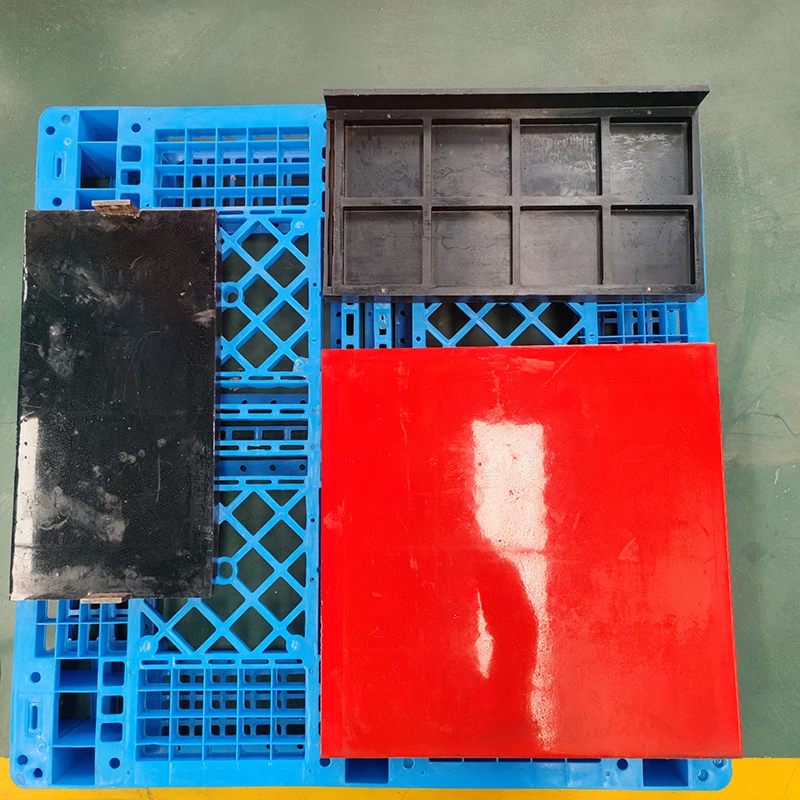
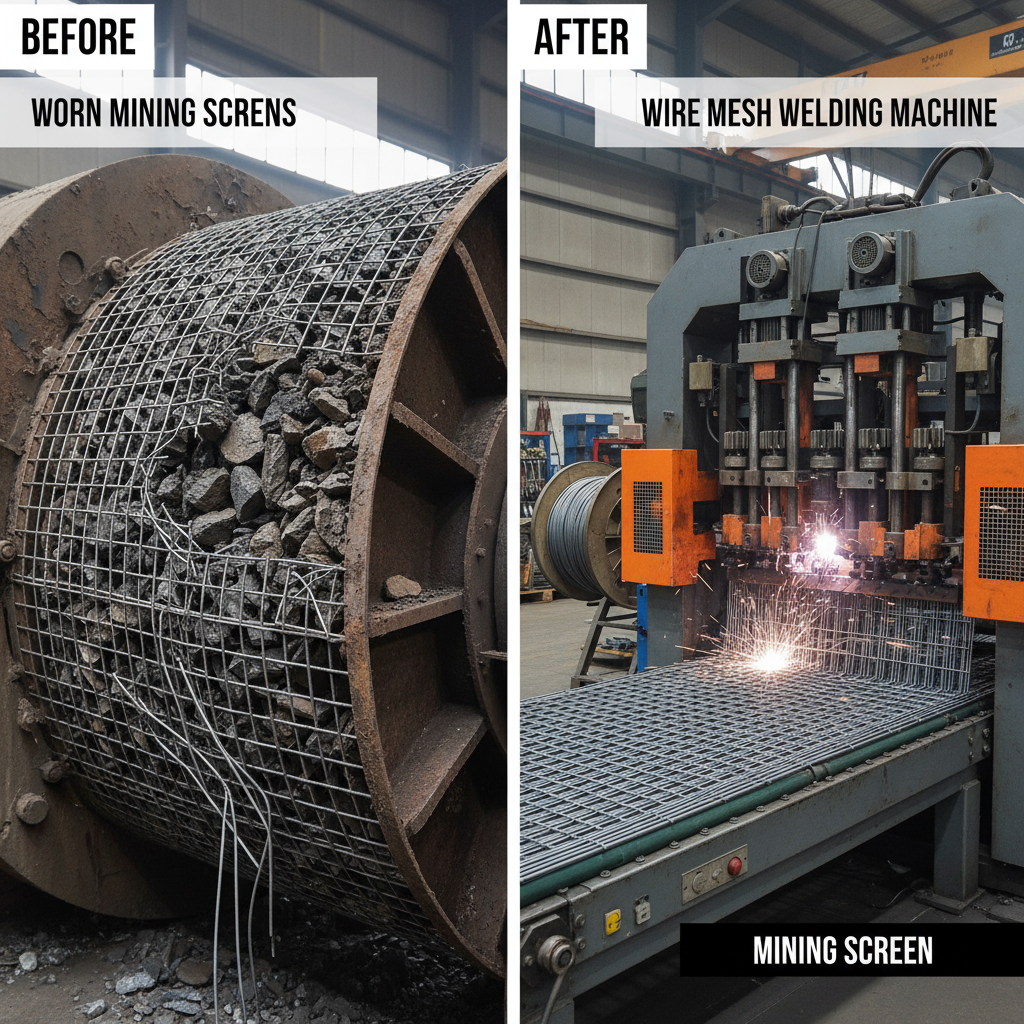
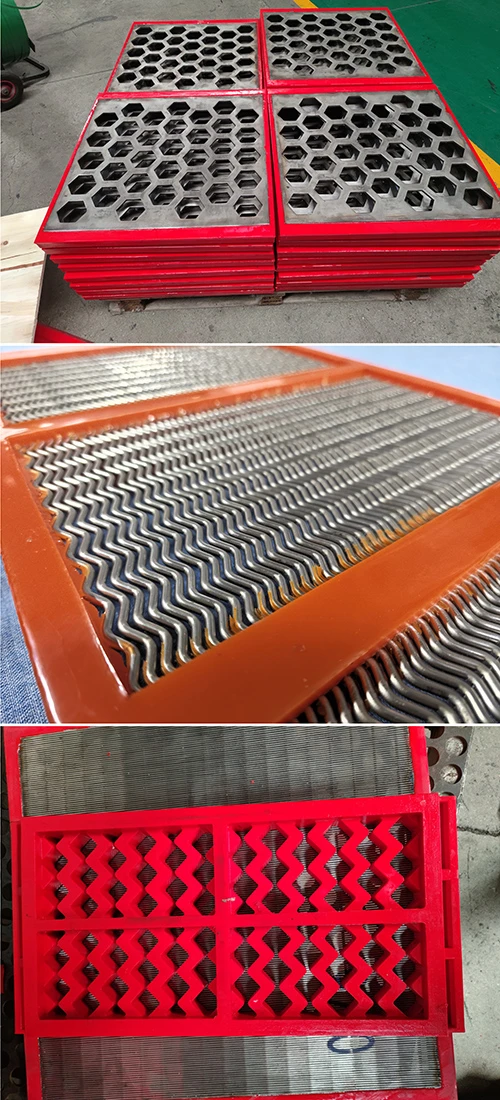
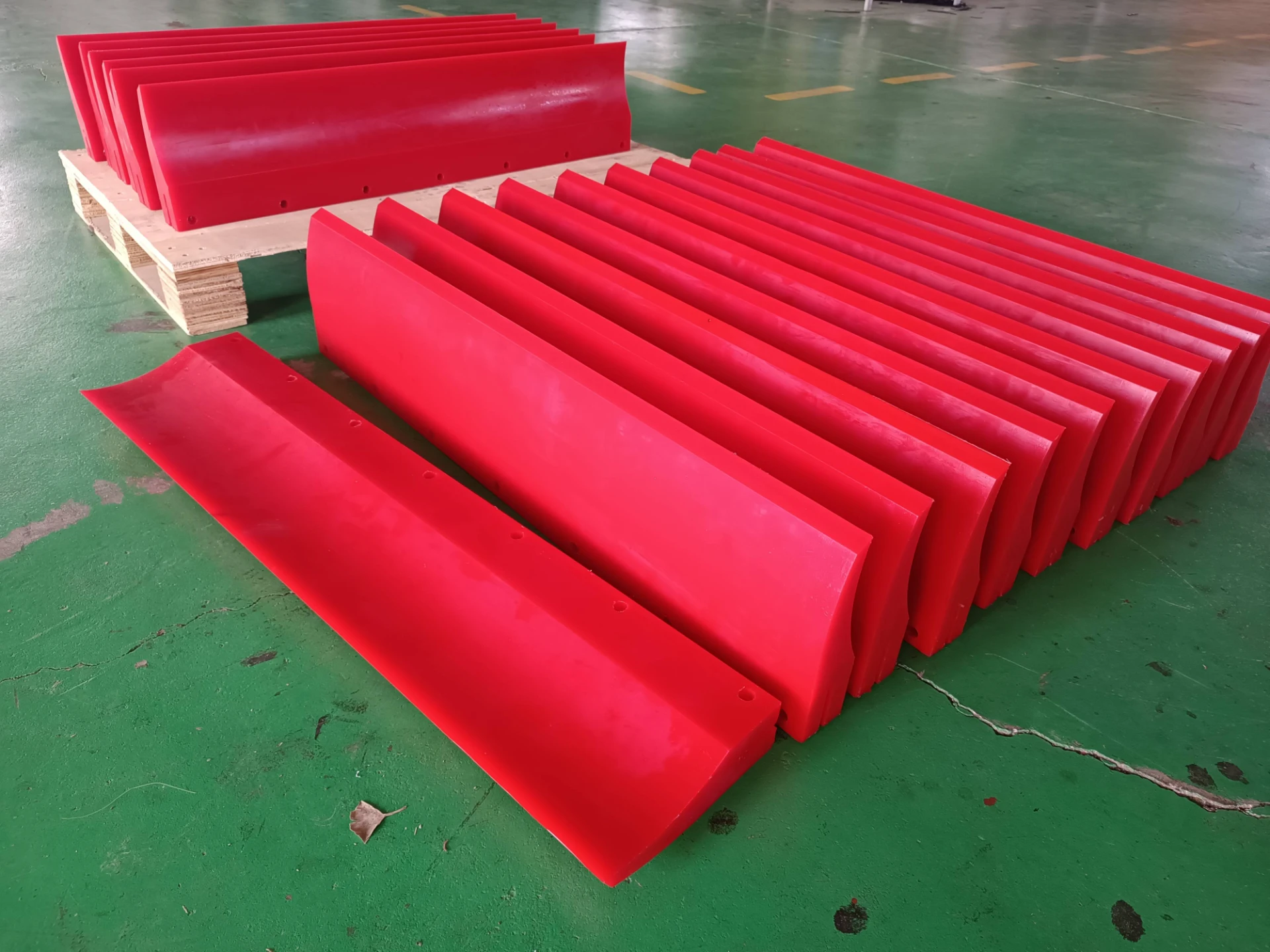
Mining screens get pounded — literally. Impact and abrasive materials wear them down relentlessly. Many manufacturers now use high-tensile steel or polyurethane coatings that extend service life. The less downtime from screen maintenance, the better the overall operation.
2. Screening Accuracy
The finer and more consistent particle separation, the greater the product quality. Newer screens use advanced mesh patterns and variable apertures to target precise size ranges, cutting down cross-contamination.
3. Scalability and Customization
No mine is identical — ore types vary wildly. So modular screen systems that can be easily resized or swapped out help plants adapt quickly to shifting material feeds or production targets.
4. Energy Efficiency
Mining operations are energy hogs. Using optimized vibration patterns and lighter screen materials reduces power consumption — an increasingly important factor as green policies take center stage.
5. Cost Efficiency and Maintenance
It’s a balance between upfront cost and long-term savings. Some screens take a bigger initial investment but cut downtime, while cheaper options may require frequent replacements. Operational context matters.
6. Environmental Impact
Beyond material separation, screens with self-cleaning surfaces and dust suppression features play a subtle but crucial role in limiting emissions and water contamination.
Mini takeaway: Choosing the right mining screen comes down to material durability, precision, adaptability, efficiency, cost, and eco-friendliness — not just technical specs but operational realities.
Mining Screens at Work Around the Globe
The beauty of mining screens is their versatility across regions and industries. In South Africa’s vast platinum mines, tough steel screens handle abrasive rocks for precious metals extraction. Meanwhile, in Canada’s tailings management, polyurethane screens help sort recycled aggregates keeping water sources cleaner.
Elsewhere, remote operations in Australia rely on modular mining screens that technicians can swap out with hand tools — a lifesaver when shipping parts takes weeks. Even humanitarian efforts benefit indirectly; mining operations that use efficient screening processes reduce environmental damage and improve community health in areas affected by mineral extraction.
A quick example: A copper mine in Chile reported a 20% increase in throughput after upgrading to vibrating mining screens with noise reduction features — cutting off-site disturbances and bolstering worker safety.
Practical Specifications of a Popular Mining Screen Model
| Specification | Value |
|---|---|
| Model | VXG-350 Vibrating Screen |
| Screen Surface Area | 3.5 m² |
| Screen Material | High-tensile steel mesh |
| Aperture Size | 5 mm (customizable) |
| Vibration Frequency | 750 RPM |
| Power Consumption | 5 kW |
| Weight | 1200 kg |
Comparing Leading Mining Screen Vendors
| Vendor | Material Options | Customization | Typical Price Range | Key Strength |
|---|---|---|---|---|
| MutoScreen | Steel, Polyurethane | High – Modular Designs | $$$ | Durability, Quick Replacement |
| ScreenTech Ltd. | Steel, Rubber | Medium | $$ | Cost-effective for Small Mines |
| Global Screens Inc. | Steel Only | Low | $ | Simple, Robust Designs |
Advantages of Modern Mining Screens
- Improved Safety: Reduces risk of equipment overload and potential accidents.
- Cost Savings: Efficient processing lowers overall operational costs.
- Environmental Sustainability: Less waste and dust emissions through precise separation.
- Operational Reliability: Extended lifespan cuts downtime and maintenance headaches.
Frankly, the peace of mind that comes with reliable mining screens is hard to overstate. When equipment works consistently, workers can focus less on firefighting and more on optimizing their workflows, which leads to a more sustainable mining operation overall.
What’s Next? Innovations Shaping the Future of Mining Screens
Looking ahead, innovations are converging around digital monitoring, new composite materials, and greener energy integration. Imagine screens that can self-adjust their vibration pattern via IoT sensors based on real-time throughput data — reducing waste even further.
Plus, with stricter environmental codes, expect regulations pushing for screens built from recycled materials or designed for easy disassembly and recycling at end-of-life. Automation is also likely to improve on-site safety by reducing human intervention near heavy machinery.
Overcoming Challenges in the Screening Process
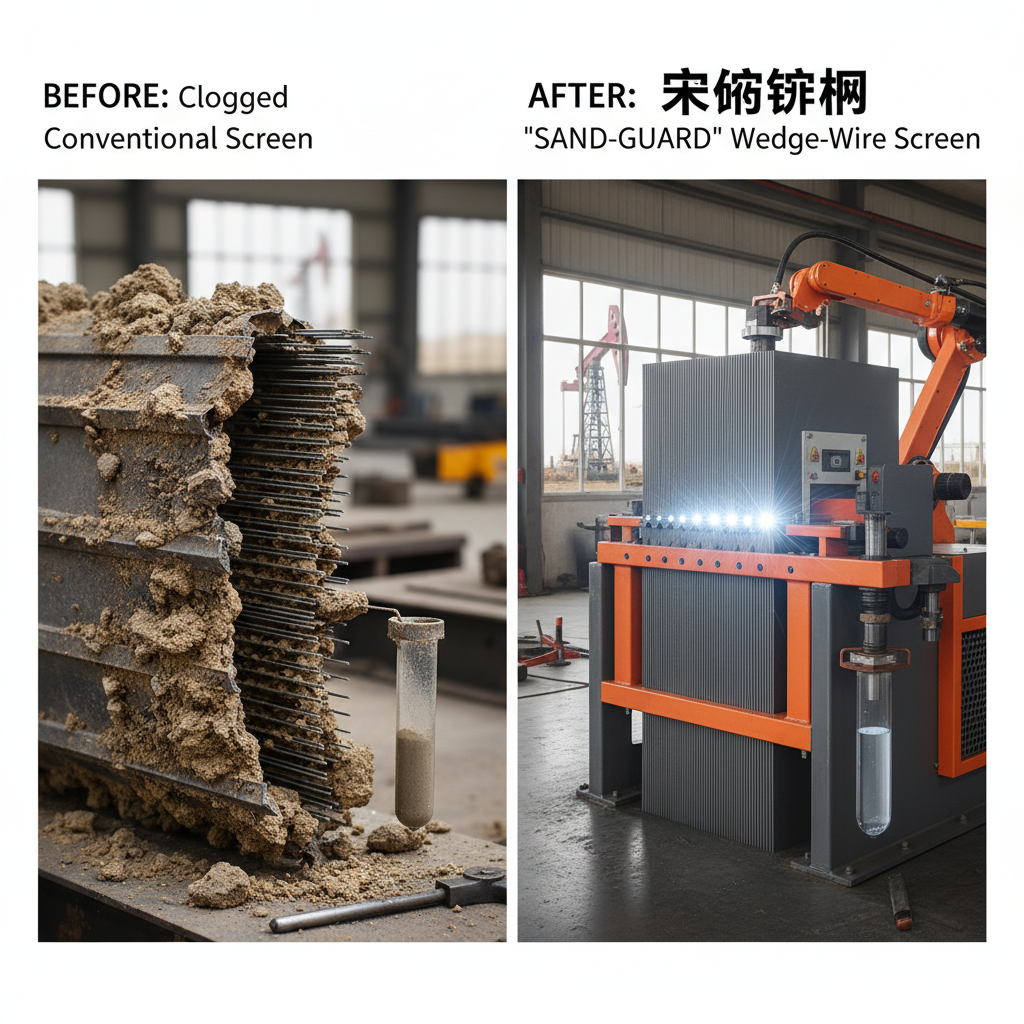
Like any tech, mining screens have hurdles. Screen blinding (when particles clog apertures), uneven wear, and transport logistics for replacement parts are typical headaches. But innovations such as angled meshes, ultrasonic cleaning, and local manufacturing hubs for quick part swaps have considerably eased those.
Industry experts suggest maintaining a proactive screening maintenance schedule paired with comprehensive staff training as key solutions — both reduce downtime and cut long-term costs.
FAQ: Your Questions About Mining Screens Answered
- What type of mining screen is best for abrasive materials?
- Steel wire screens with high tensile strength or polyurethane-coated screens are ideal, as they resist wear and maintain accuracy over time.
- How often should mining screens be replaced?
- Replacement frequency varies by operation but typically every 6-18 months, depending on material abrasiveness and screen maintenance routines.
- Can mining screens be customized for different ore types?
- Absolutely. Many suppliers offer customizable aperture sizes, materials, and vibration settings to tailor screens to specific ore characteristics.
- Are modern mining screens energy efficient?
- Yes, many use optimized motor designs and variable vibration controls to minimize power consumption without sacrificing performance.
- How do mining screens impact environmental compliance?
- Efficient mining screens reduce dust emissions and waste volume, helping operations meet increasingly strict environmental standards.
Wrapping Up: Why Mining Screens Are Worth Your Attention
At the end of the day, mining screens might not be glamourous, but they’re essential cogs in everything from rare earth mining to everyday construction materials. Focusing on the right screens means better production rates, happier workers, less environmental damage, and a more responsible mining future — which, I’d argue, makes it a worthwhile topic for anyone even remotely connected to the extraction industries.
If you want to dig deeper into quality screen options and industry insights, be sure to explore MutoScreen’s detailed resources and product range.