Understanding Coarse Screening: Why It Matters Today
Coarse screening might sound like technical jargon you'd hear only in specialized engineering talks, but it plays a quietly vital role across industries worldwide. Simply put, it’s the process of filtering out larger debris and unwanted solids early on, protecting machinery and ensuring smooth downstream processes. So why does that matter? Globally, industries from water treatment plants to mining operations depend on reliable coarse screening to reduce downtime, cut costs, and improve safety. In an era where efficiency and sustainability go hand in hand, understanding coarse screening's key benefits becomes essential — not just for engineers, but anyone involved in operations management or humanitarian efforts that depend on clean, manageable materials.
Mini takeaway: Coarse screening is a humble hero ensuring equipment longevity and operational efficiency worldwide, affecting everything from urban wastewater systems to emergency relief setups.
The Global Importance of Coarse Screening in Industry and Beyond
Worldwide, around 80% of wastewater treatment facilities use some form of coarse screening before tackling finer purification stages — this according to the International Organization for Standardization (ISO 15783). And it's not just municipal utilities: construction, agriculture, food processing, and even disaster response units rely heavily on this technology.
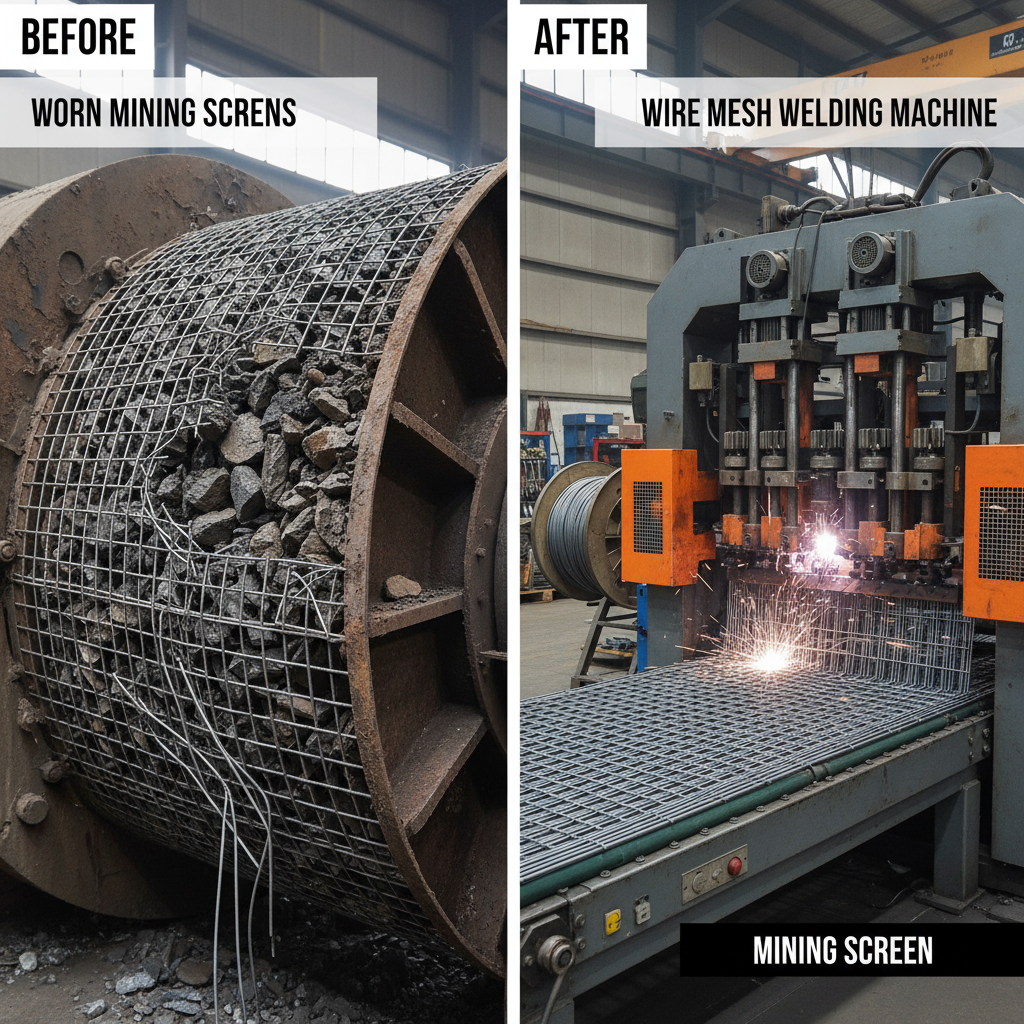
A big challenge coarse screening addresses? Protecting expensive, sensitive machinery from getting clogged or damaged by sticks, rags, plastics, or larger suspended solids. Without an effective coarse screening stage, processing can grind to a halt or require costly repairs — imagine a mining conveyor belt stopping mid-shift because of unfiltered debris.
This simple, often overlooked step effectively reduces environmental impact by minimizing chemical waste and energy consumption down the processing line. The World Bank’s environmental reports have consistently emphasized the need for better waste segregation upfront to make entire treatment systems greener and more cost-effective.
Mini takeaway: Coarse screening is crucial globally to ensure industrial resilience, environmental sustainability, and economic viability, by addressing a universal problem: managing solid waste before it causes problems.
What Exactly Is Coarse Screening?
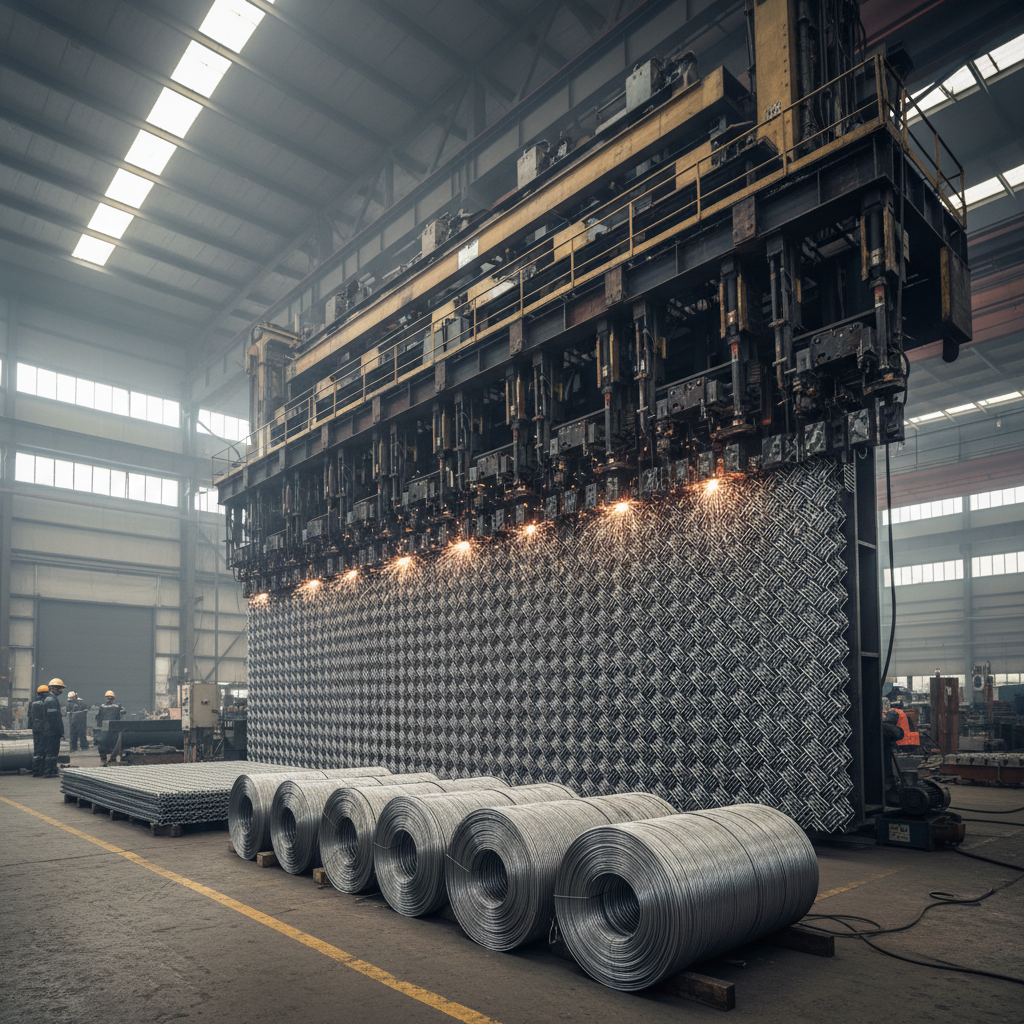
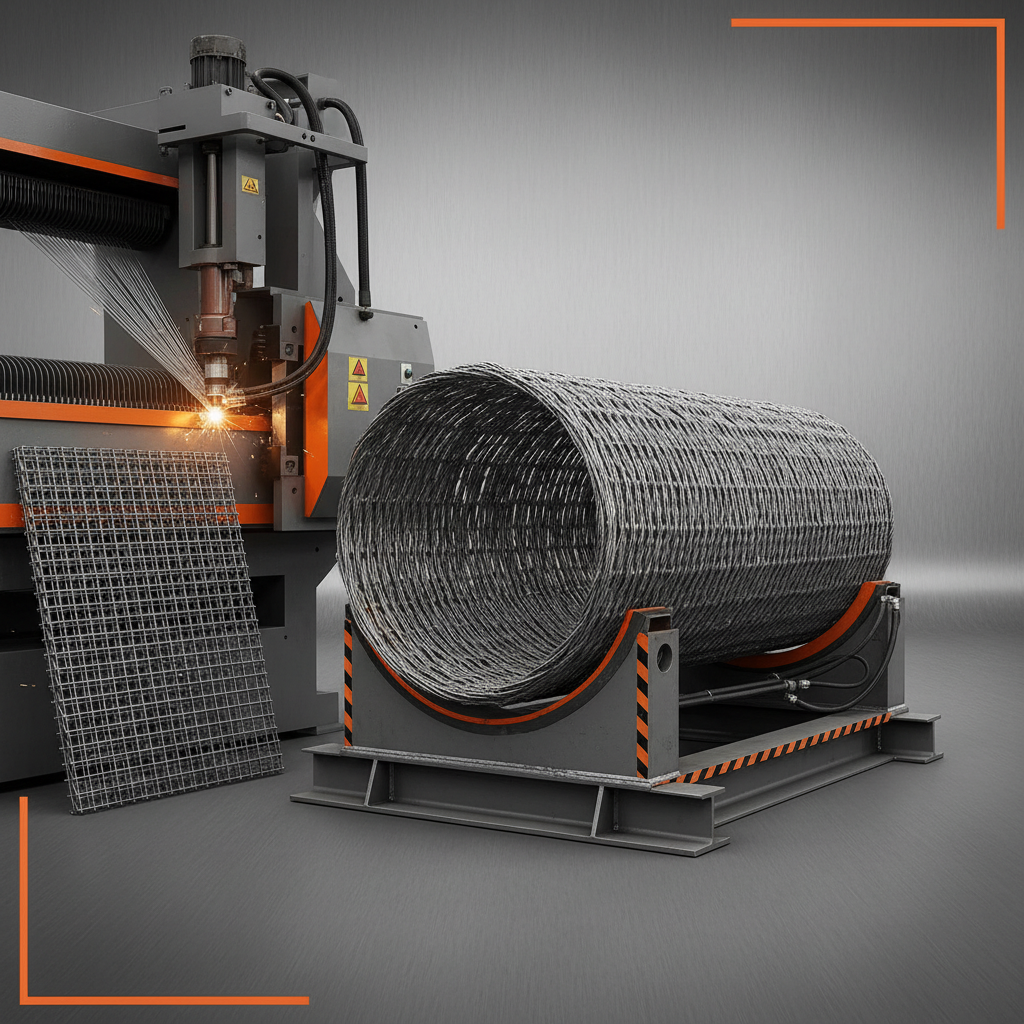
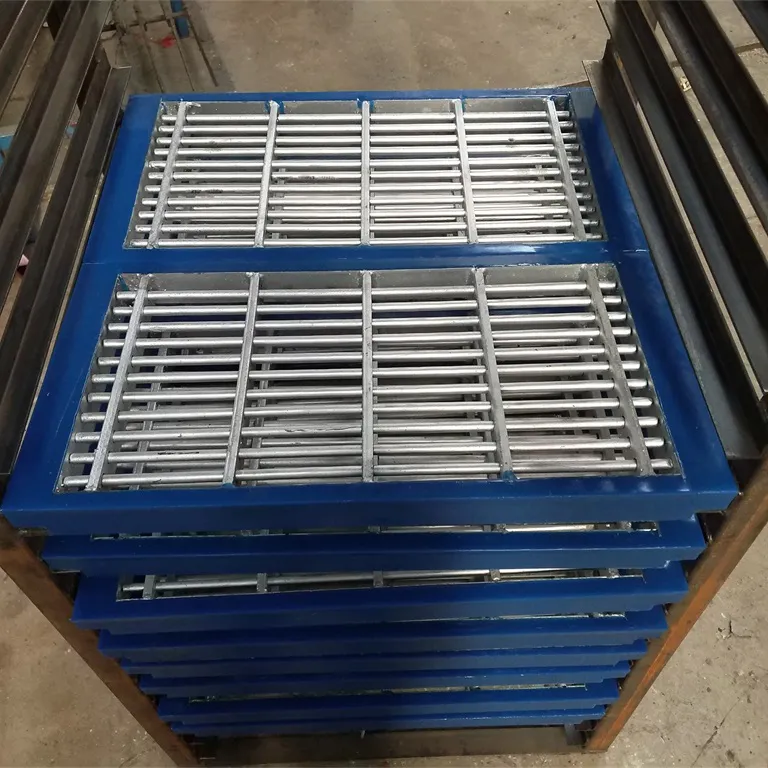
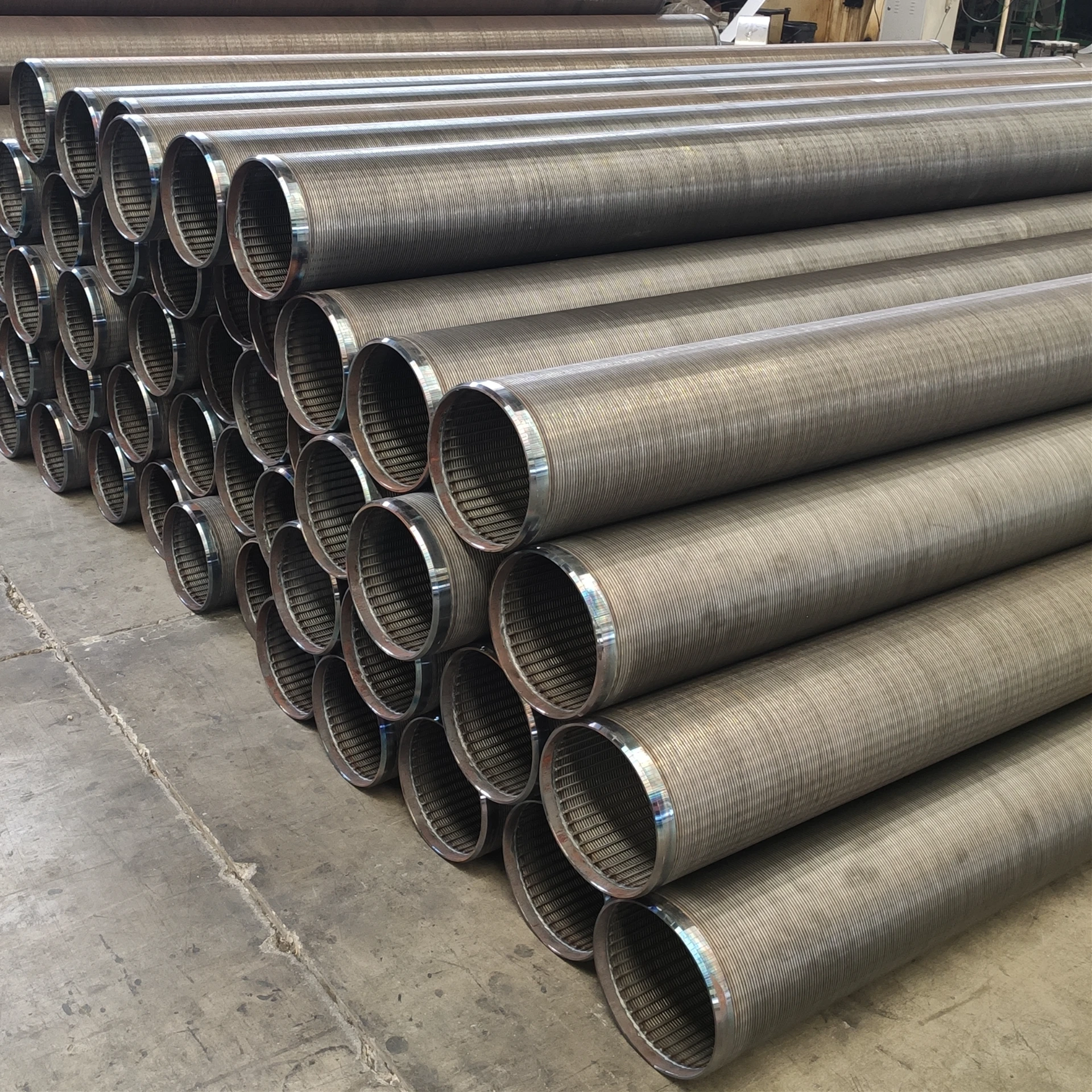
In the simplest terms, coarse screening is the initial removal of large particles from water, slurry, or other mixed-material streams using mechanical or manual filters. These filters, also known as screens or grates, have openings large enough to catch big debris but allow the bulk fluid or smaller particles to pass through.
Typically, screens range from bar racks with gaps of 10 cm or more, to finer mesh types — but the “coarse” category is usually on that larger side. It acts like a first defense line against blockages and equipment damage.
In modern industry, coarse screening is more than just about protection; it’s about preserving resource quality and worker safety. In humanitarian contexts, say during floods or refugee camp water management, using coarse screening can drastically reduce waterborne diseases by limiting organic waste and floating debris before further purification.
Mini takeaway: Coarse screening defines the frontline in solid removal, protecting equipment and improving downstream processes, whether in factories or crisis zones.
Key Components of Effective Coarse Screening
Durability: Built to Last Under Pressure
One thing many plant operators swear by is the need for rugged screens. These units face constant mechanical stress, abrasive solids, and corrosive fluids. Materials like stainless steel or specially coated alloys are common. Oddly enough, the wrong choice in durability can cause frequent breakdowns, which means operational nightmares.
Scalability: Adapting to Different Volumes
Coarse screening isn’t one-size-fits-all. Systems may need to handle a few liters a minute in remote water treatment or hundreds of cubic meters per hour in industrial plants. Scalability also means modular design, where extra screens or bigger units slot in as capacity grows.
Cost Efficiency: Balancing Budget and Performance
Let’s be honest; one reason coarse screening technology varies so much is budget. High-end models boast automation and self-cleaning but come at a price. Manual or gravity-fed systems might serve smaller operations better. The challenge is balancing upfront investment with long-term reliability.
Ease of Maintenance: Minimizing Downtime
A critical, sometimes overlooked factor. Screens that are difficult to clean or replace waste precious hours. Designs with quick-release mechanisms or self-raking brushes keep things moving, preventing those dreaded shutdowns.
Integration: Working Seamlessly With Other Processes
The best coarse screening setups communicate well with pumps, conveyors, and sensors downstream. This integration allows real-time monitoring and dynamic adjustment based on flow rates or detected blockages.
| Feature | Typical Range | Notes |
|---|---|---|
| Screen Opening Size | 10 mm – 100 mm | Depending on debris size targeted |
| Material | 316 Stainless Steel / Coated Carbon Steel | Corrosion and abrasion-resistant options |
| Flow Capacity | 0.5 – 500 m³/hour | Scalable based on model size |
| Cleaning Mechanism | Manual, Self-raking, Automatic Brushes | Ease of maintenance varies |
| Power Source | Electric, Hydraulic, or Gravity-fed | Depends on installation context |
Where Coarse Screening Makes a Real Impact Today
From bustling European cities to remote mining sites in Africa, coarse screening quietly enables uninterrupted operations. Let’s say you’re part of a disaster relief team in Southeast Asia. Coarse screening at temporary water purification stations removes debris like branches, leaves, and plastic bottle caps from floodwaters, preventing equipment damage and lowering disease risk.
Meanwhile, in industrial settings like pulp and paper mills in Scandinavia, large debris is filtered out before fine filtration, improving product quality and reducing costly downtime. Even food processing plants cherish coarse screening for pre-cleaning raw materials.
Interestingly, in the agricultural sector, coarse screening separates rocks and large particles from irrigation water, ensuring that drip irrigation systems don’t clog. The tech’s versatility is impressive and somewhat underappreciated.
Mini takeaway: Diverse industries worldwide rely on coarse screening — from critical humanitarian relief water stations to high-tech industrial plants. It's everywhere, ensuring efficiency, safety, and sustainability.
The Advantages and Lasting Value of Installing Coarse Screening Systems
- Cost savings: Less equipment damage means fewer repairs and lower replacement costs.
- Environmental impact: Pre-screening reduces chemical use and energy waste down the line.
- Safety & health: Workers benefit as large hazardous debris is removed early.
- Reliability & trust: Systems run consistently with less interruption, building customer confidence.
- Sustainability: Extending equipment life supports long-term operational goals and reflects social responsibility.
There's a certain peace of mind when you know your system won’t get clogged just as demand spikes. This leads to a stronger trust between operators, clients, and communities. Frankly, it’s a win-win, both economically and ethically.
Looking Ahead: Innovations Shaping the Future of Coarse Screening
The future promises exciting shifts. Digital sensors and IoT-enabled self-monitoring coarse screens can alert managers to build-ups before they become problems, streamlining maintenance schedules.
Eco-friendly materials and designs reducing scrap and energy consumption are gaining traction. Automation is another big trend, with self-cleaning mechanisms that reduce labor and improve reliability. Imagine a screen that adjusts its pitch to optimize debris removal dynamically — some prototypes already do this.
Lastly, greater integration with renewable energy sources, like solar-powered motors, points to greener screening setups, especially useful in remote or disaster zones. It's like every nuanced improvement combines to make coarse screening smarter and kinder to our planet.
Challenges Today and Bright Solutions on the Horizon
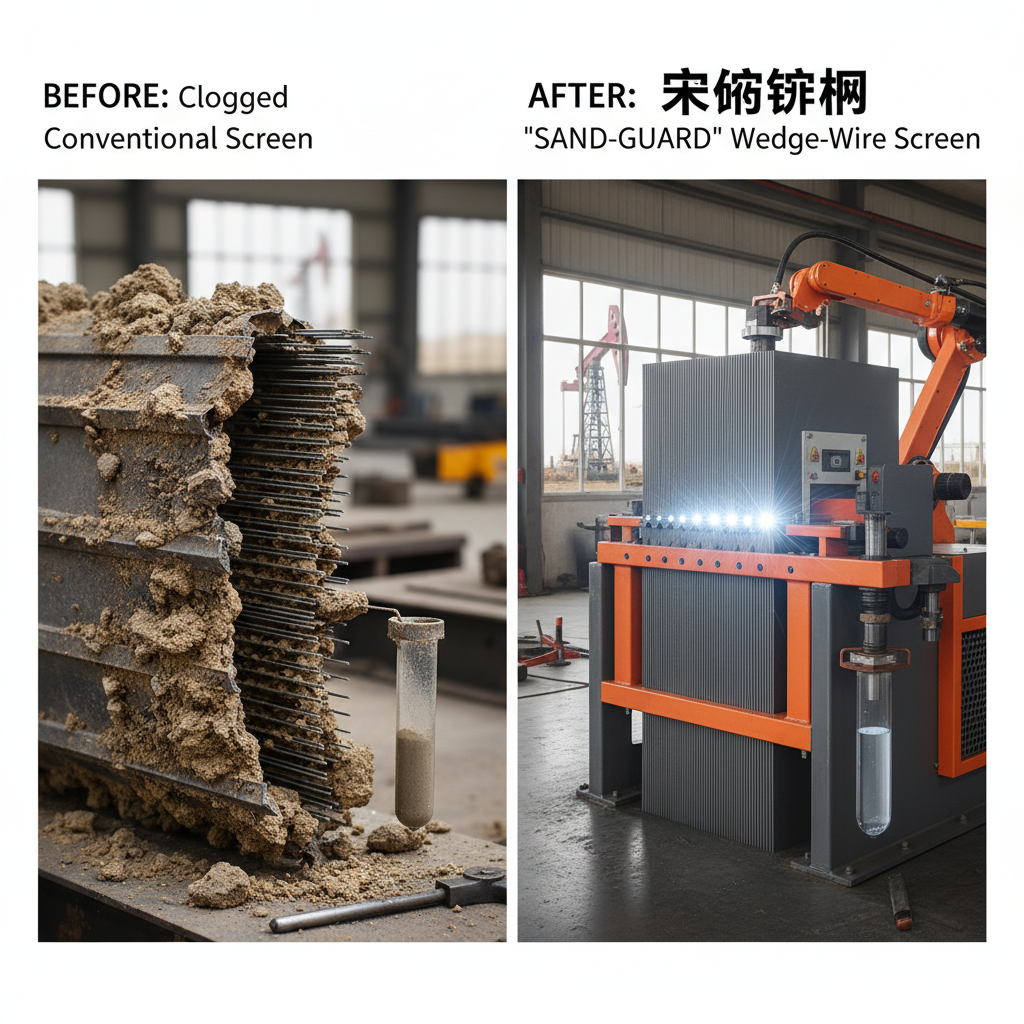
Common complaints? Screens get blocked too often, or their cleaning systems fail under harsh conditions. There’s also the perennial challenge of balancing upfront cost against long-term gains, which can be tough in cash-strapped facilities.
Experts suggest modular designs for easier upgrades, better training for operators, and smarter material selection tailored to local conditions. Plus, digital twin simulations are emerging tools — allowing teams to model clog scenarios and test solutions virtually.
FAQ: Your Coarse Screening Questions Answered
- What size of debris can coarse screening handle effectively?
- Typically, coarse screening is designed to catch particles larger than 10 millimeters, like leaves, plastics, and sticks, but this depends on your specific screen opening size. Adjusting gap sizes lets you customize the level of filtration.
- How often should coarse screening equipment be maintained?
- Maintenance intervals vary by usage and screen type but generally range from daily manual cleaning to weekly inspections for automated systems. Preventative upkeep minimizes downtime and costly repairs.
- Can coarse screening systems be used in emergency water purification?
- Absolutely. They are vital in removing large contaminants early in makeshift water treatment, helping ensure safer water distribution in crisis zones.
- Are automated coarse screening units more cost-effective in the long run?
- While they require higher initial investments, automation reduces labor costs and downtime, often proving economical over a system's lifespan.
- How does coarse screening improve sustainability in industrial processes?
- By preventing blockages and reducing the need for chemical treatments downstream, coarse screening conserves energy and minimizes waste, supporting greener operations.
Wrapping Up: Why Investing in Coarse Screening Pays Off
To me, coarse screening feels like the unsung backbone of efficient operations — a small step, but with massive ripple effects. If you’re managing equipment or processes involving fluids or slurry, ignoring coarse screening is kind of like building your house on loose sand. The long-term peace of mind and cost benefits make it a no-brainer investment. For specialized solutions and advice, visit us at https://www.mutoscreen.com — watching your operation run smoothly is a little victory worth pursuing.
| Vendor | Screen Types Offered | Automation Features | Price Range (USD) | Best For |
|---|---|---|---|---|
| MutoScreen | Bar screens, Drum screens, Step screens | Self-cleaning brushes, Remote monitoring | 8,000 - 50,000 | Municipal, Industrial, Disaster Relief |
| HydroFlow Tech | Coarse mesh, Automated raking screens | Full automation, IoT-enabled | 12,000 - 70,000 | Large scale industrial plants |
| EcoScreen Solutions | Gravity-fed bar racks, Fixed screens | Manual operation, Optional motorized cleaning | 3,000 - 20,000 | Small to mid-sized plants, Budget conscious |
References:
1. Wikipedia - Screening (engineering)
2. ISO 15783: Water treatment standards
3. World Bank Water Sector