Understanding Centrifuge Baskets: Why They Matter Worldwide
At first glance, centrifuge baskets might seem like a niche piece of industrial equipment, buried deep within processing plants or tucked away in laboratory settings. But if you peel back the layers, these unassuming components play a crucial role across various sectors, from water treatment to healthcare, and even humanitarian aid. Globally, as industries seek cleaner processes and higher efficiency, understanding centrifuge baskets unlocks a world of benefits — safer operations, reduced waste, and improved product quality. They’re key enablers of technologies that keep everything from oil refineries to pharmaceutical labs running smoothly.
So why pay attention? Because as fresh environmental regulations hit and industries embrace sustainability, centrifuge baskets are more relevant than ever. Plus, knowing their role helps engineers, operations managers, and buyers select the right gear for complex tasks — saving time, money, and sometimes, lives.
Global Context: Centrifuge Baskets in the Industrial Ecosystem
It's a fascinating web: according to the International Organization for Standardization (ISO), over 70% of industrial separation processes involve centrifugation at some point.1 That puts centrifuge baskets front and center. Whether in wastewater plants combating pollution or biofuel facilities improving energy yields, these baskets provide the mechanism to spin matter apart reliably.
Yet there’s a universal challenge too — contamination control. The UN Environment Programme reports billions of tons of wastewater generated annually, much untreated due to limitations in separation tech.2 Here's where centrifuge baskets contribute critical improvements in throughput and reliability. They’re the unsung heroes turning sludge into clean water or extracting precious materials cleanly from mixtures.
What Exactly Are Centrifuge Baskets?
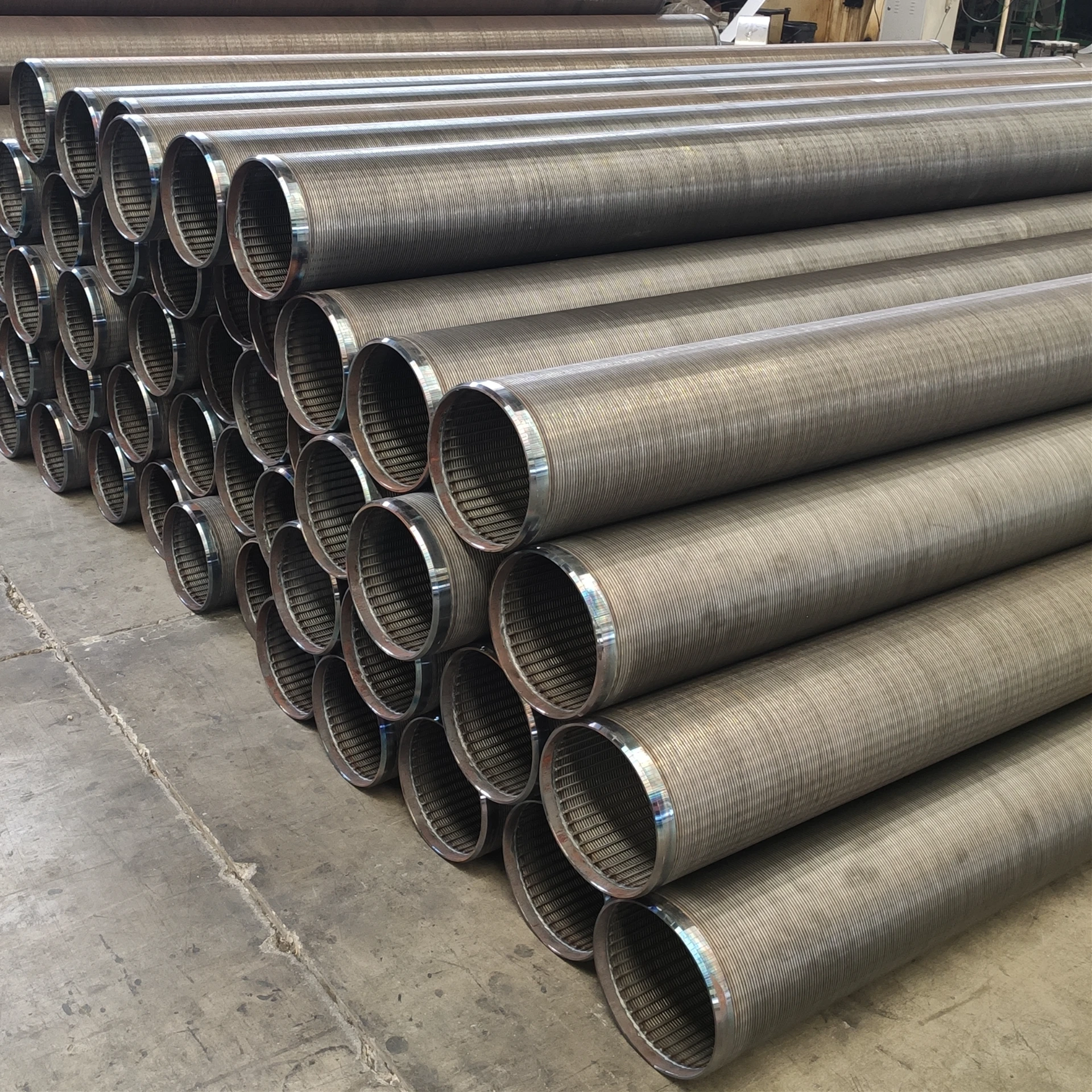
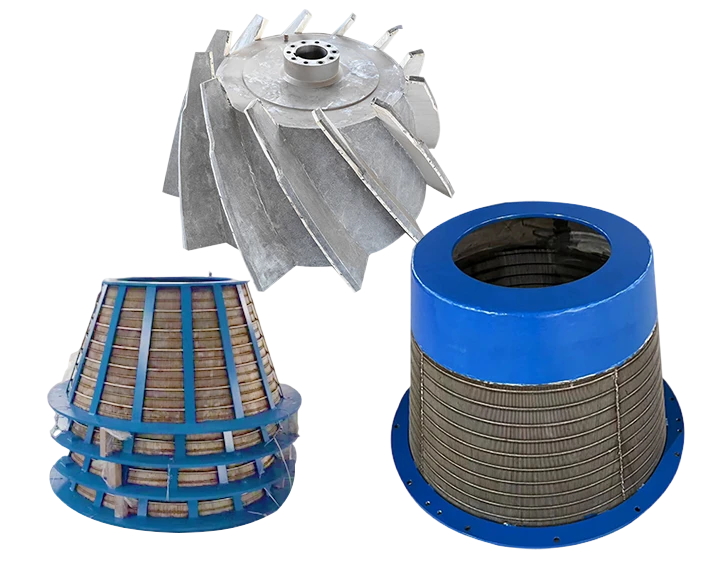
Put simply, a centrifuge basket is a perforated or mesh-like container inside a centrifuge machine. When spun at high speeds, it rapidly separates liquids from solids by centrifugal force — imagine a salad spinner, just way more industrial and precise. The basket holds the solids while allowing liquids to filter through.
Modern centrifuge baskets are designed with high-strength materials like stainless steel for corrosion resistance. They vary in size from a few inches for lab use to several feet in industrial applications. Their design intricacies can impact separation quality, maintenance frequency, and operational safety.
Importantly, centrifuge baskets align with humanitarian and industrial needs alike — imagine post-disaster zones needing water purification or remote mines recovering minerals efficiently. The versatility of those spinning baskets often means the difference between workable solutions and costly delays.
Key Factors Behind Effective Centrifuge Baskets
Durability and Corrosion Resistance
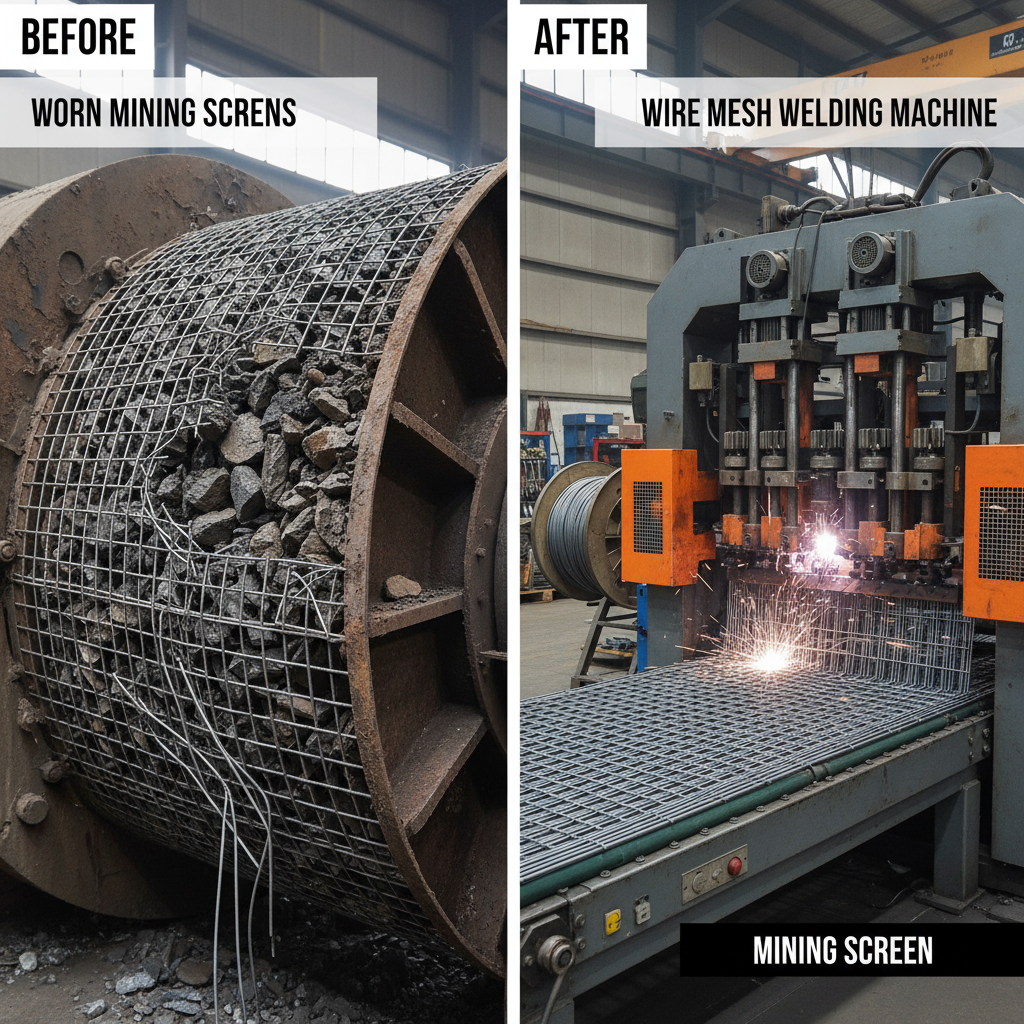
Many engineers I’ve talked with swear by baskets built from duplex or super duplex stainless steel, which resist chemicals, high temperature, and abrasion. Given the environments these baskets face — acidic sludges, salty water — durability minimizes downtime and costly replacements.
Precision and Perforation Design
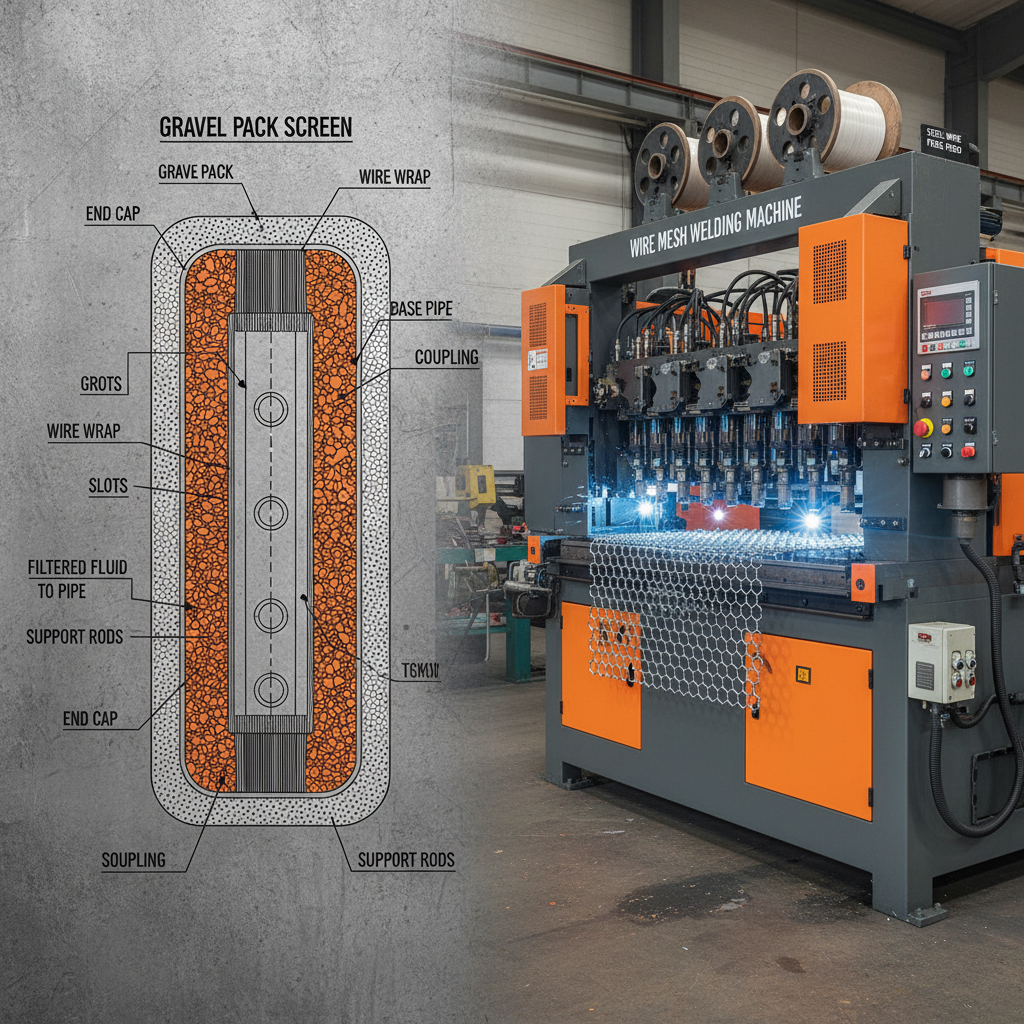
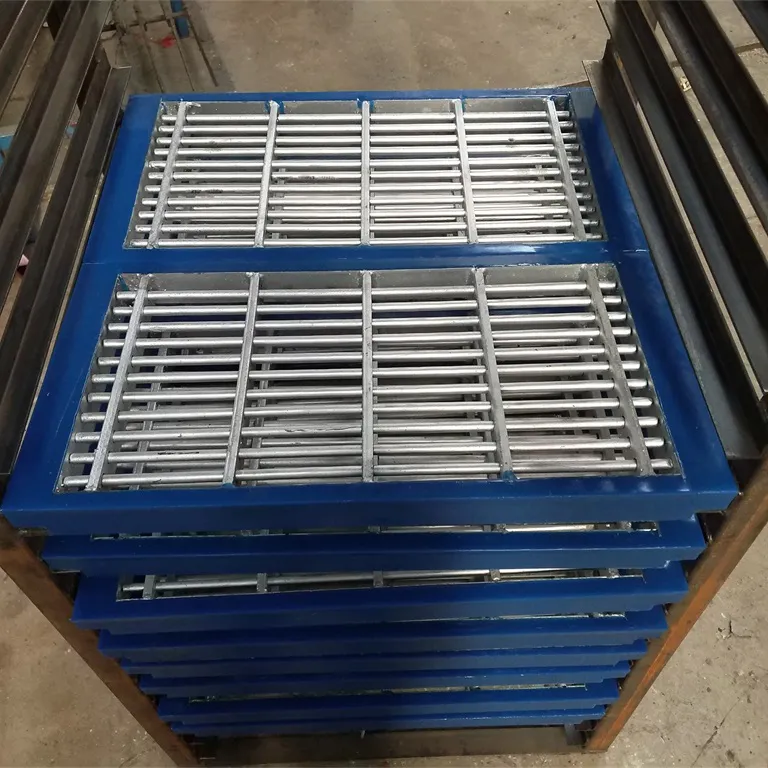
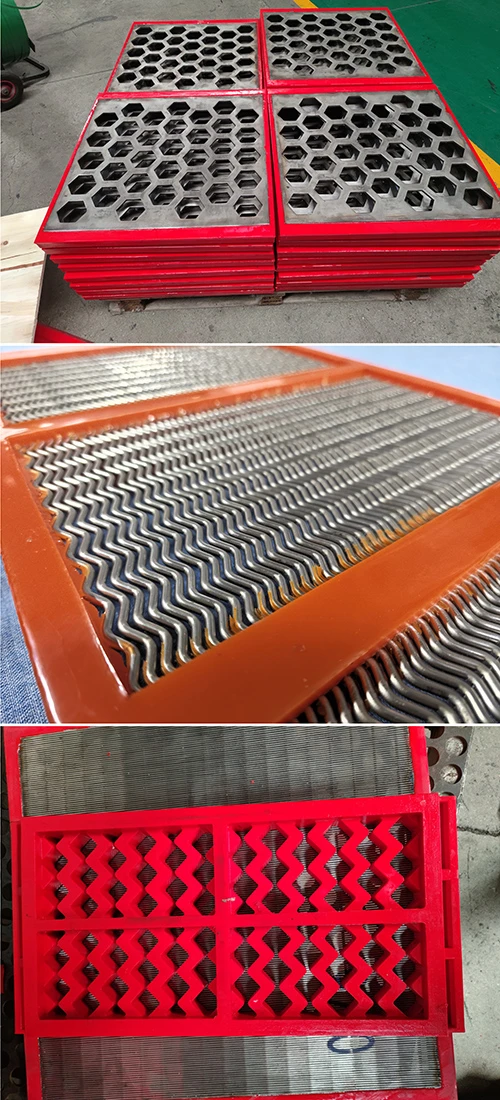
The mesh or perforation patterns directly affect how well solids stay trapped and liquids pass through. Too big or small holes? Either clogging or inefficiency occurs. Manufacturers run extensive testing to optimize hole size for particle retention balanced with liquid flow.
Ease of Maintenance
Operators love baskets that allow quick cleaning or replacement without special tools. In real terms, that can mean hours saved during routine shut-downs, affecting plant uptime substantially.
Scalability and Customization
From compact models for lab-scale research to massive industrial baskets tailored to unique slurry compositions, flexibility is key. Many vendors provide custom fabrication options based on client process demands.
Cost Efficiency
Finally, the upfront cost and total lifecycle costs matter. The trick is balancing materials, manufacturing quality, and expected operational lifespan. Buy cheap, and you’ll likely pay more in downtime. Buy smart, and savings add up.
Product Specification Table
| Specification | Typical Value/Range | Notes |
|---|---|---|
| Material | 316L Stainless Steel / Duplex Steel | Corrosion & abrasion resistant |
| Diameter | 200 mm – 1500 mm | Varies by application scale |
| Perforation Size | 50 µm – 3000 µm | Customizable for particle size |
| Operating Speed | 1,000 – 6,000 RPM | Depends on centrifuge model |
| Max Temperature | 120 °C | Material dependent |
How Centrifuge Baskets Are Used Globally
From the coal mines of Australia to wastewater treatment in Europe, centrifuge baskets power diverse separation challenges:
- Water Treatment Plants: Biomass and debris are forced out of water, producing cleaner effluent that meets ISO and EU standards.
- Food & Beverage Industry: Grape skins separated from must in wine production — yes, the basket plays an unsung role in your favorite vino.
- Pharmaceuticals: Centrifuges help isolate active compounds from suspensions, critical in vaccine and drug manufacture.
- Post-Disaster Relief: Mobile centrifuge units with baskets help purify contaminated water on-site — a literal lifesaver during floods or earthquakes.
- Mining and Resource Recovery: Extract metals or minerals from slurry efficiently in places like South America or Southeast Asia.
Regions with harsh conditions often call for specialized baskets with reinforced materials and fast delivery solutions. Interestingly, as automation rises, real-time monitoring of basket performance is becoming a game-changer for remote and continuous operations.
Comparing Leading Centrifuge Basket Vendors
| Vendor | Material Options | Customization | Lead Time | Industry Focus |
|---|---|---|---|---|
| MutoScreen Technologies | 316L SS, Duplex, Super Duplex | Full custom design & fabrication | 6-8 weeks standard | Water, Mining, Pharma |
| SpinTech Solutions | 316 SS only | Limited perforation options | 4-6 weeks | Food & Beverage, Pharma |
| EconoCentrifuge Inc. | Standard SS grades | Standard models only | 3-5 weeks | General Industry |
Advantages and Long-Term Value of Centrifuge Baskets
There's something to be said about the peace of mind that comes from reliable equipment. Centrifuge baskets reduce downtime, improve throughput, and — crucially — enable processes that keep people healthier and environments cleaner. Cost-wise, investing in quality baskets translates to fewer surprises, smoother operations, and ultimately lower total cost of ownership. For operators, seeing a well-maintained centrifuge run for years without issues builds trust and confidence.
On social impact, consider remote communities where clean water is life-altering. Reliable centrifuge baskets in mobile units mean continued access to safe drinking water. Plus, as industries globally focus more on sustainability, centrifuge baskets help minimize waste and promote recycling by-products — another sustainable tick.
Future Trends and Innovations in Centrifuge Basket Technology
The future feels exciting. People in the field are buzzing about the integration of centrifuge baskets with digital monitoring — sensors measuring wear, balance, and perforation clogging in real-time. That kind of predictive maintenance could slash outages.
Materials science is advancing too. Composite baskets with lighter weight but equal strength and corrosion resistance are on the horizon. Also, greener manufacturing processes and recyclable materials will align baskets better with circular economy goals.
Finally, automation is pushing the boundaries. A more automated centrifuge system that swaps out baskets or self-cleans could transform uptime for critical plants running 24/7.
Challenges & Practical Solutions
Of course, not all is smooth spinning. Challenges include:
- Wear & Tear: Abrasive slurries accelerate basket degradation.
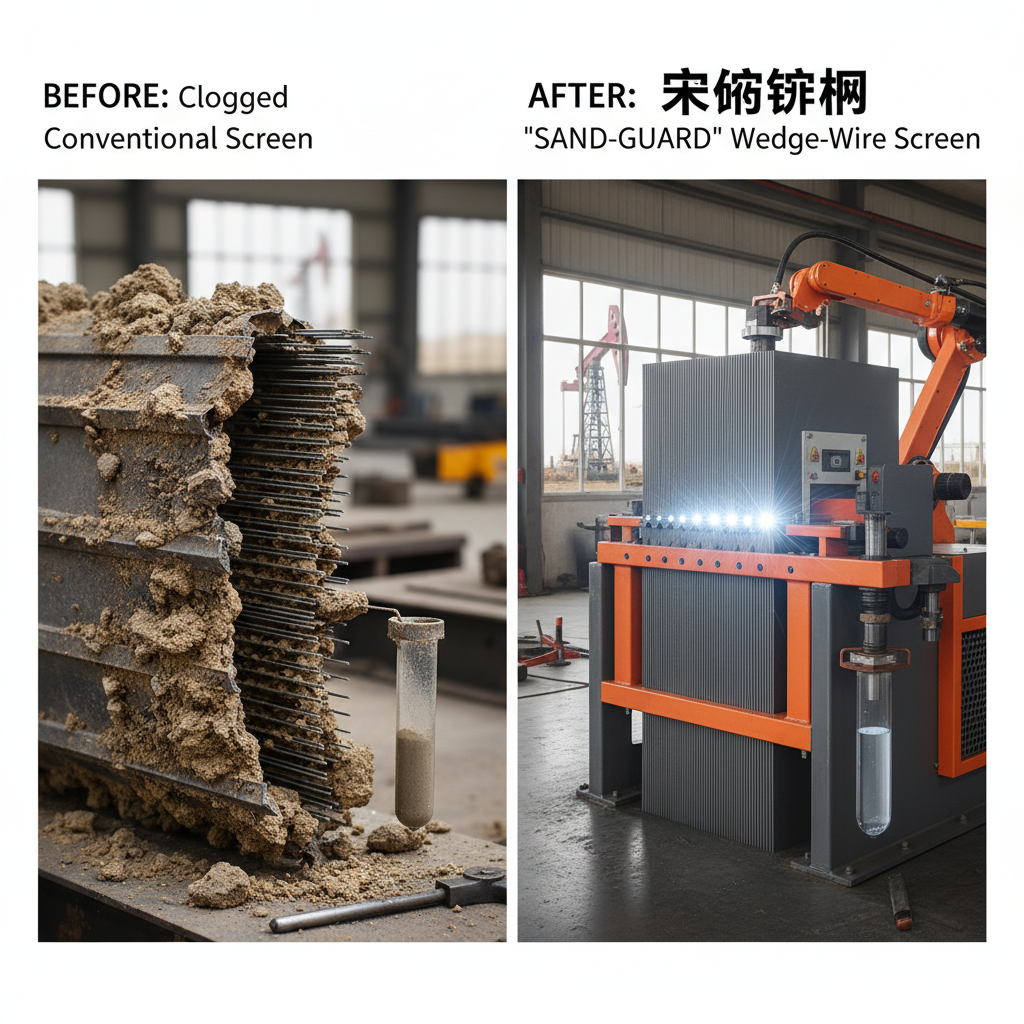
- Clogging: Improper perforation choices can cause frequent blockages.
- Replacement Downtime: Taking centrifuges offline for basket swaps can halt production.
Industry experts suggest solutions like enhanced material coatings, modular basket designs for quicker swaps, and improved filtration media matched precisely to feed slurry characteristics. Plus, staff training on maintenance routines reduces human error.
FAQ: Common Questions About Centrifuge Baskets
- What materials are best for centrifuge baskets in corrosive environments?
- Duplex or super duplex stainless steels are usually preferred for their excellent corrosion resistance and strength, especially in acidic or saline conditions.
- Can centrifuge baskets be customized for different particle sizes?
- Absolutely. Perforations can be tailored from tens of micrometers up to several millimeters, ensuring effective separation for specific slurries or mixtures.
- How often should centrifuge baskets be replaced?
- Replacement frequency depends on usage and conditions but typically ranges from 1 to 3 years. Regular inspections and monitoring for wear signs can extend life.
- Are there mobile solutions using centrifuge baskets for emergency water treatment?
- Yes, portable centrifuge units equipped with specialized baskets are deployed in disaster zones to provide fast water purification.
- Is it possible to retrofit existing centrifuges with improved baskets?
- In many cases, yes. Upgrading baskets can enhance efficiency without replacing entire centrifuge units, but compatibility checks are necessary.
Conclusion: Why Centrifuge Baskets Deserve Your Attention
To wrap it up, centrifuge baskets might not grab headlines, but their role in the backbone of global industry and humanitarian efforts is undeniable. They marry strong engineering with practical impact — from cleaner water to safer medicines and beyond. And now, with evolving materials and smarter tech, they’re positioned to support sustainable, efficient processes well into the future.
If you’re looking to learn more about high-quality centrifuge baskets, or need expert advice on selecting the perfect basket for your needs, check out MutoScreen Technologies. Their blend of experience, customization, and innovation sets a high bar.
Here’s to cleaner, safer, and smarter separation solutions—one spin at a time.