Understanding Polyurethane Screens: Why They Matter Worldwide
Polyurethane screens might sound like niche industrial jargon, but their impact stretches far beyond the factory floor. At heart, these specialized screens are essential for sorting, filtering, and protecting various processes across industries worldwide — and their significance keeps growing. From resource extraction in remote regions to post-disaster infrastructure rebuilding, knowing about polyurethane screens is more than technical trivia; it’s a key to improving efficiency, sustainability, and even human safety on a global scale.
With industries pushing for higher productivity without sacrificing environmental standards, polyurethane screens offer a nifty solution that combines durability with versatility. So if you’ve ever wondered how mining operations avoid costly downtime or how water treatment plants improve filtration without constant replacement hassles — polyurethane screens are often the unsung heroes. Stick with me, and we'll unpack what makes them tick.
The Global Relevance of Polyurethane Screens: Context & Challenges
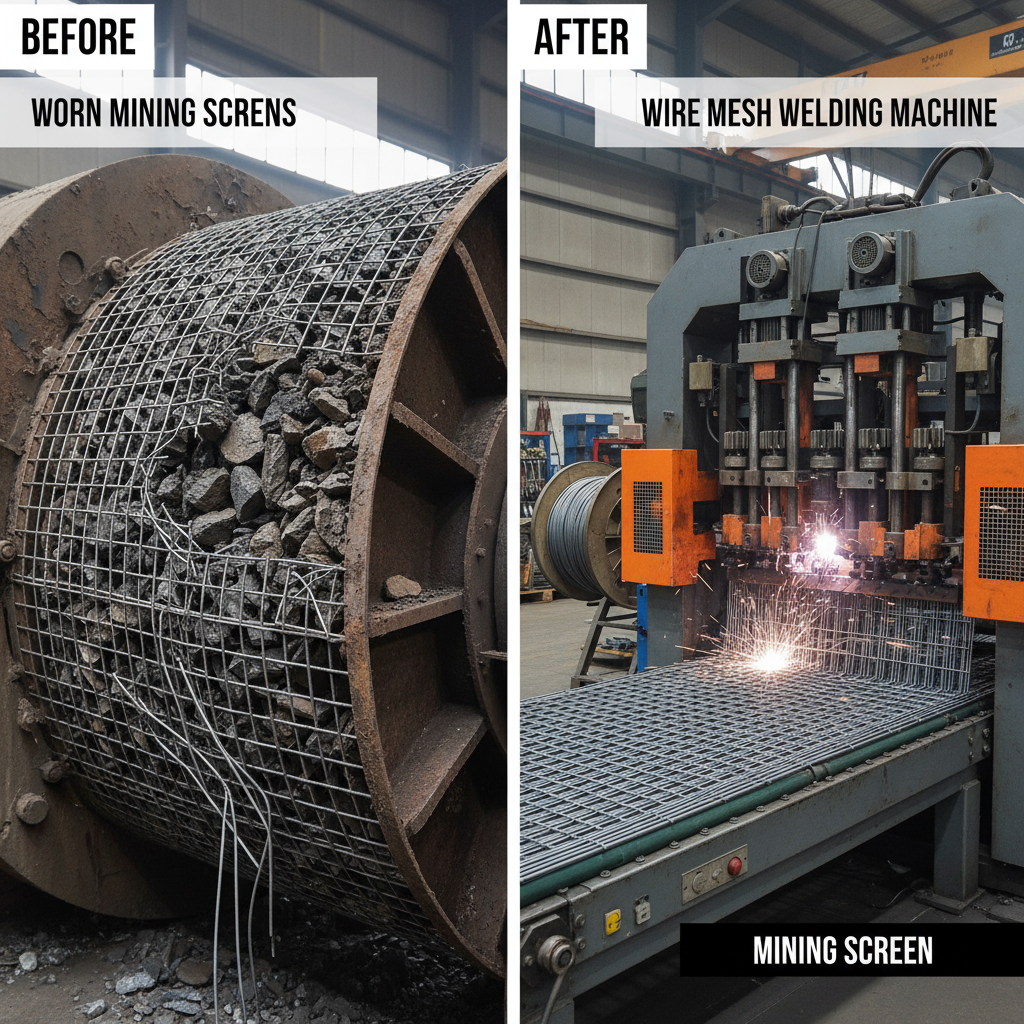
Globally, industries like mining, construction, chemical processing, and water treatment all funnel their operations through some kind of screening technology. According to the International Organization for Standardization (ISO), screening efficiency is a critical factor that directly influences operational output and waste management.1 Yet traditional metal or rubber screens often struggle with wear and tear, especially in harsh environments where dust, abrasion, and moisture are constant enemies.
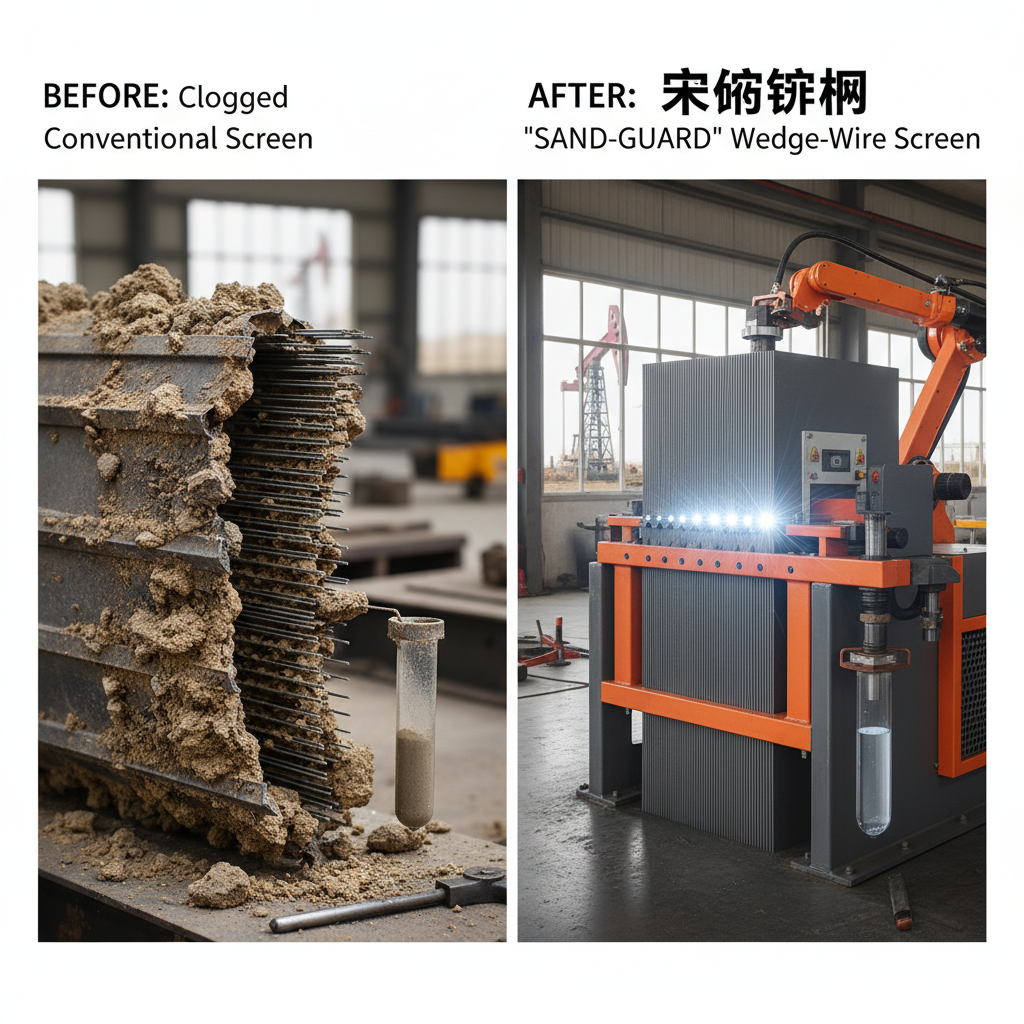
This is where polyurethane screens come into play. Polyurethane’s unique chemical and physical properties address many challenges like abrasion resistance and flexibility, leading to longer screen life and reduced replacement costs. Globally, this translates into less downtime and lower maintenance — an enticing prospect for operators in developing markets where equipment replacement cycles can be prohibitively expensive.
Oddly enough, in areas recovering from natural disasters or with limited infrastructure, polyurethane screens have proven valuable for their rapid deployment and reliable performance. This isn’t just an industrial story; it’s about enabling vital services and livelihoods, which feels important to remember.
Defining Polyurethane Screens: What Are They?
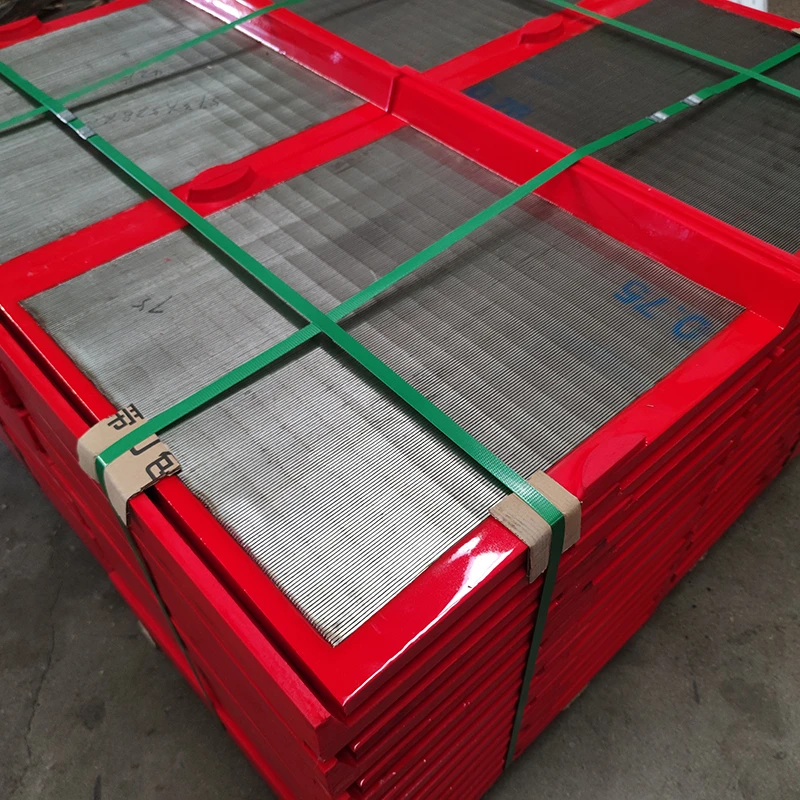
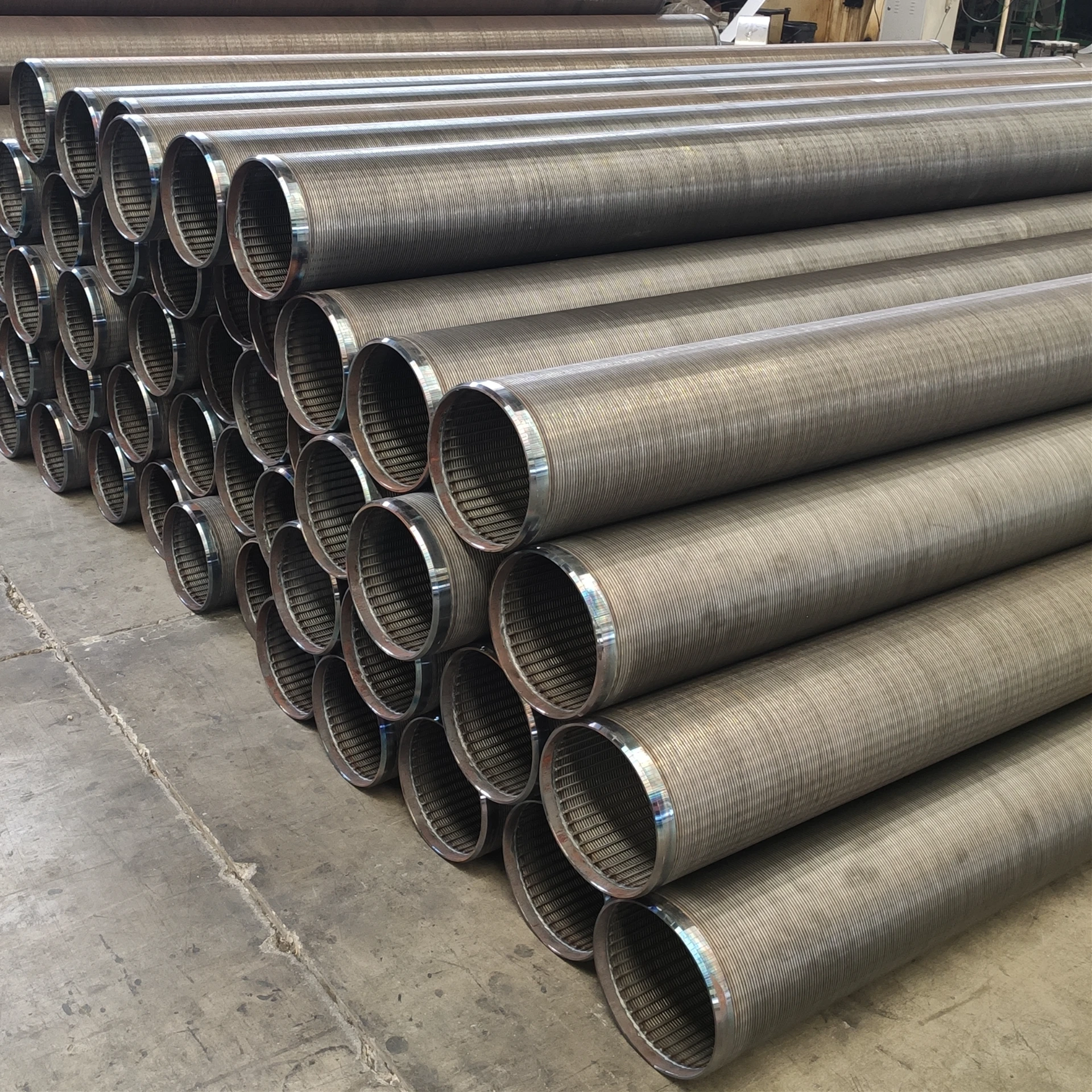
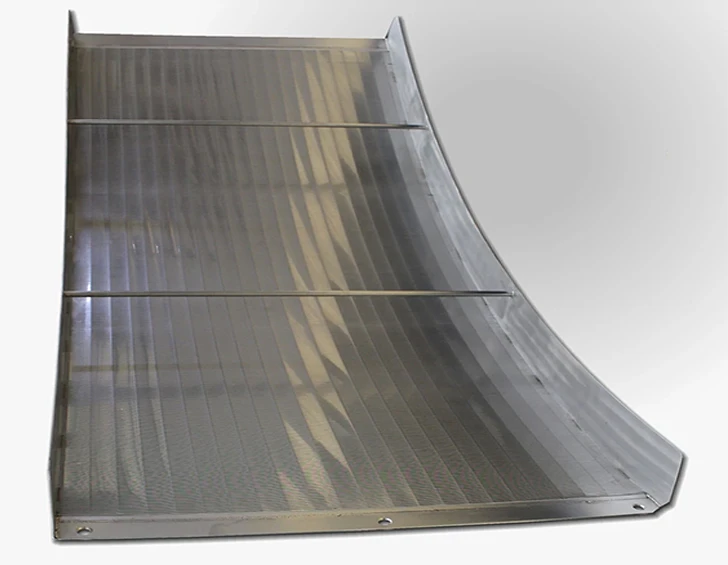
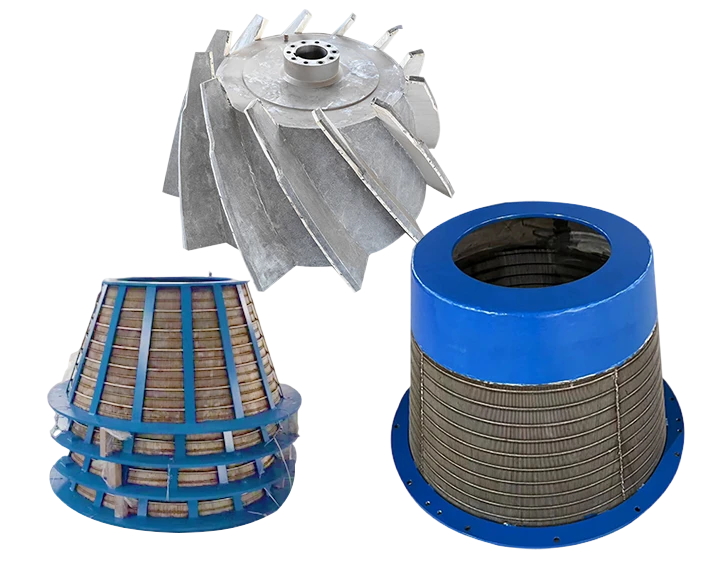
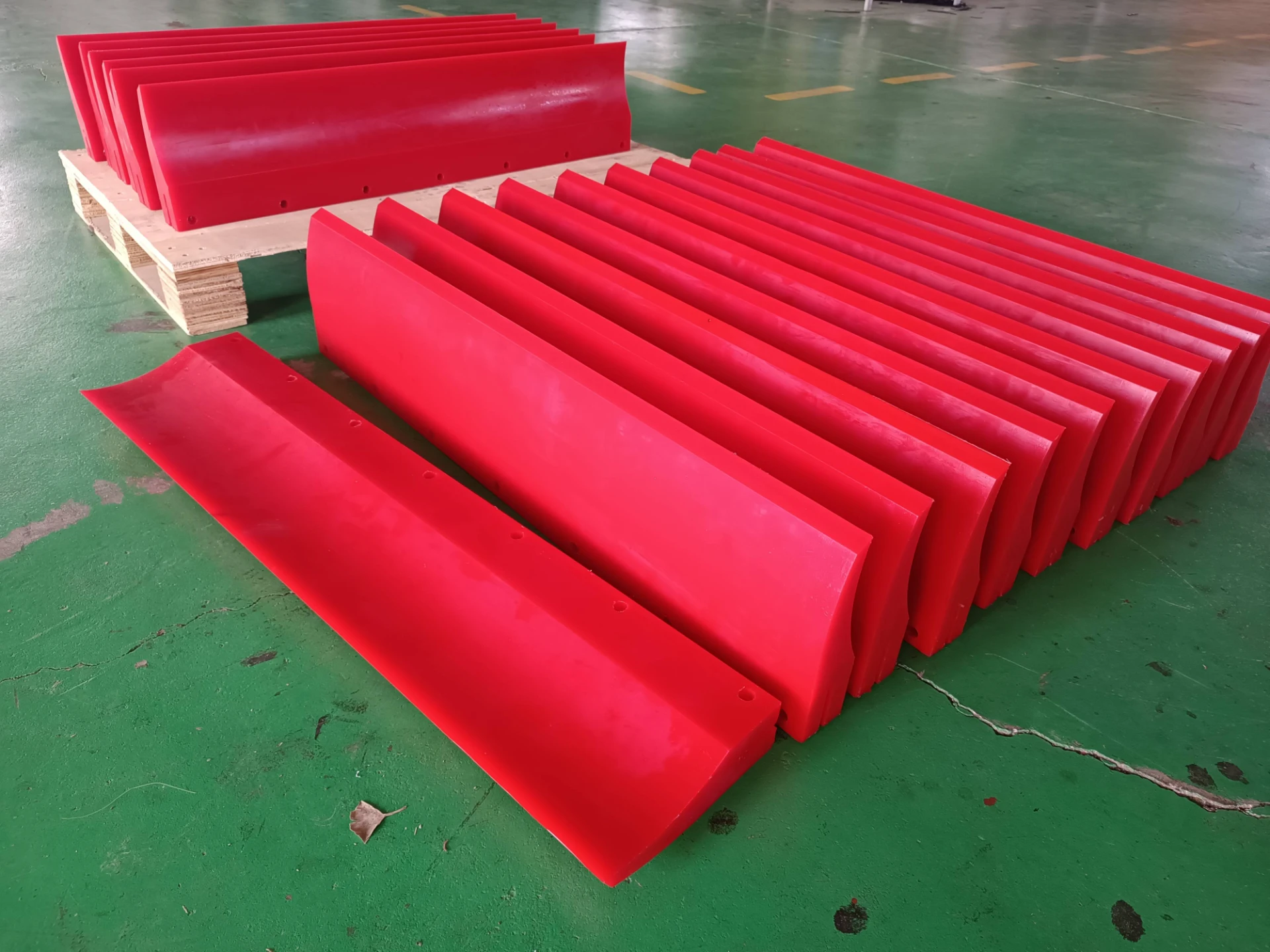
Simply put, polyurethane screens are mesh or panel materials made from polyurethane polymers designed for use as screening surfaces. Polyurethane itself is a polymer known for its toughness, elasticity, and chemical resistance, making it ideal for environments where traditional materials falter.
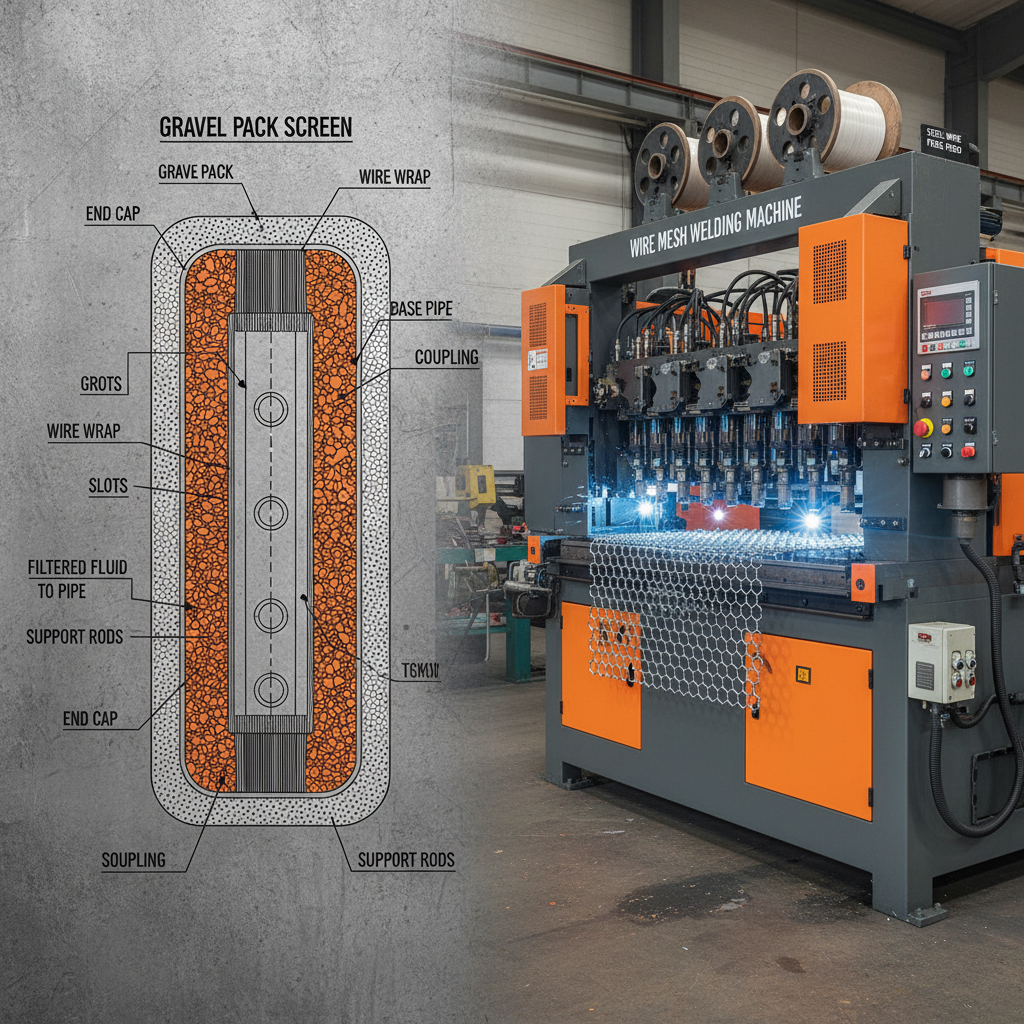
Typically, these screens replace older rubber or metal screens on sorting machines, vibrating feeders, and filtration units. Their main role is to separate particles of different sizes or block unwanted materials, ensuring quality control and process efficiency. In humanitarian contexts, they’re sometimes used in water purification or debris clearance systems — a neat marriage of industry and social purpose.
Key Features of Polyurethane Screens & Why They Matter
1. Durability Against Abrasion
One of the why’s behind polyurethane screens’ popularity is their superior abrasion resistance. They last up to five times longer than rubber screens in many environments, reducing replacement frequency and saving money and disruption.
2. Flexibility and Impact Resistance
Unlike rigid metal screens, polyurethane’s elasticity allows it to absorb impact without cracking—a critical advantage in high-intensity operations such as mining or quarrying, where heavy material loads are routine.
3. Chemical & Weather Resistance
Polyurethane stands up well to chemicals and even UV exposure, making it suitable for outdoor and chemical processing applications, ranging from wastewater treatment to oil refineries.
4. Customizable Design & Scalability
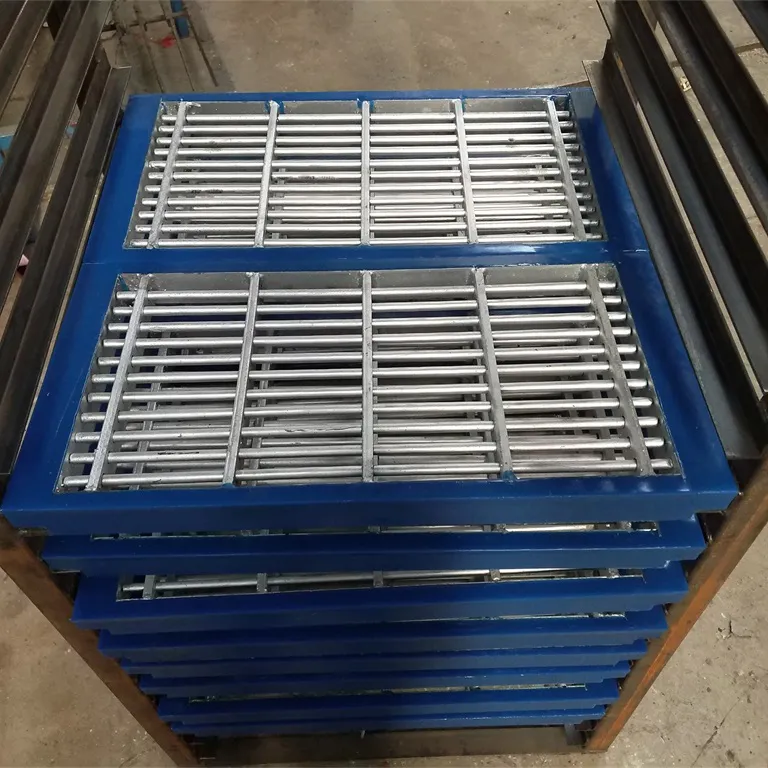
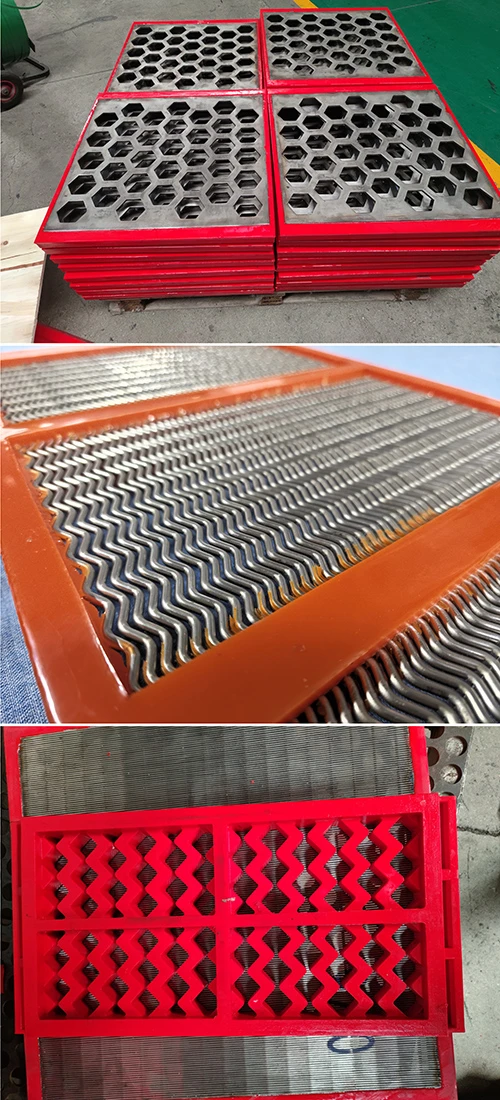
Manufacturers can mold polyurethane screens in various forms — from classic woven meshes to intricate slot patterns — letting operators tailor setups to their unique requirements. This scalability is invaluable for fast-growing businesses or those pivoting between different products.
5. Cost Efficiency
While the upfront cost of polyurethane screens might be slightly higher than rubber, their longevity and reduced downtime push overall expenses down. Savings really add up when factoring maintenance costs, which many plant managers are keenly aware of.
Global Applications & Use Cases of Polyurethane Screens
You’ll find polyurethane screens doing heavy lifting across a broad spectrum of real-world uses:
- Mining & Quarrying: Separating rocks, sand, and minerals with high abrasion resistance.
- Water & Wastewater Treatment: Effective filtration components help purify water in both urban and remote areas.
- Post-Disaster Relief Operations: Screening debris and contaminated materials; supporting rapid infrastructure repair.
- Agriculture: Screening grains and seeds to ensure quality before processing and shipment.
- Chemical Plants & Refineries: Withstanding harsh chemicals during filtration and separation tasks.
For instance, in the Australian mining belt, many operators have adopted polyurethane screens due to proven increased uptime and lower maintenance budgets — an important win in a tough economic climate. Meanwhile, NGOs running water purification projects in Sub-Saharan Africa favor polyurethane screens because they’re easier to repair and transport compared to metal alternatives.
Typical Specifications of Polyurethane Screens
| Specification | Details |
|---|---|
| Material | Thermoplastic Polyurethane (TPU) |
| Thickness | 3-25 mm (customizable) |
| Mesh Type | Woven, Slot, Perforated |
| Abrasion Resistance | 5x rubber (ASTM D5963) |
| Temperature Range | -40°C to +80°C |
| Typical Lifespan | 2-5 years in heavy-duty use |
Comparing Leading Polyurethane Screen Vendors
| Vendor | Customization | Delivery Time | Warranty | Price Range |
|---|---|---|---|---|
| MutoScreen Inc. | High (custom mesh patterns) | 2-3 weeks | 3 years | $$$ |
| PolyChem Screens | Medium (standard sizes) | 1-2 weeks | 2 years | $$ |
| EcoFilter Solutions | Low (limited options) | 3-4 weeks | 1 year | $ |
Advantages and Long-Term Value of Polyurethane Screens
Let’s be frank — in tough industrial conditions, downtime isn’t just annoying; it’s costly and sometimes dangerous. Polyurethane screens reduce unscheduled maintenance, which means smoother operations and less risk of failing product quality. Operators often speak about the peace of mind knowing their equipment can handle abrasive materials without surprise breakdowns.
Moreover, the environmental footprint is smaller. Fewer replacements translate into less waste, and many manufacturers now produce eco-friendlier polyurethanes, aligning with global sustainability goals.2 Their resistance to chemicals also limits contamination risks, enhancing workplace safety and product integrity.
The emotional side is less obvious but important: workers feel safer with reliable gear; companies build trust with clients thanks to consistent outputs; and communities benefit when essential resources aren’t disrupted by equipment breakdowns.
The Future of Polyurethane Screens: Trends & Innovations
Technology never sleeps, and neither does the evolution of polyurethane screens. Current research focuses on incorporating nanomaterials to boost wear resistance, and integrating smart sensors to monitor screen health in real-time. Imagine screens that alert your maintenance crew before they falter — cutting downtime from days to mere minutes.
Sustainability is another driver. Bio-based polyurethanes are gaining traction, offering similar or better performance but from renewable resources. Plus, digital fabrication techniques like 3D printing allow bespoke screen designs that were unthinkable a decade ago.
Long-term, expect tighter regulations on waste and emissions to encourage widespread use of durable, recyclable screens — which is good news for operation managers and the planet.
Common Challenges & How Industry Is Overcoming Them
While polyurethane screens boast many advantages, some challenges persist. For example, extreme temperatures beyond 80°C can degrade certain grades, limiting application in ultra-hot environments like some metallurgical plants. Additionally, improper installation can lead to premature wear or reduced screening efficiency.
Industry experts recommend:
- Using high-grade, temperature-stabilized materials for hot applications.
- Training for staff on optimal installation and maintenance practices.
- Regular performance audits using emerging smart sensor technology.
These approaches are helping firms squeeze every last drop of value from polyurethane screens even in challenging settings.
FAQ: Practical Questions About Polyurethane Screens
Q1: How do polyurethane screens compare to traditional rubber screens in lifespan?
A1: Polyurethane screens can last up to five times longer than rubber screens due to their superior abrasion resistance and elasticity, especially in harsh environments. This lifespan extension leads to less frequent replacements and reduced downtime.
Q2: Are polyurethane screens suitable for outdoor use in extreme weather?
A2: Yes, most polyurethane screens are UV and chemical resistant, making them suitable for outdoor use. However, extreme high temperatures above 80°C may reduce lifespan, so check material grades carefully.
Q3: Can polyurethane screens be custom designed for specific industrial needs?
A3: Absolutely. One key advantage is their customizability—from mesh size to thickness and shape—allowing for tailored screening solutions in industries like mining, agriculture, and chemical processing.
Q4: How do I source polyurethane screens if my operation is in a remote location?
A4: Many vendors offer comprehensive shipping and support services, with options to quickly deploy replacement screens. Companies like MutoScreen specialize in servicing remote industrial clients ensuring timely delivery.
Q5: Are polyurethane screens recyclable or eco-friendly?
A5: Increasingly, yes. Manufacturers now produce bio-based and recyclable polyurethane materials, reducing environmental impact. This aligns with evolving ISO environmental management standards.2
Wrap-Up & Next Steps
Polyurethane screens offer a remarkable mix of toughness, flexibility, and customizability — all essential qualities as industries worldwide face cost pressure, safety demands, and sustainability targets. They represent much more than a simple mesh; they embody smarter, more resilient infrastructure.
If you’re looking to upgrade your screening solutions, why not explore trusted providers like polyurethane screens specialists? Their products are battle-tested globally, adaptable, and poised for future trends.
The right screen can genuinely change your operation’s fortunes — and maybe even make a difference beyond spreadsheets and schedules. Worth looking deeper, right?
References:
1. ISO - Industrial Screening Standards
2. ISO 14001 - Environmental Management
3. Wikipedia - Polyurethane