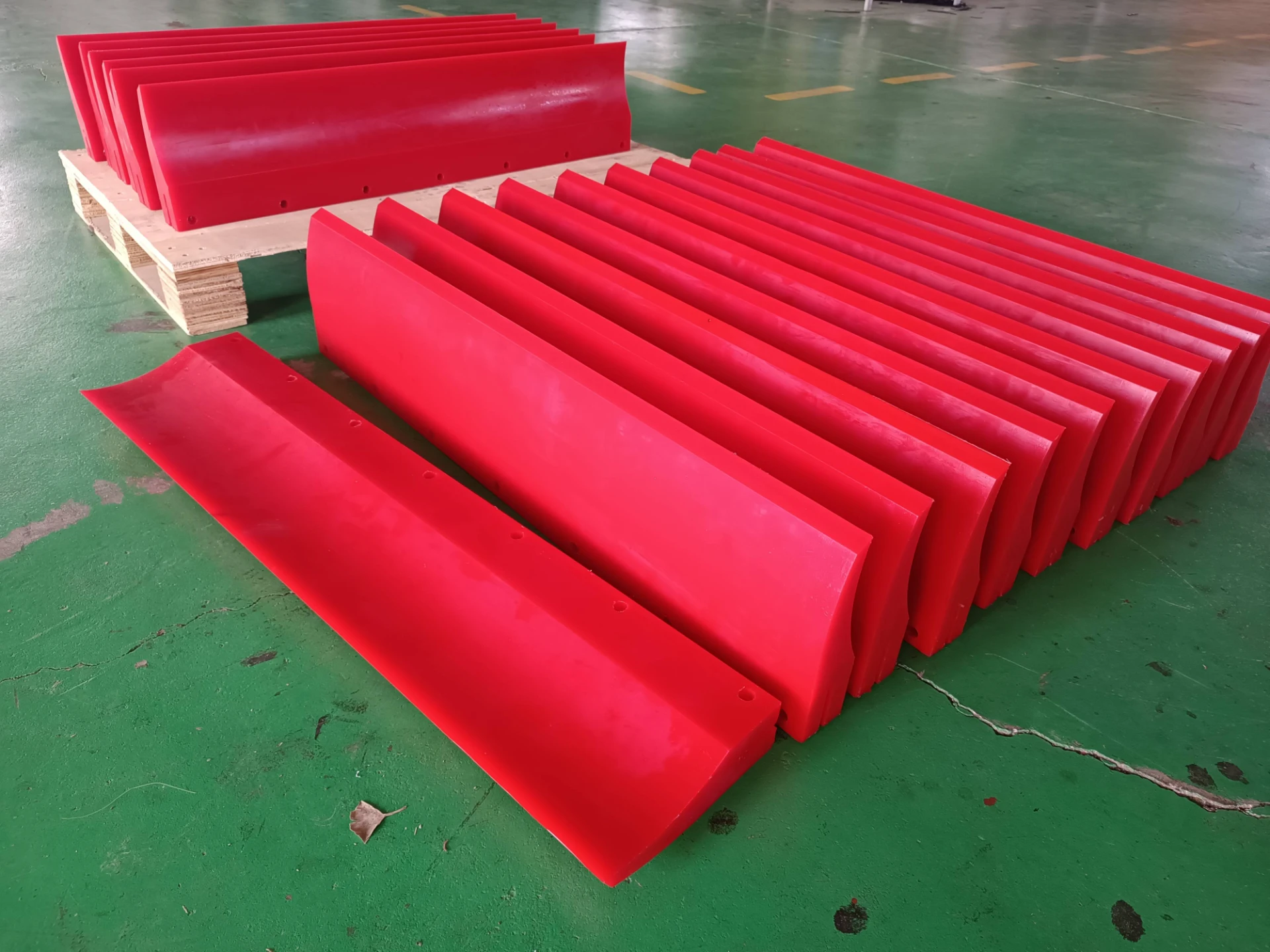
What Are Banana Screens and Why Should You Care?
At first glance, the term banana screens might conjure images of fruit stands or quirky kitchen gadgets. But in industrial and humanitarian sectors, banana screens actually refer to specialized screening equipment shaped—well, somewhat like a curved “banana”—used for separating and sorting materials efficiently in various settings. Understanding their role isn't just for tech geeks or factory managers; these systems impact everything from food safety to disaster relief, and increasingly affect global supply chains and sustainability efforts. Given the ever-growing demand for optimized material handling, grasping what banana screens bring to the table can be a game-changer for businesses and communities alike.
Why Banana Screens Matter Worldwide
The global relevance of banana screens stretches far beyond their shape. According to a 2023 UN Industrial Development Organization report, sustainable and precise material handling technologies have improved resource efficiency in manufacturing by roughly 15% in the last decade. Banana screens, in particular, have emerged as key contributors to this trend, streamlining operations in everything from mining in Africa to agricultural processing in Southeast Asia.
Yet, many industries still wrestle with challenges like inefficient separation, abrasion damage, and high maintenance costs—issues banana screens address admirably. Their curved design allows for gentler handling of delicate materials, reducing waste and boosting throughput, which is critical in both high-volume industrial hubs and remote humanitarian sites. So, if you’ve ever wondered how raw materials get sorted quickly without damage at scale, banana screens are often part of that behind-the-scenes answer.
Defining Banana Screens: A Straightforward Breakdown
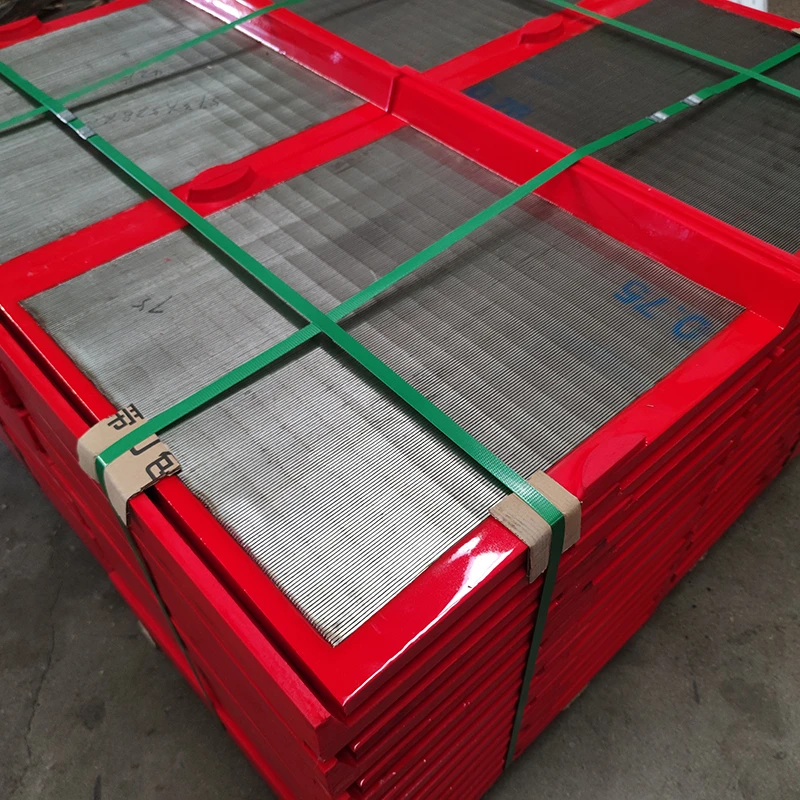
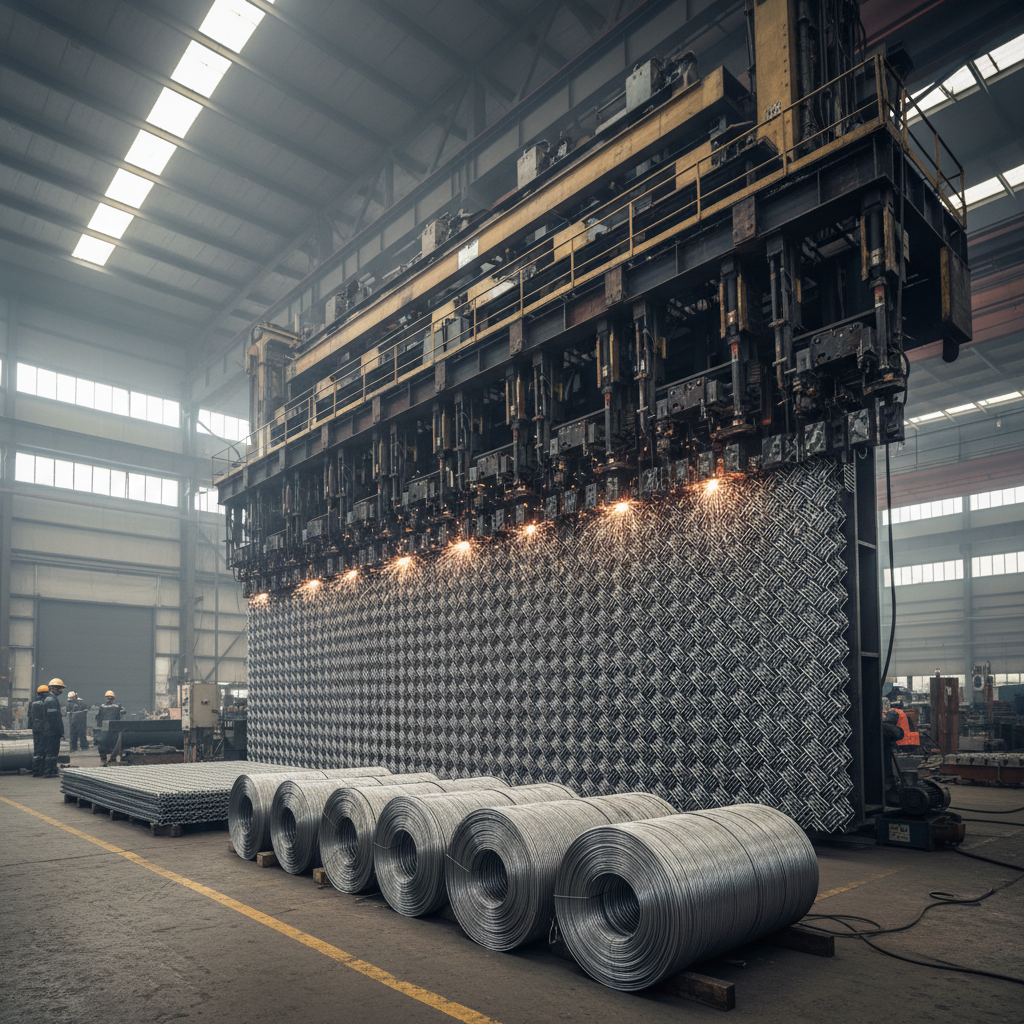
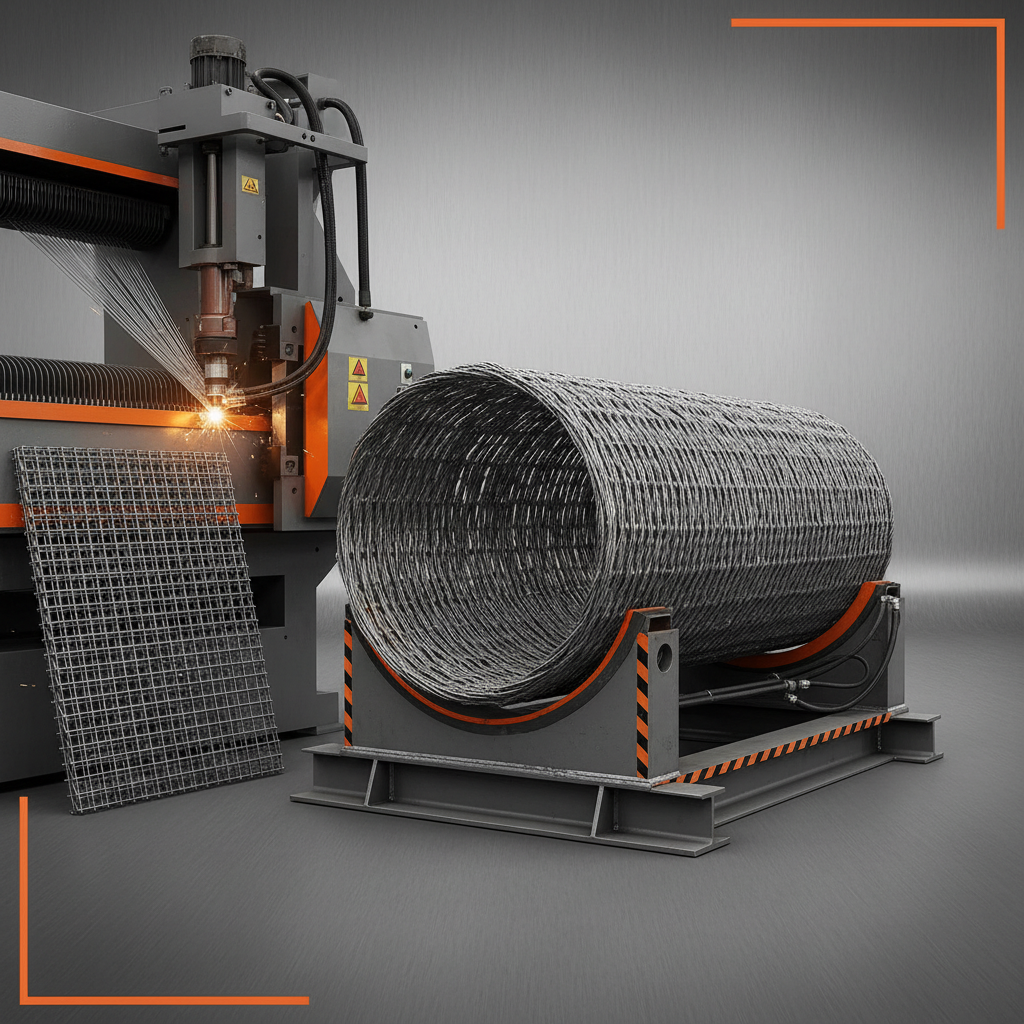
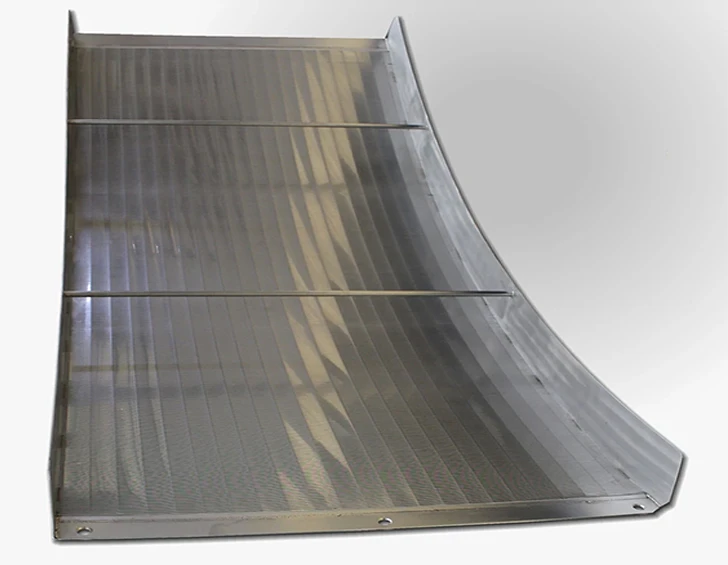
In simple terms, banana screens are screen decks with a concave curvature resembling a banana’s arc, designed to increase the screening surface area within a fixed footprint. This clever shape enhances the screening capacity by allowing material to spread thinly and move more efficiently, improving vibration patterns and reducing clogging.
From an industrial standpoint, these screens play a vital role in separating particles by size—whether that’s sand from gravel, grains from chaff, or debris from precious metal ores. On the humanitarian side, they assist in disaster relief by enabling fast sorting of debris and materials for reuse or safe disposal. That connection between smart design and real-world impact is what makes banana screens so fascinating.
Core Components That Make Banana Screens Tick
1. Durability
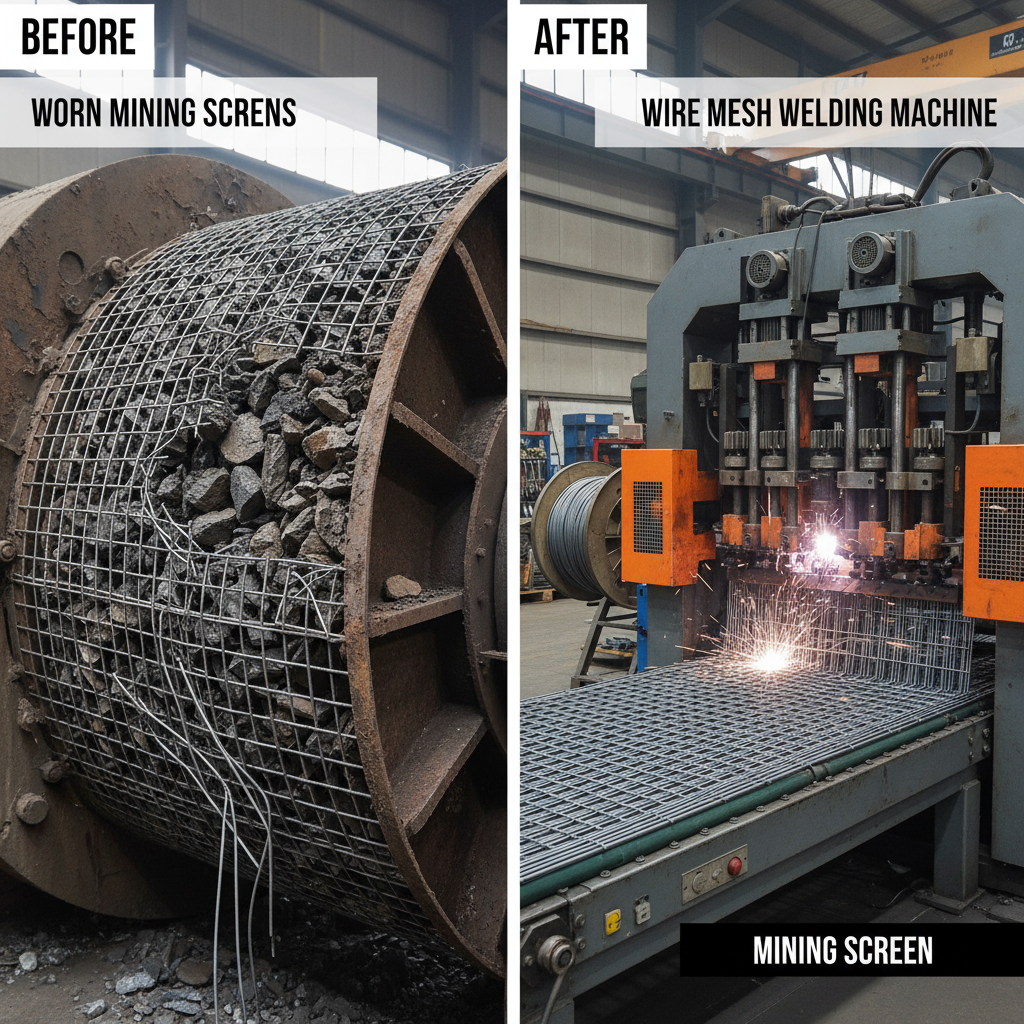
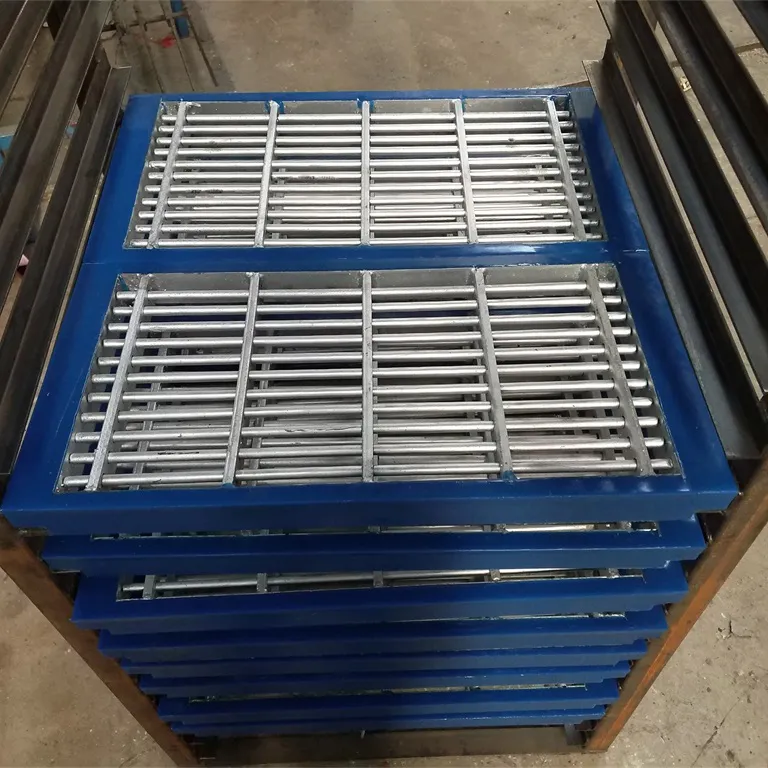
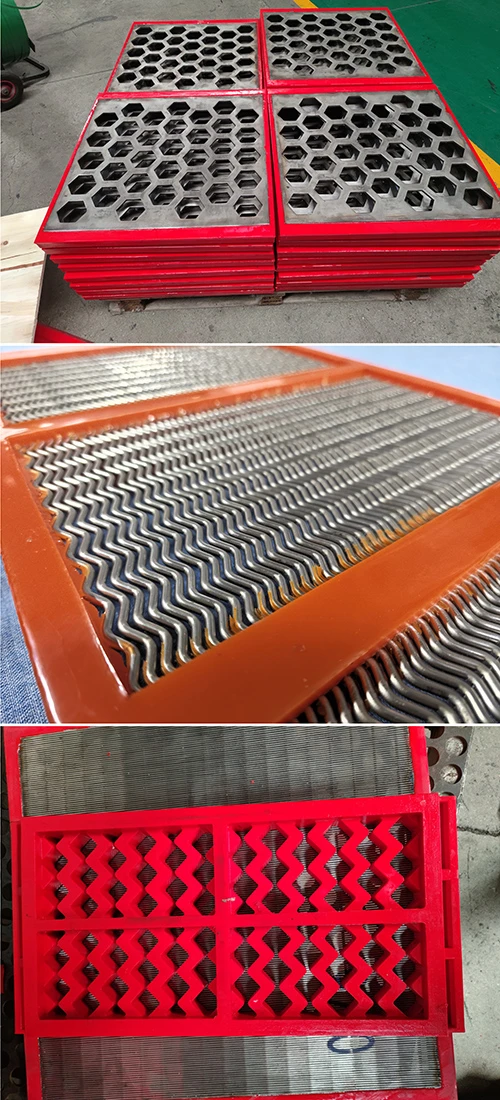
Banana screens are typically built with heavy-duty steel and abrasion-resistant liners. This is critical because many of their applications involve harsh environments and abrasive materials. For example, a banana screen sorting aggregate in a quarry has to withstand constant rattling and scratching—otherwise, downtime due to repairs can be costly.
2. Scalability
One of the beautiful things about banana screens is their modular design. You can often adjust the length, width, and curve radius to suit specific site requirements. This adaptability means a banana screen can serve small farms sorting grains, or huge mining operations handling thousands of tons daily.
3. Cost Efficiency
Though initial investments might seem steep, the enhanced throughput and lower maintenance costs generally lead to better ROI over time. The minimized clogging and smarter particle separation mean fewer bottlenecks—especially important if downtime costs you thousands per hour.
4. Material Versatility
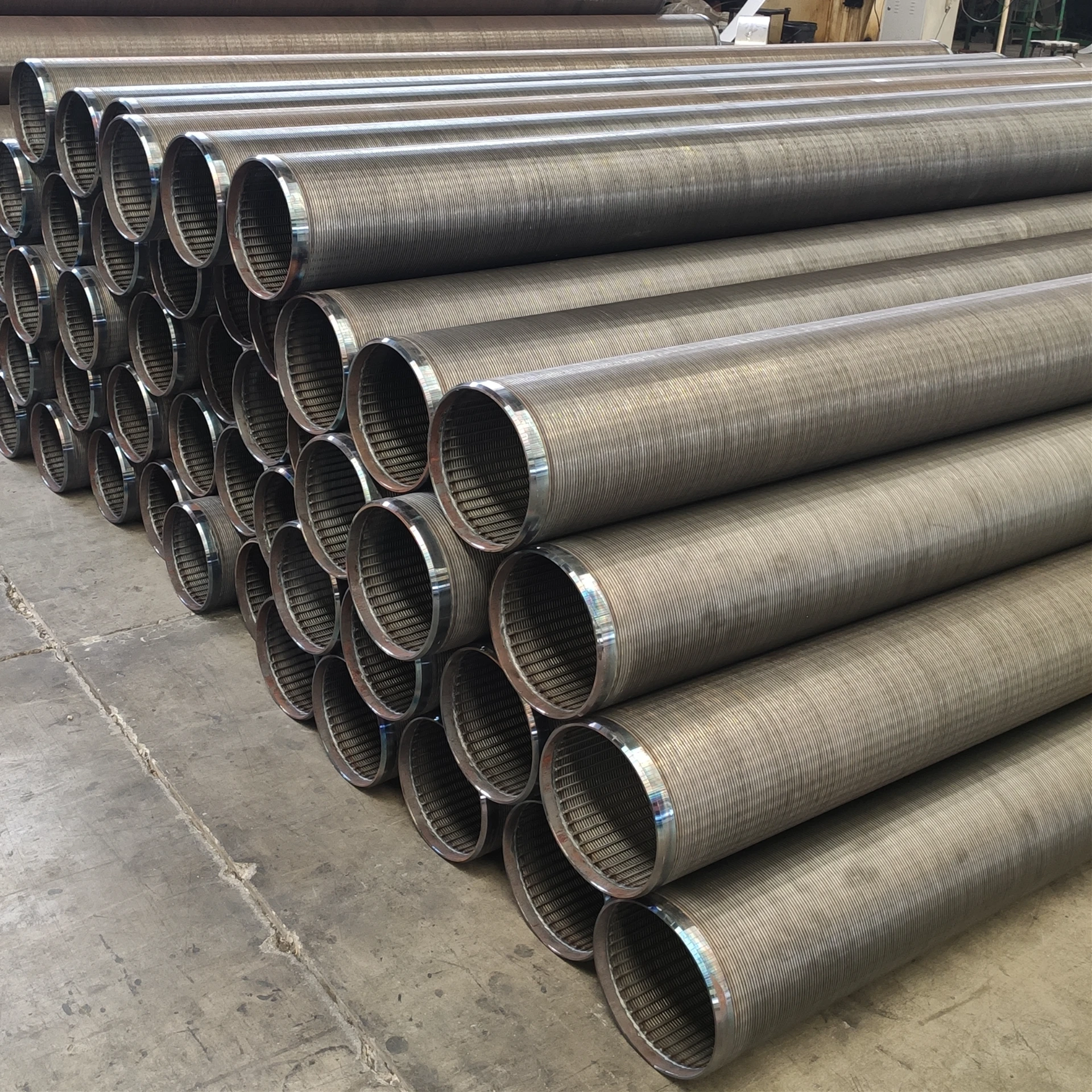
These screens aren’t just for rock and sand. They handle all sorts of materials, including organic waste, recycled products, food items, and mineral ores. Their design allows for customization of mesh sizes and vibration speed to suit specific materials without sacrificing efficiency.
5. Ease of Maintenance
Modern banana screens come with quick-change liners and accessible motor assemblies, translating into less downtime. Plus, many manufacturers offer remote monitoring systems, which help spot maintenance needs before failures occur.
Mini Takeaway:
The success of banana screens boils down to practical design choices that balance durability, flexibility, and operational efficiency. These core components bring real, measurable benefits in the field.
Banana Screens in Action: Real-World Applications Across the Globe
Industry-wise, banana screens are found in a surprising variety of settings:
- Agriculture: Sorting grain and fruit to improve product quality.
- Mining: Separating valuable ores from waste rock efficiently.
- Construction and Quarrying: Screening aggregates for road-building and concrete.
- Waste Recycling: Sorting mixed waste streams for better recycling yields.
- Disaster Relief Operations: Rapidly processing debris for clean-up and salvage.
For example, in Southeast Asia’s rice-growing regions, banana screens have improved grain sorting accuracy by more than 25%, reducing losses and contamination. Likewise, the mining industry in South America uses them to enhance metal recovery rates, which supports local economies and reduces environmental strain.
Mini Takeaway:
Banana screens aren’t niche—they’re versatile workhorses across continents, industries, and sectors, quietly keeping global supply chains moving.
Product Specifications: A Quick Look
| Specification | Typical Range/Value |
|---|---|
| Screen Length | 1.5m – 6.0m |
| Screen Width | 0.6m – 2.4m |
| Material of Construction | High tensile steel, abrasion-resistant coatings |
| Mesh Sizes | 2 mm to 50 mm |
| Vibration Frequency | 600 – 1200 RPM |
| Weight | 400 kg – 2500 kg |
Vendor Comparison: Choosing Your Banana Screen Supplier
| Vendor | Customization Options | Lead Time | Price Range (USD) | After-Sales Support |
|---|---|---|---|---|
| ScreenTech Solutions | High | 4–6 weeks | $15,000 – $45,000 | 24/7 Technical Support |
| AgriScreen Masters | Medium | 3–5 weeks | $10,000 – $30,000 | Business Hours Phone Support |
| MundoTech Screening | High | 6–8 weeks | $20,000 – $50,000 | On-site Training Available |
The Long-Term Value of Banana Screens
Beyond numbers, banana screens bring lasting advantages. Cost savings from efficient processing and reduced downtime translate into greater competitive edge. But the value doesn’t stop there—it extends emotionally and socially. Engineers I’ve spoken with mention the pride of deploying equipment that reduces waste and improves safety. For humanitarian organizations clearing disaster zones, these screens mean dignity restored and livelihoods protected.
In many ways, banana screens symbolize innovation that’s practical, not flashy. They stand at the intersection of tradition and future readiness, blending robust engineering with sustainable goals.
Emerging Trends and What’s Next for Banana Screens
Technological innovation doesn’t stop with just shaping the screen. Smart sensors integrated into banana screens now track particle sizes in real time, alerting operators to blockages or wear. Plus, greener materials and solar-powered motors are increasingly common, reducing carbon footprints. Digital transformation means banana screens can be networked into factory-wide management systems, improving automation and data insights.
Looking ahead, expect to see collaboration across industries pushing banana screen use into new frontiers—from vertical farming setups to recycling centers tackling ocean plastic.
Challenges and Practical Fixes in the Field
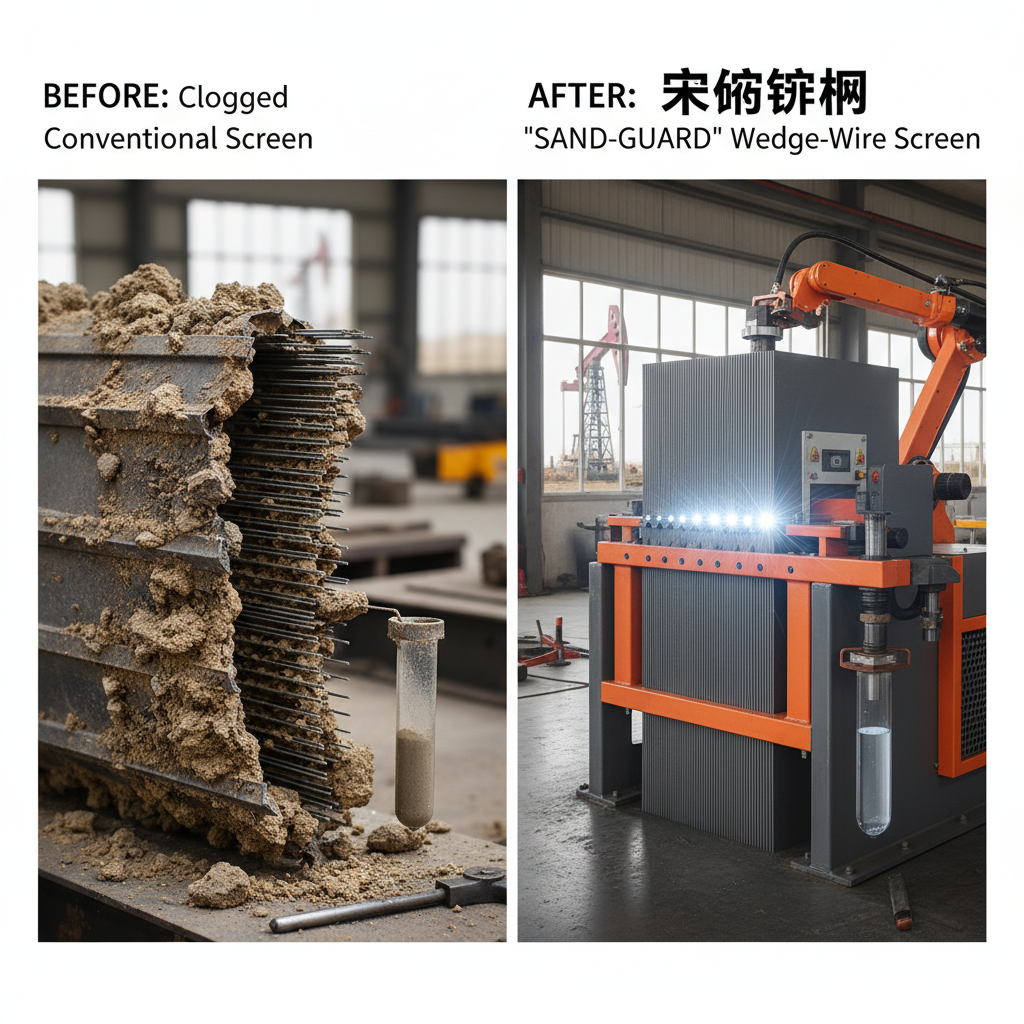
Despite their strengths, banana screens do face challenges. For instance, certain very fine materials can still clog the mesh; some installations struggle with vibration noise; and supply chain issues sometimes delay part replacements.
To tackle these, manufacturers have improved mesh materials, introduced noise-dampening technology, and created modular parts for easier swap-outs. Training operators to optimize settings also helps avoid many common problems. Frankly, it’s a work in progress—like any good tech.
FAQ: Clearing Up Common Questions on Banana Screens
Q1: What makes banana screens better than flat vibrating screens?
A1: Their curved design increases the screening surface area in the same footprint, improving material spread and reducing clogging. This leads to higher efficiency, especially with coarse or moist materials.
Q2: How often should banana screen liners be replaced?
A2: It depends on material abrasiveness and usage frequency, but typical replacement happens every 6–12 months. Regular inspections and smart sensor alerts help optimize maintenance timing.
Q3: Can banana screens be customized for different industries?
A3: Absolutely. Vendors typically offer adjustable mesh sizes, screen length, and curvature tailored to specific materials—whether food, minerals, or recyclables.
Q4: How do banana screens contribute to sustainability?
A4: By improving separation accuracy, they minimize waste and resource loss. Advances in energy-efficient motors and durable materials also reduce environmental impact over their operational life.
Q5: Are banana screens feasible for small-scale agricultural use?
A5: Yes, smaller models exist and are particularly helpful for farms needing to sort grains or seeds with minimal damage and fast throughput.
Wrapping Up: The Value of Banana Screens in Today’s World
Understanding banana screens reveals how smart engineering subtly yet meaningfully advances industries and humanitarian efforts. Their unique shape, adaptability, and efficiency make them a staple on production floors and relief sites alike. If you’re in the market for smarter material handling or simply curious about innovations shaping global logistics, banana screens deserve a closer look.
Ready to explore? Visit our website: https://www.mutoscreen.com to learn more.
References
- United Nations Industrial Development Organization (UNIDO) – Industry Efficiency Reports
- Wikipedia: Screen (Mesh) – General Screening Technology
- International Organization for Standardization (ISO) – Standards on Material Separation