Understanding Vibrating Screens: What They Are and Why They Matter Globally
If you've ever wondered how raw materials efficiently separate in mining, agriculture, or recycling industries, the humble vibrating screen is likely behind the scenes. These machines play a critical role worldwide by ensuring materials are sorted reliably and quickly—keeping production lines moving, costs down, and quality up. Understanding vibrating screens goes beyond technical specs; it means appreciating how modern industry relies on them for scalability, sustainability, and innovation.
The Global Context: Why Vibrating Screens Are Everywhere
Vibrating screens might not make headlines, but their impact is global. According to the International Organization for Standardization (ISO), millions of tons of mineral ores are screened annually worldwide, with vibrating screens being a primary tool in this process. The UN's data on industrial production highlights that efficient material handling significantly improves resource extraction and recycling efforts — critical factors given rising global demand for natural resources and environmental responsibility.
Yet, many plants struggle with outdated screening methods leading to bottlenecks, higher costs, and unreliable output quality. Vibrating screens offer a smart solution by tackling these issues through enhanced precision and throughput capabilities.
Defining Vibrating Screens: Simple Yet Essential
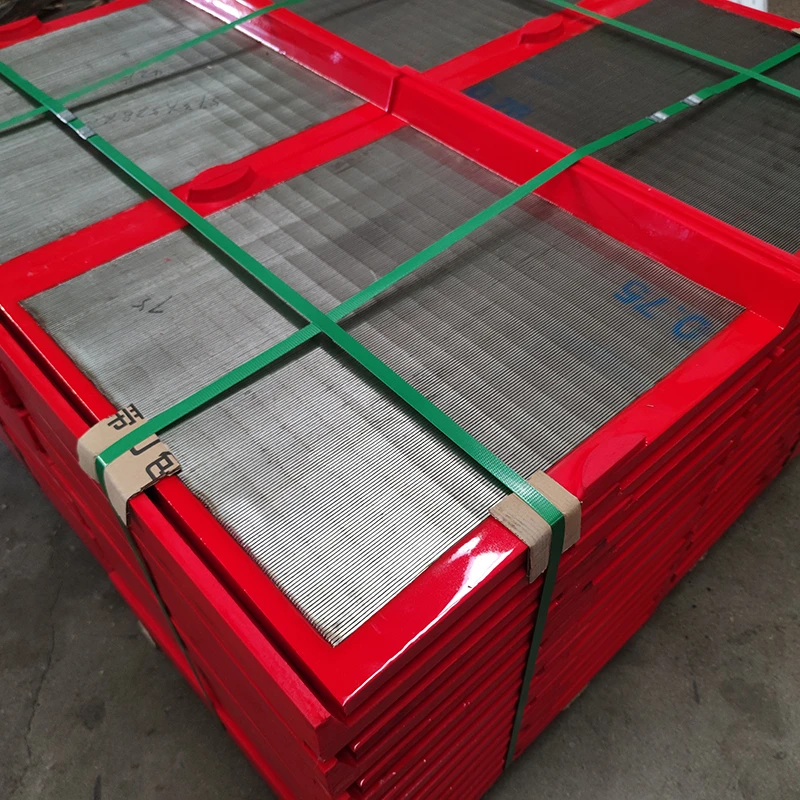
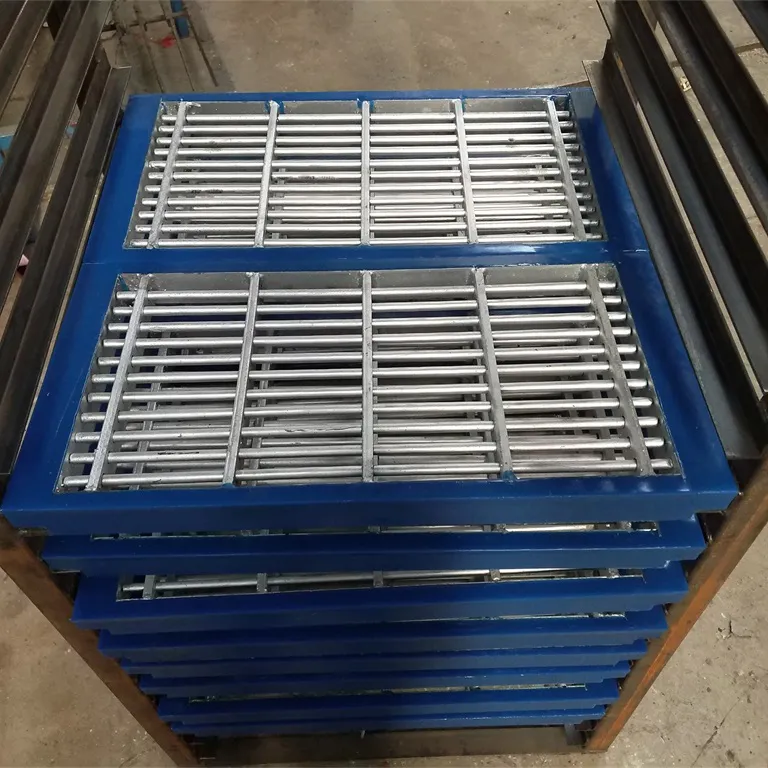
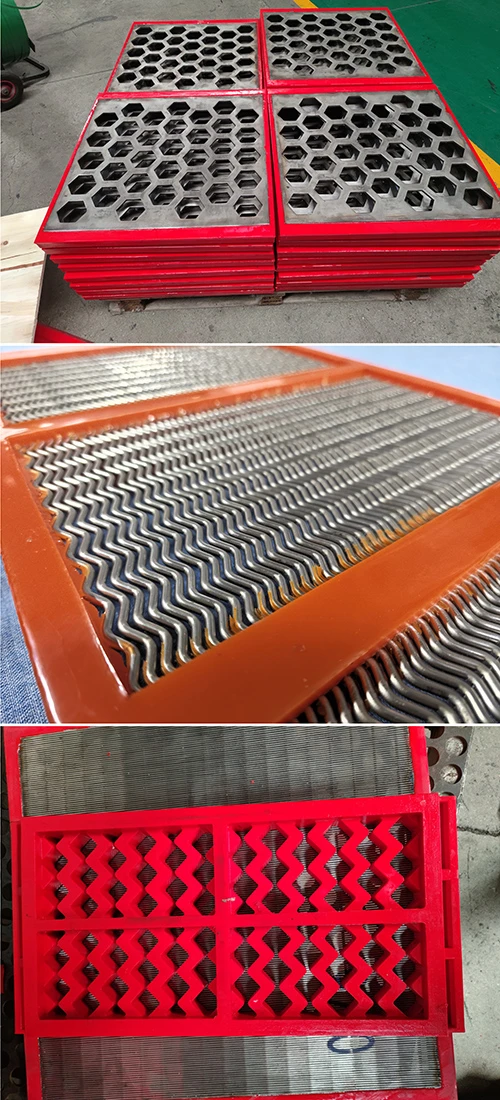
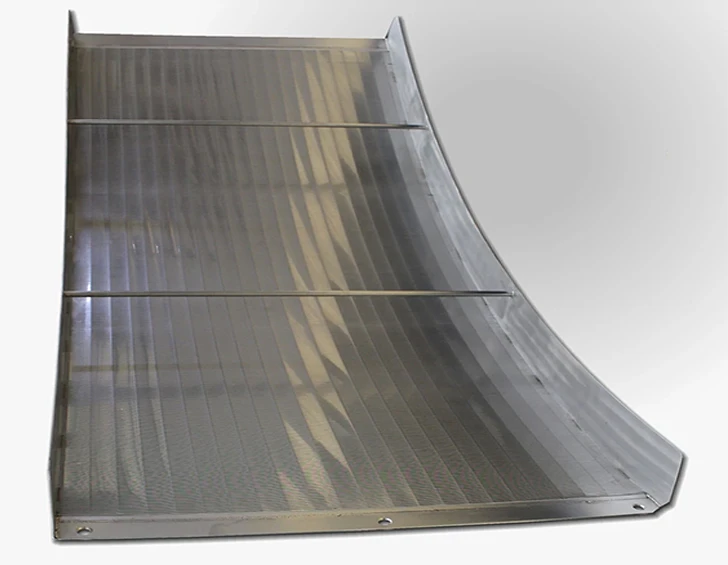
So, what exactly is a vibrating screen? At its core, it's a mechanical device that separates materials by size using vibration. Imagine a large frame with several layers of mesh or panels that shake rapidly — smaller particles fall through the gaps while larger ones stay on top. This process is pivotal for everything from sorting crushed rocks in mining to grading grains in agriculture.
In today’s industries — whether manufacturing concrete for construction or sorting recyclables — vibrating screens form the backbone of efficient, automated sorting. It's downright impressive how a machine built on such a straightforward principle can be so vital for global supply chains and humanitarian efforts alike.
Key Components and Features That Define Effective Vibrating Screens
1. Durability
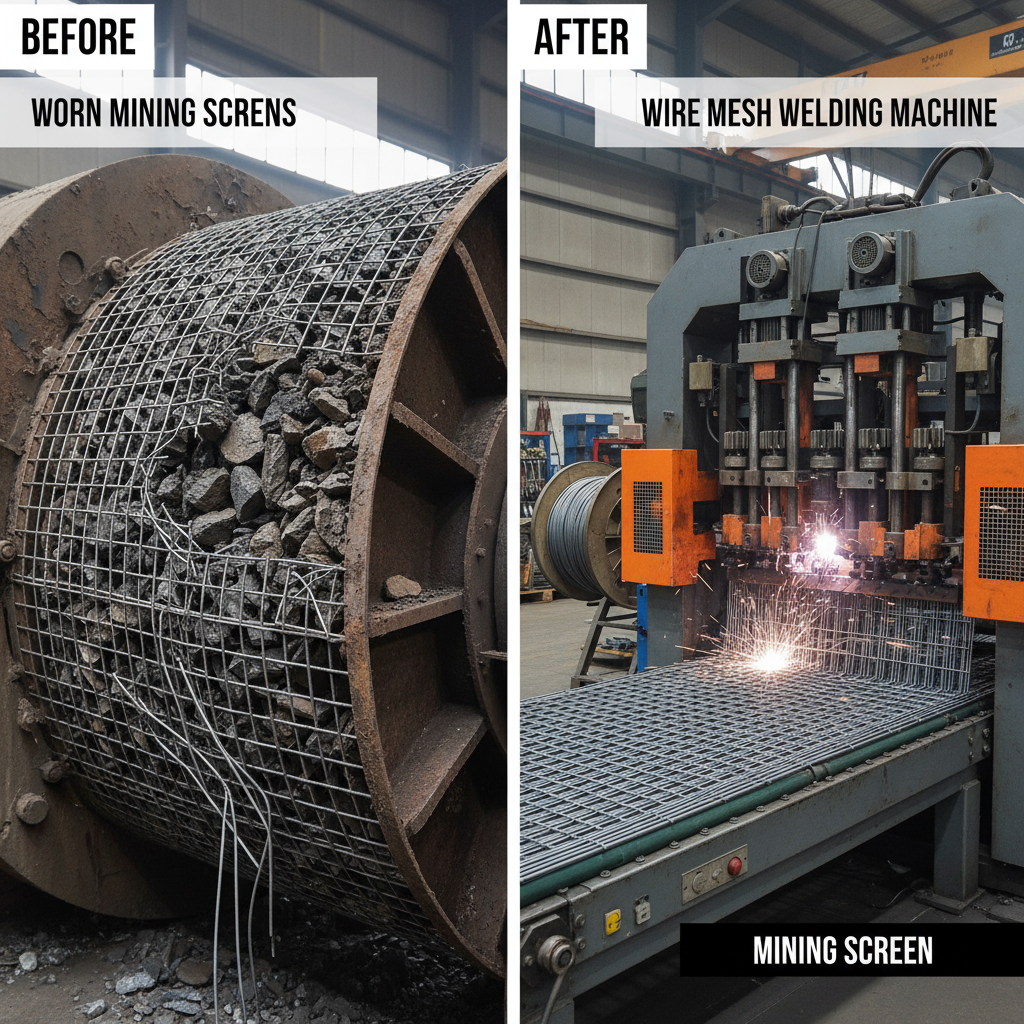
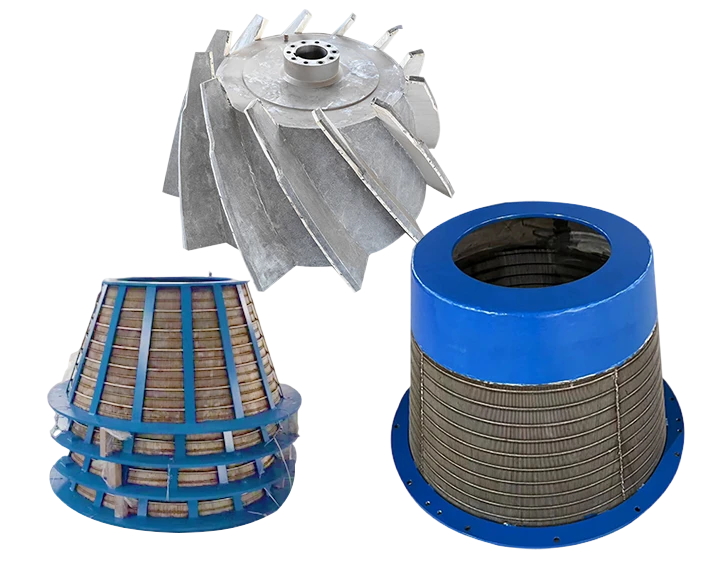
Many engineers say durability is non-negotiable. These machines often operate in harsh environments: dust, moisture, abrasive particles. Components like wire mesh, screen decks, and springs must withstand constant wear without frequent replacement. A robust vibrating screen keeps downtime low — which translates to real cost savings.
2. Scalability & Capacity
From small-scale agricultural setups to massive mining operations, vibrating screens need to scale accordingly. Capacity varies with screen size, vibration frequency, and motor power, meaning there’s genuinely a model for every application. When you pick the right specs, you avoid pitfalls like overloading a machine or underachieving throughput.
3. Cost Efficiency
Vibrating screens aren’t just about the initial price tag. Operational costs — energy consumption, maintenance, parts replacement — matter hugely. Clever design features such as energy-efficient motors and easy maintenance access minimize ongoing expenses, helping companies stay competitive.
4. Customizability
Manufacturers increasingly offer customized options: variable screen angles, multi-deck arrangements, different vibration mechanisms (e.g., circular, linear). This flexibility means industries can tweak performance precisely for their needs, whether sorting fragile materials or handling tough ores.
5. Ease of Installation & Maintenance
Frankly, in remote or disaster-stricken areas, machinery has to be easy to deploy. Quick assembly and straightforward maintenance reduce downtime and training needs, allowing teams to keep operations running even under pressure.
Where Vibrating Screens Are Making a Difference Worldwide
Globally, vibrating screens show up in surprising places. In Australia and Canada, they drive mining operations that supply essential metals. In Asia, agricultural sectors use them to grade rice and pulses, ensuring consistent quality for millions. Recycling facilities in Europe rely heavily on these systems to separate plastics and metals, promoting sustainable waste management.
Oddly enough, vibrating screens also find roles in post-disaster relief — after an earthquake, rubble removal benefits from materials screening to recover reusable aggregates quickly. Remote industrial zones, challenged by logistics, often depend on rugged, reliable vibrating screens to keep production steady.
Mini takeaway:
- Vibrating screens support critical sectors worldwide including mining, agriculture, recycling, and emergency relief.
- Their adaptability means they fit well in both large industrial and remote settings.
Advantages and Long-Term Value of Vibrating Screens
Beyond separating particles, these machines offer tangible benefits:
- Cost Savings: Optimized separation reduces waste and improves throughput.
- Sustainability: Better sorting allows higher recycling rates and less environmental impact.
- Reliability: Durable construction ensures long life even in harsh conditions.
- Safety & Innovation: Automated processes reduce human exposure to hazardous materials.
On a more emotional note, companies investing in advanced vibrating screens signal a commitment to quality and trust — their customers and partners notice that. This mix of logic and human trust builds lasting business relationships.
Future Trends: What’s Next for Vibrating Screens?
Looking ahead, digital transformation is reshaping these machines. Automation and IoT integration mean real-time monitoring of performance and predictive maintenance — the kind of advances that reduce surprises and extend service life.
Eco-friendly designs are also on the rise. Recent models focus on reducing energy consumption and incorporating recyclable materials. There's growing interest in adapting vibrating screens to process newer materials critical for green energy sectors — think battery recycling or bio-based aggregates.
Challenges and How They’re Being Tackled
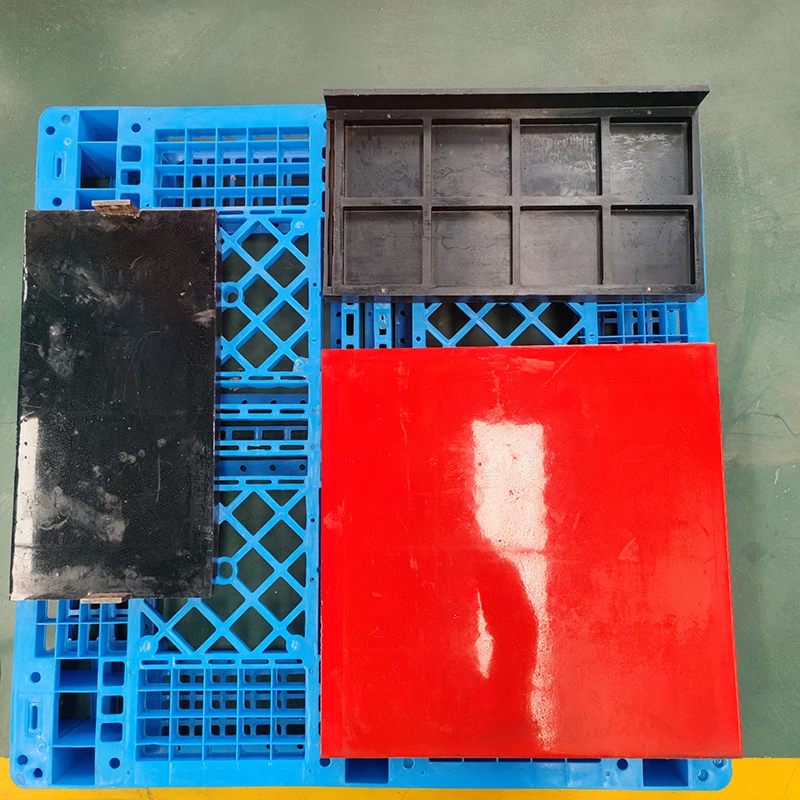
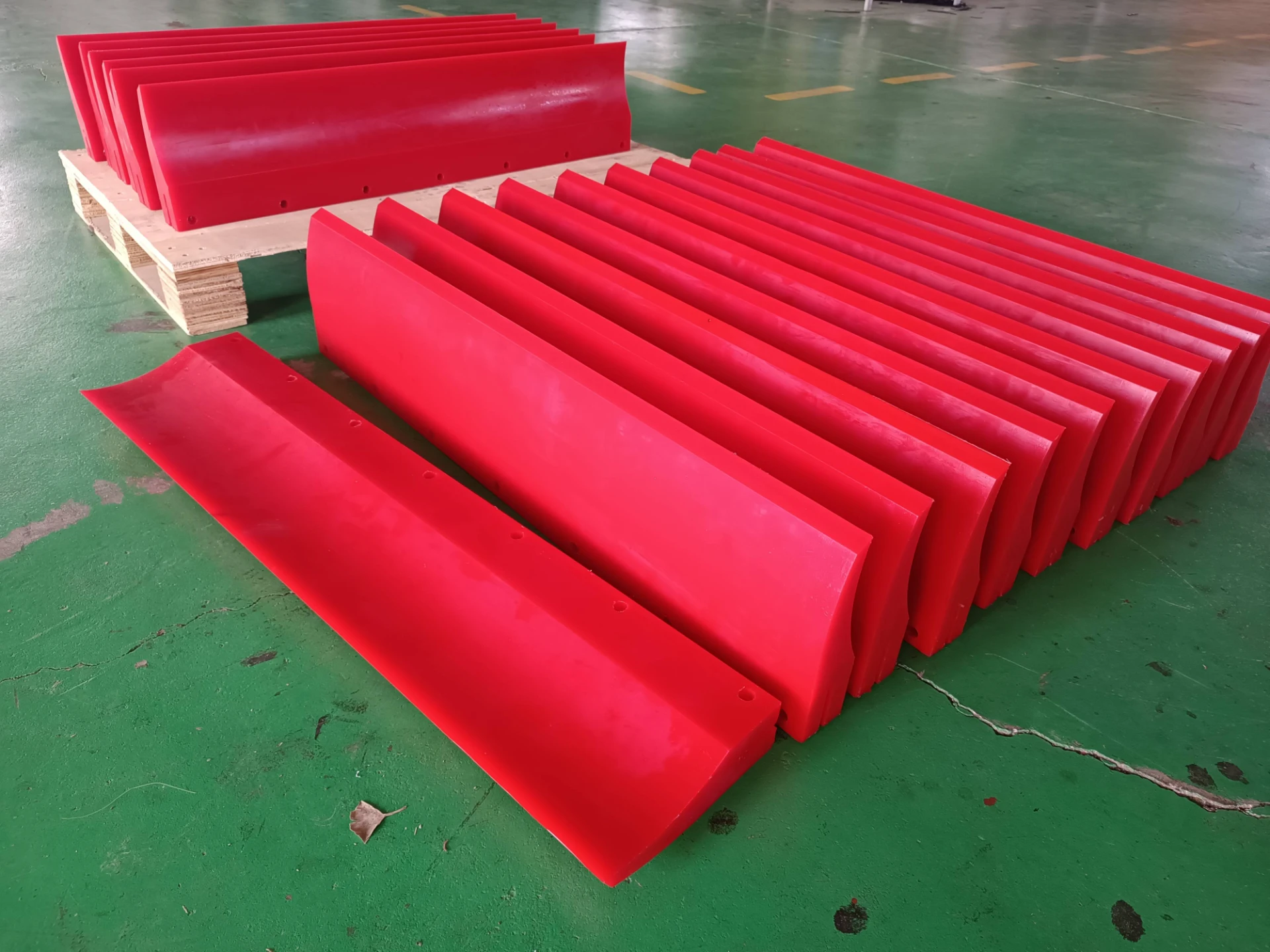
Of course, no technology is perfect. Common challenges include wear and tear of screening surfaces, vibration-induced noise, and handling ultra-fine materials. However, innovative coatings (ceramic or polyurethane), noise dampening systems, and multi-stage screening designs are making a difference. I’ve noticed some engineers experimenting with modular screens that are easier and cheaper to repair onsite.
Practical Guide: Frequently Asked Questions About Vibrating Screens
- Q: How do I choose the right vibrating screen for my application?
Consider material type, particle size, moisture content, and required capacity. Consulting specialists and reviewing manufacturer specs can help narrow options. - Q: What maintenance does a vibrating screen need?
Routine checks on tensioning, lubrication, and wear parts (like screens and springs) keep systems performing well. Avoid letting small issues pile up — that’s when unexpected breakdowns happen. - Q: Are vibrating screens energy efficient?
Modern models often feature energy-saving motors and optimized vibration patterns. When selecting, look for machines with energy usage data provided. - Q: Can vibrating screens handle sticky or wet materials?
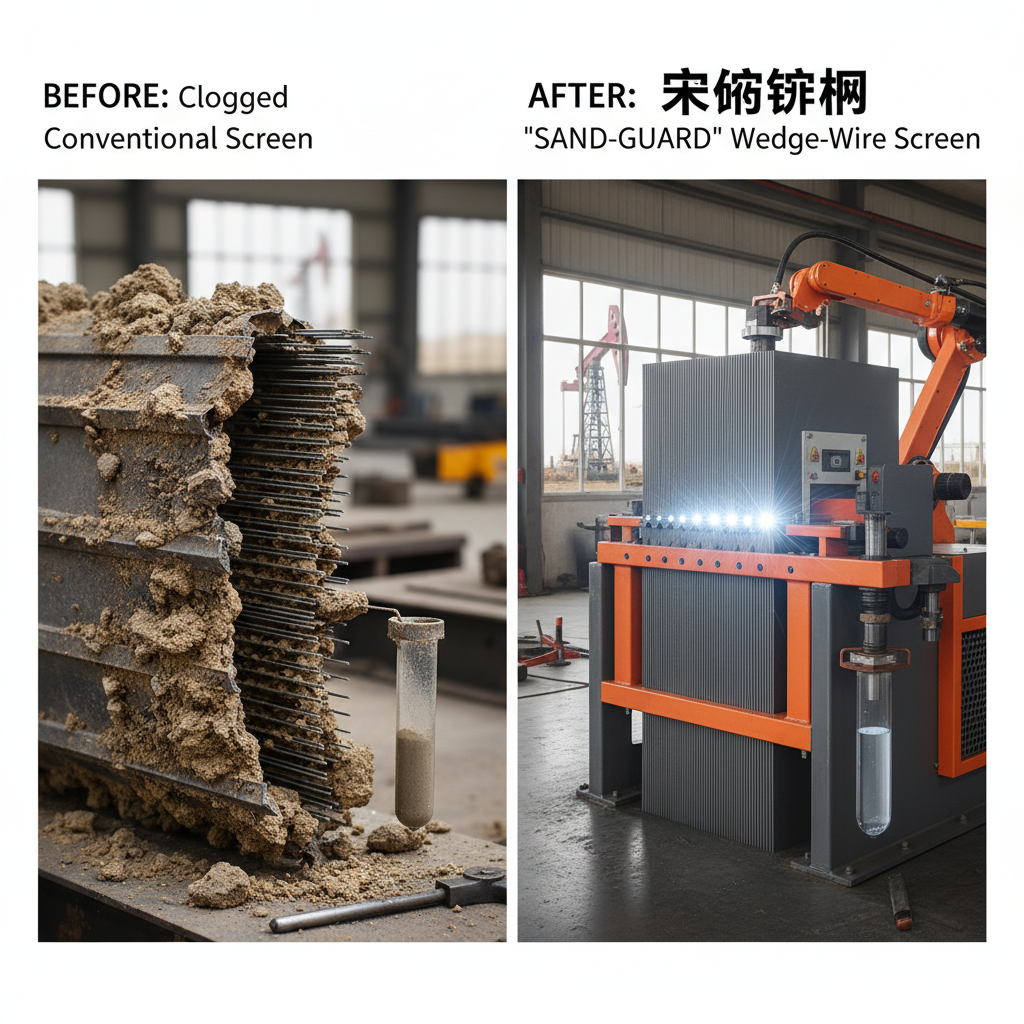
It's possible with specific screen types and coatings, or with additional cleaning mechanisms, though consult product manuals or experts as these setups vary widely. - Q: How long do vibrating screens last?
With proper care and durable materials, screens can operate effectively for 5–10 years or more, depending on usage intensity.
Product Specification Table: Typical Vibrating Screen Model
| Specification | Details |
|---|---|
| Model | VS-2500 Linear Vibrating Screen |
| Screen Area | 2.5 m² |
| Vibration Frequency | 960 RPM |
| Motor Power | 7.5 kW |
| Screen Decks | 2 (Multi-layer) |
| Material Construction | Stainless Steel & High-Tensile Springs |
| Weight | 850 kg |
Vendor Comparison Table: Top Vibrating Screen Manufacturers
| Company | Model Range | Customization | Price Range | Key Strength |
|---|---|---|---|---|
| Mutoscreen | Wide, incl. linear & circular | High (custom decks, size) | $$$ | Advanced tech & global support |
| Vibratech | Medium (mostly circular) | Moderate | $$ | Cost-effective core models |
| ScreenMakers Inc. | Small range, focused on mining | Low | $$$ | Very durable & reliable |
Conclusion
So, vibrating screens might seem like simple machinery, but their global impact and technical sophistication tell a different story. They are critical enablers for industries big and small, helping solve complex challenges involving material sorting, cost, and sustainability. As technology evolves, integrating smart features and greener materials, these machines will only grow more essential.
If you’re curious to explore vibrating screens tailored to your needs, check out the latest models and custom options at Mutoscreen — the industry’s trusted partner for reliable, efficient screening solutions.