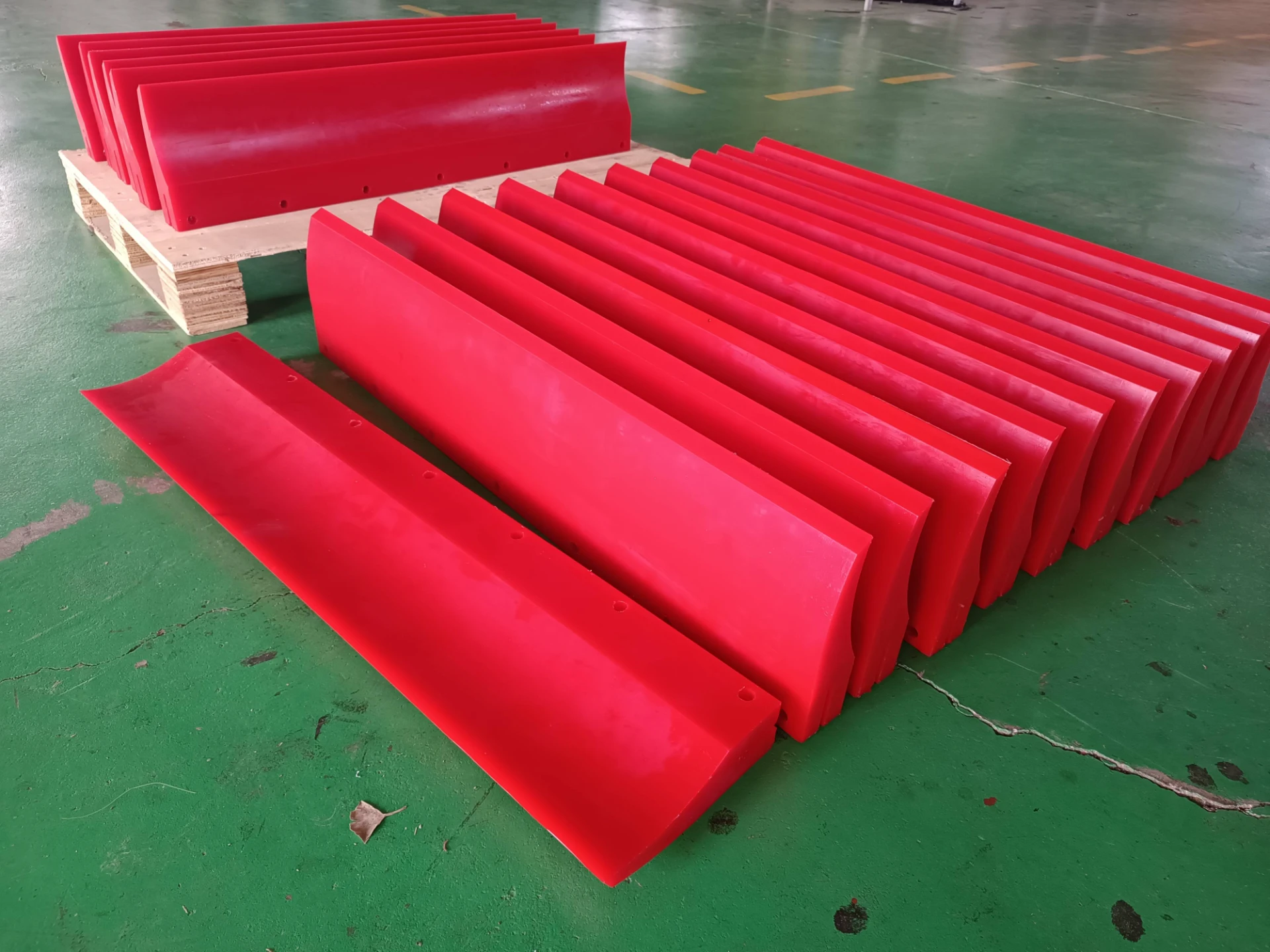
Understanding Screening Decks: Why They Matter in Modern Industry
If you’re unfamiliar with the term screening deck, don’t worry — it’s not as obscure as it sounds. Simply put, a screening deck is a key component in screening machines used in industries like mining, construction, and recycling to separate materials based on size. Globally, the efficiency of screening decks can make or break productivity in sectors that rely on sorting raw materials, screening debris, or processing aggregates.
In a world where resource management, safety protocols, and operational costs are under constant scrutiny, understanding what a screening deck does, and why it matters, is hugely beneficial. It’s about more than just separating gravel from sand — it’s about saving time, reducing waste, and supporting sustainable industry practices worldwide.
The Global Importance of Screening Decks
Did you know that mining alone contributes nearly 45 million jobs worldwide? According to the International Labour Organization (ILO), the mining and quarrying sectors are responsible for significant economic and social dynamics across continents. Yet, they face constant challenges: material contamination, process inefficiency, and environmental concerns being just a few.
Screening decks address several of these problems head-on, by enabling faster, more precise sorting of raw materials right at processing sites. This streamlined sorting doesn’t just boost output — it also means less environmental waste, safer work environments, and better quality control. In construction and recycling, where material purity directly influences the quality of the final product, screening decks are truly vital.
Industries from North America to Asia and Africa have integrated innovative screening decks to keep pace with evolving standards.
What Exactly is a Screening Deck?
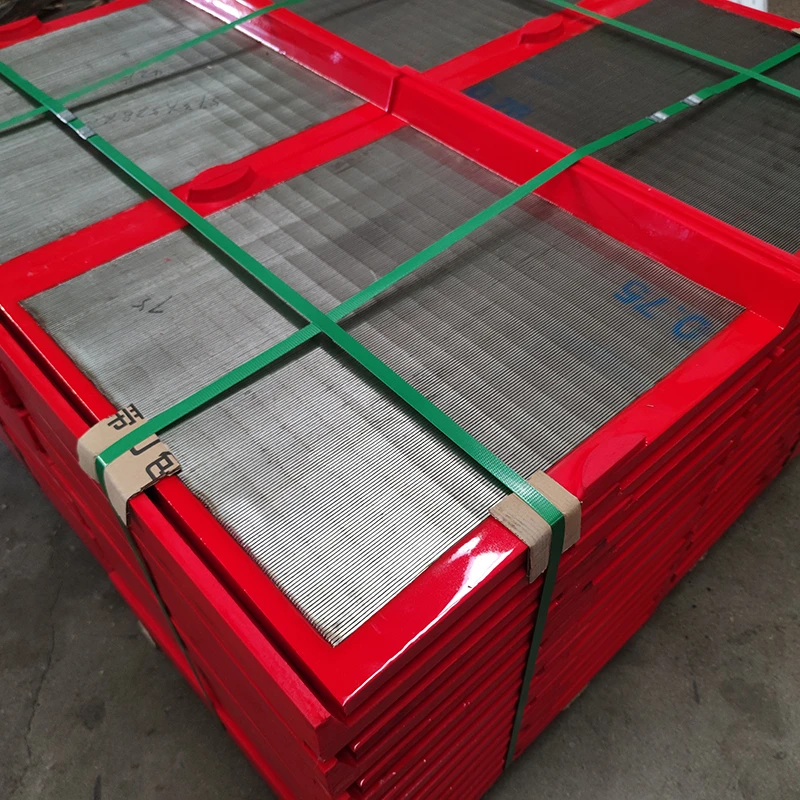
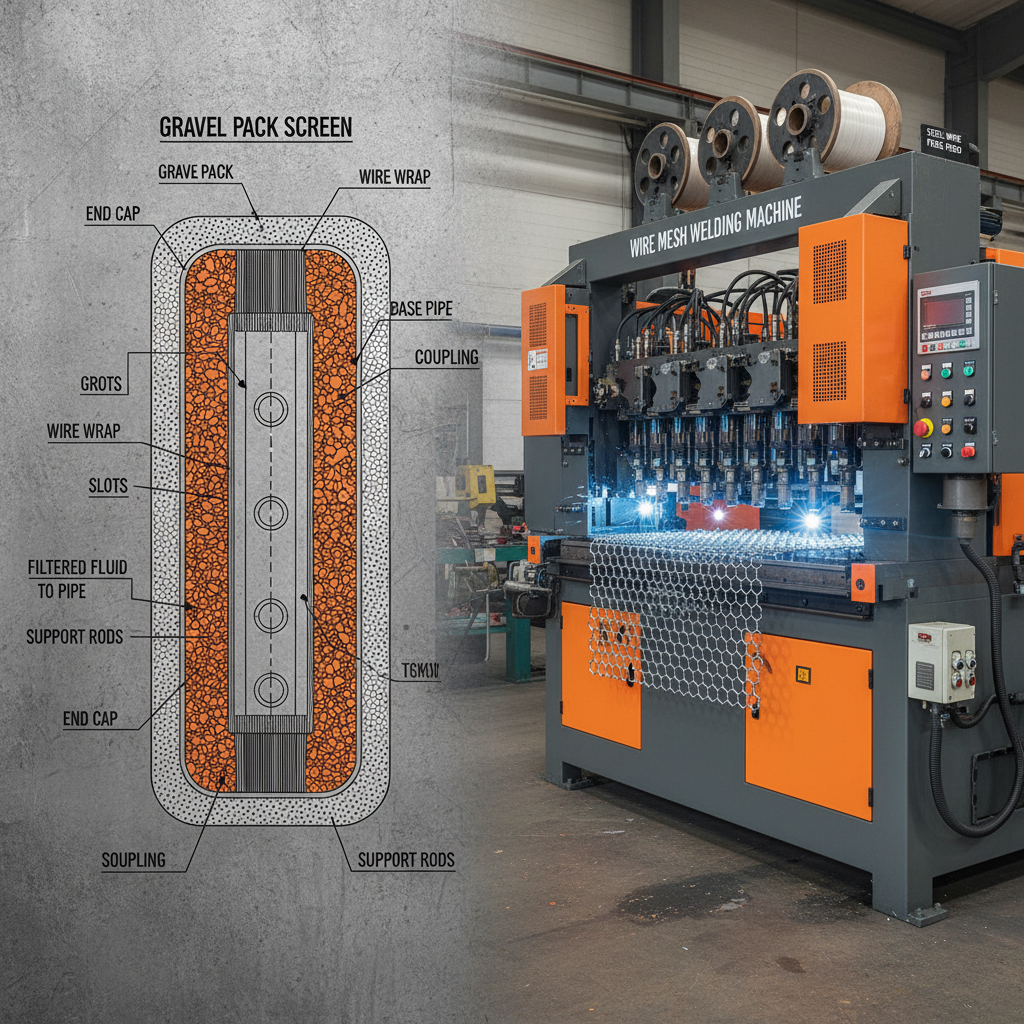
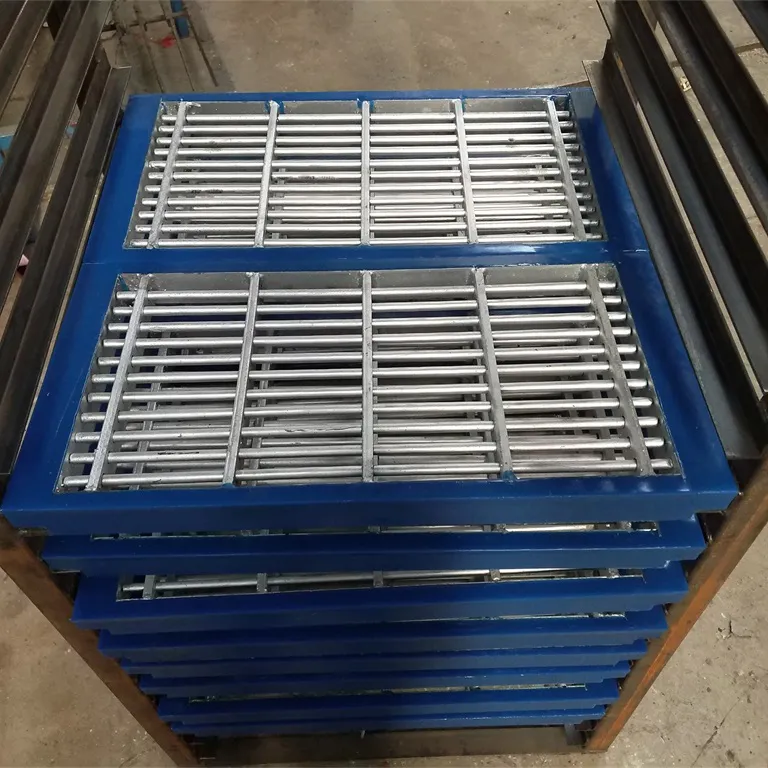
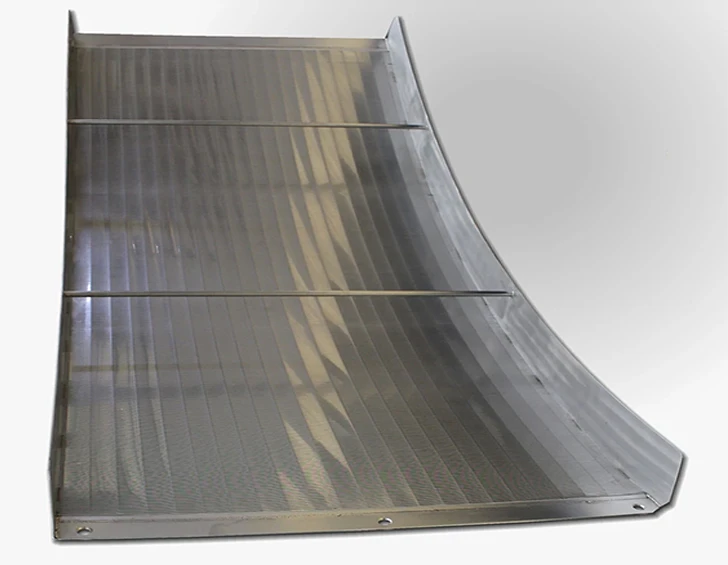
At its core, a screening deck is a flat surface — often a mesh or perforated metal plate — that vibrates, shaking material placed atop it. Different sizes of material fall through or remain on the deck, depending on the mesh size, effectively sorting products by size and shape.
They form the heart of vibratory screeners, trommels, and scalpers — types of machines whose job is simple but crucial: separate what’s wanted from what’s not. It’s a principle as old as industry itself, but today’s decks are crafted with advanced materials and design concepts that allow them to endure harsh environments and heavy loads, while keeping operations smooth.
This technology is embraced not just in mining or construction, but also in humanitarian relief efforts, where quickly sorting debris or separating materials can be vital after disasters.
Key Features of Screening Decks
1. Durability
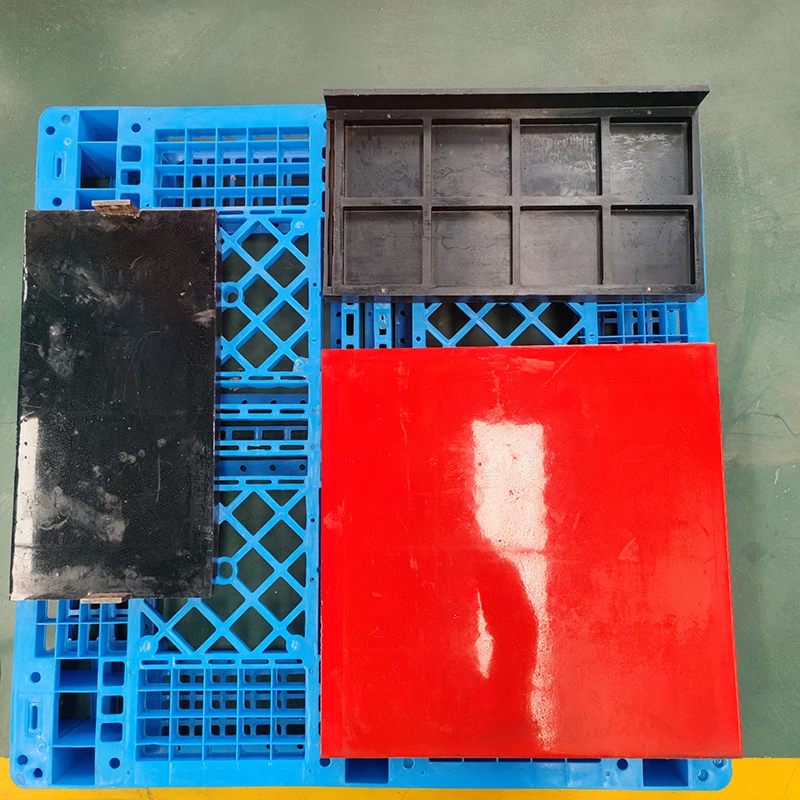
Screening decks typically face rough handling, abrasive materials, and continuous vibration. Durable steel alloys, polyurethane panels, or composite materials help decks withstand wear and tear, extending operational lifespan and reducing downtime.
2. Scalability
From small portable screening units to massive industrial machines, decks are available in a variety of sizes and configurations. This scalability means they can be adapted to everything from a small quarry to a large mining operation.
3. Cost Efficiency
High-quality screening decks lower the overall cost per ton of material processed. Choosing the right deck extends maintenance intervals and reduces replacement frequency — both huge wins financially.
4. Versatility
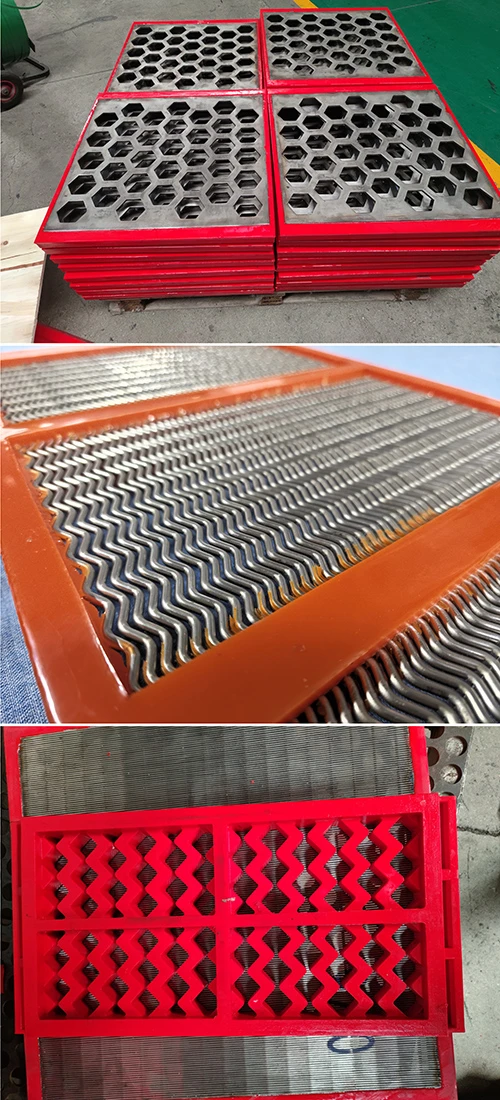
Different industries require screening for different materials — soil, ore, organic waste, aggregates, or even recycled plastics. The screening deck’s design (wire mesh, perforated plates, rubber modular panels) can be customized for specific needs.
5. Environmental Impact
Efficient sorting reduces waste sent to landfills, lowers emissions tied to reprocessing materials, and helps companies stay compliant with environmental regulations. Sustainability isn’t just buzz — it’s baked right into smart screening deck design.
Where Are Screening Decks Making a Difference?
- Mining Operations: Globally, mines use screening decks daily to separate ore from waste rock, optimizing extraction efficiency and reducing processing costs.
- Construction Industry: Screening decks sort aggregates for concrete and asphalt, controlling material gradation to ensure structural integrity.
- Recycling Centers: Decks separate plastics, metals, and organic wastes to improve recycling rates and reduce landfill dependence.
- Disaster Relief: After earthquakes or floods, mobile screening decks help clear rubble and reclaim usable materials, speeding up recovery efforts.
For example, in parts of Southeast Asia, relief agencies deploy portable screening decks to process debris quickly, minimizing environmental hazards and expediting rebuilding.
Product Specifications: What to Look For in a Screening Deck
| Specification | Typical Value | Notes |
|---|---|---|
| Deck Material | Steel Alloy / Polyurethane / Rubber | Depends on abrasion resistance needed |
| Deck Size | 1m² to 10m²+ | Scales to project size |
| Mesh Opening | 0.5mm to 100mm+ | Customizable to material particle size |
| Vibration Frequency | 500–3000 cycles/min | Adjusts separation efficiency |
| Max Feed Rate | 10–200 tons/hr | Depends on deck size and material |
Comparing Leading Screening Deck Vendors
| Vendor | Material Options | Typical Applications | Customization & Support |
|---|---|---|---|
| MutoScreen | Steel alloy, Polyurethane modular panels | Mining, Recycling, Construction | Full customization; global technical support |
| ScreenTech Solutions | Rubber panel, Perforated steel plate | Quarrying, Agriculture | Regional customization; moderate support |
| Global Screening Corp. | Steel mesh only | Heavy mining & aggregate processing | Standard designs; limited customization |
Why Are Screening Decks a Long-Term Investment?
Think about it: a reliable screening deck is more than a spare part. It’s a productivity booster and a risk reducer all rolled into one. Companies that invest in robust screening decks report fewer stoppages, better output quality, and enhanced worker safety. There’s a real emotional element here too — when operations flow smoothly, frustrations drop and trust in the equipment grows.
Environmentally, these decks help reduce waste, reuse natural materials, and support green initiatives. Given the increasing pressure on industries to adopt sustainable methods — from ISO 14001 certifications to corporate social responsibility goals — screening decks are quietly doing their part.
Emerging Trends: What’s Next for Screening Decks?
Technology in screening decks isn’t standing still. Innovations include:
- Smart Sensors: Embedded IoT devices monitor wear and vibration patterns to predict maintenance needs.
- Advanced Materials: Composite polymers that resist abrasion and reduce noise pollution.
- Automation: Automated deck tensioning and cleaning systems to minimize downtime.
- Energy Efficiency: Solar-powered mobile screening units that can run off-grid.
It feels like the combination of digital transformation and sustainability goals is pushing manufacturers to rethink everything from design to deployment strategies.
Challenges and How to Overcome Them
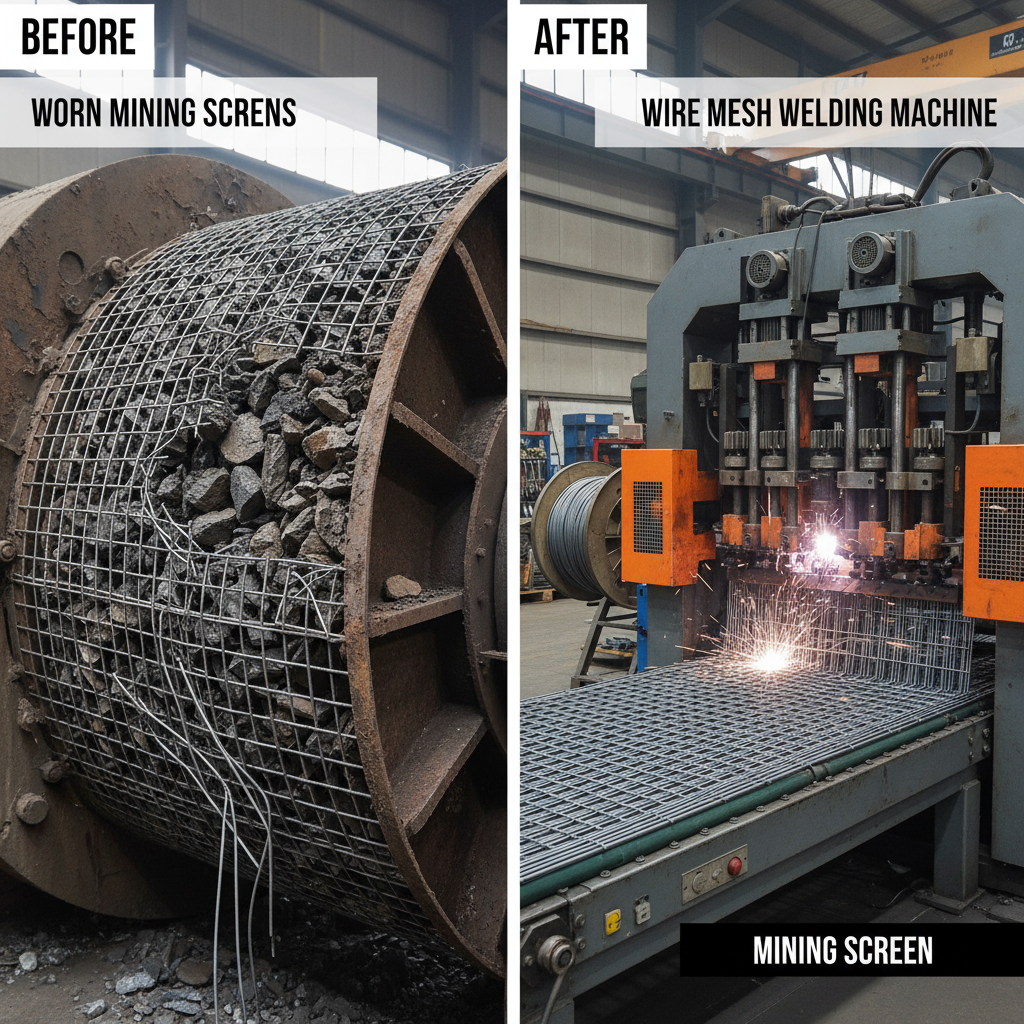
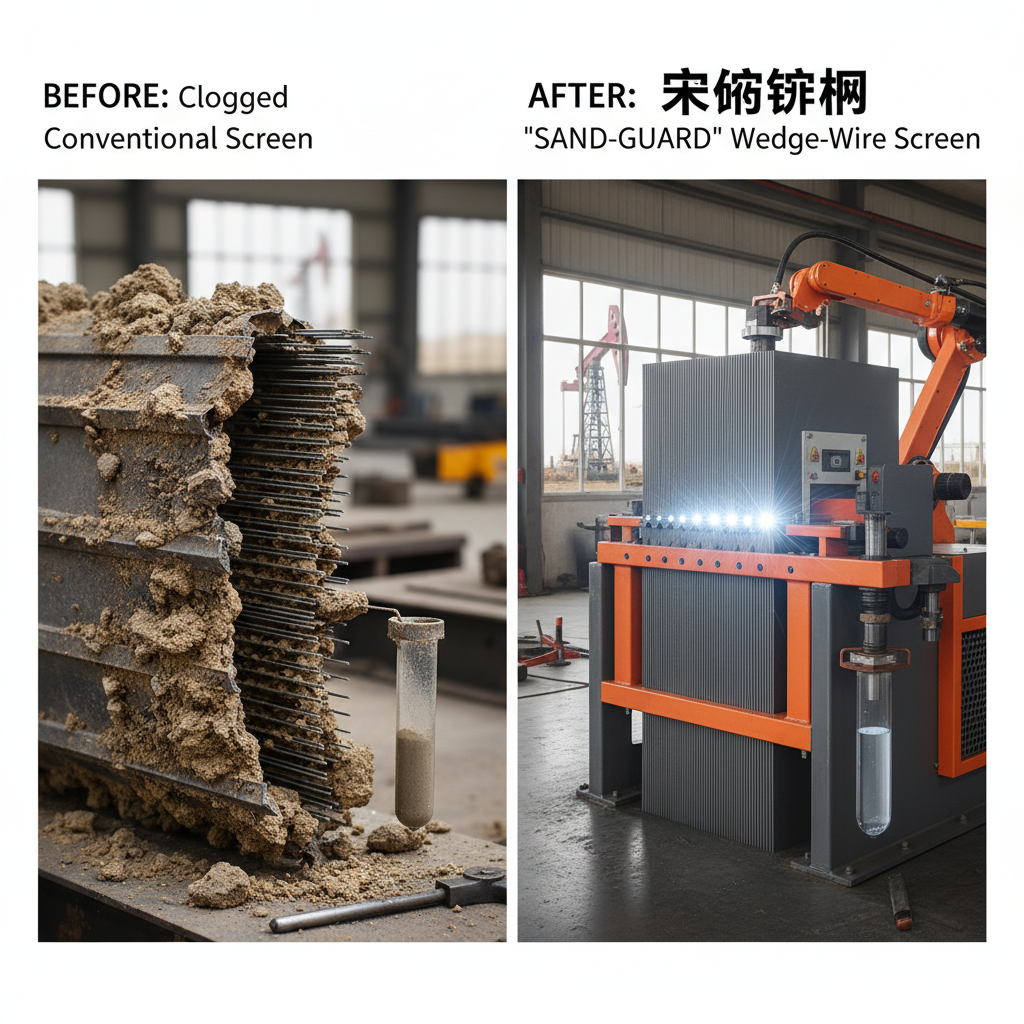
Of course, no technology is perfect. Screening decks sometimes struggle with blinding — a problem where fine materials clog the holes, reducing efficiency. Also, heavy impacts and corrosion can shorten lifespan.
Some approaches to solving these include modular decks that are easier to swap, self-cleaning surfaces, and regular vibration tuning. OEMs and suppliers who provide strong support and customization tend to make this a non-issue.
FAQ: Your Questions About Screening Decks Answered
What factors influence the choice of screening deck material?
The choice depends mainly on the abrasiveness of materials being screened and operational conditions. Steel alloys are best for heavy-duty, abrasive environments, while polyurethane or rubber panels work well where noise reduction and material protection matter.
How often should screening decks be replaced?
Replacement intervals vary widely based on use; rough estimates range from 6 months to 3 years. Regular inspection and maintenance, plus modern wear detection, can extend the life considerably.
Are modular screening decks easier to maintain?
Yes. Modular decks allow quick replacement of worn sections instead of the whole deck, saving both labor and costs, especially in large-scale operations.
Can screening decks be customized for different industries?
Absolutely. Vendors frequently offer custom mesh sizes, materials, and tensioning systems to meet unique industry requirements from recycling plastics to mining coal.
How do I select a vendor for screening decks?
Look for a supplier with proven industry experience, customization capability, and solid customer support. Comparing vendors by product specs and global reach can help narrow the choice.
Wrapping Up: Why Screening Decks Are Here to Stay
The significance of screening decks in industry is quietly immense. As more organizations push for efficiency, sustainability, and safety, these simple yet ingenious components prove their worth daily. Whether you’re in mining, construction, or even responding to humanitarian crises, quality screening decks make critical tasks easier and more reliable.
Looking to upgrade or learn more about the latest in screening deck technology? Visit our screening deck page for expert advice and tailored solutions.
It’s one of those unsung heroes of industry — but when you understand it, you realize it’s kind of indispensable.
References: