What Is a PU Screen Panel and Why It Matters Today
At first glance, a pu screen panel might just seem like another building or industrial component. But in real terms, it’s become a quietly essential element in numerous industries worldwide — from construction and agriculture to humanitarian aid. These panels provide a lightweight yet durable solution for partitioning, insulation, and protective screens, often where rapid deployment and long-term reliability matter. Whether you’re an engineer specifying materials for a remote site or a relief worker setting up shelters, understanding pu screen panels reveals both the technological ingenuity and practical problem-solving wrapped up in these versatile units.
Globally, the demand for efficient, sustainable building materials is soaring. According to the International Energy Agency (IEA), improving insulation materials like pu screen panel solutions could reduce global energy consumption by up to 25% in the coming decade. That’s a huge impact for what might seem like a small piece of a building or device.
Mini takeaway: PU screen panels are more than mere construction parts; they represent innovation meeting global needs for efficiency, sustainability, and adaptability.
Setting the Scene: The Global Context of PU Screen Panels
Across continents, industries are wrestling with challenges such as rapid urbanization, climate change, and the need for sustainable materials. The United Nations Environment Programme (UNEP) stresses that efficient building materials will be decisive for reducing carbon footprints worldwide. It’s no surprise then that PU screen panels have emerged as a go-to choice, capable of offering high thermal insulation, lightweight handling, and strong durability.
In construction alone, the global insulation market is projected to grow to $60 billion by 2028, driven by government regulations for energy efficiency. Meanwhile, in disaster relief zones and remote industrial projects, fast-deploying structures that incorporate panels like these can mean the difference between delays and swift action.
Mini takeaway: PU screen panels respond directly to global industry shifts demanding faster, smarter, and greener construction and infrastructure solutions.
What Exactly Is a PU Screen Panel?
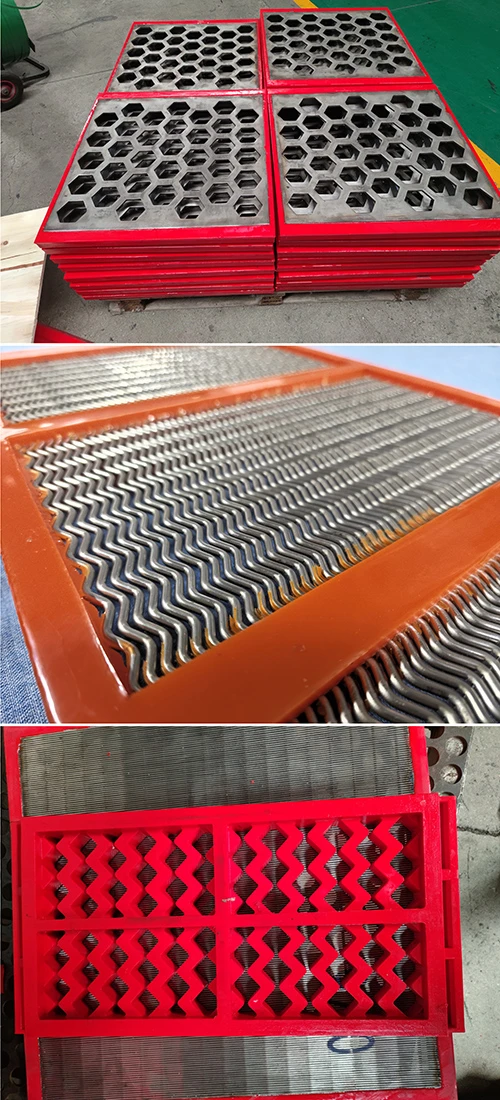
Simply put, a pu screen panel is a sandwich-like composite panel featuring a polyurethane (PU) foam core sandwiched between protective facing materials, commonly steel or aluminum sheets. Polyurethane is a type of polymer known for its excellent insulation properties and mechanical strength.
In modern industry, these panels serve multiple roles — acting as insulated partitions, protective barriers, or structural elements in modular buildings, refrigeration units, and even agricultural enclosures. From a humanitarian perspective, the ease with which these panels assemble into shelters, clinics, or temporary storage units offers undeniable agility and comfort.
Core Components and What Makes Them Tick
1. Thermal Insulation
The PU foam core has low thermal conductivity, meaning it traps heat or cold efficiently. This is why these panels are favored in refrigeration units or energy-efficient buildings.
2. Structural Strength & Durability
The outer skins (often galvanized steel or coated aluminum) shield the foam from moisture, fire, and mechanical damage, making PU screen panels tough in demanding environments.
3. Lightweight & Easy Handling
Compared to traditional concrete or brick walls, these panels weigh less, bringing down transportation and installation times significantly. This is a plus in remote sites or emergency setups.
4. Customization
Thickness, facing materials, and panel size can be tailored for specific thermal or structural needs. This flexibility helps engineers and architects meet exact standards or client requests.
5. Eco-Friendly Potential
While PU is a plastic, advancements in recyclable facings and foam chemistry have improved sustainability footprints. Plus, their energy-saving capacity often balances initial concerns.
Mini takeaway: PU screen panels combine insulation, strength, lightness, and adaptability — an unusually well-rounded package.
Where PU Screen Panels Are Changing the Game
In real-world applications, these panels shine in diverse settings.
- Post-disaster relief: Agencies use PU panels to quickly erect temporary clinics, shelters, or cold storage for vaccines. Their speed of assembly and insulation are vital in unstable conditions.
- Industrial zones: In remote mining or oil extraction sites, panels offer cold storage, workshops, and control rooms that withstand harsh weather.
- Agriculture: Controlled environment farming benefits from insulated panels that regulate temperature with minimal energy input.
- Modular construction: Growing modular housing movements leverage these panels for rapid, energy-efficient builds, especially in urban infill projects.
Regions like Southeast Asia and parts of Europe lead adoption, where infrastructure demands and environmental policy pressures converge.
Product Specification Table: Typical PU Screen Panel Features
| Feature | Specification | Typical Value |
|---|---|---|
| Core Material | Polyurethane Foam | Density 40-45 kg/m³ |
| Thermal Conductivity | W/m·K | 0.022 - 0.028 |
| Panel Thickness | mm | 40-150 |
| Facing Material | Galvanized Steel / Aluminum | 0.5 - 0.7 mm thickness |
| Fire Rating | Class | B2 to B1 (depending on additives) |
Advantages and the Long-Term Value of PU Screen Panels
Cost-wise, the upfront investment in PU screen panels often pays off faster than anticipated. Energy savings through superior insulation, lower transport and installation expenses due to light weight, and reduced maintenance deliver an attractive total cost of ownership.
Beyond numbers, these panels deliver safety and dignity in emergency housing — something that engineers and aid workers frequently emphasize. There’s also an undeniable cognitive ease for occupants: a quieter, temperature-stable, and weatherproof environment.
In environmental discussions, I noticed more architects and designers embracing these panels to meet green building certifications. They’re not perfect, but on balance, the innovation embedded in pu screen panel technologies nudges us toward smarter sustainability.
Vendor Comparison Table: Popular PU Screen Panel Providers
| Vendor | Panel Thickness Range (mm) | Fire Rating | Customization | Typical Lead Time |
|---|---|---|---|---|
| MutoScreen | 40-150 | B1 | High (core & facings) | 2-4 weeks |
| PolyBuild Co. | 50-120 | B2 | Medium | 3-6 weeks |
| EcoFacet Panels | 40-140 | B1 | High | 4-5 weeks |
Looking Ahead: Future Trends and Innovations
Frankly, the pu screen panel landscape is buzzing quietly with innovation. Industry insiders tell me that advancements in foam chemistry are pushing fire resistance and recyclability simultaneously — a tricky balance. Additives made from bio-based materials are starting to replace petroleum-derived components.
Smart facings embedded with sensors to monitor temperature, humidity, or structural health? They’re not science fiction anymore. Manufacturing is also embracing digital automation for custom panel sizes delivered swiftly to job sites.
Green energy integration fits naturally with these panels when used in solar farms or energy-efficient buildings — the kind of symbiotic tech pairing that feels like the future, not a distant promise.
Challenges & Solutions in PU Screen Panel Use
Challenges persist, though— such as concerns about foam toxins, flame retardant chemicals, and end-of-life recyclability. The industry is addressing these by developing cleaner chemistries and take-back programs for used panels.
Installation in highly variable climates can cause panel warping or seal failures — experienced contractors often recommend tested fastening systems and regular maintenance checks to avoid surprises.
In all, it feels like the technology is maturing out of its “fast but flawed” phase into something stable, safe, and truly sustainable.
FAQ: Your Top 5 Questions on PU Screen Panels
Q1: How quickly can PU screen panels be installed on site?
A: Installation is usually swift—often just a few hours for panels to be fixed in place, thanks to their light weight and modular design. This speed is especially valuable in emergency shelters or remote industrial setups.
Q2: Are PU screen panels suitable for extreme weather conditions?
A: Yes, when properly specified. Panels with high-density foam and strong metal facings resist rain, wind, and temperature fluctuations effectively. Fire retardant options are available for high-risk zones.
Q3: Can PU screen panels be recycled?
A: Recycling is a growing focus—while traditional PU foam is challenging to recycle, innovations in foam formulations and take-back programs are improving end-of-life processes. Ask your supplier about green certifications.
Q4: How do PU screen panels compare cost-wise with traditional building materials?
A: Although the initial price per square meter may be higher than brick or concrete, overall savings in energy, installation time, and maintenance usually result in a better lifecycle cost.
Q5: Can I customize panel sizes or thickness for a unique project?
A: Absolutely. Most manufacturers, including pu screen panel providers, offer bespoke options to fit your thermal, structural, and spatial requirements.
Wrapping It Up
PU screen panels are quietly transforming how industries and aid organizations think about building, shelter, and insulation. Their blend of performance, adaptability, and emerging green credentials makes them a smart bet for the future. If you’re involved with rapid deployment projects, modular construction, or simply want to cut energy costs while adding durability, these panels deserve a spot on your radar.
Explore more and find the right fit for your needs at MutoScreen — your gateway to modern PU screen panel solutions.