What’s All the Fuss About a Vibrating Screen for Sale?
At first glance, a vibrating screen might sound like an oddly specific piece of equipment to obsess over. But in the industrial world—think mining, construction, recycling—vibrating screens are the quiet workhorses that sort, separate, and refine. Put bluntly, they keep industries moving and materials flowing efficiently. For anyone eyeing a vibrating screen for sale, understanding what they really do and why they matter isn’t just technical nitpicking—it’s key to saving money, time, and headaches down the road.
The Global Buzz: Why Does a Vibrating Screen Matter Worldwide?
Globally, industries rely on efficient material processing. According to the United Nations Industrial Development Organization (UNIDO), the global mining and mineral processing sectors alone are worth trillions, requiring robust equipment to handle rock, ore, and debris fast and precisely.1 Vibrating screens help industries meet these big demands by enhancing production capacity and product purity. Oddly enough, they're also vital in humanitarian supply chains—imagine sorting aggregates for emergency infrastructure or recycling debris post-disaster—screening tech that’s lightweight and adaptable truly shines.
But the challenge? Finding a durable, cost-efficient vibrating screen that meets diverse needs without blowing budgets or requiring endless maintenance. That’s where smart buying decisions come in—like choosing the right vibrating screen for sale.
Mini takeaway:
- Vibrating screens support massive global industries.
- They’re crucial for efficiency and sustainability.
- Choosing the right model impacts cost, output, and reliability.
What Exactly Is a Vibrating Screen for Sale?
Simply put, it’s a mechanical device that uses vibration to separate materials by size. Think of shaking sand through a sieve but on a highly advanced, industrial scale. The screen’s surface vibrates, letting smaller particles drop through while larger pieces move onward. This simple concept scales up huge — sorting ores, gravel, coal, or recycled plastics—and even fits into humanitarian or environmental projects that need rapid material processing.
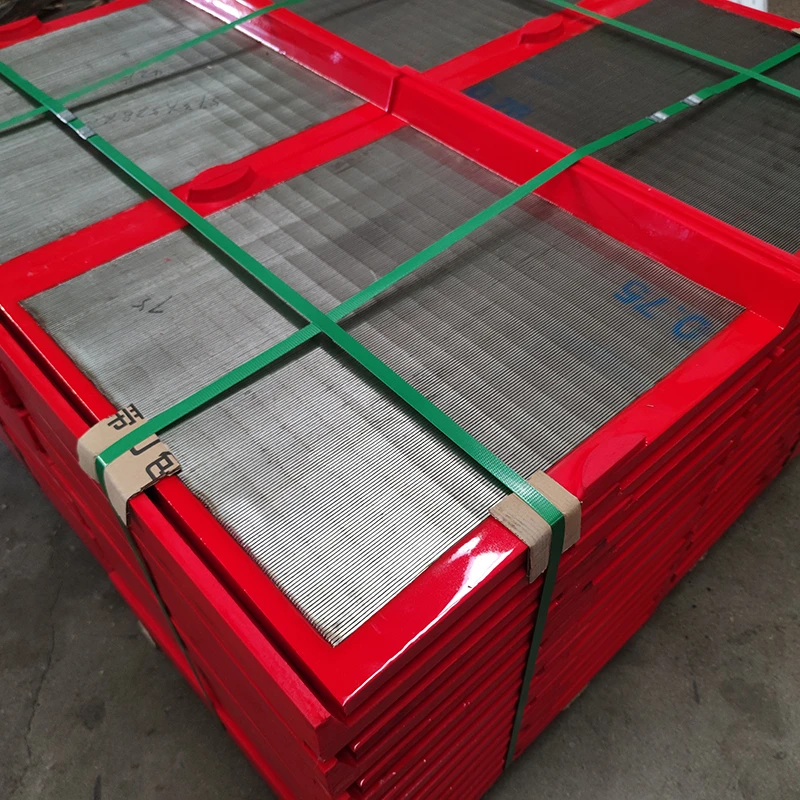
The term “vibrating screen for sale” usually points to buying options for various screen designs — whether single or multi-deck, circular or elliptical motion, steel mesh or synthetic screens. The choices get technical fast and, frankly, that’s where expertise comes in handy.
Core Components to Keep in Mind
1. Durability and Build Quality
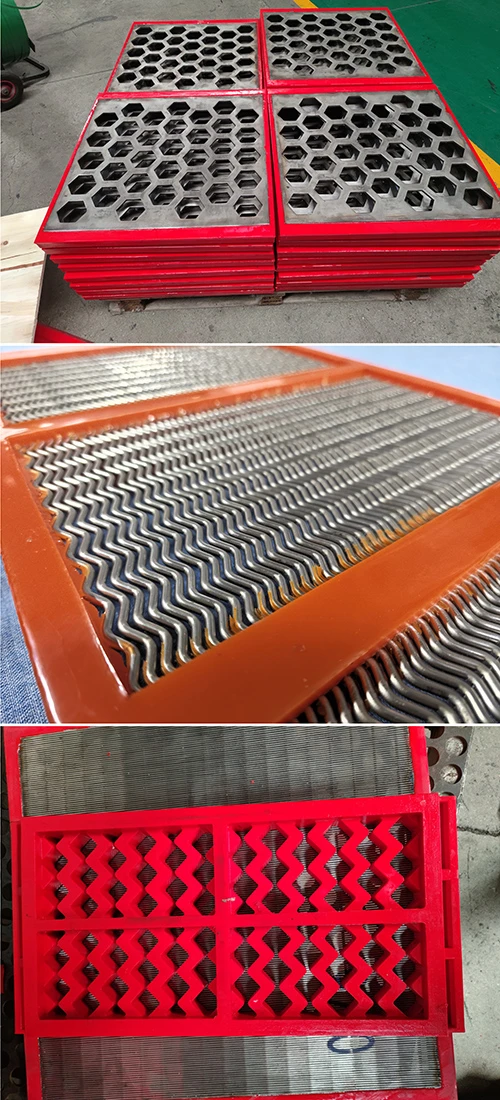
Most wear and tear happens to the screen mesh and the vibrating mechanism itself. High-grade alloy steel or reinforced polymers extend life. Many engineers I’ve talked to swear by screens tested under ISO standards for shock and fatigue resistance.
2. Screening Efficiency
This is a fancy term for how well the screen sorts materials without clogging or mis-sorting. Efficiency depends on vibration frequency, amplitude, and screen surface design—each tailored to specific materials.
3. Scalability and Size
Size matters. From compact portable units needed on remote sites to large industrial setups handling tons per hour—finding the right scale avoids overpaying for unused capacity or underperforming equipment.
4. Ease of Maintenance
Downtime is the enemy. Models with quick-release screens and accessible motors save hours every time something needs a fix. It’s not glamorous, but it’s vital.
5. Power Consumption
Since they often run non-stop, energy efficiency isn’t just good for the environment; it’s good business.
Mini takeaway:
- Focus on durability, efficiency, and maintainability.
- Select size and power specs based on real operational needs.
Where Are Vibrating Screens Actually Used?
From iron ore mines in Australia to urban demolition sites in Europe, vibrating screens play starring roles. Mining uses them to separate crushed rocks by size—essential before smelting.
Construction companies rely on them to grade sand and gravel for concrete mixes. In recycling plants, they sort plastics, metals, and waste—lowering landfill mass.
Even NGOs use them in unexpected ways. After a natural disaster, quick assembly of roadbeds or drainage systems requires lots of sorted aggregate that must be processed on-site, where bulky equipment won’t reach.
A practical example: a South African mining company installed specialized multi-deck vibrating screens that increased processing speed by 30%, reducing downstream delays and boosting output with minimal energy increase.
Mini takeaway:
- Industries worldwide depend on vibrating screens.
- Utility crosses into humanitarian and environmental spheres.
Advantages of Investing in the Right Vibrating Screen
- Cost Efficiency: Less clogging and downtime = more profit.
- Sustainability: Sort waste better and reduce raw resource extraction.
- Reliability: Trusted equipment prevents costly halts.
- Safety: Automated screening keeps workers away from dangerous sorting tasks.
Plus, there’s an emotional side—operators tend to trust and value gear that “just works” without constant fixes. Innovation here fosters pride across teams and trust in the supply chain.
Product Specification Table: Sample Vibrating Screen Model
| Feature | Specification |
|---|---|
| Screen Size | 1.5m x 4.5m |
| Decks | 3 |
| Vibration Frequency | 800 RPM |
| Motor Power | 7.5 kW |
| Material | High-strength steel with wear-resistant coating |
| Max Throughput | 120 tonnes/hour |
Comparing Popular Vendors Offering Vibrating Screens for Sale
| Vendor | Price Range (USD) | Warranty | Specialty |
|---|---|---|---|
| MutoScreen Industries | $15,000 - $45,000 | 2 years | Customizable modular screens |
| VibroMax Solutions | $20,000 - $50,000 | 3 years | High-capacity industrial units |
| ScreenTech Global | $12,000 - $40,000 | 1 year | Eco-friendly materials focus |
Looking Forward: Future Trends and Innovations
What's on the horizon? For vibrating screens, expect smarter automation with IoT sensors monitoring wear and throughput live—meaning fewer surprises and predictive maintenance. Vibrating screens made with new composite materials promise lighter weight without sacrificing durability, cutting energy consumption.
Green certifications and stricter industrial standards are pushing vendors to build not only efficient but sustainable machines. Plus, modular designs that break down for easier transport and reassembly are growing in demand, especially handy for disaster relief or remote sites.
Challenges and Practical Solutions
Vibrating screens aren’t perfect. Clogging, screen wear, and excess noise are common gripes. However, innovations like self-cleaning meshes and sound-dampening mounts help a lot. Plus, careful vendor choice and sizing go a long way to prevent fit-for-purpose headaches.
FAQ: Your Vibrating Screen Questions Answered
1. What should I consider before purchasing a vibrating screen for sale?
Think about material type, capacity needs, screen size, maintenance accessibility, and power consumption. Match the screen’s capacity to your actual throughput needs to avoid overspending.
2. How long does a vibrating screen typically last?
With proper maintenance and quality materials, expect at least 5–10 years. Wear parts like the mesh might need replacing more often, but mainframes and motors tend to be durable.
3. Are vibrating screens suitable for eco-friendly recycling projects?
Absolutely. They efficiently separate recycled materials, decreasing landfill waste and improving material quality for reuse, aligning with sustainability goals.
4. Can I get custom vibrating screen setups for specialized industries?
Many vendors, including MutoScreen, offer modular, customizable units tailored for particular materials or operational constraints.
5. What kind of maintenance do vibrating screens require?
Regular inspection of screens for wear, tightening bolts, lubrication of moving parts, and checking vibration motors keep the system running smoothly.
Final Thoughts: Why an Informed Choice Matters
Investing in the right vibrating screen for sale isn’t just ticking a box; it’s a move that influences your operational flow, sustainability footprint, and bottom line for years. Efficiency gains ripple across production and cost reduction—making one smart purchase a big win. Curious to explore more options or get personalized recommendations? Visit our site: https://www.mutoscreen.com. You'll find detailed specs, expert advice, and all the tools to make your next acquisition a winning one.