What Is a Double Deck Vibrating Screen and Why It Matters Globally
At first glance, a double deck vibrating screen might seem just like another piece of industrial gear—two layers of mesh shaking to sort materials. But honestly, this straightforward machine underpins some of the world’s most vital industrial processes. Whether it’s separating minerals for metal extraction, sorting recycled materials to reduce landfill waste, or even screening grains in food production, its role is significant and remarkably diverse.
In global terms, efficient screening helps conserve resources and optimize production — issues the UN and ISO standards emphasize heavily as we strive toward sustainable industry. When you grasp how these screening systems improve output quality and reduce operational costs, it’s easier to appreciate their nearly invisible yet expansive impact.
Introduction: The Global Context of Double Deck Vibrating Screens
The global mining and materials processing industries, valued at trillions (World Bank, 2023), rely heavily on efficient particle separation to meet the demand for metals, minerals, and construction materials. The double deck vibrating screen comes in as a key player. Its ability to perform multiple separation stages simultaneously is crucial in overcoming challenges such as resource depletion and the increasing need for environmental compliance.
For instance, the shift toward greener mining techniques demands equipment that offers both high productivity and lower energy consumption. The double deck vibrating screen often addresses this, helping plants reduce waste and improve sorting accuracy — a crucial step toward meeting stringent environmental policies in Europe, North America, and increasingly, Asia.
Defining the Double Deck Vibrating Screen
Simply put, a double deck vibrating screen is a mechanical device designed to sort and separate materials by particle size through two layers of vibrating screens stacked vertically. Material entering the machine is separated into multiple fractions at once, which speeds up the screening process and saves floor space.
It's key in sectors ranging from mining to food processing, and even humanitarian aid logistics, where sorting bulk supplies quickly can be a matter of efficiency and safety, often in challenging locations.
Key Components Explained
1. Screening Decks
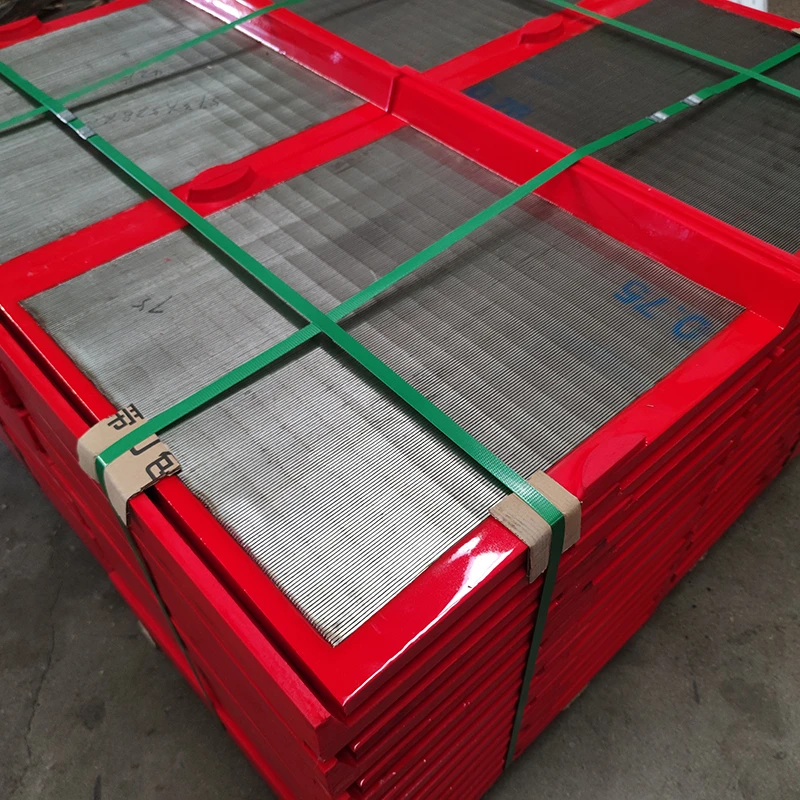
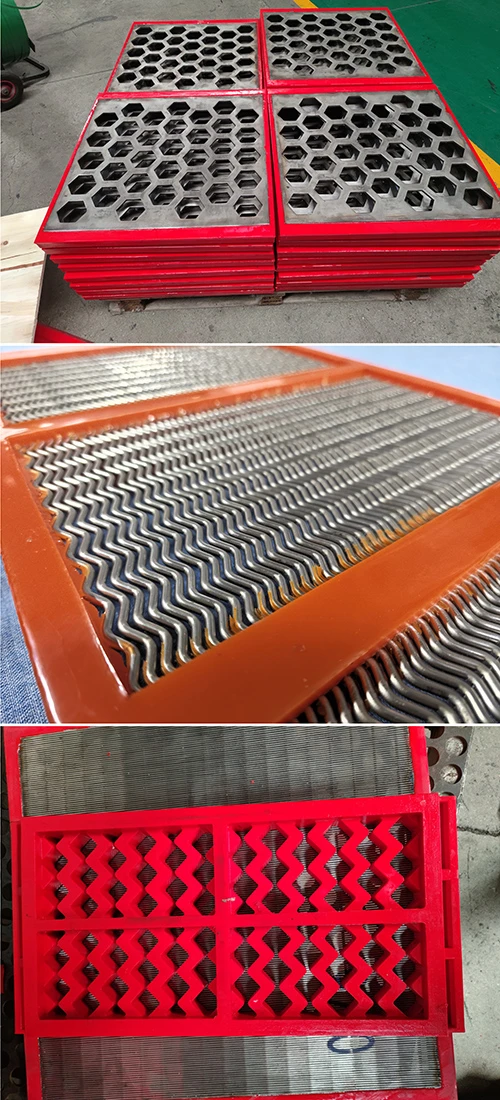
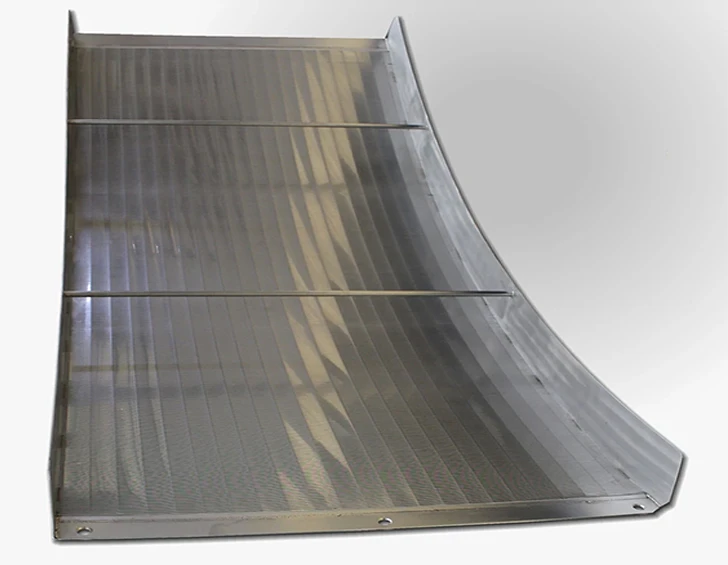
The heart of the machine belongs to its two decks, typically made of durable woven wire mesh or perforated plates. Varied mesh sizes allow for precision in particle separation; coarse on top, finer below.
2. Vibrating Motor
Rather than static sieves, the vibrating motor generates oscillations, enabling consistent material flow and preventing screen clogging; something many operators appreciate more than they expect.
3. Suspension and Frame
The entire setup rests on spring suspensions to absorb vibrations and noise while maintaining catalytic stability over long operational hours.
4. Discharge Chutes
For efficient handling post-screening, the discharge chutes ensure separated materials don’t mix again, preserving purity.
Mini Takeaway:
Understanding the anatomy of the double deck vibrating screen clarifies why it’s so widely adopted — compact, efficient, and reliable under heavy industrial loads.
Global Applications & Real-World Use Cases
Interestingly, these machines find homes in diverse settings.
- Mining sectors in Australia and Canada: Processing ores with high accuracy helps maintain product standards despite raw material variability.
- Recycling plants across the EU: Sorting plastic pellets and shredded materials saves resources, cuts costs, and supports circular economies.
- Food industry in the United States: Screening grains ensures quality control critical to food safety regulations.
- Post-disaster humanitarian efforts: In remote areas, fast sorting of bulk material can be essential for emergency shelter construction or water filtration.
Mini Takeaway:
The reach of these devices goes far beyond mining — touching environmental protection, food security, and disaster relief in some form.
Advantages & Long-Term Value of Double Deck Vibrating Screens
Let me tell you, one of the less talked about benefits is the machine’s impact on sustainability. By improving sorting efficiency, it reduces waste streams significantly. Plus, lower downtime due to fewer blockages—thanks to efficient vibration—means operations are smoother and safer.
From a financial lens, industries find their operational costs lowered in the long run. It’s not just economics, though; enhancing product purity builds trust in brands, feeding into customer confidence at a scale. There’s something satisfying about knowing a machine quietly contributes to both profit and reputation.
Product Specification Table
| Feature | Typical Range / Specs | Notes |
|---|---|---|
| Screen Deck Size | 1.5m x 4.0m (varies) | Customizable for site needs |
| Mesh Size | 3mm to 50mm | Top deck usually coarser |
| Motor Power | 1.5 - 7.5 kW | Depends on material density |
| Material of Construction | Mild steel / Stainless steel | Corrosion resistant options available |
| Capacity | 5 - 50 tons per hour | Varies by application |
Vendor Comparison Table: How Different Providers Stack Up
| Vendor | Customization Options | Warranty | Support & Service | Typical Lead Time |
|---|---|---|---|---|
| MutoScreen | High (mesh, frame materials, size) | 18 months | 24/7 technical support | 4-6 weeks |
| VibraTech | Medium (standard sizes only) | 12 months | Business hours only | 6-8 weeks |
| ScreenPro | Low (catalogue products) | 6 months | Limited field service | 3-4 weeks |
The Future of Vibrating Screens: Trends and Innovations
What excites me most is how the humble double deck vibrating screen is evolving. Digital transformation means more sensors for monitoring vibration intensity, motor health, and material flow rates. Smart feedback loops can auto-adjust the vibration stroke to optimize separation dynamically. Pair that with new lightweight, corrosion-resistant alloys and eco-friendly manufacturing methods, and you start to picture a future where these machines hardly need human intervention, minimizing downtime and maximizing output.
Plus, in a world increasingly focused on sustainability, these innovations align perfectly with the UN's Sustainable Development Goals, promising reduced energy consumption and waste.
Challenges & Innovative Solutions
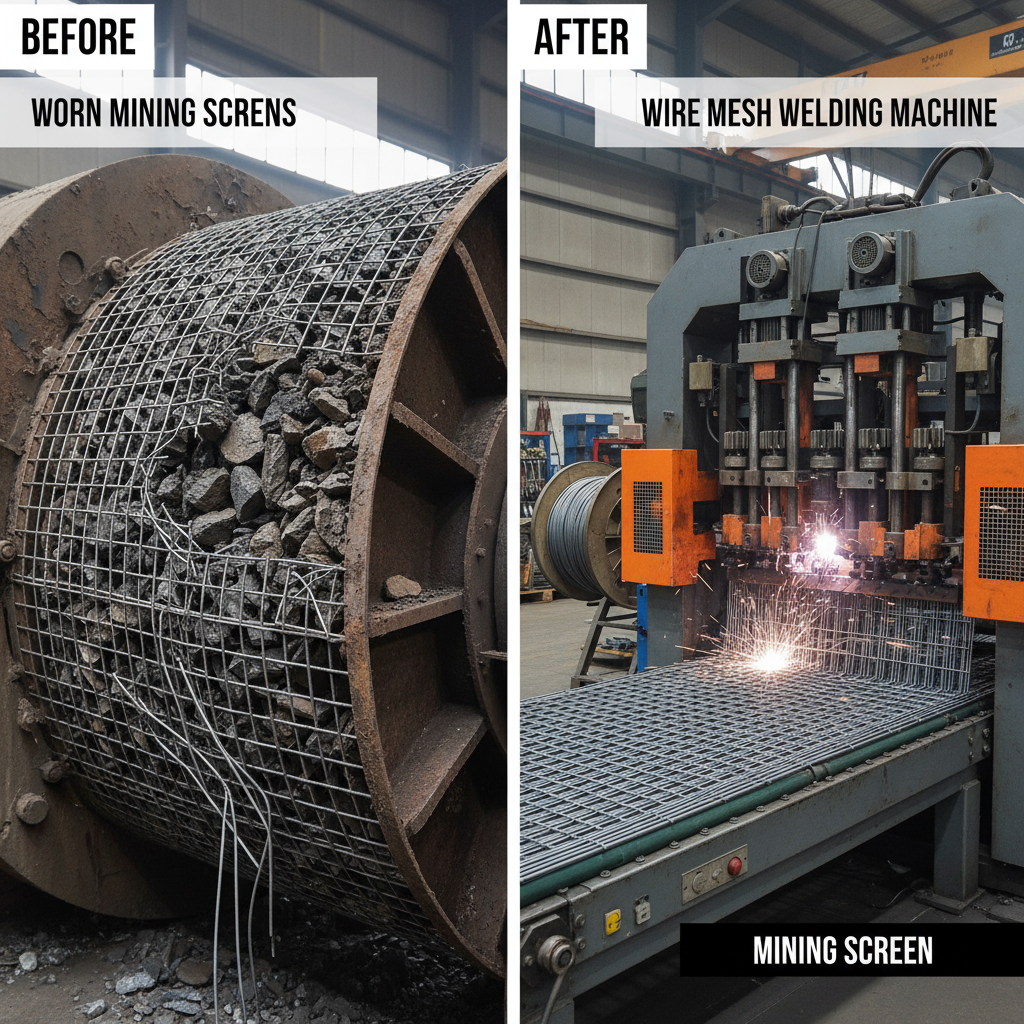
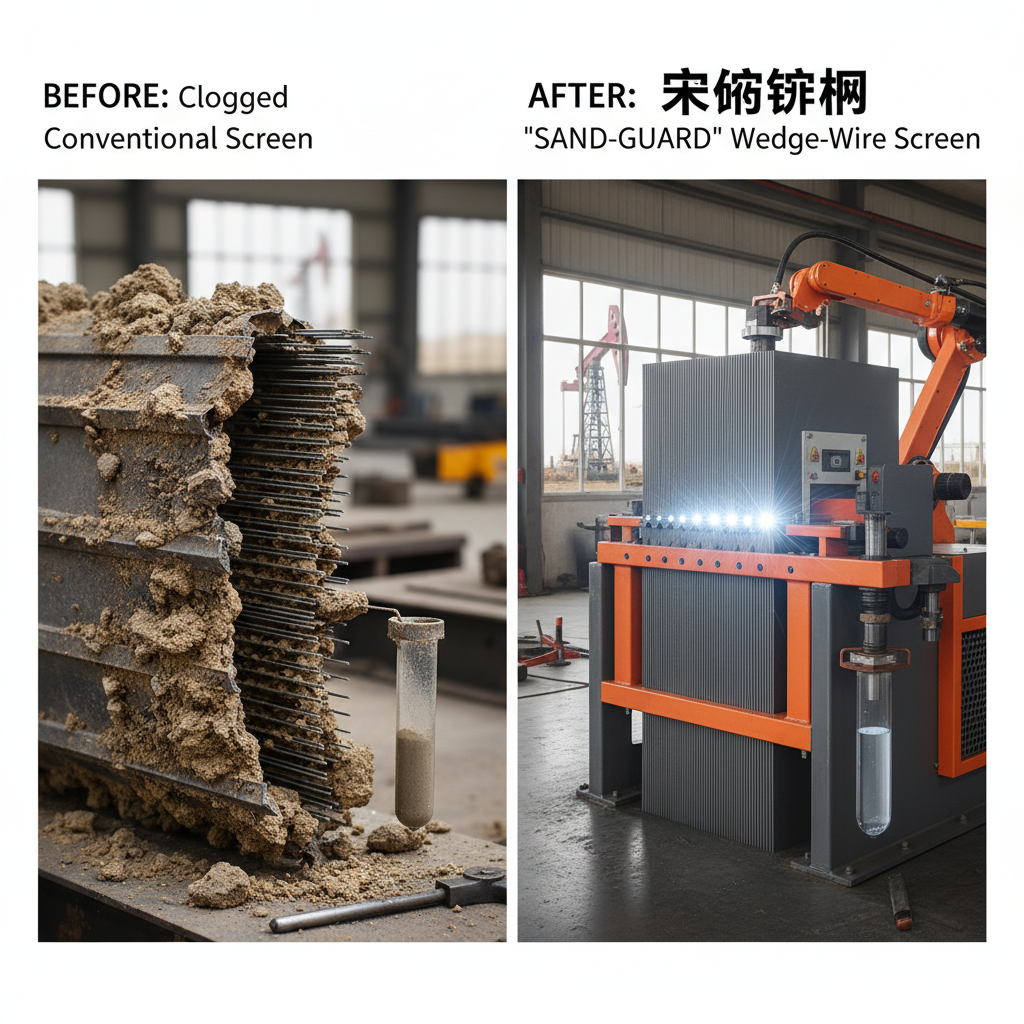
Of course, no equipment is perfect. Challenges often include screen mesh clogging, noise emissions, and wear and tear from abrasive materials. The good news: engineers are experimenting with self-cleaning screen technology, vibration dampening materials, and modular frames for faster repair or replacement.
Some operatives also noted power consumption can spike during peak loads, prompting a push for variable frequency drives that save energy during lesser demand periods — one small dose of common sense that could add up big.
FAQ: Common Questions About Double Deck Vibrating Screens
- Q: What industries benefit most from double deck vibrating screens?
- A: Mining, recycling, agriculture, and food processing are among the top users. Their ability to separate multiple particle sizes in one unit creates operational efficiencies vital in these sectors.
- Q: How often should a double deck vibrating screen be maintained?
- A: Routine inspections are ideally monthly, with mesh replacement intervals depending on material abrasiveness. Preventive maintenance reduces costly downtime substantially.
- Q: Are double deck vibrating screens energy efficient?
- A: Yes, especially newer models with variable speed motors and smart controls. They use less energy compared to traditional single-deck or manual screening.
- Q: Can these screens be customized for specific materials?
- A: Absolutely. Mesh size, motor power, screen deck dimensions, and frame materials can all be adapted to the material’s nature and processing requirements.
Conclusion: The Last Word on Double Deck Vibrating Screens
In the final analysis, the double deck vibrating screen is a deservedly indispensable tool for industries worldwide. Its blend of efficiency, reliability, and adaptability makes it both an economic and environmental win. If you haven’t already, it’s worth checking out what advances have been made—particularly by top vendors who can tailor a solution precisely for your needs.
So, curious to explore in more detail? Visit our page on double deck vibrating screens and see how modern screening technology can upgrade your operations today.