Discover the Efficiency and Innovation of Linear Motion Screens | MutoScreen Industries
What Is a Linear Motion Screen and Why Does It Matter?
If you’ve ever worked around industrial machinery or manufacturing lines, you might have encountered the term linear motion screen. But what exactly is it, and why is it gaining traction globally? In essence, a linear motion screen is a type of vibrating screen that moves in a straight line, designed to separate materials by size or class during processing. You might think, “oh, a screen is just a screen,” but this one matters a lot—especially in industries like mining, food processing, recycling, and even humanitarian efforts where material sorting speeds and accuracy can significantly impact outcomes.
Understanding linear motion screens means better efficiency, less downtime, and more sustainable operations across diverse sectors worldwide. And frankly, that ripple effect helps the global economy run smoother. So buckle up—let’s break down what these fascinating machines are, why they’re used, and how they continue to evolve on the global stage.
Industrial Revolution 4.0: The Global Context of Linear Motion Screens
The modern industry is under pressure from all sides: sustainability demands, labor shortages, and the need for smarter automation. According to the International Organization for Standardization (ISO), efficient material handling and separation are critical components in achieving industry best practices (ISO 23125:2019). Meanwhile, the United Nations’ Sustainable Development Goals (SDG 9: Industry, Innovation, and Infrastructure) highlight the importance of sustainable industrialization. Linear motion screens fit neatly into this narrative by delivering reliable, scalable, and energy-conscious material sorting solutions.
Here’s the challenge: conventional circular vibrating screens often struggle with high throughput and continuous operation without clogging, leading to bottlenecks in production chains. Linear motion screens solve much of this by providing smooth, unidirectional vibrations that keep material moving fluidly, improving separation consistency.
Defining the Linear Motion Screen
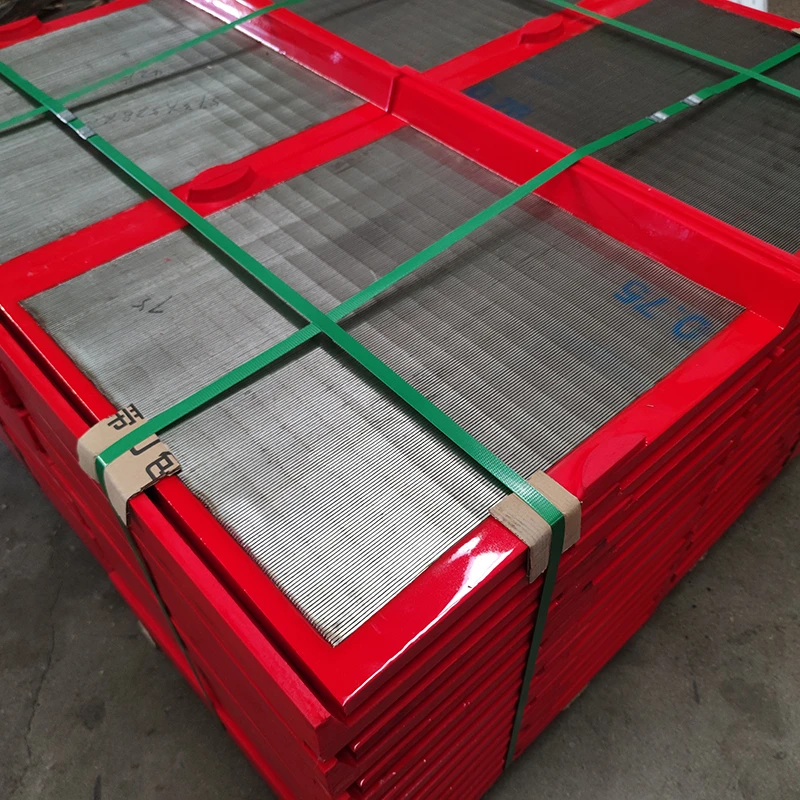
In simple terms, a linear motion screen is a vibrating screen whose mesh bed moves in a predominantly straight line. This contrasts with circular or elliptical motion screens, giving it distinct benefits in capacity and throughput. It is essentially a machine that sorts granular materials—ranging from rock, ores, and grains to recycled materials—by size through controlled vibration. The screen deck vibrates parallel to the feed flow, allowing particles to stratify and pass through mesh openings efficiently.
Interestingly enough, the technology extends beyond heavy industry. Humanitarian organizations deploying field hospitals or temporary shelters have started using linear motion screening technologies in waste management and sanitation solutions to speed up material recovery in crisis zones. So it’s not just rock crushing anymore!
Core Components and Factors Influencing Linear Motion Screen Performance
1. Durability
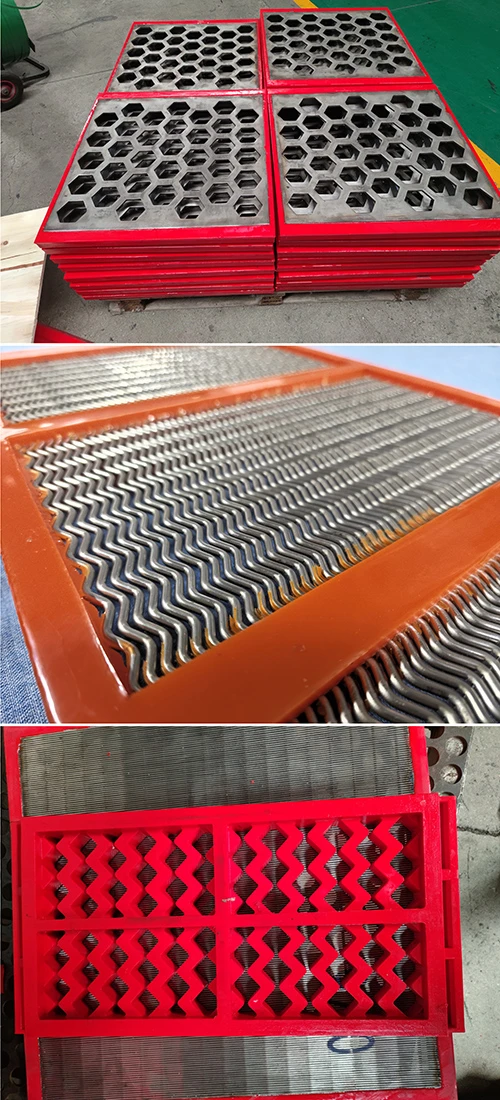
The frame and deck materials need to withstand pounding vibration and abrasive feedstock, often in harsh environments. Stainless steel and wear-resistant alloys are common choices, designed to minimize maintenance downtime.
2. Scalability
Linear motion screens come in sizes ranging from small lab-scale units up to mammoth installations serving giant mining operations. The ability to scale without sacrificing performance is a major advantage.
3. Feed Rate and Capacity
Properly calibrated vibration frequency and amplitude ensure maximum throughput. Many engineering teams tweak these parameters according to feed material characteristics to avoid clogging or blinding.
4. Energy Efficiency
Compared to circular screens that consume more power for similar throughput, linear screens are generally more energy-efficient due to their simpler drive mechanisms.
5. Ease of Maintenance
Modules that can be swapped quickly, simple access panels, and robust bearings reduce downtime—a critical factor in continuous process industries.
6. Customizability
Adjustable screen angles, deck types, and vibration profiles allow linear motion screens to be fine-tuned to a specific process, from sand grading to plastic recycling.
Mini takeaway: A linear motion screen’s practical value depends on a careful blend of mechanical robustness, thoughtful design, and operational flexibility.
Global Applications: Who Uses Linear Motion Screens and Why?
Take a quick trip around the world and you’ll find these devices sorting gravel in Canadian quarries, separating recyclable plastics in European waste plants, grading grains on farms in India, and even filtering salt in coastal desalination units in the Middle East. In post-disaster relief operations—for example, after earthquakes—rapid waste sorting by NGOs using portable linear motion screen units accelerates debris processing and recycling, supporting faster community rebuilding.
In remote mining zones of Australia or South Africa, these screens reduce material losses and improve ore recovery rates, directly impacting profitability. Industrial zones in China and the U.S. rely on modular systems that incorporate linear motion screens for food processing — helping factories maximize throughput with less downtime.
Linear Motion Screen Specifications at a Glance
| Specification | Typical Range | Remarks |
|---|---|---|
| Screen Deck Size | 1m x 3m to 3m x 10m | Depends on capacity needs |
| Vibration Frequency | 800 to 1500 RPM | Adjustable based on material |
| Motor Power | 1.5 kW to 7.5 kW | Variable by screen size |
| Screen Angle | 0° to 10° | Adjustable for throughput optimization |
| Material | Stainless steel, Rubber coated | For wear resistance and durability |
Comparing Top Linear Motion Screen Vendors
| Vendor | Product Range | Customization | Global Reach | Warranty & Support |
|---|---|---|---|---|
| MutoScreen Industries | Small to large scale units | High (custom decks, angles) | Worldwide, including remote zones | 5 years standard + remote support |
| TerraSift Solutions | Mid-sized to large | Moderate (modular designs) | Mostly Americas and Europe | 3 years + annual checkups |
| EcoScreen Tech | Small scale, eco-focused | Limited custom options | Europe and Asia focus | 2 years limited warranty |
Why Linear Motion Screens Offer Lasting Value
From a practical standpoint, these screens reduce energy use, cut down on material waste, and require less manual intervention compared to older tech. This means not only significant cost savings but also an environmental uptick—a double win in any modern industry. I’ve heard several operators say that switching to linear motion screens reduced their downtime by almost 40%, which is huge when you run 24/7 plants.
Beyond numbers, such technology boosts worker safety by minimizing the need for manual adjustments near moving parts, and enhanced performance builds trust with clients and regulatory bodies who demand consistent quality outputs.
Looking Ahead: Innovations on the Horizon
Smart automation is the name of the game. Future linear motion screens are integrating IoT sensors that monitor vibration amplitude, motor health, and deck condition in real time, enabling predictive maintenance and reducing unexpected failures. New materials like graphene-enhanced composites offer hope for lighter, stronger screen decks that last longer without adding weight.
Also, with green energy increasingly prioritized, many manufacturers are adapting screen motors to work seamlessly with renewable energy sources like solar or wind, making remote installations more viable and eco-conscious.
Challenges and Practical Solutions
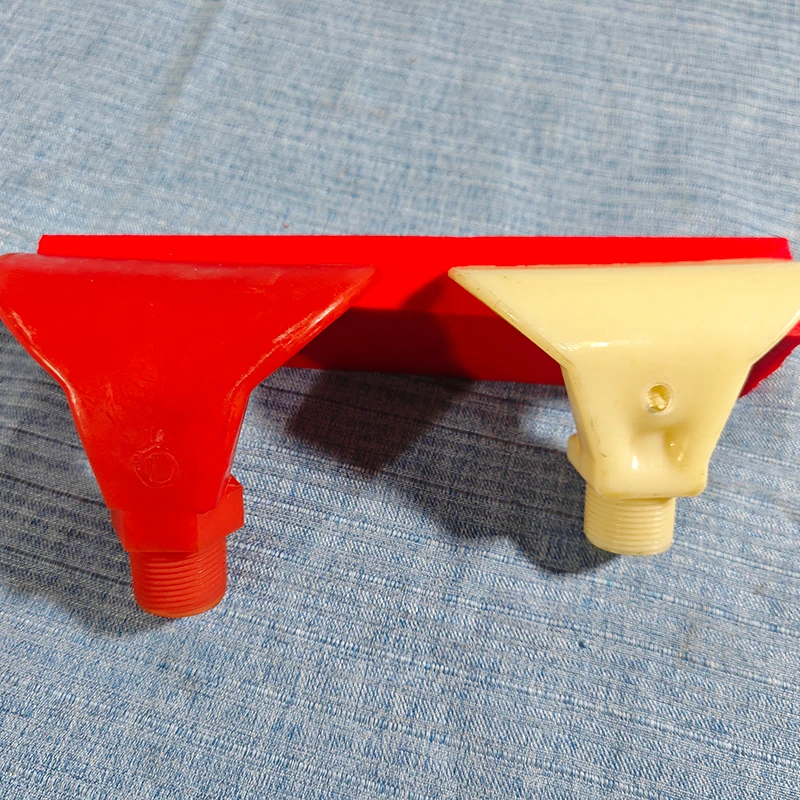
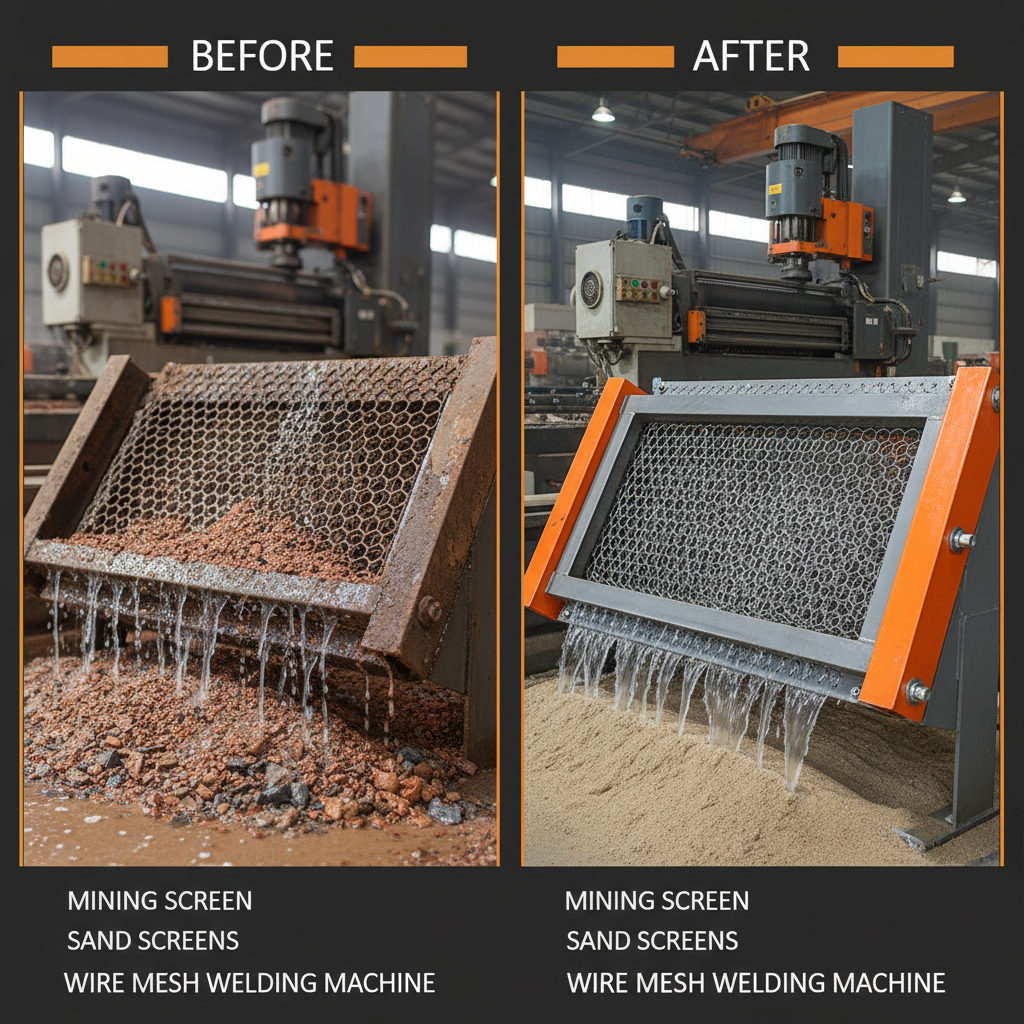
No tech is perfect, and linear motion screens face issues like screen blinding (where fines clog apertures), abrasive wear, and initial cost hurdles for some small operators. But manufacturers have developed quick-change screen panels, water spray systems to reduce clogging, and modular designs that reduce upfront investment.
In remote areas, combining linear motion screens with linear motion screen technology enables faster setup and easier maintenance—a real game changer.
FAQ: Your Practical Questions About Linear Motion Screens
Q1: How do linear motion screens differ from circular motion screens?
A: Linear motion screens vibrate in a straight line, which typically allows for higher capacity and throughput without clogging. Circular motion screens have an elliptical vibration pattern, better for finer materials but with slower processing speed.
Q2: Are linear motion screens energy efficient?
A: Yes, since they have simpler drive mechanisms and optimized motion, they generally consume less energy per ton processed compared to older screening methods.
Q3: Can linear motion screens handle wet or sticky materials?
A: They can, especially when configured with water spray systems or specialized mesh coatings to prevent clogging and maintain smooth operation.
Q4: What maintenance is required?
A: Routine inspection of motors, bearings, and screen decks is essential. Many models offer modular, easy-swap deck panels to minimize downtime.
Q5: Where can I find vendors of linear motion screens?
A: Leading vendors like MutoScreen Industries provide a range of customizable options and worldwide support. See our vendor comparison table above for more details.
Conclusion: The Long-Term Benefits of Linear Motion Screens
To wrap up, the linear motion screen is more than just another piece of industrial equipment—it’s a key enabler of efficient, sustainable, and reliable material processing worldwide. By helping industries optimize throughput, reduce energy consumption, and maintain safe operations, these screens truly embody innovation in motion.
If you’re curious to explore further or considering a purchase, visit our website for detailed product info, custom configurations, and expert support.
Sometimes a great piece of machinery sparks a quiet revolution—linear motion screens just might be one of those unsung heroes you never knew you needed.