What Is a Vibrating Topsoil Screener and Why Does It Matter?
At first glance, a vibrating topsoil screener might sound like just another industrial tool — but its impact spans far beyond a construction site or garden plot. This piece of equipment helps separate topsoil into usable particles, removing stones, debris, and unwanted materials. Why should anyone care? Well, soil quality matters globally for agriculture, land restoration, and infrastructure. Understanding the benefits of vibrating topsoil screeners can improve land use efficiency worldwide and reduce waste.
Whether you are an agricultural engineer aiming to prep prime soil or a humanitarian organization restoring degraded lands, knowing how these screeners work is key. The efficiencies and innovations behind vibrating screeners are quietly driving ecological and economic improvements across continents.
The Global Context: Why Topsoil Screening Gains Momentum
Across the globe, soil degradation affects roughly 33% of the Earth's land surface, according to UN reports. In places where fertile land is scarce, every handful of topsoil counts, making vibrating topsoil screeners vital tools. With urbanization booming and climate change intensifying, extracting clean, fertile soil for agriculture or construction demands precision and efficiency.
Infrastructure projects, especially in developing countries, often struggle with subpar materials. Vibrating topsoil screeners help by sorting out finer, nutrient-rich particles to enhance soil quality for landscaping, gardening, and agriculture, simultaneously minimizing waste. Vibrating topsoil screener technology also plays a pivotal role in environmental remediation and post-disaster rebuilding.
Mini takeaway:
Vibrating topsoil screeners boost sustainable land use worldwide by recovering valuable soil from raw, often contaminated material. In a nutshell: better soil, better future.
What Exactly Is a Vibrating Topsoil Screener?
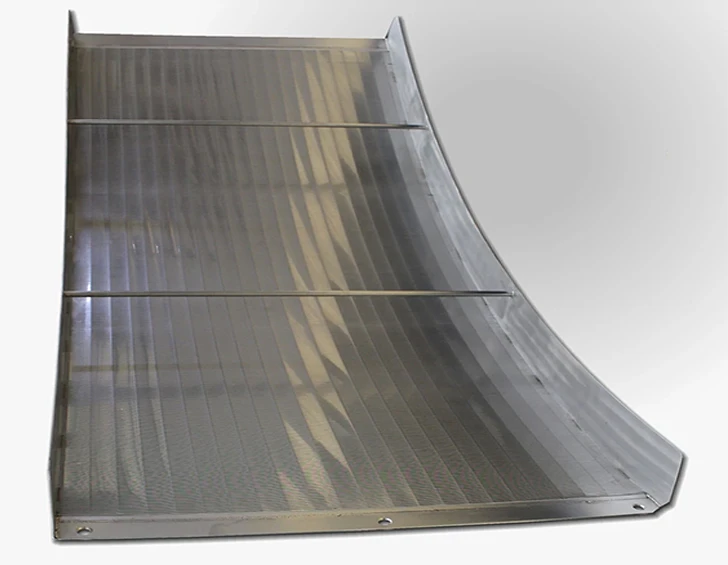
In simple terms, a vibrating topsoil screener is a mechanical device designed to vibrate soil materials, separating finer soil particles from rocks, roots, and debris. Think of it as a giant sieve with an energetic twist — its vibrating motion ensures continuous, effective sorting without clogging.
Used commonly in agriculture, landscaping, construction, and mining industries, this screener streamlines soil preparation. It also eases the burden on manual labor and guarantees consistent soil texture. This consistency is crucial not just for planting crops or sports fields, but also for rebuilding ecosystems after natural disasters, where topsoil quality can determine the success of restoration.
Core Components That Define Efficiency
1. Durability
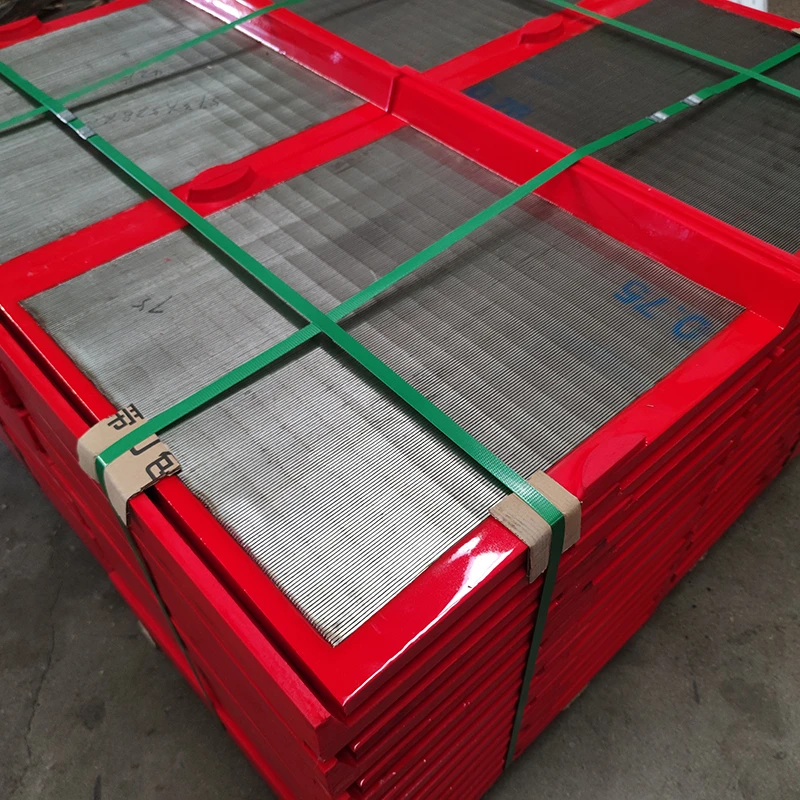
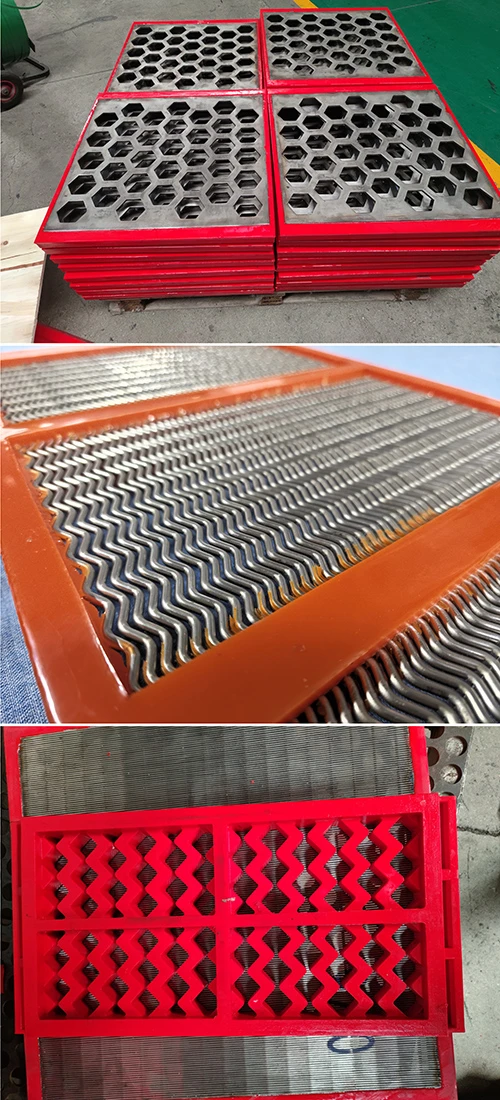
Since these machines often operate in harsh environments, robustness is a must. Construction-grade steel frames and abrasion-resistant screens extend longevity — an investment many engineers swear by.
2. Vibration Mechanism
The heart of the screener is its vibrating motor or eccentric shaft. This component determines the screening speed and efficiency. A well-calibrated vibration pattern ensures maximum separation with minimal energy consumption.
3. Scalability & Portability
From compact units for small farms and garden centers to large industrial screeners for mining operations, size and mobility vary. Some models feature wheels or tracks, facilitating transport between sites.
4. Cost Efficiency
Ironically, you don’t always need the most expensive machine to get excellent results. Balancing initial price, maintenance costs, and energy use helps businesses maximize ROI.
5. User-Friendly Controls
Increasingly, manufacturers add simple digital controls or even IoT sensors for remote monitoring — something to watch for in future trends.
Mini takeaway:
Choosing a vibrating topsoil screener means understanding how durability, vibrations, and size together make or break operational success.
Specifications for a Typical Vibrating Topsoil Screener
| Feature | Specification |
|---|---|
| Screen Size | 4 ft x 8 ft (customizable) |
| Power Source | Electric motor (5 HP) or diesel engine |
| Vibration Frequency | 900-1200 vibrations per minute |
| Capacity | Up to 30 cubic yards per hour |
| Weight | ~1200 kg (varies by model) |
| Screen Material | High-tensile galvanized steel mesh |
Who’s Using Vibrating Topsoil Screeners Around the World?
In practical terms, vibrating topsoil screeners find homes in very diverse places. In the Netherlands, where land reclamation and peatland conservation are vital, these machines help maintain soil integrity. In parts of Africa and Asia, NGOs employ screeners during reforestation and agricultural projects to improve soil fertility.
Post-disaster reconstruction efforts, like after typhoons in the Pacific or wildfires in California, also rely on these machines to sort salvaged topsoil for reuse. Likewise, large-scale mining firms in Australia and Canada combine topsoil screening with land rehabilitation plans, ensuring disturbed land can be revived.
Even local landscaping companies increasingly use compact vibrating screeners to produce clean soil mixes on-site, cutting down transportation costs and promoting sustainability.
Mini takeaway:
From environmental recovery to modern agriculture and urban landscaping, vibrating topsoil screeners are quietly sustaining ecosystems and economies worldwide.
The Advantages and Long-Term Value of Using Vibrating Topsoil Screeners
- Cost Savings: By reusing screened soil, projects can avoid expensive import of fresh materials.
- Environmental Impact: Minimizing waste and supporting soil regeneration aligns with global sustainability goals like the UN SDG 15.
- Improved Productivity: Automated screening frees up labor and speeds up project timelines.
- Social Benefits: In humanitarian contexts, better soil quality means safer, more reliable foundation for shelters and crops.
- Reliability: Many models boast up to 10+ years of service life with proper maintenance.
It’s worth emphasizing the psychological side, too: knowing the land can be thoughtfully restored promotes community pride and trust in rebuilding efforts, far beyond dollars and cents.
Interesting Vendor Comparison: Choosing the Right Vibrating Topsoil Screener
| Brand | Power Source | Portability | Price Range | Notable Feature |
|---|---|---|---|---|
| MutoScreen | Electric/Diesel Hybrid | High (wheel-mounted) | $$$ | Smart vibration control, IoT-enabled |
| EcoSort | Electric Only | Moderate (compact design) | $$ | Energy-efficient motor |
| RockClear | Diesel Engine | Low (stationary) | $ | Budget-friendly for small operations |
Future Trends & Innovations in Vibrating Topsoil Screening
We’re on the cusp of some interesting shifts. Green energy integration is gathering speed; electric screeners powered by solar or biofuels are no longer science fiction. Also, digital transformation — with AI-enabled vibration tuning or remote diagnostics — is making these machines smarter and easier to maintain.
Material innovation is another frontier: researchers experiment with lightweight composite frames and self-cleaning screens to cut weight and downtime. We could also see further modular designs allowing easy swapping of components depending on soil type or particle size.
All of these advances hint at more sustainable, productive, and versatile vibrating topsoil screeners down the line. For field engineers and environmental teams, this is good news — better tools mean better outcomes for land and livelihoods.
Common Challenges and How They’re Overcome
Of course, no tech is perfect. Vibrating topsoil screeners face issues like wear and tear of screens, occasional clogging with moist soil, and managing energy consumption in remote sites. But manufacturers and operators have developed smart approaches:
- Screen Maintenance Programs: Predictive replacement based on usage patterns.
- Adjustable Vibration Settings: To handle wet or sticky soils without clogging.
- Hybrid Power Solutions: Combining diesel and electric motors to optimize fuel use during downtime.
- Training for Operators: Skilled use reduces breakdowns and ensures smoother runs.
FAQ: Answering Your Top Questions About Vibrating Topsoil Screeners
Q1: How can I choose the right vibrating topsoil screener for small-scale farming?
A1: Focus on compact and portable models with moderate power, ideally electric-powered for easier maintenance. Look for machines with adjustable screens and vibration settings to suit a range of soil textures. Also, consider your budget versus the desired throughput capacity.
Q2: Do vibrating topsoil screeners require special training to operate?
A2: Basic operation is straightforward, but effective use and maintenance require some training, especially regarding vibration adjustments and screen replacement. Many manufacturers offer instructional manuals and support services.
Q3: Can these screeners be used in extremely wet or clay-heavy soils?
A3: Yes, with proper vibration settings and occasionally pre-drying or mixing soil with sand or other materials. Some advanced models are designed to handle wet soils more efficiently.
Q4: Are these machines environmentally friendly?
A4: Absolutely, especially electric or hybrid models. Their ability to recycle soil reduces waste and the need for importing materials, cutting carbon footprints substantially.
Q5: Where can I find a reliable vibrating topsoil screener for purchase or rent?
A5: You can explore companies like MutoScreen for a range of industrial-grade models. Rentals are also available through specialized equipment suppliers in many countries.
Conclusion: Why Vibrating Topsoil Screeners Are Worth Considering
To wrap it up, vibrating topsoil screeners are much more than bulky machinery — they are enablers of better land management, sustainability, and economic efficiency. From local gardens to massive environmental projects, their role is quietly indispensable.
If you want to boost soil productivity, reduce waste, or contribute to ecological restoration, checking out the latest vibrating topsoil screener technology should be on your list. And hey, if you’re curious to see what’s cutting-edge in this space, visit our website for some impressive options tailored to your needs.