Understanding the Linear Motion Vibrating Screen and Its Global Impact
In industries ranging from mining to construction, the humble linear motion vibrating screen has quietly become a linchpin technology. But why does a piece of screening equipment matter to anyone beyond heavy industry? Well, the task of sorting and sifting bulk materials efficiently, cleanly, and reliably is foundational to so much global economic activity—and even humanitarian efforts. A well-designed vibrating screen saves time, reduces waste, and can even improve safety.
Thinking of it in this way: When you need to process tons of particles or granular matter daily, the consequences of an inefficient screen ripple through supply chains, waste management, and even energy consumption. Yet few pause to unpack how exactly these machines work and why their design matters so much.
Mini takeaway: The linear motion vibrating screen isn’t just industrial machinery — it’s a practical solution that underpins large-scale material handling worldwide.
Linear Motion Vibrating Screen: Why It Matters Globally Today
Globally, rapid industrialization and infrastructure development have increased the demand for efficient material separation solutions. The World Bank reports that the mining and aggregates sectors contribute billions to GDP annually, underscoring the importance of effective screening equipment.
Yet one persistent challenge remains: How do you keep production costs low while maintaining high throughput and quality? Add environmental concerns and energy savings to the mix, and the need for optimized linear motion vibrating screens becomes crystal clear.
Interestingly, the International Organization for Standardization (ISO) has several benchmarks addressing screen durability and safety, which speaks volumes about the critical role these devices play. Manufacturers face the constant balance of innovation vs. reliability, to serve markets in Asia, North America, and Africa alike.
What Exactly Is a Linear Motion Vibrating Screen?
At its core, a linear motion vibrating screen is a mechanical device designed to separate materials of different sizes by vibrating in a straight line, hence the name. Unlike circular or elliptical vibrating screens that make particles jump in arcs, linear motion screens propel particles forward along the screen surface—kind of like a conveyor but vibrating at high speed.
This motion is crucial because it enhances the stratification of materials. Fine particles settle down while larger particles move forward, sorting substances like sand, gravel, coal, or crushed rock.
In modern industry, these screens work behind the scenes, enabling smoother processing in aggregate plants, coal mining facilities, and recycling centers. Even disaster recovery operations use them to clean debris or separate usable material after floods or landslides.
Core Components and Features: What Makes a Linear Motion Vibrating Screen Tick?
1. Sturdy Screen Decks
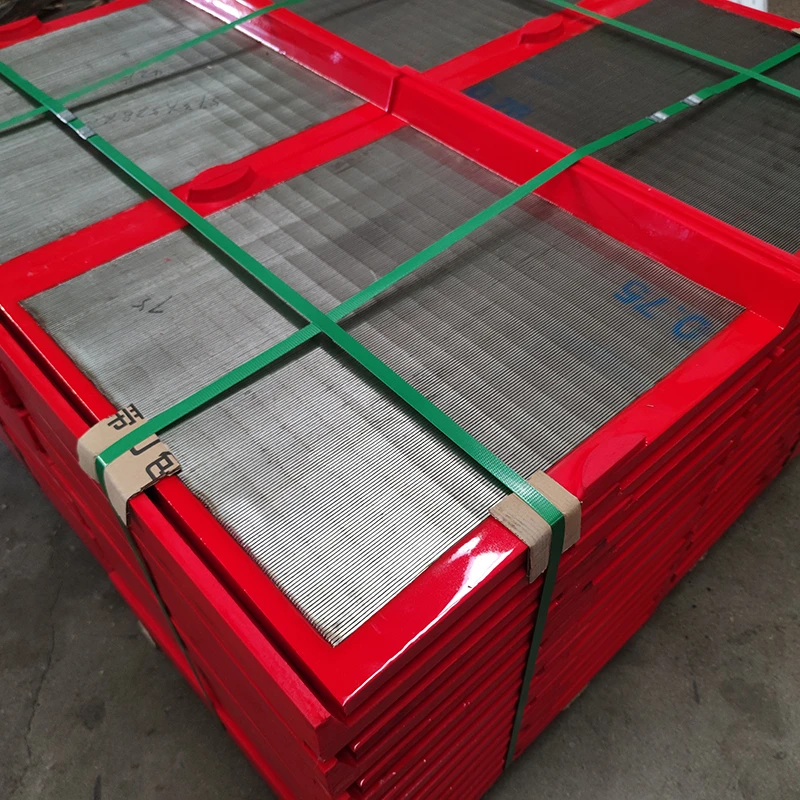
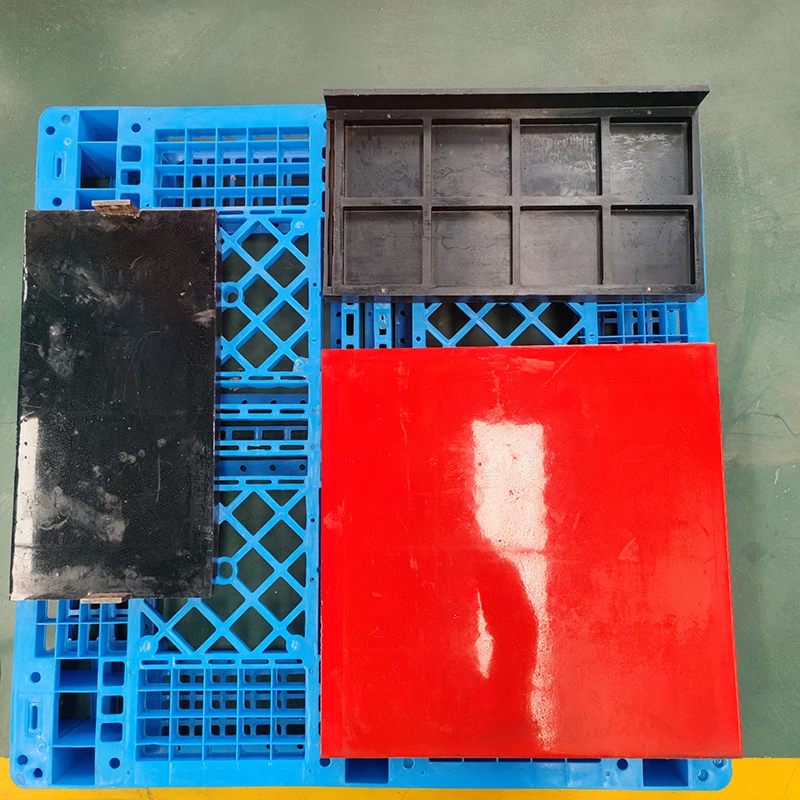
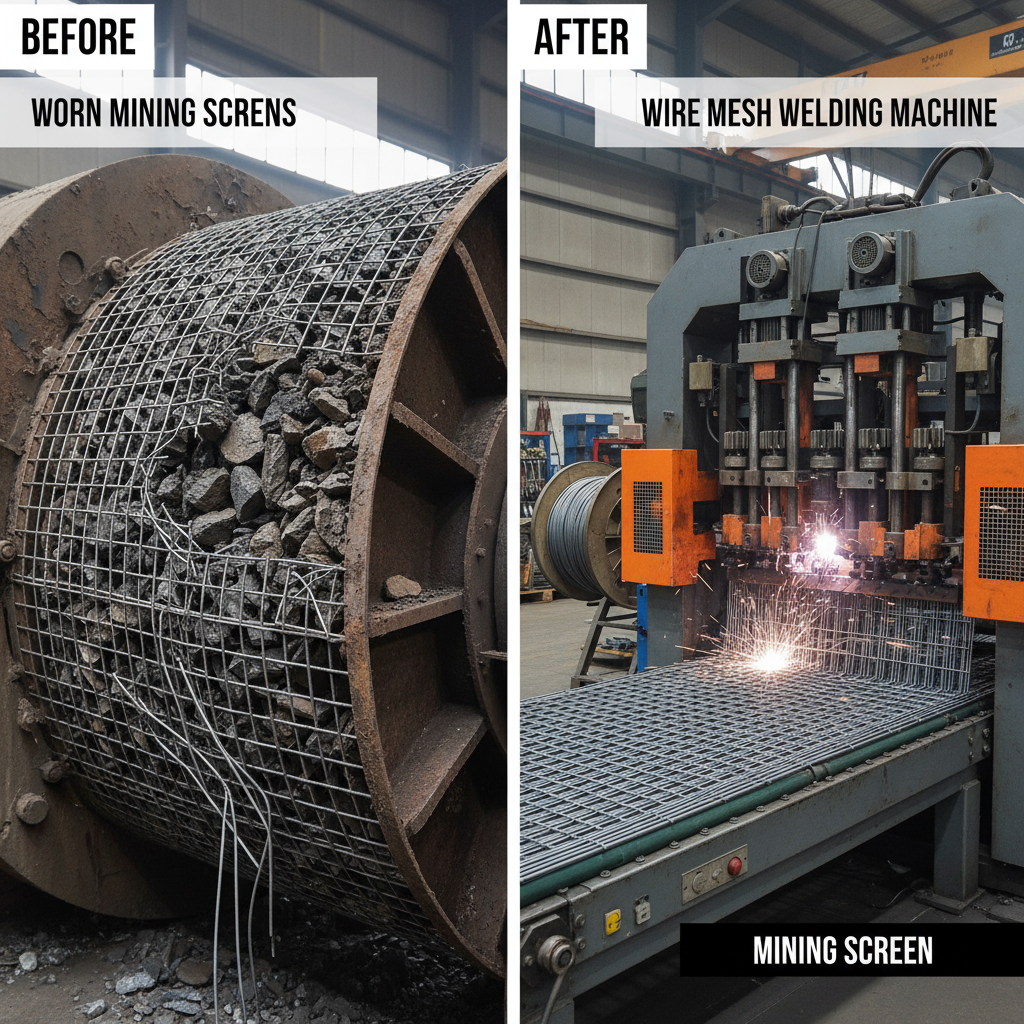
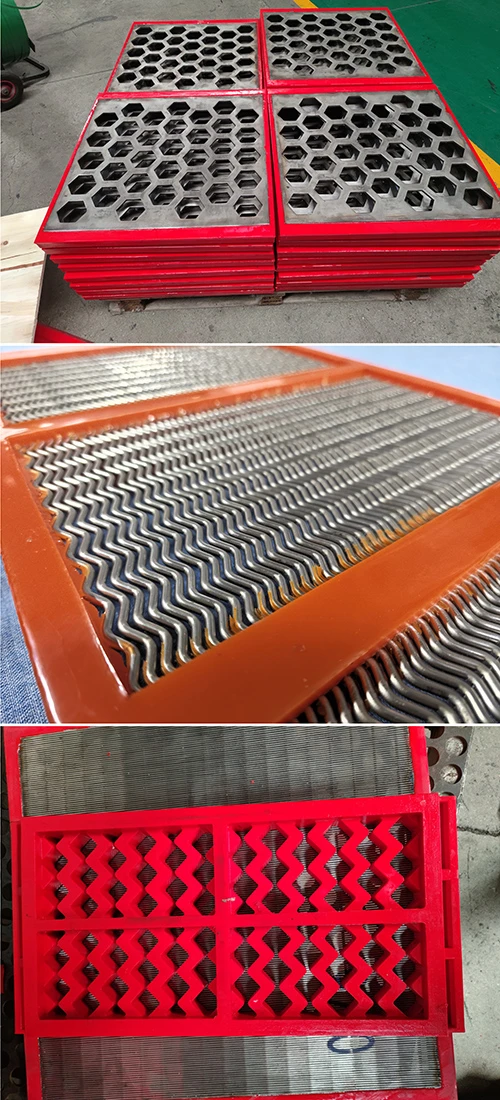
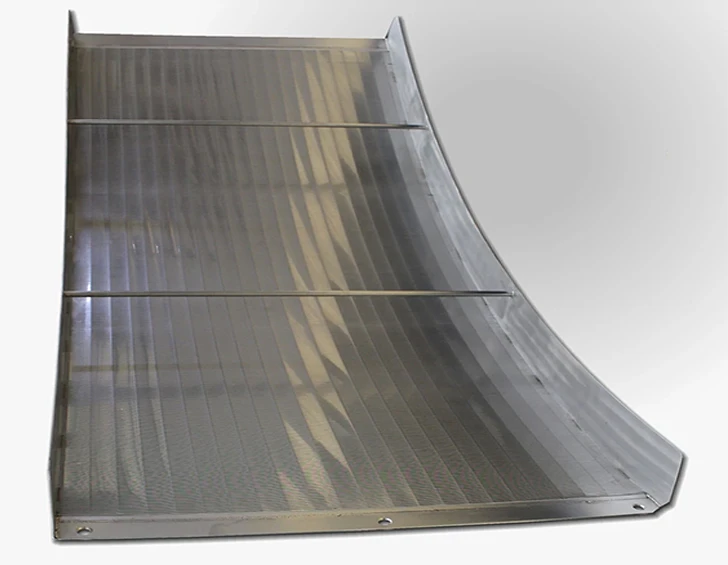
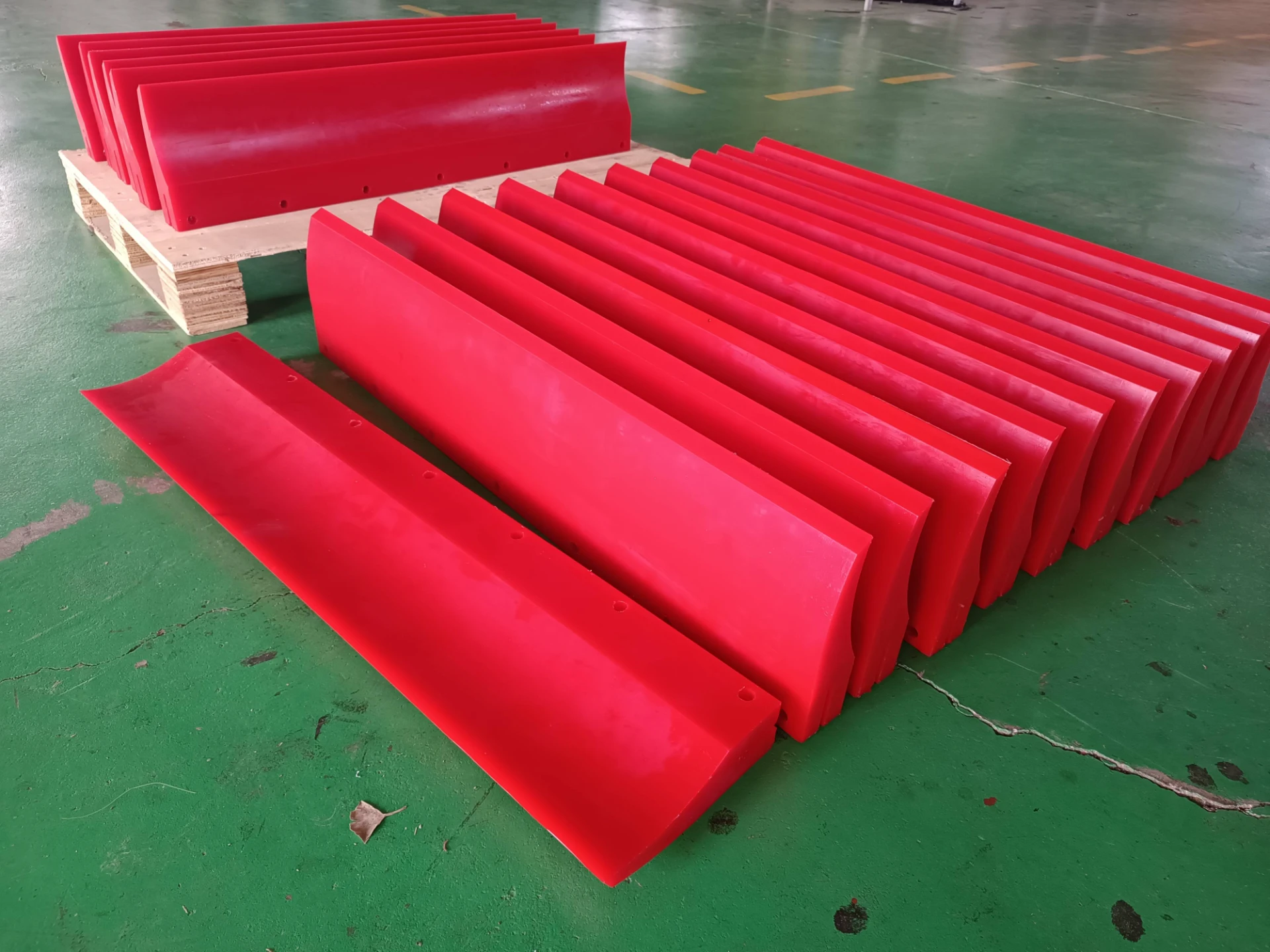
The screen surface itself is usually made from modular panels—wire mesh, polyurethane, or perforated steel. Durability matters, of course, because replacement is costly. Some designs allow quick swapping, a handy feature in tough working environments where uptime is gold.
2. Vibration Mechanism
Powered by an eccentric shaft or electromagnetic drives, the vibratory mechanism generates consistent linear motion that improves material flow. The amplitude and frequency can sometimes be adjusted to match different material characteristics.
3. Robust Frame & Springs
The frame holds everything together, while springs isolate the vibrations to the screen deck, preventing equipment damage and reducing noise—a detail that’s surprisingly important in urban or environmentally sensitive projects.
4. Feed & Discharge Chutes
How materials enter and leave the screen affects efficiency. Many modern linear motion vibrating screens come with customizable feed hoppers and adjustable discharge points to minimize material degradation and facilitate automation integration.
5. Scalability & Modularity
Advanced models are designed for easy expansion. For example, modular panels and adjustable frames mean plants can scale processing capacity as demand grows or change different screen sizes without overhauling the entire system.
Mini takeaway: A great linear motion vibrating screen doesn’t just vibrate; it incorporates smart engineering in components designed for durability, efficiency, and practical adaptability.
Real-World Applications Around the Globe
From bustling quarries in Australia to remote coal fields in Mongolia, the linear motion vibrating screen finds itself pressed into service daily. In Africa, mining initiatives use these screens to separate minerals essential for renewable energy technologies like lithium and cobalt. In Europe, waste recycling plants rely heavily on them to sort materials for repurposing, promoting circular economy principles set by the EU.
Even during humanitarian crises—say, after an earthquake in South Asia—mobile linear motion vibrating screens help clear rubble and salvage building materials, allowing quicker, safer reconstruction efforts. It’s a perfect example of how engineering serves not just industry but society.
Product Specification Table
| Specification | Typical Range / Feature |
|---|---|
| Screen Length | 1.0 m–6.0 m |
| Screen Width | 0.5 m–2.5 m |
| Vibration Frequency | 800–1200 RPM |
| Amplitude | 3–7 mm |
| Screen Deck Material | Polyurethane, Wire Mesh, Steel |
| Power Source | Electric Motor or Hydraulic Drive |
Comparing Leading Vendors in Linear Motion Vibrating Screens
| Vendor | Technology Highlights | Application Sectors | Typical Price Range |
|---|---|---|---|
| Mutoscreen | Modular screen decks, variable frequency drive | Mining, recycling, aggregates | $$$ |
| VibraTech Solutions | Electromagnetic drives, remote diagnostics | Coal processing, chemical industry | $$ |
| EcoScreen Systems | Energy-efficient motors, wear-resistant materials | Construction waste, biomass | $$$ |
Advantages and Long-Term Value of Linear Vibrating Screens
Frankly, the main benefits revolve around efficiency and reliability. A well-tuned linear motion vibrating screen:
- Maximizes throughput by maintaining an uninterrupted flow of materials.
- Reduces wear and tear through optimized vibration parameters, saving maintenance costs.
- Lowers energy consumption compared to some circular motion counterparts, contributing to sustainability goals.
- Provides improved material stratification, thereby increasing product quality downstream.
- Enhances operator safety by reducing dust and vibration transmission to the workplace.
On a human level, this means plant managers sleep better, workers incur fewer injuries, and communities benefit from cleaner, quieter operations. Progress in materials science leads to longer-lasting screen decks, reducing replacement downtime and material waste.
Emerging Trends in Technologies and Market Solutions
Digital transformation is creeping into the vibrating screen world, oddly enough. Sensors and IoT integration are enabling predictive maintenance, avoiding unexpected shutdowns—something engineers have wanted for years but only recently started realizing.
Meanwhile, manufacturers are experimenting with new composites and anti-corrosive coatings to increase durability, especially for industries working with acidic or abrasive materials.
And not to be overlooked: sustainability. Efficient screens that run on green energy or have energy recovery mechanisms are slowly becoming a market differentiator. The next decade could see linear motion vibrating screens that self-adjust in real-time for material variability—making operations even leaner.
Challenges and How Industry Is Addressing Them
Sure, no technology is perfect. Vibrating screens sometimes face issues like:
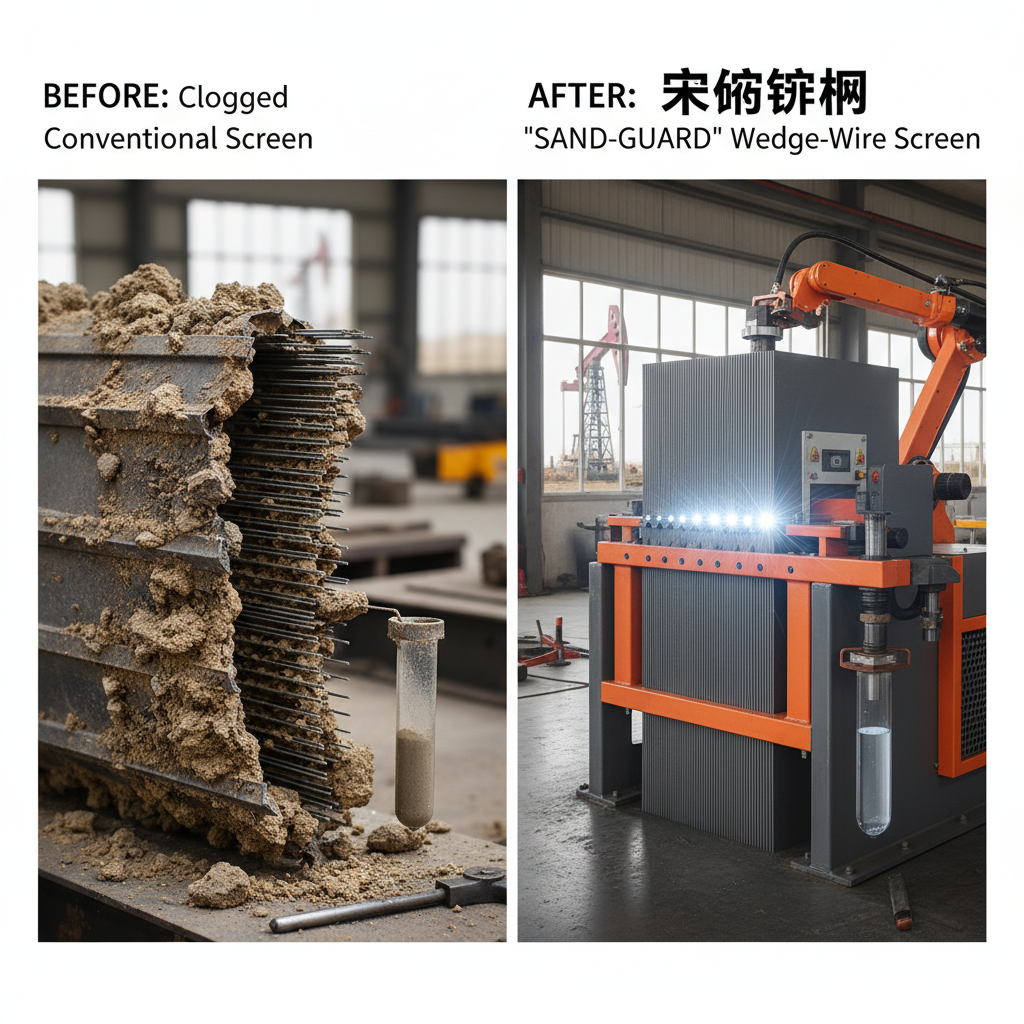
- Screen blinding/clogging when dealing with sticky materials
- Noise and vibration nuisance, especially near urban sites
- Wear and fatigue due to heavy loads and prolonged use
- Initial capital costs can be high for cutting-edge models
Experts advocate several solutions: incorporating anti-blinding screen surfaces, isolating vibration with advanced springs and dampers, using modular decks for quick repairs, and selecting suppliers offering strong after-sales technical support.
FAQs: What People Really Want to Know
Q1: How does a linear motion vibrating screen differ from a circular vibrating screen?
A1: The key difference lies in motion path: linear motion screens vibrate straight back and forth, enhancing forward material flow and sorting efficiency, whereas circular ones move in ellipses, lifting particles more. Linear screens are preferred for many coarse material applications due to throughput and reduced material damage.
Q2: Can the screen panels be replaced easily?
A2: Yes, many modern designs use modular decks that allow onsite removal and replacement, minimizing downtime. Materials range from polyurethane to steel mesh, chosen based on wear and material characteristics.
Q3: Are linear motion vibrating screens energy-intensive?
A3: Not necessarily. Compared to other types, linear motion screens often consume less power while maintaining efficiency. Newer models equipped with variable frequency drives optimize energy use further.
Q4: Can this technology be used for recycling applications?
A4: Absolutely. Recycling centers use linear vibrating screens to separate plastics, metals, and organics by size, supporting circular economy models and reducing landfill waste.
Wrapping Up: Why Invest in a Linear Motion Vibrating Screen?
At the end of the day, whether you’re managing a mine, a recycling plant, or supporting disaster recovery efforts, the linear motion vibrating screen proves itself over and over. It’s efficient, adaptable, and designed with long-term reliability in mind—which frankly accounts for billions of dollars in industrial throughput annually.
Intrigued? You’ll find detailed technical solutions and a great product lineup waiting for you at Mutoscreen’s linear motion vibrating screen page. Take a peek — efficiency might just become your new best friend.
Mini takeaway: Leveraging advances in materials, engineering, and technology, the humble vibrating screen keeps evolving, quietly shaping industries and lives worldwide.