Understanding the Sand Vibrating Screen: A Global Industrial Necessity
At first glance, the humble sand vibrating screen might seem like just another piece of machinery quietly humming on the factory floor. Yet, its role spans from ensuring construction quality to aiding vital mineral separation—touching everything from skyscrapers to water filtration systems around the globe. The truth is, understanding how these screens function isn’t just niche engineering jargon; it’s fundamental to many industries striving for efficiency, sustainability, and innovation.
Worldwide, the demand for construction aggregates and refined sand is booming—projected to grow by nearly 5% annually according to reports by the United Nations Environment Programme (UNEP). But a big challenge remains: how to sift through varying sand qualities fast, reliably, and with minimal waste? This is precisely the daily grind for the sand vibrating screen.
Why the Sand Vibrating Screen Matters Globally
The need for quality sorting in construction, mining, and even environmental remediation has never been greater. The World Bank reports that rapid urbanization drives massive infrastructure projects — demanding billions of tons of sand and gravel every year. To meet that, industries must maximize resource use while reducing environmental footprints.
Sand vibrating screens address a crucial bottleneck: efficiently separating sand grains by size to match exact specification requirements. Without this, materials risk being rejected, construction delays occur, or entire projects inflate in cost. On a humanitarian front, these screens also help filter sediments in water treatment plants, essential in improving drinking water quality across vulnerable regions.
Mini takeaway:
These vibrating screens aren’t just industrial tools; they’re enablers of global development, resource management, and even public health.
What Exactly Is a Sand Vibrating Screen?
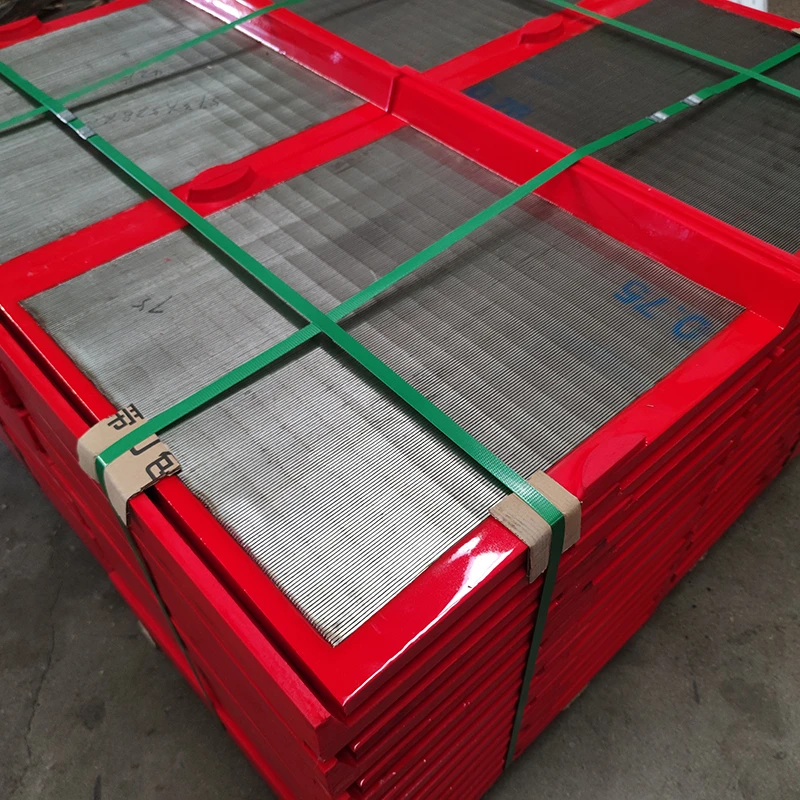
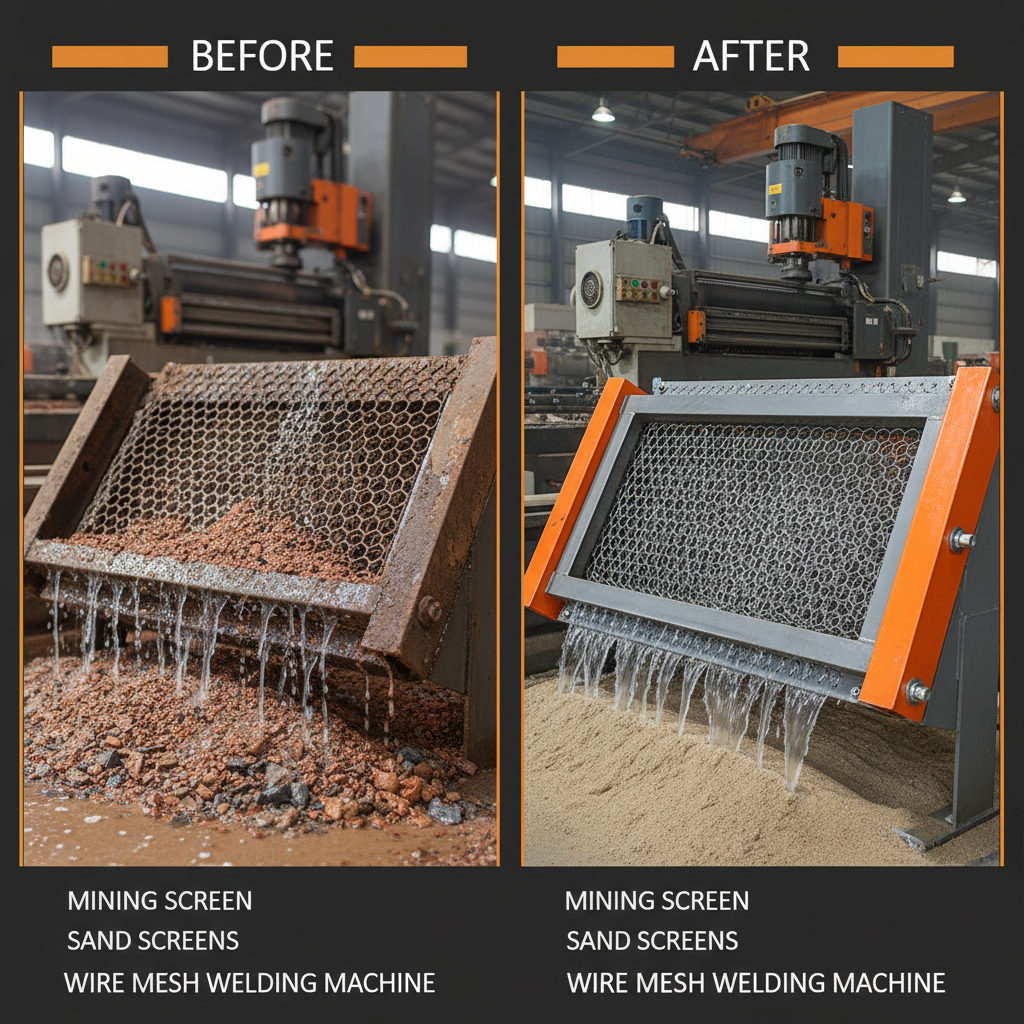
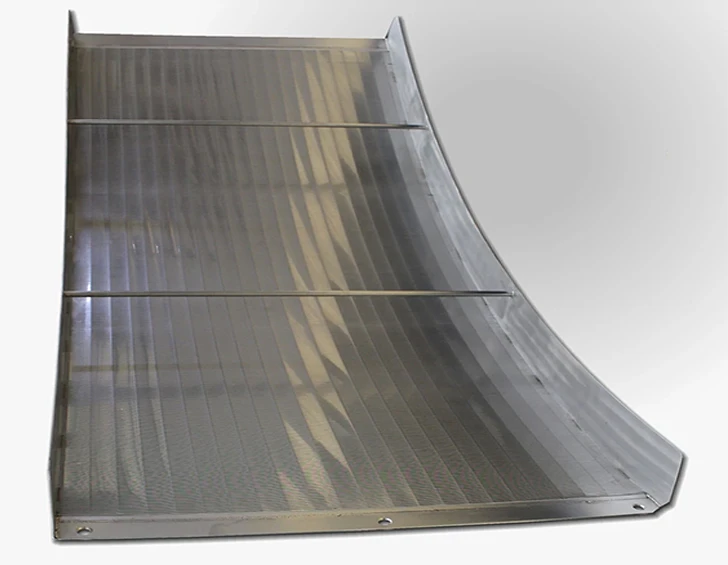
Put simply, a sand vibrating screen is a mechanical separator designed to sort sand particles by diameter using vibration energy. It consists of a screening surface (mesh or perforated plates) that shakes at a controlled frequency, allowing smaller particles to fall through while larger ones pass on for further processing.
Think of it like a very precise sieve but turbocharged — powered by electric motors or electromagnetic exciters generating rapid shaking motions. This facilitates quicker separation rates and prevents clogging even with moist or fine materials.
Industries today rely on these screens for everything from raw mineral processing to producing construction-grade sand that meets ISO standards for safety and performance.
Mini takeaway:
It’s an elegant machine that blends simple physics and modern engineering to meet exacting industrial standards.
Essential Components and Factors in Sand Vibrating Screens
1. Durability and Material Quality
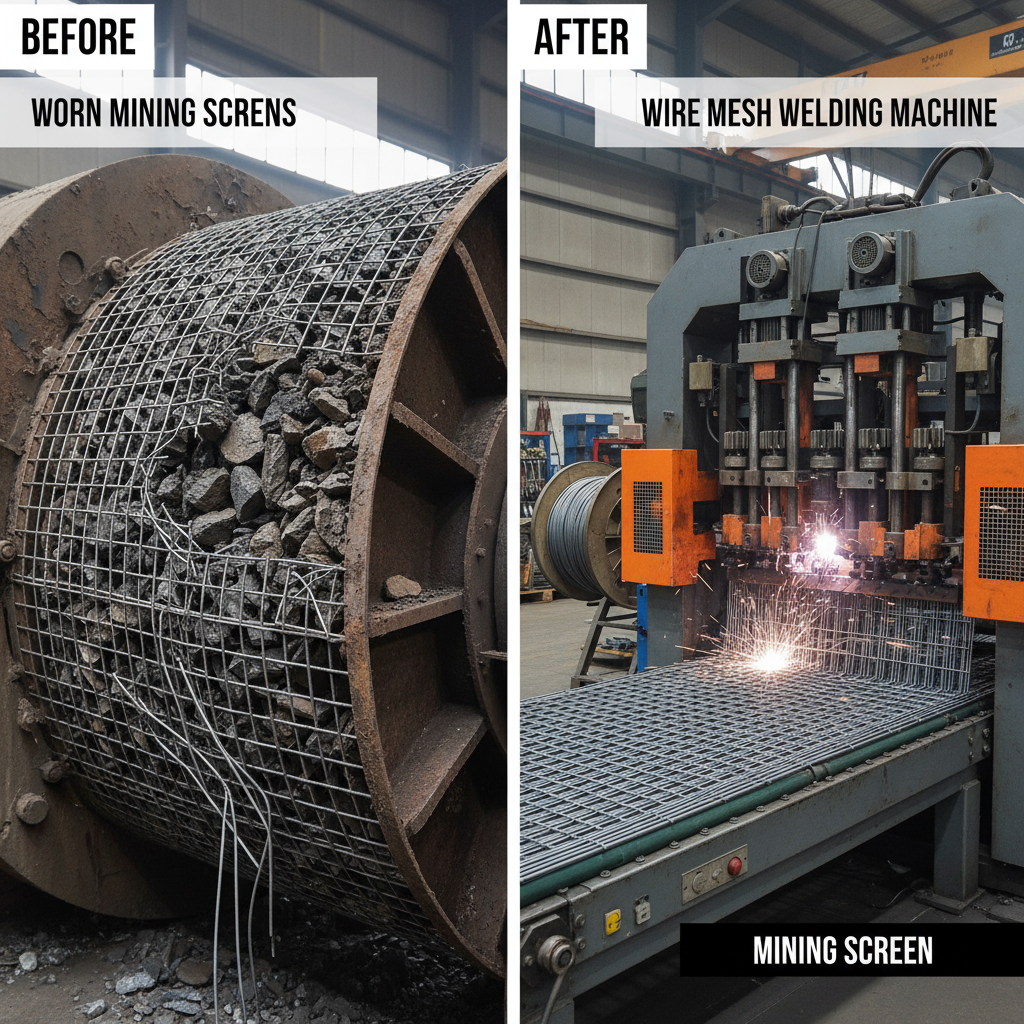
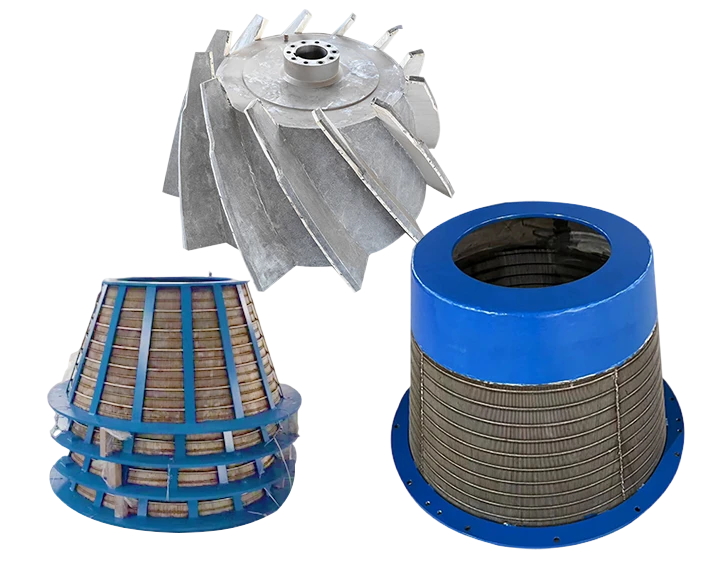
Many engineers stress that the frame and screening mesh must withstand abrasive sand, constant vibration, and harsh outdoor conditions without degrading quickly. Typically, wear-resistant alloys or treated steel provide the best longevity.
2. Vibration Frequency & Amplitude
Adjusting how fast and how hard the screen shakes determines particle separation efficiency. Fine sands require higher frequencies but low amplitude. Coarser materials flip that. The right balance prevents material buildup and extends mesh life.
3. Screening Surface & Mesh Size
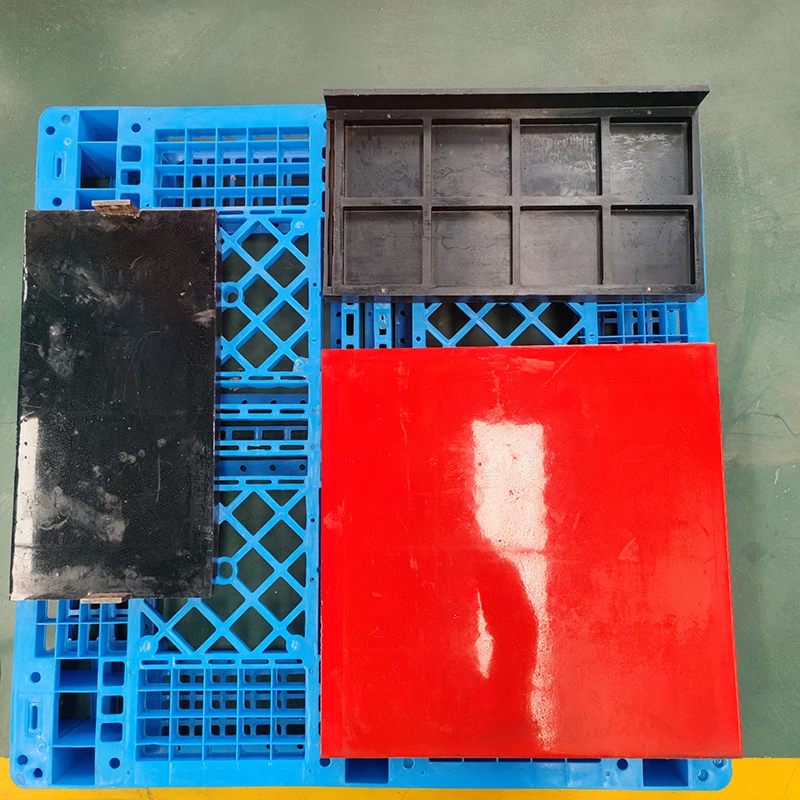
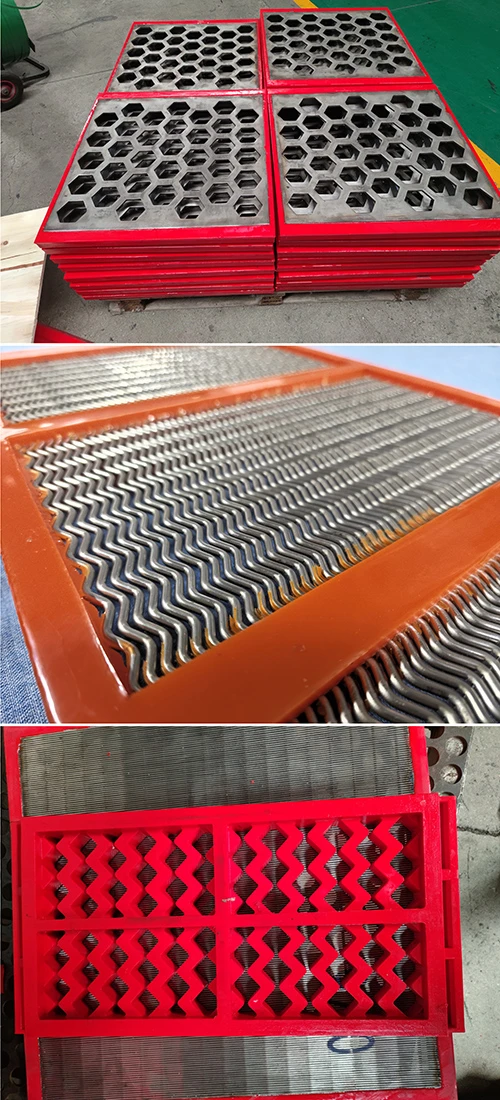
From 0.1mm openings to several millimeters, the mesh size customizes product output quality. Innovations in polyurethane or modular screen panels now allow quicker mesh swaps without disassembling the whole system.
4. Scalability & Throughput Capacity
Depending on the operation—whether it’s a remote mining outpost or a large urban plant—the size of the vibrating screen varies. Some models cater to hundreds of tons per hour, others to just a few.
5. Energy Efficiency
With global pressures on sustainability, screens featuring optimized motor designs and power usage prove advantageous, sometimes including regenerative braking or variable frequency drives.
Mini takeaway:
These core elements come together to tailor sand vibrating screens for a variety of real-world applications, enhancing both performance and cost-effectiveness.
Global Usage: Where and Who Benefits?
Sand vibrating screens have proven indispensable across continents. For instance:
- Mining operations in Africa and Australia rely heavily on these screens to separate valuable minerals and reduce waste.
- Construction mega-projects in Asia employ them to produce precise sand gradation essential for high-strength concrete.
- Environmental agencies across Europe utilize screens to filter riverbed sediments, improving water quality after floods or industrial spills.
- In post-disaster relief contexts, portable vibrating screens help clear contaminated soil and debris, enabling safer rebuilding activities.
Such widespread use underscores the screens’ versatility and vital role in today’s complex supply chains.
Mini takeaway:
From dense cities to remote mines, their application breadth is remarkable and keeps expanding.
Advantages and Long-Term Value of Using Sand Vibrating Screens
- Cost Efficiency: By achieving accurate and faster separation, these screens reduce reworking and waste disposal costs.
- Sustainability: Less material waste means a smaller environmental footprint and better resource stewardship.
- Reliability and Reduced Downtime: Modern designs minimize clogging and wear, boosting operational uptime.
- Social Impact: Cleaner materials and safer construction methods contribute to healthier communities.
Plus, the intangible benefits like innovation trust, safety reassurance, and craftsmanship pride shouldn’t be overlooked. People often forget a well-functioning screen can be a linchpin of entire projects.
Product Specification Table
| Feature | Specification | Notes |
|---|---|---|
| Screening Area | 1.5 – 12 m² | Varies by model; modular design available |
| Vibrating Frequency | 750 – 3000 rpm | Adjustable based on material |
| Mesh Size Range | 0.074 – 10 mm | Fine to coarse screening |
| Motor Power | 3 – 15 kW | Energy efficient options available |
| Weight | 500 – 3500 kg | Depends on size and material |
Vendor Comparison: Leading Sand Vibrating Screen Manufacturers
| Vendor | Key Strengths | Unique Features | Price Range |
|---|---|---|---|
| MutoScreen Co. | Robust designs, global presence | Modular panels, quick mesh change | $$$ |
| VibraTech Ltd. | High-frequency specialized screens | Energy-saving motors | $$ |
| Global Screens Inc. | Large-scale industrial solutions | Custom sizes, remote control | $$$$ |
Looking Ahead: Future Trends in Sand Vibrating Screens
The future feels increasingly digital and green. Automated control systems that adjust vibration parameters in real-time using sensors—and AI guidance—are already on the horizon. Not only does this boost efficiency, but it reduces human error and improves consistency.
Then there’s the push for smarter materials. For example, self-cleaning screen surfaces or nanocoatings to minimise abrasion. Energy consumption improvements continue too—especially with solar-powered or hybrid models in remote locations.
This evolution aligns with the United Nations Sustainable Development Goals (UN SDGs) targeting cleaner industry and infrastructure.
Challenges Faced and Innovative Solutions
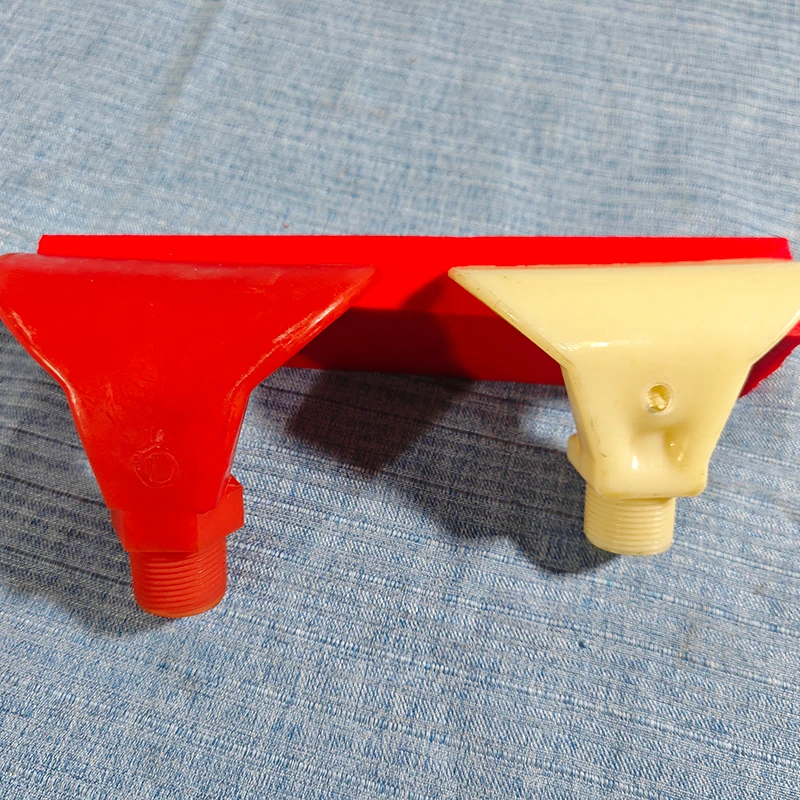
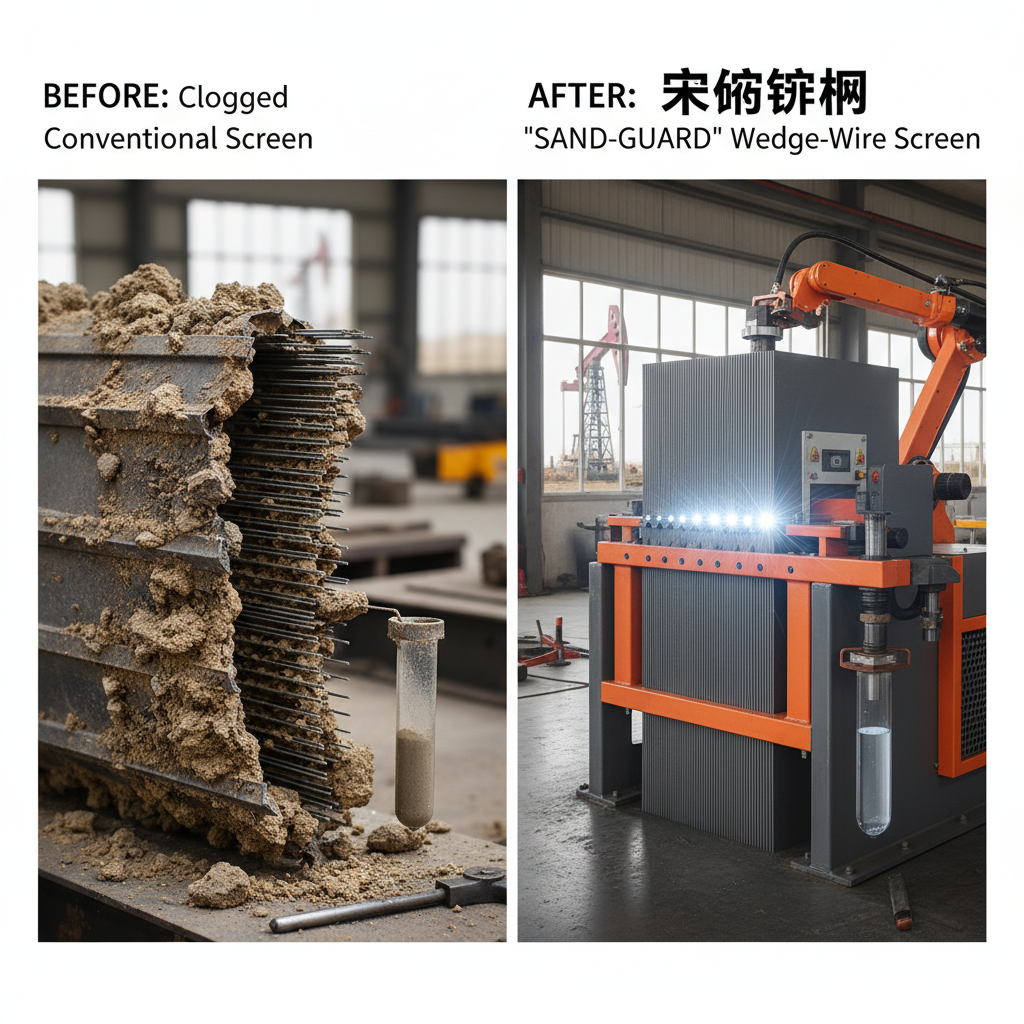
Of course, no system is perfect. One stubborn problem is clogging, especially with moist or fine sands. Many operators switch to ultrasonic vibration boosters or water sprays to combat this — albeit at extra cost and complexity.
Another challenge is customizing machines quickly for varied applications. Here, modular designs are a lifesaver, allowing rapid mesh changes and adjustments without full downtime.
Frequently Asked Questions About Sand Vibrating Screens
- How does a sand vibrating screen improve material quality?
- By separating particles precisely by size, the screen ensures that the output sand meets specific standards, reducing impurities. This enhances the consistency and strength of concrete or other products made with the sand.
- What maintenance is required for vibrating screens?
- Regular checks for mesh wear, motor health, and frame integrity are essential. Cleaning to prevent clogging and timely replacement of worn parts help maintain peak performance.
- Are sand vibrating screens energy-intensive?
- While they consume electricity, newer models feature energy-efficient motors and drive systems, reducing overall power use compared to older units.
- Can these screens handle wet sand?
- Yes, but wet sand requires special mesh materials and sometimes additional features like water sprays or ultrasonic assistance to prevent clogging.
- What sizes of sand vibrating screens are available?
- They range from small portable units suited for on-site sorting (under 2 m²) to massive industrial screens exceeding 10 m² screening surfaces, depending on throughput needs.
Conclusion: A Worthwhile Investment for the Future
In closing, the sand vibrating screen stands as a quietly indispensable part of global industry. Its blend of precision, durability, and adaptability solves complex materials handling challenges, feeding everything from economic growth to sustainable development. If you’re in mining, construction, or water treatment, understanding and leveraging these systems can save costs, enhance output quality, and even advance social good along the way.
For those intrigued (or in the market!), do visit sand vibrating screen specialists who offer a broad range of models to fit your project’s unique needs. Sometimes, technology closest to the ground makes the biggest difference.
Final thought:
Machines like these remind you that progress may be about the small, vibrating steps – but they ripple globally.