Vibrating Rock Screen: A Quiet Revolution in Screening Technology
If you’ve ever stood near a busy quarry or a mining site, you might have noticed a distinctive humming or vibrating sound as rocks and gravel tumble over a mesh screen. That’s the vibrating rock screen at work — a machine playing an unsung but vital role in separating, sorting, and sizing rock materials. While it sounds simple enough, the technology behind it impacts industries spanning construction, mining, environmental management, and even humanitarian aid worldwide.
Understanding vibrating rock screens is surprisingly important given the sheer volume of rock and aggregate consumed globally—cement production alone accounts for billions of tons annually per data from the International Energy Agency. The efficiency and precision that screening technology brings help lower costs, reduce waste, and improve material quality. So yeah, it truly matters.
Why Vibrating Rock Screens Matter on the Global Stage
The global extraction and processing of rock and minerals is a trillion-dollar business, slated to grow steadily with infrastructure development and urbanization. According to the UN Environment Programme, construction materials generate vast amounts of waste, and optimizing the screening process through efficient vibrating screens can dramatically reduce inefficiencies and environmental burdens.
Yet, challenges like uneven material flow, mesh clogging, and energy consumption create headaches for operators. Enter vibrating rock screens, which improve throughput and material classification substantially, addressing several of these concerns. The ripple effect? Better resource management, lower emissions, and improved safety on-site.
So, What Exactly Is a Vibrating Rock Screen?
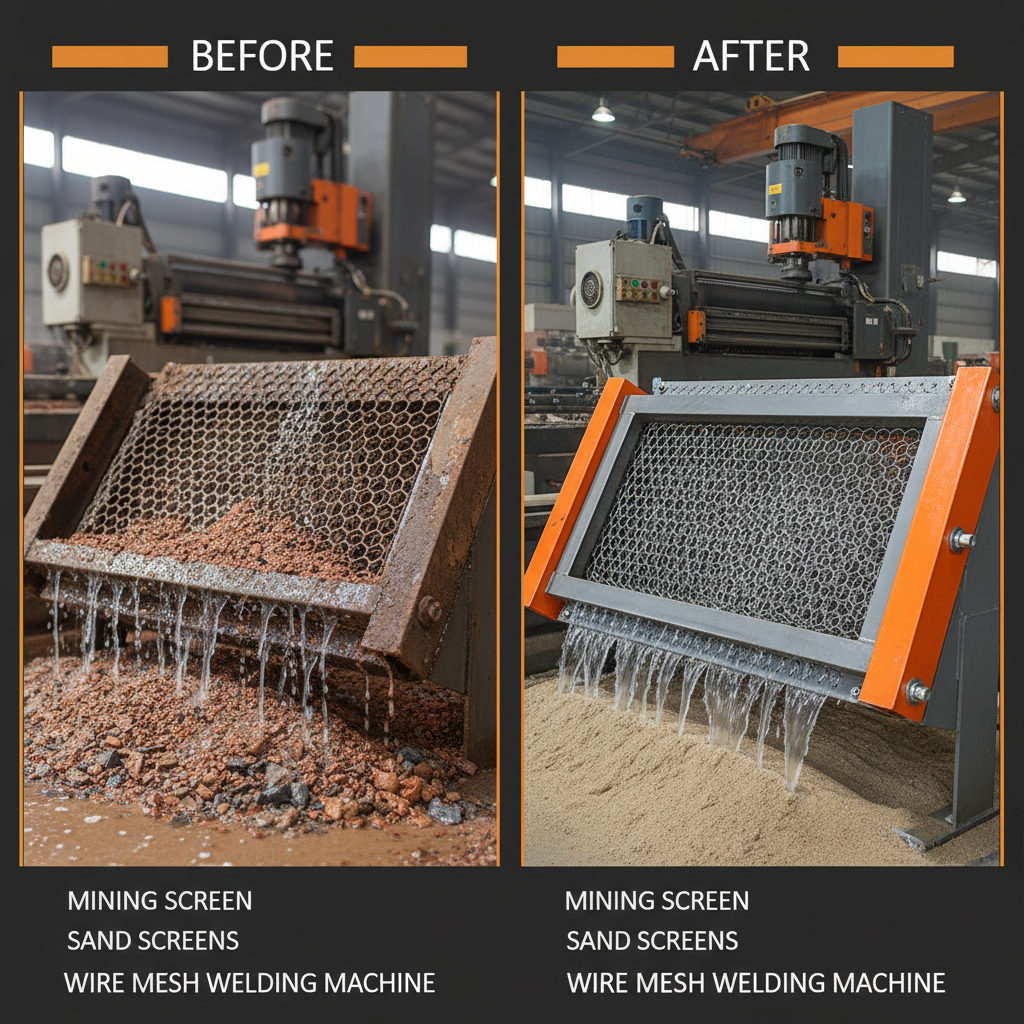
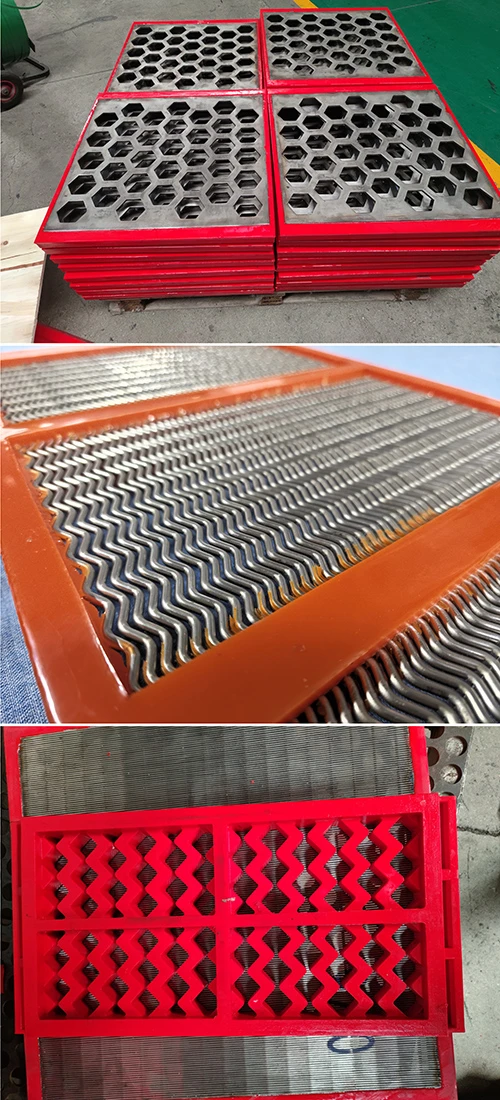
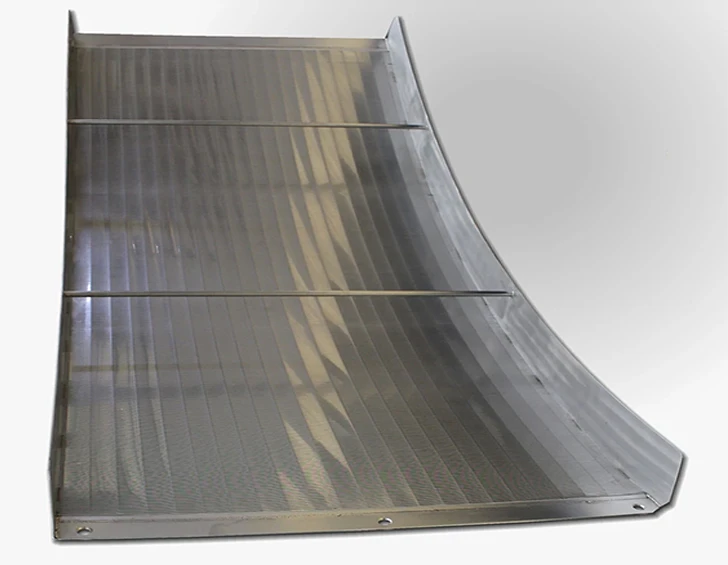
In straightforward terms, a vibrating rock screen is a mechanical device that separates rocks and other materials by size or type using vibrations. The materials are fed onto a screen surface—usually made of wire mesh or perforated metal—and the vibrating action shakes the material, allowing smaller particles to pass through while larger pieces travel along the screen. It’s like sifting beach sand for shells but on a heavy-duty industrial scale.
Modern vibrating rock screens are highly configurable—adjustable amplitude, frequency, and screen deck angles enable precise sorting tailored to diverse materials. This capability is critical in industries requiring consistent product size—like concrete batching or mineral sorting—and even plays a role in humanitarian scenarios, such as quickly processing debris after natural disasters.
Key Components of a Vibrating Rock Screen
Durability and Materials
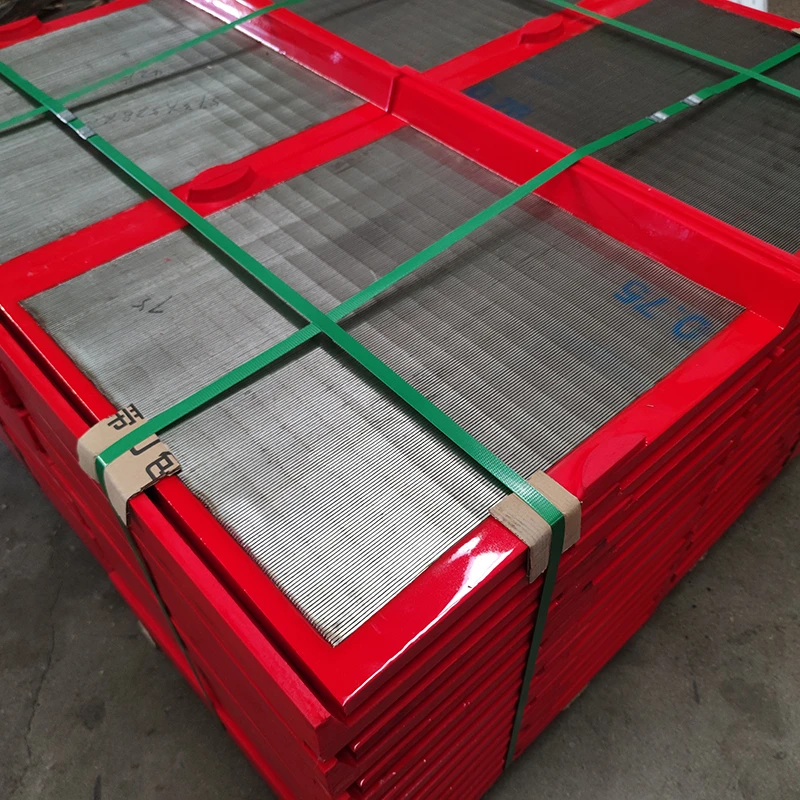
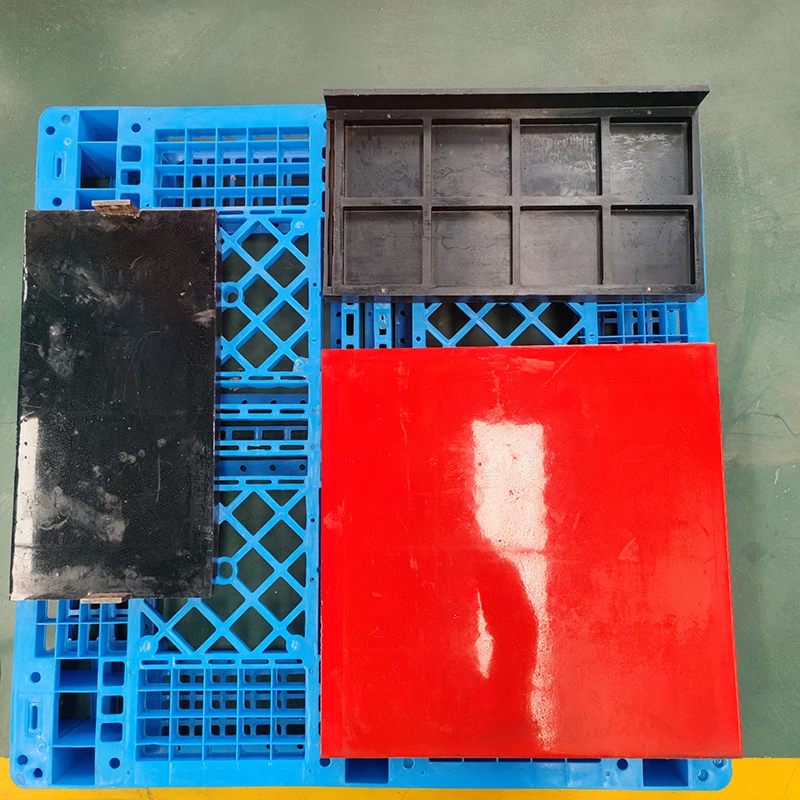
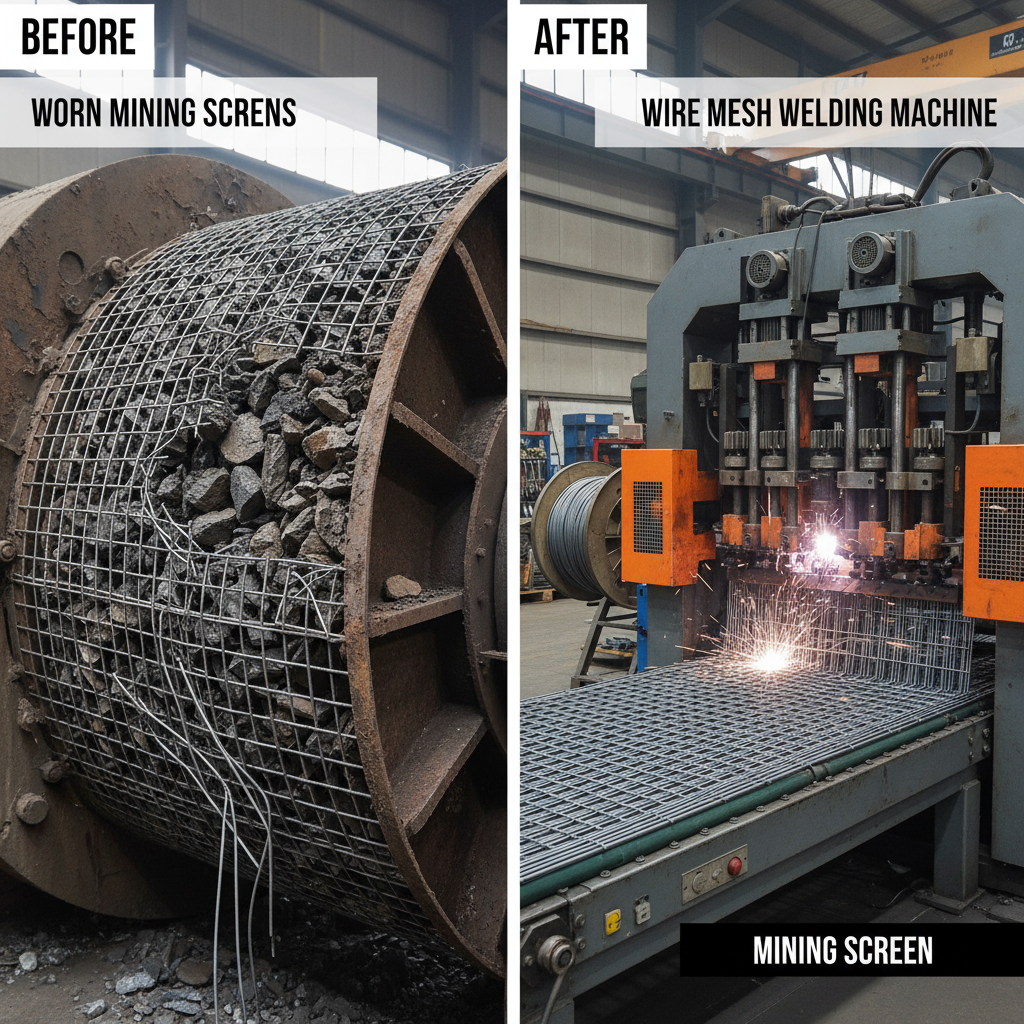
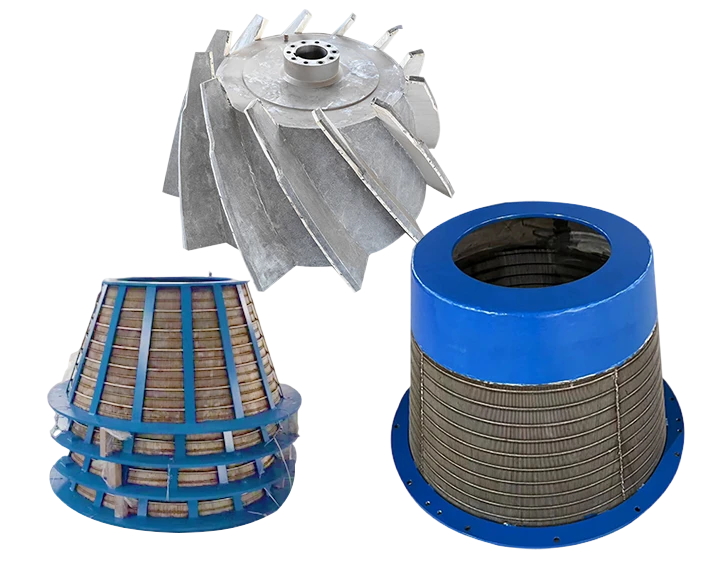
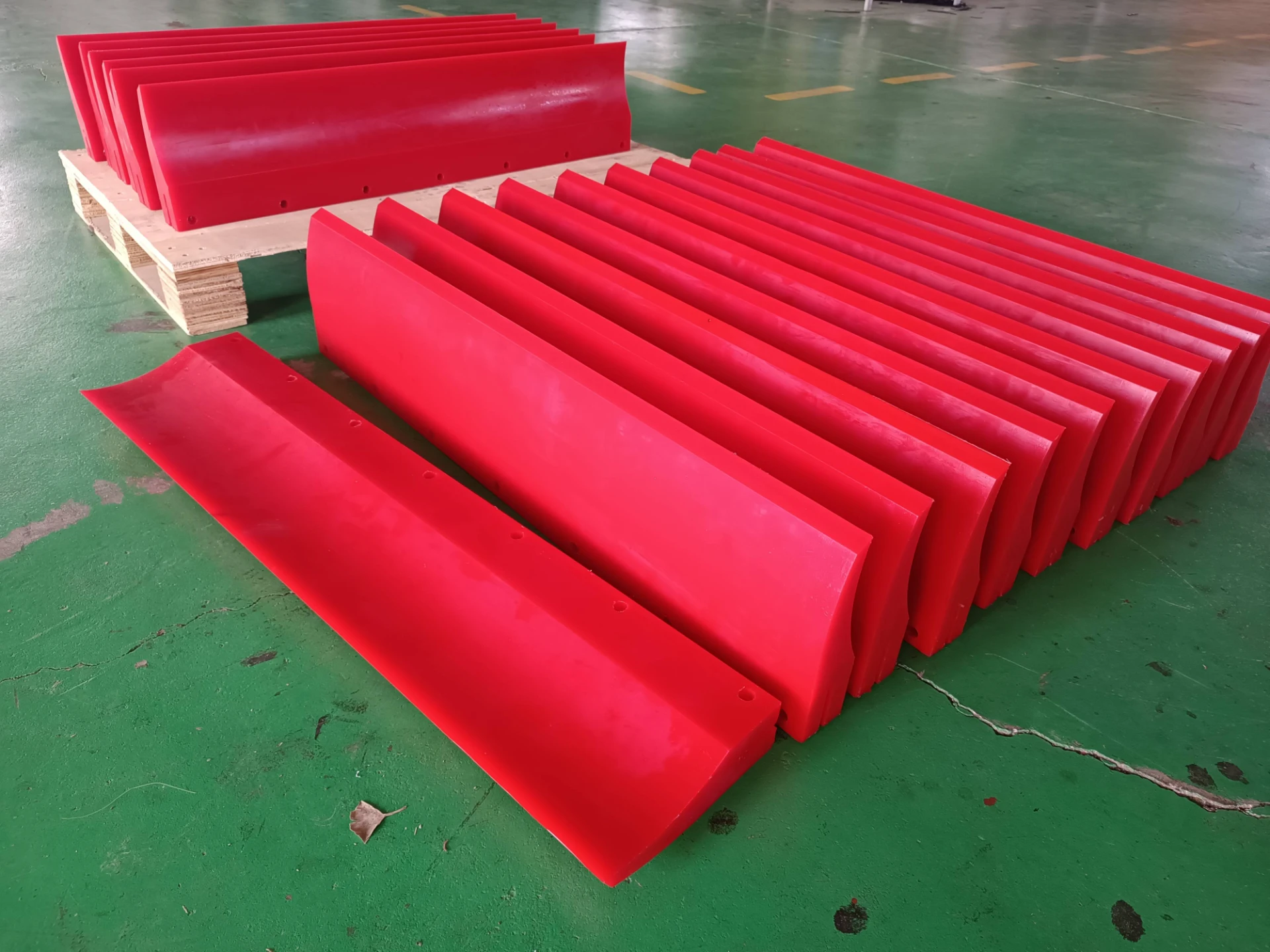
Rock screening is a harsh task. Screens and frames must withstand abrasion, load shock, and weather extremes. That’s why manufacturers often use heavy-gauge steel and abrasion-resistant elastomers in key wear zones. The deck mesh varies by application: steel wire for general purposes, polyurethane or ceramic for longer life and finer grading.
Drive Motors and Vibration Generation
The heart of the system is usually an unbalanced shaft or dual vibration motors creating linear or circular movement. Frequency (vibrations per second) and amplitude (movement degree) are finely controlled to balance throughput with accurate separation.
Screen Configurations and Decks
From single to multi-deck units, configurations depend on target output and material characteristics. Multiple decks with varying mesh sizes allow stepwise separation, ideal for aggregates and recycled materials.
Scalability and Modular Design
Modern vibrating rock screens range from compact, portable versions for small-scale construction to massive stationary units used in mining. Modular designs facilitate easier maintenance and redeployment in different sites — a practical necessity.
Energy Efficiency
With energy costs rising and sustainability becoming a centerpiece of operations, manufacturers focus on optimizing vibration drives and reducing idle power consumption. Some units even integrate variable frequency drives (VFDs) to match vibration intensity with workload.
The Wide World of Vibrating Rock Screen Applications
These screens show up everywhere — from mountainous mines in South America to remote construction projects in Southeast Asia. Key industries including:
- Mining: Separating ore sizes to optimize downstream processing.
- Construction: Producing graded aggregates and sand.
- Recycling: Sorting demolition debris.
- Environmental Management: Screening contaminated soil or waste materials.
- Disaster Relief: In post-flood or earthquake zones, they help clear rubble rapidly to enable rebuilding.
For example, after the 2015 Nepal earthquake, mobile vibrating rock screens were used to handle debris onsite, accelerating recovery efforts. In regions like Australia’s Pilbara mining area, they are integral to processing billions of tons of iron ore annually.
Practical Specification of a Typical Vibrating Rock Screen
| Feature | Details |
|---|---|
| Screen Size | 1.2m x 3.0m (4 ft x 10 ft) |
| Vibration Frequency | 850 RPM adjustable |
| Amplitude | Up to 4 mm |
| Number of Decks | Single or double deck options |
| Material | Carbon steel frame, polyurethane mesh |
| Power Input | 7.5 kW electric motor |
| Capacity | Up to 200 tons per hour |
| Weight | 1,800 kg (3,960 lbs) |
Comparing Vibrating Rock Screen Vendors: A Quick Overview
| Brand | Specialty | Typical Applications | Price Range (USD) | Warranty |
|---|---|---|---|---|
| Mutoscreen Technologies | Modular, portable vibrating rock screen | Mining, disaster relief, construction | $25,000 - $70,000 | 2 years |
| RockMax Solutions | Heavy-duty stationary screener | Mining, large quarry sites | $45,000 - $120,000 | 3 years |
| EcoScreen Inc. | Energy-efficient screening equipment | Recycling, environmental projects | $30,000 - $80,000 | 1 year |
The Advantages and Lasting Impact of Vibrating Rock Screens
The benefits go beyond just sorting rocks. Efficient vibrating rock screens can reduce operating costs by minimizing material reprocessing and lowering fuel consumption on conveyors. They improve material quality consistency, essential for things like concrete strength and roadbed stability.
Environmentally, by improving screening accuracy, they help reduce waste piles and enable more effective recycling, giving a green tint to heavy industries. Safety is another win — fewer manual sorting tasks means less worker exposure to dust, noise, and heavy machinery.
On the emotional side, these machines enable faster project completion, supporting infrastructure development that communities rely on for education, health access, and economic opportunities. So, there’s kind of a dignity and trust factor built into their use.
What’s Next? Future Trends and Innovations
Manufacturers are exploring smart sensors integrated into vibrating rock screens to monitor wear, material flow, and even predict maintenance needs automatically. This Industry 4.0 approach improves uptime and reduces costly downtime surprises.
Materials science advances include ultra-durable composites and ceramics for screens that last years longer without needing replacement — good news for reducing landfill waste and operational budgets.
Finally, trends toward electrification and greener power sources mean future vibrating screens may run on hybrid or solar-powered systems, especially in off-grid locations.
Challenges Today and How Smart Solutions Are Closing Gaps
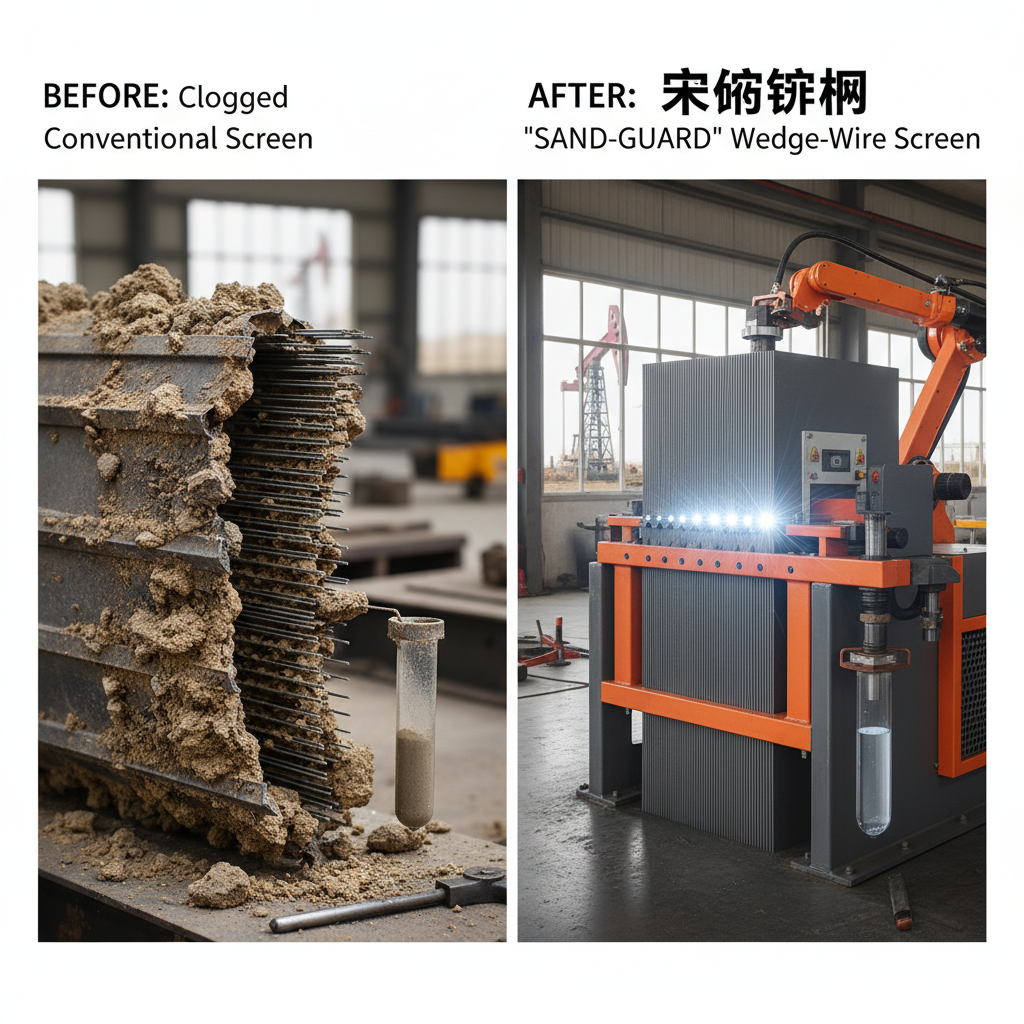
Of course, no technology is perfect. Vibrating rock screens face challenges like > clogging from sticky materials, noise pollution near urban sites, occasional uneven feed rates causing overloading, and upfront equipment costs.
Innovations like variable frequency drives, anti-clogging mesh coatings, and noise dampening enclosures are helping ease these issues. Plus, operator training and modular designs simplify troubleshooting and maintenance — because frankly, downtime can be an expensive headache.
FAQ: Your Questions on Vibrating Rock Screens Answered
- How is the vibration frequency tuned for different rock sizes?
- Vibration frequency and amplitude are adjusted based on feed material characteristics and desired separation size. Lighter, smaller particles require higher frequencies and lower amplitudes, whereas heavier materials work best with coarser settings to prevent clogging.
- Can vibrating rock screens handle wet or sticky materials?
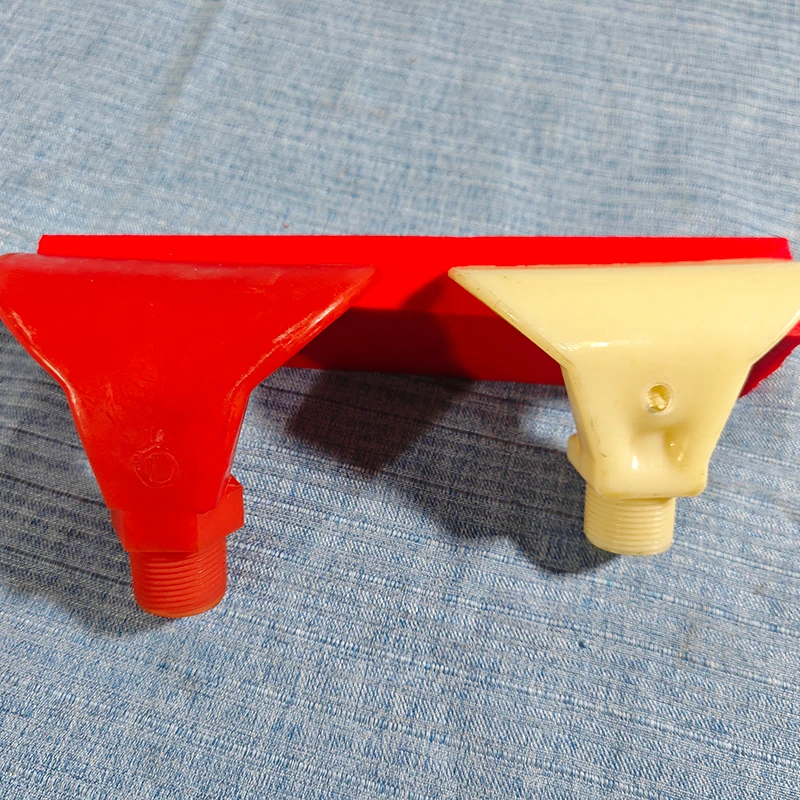
- Yes, but wet or clay-rich materials can cause clogging. Screens with polyurethane decks, self-cleaning mechanisms, or spray bars for flushing are recommended in such situations to maintain efficiency.
- What maintenance is needed to keep screens running smoothly?
- Routine inspections focus on wear parts like mesh decks, motor bearings, and drive components. Lubrication, mesh tension checks, and vibration motor balance are typical maintenance to avoid unexpected breakdowns.
- Are portable vibrating rock screens good for emergency disaster relief?
- Absolutely. Their modular construction, ease of transport, and rapid deployment make them ideal for debris processing in difficult-to-access disaster sites, speeding up recovery efforts.
- How energy intensive are vibrating rock screens?
- The power consumption varies but modern units with VFDs can optimize energy use depending on load, often consuming as little as 5-10 kW for medium-sized units, which is relatively efficient for industrial equipment.
Wrapping Up: The Long-Term Value of Vibrating Rock Screens
In a nutshell, vibrating rock screens are quietly reshaping how industries across the globe handle rock and aggregate materials. From boosting productivity and lowering environmental impact to helping communities recover faster after disasters, their value is multi-dimensional and long-lasting.
If you’re considering upgrading or investing in vibrating rock screen technology, visit our website to explore a range of options tailored to your needs. After all, the right screen size and specs could be the difference between a smooth-running project and an operational headache.