Efficient Horizontal Vibrating Screens for Industrial & Humanitarian Applications | MutoScreen
What Exactly Is a Horizontal Vibrating Screen and Why Should You Care?
In the ever-evolving world of industrial processing, the humble horizontal vibrating screen quietly powers numerous operations around the globe. It’s one of those essential workhorses that rarely get the limelight but play a crucial role in sorting, grading, and filtering raw materials—from mining to food production. Why is this so important? Because effective screening can save companies time, reduce waste, and significantly improve product quality. On a global scale, understanding these machines helps industries optimize output, reduce energy consumption, and even safeguard the environment by minimizing contaminants.
To put it simply, getting the screen right means things run smoother downstream—saving money, reducing delays, and sometimes even lives when you think about applications like disaster relief or clean water filtration. Let's dive in.
Introduction: Horizontal Vibrating Screens in Today's Global Industry
Among all industrial equipment, the usage of vibrating screens is projected to grow as mining, construction, and recycling sectors expand robustly worldwide. According to the United Nations' Industrial Development Organization, mineral processing activities alone have increased by nearly 5% annually over the past decade, demanding more efficient screening technologies. Yet, one big challenge remains: how to efficiently separate bulk materials that vary wildly in size and moisture content without clogging or excessive wear.
This is especially true in regions like Southeast Asia and Africa, where infrastructure is still developing but raw materials are abundant. Horizontal vibrating screens address this by providing steady, even screening with less maintenance downtime. The benefit? Faster production cycles, less environmental footprint from wasted materials, and better job site safety by reducing dust exposure.
Understanding the Horizontal Vibrating Screen — A Simple Definition
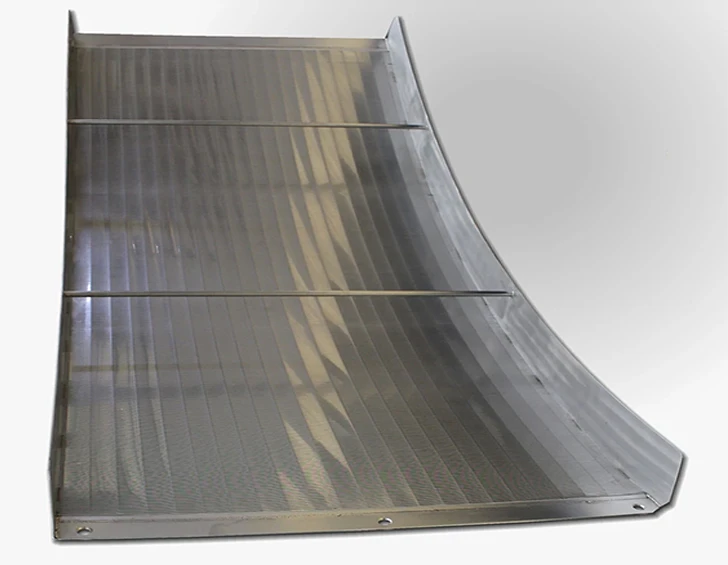
So what is a horizontal vibrating screen, really? Plainly put, it’s a sieving equipment where the screen deck is oriented almost perfectly flat — hence “horizontal.” It uses vibration to move material forward and through a fine mesh or perforated surface. The vibrating mechanism might be electromagnetic or driven by motors and eccentric shafts, creating a gentle shaking motion that sorts particles by size.
Think of it like shaking a sieve gently so finer grains pass through while larger bits slide off; except here, it’s on a larger industrial scale. What makes these screens so valuable in humanitarian and industrial contexts is their predictability and efficiency, helping centralize processes like ore sorting, waste recycling, or even sorting aggregates for construction materials.
Key Factors to Consider When Choosing a Horizontal Vibrating Screen
Durability and Build Quality
Materials go through a brutal pounding—long operational hours, abrasive content, and sometimes moisture. A robust frame and corrosion-resistant screen surfaces like abrasion-resistant steel are paramount. Many engineers say a screen built tough today can save weeks in downtime tomorrow.
Screen Deck Size & Scalability
Scalability is crucial. From small batch testing units to massive sorting lines hundreds of square meters in size, availability of the right screen size matters. Some manufacturers offer modular decks that can be expanded as output needs grow—a real plus in a tightening economy.
Energy Consumption
One might underestimate how much power these machines draw, especially at large scales. Modern horizontal vibrating screens incorporate energy-saving motors and optimized vibration frequencies to reduce operational costs.
Maintenance & Accessibility
I've noticed in field visits how frequent maintenance kills productivity. Models designed for easy screen replacement, quick motor servicing, and simple cleaning routines win the day. Also, some vendors offer diagnostic sensors to predict failures before they happen.
Screening Efficiency & Output Quality
At the end of it, you want clean separation results. The screen’s mesh size, vibration amplitude, and deck slope must be optimized for the specific material. Getting this right means less waste, smoother downstream processing, and, frankly, a happier engineering team.
| Specification | Typical Range | Notes |
|---|---|---|
| Screen Surface Area | 0.5 - 20 m² | Modular decks available for scaling |
| Screen Vibration Frequency | 750 - 1500 RPM | Depends on motor type and weight |
| Feed Particle Size | 0.1 - 50 mm | Material-specific adjustments |
| Motor Power | 1 - 15 kW | Energy efficient servo or electric |
| Deck Inclination | 0° - 5° | Mostly flat for horizontal operation |
How Are Horizontal Vibrating Screens Used Around the World?
Whether it’s a quarry in Brazil, a recycling plant in Germany, or a rice mill in Thailand, these screens are everywhere. In mining, they separate ore from waste materials with impressive reliability. In agriculture, screens help clean grains and seeds to boost food safety. Then there’s disaster relief, where removing debris and sorting salvage materials can speed rebuilding efforts.
Take an example from East Africa, where NGOs employ horizontal vibrating screens to filter irrigation water and recycle construction aggregates locally—a small but impactful step toward sustainability there. The global footprint is huge, yet it’s often overlooked—kind of like the silent partner in an assembly line.
Why These Screens Bring Long-Term Advantages
- Cost Efficiency: Less downtime, lower power usage, and reduced waste add up to real savings.
- Sustainability: Better sorting means less landfill material and greater recycling.
- Reliability: Proven designs, sometimes running continuously for years without major overhauls.
- Social Impact: Cleaner raw materials mean safer end products (like food or water filters), which improves community health.
On a personal note, I’ve spoken to plant managers who swear by the peace of mind these screens offer—knowing their line won’t clog and their input costs stay predictable is priceless in this industry.
Looking Ahead: Innovations & Future Trends in Horizontal Vibrating Screens
The next wave is all about digital integration. Sensor-equipped screens that self-monitor wear and performance are increasingly common, offering predictive maintenance that cuts downtime drastically. Green energy is also starting to influence motor choices, with solar-powered operations emerging in remote sites.
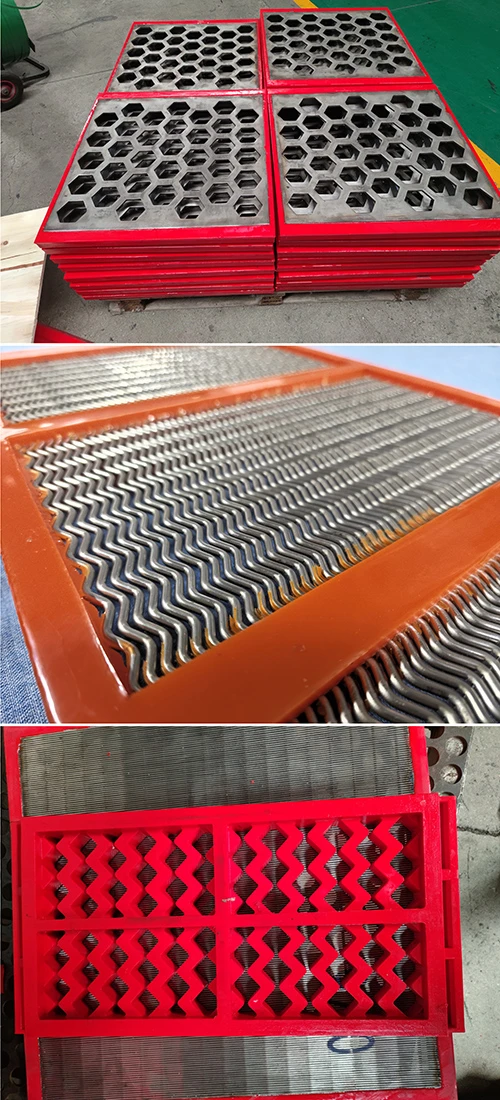
Meanwhile, manufacturers experiment with advanced materials like composite polymers for screen decks, aiming to reduce corrosion and noise—two pain points for end users. The rise in automation is also making installation and control easier, with remote operation platforms slowly becoming the norm.
Challenges and Smart Solutions
Of course, no technology is perfect. Horizontal vibrating screens still grapple with wear from abrasive materials and occasional clogging in damp conditions. However, some of these issues are being tackled by improved mesh designs, ultrasonic cleaning attachments, and novel vibration patterns optimized from field data. It feels like the industry is on a steady upward trajectory—learning as it goes.
| Vendor | Build Quality | Price Range | Key Features | Best For |
|---|---|---|---|---|
| MutoScreen Co. | High | $$$ | Modular decks, sensor integration | Industrial & humanitarian uses |
| VibraMasters | Medium | $$ | Energy-efficient motors | Mining and recycling |
| EcoScreen Solutions | High | $$$ - $$$$ | Composite decks, noise reduction | Food and pharma sectors |
FAQ: Common Questions About Horizontal Vibrating Screens
- Q1: How do horizontal vibrating screens differ from inclined screens?
- A: Horizontal screens have a nearly flat deck that moves material gently, making them better for fine sorting and materials sensitive to damage. Inclined screens rely on gravity to guide material but might cause faster wear. It’s about balancing throughput with product care.
- Q2: Are these screens suitable for wet materials?
- A: Yes, but wet, sticky materials require special mesh coatings or ultrasonic cleaning systems to prevent clogging. Additionally, vibration frequency settings can be adjusted to help move moist product effectively.
- Q3: How often should the screen mesh be replaced?
- A: That depends on material abrasiveness and usage hours. Typically, heavy-use scenarios might need mesh changes every 6–12 months. Some vendors offer durable polymer mesh options lasting longer.
- Q4: Can these screens be customized for different industries?
- A: Absolutely! Manufacturers offer customizable screen decks, motor sizes, and vibration parameters tailored to sectors from mining to food processing. Custom solutions are a big deal in the industry.
- Q5: Is installation complex?
- A: While some large units require professional setup, many horizontal vibrating screens come as modular kits for relatively quick on-site assembly. Remote setup support is increasingly common.
Wrapping Up: Why Investing in a Quality Horizontal Vibrating Screen Pays Off
In a nutshell, horizontal vibrating screens are unsung heroes of efficiency, quality, and sustainability in industrial processes worldwide. Whether you're rescuing raw material value in mining or ensuring food safety, these systems provide dependable, cost-effective solutions that pay dividends over time.
Interested in upgrading your processing line or just want to learn more? Visit our website for expert advice and tailored solutions. Sometimes the right screen makes all the difference—and no industrial project should be without one.
Mini Takeaways:
- Horizontal vibrating screens are critical in global industries for material sorting and quality assurance.
- Key factors like durability and energy use define performance and ongoing costs.
- Technological advances promise smarter, greener, and more efficient screening in the near future.