The Single Deck Vibrating Screen: What It Is and Why It Matters Globally
If you’ve ever wondered how the mining, construction, or recycling industries efficiently sort and separate materials, then you’ve likely crossed paths with a single deck vibrating screen — even if you didn’t know it. This seemingly straightforward piece of equipment carries immense importance across various regions and sectors worldwide. It simply sifts, sorts, and separates materials like gravel, ores, and waste, but understanding its full impact means appreciating how it supports industries vital to infrastructure, humanitarian efforts, and sustainability.
With global construction growing by roughly 3.5% annually according to UN statistics, the demand for reliable screening technology is only going up. By mastering the use and benefits of single deck vibrating screens, engineers and project managers can boost productivity, cut costs, and contribute to cleaner, safer environments.
Mini takeaway: The single deck vibrating screen is a key player behind the scenes, vital across industries due to its efficient, rugged design and adaptability.
Introduction: The Global Relevance of Single Deck Vibrating Screens
Oddly enough, vibrating screens may sound niche, but they influence worldwide operations from African mining sites to European recycling facilities, even emergency logistics after natural disasters. According to ISO, over 50% of aggregated materials worldwide pass through screening and grading equipment.
But here’s the challenge — in many developing regions, outdated or inefficient screening systems cause bottlenecks, material loss, or contamination risks. This can delay infrastructure projects or even contribute to environmental hazards.
That’s where the single deck vibrating screen steps in as a robust, simple, yet effective solution. By offering single-layer screening, it helps separate mixed materials quickly with minimal downtime, making it a go-to choice for remote sites and scalable industries alike.
What Is a Single Deck Vibrating Screen?
In simple terms, a single deck vibrating screen is a machine equipped with one mesh or screen surface that vibrates to separate materials based on size. Imagine a giant sieve shaking gently but persistently, allowing smaller particles to drop through while larger pieces roll off the side.
This technology is strongly tied to industrial needs, where bulk material handling efficiency is critical. Whether you’re sorting crushed rocks at a quarry or removing debris from recycled plastic pellets, single deck vibrating screens provide a straightforward way to keep processes flowing smoothly — and safely.
Core Components of a Single Deck Vibrating Screen
1. Screen Surface
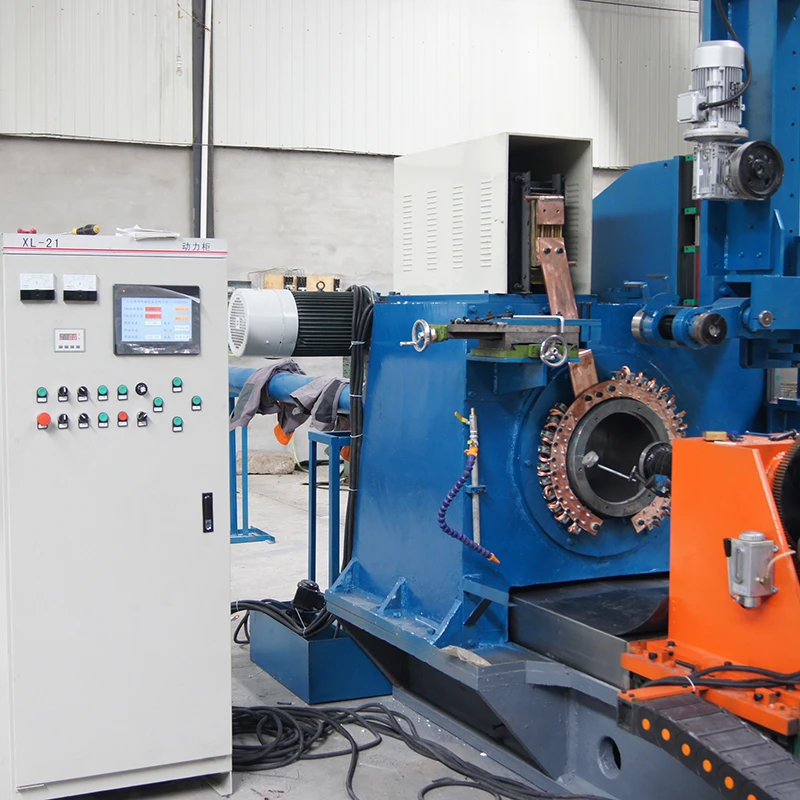
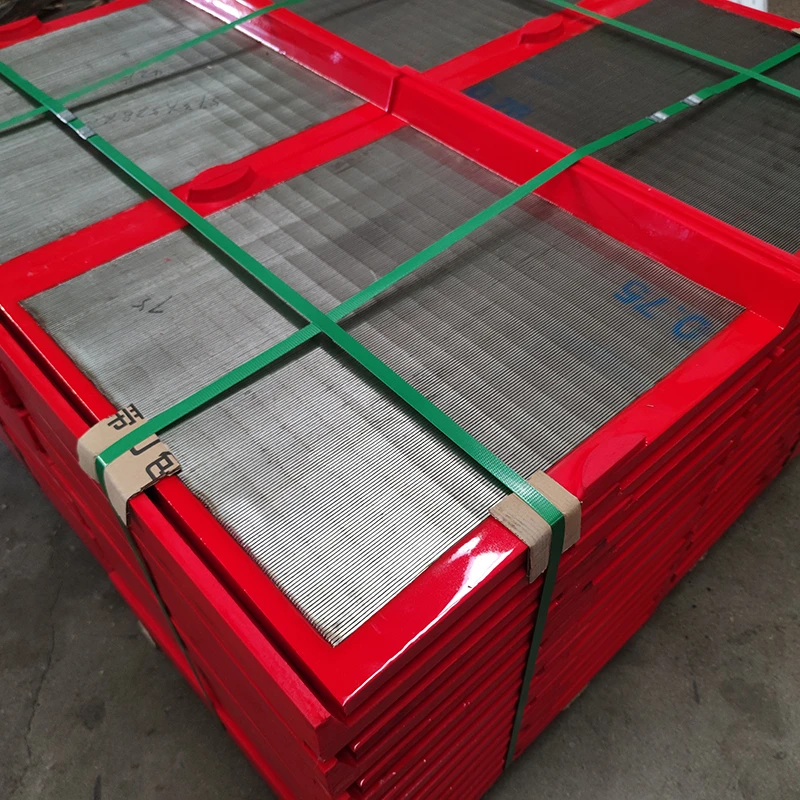
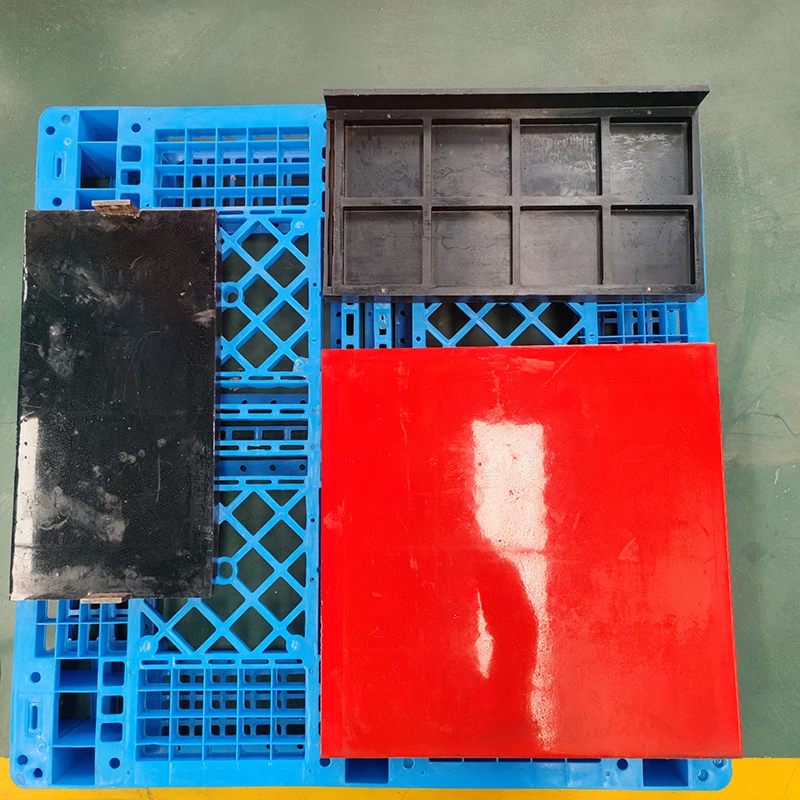
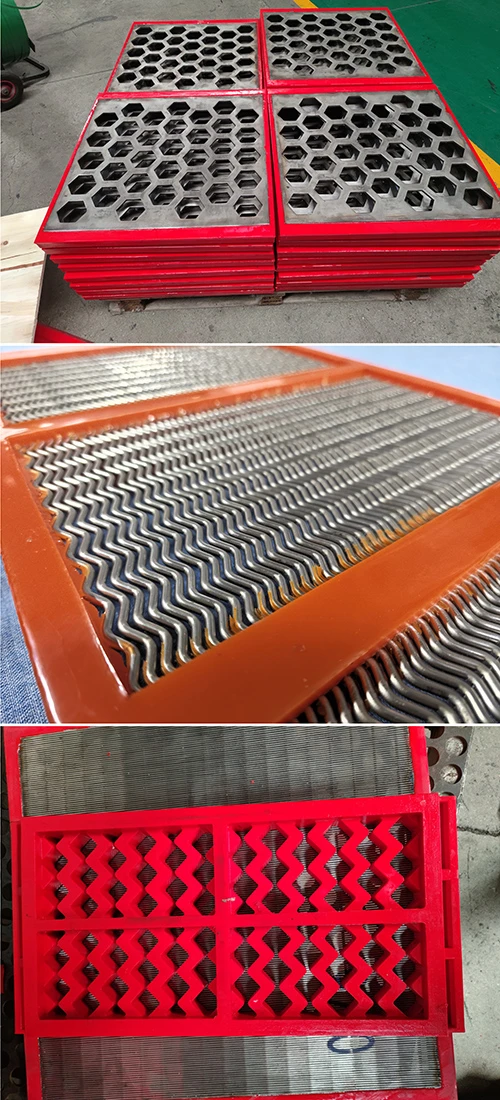
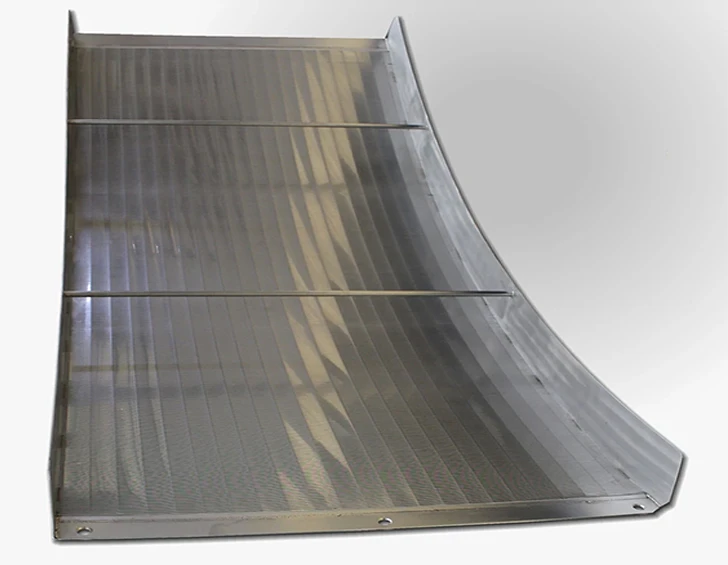
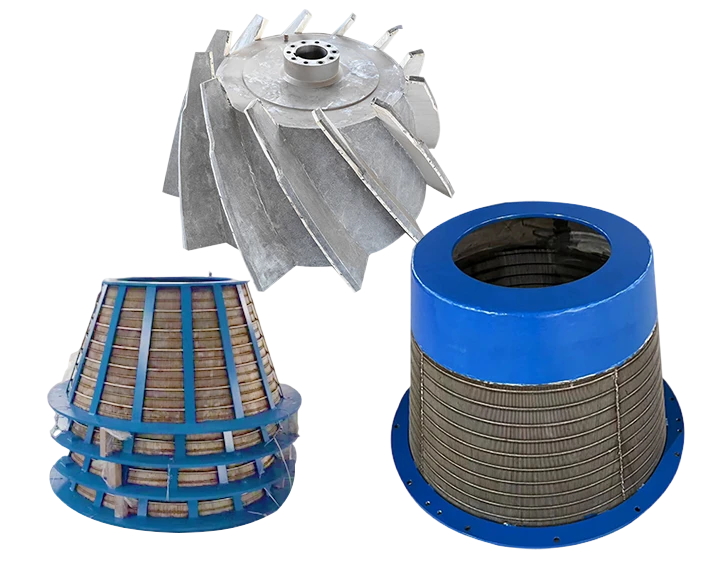
The heart of the system — the screen mesh type and aperture size directly determine the quality and accuracy of separation. Materials range from woven wire cloth, polyurethane panels, to perforated steel.
2. Vibration Mechanism
Usually an eccentric shaft or motor-driven vibratory motor, this imparts the necessary shaking motion. Balancing amplitude and frequency is crucial to optimize material flow and reduce wear.
3. Frame Construction
Typically steel or alloy frames ensure both durability and resistance to vibration fatigue. Since the machine shakes constantly, strength here is non-negotiable.
4. Drive Assembly
This component powers the vibrating motion and may include motors, pulleys, and springs to absorb excess vibration and protect the system.
5. Discharge Chutes
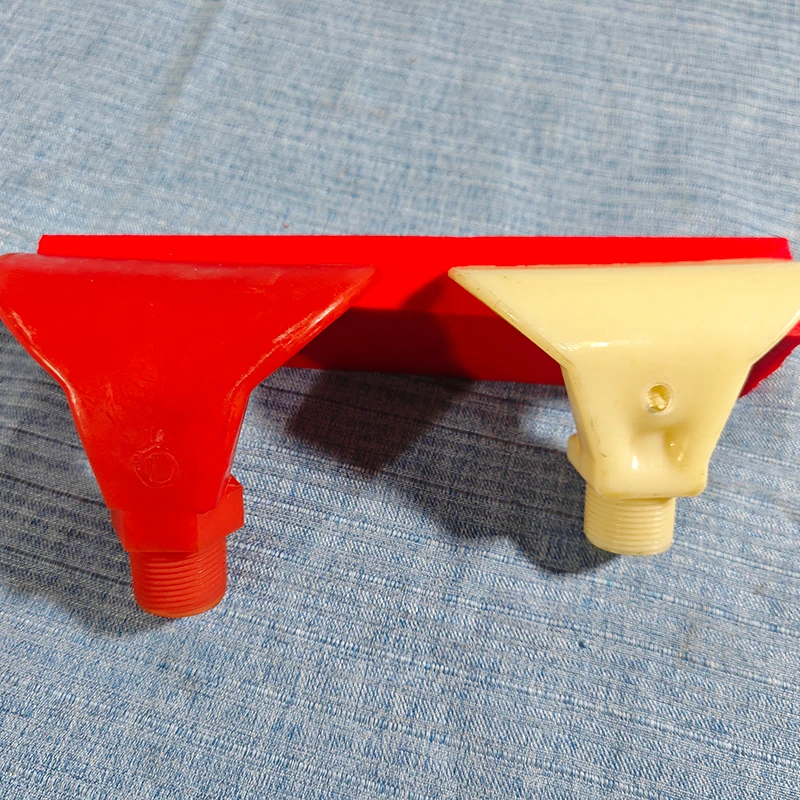
Separated materials exit via chutes tailored for different size fractions. Smart design here reduces cross-contamination and speeds up handling.
Mini takeaway: Each aspect of a single deck vibrating screen synergizes to deliver effective, low-maintenance sorting that stands up to tough industrial demands.
Real-World Applications: Where Single Deck Vibrating Screens Shine
In many ways, you find these screens quietly working in places you might not expect:
- Mining and Quarrying: Segregating crushed ores and minerals to prepare for further processing.
- Construction Aggregates: Sorting sand and gravel on-site to optimize mixtures for concrete or road base.
- Waste Management & Recycling: Screening shredded materials to separate metals, plastics, and organic waste.
- Food Industry: Sorting grains, nuts, or beans before packaging.
- Disaster Relief Operations: In post-earthquake or flood zones, portable single deck vibrating screens sort debris and salvage usable aggregates for rebuilding efforts.
For example, a construction company in Southeast Asia recently reported a 20% boost in feed consistency and reduced material spillage after installing a single deck vibrating screen integrated with a mobile crushing plant — that’s a real game-changer in tight project schedules.
Advantages & Lasting Value of Single Deck Vibrating Screens
- Cost Efficiency: Simpler design means fewer moving parts and lower maintenance expenses.
- Flexibility: Easily adjustable to different materials and flow rates without major rework.
- Durability: Rugged construction resists harsh environments, reducing downtime.
- Sustainability: Enables recycling and reuse by separating contaminants and mixed waste efficiently.
- Safety: Reduces manual sorting, limiting worker exposure to hazardous materials.
It’s interesting how a machine so “basic” can reinforce safety and respect for workers’ wellbeing — quietly enabling innovation and building trust in supply chains.
Product Specification Table
| Specification | Typical Range | Remarks |
|---|---|---|
| Screen Area | 1.5 m² - 10 m² | Depends on model and application |
| Screen Aperture Size | 0.5 mm - 100 mm | Customizable mesh options |
| Vibration Frequency | 600 - 1800 RPM | Adjustable for material type |
| Motor Power | 0.75 kW - 5.5 kW | Varies by screen size |
| Material of Construction | Carbon Steel / Stainless Steel / Alloy Steel | Corrosion resistance options available |
Comparing Leading Single Deck Vibrating Screen Suppliers
| Vendor | Customization Options | Price Range | Warranty & Support | Delivery Time |
|---|---|---|---|---|
| MutoScreen | High – mesh size, frame, materials | $$$ (mid to high) | 3 years, 24/7 support | 2-4 weeks |
| VibroTech | Medium – standard sizes only | $$ (budget) | 1 year, business hours support | 3-6 weeks |
| GlobalScreen | Custom-built on request | $$$$ (premium) | 5 years, dedicated engineers | 4-8 weeks |
Emerging Trends & Innovations in Single Deck Vibrating Screens
In the past few years, there’s been a push to incorporate smart sensors and IoT into vibrating screen units. Many engineers say it’s about predictive maintenance—catching wear or imbalances before they escalate into costly downtime.
On the materials side, new ultra-durable, corrosion-resistant polyurethane screens extend lifespan, especially in harsh chemical environments. Another cool development is integration with solar-powered motor drives — kind of a niche now, but promising for off-grid mining operations.
Plus, manufacturers are experimenting with greener designs: using recycled steel and low-energy motors. It’s odd how a piece of heavy equipment can be part of a company’s sustainability story — but it happens.
Common Challenges and How to Address Them
- Wear and Tear: Screens and vibrating parts degrade over time. Solution? Regular inspections and investing in advanced wear-resistant materials.
- Overloading: Feeding too much material causes blockages or poor sorting. Operators must balance throughput vs. capacity carefully.
- Noise & Vibration: Can be a health issue nearby. Vibration isolators and noise dampening enclosures help.
- Customization Limits: Sometimes off-the-shelf models don’t fit unique needs. Work with vendors like MutoScreen offering tailored solutions.
FAQ: Your Single Deck Vibrating Screen Questions Answered
- How long does a single deck vibrating screen typically last?
- With proper maintenance, most single deck vibrating screens can last 7 to 10 years. Factors like material abrasiveness, frequency of use, and maintenance schedules impact lifespan.
- Can single deck vibrating screens handle wet or sticky materials?
- Yes, but the screen type must be chosen carefully. For wet materials, polyurethane or rubber screens reduce clogging. Proper vibration settings also help keep material moving.
- Are single deck vibrating screens energy-efficient?
- Compared to multi-deck or more complex sorting machinery, single deck screens often consume less energy due to their simpler design and lower motor power.
- How customizable are the screens for specific industries?
- Customization ranges from mesh apertures, frame materials, and motor specifications to entire frame sizes — vendors like single deck vibrating screen suppliers can create tailored solutions.
- What maintenance is required to keep these screens working optimally?
- Routine inspection for mesh damage, lubricating motors, checking vibration amplitudes, and ensuring no material buildup on the frame are key maintenance tasks.
Wrapping It Up: Why Single Deck Vibrating Screens Remain Vital
To sum it all up, the humble single deck vibrating screen remains an unsung hero that keeps many industries moving—from mining to food processing, recycling to disaster relief. Its balance of simplicity, flexibility, and ruggedness means it continues to win favor among engineers and operators worldwide.
Interested to see how this technology can fit your operation or project? Visit MutoScreen's product page for deeper insights and tailored solutions. Because when it comes to sorting materials efficiently and reliably, the right vibrating screen can make all the difference.