Understanding Industrial Vibrating Screens: Why They Matter Globally
At first glance, an industrial vibrating screen might seem like a niche piece of equipment, tucked away inside heavy factories or mining operations. But, truthfully, these machines quietly underpin global industrial flows by facilitating the efficient sorting and classification of materials — from tiny grains of sand to massive ore chunks. With the world demanding more minerals, recycled materials, and processed goods, understanding these vibrating screens is more relevant than ever.
In real terms, these screening devices boost productivity, reduce downtime, and ultimately help keep supply chains flowing worldwide. Simply put: wherever raw materials must be sorted, sized, or purified, vibrating screens are key players. Their effectiveness directly affects mining efficiency, construction material quality, and even food processing safety.
The Global Context: Industrial Vibrating Screens and Their Rising Importance
Globally, the construction and mining sectors alone contribute to roughly 15% of GDP in emerging economies and over 10% in developed nations1. To cope with increasing demand, industry leaders are turning to smarter and more efficient processing equipment.
But here's the kicker: raw materials come mixed with impurities, variable-sized particles, or simply need proper grading before further processing. That’s where industrial vibrating screens step in. According to ISO standards on material handling, proper screening reduces waste by up to 20% and enhances downstream machinery lifespan.2 Still, designing a screen that handles large volumes reliably, resists wear, and integrates with automation remains a challenge.
What Exactly Is an Industrial Vibrating Screen?
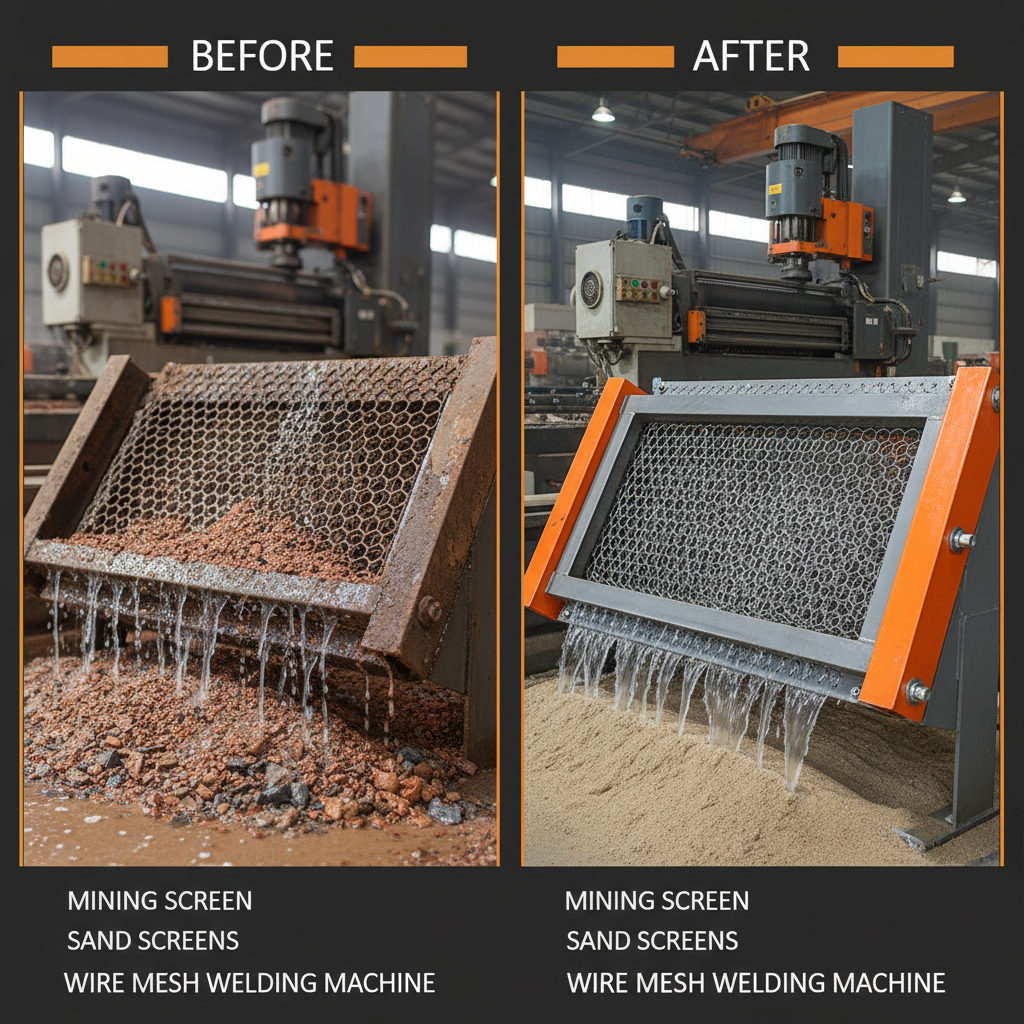
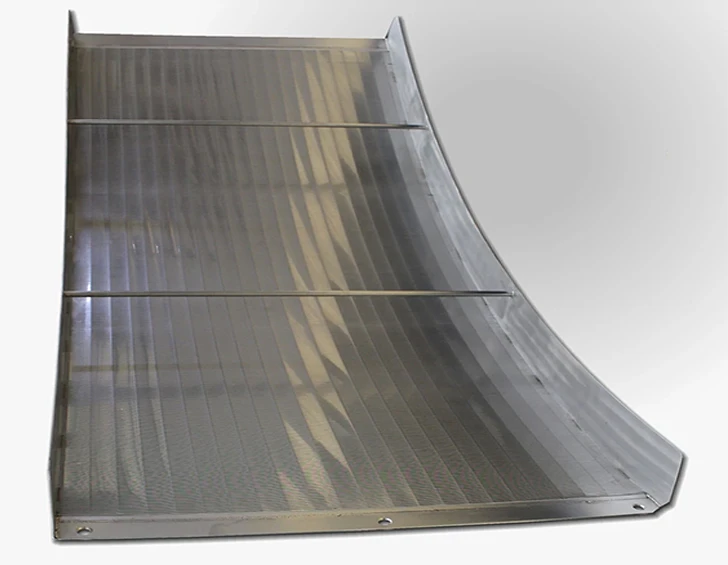
Simply put, an industrial vibrating screen is a mechanical device that uses vibration to separate solid materials by particle size. Imagine a large, inclined mesh panel that shakes or vibrates rapidly, letting smaller particles fall through while bigger pieces slide off to be collected separately.
These machines often look straightforward but are nothing short of engineering marvels, aligning force, frequency, and amplitude to maximize screening efficiency. Notably, their applications go beyond mining or construction — industries such as agriculture, pharmaceuticals, and recycling increasingly rely on them to ensure purity and quality.3
Core Components and Key Factors Behind Industrial Vibrating Screens
1. Vibration Mechanism
The heart of these screens is the vibration motor or eccentric shaft, which creates consistent motion. The design must ensure optimal frequency (usually 600 to 900 RPM) to prevent clogging and maintain throughput.
2. Screen Surface & Material
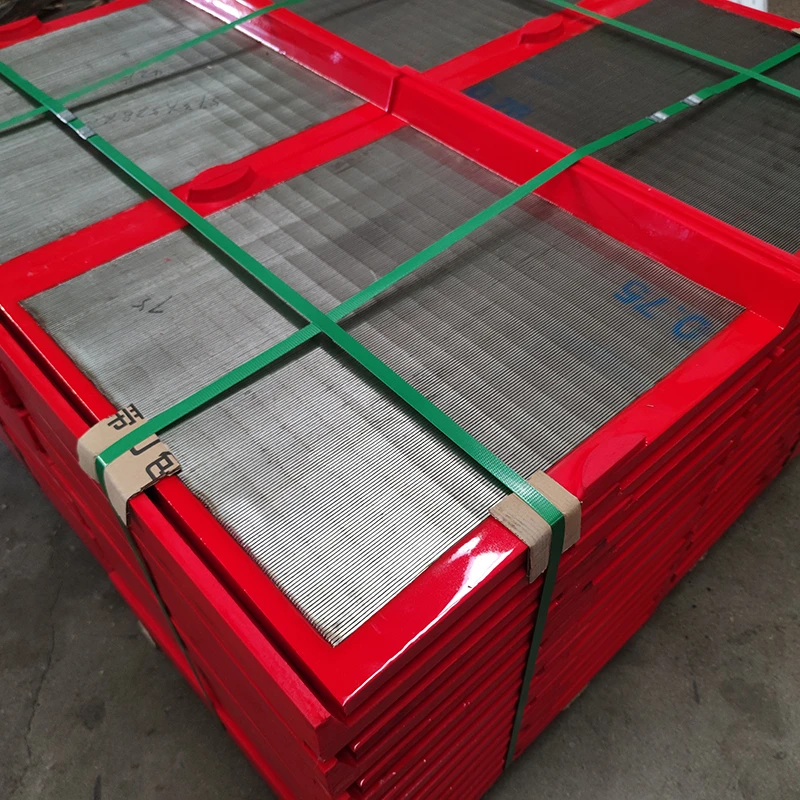
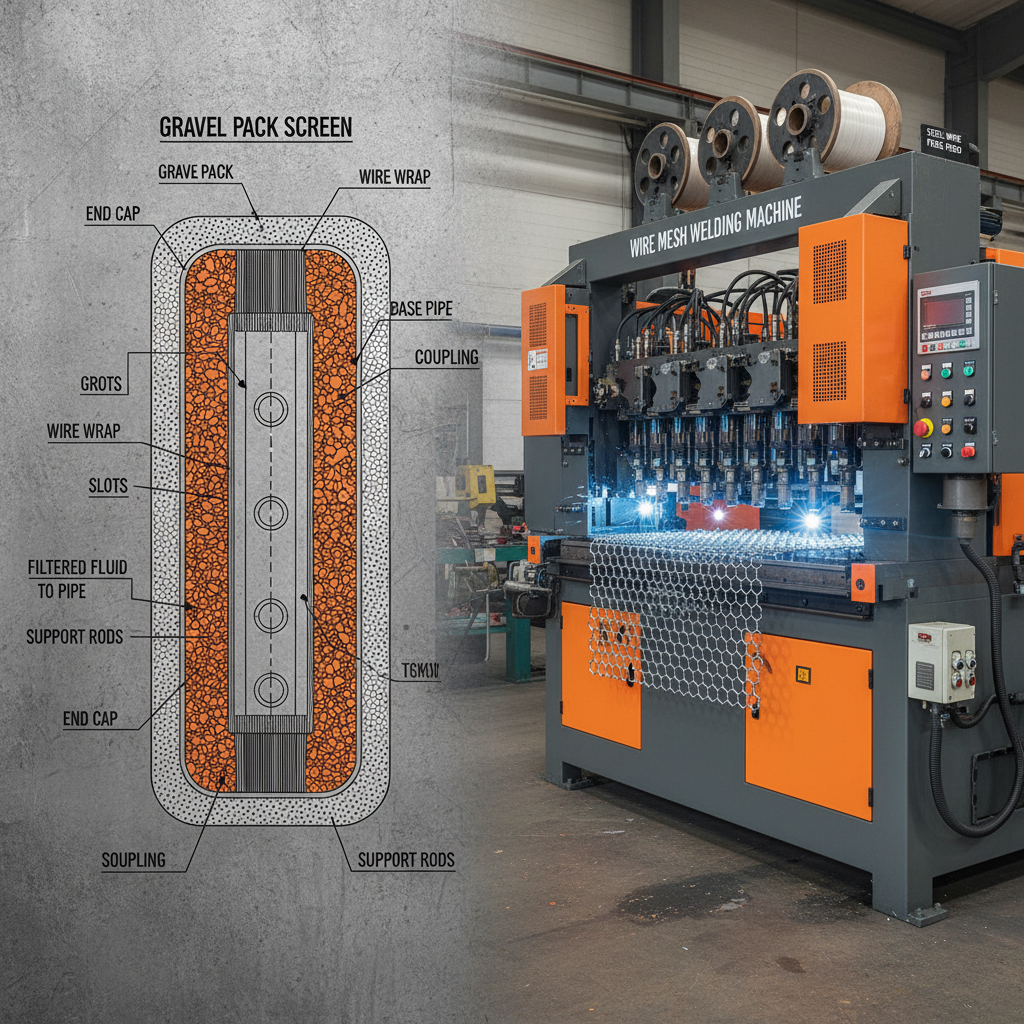
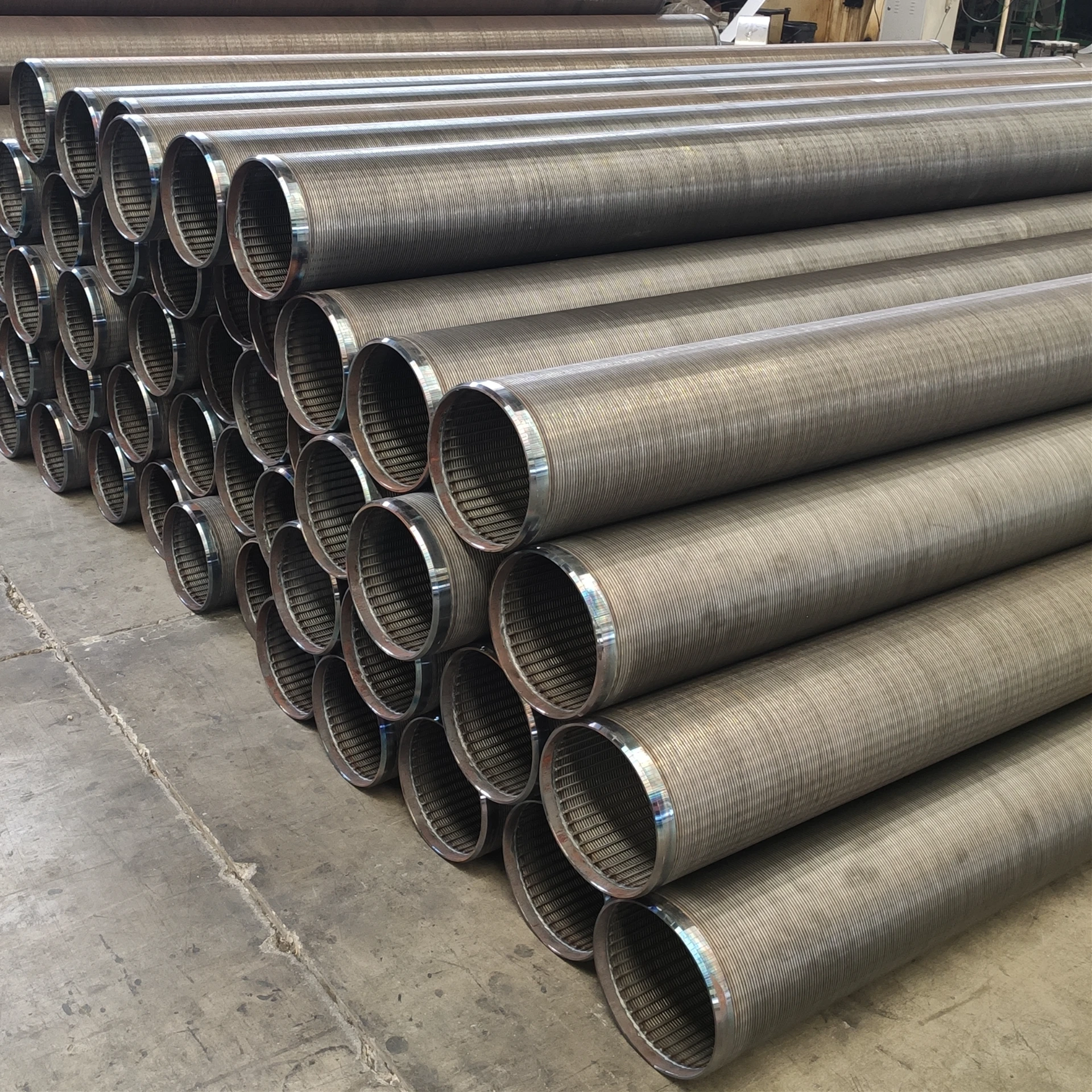
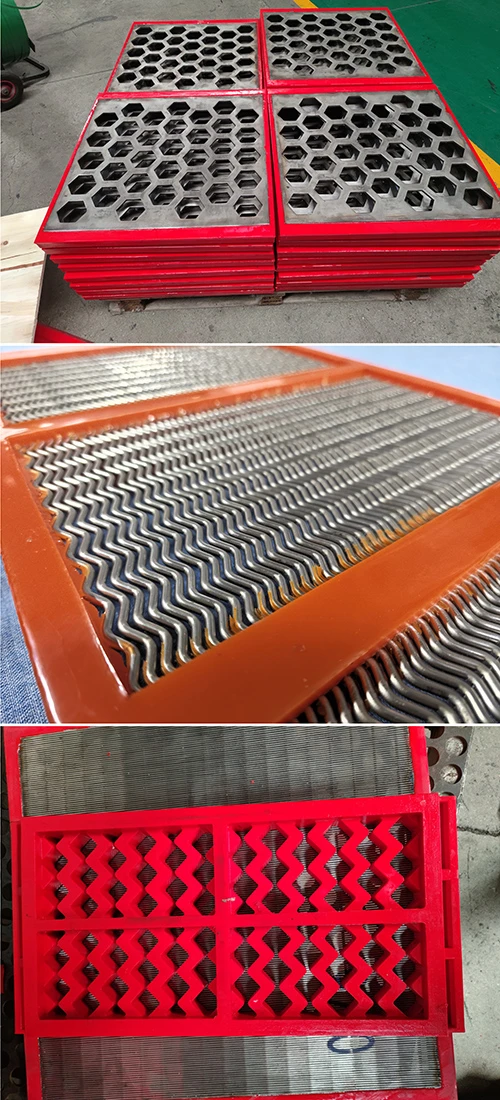
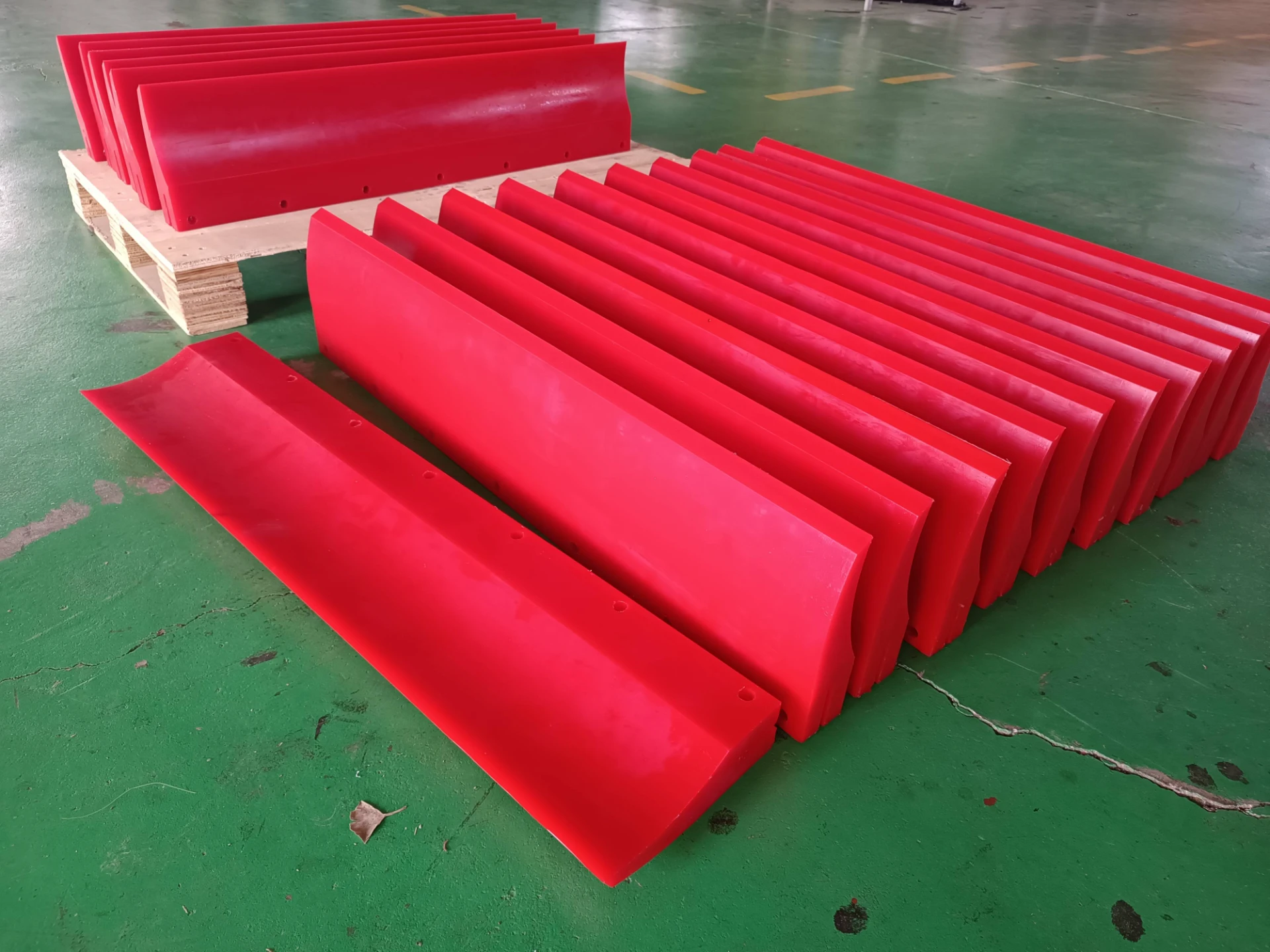
Screen decks come in woven wire mesh, polyurethane, or perforated plate. Material choice hinges on the medium — for abrasive ores, abrasion-resistant steel is critical; for food products, hygienic surfaces dominate.
3. Scalability & Modular Design
Industrial applications vary markedly. Some clients want small mobile units, while others need multi-deck large installations integrated into whole plants. Modular designs facilitate adaptation and repairs, which significantly cut downtime.
4. Energy Efficiency
Vibrating screens traditionally consume notable energy, but newer models optimize power through materials and motor control, aligning with global sustainability goals.
5. Durability & Maintenance
They face brutal conditions — dust, moisture, heavy loads. Tough frame construction and quick screen replacement systems help maintain uptime, which many engineers say is the real bottom line.
Mini takeaway: These factors together define a screen’s performance, reliability, and return on investment in challenging environments.
Real-World Applications: Who Uses Industrial Vibrating Screens and How?
The answer: nearly every heavy industry sector on at least one continent.
- Mining & Quarrying: To separate ore from gravel or unwanted rocks efficiently before crushing and refining.
- Construction: Sorting sand, gravel, and cement to exact sizes improves concrete quality.
- Recycling Operations: Vibrating screens separate materials like plastics, metals, and organic waste.
- Agriculture & Food Processing: Grading grains or seeds, removing foreign particles.
- Post-Disaster Relief: Quickly screening debris from collapsed structures helps assess salvageable material.
Regions in Asia and South America, with booming extraction industries, often blend imported screens with custom equipment for local needs. A recent case in Chile’s copper mines involved replacing legacy screens with energy-saving models — this reportedly boosted throughput by 15% while cutting noise levels. industrial vibrating screen
Advantage Snapshot: Why Businesses Stick with Industrial Vibrating Screens
- Cost Savings: Efficient screening reduces raw material waste and extends downstream equipment life.
- Sustainability: Less waste means less landfill and better use of extracted materials.
- Reliability: Strong frames and rapid deck replacement keep plants running smoothly.
- Safety & Quality: Proper screening ensures product consistency, critical for food and pharma sectors.
- Innovation & Trust: Many companies invest in digital monitoring to predict failures or optimize settings remotely.
Key Specifications of a Typical Industrial Vibrating Screen
| Feature | Specification | Notes |
|---|---|---|
| Screen Area | 3.5 m² to 15 m² | Varies by model and application |
| Vibration Frequency | 600 - 900 RPM | Adjustable for material type |
| Power Consumption | 5 kW - 30 kW | Dependent on motor size |
| Screen Deck Material | Welded wire mesh / Polyurethane | Based on abrasion & hygiene requirements |
| Frame Material | Steel ASTM A36 / Stainless Steel | For durability and corrosion resistance |
| Weight | 750 - 3500 kg | Based on size and configuration |
How Leading Vendors Stack Up
| Vendor | Advantages | Price Range | Customization |
|---|---|---|---|
| MutoScreen | Cutting-edge design, energy efficient, modular decks | $$$ | High |
| VibraTech | Robust frames, user-friendly interface, global service | $$ | Medium |
| ScreenPro Solutions | Specialized food-grade equipment, quick deck change | $$$ | High |
Emerging Trends and Future Innovations
The near future looks promising for industrial vibrating screens. Engineers are integrating digital vibration sensors and IoT connectivity for real-time performance tracking — a game changer for preventative maintenance. Imagine avoiding costly downtime because your equipment “told” you it needed a part replaced days ago.
Material science advances also mean wear-resistant coatings, lighter yet stronger alloys, and eco-friendly screen media materials are becoming widespread. Green energy integration, like solar-powered remote units in mining camps, is something I expect we’ll see much more of — addressing both emission goals and off-grid needs.
Automation, too, is creeping in: automated feed control and discharge mechanisms optimize throughput without human intervention, ideal for dangerous or inaccessible sites.
Challenges Faced and Practical Solutions
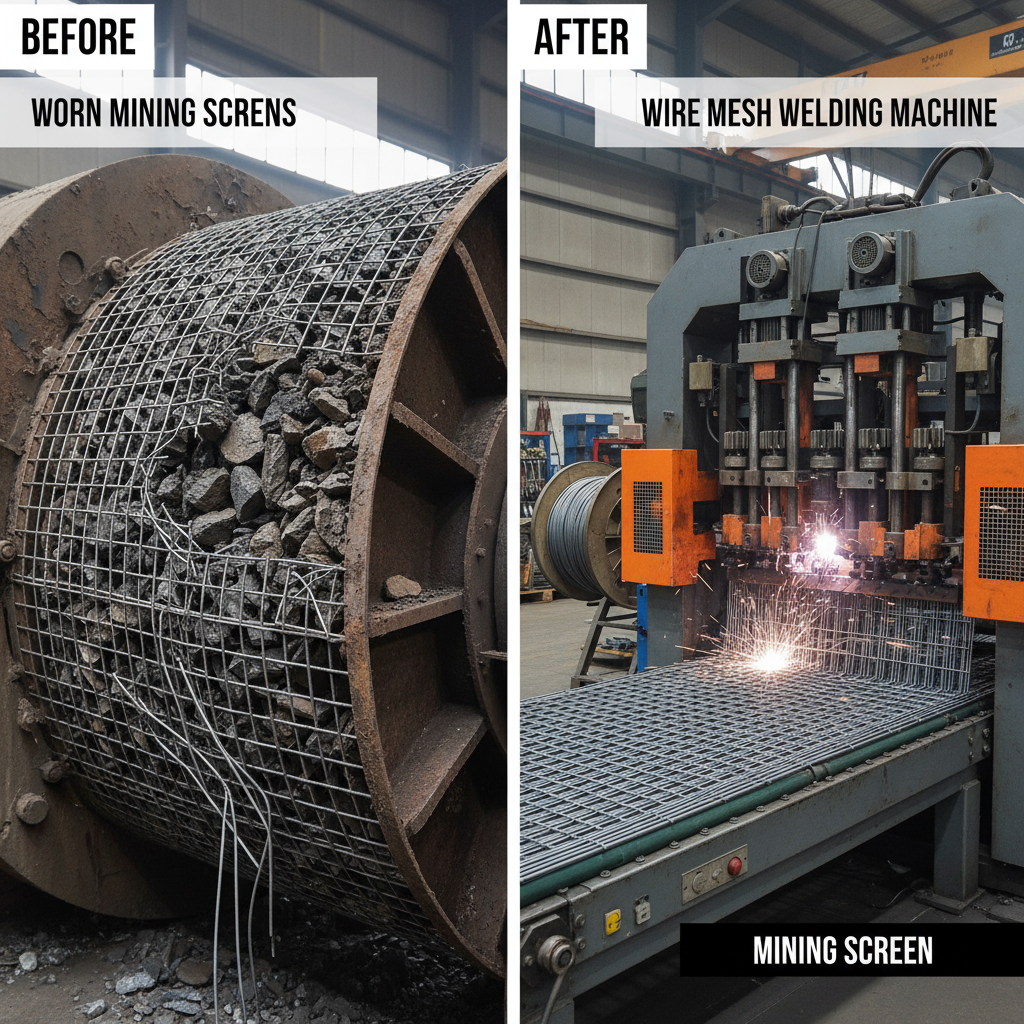
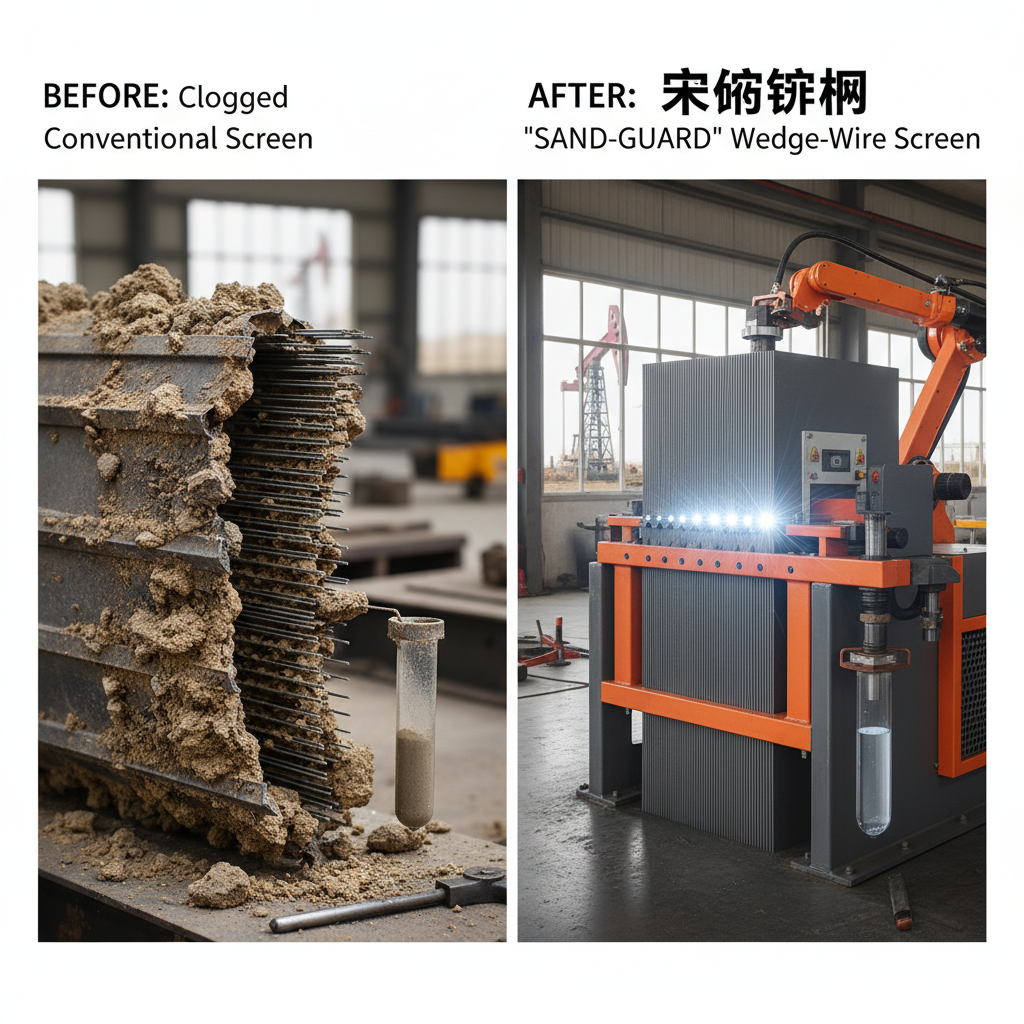
Vibrating screens handle tough conditions but face predictable issues: screen mesh wear, motor fatigue, and dust infiltration impacting bearings. Also, noisy operations sometimes create safety risks or community complaints near plants.
Many vendors now offer easy-to-replace screen sections and advanced seal designs to tackle this. Plus, noise dampeners and remote diagnostic tools are becoming standard. Designing with modularity means operators can swap parts or upgrade easily, which engineers tell me is the biggest factor in long-term success.
FAQ: Your Industrial Vibrating Screen Questions Answered
Q1: What type of materials can an industrial vibrating screen handle?
A: These screens can process a wide range of materials—from fine powders and grains to large, coarse rocks and scrap materials. Material choice, vibration frequency, and mesh size get tailored depending on the industry, be it mining, agriculture, or recycling.
Q2: How often should the screen mesh be replaced?
A: Replacement frequency depends on material abrasiveness and workload, but typically every 6 to 12 months under heavy use. Regular inspections help catch wear early and prevent unscheduled shutdowns.
Q3: Can these screens be used in food or pharmaceutical industries?
A: Absolutely. Specialized food-grade vibrating screens use hygienic materials like stainless steel and comply with strict sanitary standards to avoid contamination.
Q4: How do industrial vibrating screens contribute to sustainability?
A: By improving material recovery rates and reducing waste, these screens minimize resource loss. Plus, energy-efficient models reduce environmental footprint — a win-win for companies aiming to meet sustainability targets.
Q5: Is it possible to customize industrial vibrating screens for specific needs?
A: Definitely. Most manufacturers offer customization on deck size, material, vibration settings, and integration with existing plant machinery, making them versatile across industries.
Wrapping Up: Why Investing in Industrial Vibrating Screens Pays Off Long-Term
To sum it all, industrial vibrating screens might not be the flashiest topic at dinner parties, but their role in modern industry is foundational. They ensure efficiency, sustainability, and quality — all pillars for successful mining, construction, agriculture, and recycling industries worldwide.
By embracing technological advances, modern materials, and smart design, these workhorses aren’t just keeping up—they’re pushing the envelope for safer, cleaner, and more efficient material processing.
Interested in exploring top-of-the-line industrial vibrating screens equipped for your needs? Visit our website at https://www.mutoscreen.com to discover how we can help elevate your operations.
References:
- World Bank, Industry and Mining Data, 2023.
- ISO 13317-1: Mechanical Screening, Essential Guidelines, 2022.
- Wikipedia contributors, Vibrating Screen, Wikipedia, The Free Encyclopedia, 2024.