What Is an Inclined Vibrating Screen and Why It Matters
At its core, an inclined vibrating screen is pretty much what it sounds like — a mechanical device that sorts and separates materials by shaking them over a sloped mesh. But here's the catch: in industries like mining, construction, food processing, and even humanitarian relief operations, this seemingly simple tech actually plays a vital role in optimizing workflows, saving energy, and improving product quality. I often think of them as the unsung heroes behind those perfectly graded aggregates or well-sifted grains you rarely stop to consider.
Globally, the efficiency of material screening affects everything from infrastructure projects to food security — especially as demand for faster, cleaner sorting grows. Understanding inclined vibrating screens isn’t just industry trivia; it unlocks insights into how materials get handled worldwide, impacting supply chains and sustainability.
Global Context: Why Inclined Vibrating Screens Are Essential Today
According to the United Nations Industrial Development Organization (UNIDO), over 60% of global construction materials require accurate grading and sorting at production sites. Roughly 15% of energy consumption in mining and mineral processing comes from inefficient screening methods, which leads to wastage and increased costs (source: UNIDO).
Picture sprawling quarries in Asia or the Americas, where massive volumes of sand and gravel need rapid sorting. An inclined vibrating screen is the reliable workhorse tackling this challenge. Without effective screening, raw materials often end up wasted or mixed, driving up environmental footprints and project delays.
One particular hurdle industries face is balancing large throughput with accuracy — the bigger the volume, the more chance of clogging or wear on machinery. Enter inclined vibrating screens, designed specifically to address this by combining slope and vibration for faster, continuous separation.
Defining the Inclined Vibrating Screen
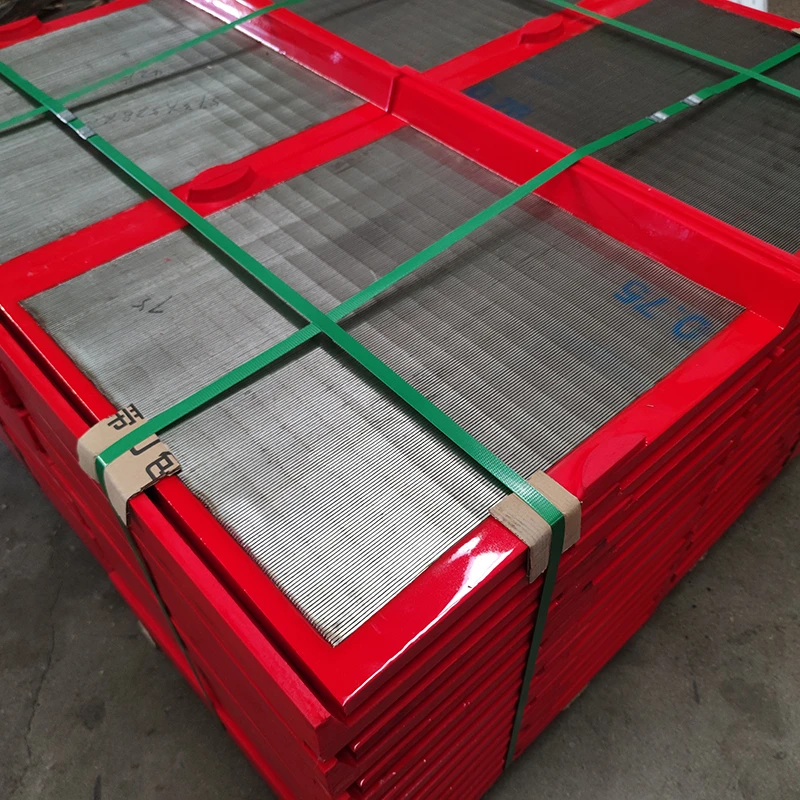
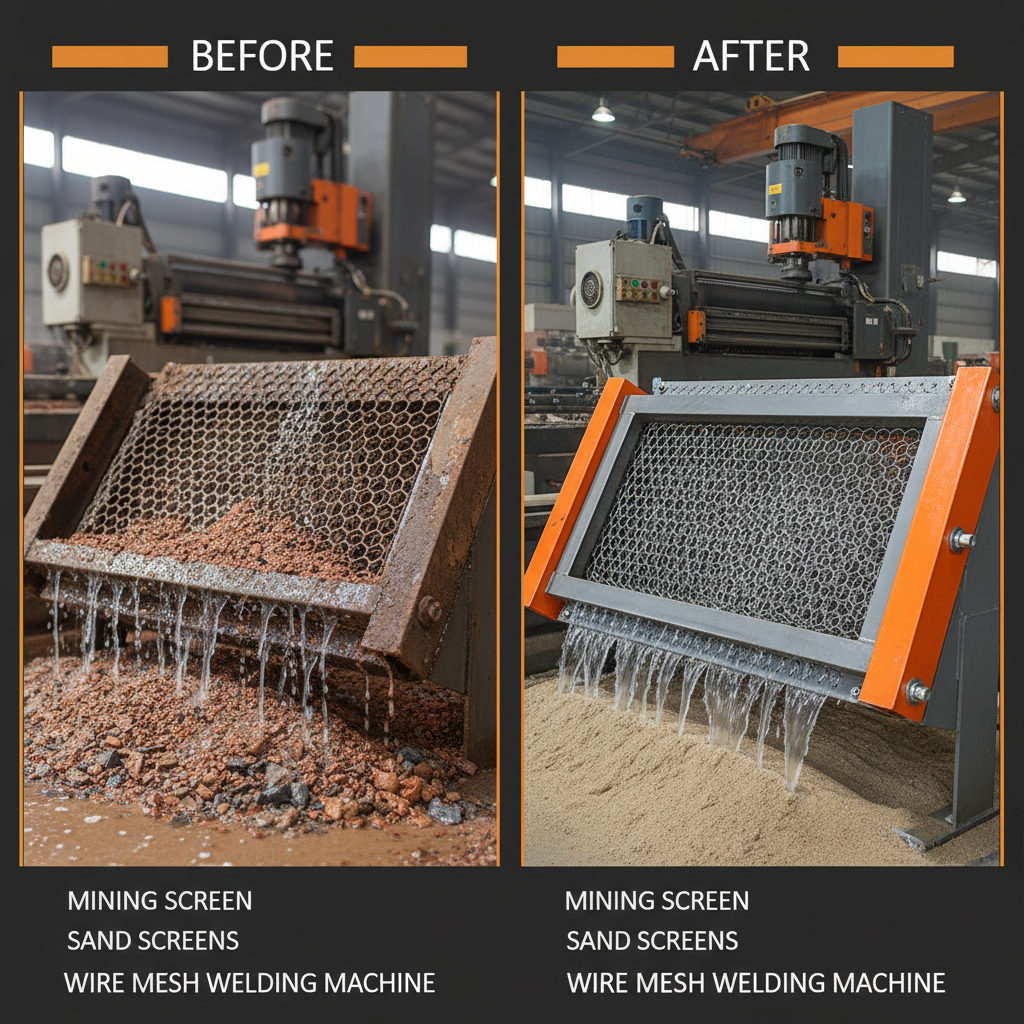
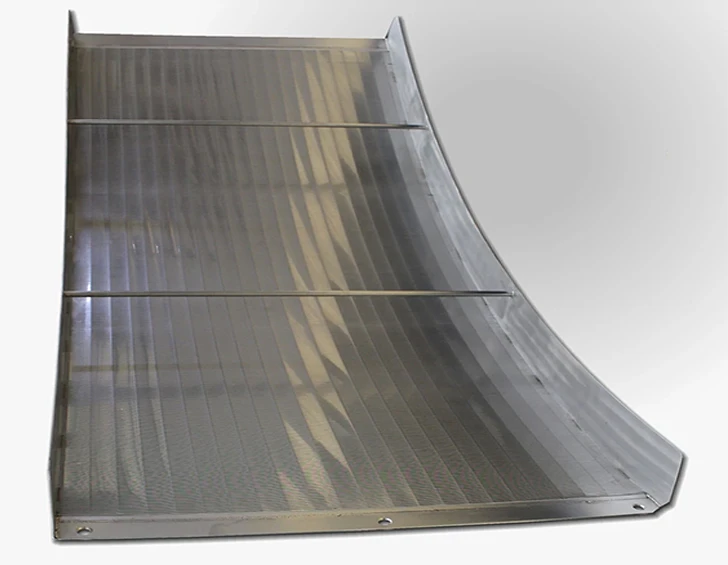
If you’re new to material processing tech, an inclined vibrating screen is essentially a slanted assembly made from a frame holding multiple wire mesh decks. These decks shake or vibrate at controlled amplitudes and frequencies to pass smaller particles through while rejecting larger ones. The angle typically ranges between 15 to 30 degrees.
What really stands out is its adaptability — you can size materials from fine powders to large aggregates just by swapping mesh sizes or tweaking vibration. This makes it indispensable not only in industrial plants but on the frontlines of humanitarian efforts, where mobile inclined vibrating screens help separate debris or sort recyclable materials quickly after natural disasters.
Core Components and Key Factors
1. Vibrating Mechanism
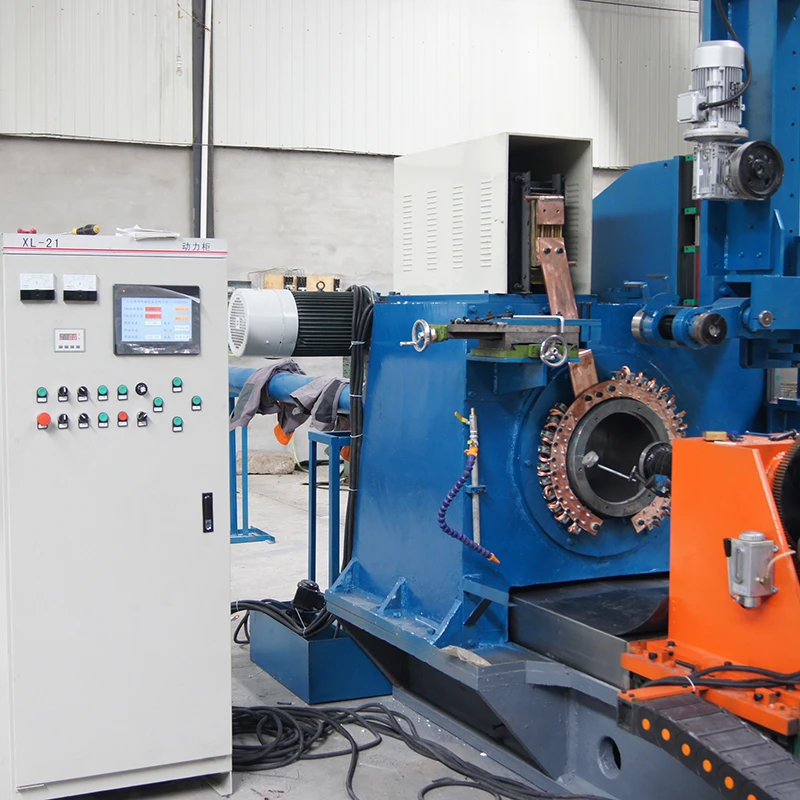
Most inclined screens use either an eccentric shaft or electromagnetic drive to create oscillations. The frequency and amplitude can be calibrated to suit different materials — something many engineers insist is critical for preventing mesh wear and prolonging lifespan.
2. Screen Deck and Mesh
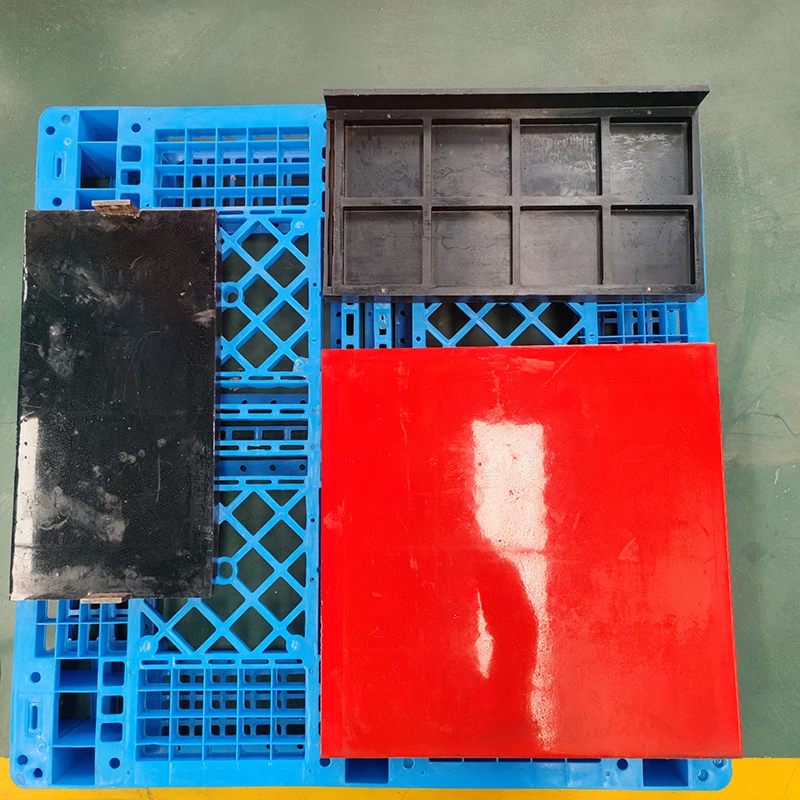
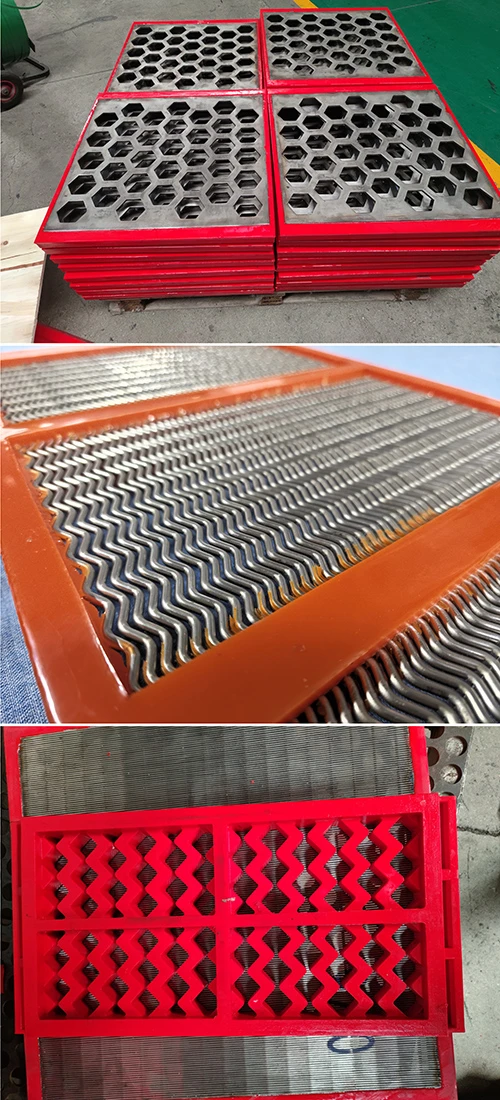
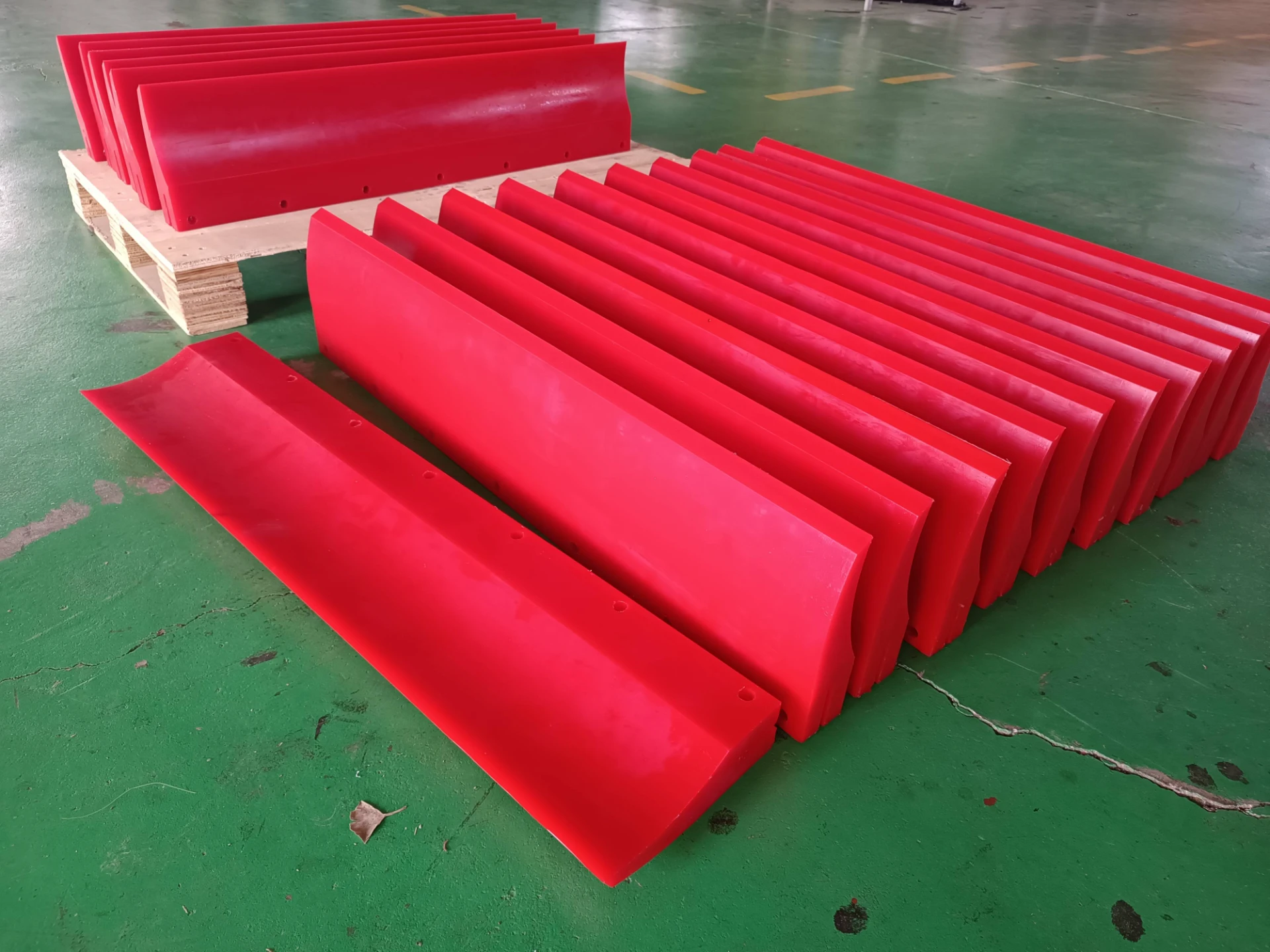
Woven wire mesh or polyurethane panels form the surface that lets materials pass. Durability here is a major factor, especially when screening abrasive rocks or wet clay. Polyurethane options tend to reduce noise and improve flow but come with higher initial costs.
3. Slope Angle
The incline affects how fast material moves across the screen. Too steep, and particles move too quickly, reducing separation efficiency. Too flat, and material clogs up. Most units operate between 15° and 30°, balancing throughput and precision.
4. Frame and Support
Robust frames withstand heavy vibrations and load. Steel alloys with anti-corrosive coatings are standard because many screens work outdoors or in humid environments. In fact, roughly half of global inclined vibrating screens incorporate some form of weather-proof design.
5. Scalability and Customization
You can scale these systems from small laboratory-sized units to massive industrial plants handling hundreds of tons per hour. Modular designs allow swapping decks or adding multiple layers to enhance sorting precision without replacing entire machines.
Mini Takeaway:
Understanding the mechanics behind inclined vibrating screens reveals why optimizing frequency, deck material, and slope angle can massively improve sorting efficiency and durability — keys to cutting costs and environmental impact.
Global Applications and Real-World Use Cases
These screens find a role in nearly every continent and sector. In mining operations from Australia to South Africa, inclined vibrating screens streamline ore processing — speeding up extraction while reducing energy consumption. In food processing plants across Europe, they separate grains, seeds, and powders to ensure food safety and quality control.
One particularly inspiring use case occurred during the 2022 flood recovery in Southeast Asia. NGOs deployed mobile inclined vibrating screens to quickly clear debris, segregate recyclable metal from soil, and help local communities rebuild sustainably without waiting months for infrastructure repairs.
Meanwhile, in remote industrial zones across Russia and Canada, ruggedized screens operate in extreme cold and heavy snow conditions — a testament to the innovation behind their construction and design.
Advantages and Long-Term Value of Inclined Vibrating Screens
- Cost Efficiency: Higher throughput means less downtime and lower labor costs.
- Sustainability: Effective sorting reduces waste and supports circular economy models.
- Reliability: Durable components ensure long operational life and less maintenance.
- Safety: Automated separation decreases manual handling and injury risk.
- Adaptability: Maintenance crews can swap out decks quickly to serve different materials.
Frankly, when a machine works so smoothly it almost disappears from day-to-day considerations, you know it’s doing its job well. Many manufacturers boast up to 30% energy savings compared to older screening methods.
Product Specification Table: Typical Inclined Vibrating Screen Model
| Specification | Detail |
|---|---|
| Screen Area | 6 m² |
| Slope Angle | 20° |
| Motor Power | 3.7 kW |
| Max Throughput | 150 tons/hour |
| Deck Layers | 3 |
| Material | High tensile steel with polyurethane overlay |
Comparing Vendors: Inclined Vibrating Screen Options
| Vendor | Price Range | Customization | Warranty | Notable Feature |
|---|---|---|---|---|
| Mutoscreen | $$$ | High (modular decks) | 3 years | Energy-efficient motor design |
| ScreenCo | $$ | Medium (limited deck sizes) | 2 years | Compact frame for tight spaces |
| VibraTech | $$$$ | Very High (custom materials) | 5 years | Smart sensor integration for monitoring |
Future Trends and Innovations in Screening Technology
Oddly enough, inclined vibrating screens are quietly embracing some pretty futuristic developments. For starters, digital sensors are being integrated to monitor vibration patterns, identifying wear or clogs before they become problems. This predictive maintenance reduces downtime and costly repairs.
Materials innovation is another front. New composite meshes combine the reliability of steel with lightweight plastics to reduce noise and energy use. There’s also a push towards incorporating green energy solutions to power these machines, aligning them with global sustainability goals like those outlined by the ISO 14001 standards.
Automation and remote control are gaining traction too, especially for sites in harsh climates or remote locations where human check-ins are difficult. We’re seeing controls that adjust vibration frequency and angle on the fly based on real-time material flow data — a neat blend of software and hardware.
Challenges and Practical Solutions
But let’s be fair — no technology is perfect. Users often report issues with mesh clogging, corrosion, and vibration-induced fatigue causing occasional breakdowns. Some inclined vibrating screens, especially older models, struggle with variable feed rates, leading to inconsistent output.
Experts recommend routine deck inspections and upgrading to polyurethane panels in wet or sticky material applications. Using vibration isolation mounts reduces frame damage over time. Plus, modular designs let operators swap out worn parts without full downtime.
Manufacturers like Mutoscreen are also focusing on rapid deployment solutions tailored for humanitarian efforts — portable, quick setup inclined vibrating screens that reduce logistical hassles.
Frequently Asked Questions About Inclined Vibrating Screens
- Q: How do I choose the right inclined vibrating screen for my application?
A: Consider throughput capacity, material type, moisture content, and required separation precision. Consulting with manufacturers about customization options helps tailor the machine to your needs. - Q: What maintenance is needed to ensure long life?
A: Regularly inspect and replace worn mesh decks, lubricate bearings, check vibration motors, and clear debris. Scheduling predictive maintenance with sensors can minimize unexpected breakdowns. - Q: Can inclined vibrating screens be used outdoors in wet climates?
A: Yes, with proper materials like corrosion-resistant steel and polyurethane screens. Weatherproof enclosures and drainage designs also protect internal components. - Q: Is it possible to integrate inclined vibrating screens into automated plants?
A: Absolutely. Many modern systems support digital controls, vibration monitoring, and remote operation, making them perfect for automated or unmanned setups.
Wrapping Up: Why Inclined Vibrating Screens Are Worth the Attention
In the grand scheme, these machines might seem humble. But their combination of simplicity, flexibility, and evolving innovation turns the inclined vibrating screen into a backbone technology— quietly powering industries worldwide and contributing to smarter, greener material handling.
Looking to explore quality products or customized solutions? Visit https://www.mutoscreen.com to see what next-generation inclined vibrating screens can bring to your operations.