What’s the Buzz About Vibrating Screen Double Decks?
At first glance, a vibrating screen double deck might sound like a niche industrial gizmo — but it’s way more impactful than most realize. These machines are the unsung heroes behind efficient sorting and processing in mining, agriculture, construction, and even environmental management. Globally, they play a key role in optimizing resource use, reducing waste, and boosting production quality. Understanding their function and benefits sheds light on how industries keep moving forward with sustainability and precision.
Why Does It Matter Globally?
Worldwide, industrial processes are under constant pressure to improve efficiency and reduce environmental footprints. According to the International Organization for Standardization, about 70% of operational efficiency gains in bulk material handling come from better screening operations like those enabled by vibrating screen double deck systems. Mining and aggregate processing alone consume billions of tons of raw materials annually — which means that even small improvements translate to giant savings in cost, energy, and emissions.
However, the challenge is real. Sorting raw materials accurately to separate quality products from waste can be tricky, especially when particle sizes vary widely or when throughput rates fluctuate.
Mini takeaway: Vibrating screen double decks aren’t just machines; they’re vital cogs in a global network pushing toward smarter, cleaner production.
What Exactly Is a Vibrating Screen Double Deck?
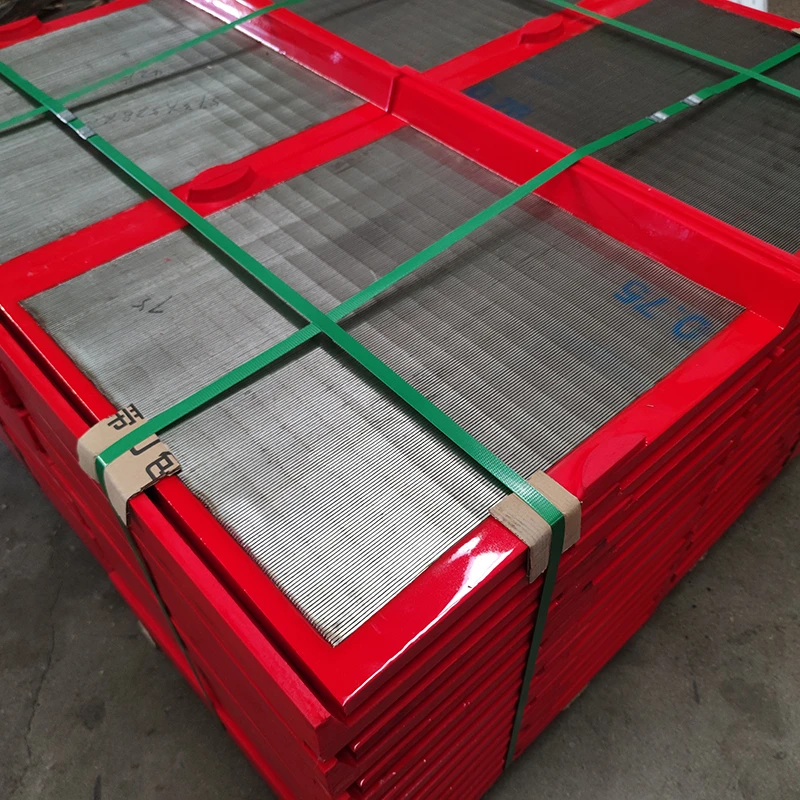
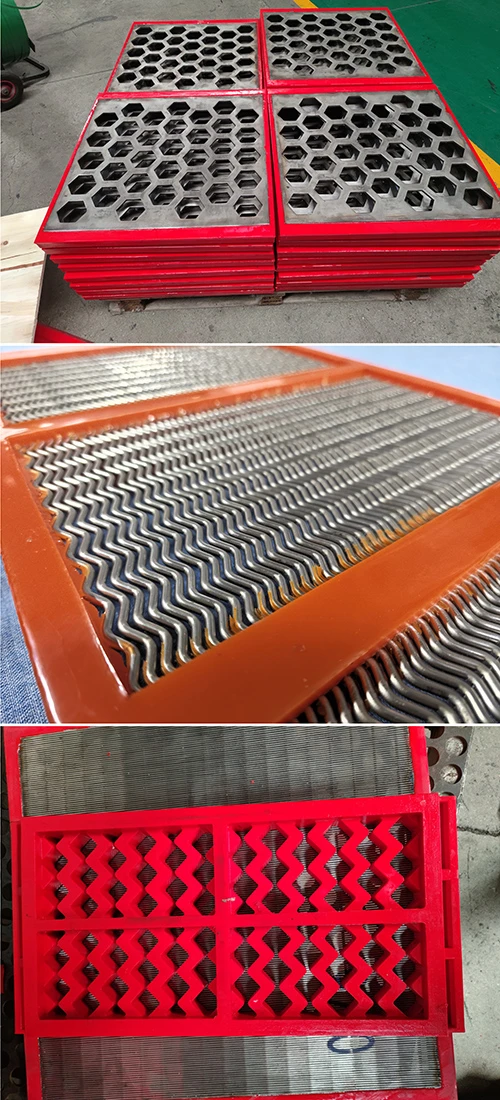
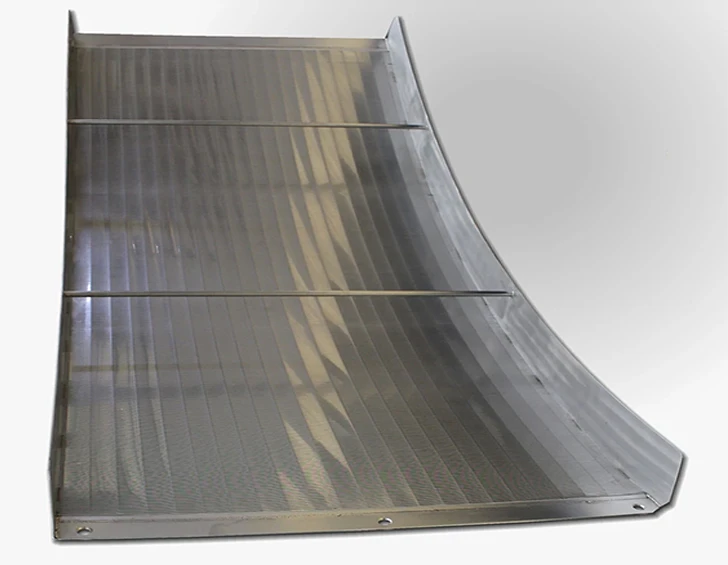
Imagine two layers (or decks) of mesh screens stacked vertically inside a frame. The vibrating mechanism shakes both decks simultaneously, but the top deck usually has a coarser mesh to filter out larger particles, while the bottom deck catches finer materials. This setup means you get two size separations in one go — a neat way to boost throughput without adding floor space. Essentially, these double deck screens make the sorting process faster, more efficient, and more reliable.
Industries benefit from this because it enables granular control over product quality. For example, in construction, separating aggregate sizes precisely affects the durability of final concrete mixes.
Key Components That Define Performance
1. Durability
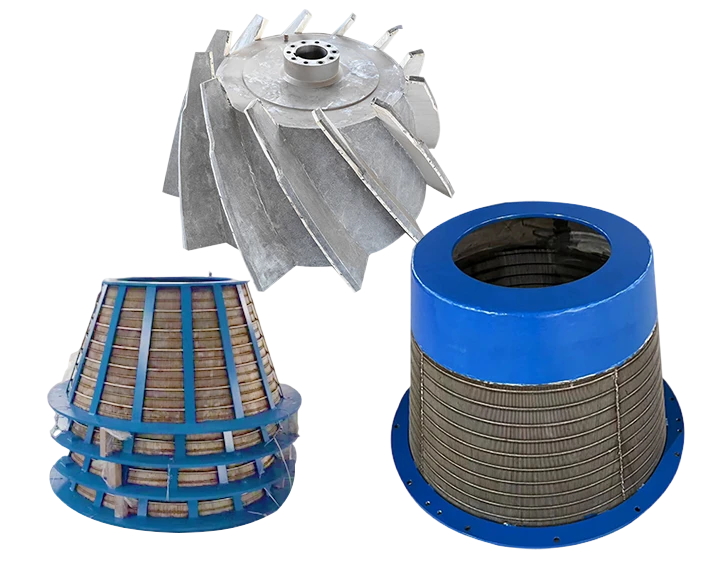
These machines work in rough environments, often exposed to dust, moisture, and heavy wear. High-strength steel frames combined with abrasion-resistant mesh and powerful vibration motors ensure longevity.
2. Scalability
From small plants processing a few tons per hour to massive mining operations handling thousands, vibrating screen double decks come in a variety of sizes. This flexibility means you can tailor solutions to your project’s scale and budget without sacrificing quality.
3. Cost Efficiency
Using two decks instead of separate single screens reduces capital expenditure and floor space needs. Plus, proper screening cuts down on material reprocessing.
4. Ease of Maintenance
Quick-change screen panels and accessible motor assemblies reduce downtime. In real terms, less downtime means smoother operations and better ROI.
5. Safety Features
Modern units often integrate safety guards, vibration dampeners, and automated stop switches — a must-have when working around heavy moving equipment.
6. Adaptability
Whether you’re screening wet or dry materials or working with recycled waste, the decks’ mesh types and vibration frequencies can be adjusted to suit the task.
Mini takeaway: The magic lies in durable, adaptable design that keeps operations running smoothly no matter the application.
Global Applications & Real-World Examples
All over the world, vibrating screen double decks perform quietly but crucially:
- Mining in Australia: Separating ore efficiently before smelting reduces energy consumption dramatically.
- Agriculture in Brazil: Sorting grains post-harvest ensures quality and helps farmers fetch better market prices.
- Construction in Europe: Recycled concrete is screened to remove debris before reuse, easing landfill pressures.
- Environmental cleanup in Asia: Sorting mixed waste materials at recycling plants helps divert plastics and metals from landfills.
In one case, a coal mine in the U.S. reported cutting its processing time by 20% simply by switching to a modern double deck vibrating screen, which means not only faster deliveries but lower fuel costs and fewer emissions.
Advantages & Long-Term Value of Vibrating Screen Double Decks
Why favor a vibrating screen double deck over single-layer or other screening approaches? The benefits stack up:
- Cost savings: Fewer machines, less energy use, and reduced manual sorting.
- Quality support: Better precision means end products meet specifications more consistently.
- Sustainability: Cutting waste and optimizing material use ties directly into corporate social responsibility goals.
- Reliability: Robust design means fewer breakdowns — which is a lifeline when margins are tight.
- Safety: Reduced operator exposure, thanks to automation and enclosure design.
On a more human note, these machines help workers avoid exhausting manual sorting tasks, preserving dignity and improving workplace morale.
What’s Next? Future Trends & Innovations
Looking ahead, vibrating screen double deck technology is poised to embrace several innovations:
- Smart Sensors & IoT Integration: Real-time monitoring of vibrations, wear, and throughput to enable predictive maintenance and optimize settings remotely.
- Eco-friendly Materials: Use of recycled steel, anti-corrosion coatings, and energy-efficient drives to reduce environmental impact.
- Automation: Integration with conveyors and feeders controlled via AI to adjust screening parameters dynamically based on input material.
- Modular Designs: For quicker assembly and easier adaptability to different materials or production scales.
Common Challenges & How to Tackle Them
Of course, no tech is bulletproof. With vibrating screen double decks, issues sometimes crop up:
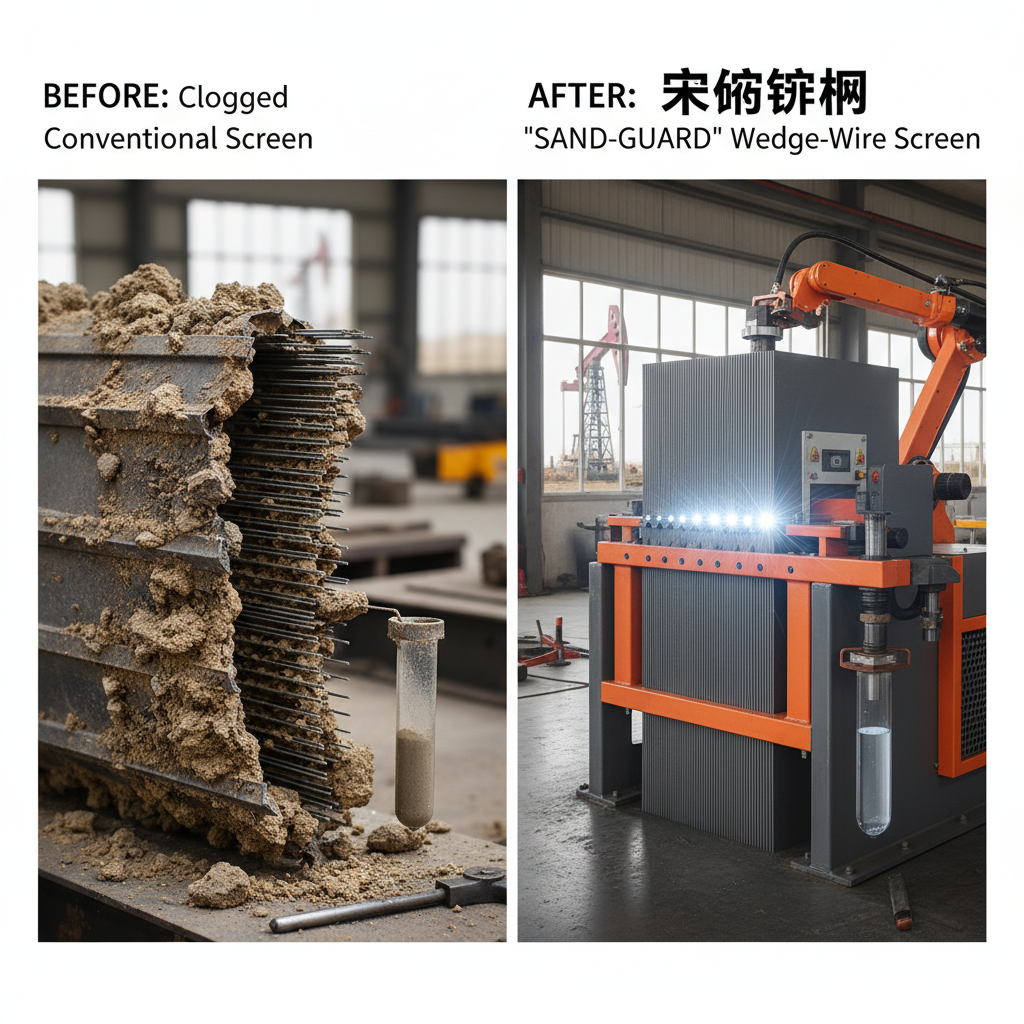
- Blinding and Clogging: Screens can get blocked by sticky or moist materials. Some manufacturers address this with ultrasonic vibration boosters or self-cleaning meshes.
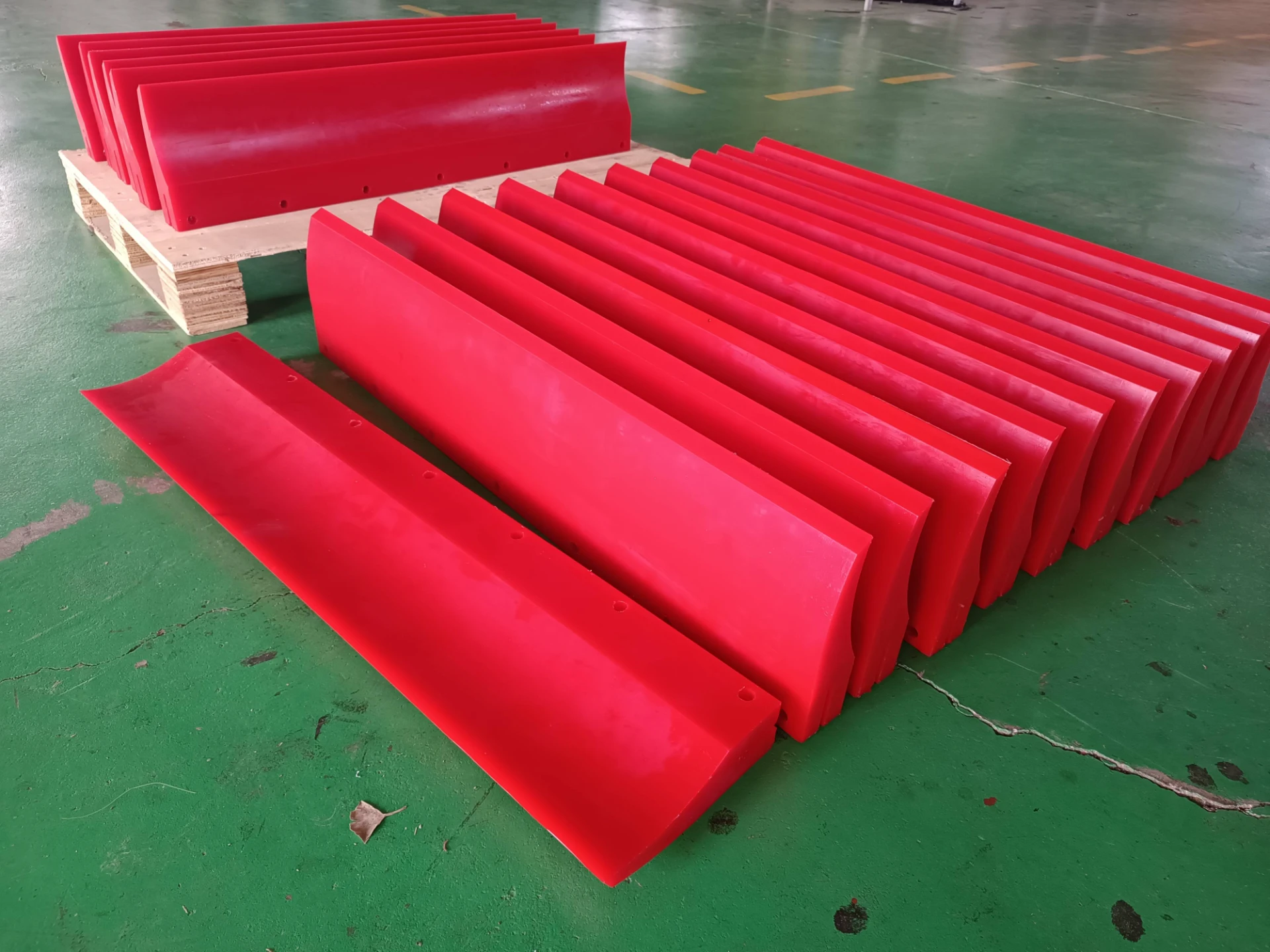
- Wear and Tear: Abrasive materials wear through screens fast. Using specialized alloys and nylon coatings extends life.
- Noisy Operation: It can be loud. Designs now prioritize noise dampening through rubber mounts and enclosed housings.
Experts also recommend frequent inspections and training operators on proper loading levels to avoid overstrain.
Frequently Asked Questions About Vibrating Screen Double Deck
- What industries benefit the most from double deck vibrating screens?
- Mining, construction, agriculture, and recycling are the primary industries. Anywhere you need fast, accurate material separation, these screens shine.
- How easy is it to switch mesh sizes on a double deck screen?
- Most modern designs have quick-release frames making mesh changes straightforward, often completed within an hour – minimizing downtime.
- Can vibrating screen double decks handle wet materials?
- Yes, with the right mesh and vibration settings, they can separate wet or damp materials efficiently, although you may need additional drainage features.
- Are these machines energy intensive?
- They do consume power, but compared to separate single decks or manual sorting, they’re generally more energy-efficient and productive.
- Is it possible to customize decks for unique material properties?
- Absolutely. Manufacturers often tailor deck sizes, mesh types, and vibration frequencies to meet specific project or material requirements.
Product Specification Table: Typical Vibrating Screen Double Deck
| Specification | Details |
|---|---|
| Screen Size | 1.2m x 3.0m |
| Number of Decks | 2 |
| Max Throughput | 250 tons per hour |
| Mesh Sizes | Top: 20mm; Bottom: 5mm |
| Vibration Motor Power | 2 x 5.5 kW |
| Weight | 1,200 kgs |
| Material | Carbon steel frame with polyurethane coating |
Vibrating Screen Double Deck Vendor Comparison
| Vendor | Price Range (USD) | Lead Time | Customization Options | Warranty |
|---|---|---|---|---|
| VibraTech Inc. | $12,000–$18,000 | 4–6 weeks | Full mesh and motor customization | 2 years |
| MutoScreen Solutions | $10,500–$15,000 | 3–5 weeks | Modular decks, quick mesh change | 18 months |
| Global Screeners Ltd. | $13,000–$20,000 | 6–8 weeks | Advanced IoT sensors available | 3 years |
For more on setup options, check out the vibrating screen double deck and their expert service offerings — it’s always smart to source the right vendor for your specs.
Wrapping It Up: Why Vibrating Screen Double Decks Keep Winning
To sum it all, vibrating screen double deck systems strike a fine balance of performance, flexibility, and cost efficiency. They bring tangible impact across industries worldwide, helping optimize critical material processes while fitting increasingly ambitious sustainability goals. Investing in one feels like future-proofing your operations without missing a beat in today’s fast-moving industrial world.
If you’re ready to get serious about efficient screening, visit our website and explore the latest in innovative double deck technology — you might just be surprised how much smoother your operations become.