Understanding cylindrical wedge wire screens in Industrial Applications
Having spent quite a few years in the industrial equipment sector, I’ve come across a wide variety of filtering and screening solutions. But cylindrical wedge wire screens have always stood out for their unique blend of durability and precision. Oddly enough, these screens feel like the unsung heroes behind many critical filtration processes — silently performing, yet utterly indispensable.
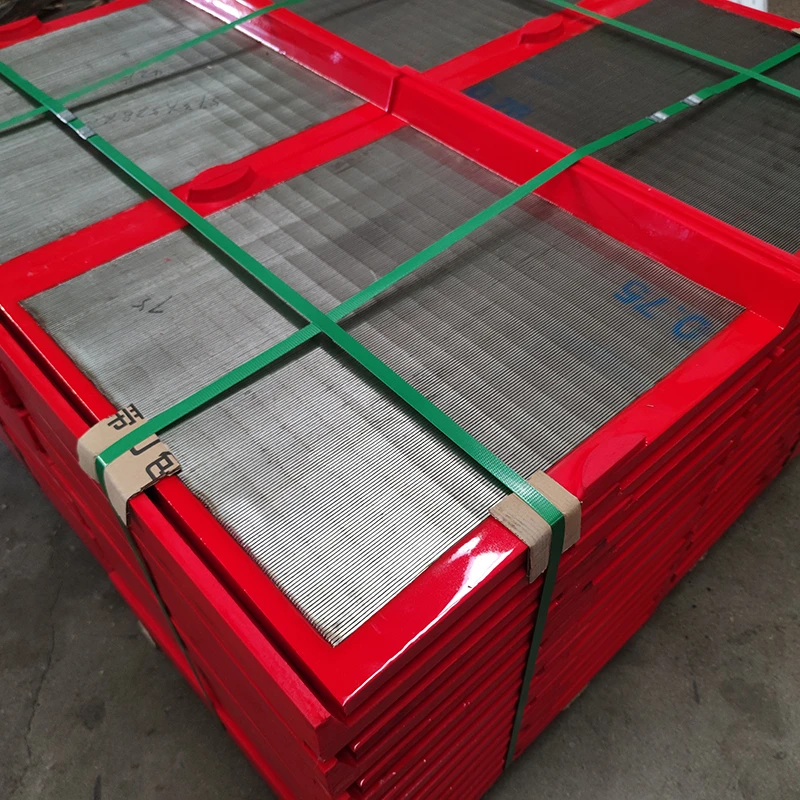
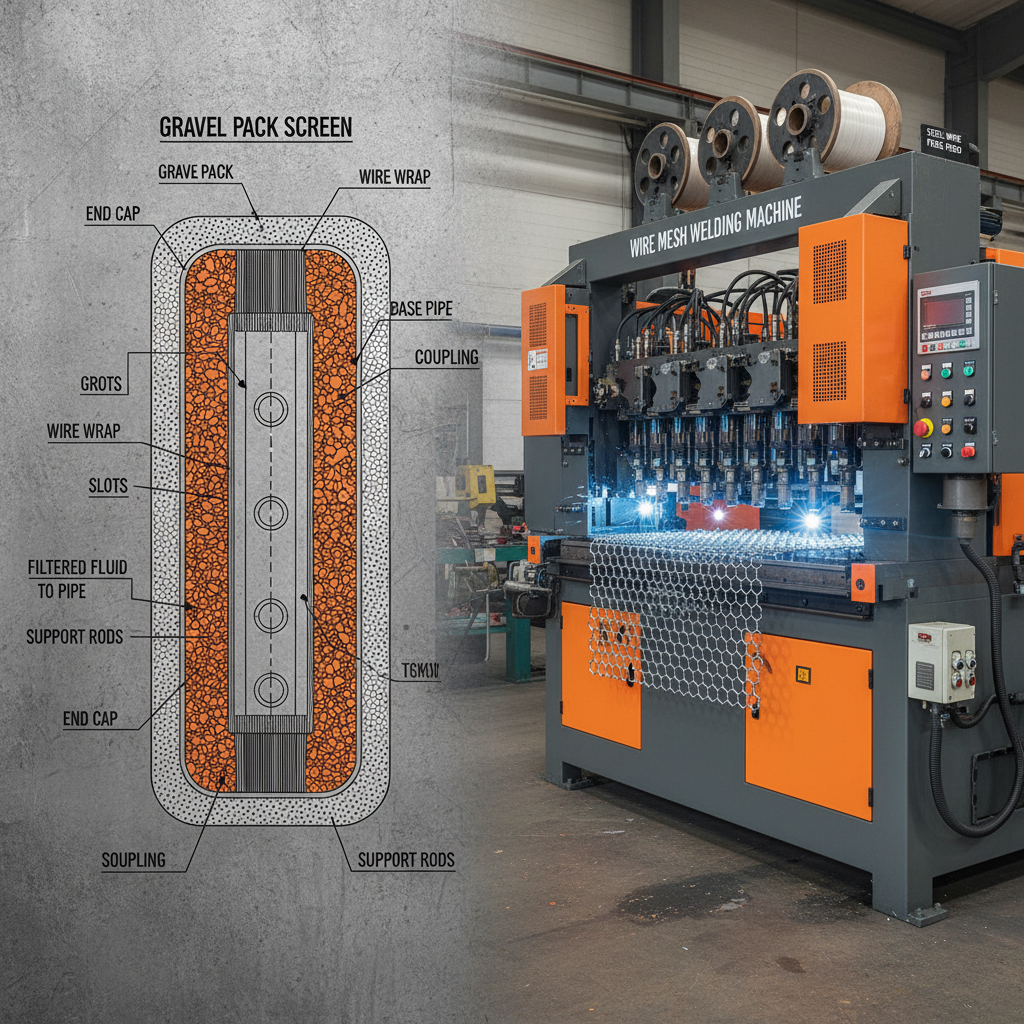
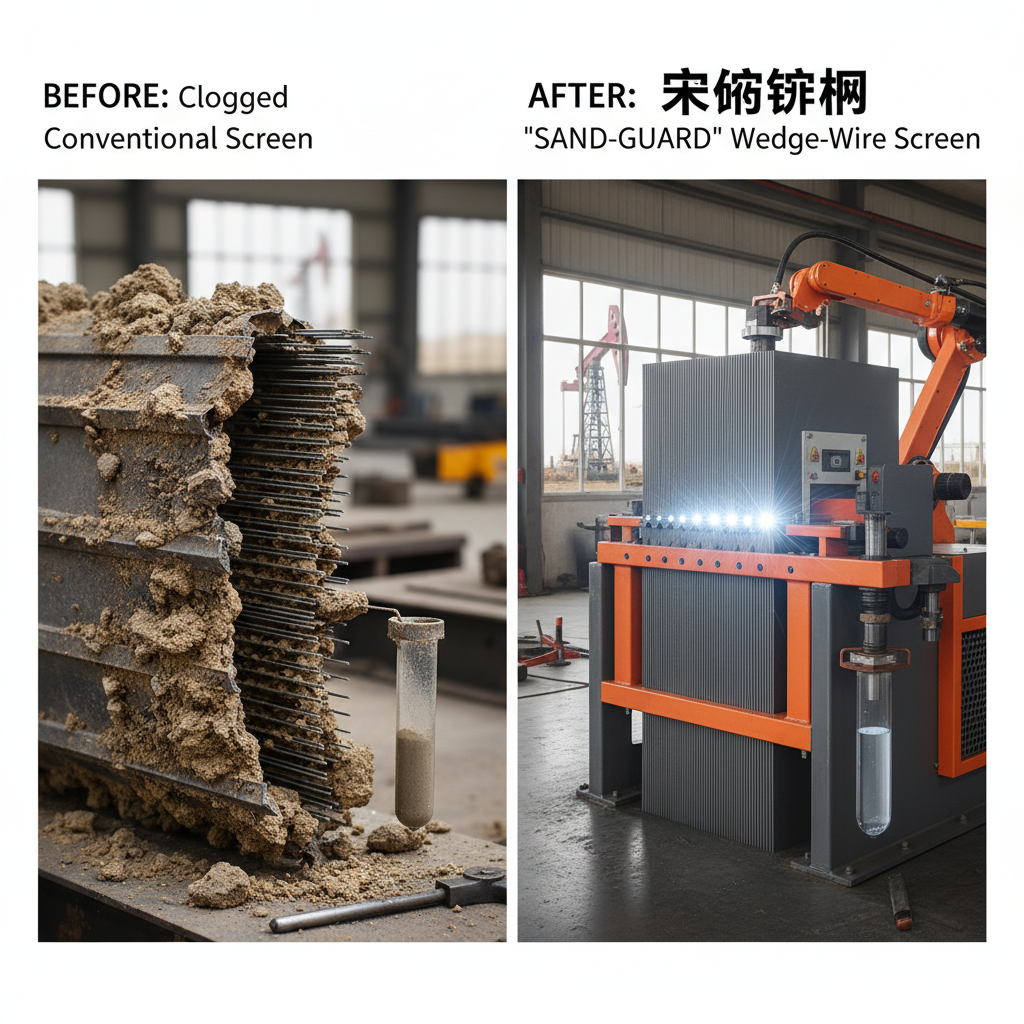
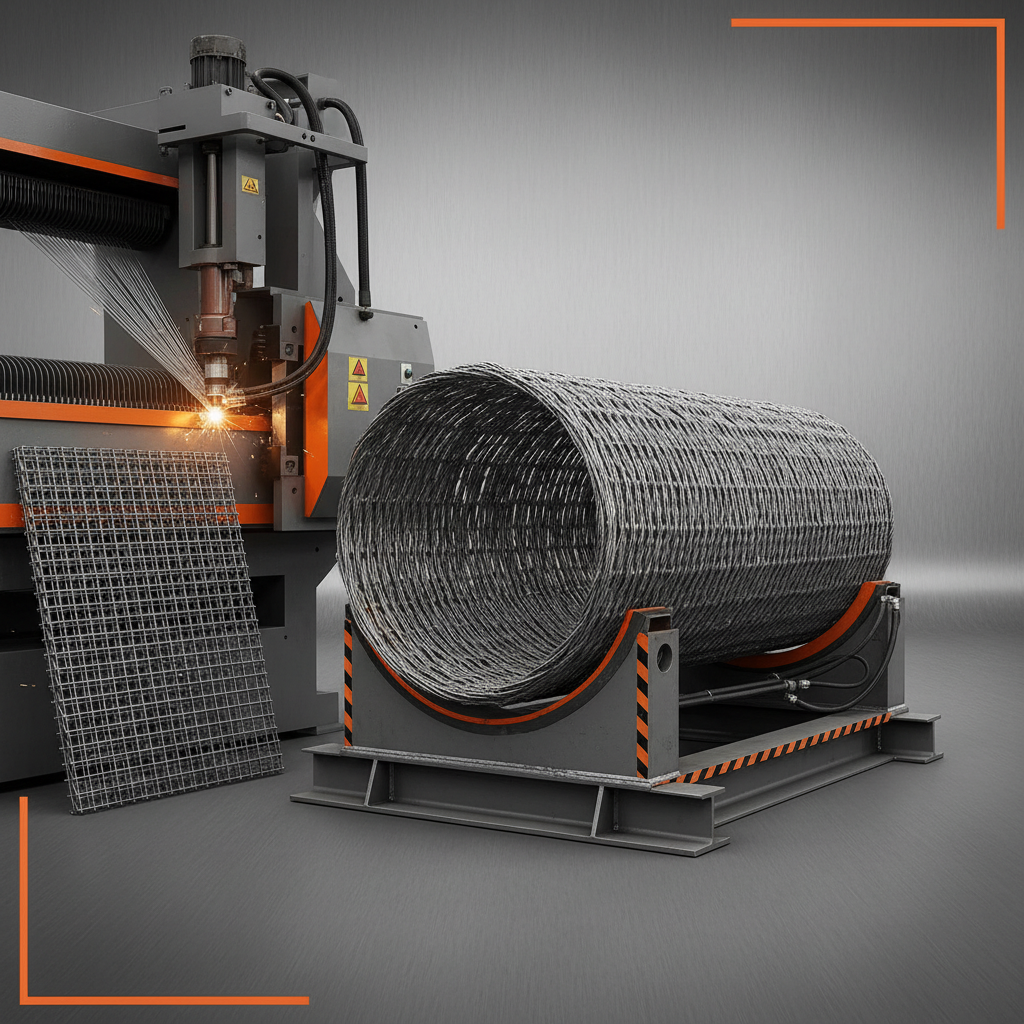
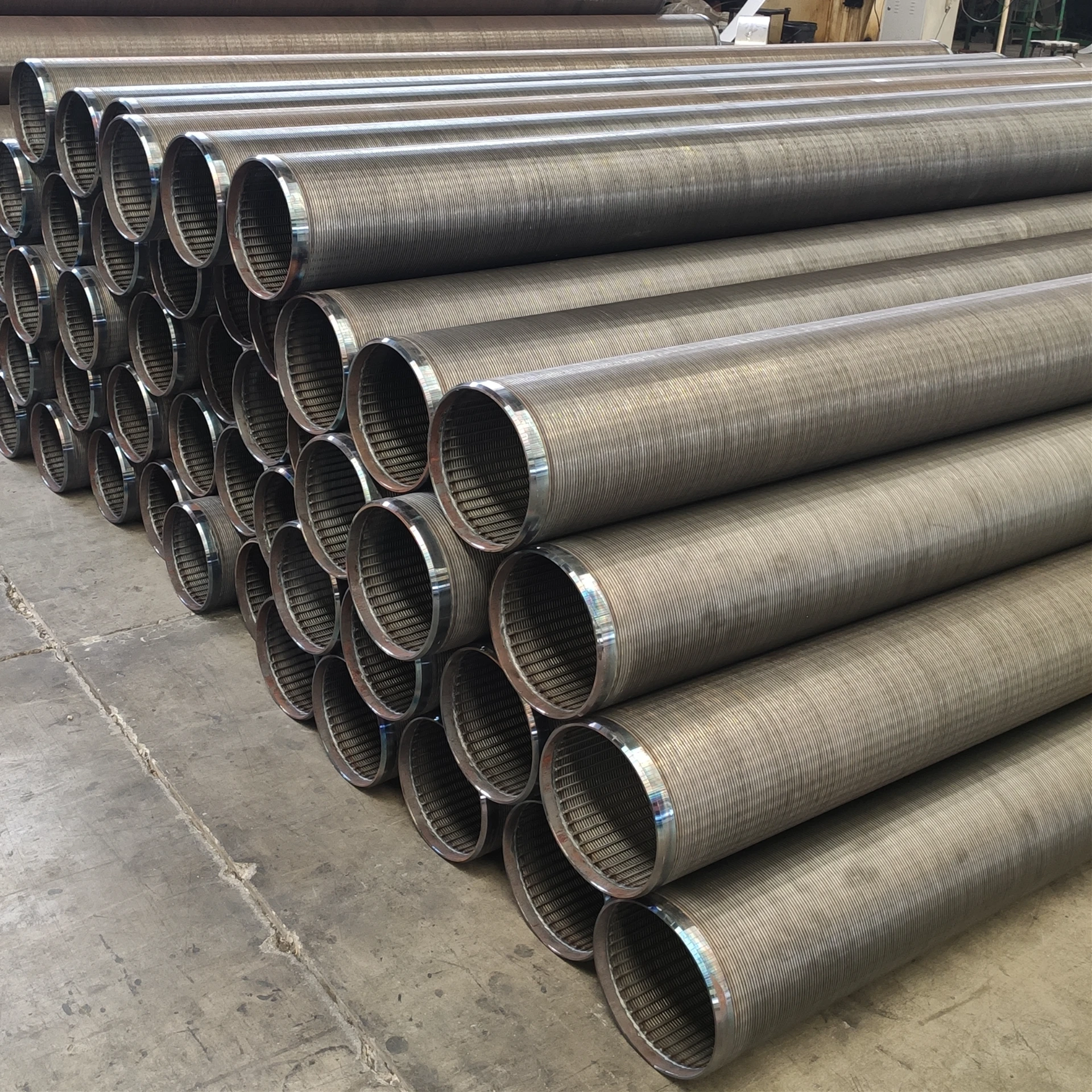
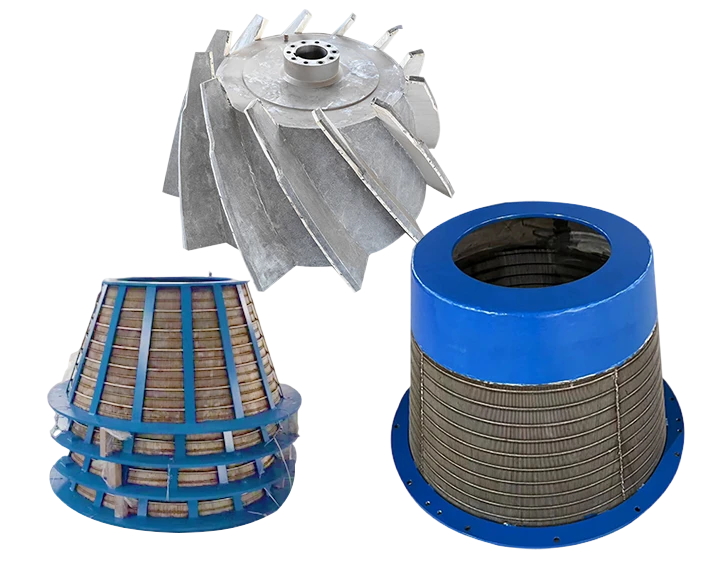
To get us started, wedge wire screens — sometimes called profile wire screens — are structured with V-shaped or wedge-shaped wires wrapped around support rods, forming a cylinder. This design isn’t just aesthetic; it massively improves filtering efficiency while reducing clogging. I remember one project where the switch to wedge wire drastically cut downtime due to clogging. It made a tangible difference that anyone can appreciate on a busy plant floor.
Material Choices & Design Benefits
In real terms, these screens are mostly made from stainless steel variants — 304 and 316 stainless steel being the most common. 316 stainless, in particular, is favored when corrosion resistance is a necessity. The choice depends on the operating environment, which can range from wastewater treatment to mining and pulp & paper.
What’s interesting is how the wedge shape creates a self-cleaning effect. As fluid flows through, solids are retained on the outside surface, but since the slot opening is narrow and wedge-shaped, trapped materials are less likely to clog the screen. It’s a simple yet elegant solution that many engineers appreciate. Plus, maintenance becomes a lot easier.
Customizability and Testing
Of course, no two applications are alike. Luckily, cylindrical wedge wire screens are highly customizable — slot sizes can range from as fine as 0.05 mm up to several millimeters, depending on particle sizes to be filtered. Also, the overall diameter and length can be tailored, which is crucial for retrofitting existing equipment.
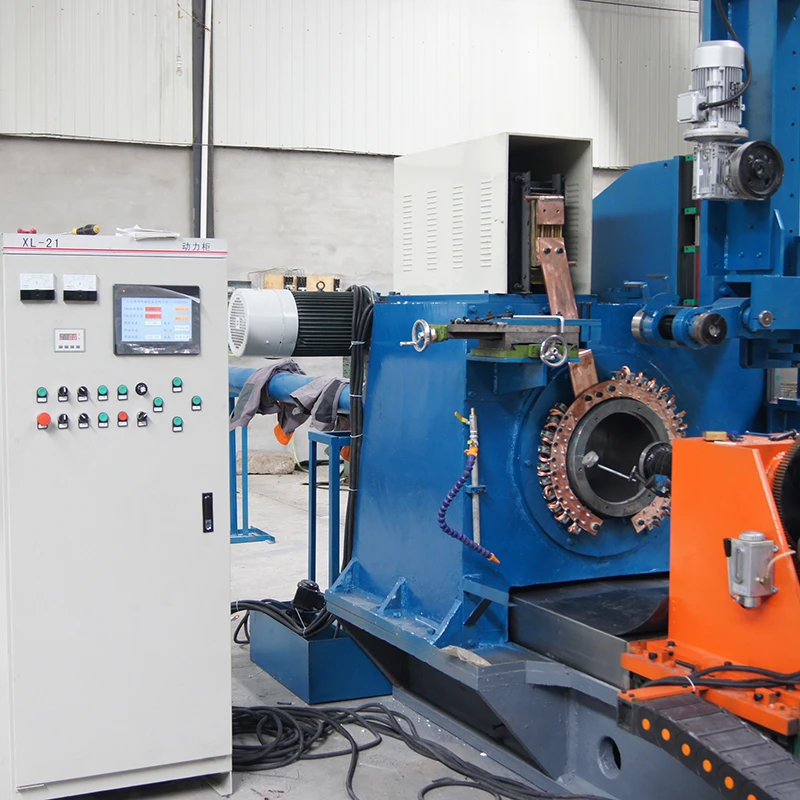
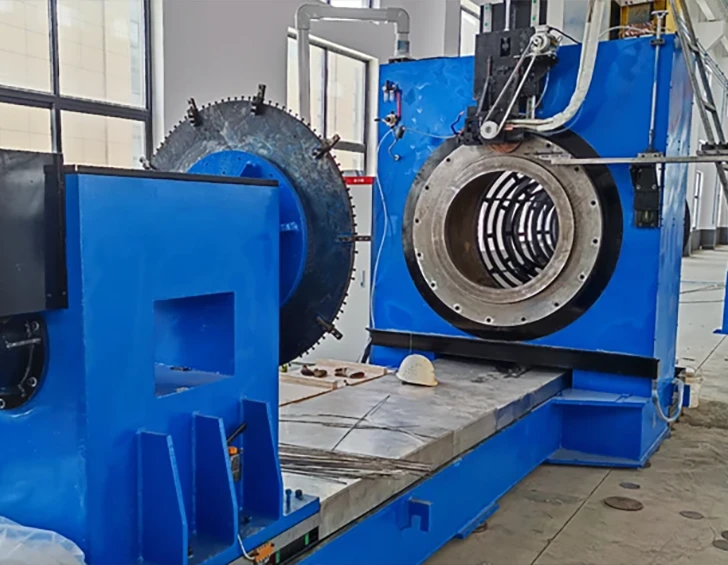
In terms of quality assurance, screens typically undergo rigorous tension testing to ensure structural integrity, along with corrosion tests if they're destined for aggressive environments. I’ve always been impressed by manufacturers like MutoScreen, who provide detailed specifications and testing data — it makes specifying equipment a lot less of a guessing game.
| Parameter | Value/Range | Notes |
|---|---|---|
| Material | 304 SS, 316 SS, Duplex SS | 316 SS preferred for corrosive environments |
| Slot Width | 0.05 mm – 10 mm | Customizable per application |
| Diameter | 50 mm – 3000 mm | Standard & custom sizes |
| Length | Up to 6000 mm | Segmented or single-piece available |
| Surface Finish | Polished or mill finish | Choice impacts cleaning & longevity |
Vendor Comparison – What to Look For
When it comes down to choosing a supplier, I’ve noticed that experience and quality control can’t be overstated. Here’s a quick comparison of top vendors I’ve worked with or researched recently:
| Feature | MutoScreen | Competitor A | Competitor B |
|---|---|---|---|
| Custom Slot Sizes | Extensive range (0.05–10 mm) | Limited options | Moderate range |
| Material Grades | 304, 316, Duplex SS | Mostly 304 SS | 316 SS on request |
| Lead Time | 3-5 weeks | 6-8 weeks | 4-6 weeks |
| Quality Certifications | ISO 9001, ASTM compliant | ISO 9001 only | None listed |
| Technical Support | Comprehensive, experienced | Limited | Basic |
An Anecdote from the Field
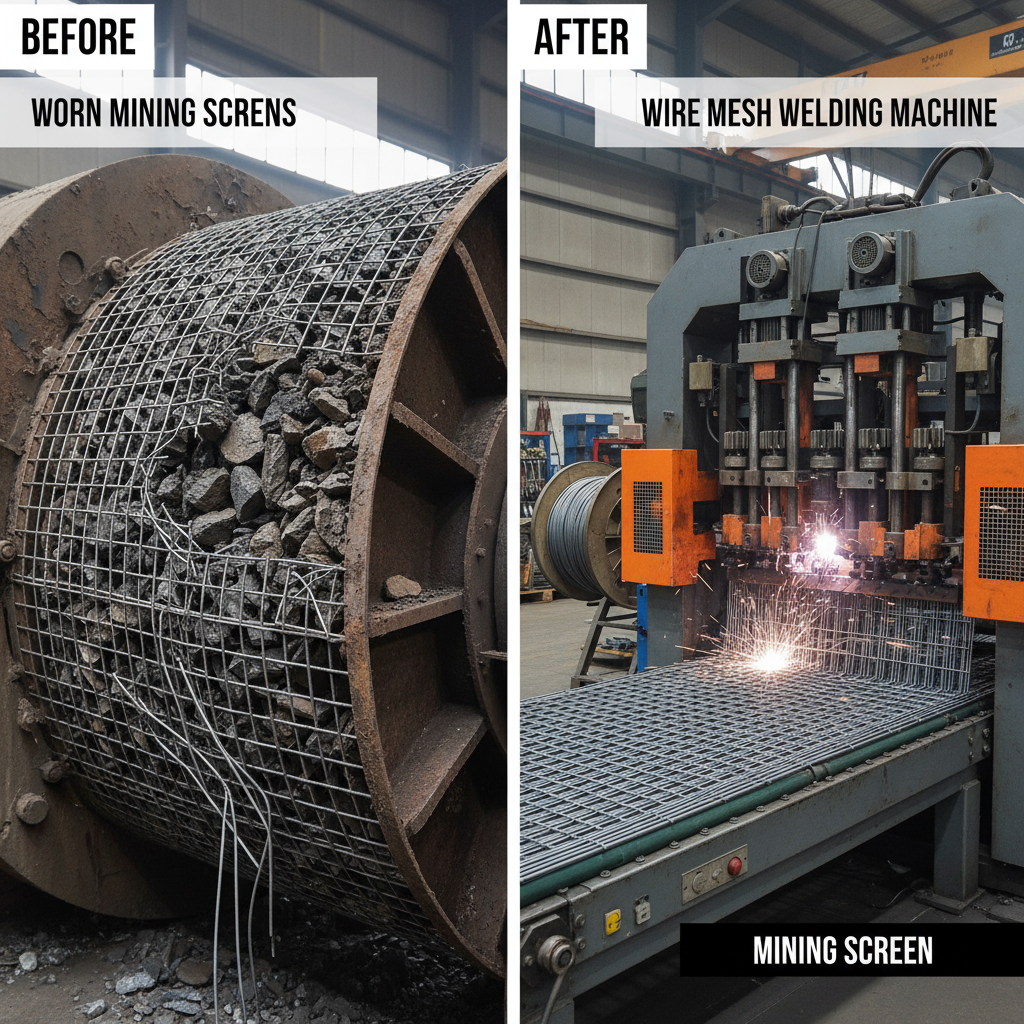
I recall a mining operation where they had a persistent problem with their slurry filtration. After switching to custom cylindrical wedge wire screens, downtime reduced drastically. The screens, tailored specifically for the ore particle size and abrasive nature, lasted nearly twice as long as the previous solution. Frankly, it was a quiet revolution for that site — fewer shutdowns meant better productivity and lower costs. It’s moments like these that remind me of the value good engineering and quality materials bring in the industrial world.
If you’re considering upgrading your filtration systems or specifying screens for a new project, it’s worth looking closely at these factors. And if you want to dive deeper, checking out specialist manufacturers like cylindrical wedge wire screens lineups definitely helps.
So, in summary: these screens might seem straightforward at first glance, but their design intricacies, material science, and manufacturing precision make a world of difference in demanding industrial environments. It’s a subtle kind of technology, yet profoundly impactful.
Thanks for reading – I hope this practical insight helps you navigate your next filtration challenge with a little more confidence.
- MutoScreen Product Brochures and Technical Specs
- ASTM Standards for Wedge Wire Screens
- Case Studies: Filtration Improvements in Mining and Wastewater Plants